What Is A Non Reactive Mixing Bowl: Safe Cookware Guide
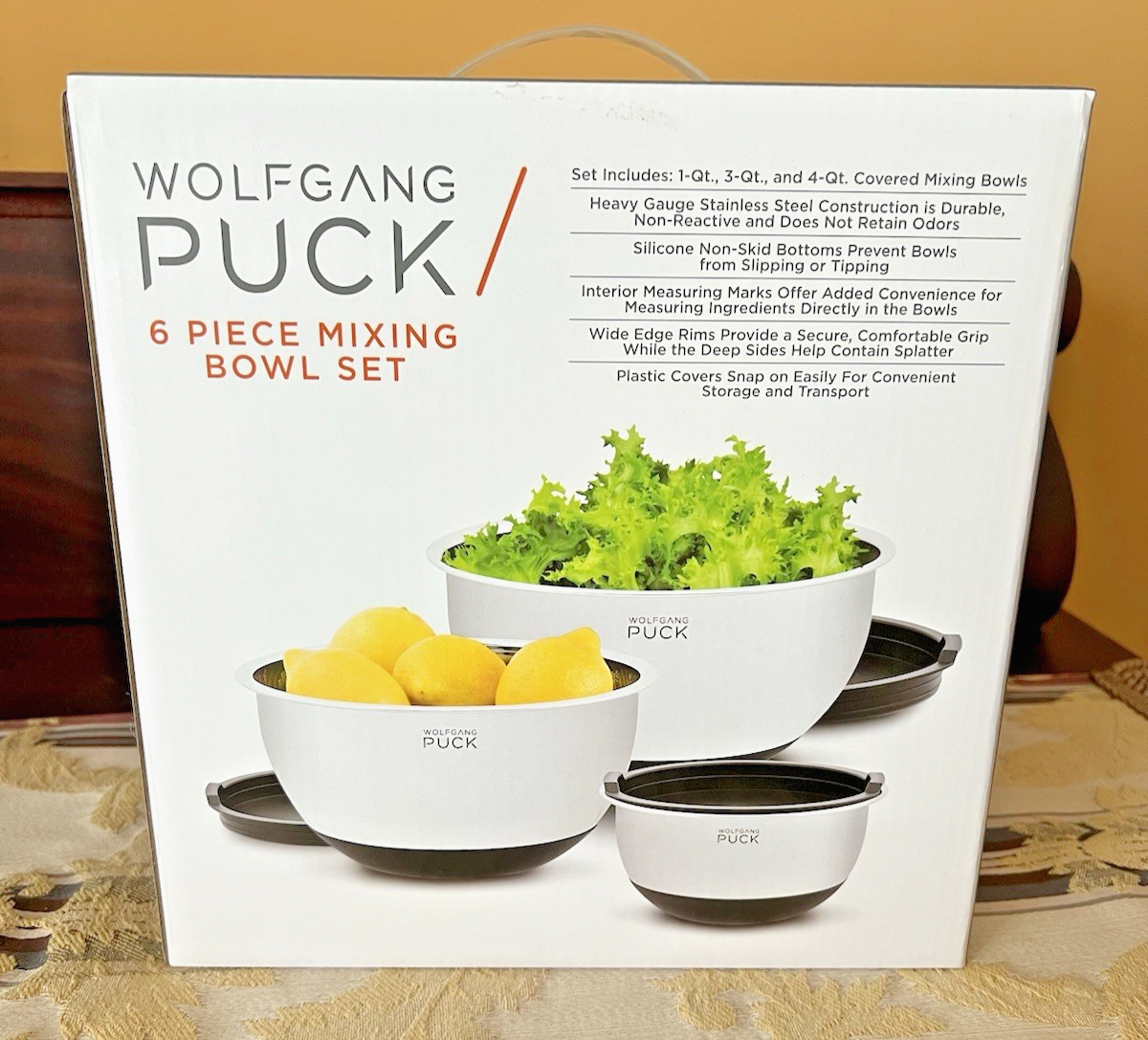
A non reactive mixing bowl is made from materials that do not react with acidic, alkaline, or salty foods.
If you have ever mixed tomato sauce, lemon juice, or vinegar in a metal bowl and noticed a strange taste, the bowl may have been reactive. Understanding what is a non reactive mixing bowl helps you choose safer cookware, protect food flavor, and avoid unwanted discoloration during daily cooking.
What Is a Non Reactive Mixing Bowl?
A non reactive mixing bowl is a kitchen bowl made from a material that stays stable when it touches food. It does not easily release metals, absorb odors, or change the taste, color, or texture of ingredients.
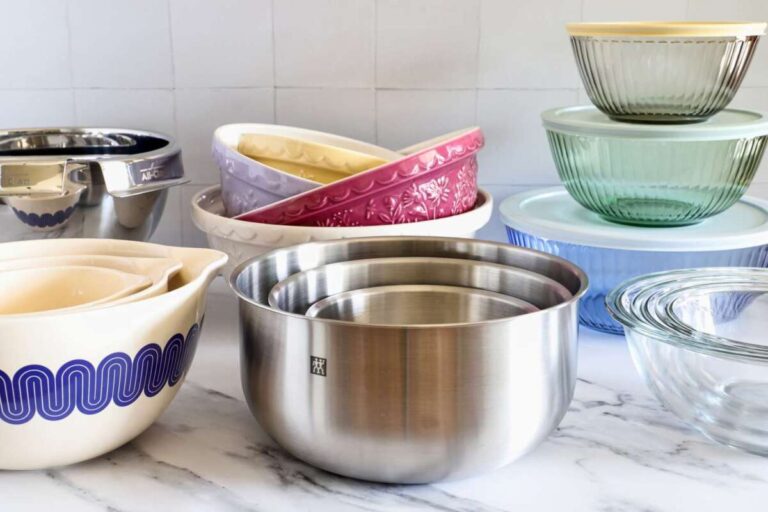
Common non reactive mixing bowl materials include:
• Stainless steel
• Glass
• Ceramic
• Porcelain
• Food grade silicone
• High quality plastic made for food use
These materials are useful for mixing salad dressing, marinating meat, preparing cake batter, whisking eggs, and storing leftovers. They act like a quiet partner in the kitchen. They hold the food without becoming part of the recipe.
A non reactive mixing bowl is especially helpful when working with acidic ingredients. Tomatoes, citrus juice, vinegar, yogurt, wine, and buttermilk can react with some metals. The reaction may affect flavor or cause metal to move into the food.
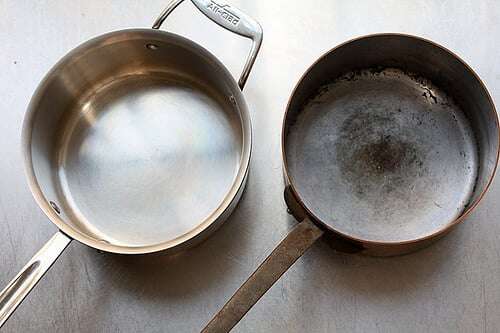
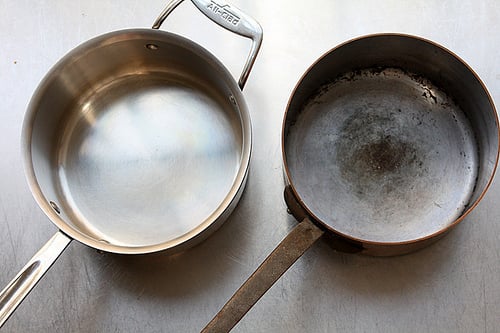
Not every metal bowl is reactive. Stainless steel is widely considered non reactive for normal kitchen use because its chromium rich surface forms a protective layer. In contrast, uncoated copper, aluminum, and cast iron can react more easily with certain foods.
Why Does Bowl Reactivity Matter?
Bowl reactivity matters because food is not chemically neutral. Some ingredients contain acids, salts, or natural compounds that interact with certain surfaces.
For example, lemon juice has citric acid. Vinegar contains acetic acid. Tomatoes also contain natural acids. When these foods sit in a reactive metal bowl, the surface may affect the food in several ways:
• The food may develop a metallic taste.
• Light colored foods may turn gray or brown.
• The bowl may become stained or dull.
• Small amounts of metal may transfer into the food.
• The food may react faster during long mixing or storage.
The risk is often low during short contact, especially with modern cookware. Still, using a non reactive mixing bowl is a simple way to reduce unwanted changes.
The reaction can be compared to leaving a wet sponge on an unprotected iron surface. Over time, the two materials interact. A non reactive mixing bowl creates a more stable barrier between the food and the bowl.
Which Materials Are Non Reactive?
The material is the most important part of a non reactive mixing bowl. Each option has different strengths, limits, and best uses.
Stainless Steel
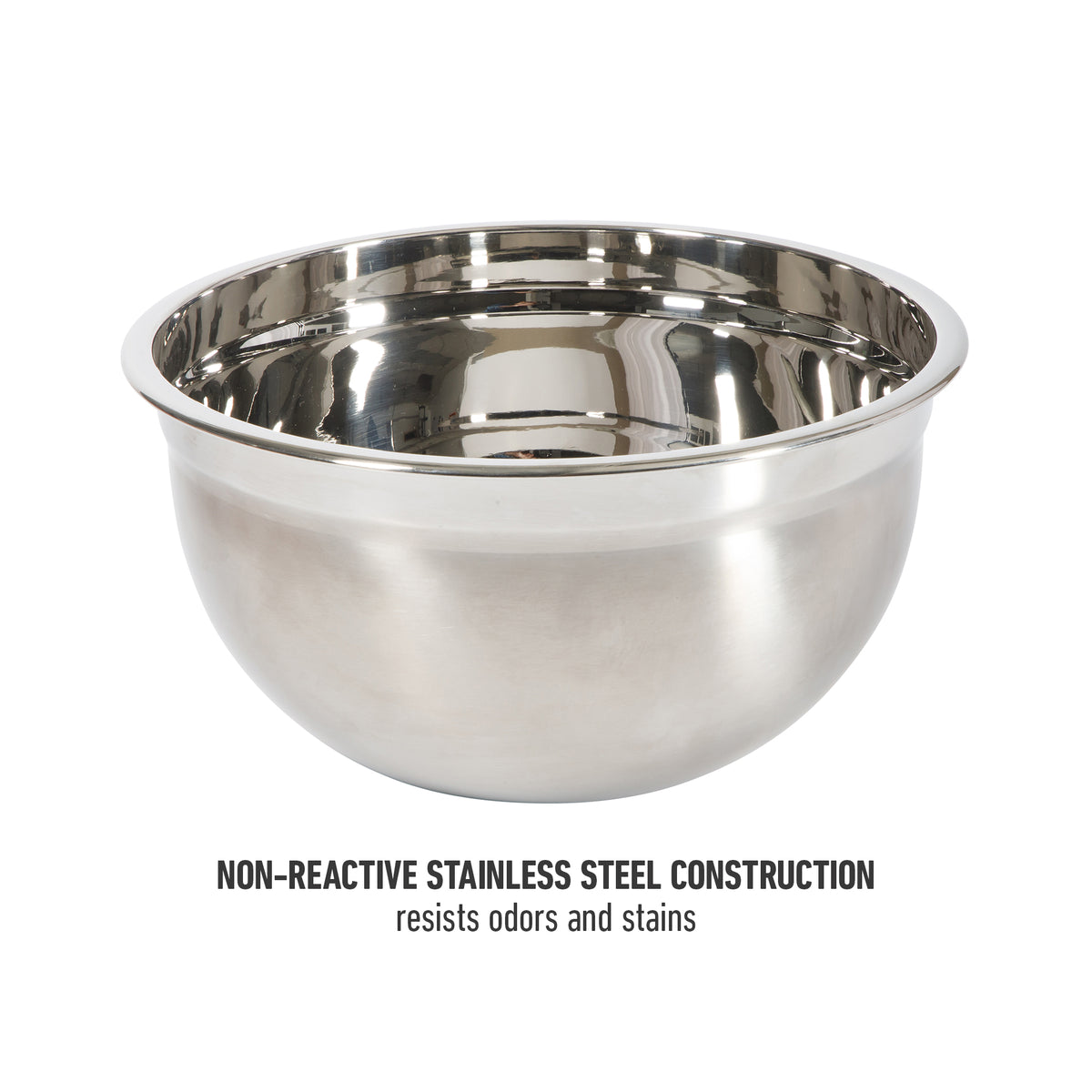
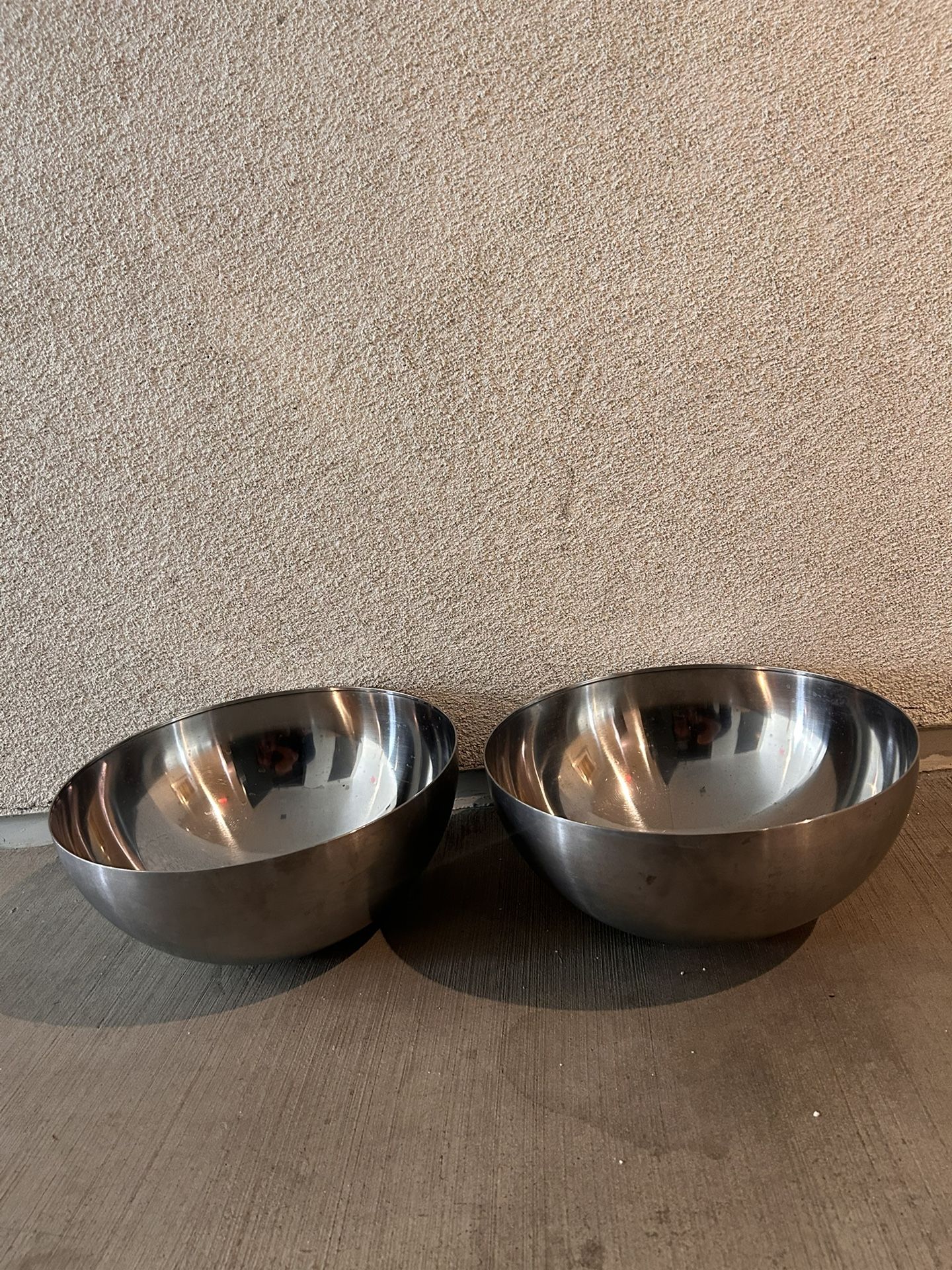
Stainless steel is one of the most practical choices. It is strong, light, easy to clean, and resistant to rust when properly made and cared for.
A stainless steel non reactive mixing bowl works well for:
• Whipping cream
• Beating eggs
• Mixing dough
• Tossing salads
• Marinating meat
• Mixing acidic sauces
Look for food grade stainless steel, such as 18/8 or 18/10 stainless steel. These numbers describe the approximate amounts of chromium and nickel in the metal. Chromium helps resist corrosion, while nickel improves strength and shine.
Do not use a badly scratched, rusty, or damaged bowl for food preparation. A quality stainless steel bowl should have a smooth surface with no peeling coating.
Glass
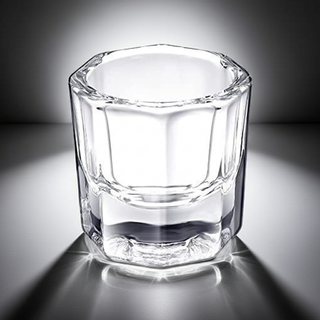
Glass is naturally non reactive and does not usually transfer taste or odor to food. It is also easy to inspect, since you can see the contents from every angle.
A glass non reactive mixing bowl is ideal for:
• Acidic marinades
• Salad dressing
• Fruit mixtures
• Batter
• Leftover storage
• Microwave heating, when the bowl is labeled microwave safe
The main drawback is weight and breakage. Sudden temperature changes can also cause some glass bowls to crack. Do not pour boiling liquid into a cold glass bowl unless the manufacturer says it is safe.
Ceramic and Porcelain
Ceramic and porcelain bowls are generally non reactive when they have a stable, food safe glaze. They are attractive and often work well for serving as well as mixing.
Check the bowl for chips, cracks, or damaged glaze. Older decorative ceramics may contain unsafe levels of lead or other substances, especially if they were not made for food use. Choose products clearly labeled for kitchen or food service use.
Silicone
Food grade silicone is flexible, light, and non reactive. It is useful for folding batter, mixing sticky foods, and working in small kitchens.
Not all silicone products have the same quality. Choose silicone labeled as food grade and heat safe. Avoid products with a strong chemical smell, a sticky surface, or unclear manufacturing details.
Plastic
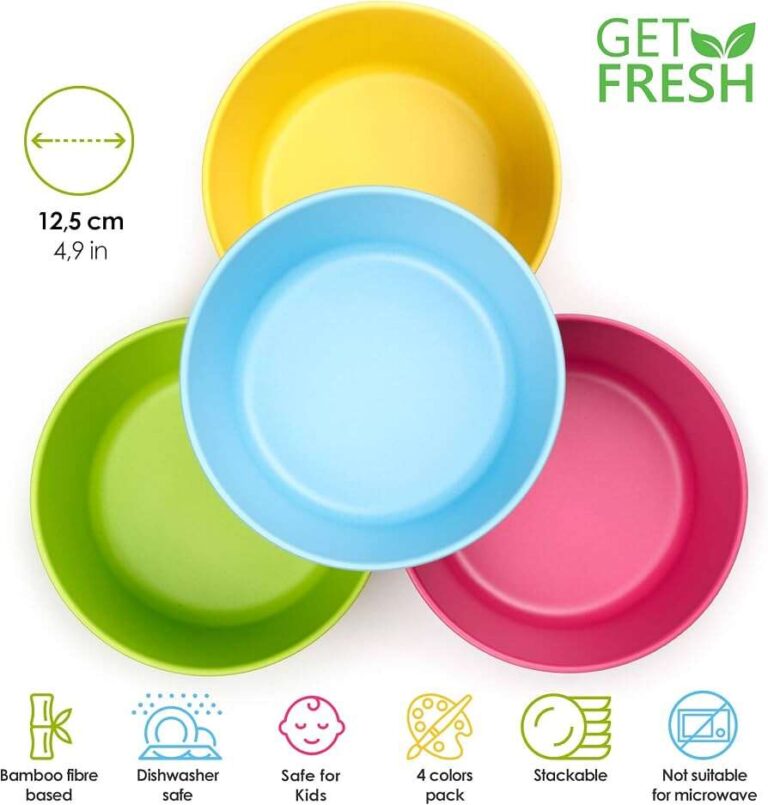
Many plastic bowls are non reactive for normal food use. They are light, affordable, and less likely to break than glass.
Plastic can absorb odors, stain from tomato sauce, and scratch more easily than stainless steel or glass. Replace bowls that are deeply scratched, cloudy, cracked, or damaged by heat.
Which Bowls Are Reactive?
Reactive bowls are usually made from exposed metals that can interact with acidic or salty ingredients. This does not mean they are always unsafe. It means they require more care and are not the best choice for every recipe.
Common reactive materials include:
• Uncoated aluminum
• Unlined copper
• Cast iron
• Carbon steel
• Damaged or peeling enamel
Aluminum is light and conducts heat well, but acidic foods may cause a reaction during long contact. Copper has excellent heat control, yet it should be lined with stainless steel or another safe coating when used with food.
Cast iron and carbon steel can also react with acidic foods. A brief contact may not cause a major problem, but long marinades or tomato based mixtures may weaken seasoning and create a metallic flavor.
A reactive bowl is not automatically dangerous. The concern depends on the material, food, contact time, temperature, and condition of the surface. A non reactive mixing bowl simply gives you a more reliable choice.
Benefits of Using a Non Reactive Mixing Bowl
A non reactive mixing bowl offers more than chemical stability. It also makes food preparation easier and more predictable.
It Protects Flavor
Acidic foods can pick up a metallic taste from some surfaces. A non reactive mixing bowl helps the ingredients taste as intended.
This matters most for delicate foods. Whipped cream, custard, vinaigrette, fruit salad, and mayonnaise can quickly reveal strange flavors.
It Preserves Color
Reactive metals may darken light foods or affect bright ingredients. A glass, ceramic, or stainless steel bowl helps keep colors more natural.
This is useful when making lemon curd, tomato salsa, berry mixtures, or whipped egg whites.
It Works With More Recipes
A non reactive mixing bowl gives you greater freedom. You can use one bowl for a marinade, then switch to a cake batter without worrying about unwanted interactions.
It Is Easier to Maintain
Most non reactive mixing bowls are simple to wash and reuse. Stainless steel and glass do not usually retain strong food odors. Silicone is also easy to clean when it is high quality and not damaged.
It Supports Safer Food Handling
A stable bowl does not replace safe cooking or refrigeration. However, it reduces one avoidable source of food quality problems, especially when food sits in the bowl for several hours.
How to Choose the Best Non Reactive Mixing Bowl
The best bowl depends on your recipes, kitchen space, and cleaning habits. Use these points before buying.
-
Choose a food safe material. Stainless steel, glass, glazed ceramic, porcelain, and food grade silicone are reliable options.
-
Match the size to your cooking style. A small bowl works for sauces and dressings. A medium bowl suits eggs and batter. A large bowl helps with salad, dough, and meal preparation.
-
Check the surface. Avoid cracks, deep scratches, chips, rust, or peeling finishes.
-
Look for a stable base. A rubber or silicone base can stop the bowl from sliding while you whisk.
-
Consider the rim. A rounded pouring rim helps with batter, sauces, and liquids.
-
Review care instructions. Some bowls are dishwasher safe, while others need gentle hand washing.
-
Think about storage. Nesting bowls save cabinet space and reduce clutter.
-
Confirm heat limits. A bowl may be non reactive but still unsafe for an oven, microwave, or broiler.
For most homes, a set with one small stainless steel bowl, one medium glass bowl, and one large mixing bowl covers nearly every basic task.
How to Use a Non Reactive Mixing Bowl Correctly
Using a non reactive mixing bowl is simple, but a few habits improve results.
First, inspect the bowl before use. A clean, smooth surface is easier to trust than one with damage. Wash away grease and soap residue, since both can affect whipped foods and delicate sauces.
Next, choose enough space for the recipe. Overfilling makes mixing messy and can cause uneven results. Leave room for ingredients to rise when you whip cream or egg whites.
When marinating meat, place the bowl in the refrigerator and cover it. A non reactive mixing bowl protects the food’s quality, but it does not make food safe at room temperature.
Avoid sudden heat changes with glass or ceramic. Move the bowl from room temperature to the oven only when the label confirms that it is oven safe. Thermal shock can break even a strong bowl.
In my own kitchen tests, the most common mistake is not choosing the wrong material. It is using a bowl that is too small. A large stainless steel bowl often makes whisking easier, reduces splashes, and gives dough room to develop.

Non Reactive Mixing Bowl Versus Reactive Bowl
The main difference is how the bowl’s surface responds to food.
| Feature | Non reactive mixing bowl | Reactive bowl |
|---|---|---|
| Food contact | Usually stable | May interact with acids or salts |
| Flavor | Helps preserve the original taste | May create a metallic taste |
| Color | Less likely to discolor food | May affect light or acidic foods |
| Best materials | Glass, stainless steel, ceramic, porcelain | Uncoated aluminum, copper, cast iron |
| Long marinades | Usually suitable | May require caution |
| Maintenance | Often simple | May need lining or seasoning |
A reactive bowl can still be useful. For example, copper bowls are valued for whipping egg whites because copper ions can help stabilize the foam. However, this is a special culinary use, not a reason to use unlined copper for every recipe.
The safest approach is to understand the material rather than fear it. Use reactive bowls for suitable tasks and choose a non reactive mixing bowl for acidic foods and long contact.

Common Mistakes to Avoid
Even a high quality non reactive mixing bowl can cause problems if it is used poorly.
• Storing acidic food in a damaged bowl can expose the food to unsafe surfaces.
• Using decorative pottery without checking whether it is food safe can create avoidable risk.
• Assuming every metal bowl is reactive can lead to unnecessary replacement of good stainless steel cookware.
• Putting a cold glass bowl near high heat can cause thermal shock.
• Leaving food uncovered in the refrigerator can lead to odor transfer and contamination.
• Using abrasive cleaners on polished stainless steel can create scratches.
• Ignoring a strong chemical smell in silicone may indicate poor quality.
One lesson I have learned from testing kitchen tools is that labels matter. Terms such as “stainless look,” “metal finish,” or “stone style” do not always describe the actual material. Read the product details and care instructions before buying.

Cleaning and Caring for Your Bowl
Good care extends the life of a non reactive mixing bowl.