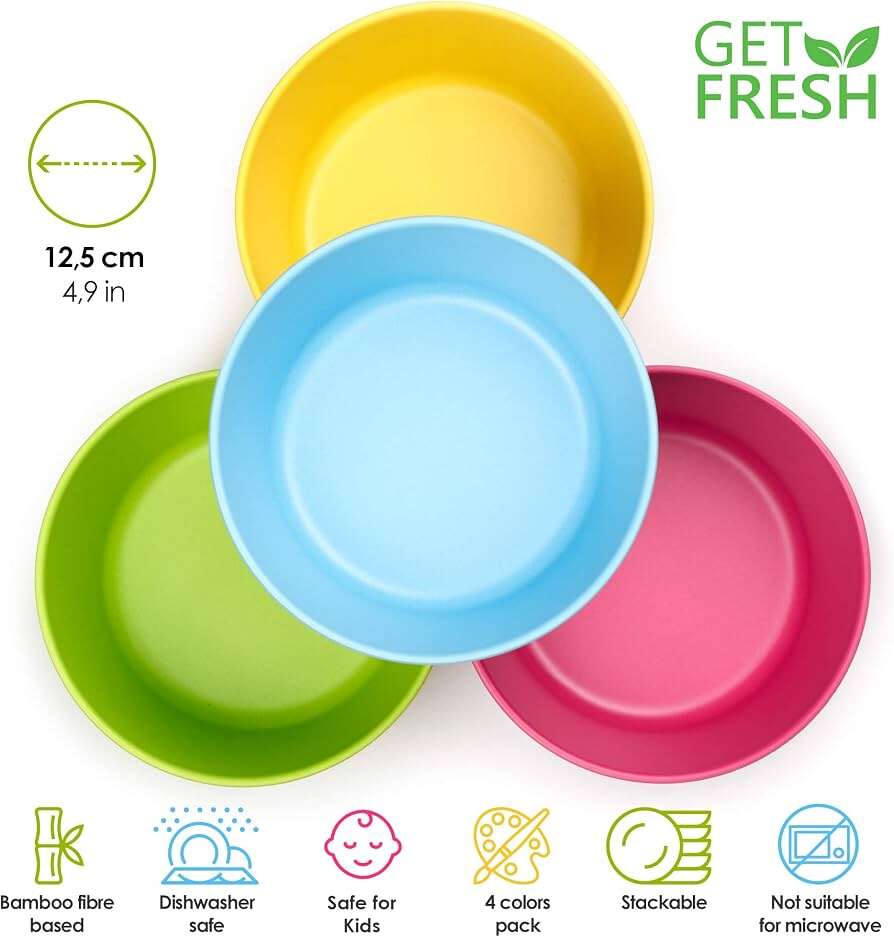
Are Bamboo Bowls Microwave Safe: The Complete Safety Guide
Most bamboo bowls are not microwave safe, especially those made with bamboo fiber, melamine, or resin.
The answer to “are bamboo bowls microwave safe” depends on the bowl’s exact material and care label. Solid bamboo, bamboo fiber composites, and bamboo-melamine bowls react to heat in different ways. This guide explains how to identify your bowl, what can go wrong, and which safer options to use.
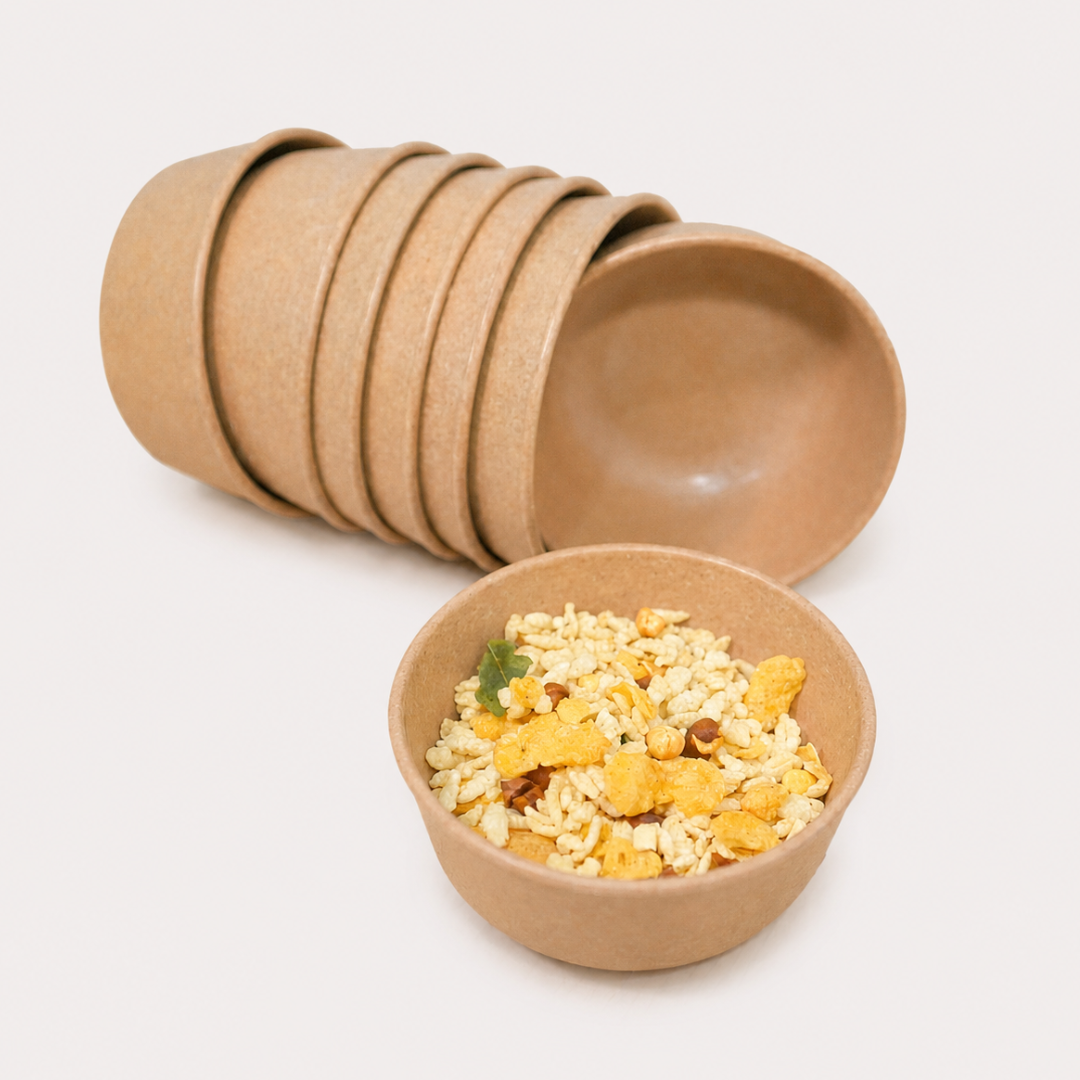
Are bamboo bowls microwave safe?
In most cases, bamboo bowls are not microwave safe. Many products sold as “bamboo bowls” are made from bamboo fiber mixed with melamine resin, plastic, cornstarch, or other binders. These materials can warp, crack, discolor, or release unwanted chemicals when heated.
Solid bamboo bowls are also poor choices for microwave use. Wood contains natural moisture, and rapid heating can dry it out unevenly. This may cause cracks, splitting, scorching, or even smoke in extreme cases.
The safest rule is simple: use a bamboo bowl in the microwave only when the manufacturer clearly states that it is microwave safe. If the label is missing or unclear, choose a glass or ceramic bowl instead.
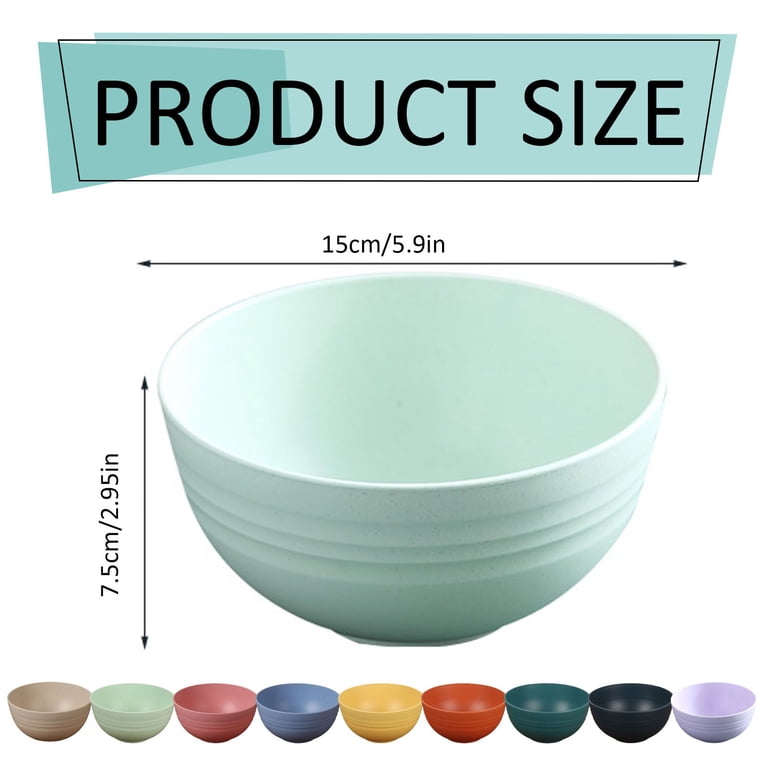
Why most bamboo bowls should not go in the microwave
Microwave ovens heat water molecules inside food. That heat then spreads into the bowl. A material that looks cool and natural on the outside may still become hot, weak, or unstable during use.
Several common bamboo bowl materials create safety concerns.
Bamboo fiber and resin bowls
Bamboo fiber bowls often contain finely ground bamboo mixed with a binding agent. The binder helps the bowl keep its shape, but it may soften or break down under high heat.
Some bamboo fiber products use melamine-formaldehyde resin. Melamine tableware is designed for normal food service, not microwave heating. Heat can increase the chance of chemical migration from the material into acidic or hot foods.
Solid bamboo bowls
Solid bamboo is a type of wood. It can absorb water, dry out, and develop small cracks. Microwave heating speeds up these changes.
A solid bamboo bowl may not melt like plastic, but that does not make it microwave safe. It can become very hot, split along the grain, or develop a burnt smell.
Bamboo and plastic blends
Some bowls marketed as bamboo products contain polypropylene or another plastic. These may be microwave safe, but only if the product label says so.
The word “bamboo” alone does not confirm microwave safety. Always check the full material list and the care instructions.
What can happen if you microwave a bamboo bowl?
Using the wrong bowl can create both product damage and food safety problems. The result may not happen during the first use, which makes repeated heating especially risky.
Possible problems include:
• Warping that makes the bowl unstable
• Cracks or splits in the bowl
• A burnt, smoky, or chemical smell
• Surface bubbling or peeling
• Staining from hot sauces, oils, or tomato-based foods
• Faster wear and a shorter product life
• Chemical migration into food
The most serious concern is chemical migration. Heat, acidity, fat, and long heating times can all affect how substances move from a food container into food. This does not mean every bamboo bowl will release harmful chemicals, but it does mean that microwave use should follow the manufacturer’s instructions.
If a bowl becomes unusually hot, smells strange, changes shape, or develops cracks, stop using it for food.

How to tell if a bamboo bowl is microwave safe
Do not rely on appearance. Two bowls may look nearly identical but have very different heat limits.
Use this checklist before placing any bamboo bowl in a microwave:
-
Check the bottom of the bowl for a microwave-safe symbol. This often looks like a microwave oven with curved lines.
-
Read the packaging or care card. Look for clear wording such as “microwave safe.”
-
Check the material list. Look for bamboo fiber, melamine, resin, PLA, polypropylene, or other binders.
-
Review the manufacturer’s website if the packaging is not available.
-
Look for warnings such as “do not microwave,” “hand wash only,” or “not for hot foods.”
-
Contact the manufacturer if the instructions are unclear.
A recycling symbol does not prove that a bowl is microwave safe. The symbol only identifies a material or recycling category. It does not confirm that the product can handle microwave heat.
The same rule applies to dishwasher safety. A bowl that is dishwasher safe may still be unsafe for microwave use because dishwashers heat items in a different way.
Are bamboo fiber bowls microwave safe?
Most bamboo fiber bowls are not microwave safe unless the manufacturer specifically approves microwave use. Many are made with a mixture of bamboo powder and melamine resin or another binder.
These bowls are often promoted as reusable, lightweight, and eco-friendly. However, a natural-looking product is not automatically heat safe. “Bamboo” may describe only one part of the product.
Bamboo fiber bowls may also be more sensitive to:
• High temperatures
• Long heating times
• Hot liquids
• Acidic foods such as tomato sauce
• Oily foods
• Repeated heating and cooling
Some brands sell bamboo fiber products that are tested for limited microwave use. Follow the exact time and power limits if the label provides them. Never assume that one brand’s instructions apply to another brand.

Are bamboo melamine bowls microwave safe?
Bamboo melamine bowls should generally not be used in a microwave. Melamine tableware is hard and durable, but it is not intended for microwave heating unless the manufacturer gives specific approval.
Food safety agencies commonly advise consumers not to heat food in melamine dishes. High heat may increase the movement of melamine and related compounds into food. Acidic foods and high temperatures can make this concern more important.
A bowl labeled “bamboo melamine” is not the same as a bowl made from solid bamboo. Both products should be kept out of the microwave unless the care instructions clearly say otherwise.
Are solid bamboo bowls microwave safe?
Solid bamboo bowls are usually not microwave safe. Bamboo is a natural wood material, and microwave heat can remove moisture unevenly.
This may cause:
• Cracking
• Splitting
• Rough or raised grain
• Dark scorch marks
• Loss of shape
• A dry or brittle surface
Solid bamboo bowls work well for dry foods, snacks, salads, and room-temperature meals. They are not a good choice for heating soup, oatmeal, leftovers, or sauces.
If you need to heat food, place it in a microwave-safe glass or ceramic bowl first. Then transfer it to the bamboo bowl for serving.

Safer alternatives to bamboo bowls for microwave use
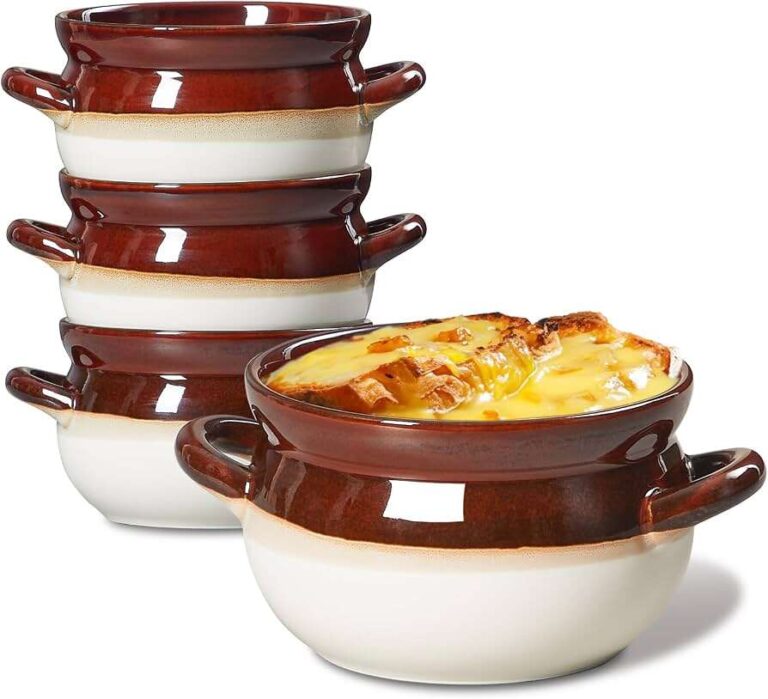
Glass and ceramic are usually the best choices for heating food. They are stable, easy to clean, and widely available in microwave-safe designs.
Good alternatives include:
• Heat-resistant glass containers
• Plain ceramic bowls without metallic paint
• Microwave-safe stoneware
• Microwave-safe polypropylene containers labeled for heating
• Silicone bowls approved for microwave use
Avoid bowls with gold or silver trim. Metal decorations can spark in a microwave and damage the oven.
Plastic containers also need care. Only use plastic marked as microwave safe. Takeout containers, yogurt cups, foam trays, and single-use packaging may warp or release substances when heated.
A safe way to use bamboo bowls with hot food
You do not need to stop using bamboo bowls. You only need to use them for the job they are designed to do.
A practical routine is:
-
Heat the food in a labeled microwave-safe glass or ceramic container.
-
Stir the food to spread heat evenly.
-
Let the food cool for a short time if it is extremely hot.
-
Transfer the food to the bamboo bowl.
-
Wash the bamboo bowl according to the care instructions.
This method protects the bowl and reduces unnecessary exposure to heat. It also prevents a common mistake: pouring boiling soup into a bamboo fiber bowl and assuming that the product can handle the temperature because it is labeled reusable.
Cleaning and caring for bamboo bowls
Proper care can extend the life of a bamboo bowl. Heat is only one part of the problem. Water, harsh soap, and poor drying can also damage the bowl.
For most bamboo bowls:
• Wash by hand with warm water and mild dish soap.
• Do not soak the bowl for a long time.
• Dry it completely after washing.
• Keep it away from ovens, stovetops, and direct heat.
• Do not use abrasive scrubbers.
• Do not place it in the dishwasher unless the maker approves it.
• Stop using it if the surface becomes rough, cracked, chipped, or discolored.
Avoid using a damaged bowl for wet or hot food. Small cracks can trap food particles and moisture, making the bowl harder to clean.
Common mistakes to avoid
Many problems happen because shoppers trust marketing words instead of care instructions. A bowl may be described as natural, sustainable, reusable, or biodegradable without being safe for microwave heating.
Avoid these mistakes:
• Assuming “bamboo” means heat resistant
• Testing an unlabeled bowl in the microwave
• Using a bamboo bowl for boiling soup
• Heating food for a short time and assuming longer heating is safe
• Relying on a recycling symbol
• Ignoring a chemical smell or surface change
• Buying a replacement bowl without checking its material
One especially risky habit is using a bowl for “just 30 seconds” without checking the label. Microwave safety is based on the entire product design, not on a short test. A quick heating cycle may not show damage right away.
What experts and safety guidance suggest
Food-contact safety depends on the finished product, not just one ingredient. A product made with bamboo fiber may have different properties from solid bamboo or bamboo-plastic material.
Regulatory guidance on food containers generally focuses on the intended use. A container approved for room-temperature food is not automatically approved for hot food. Microwave approval should come from product testing and clear manufacturer instructions.
Independent consumer safety testing has also raised concerns about some bamboo-containing plastic products, especially those made with melamine-formaldehyde resin. This is why careful labeling matters more than the product’s natural appearance.
The most reliable approach is conservative:
• Follow the product label.
• Use glass or ceramic when no label exists.
• Do not heat damaged bowls.
• Avoid very hot, acidic, or oily foods in unapproved containers.
This approach does not claim that every bamboo product is dangerous. It recognizes that materials and manufacturing methods vary, so the safest answer must account for the individual product.
PAA-style questions about bamboo bowl safety
Can you put a bamboo bowl in the microwave for 30 seconds?
You should not do so unless the manufacturer clearly labels that bowl as microwave safe. A short heating time does not guarantee that bamboo fiber, resin, or solid bamboo will remain stable.
Can bamboo bowls hold hot soup?
Some bamboo bowls can hold warm food, but many are not designed for boiling or very hot liquids. Check the product instructions, and use a glass or ceramic bowl for very hot soup.
Do bamboo bowls contain plastic?
Many bamboo fiber bowls contain a binder such as melamine resin or plastic. Read the material label because “bamboo” may describe only the fiber, not the entire bowl.
Are bamboo bowls dishwasher safe?
Some are dishwasher safe, but many require hand washing. Check the manufacturer’s instructions because dishwasher heat and moisture can cause warping, cracks, or surface damage.
Can bamboo bowls go in the oven?
Most bamboo bowls should not go in the oven. Oven heat is much higher than normal food service temperatures and can cause burning, cracking, melting, or other damage.
Is bamboo tableware safer than plastic?
Not automatically. Safety depends on the exact material, additives, temperature, and intended use. A properly labeled microwave-safe glass or plastic bowl may be safer for heating than an unlabeled bamboo bowl.
Conclusion
So, are bamboo bowls microwave safe? Usually, no. Solid bamboo, bamboo fiber, and bamboo-melamine bowls should stay out of the microwave unless the manufacturer clearly approves microwave use.
Use a microwave-safe glass or ceramic bowl to heat food, then transfer the meal to your bamboo bowl for serving. Check labels, avoid damaged products, and treat natural-looking materials with the same care as any other food container. If this guide helped, share it with someone shopping for reusable tableware or explore more food-safety resources before your next purchase.

Liora Pennings is a seasoned chef and kitchen enthusiast with a passion for turning everyday cooking into an effortless experience. With years of hands-on culinary expertise, she specializes in practical techniques, ingredient know-how, and smart kitchen solutions that help home cooks elevate their meals. At KitchFlair.com, Liora shares her best tips, time-saving tricks, and honest product reviews to guide readers toward a more efficient, enjoyable, and inspired cooking routine. Whether you’re a beginner or a seasoned home chef, Liora’s friendly, knowledge-packed insights make every visit to the kitchen a little easier—and a lot more delicious.