What Is The Use Of Mixing Bowl: Kitchen Guide
A mixing bowl holds, combines, blends, whisks, and prepares ingredients for cooking and baking.
If you have ever wondered what is the use of mixing bowl, the answer goes far beyond stirring cake batter. A well-chosen bowl helps you prepare food neatly, measure ingredients with less mess, mix ingredients evenly, and complete many cooking tasks with confidence.

What Is the Use of Mixing Bowl?
A mixing bowl is a kitchen container used to hold and combine ingredients. You can use it for baking, cooking, meal preparation, food storage, and serving. It gives ingredients enough room to move as you stir, whisk, fold, or knead them.
The main use of a mixing bowl is to bring several ingredients together. For example, you might combine flour, sugar, and cocoa powder in one bowl before adding wet ingredients. This simple step helps spread flavors and ingredients evenly.
A mixing bowl also protects your counter from spills. Its raised sides keep liquids, crumbs, and small ingredients contained. In practical terms, what is the use of mixing bowl comes down to control, space, and cleaner food preparation.
Common uses include:
• Mixing cake, cookie, pancake, and bread batter
• Whisking eggs, cream, sauces, and dressings
• Tossing salads, pasta, vegetables, and fruit
• Combining meatball or burger mixtures
• Marinating meat, fish, tofu, or vegetables
• Kneading small amounts of dough
• Holding measured ingredients during meal preparation
• Storing leftovers when the bowl has a lid
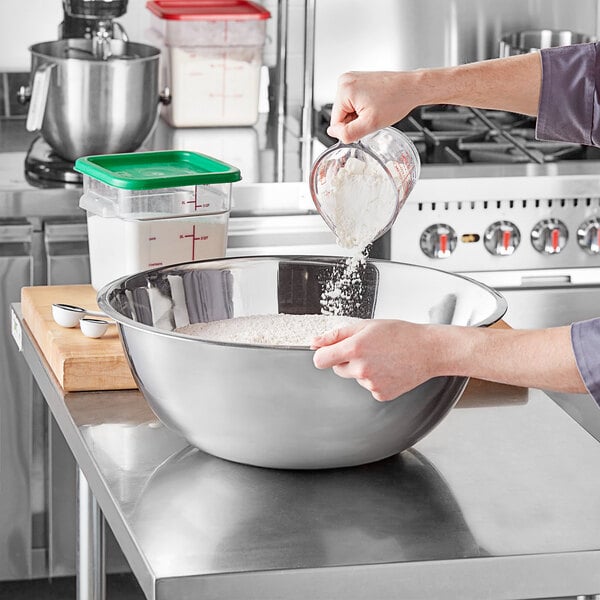
Main Uses of a Mixing Bowl in the Kitchen
The answer to what is the use of mixing bowl changes slightly based on the food you prepare. A baker may use it for batter and dough, while a home cook may use it for salads, marinades, or meal prep.
Mixing dry ingredients
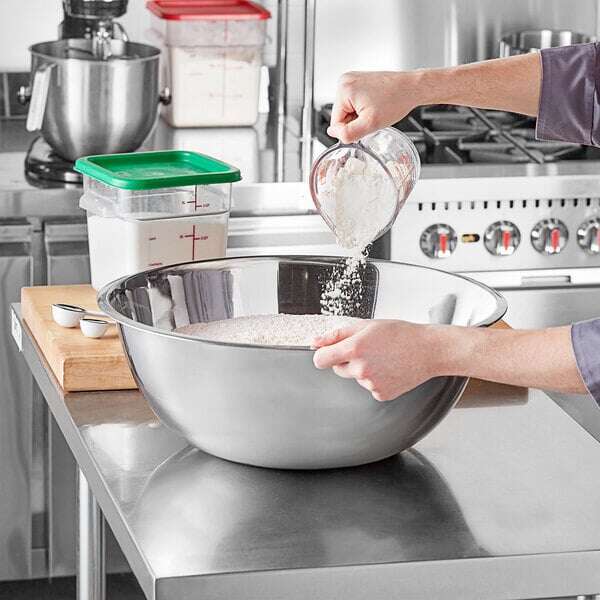
A mixing bowl lets you combine dry ingredients before adding liquid. This is useful for flour, baking powder, salt, spices, and sugar.
Mixing dry ingredients first can reduce clumps. It also helps distribute small amounts of salt or leavening agents throughout the flour. This matters because uneven ingredients can lead to uneven taste or texture.
Mixing wet ingredients
You can use a mixing bowl to whisk eggs, milk, oil, melted butter, cream, or sauces. The bowl gives your whisk enough space to move without splashing liquid across the counter.
For example, whisk eggs and milk in a bowl before pouring them into a hot pan. This creates a more even mixture and makes breakfast faster.
Combining wet and dry ingredients
Many recipes ask you to mix wet and dry ingredients together. A mixing bowl makes this step easier and safer than using a small cup or cooking pot.
Use a spatula for gentle folding when preparing muffins or cakes. Overmixing can make baked goods dense, so a wide bowl helps you work with fewer strokes.
Tossing and coating food
A large bowl is ideal for tossing salad greens, roasted vegetables, pasta, and popcorn. You can add dressing or seasoning and mix without crushing the food.
When I prepare a salad, I use a bowl much larger than I think I need. The extra space lets me lift and turn the ingredients instead of pressing them down. This small habit prevents bruised greens and uneven dressing.
Marinating ingredients
A mixing bowl can hold meat, seafood, tofu, or vegetables while they absorb a marinade. Use a glass, stainless steel, or food-safe plastic bowl for this task.
Avoid unlined aluminum or copper bowls with acidic foods such as lemon juice, vinegar, or tomatoes. Acid can react with some metals and affect flavor or the surface of the bowl.
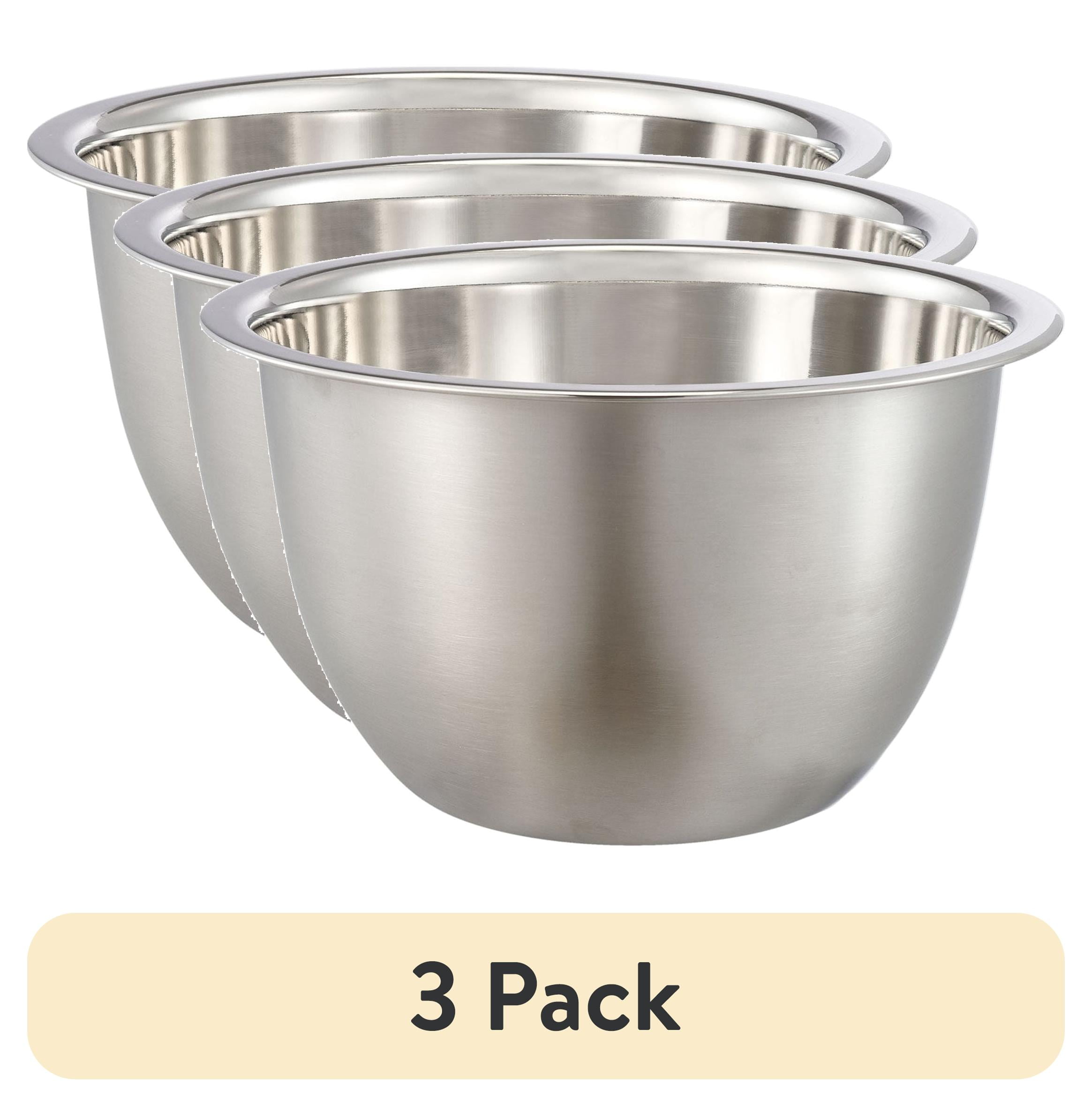
Why Mixing Bowls Matter for Baking
Baking shows especially clearly what is the use of mixing bowl. Most baking recipes require several steps, and the right bowl keeps those steps organized.
A large bowl gives ingredients room to expand during whisking. This is important when you beat eggs, whipped cream, or butter. Air enters the mixture as you whisk, and a bowl with high sides helps keep the mixture inside.
A mixing bowl also supports accurate recipe work. You can place it on a kitchen scale and add ingredients one at a time. This method reduces extra dishes and often gives more accurate results than using measuring cups.
Mixing bowls help with these baking tasks:
• Creaming butter and sugar
• Whisking eggs
• Combining flour and leavening agents
• Folding whipped egg whites
• Preparing frosting and icing
• Mixing cookie dough
• Holding dough during its first rise
• Sifting and combining dry ingredients
A common mistake is using a bowl that is too small. Ingredients may spill when you stir, and batter may not mix evenly. As a rule, fill a mixing bowl no more than two-thirds full when you plan to whisk or toss food.
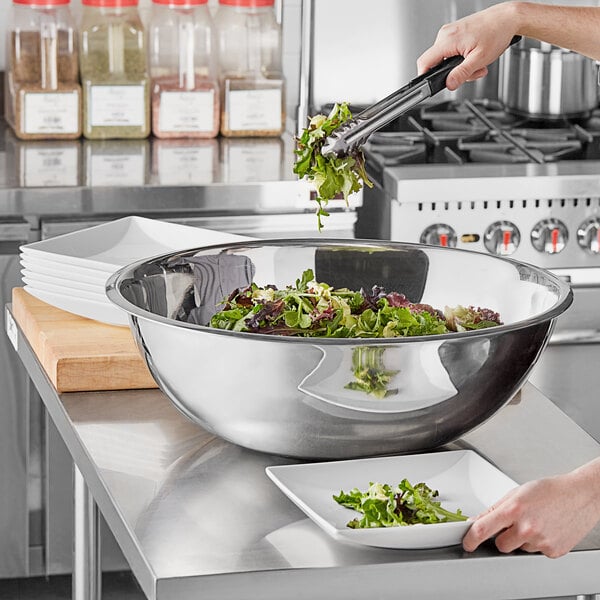
Types of Mixing Bowls and Their Best Uses
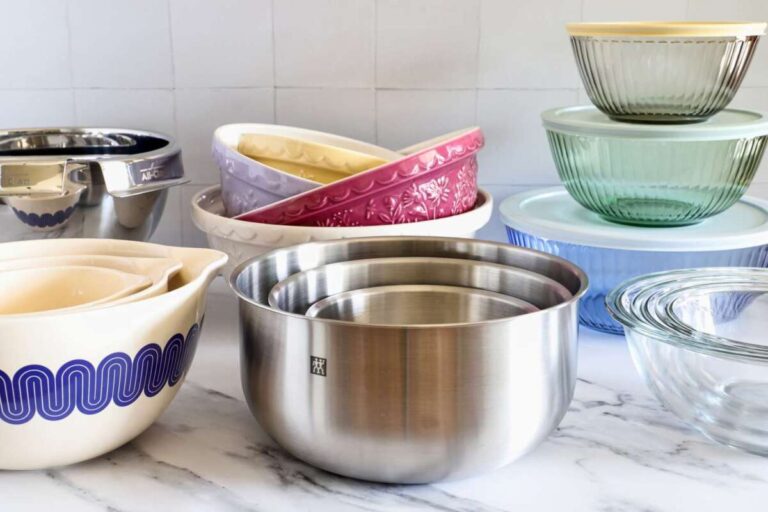
Understanding what is the use of mixing bowl also means knowing how different materials perform. No single bowl is best for every task.
Stainless steel mixing bowls
Stainless steel bowls are light, strong, and easy to clean. They do not absorb odors, and many can handle hot or cold ingredients.
They are useful for:
• Whisking egg whites
• Mixing dough
• Preparing salads
• Chilling ingredients
• Using over a pot as a double boiler
One limitation is that stainless steel can react to temperature quickly. A cold metal bowl may chill butter, while a warm bowl may soften it faster than expected.
Glass mixing bowls
Glass bowls let you see the ingredients clearly. They are useful for microwaving when the bowl is labeled microwave safe.
Glass is also nonreactive, so it works well with acidic foods. However, it can be heavy and may break if exposed to sudden temperature changes. Do not move a very hot glass bowl directly into cold water.
Plastic mixing bowls
Plastic bowls are light and practical for daily cooking. They are less likely to break, which makes them useful in busy homes.
Choose food-safe plastic and check the care label before using heat. Some plastic bowls can stain or hold strong odors from garlic, onions, or spices. Scratched plastic may also be harder to clean well.
Ceramic mixing bowls
Ceramic bowls are attractive and stable on the counter. Their weight helps keep them still while you mix.
They work well for serving, mixing, and table use. Their main limits are weight and breakability. Check whether the bowl is safe for the oven, microwave, or dishwasher before using it in those settings.
Copper mixing bowls
Copper bowls are known for whipping egg whites. Copper ions can help stabilize the foam, which may produce a stronger meringue.
They require more care and should not be used with every ingredient. Follow the maker’s instructions, especially when working with acidic foods.

How to Choose the Right Mixing Bowl
When deciding what is the use of mixing bowl for your home, think about your cooking habits. A person who bakes every weekend needs different sizes and materials than someone who mainly prepares salads.
Consider these features:
• Size: Small bowls suit spices and sauces. Medium bowls suit eggs and dressings. Large bowls suit dough, salads, and family meals.
• Shape: A rounded base helps with whisking and folding. Tall sides help prevent splashes.
• Stability: A rubber base or wide bottom keeps the bowl steady.
• Pouring design: A small spout helps when transferring batter or liquids.
• Measurement marks: Built-in marks can help, but they should not replace accurate measuring tools.
• Storage: Nesting bowls save cabinet space.
• Lid: A lid makes the bowl more useful for leftovers and food storage.
• Cleaning: Smooth, nonporous surfaces are usually easier to wash.
A useful starter set often includes three bowls. Choose one small bowl, one medium bowl, and one large bowl. This setup covers most cooking and baking tasks without taking up too much space.
In my own kitchen, the large bowl gets used most often. I once used a medium bowl for a large batch of pancake batter and learned the hard way that extra space matters. The batter climbed the sides, and every whisk stroke created a small spill.
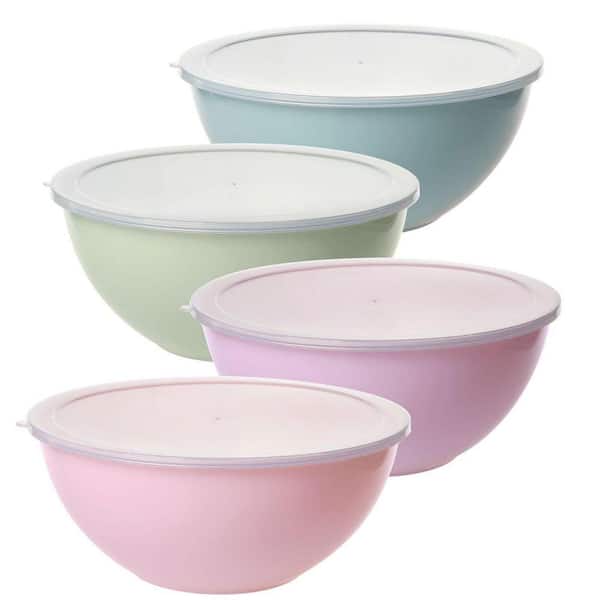
How to Use a Mixing Bowl Safely and Effectively
Knowing what is the use of mixing bowl is helpful, but using one well makes an even bigger difference. Start by choosing a bowl that gives the ingredients enough room.
Follow these simple steps: