Are Coconut Bowls Microwave Safe: What You Need To Know
No, coconut bowls are generally not microwave safe because heat can crack, dry, or damage their natural shell.
The answer to “are coconut bowls microwave safe” is usually no, even when the bowl looks smooth and sturdy. Coconut shells are natural materials, not ceramic or heatproof glass. This guide explains the risks, safer ways to warm food, care tips, and how to choose a bowl that fits your routine.
Are Coconut Bowls Microwave Safe?
Most coconut bowls are not microwave safe. They are made from cleaned and polished coconut shells, which can react poorly to strong, uneven heat. Unlike glass or microwave-safe ceramic, a coconut shell has not been engineered for repeated heating.
A microwave heats food by exciting water molecules. That process can create hot spots inside the food and send heat into the bowl. A natural shell may dry out, warp, split, or develop small cracks under this stress.
The bowl may not break the first time. That can make the risk easy to miss. Still, repeated microwave use can weaken the shell and shorten its life.
A few key points matter:
• Coconut bowls are natural products with different thicknesses and strength levels.
• Many bowls have a finish, oil coating, or sealant that may not be heat resistant.
• A seller’s claim that a bowl is “food safe” does not mean it is microwave safe.
• Unless the manufacturer clearly approves microwave use, treat the bowl as unsafe for microwaving.
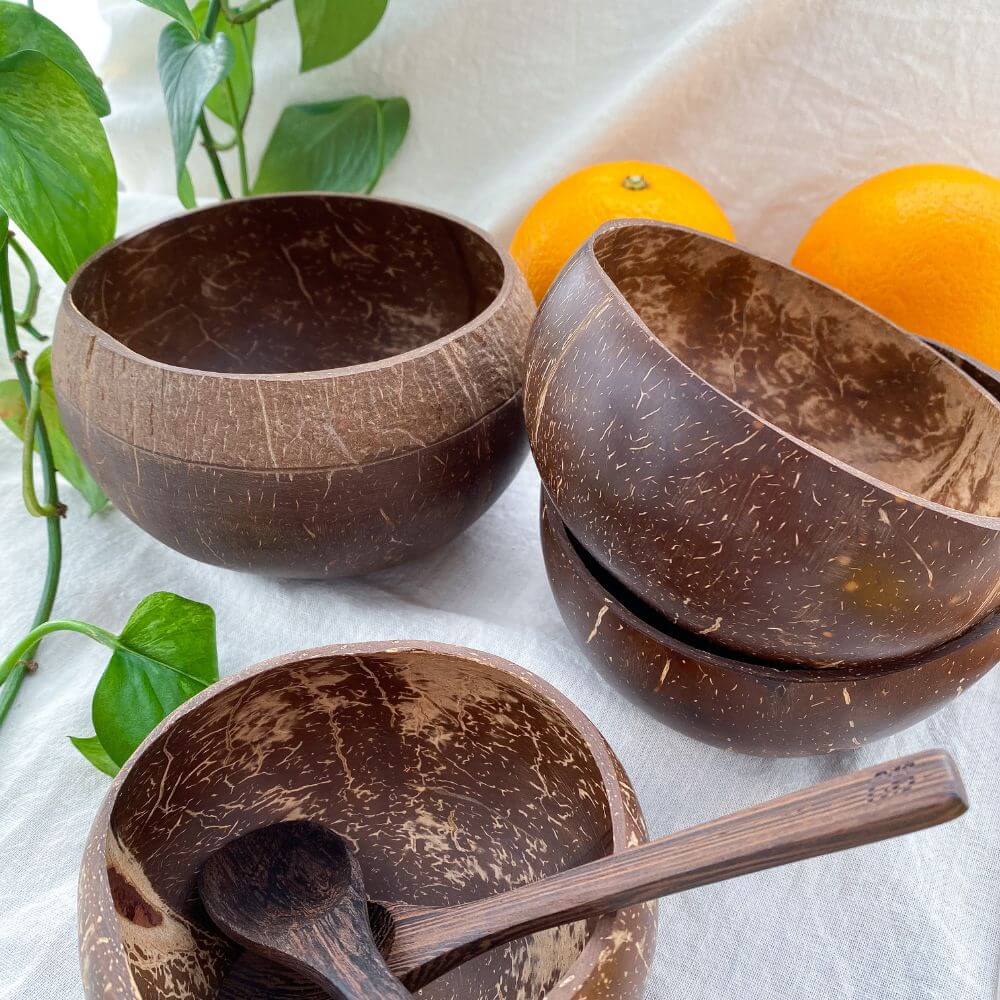
Why Coconut Bowls Should Not Go in the Microwave
Coconut shells grow as protective outer layers around coconuts. After the coconut meat and water are removed, the shell is cut, cleaned, sanded, and polished. It remains a natural material with pores, fibers, and small changes in thickness.
Microwave heating can place stress on these areas. One part of the bowl may become hot while another part stays cool. This uneven change can act like a small tug on the shell.
Heat can cause cracks
Natural shells contain organic fibers. High heat can dry those fibers and make them more brittle. A bowl that seems fine at first may later show hairline cracks.
Cracks can trap food, oil, and moisture. They also make the bowl harder to clean well. If the shell splits, sharp edges may appear.
Finishes may react to heat
Many coconut bowls are polished with coconut oil, mineral oil, beeswax, or another finish. These treatments can improve the look and feel of the bowl, but they may soften, smoke, or break down when heated.
Some bowls may also have paint, resin, or decorative coatings. Without clear product instructions, you cannot know how those materials will behave in a microwave.
The bowl can become very hot
Even when the food feels warm, the bowl may be hot in certain spots. This can cause burns when you lift it. A hot shell can also damage a table, counter, placemat, or other surface.
This is one reason the answer to “are coconut bowls microwave safe” should be based on caution, not on whether someone else tried it once without a problem.

What Happens If You Microwave a Coconut Bowl?
The result depends on the bowl, the food, the heating time, and the microwave setting. A short heating cycle may cause no visible damage, but that does not prove the bowl is safe.
Possible problems include:
• Fine cracks that are difficult to see
• Warping or changes in the bowl’s shape
• Dry, rough, or flaky areas
• A burnt or smoky smell from the finish
• Dark marks or discoloration
• A weakened shell that breaks during later use
• Food contamination from a damaged coating
The food itself also matters. Rice, pasta, oatmeal, and thick sauces can form hot spots. Foods with little moisture may heat unevenly and transfer intense heat to one area of the shell.
If you accidentally microwave a coconut bowl, let it cool before touching it. Check for cracks, a new smell, bubbling finish, or rough patches. If you see or smell anything unusual, stop using the bowl for food.
Do not place a damaged bowl back into service just because it still holds food. Natural cracks can grow over time, much like a small chip in a windshield.

The Safest Way to Heat Food for a Coconut Bowl
The best method is simple: heat food in a microwave-safe container, then transfer it to the coconut bowl after heating.
Use a glass or labeled microwave-safe ceramic dish. Warm the food in short intervals. Stir it between intervals so the heat spreads evenly.
Follow these steps:
-
Put the food in a microwave-safe glass or ceramic container.
-
Heat it according to the food’s needs.
-
Stir the food and check the temperature.
-
Let it rest briefly if it is very hot.
-
Transfer it to the coconut bowl.
-
Keep the bowl away from direct stovetop heat, ovens, toaster ovens, and air fryers.
This approach protects the bowl and gives you the natural, tropical look you want. It also lowers the chance of burns from a shell that has become too hot.
For cold foods, coconut bowls work well for items such as:
• Smoothie bowls
• Fruit
• Yogurt
• Granola
• Salads
• Chia pudding
• Rice dishes that have already cooled
A coconut bowl is best treated as a serving bowl, not as cookware.
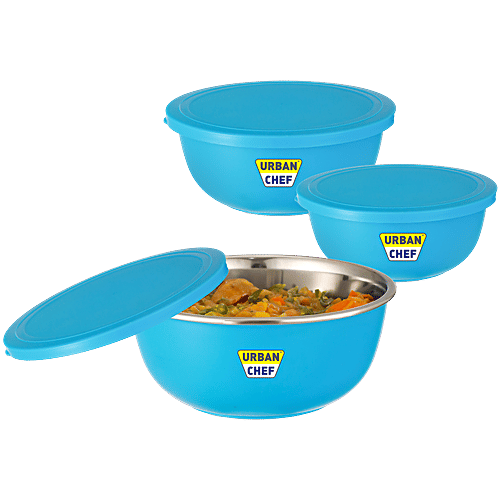
Are Coconut Bowls Safe for Hot Food?
Coconut bowls can often hold warm food, but warm is not the same as extremely hot. A freshly cooked meal may transfer a great deal of heat to the shell, especially if it sits in the bowl for a long time.
Always check the care instructions from the maker. Some brands allow warm foods, while others recommend only cool or room-temperature foods. Product quality also varies.
If you serve hot food in a coconut bowl, use sensible limits:
• Avoid boiling food or food straight from a pan.
• Let soups, porridge, and sauces cool for a few minutes.
• Do not place the bowl on a hot burner or baking tray.
• Hold the bowl from the sides, not just under the base.
• Stop using it if the shell feels soft, smells burnt, or shows cracks.
In practical use, warm oatmeal or a room-temperature grain bowl is less stressful than boiling soup. Still, “warm” has no universal temperature limit for every coconut bowl, so the brand’s instructions should come first.
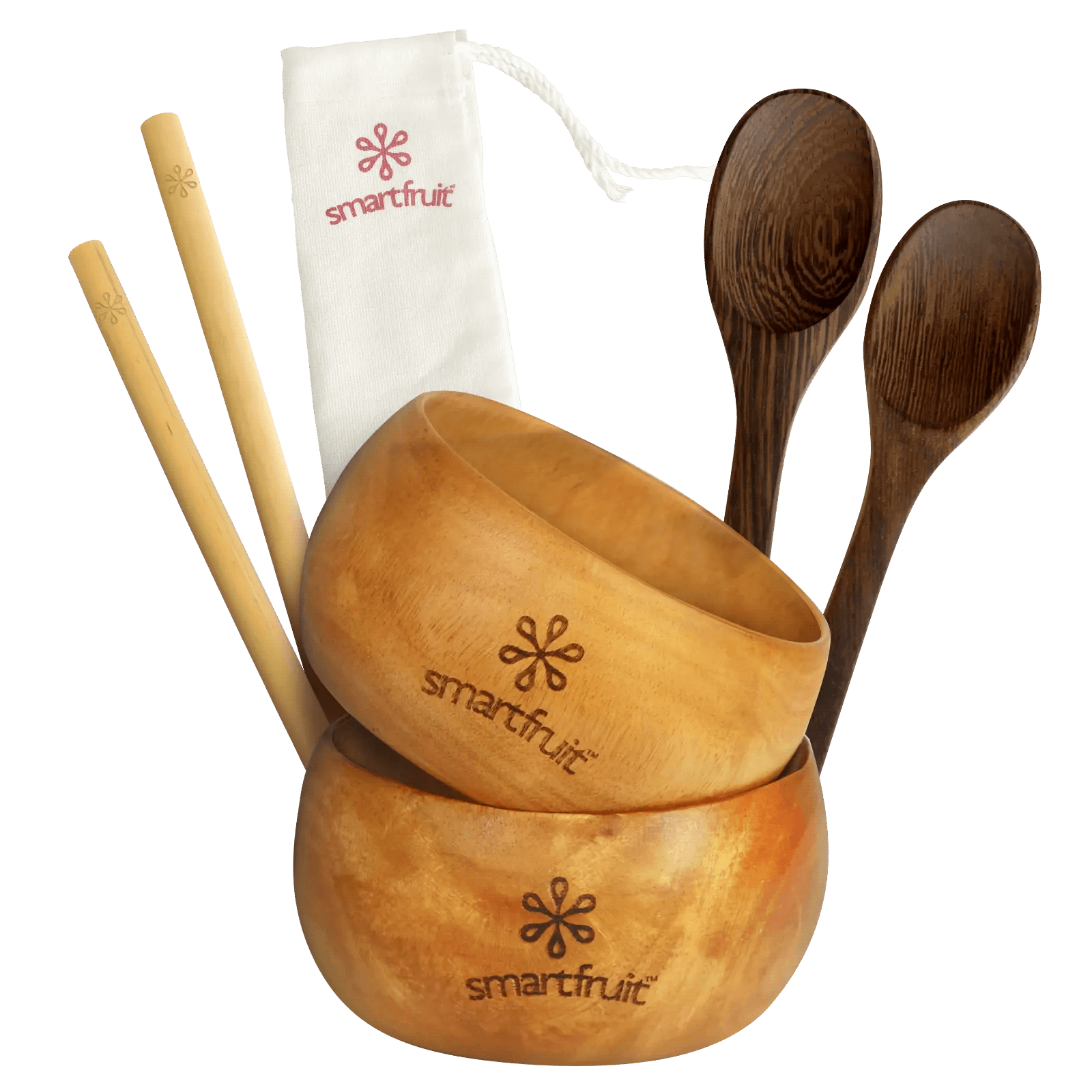
How to Care for a Coconut Bowl
Good care helps a coconut bowl last longer. The shell needs gentle cleaning because it can absorb moisture and lose its finish.
Wash the bowl by hand with warm water and a small amount of mild dish soap. Use a soft sponge or cloth. Rinse it well and dry it at once with a towel.
Avoid these habits:
• Do not soak the bowl for a long time.
• Do not put it in the dishwasher.
• Do not use bleach or strong cleaners.
• Do not scrub it with steel wool.
• Do not leave wet food in it overnight.
• Do not store it while damp.
Many makers suggest occasional conditioning with a small amount of food-safe oil. If you use oil, follow the manufacturer’s advice. Too much oil can leave the surface sticky and may cause odors.
Let the bowl air-dry fully before storing it. Keep it in a dry place away from direct sunlight, radiators, and strong heat.
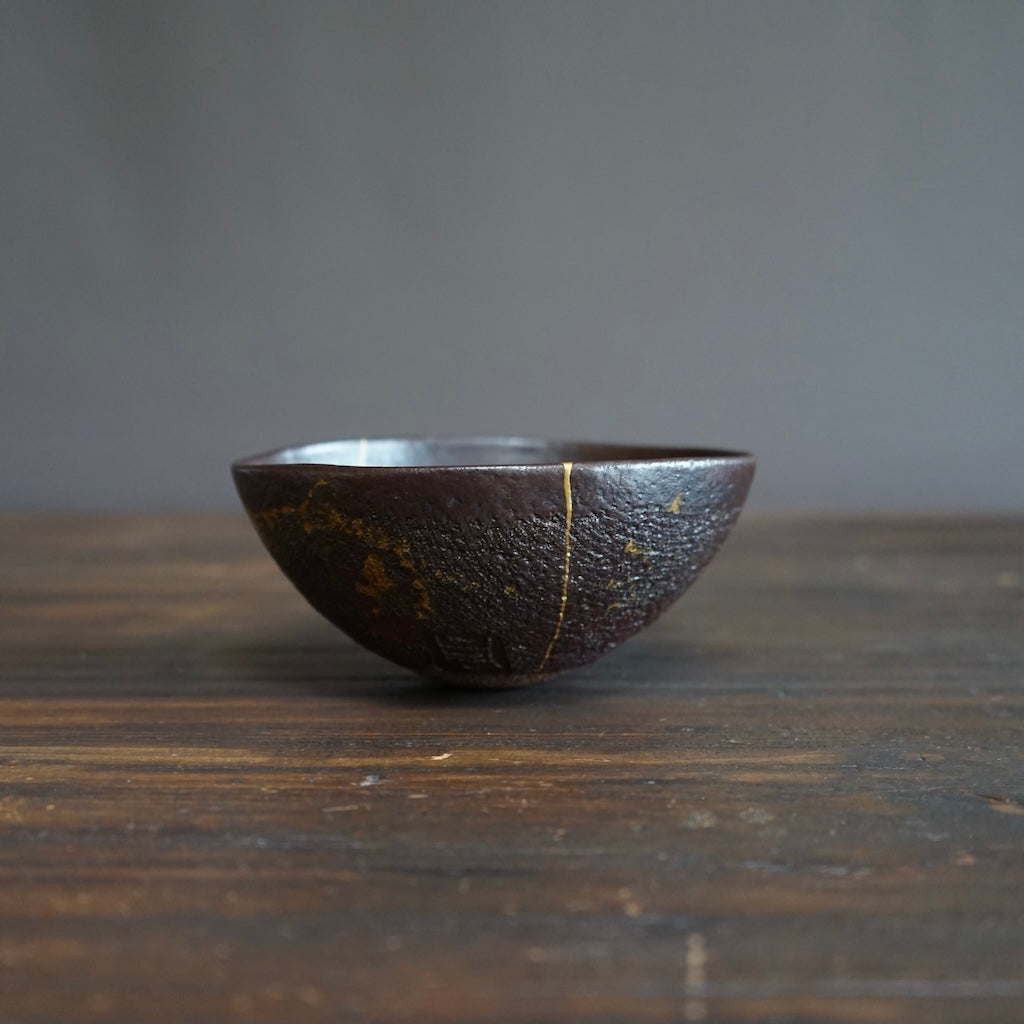
How to Tell If a Coconut Bowl Is Still Safe to Use
A coconut bowl should have a solid feel and a smooth food-contact surface. It should not smell sour, smoky, or strongly oily after cleaning.
Inspect it before use. Look for:
• Cracks around the rim or base
• Splits along the shell’s natural lines
• Flaking or peeling finish
• Soft or spongy areas
• Mold or dark growth
• Sharp edges
• A strong odor that does not wash away
A small surface mark may be harmless, but a crack that reaches through the shell is a reason to retire the bowl. Do not try to repair a food bowl with household glue. Many glues are not made for food contact and may release unwanted chemicals.
If you are unsure, use the bowl for decoration or plant storage instead. It is better to retire a low-cost bowl than risk a cut, contaminated food, or a broken shell.

Are Coconut Bowls Eco-Friendly?
Coconut bowls can make good use of shells that might otherwise become waste. Their natural appearance also makes them popular with people who prefer reusable products over disposable plastic bowls.
However, “eco-friendly” does not mean impact-free. Production may involve transport, polishing, oiling, packaging, and shipping. A bowl that cracks quickly may create more waste than one that receives careful, long-term use.
To make a coconut bowl a better environmental choice:
• Choose a durable bowl from a transparent seller.
• Use it for many years when possible.
• Avoid buying more bowls than you need.
• Wash it by hand and care for the finish.
• Reuse a retired bowl for decoration or small storage.
Its environmental value depends on how long it lasts and how responsibly it is made. Proper care matters as much as the material itself.

How Coconut Bowls Compare With Other Bowls
Coconut bowls have a distinct look, but they are not as heat resistant as many common kitchen materials. Understanding the difference can help you choose the right bowl for each task.
Coconut bowls
Coconut bowls are lightweight, natural, and attractive. They are best for serving cool or mildly warm foods by hand.
Glass bowls
Microwave-safe glass is usually a better choice for heating food. Look for the microwave-safe label and avoid glass with cracks or metallic decoration.
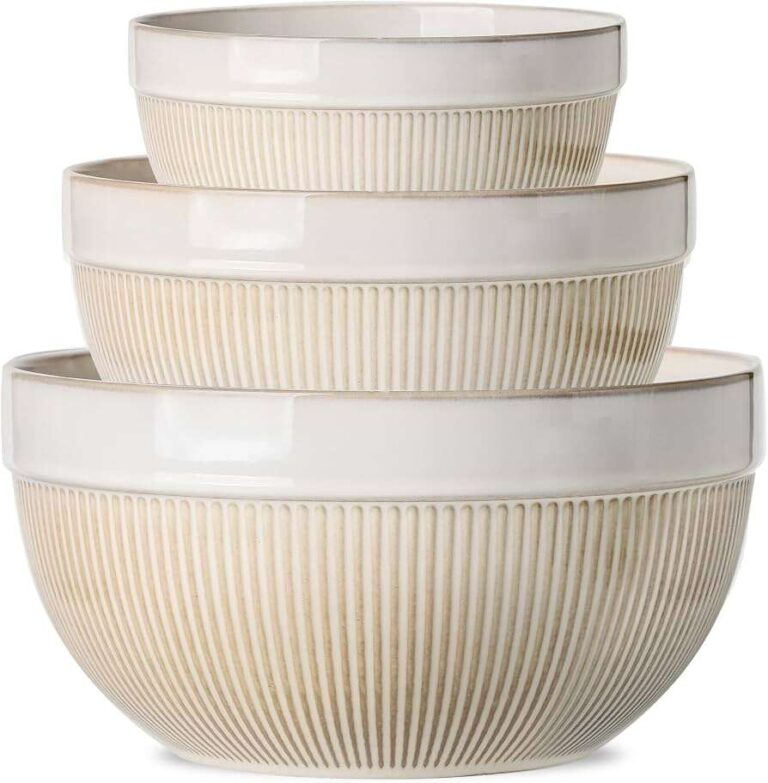
Ceramic bowls
Microwave-safe ceramic can handle many hot foods. Do not use pieces with metallic paint, gold trim, or damage unless the maker confirms they are safe.
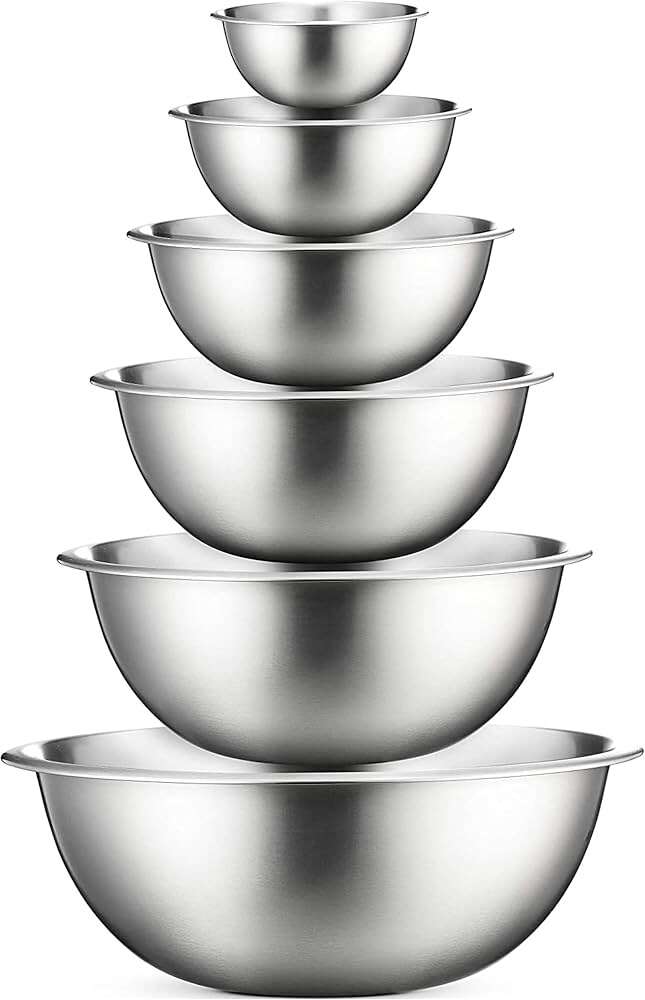
Stainless steel bowls
Stainless steel should not go in a microwave. Metal can create sparks and damage the appliance.
Plastic bowls
Only use plastic marked for microwave use. Some plastic containers can warp or transfer unwanted chemicals when heated. Follow the label and avoid old, scratched containers.
This comparison explains why asking “are coconut bowls microwave safe” is important. A bowl’s appearance does not tell you how it will perform under microwave heat.

Common Mistakes to Avoid
The most common mistake is assuming that a natural bowl is automatically heat safe. Natural materials can be useful and durable, but they still have limits.
Another mistake is trusting a social media video as proof. A bowl may survive one short heating test and fail after several weeks of repeated use. Safe kitchen guidance should come from clear manufacturer instructions and accepted material standards.
Avoid these errors:
• Microwaving the bowl because it feels thick
• Heating dry food in the shell
• Using the bowl in an oven or air fryer
• Washing it in a dishwasher
• Leaving soup inside for hours
• Ignoring a new smell or crack
• Assuming “food safe” means “microwave safe”
When care instructions are missing, choose the safest option. Heat the food elsewhere and use the coconut bowl only for serving.
A Practical Test for Buying Coconut Bowls
Before buying, read the product page and the care card. A reliable seller should explain what the bowl is made from, how it is finished, and how it should be cleaned.
Look for clear statements about:
• Microwave use
• Dishwasher use
• Maximum heat exposure
• Food-contact safety
• Oils or sealants used
• Expected care and lifespan
Be careful with vague terms such as “natural,” “handmade,” or “all-purpose.” These words describe the product, but they do not confirm heat resistance.
If microwave use is important to you, choose labeled microwave-safe glass or ceramic instead. If the look of coconut shell matters more, plan to use the coconut bowl as a serving dish only.
Frequently Asked Questions About Are Coconut Bowls Microwave Safe
Can I microwave a coconut bowl for 30 seconds?
It is not recommended unless the manufacturer clearly says the bowl is microwave safe. Even a short cycle can create hot spots and begin damaging the shell or its finish.
Can coconut bowls go in the oven?
No, coconut bowls should not go in a conventional oven, toaster oven, or air fryer. Direct, intense heat can dry the shell, cause cracks, or ignite an oil-based finish.
Can I put hot soup in a coconut bowl?
You can usually serve warm soup if the manufacturer allows warm foods, but avoid boiling soup straight from the stove. Let it cool briefly, and remove the food if the bowl becomes very hot or develops an odor.
Are coconut bowls dishwasher safe?
Most coconut bowls are not dishwasher safe. Long exposure to hot water, steam, and detergent can cause swelling, cracking, or finish damage.
Can I use a coconut bowl for oatmeal?
Yes, oatmeal that has cooled slightly is generally a better choice than boiling oatmeal. Do not cook or reheat the oatmeal inside the coconut bowl.
How long do coconut bowls last?
A well-cared-for coconut bowl may last for years, but lifespan varies by shell quality, finish, and use. Hand-washing, quick drying, and avoiding heat can help it last longer.
What should I do with a cracked coconut bowl?
Stop using a cracked bowl for food. You can repurpose it as décor, a small planter liner, or storage for dry nonfood items.
Conclusion
So, are coconut bowls microwave safe? In most cases, no. Coconut shells are natural serving materials that can crack, dry out, or react badly to uneven microwave heat.
Use a microwave-safe glass or ceramic container to warm your food, then transfer it to the coconut bowl. Keep the shell away from ovens, burners, dishwashers, and long soaking, and replace it when you see cracks or finish damage.
With the right care, a coconut bowl can remain a beautiful part of your kitchen routine. Check the maker’s instructions before use, and share your own coconut bowl care tips in the comments.

Liora Pennings is a seasoned chef and kitchen enthusiast with a passion for turning everyday cooking into an effortless experience. With years of hands-on culinary expertise, she specializes in practical techniques, ingredient know-how, and smart kitchen solutions that help home cooks elevate their meals. At KitchFlair.com, Liora shares her best tips, time-saving tricks, and honest product reviews to guide readers toward a more efficient, enjoyable, and inspired cooking routine. Whether you’re a beginner or a seasoned home chef, Liora’s friendly, knowledge-packed insights make every visit to the kitchen a little easier—and a lot more delicious.