Can I Put Cleaning Solution In My Eufy Robot Vacuum: Safe?
Most Eufy robot vacuums should use plain water unless the manual clearly approves a specific cleaning solution.
If you are asking, “Can I put cleaning solution in my Eufy robot vacuum?” the safest answer depends on your exact model and dock. Eufy makes both vacuum-only robots and mop-and-vacuum systems, and their water tanks, pumps, seals, and cleaning instructions can differ. This guide explains what is safe, what can cause damage, and how to keep your robot clean without risking poor performance or a voided warranty.
Can I put cleaning solution in my Eufy robot vacuum?
In most cases, do not add regular floor cleaner, soap, bleach, vinegar, disinfectant, or essential oils to a Eufy robot vacuum’s water tank. Many Eufy models are designed to work with clean water only. Some newer models may allow an approved Eufy cleaning solution, but you must check the manual for your exact model first.
If your Eufy robot only vacuums, there is no water tank at all. Never pour liquid into the dust bin, filter area, suction opening, brush housing, or charging contacts. Liquid can reach the motor and electronic parts, much like water reaching the wrong wires in a lamp.
The answer to “Can I put cleaning solution in my Eufy robot vacuum?” is therefore model-specific, but plain water is the safest default.

Why ordinary floor cleaner can harm a Eufy robot
A robot mop has small pumps, narrow tubes, rubber seals, sensors, and electrical parts. A household cleaning product may leave residue inside these parts. Over time, that residue can cause clogs, foam, smells, or reduced water flow.
Common floor cleaners can also create too much foam. Foam may travel through the water system and affect the pump. It can also leave a sticky film on the floor that attracts dust soon after cleaning.
Here are the main risks:
• Pump damage: Thick or foamy liquids may block the pump or make it work harder.
• Clogged water lines: Dried cleaner can narrow the small channels that carry water.
• Sensor problems: A film may form on water-level sensors or other parts.
• Floor damage: Strong products can dull wood, mark stone, or harm certain finishes.
• Residue on the mop pad: Soap can make the pad stiff and less absorbent.
• Warranty concerns: Damage caused by unapproved liquids may not be covered.
This is why the answer to “Can I put cleaning solution in my Eufy robot vacuum?” should not be based only on whether the product is safe for floors. A cleaner may be safe in a bucket but unsafe inside a compact robot.

Which Eufy models may allow cleaning solution?
Eufy product instructions can change by model and region. Some Eufy robotic vacuum and mop systems are built to use a manufacturer-approved cleaning solution. Others state that users should fill the tank with water only.
Look for wording in the owner’s manual such as:
• “Use clean water only.”
• “Do not add detergent or cleaning solution.”
• “Use only Eufy cleaning solution.”
• “Dilute the solution according to the instructions.”
Do not assume that one Eufy model has the same rules as another. An Eufy model with an auto-wash dock may have a different fluid system from a basic mop robot with a small removable tank.
The best way to confirm whether you can put cleaning solution in your Eufy robot vacuum is to identify the full model name and read the water-tank section of its manual. You can also check the official Eufy support page or contact customer support before using a new product.
How to check your exact Eufy model
You can usually find the model name in one of these places:
• The label under the robot
• The original box
• The Eufy Clean app
• The charging dock label
• The purchase receipt
Once you know the model, search the manual for terms such as “water tank,” “cleaning solution,” “detergent,” “mopping,” and “maintenance.”
If the instructions are unclear, treat the machine as water-only. That simple rule prevents many avoidable problems. When people ask, “Can I put cleaning solution in my Eufy robot vacuum?” I recommend checking the model before choosing a product, not after the robot starts making a strange noise.

What happens if you use an unapproved cleaner?
Using a cleaner once may not cause instant damage, but that does not make it safe. Problems often appear later, after residue dries inside the tank or water path.
You may notice:
• Weak or uneven mopping
• A dry mop pad during a cleaning run
• A chemical smell from the dock
• Excessive bubbles in the tank
• Leaks around the dock or robot
• A sticky floor after mopping
• Error messages related to water flow
• A pump that sounds louder than usual
If you added an unapproved product, stop the cleaning cycle. Empty the tank, rinse it several times with clean water, and wipe the tank opening and mop parts. Do not flood the robot or pour water into areas that are not designed to hold liquid.
If the robot continues to leak, foam, smell strongly, or show an error, contact Eufy support. Continuing to run it may spread the problem through the internal water system.

Safe alternatives to cleaning solution
Plain water is often enough for routine dust and light soil. A robot mop works best when the floor has already been cleared of large crumbs, grease, and sticky spills.
For better results, use these habits:
• Vacuum first when possible, especially around pet bowls and kitchen areas.
• Remove sticky food spills by hand before sending the robot out.
• Wash the mop pad after each run.
• Replace worn or dirty pads as recommended.
• Empty leftover water after mopping.
• Let the tank and pad dry before storage.
• Use the lowest suitable water level for wood or sensitive flooring.
For a disinfecting or deep clean, mop the floor by hand with a suitable product after the robot finishes. This keeps strong chemicals out of the robot while still allowing you to clean high-touch or heavily soiled areas.
Do not mix vinegar, bleach, ammonia, alcohol, or essential oils in the tank. Mixing cleaning products can create harmful vapors, and oils may damage seals or leave a slippery coating.
How to use an approved Eufy cleaning solution
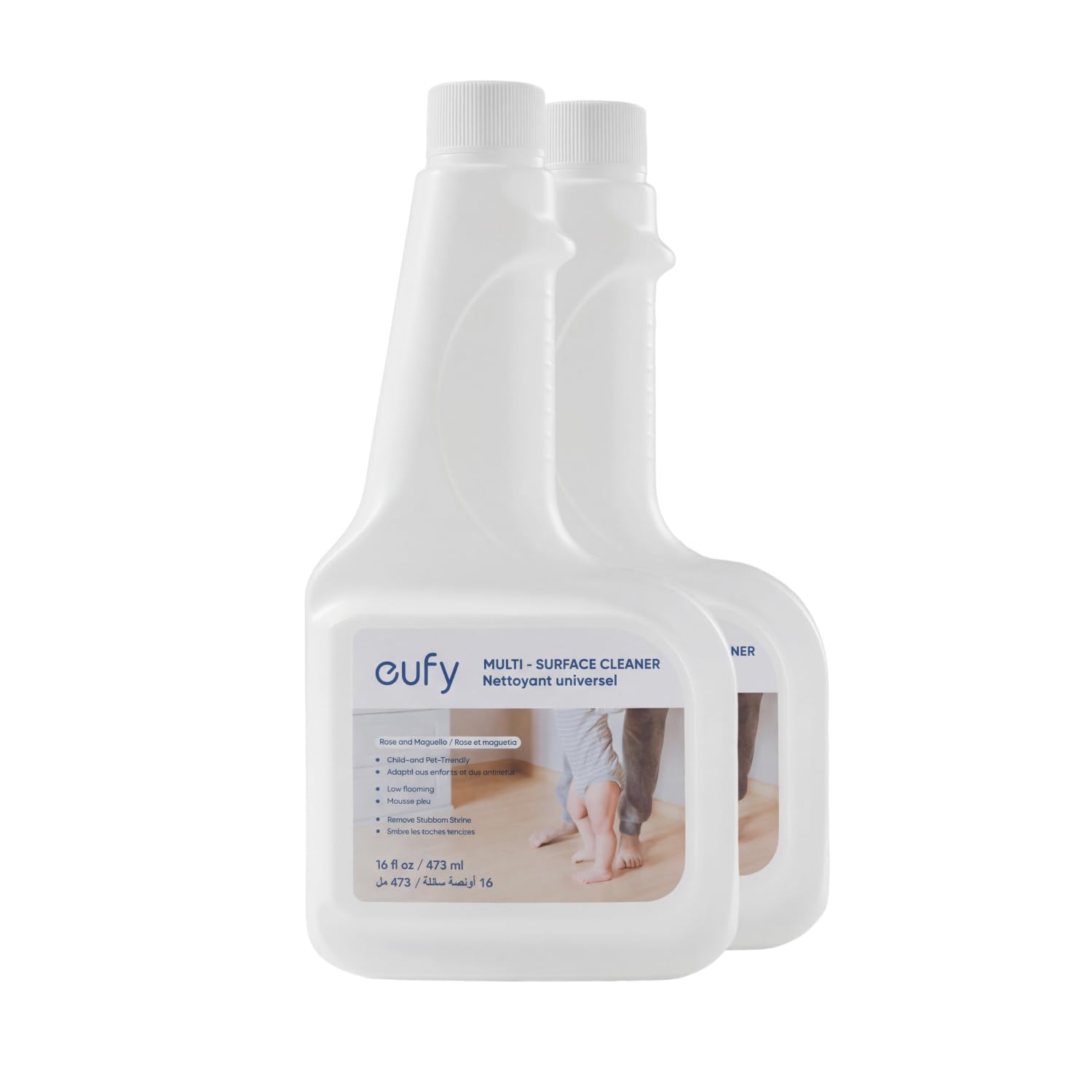
If your manual allows a specific Eufy solution, follow the stated amount exactly. More cleaner does not mean a cleaner floor. Extra product can create residue and may still harm the water system.
Use this process:
-
Confirm that the solution is approved for your model.
-
Read the dilution directions on the bottle and in the manual.
-
Use a clean measuring cup if dilution is required.
-
Add only the recommended amount.
-
Never mix the approved solution with another cleaner.
-
Run the robot while checking for leaks or unusual foam.
-
Rinse the tank and mop parts as directed.
Some auto-empty and auto-wash docks use a cleaning-solution compartment rather than mixing product directly in the robot’s water tank. If your dock has a dedicated compartment, use it only as the manual describes. Do not pour solution into a clean-water tank unless the instructions say to do so.
This distinction matters when deciding, “Can I put cleaning solution in my Eufy robot vacuum?” The approved liquid may belong in the dock, the robot tank, or neither, depending on the design.

Cleaning different types of floors
The safest liquid for the robot and the floor may not always be the same. Before mopping, check the flooring maker’s care instructions.
Sealed tile and vinyl
These surfaces usually tolerate damp mopping well. Still, plain water is the safest choice for the robot. Remove greasy marks by hand if the robot leaves a dull film.
Hardwood and laminate
Use very little water. Excess moisture can enter seams, swell boards, or damage the finish. Make sure your floor is approved for robot mopping, and choose a low water setting when available.
Natural stone
Stone such as marble, limestone, and travertine can react badly to acidic cleaners. Avoid vinegar and strong products unless the stone manufacturer approves them. Plain water is often the least risky option for routine cleaning.
Sealed concrete
A damp mop may work well, but the surface finish matters. Some cleaners can leave a cloudy or slippery film.
When asking, “Can I put cleaning solution in my Eufy robot vacuum?” remember to ask a second question: Is the solution safe for my floor? Both the machine and the flooring need protection.

A practical maintenance routine
Good maintenance often improves cleaning more than adding detergent. In regular home use, a few minutes of care can prevent many common issues.
After each mopping session:
• Remove and rinse the mop pad.
• Empty any unused water if the manual recommends it.
• Wipe the water-tank opening.
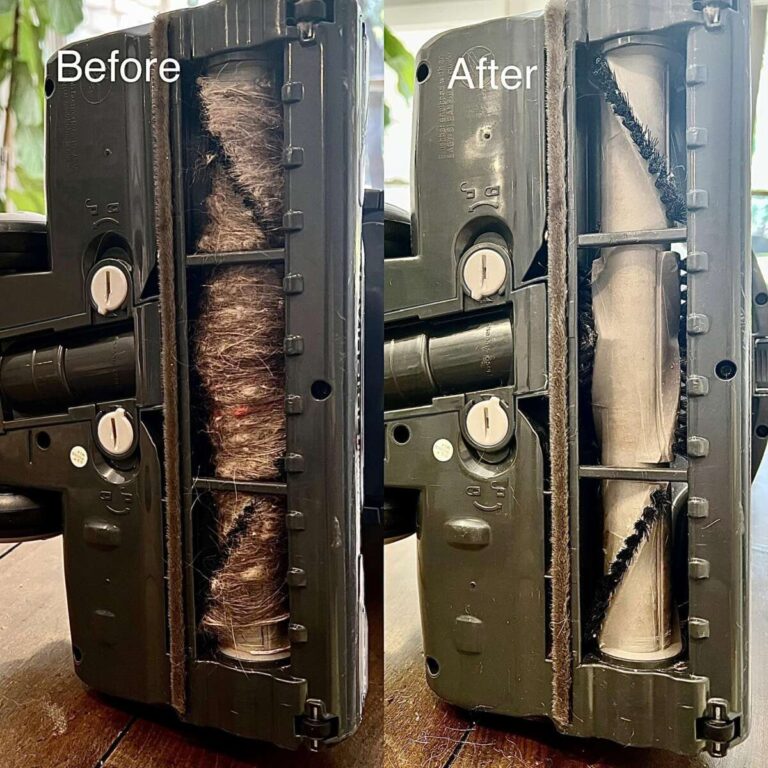
• Check the underside for hair and debris.
• Clean the docking tray.
• Leave washable parts open to air-dry.
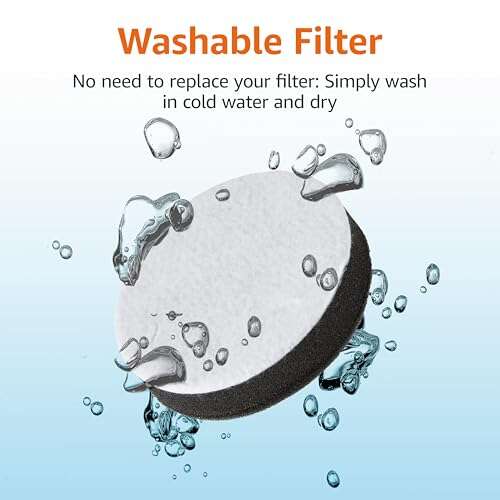
Each week, inspect the side brush, rolling brush, filter, wheels, and sensors. Follow the manual for cleaning the filter because some filters should not be washed.
Avoid sharp tools when clearing the water outlet. A pin can damage a seal or enlarge a small opening. Use a soft cloth or the cleaning tool supplied with the robot.
In practical troubleshooting, the simplest fix is often the best one. If mopping becomes weak after using a product, return to plain water and clean the tank, pad, and dock before assuming the pump has failed.