Are Glass Mixing Bowls Microwave Safe: Safety Guide
Yes, most glass mixing bowls are microwave safe when labeled for microwave use and handled without sudden temperature changes.
The answer to “are glass mixing bowls microwave safe” depends on the glass type, the bowl’s label, and how you use it. Many modern glass bowls work well for melting butter, warming sauces, or heating leftovers. Still, even strong glass can crack when exposed to rapid heat changes. This guide explains how to check your bowl, use it safely, and avoid costly kitchen mistakes.

Are Glass Mixing Bowls Microwave Safe?
Most glass mixing bowls are microwave safe if the manufacturer says so. Heat-resistant glass, tempered glass, and borosilicate glass are often made to handle microwave cooking. However, ordinary glass, decorative glass, antique glass, and damaged glass may not be safe.
The safest rule is simple: check the bottom of the bowl, its packaging, or the manufacturer’s care guide. Look for words such as “microwave safe” or a microwave symbol. If there is no clear guidance, do not assume the bowl can handle microwave heat.
The question “are glass mixing bowls microwave safe” has a conditional answer because glass products vary. A bowl made for baking may handle high heat but still lack protection from sudden temperature changes. A bowl made only for cold food may crack or break in a microwave.
Glass itself does not absorb microwave energy as food does. The food, water, oil, or sauce inside the bowl becomes hot first. That heat then spreads into the glass. Uneven heating or a sudden temperature shift can create stress within the bowl.

Which Types of Glass Bowls Are Usually Microwave Safe?
Not all glass has the same strength. The production method, thickness, shape, and intended use all matter. These are the most common types you may find in a kitchen.
Tempered glass
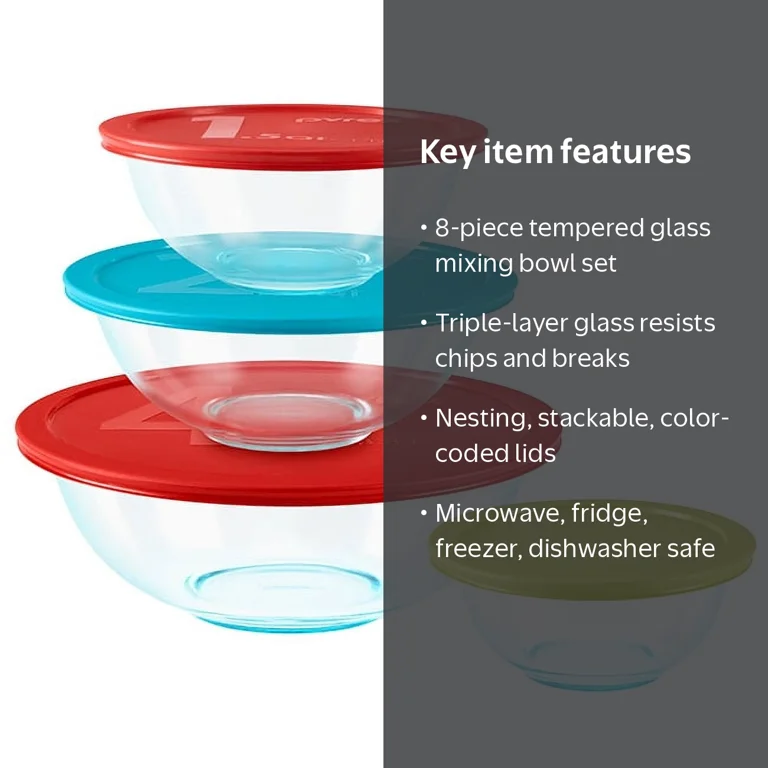
Tempered glass is treated with heat to improve its strength. It can handle more heat and pressure than regular glass. Many tempered glass bowls are microwave safe, but you should still follow the product label.
Tempered glass may break into small pieces if it fails. It can also crack if moved from a very hot microwave into cold water or onto a cold stone counter.
Borosilicate glass
Borosilicate glass contains compounds that help it resist thermal expansion. This makes it useful for laboratory glassware, bakeware, and some high-quality kitchen bowls.
Borosilicate glass often handles temperature changes better than standard soda-lime glass. It is not automatically microwave safe, though. Always check the instructions for the specific bowl.
Soda-lime glass
Soda-lime glass is common in food containers, drinking glasses, and basic kitchenware. Some soda-lime bowls are safe for microwave use, while others are not.
The label matters more than the name of the glass. A bowl can be made from soda-lime glass and still be designed for microwave heating. Another bowl made from the same broad glass type may not be suitable.
Decorative or crystal glass
Decorative glass, crystal, painted glass, and glass with metallic trim should not go in the microwave unless the maker clearly approves it. Paint, foil, gold edges, and silver details can spark or become damaged.
Crystal may also contain materials that make it unsuitable for microwave heating. When in doubt, transfer the food to a plain, labeled microwave-safe container.
How to Tell If a Glass Mixing Bowl Is Microwave Safe
The bowl’s label is the best source of information. Do not rely only on its appearance, weight, or brand reputation.
Use this quick check before heating food:
- Inspect the base of the bowl for a microwave-safe symbol or printed statement.
- Read the original packaging or care instructions.
- Search the exact product name in the manufacturer’s care guide.
- Check for cracks, chips, deep scratches, or cloudy areas.
- Remove metal rims, foil labels, and decorative pieces.
- Look for a warning that says “not for microwave use.”
- If no information exists, use another container.
A microwave-safe symbol often looks like a small microwave oven or a series of wavy lines. Symbols can vary by region and manufacturer, so written instructions are more reliable than symbols alone.
Do not use a homemade test as proof that a bowl is safe. Some people place a cup of water beside an empty bowl and run the microwave briefly. This can show whether the bowl becomes hot, but it cannot prove that the glass will remain safe during longer heating or repeated use.
A glass bowl that stays cool is not necessarily safe. A bowl that becomes warm is not automatically unsafe either. The food inside may transfer heat to the bowl, and the bowl may respond differently with each recipe.

How to Use Glass Mixing Bowls Safely in the Microwave
Once you confirm that the bowl is microwave safe, use it with care. Safe microwave heating is less about the word “glass” and more about controlling heat and moisture.
Follow these practical steps:
- Place the bowl in the center of the microwave turntable.
- Use a loose microwave-safe cover to prevent splatter.
- Leave a small opening for steam to escape.
- Heat food in short intervals, such as 20 to 60 seconds.
- Stir food between intervals when possible.
- Use oven mitts when removing the bowl.
- Set the hot bowl on a dry, heat-resistant surface.
- Let the bowl cool before washing it.
- Keep hot glass away from cold water and cold surfaces.
Never heat an empty glass mixing bowl unless the manufacturer specifically allows it. An empty bowl has no food or liquid to absorb microwave energy. This can create uneven heating and place extra stress on the glass.
Be careful with thick foods. Mashed potatoes, oatmeal, melted cheese, and dense sauces can heat unevenly. Stirring helps spread heat and reduces the chance of one very hot area pressing against one cooler area of the bowl.
Steam is another concern. If a bowl has a tight lid, remove or loosen it before heating. Trapped steam can build pressure and cause burns when the cover is lifted.
Why Glass Bowls Crack in the Microwave
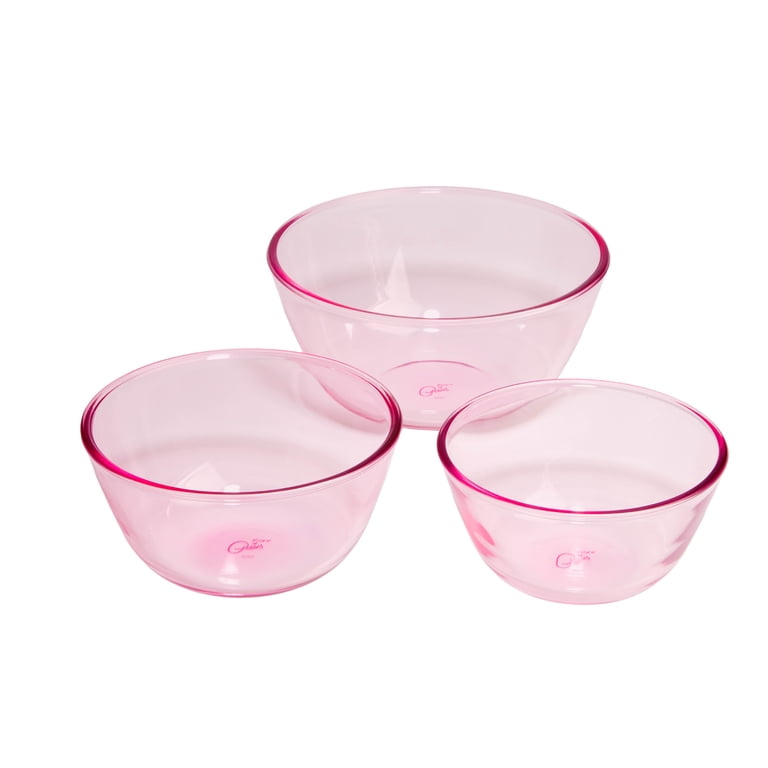
Glass usually cracks because of thermal shock. Thermal shock occurs when one part of the glass heats or cools much faster than another part.
Imagine the bowl as a group of tiny connected panels. If one panel expands quickly while another stays cool, pressure builds between them. A weak spot, scratch, or chip can then turn that pressure into a crack.
Common causes include:
• Moving a hot bowl onto a cold countertop
• Pouring cold liquid into a hot bowl
• Placing a chilled bowl into a hot microwave
• Heating an empty bowl
• Heating food with very little moisture
• Using a bowl with a chip or hairline crack
• Heating food for too long without stirring
• Exposing the bowl to direct heat not approved by the manufacturer
Cold glass is not always dangerous by itself. Many microwave-safe bowls can be used from the refrigerator, but the product instructions control. A bowl that is safe for microwave use may not be safe when moved directly from the freezer to a hot oven.
The same rule applies after microwaving. Do not rinse a hot glass bowl under cold tap water. Allow it to cool naturally first. This small habit can greatly reduce breakage.

What You Should Not Put in a Microwave-Safe Glass Bowl
A microwave-safe bowl is safe for the microwave under normal use. It does not make every food or material safe to heat.
Avoid these items and conditions:
• Metal spoons, forks, whisks, or beaters
• Aluminum foil
• Metallic paint or gold and silver trim
• Sealed jars or closed containers
• Whole eggs in their shells
• Grapes or foods known to spark
• Very dry foods heated for a long time
• Empty bowls
• Plastic wrap touching the food unless labeled for microwave use
Metal can reflect microwave energy and cause sparks. Even a small metal edge may damage the appliance or create a fire risk.
Sealed containers can build pressure. A glass bowl with a tight lid may look harmless, but steam has nowhere to go. Use a vented cover or leave the lid slightly open according to the product instructions.
Take extra care with butter, oil, and sugar. These foods can become extremely hot even when the bowl feels only warm in one area. Heat them in short bursts and stir carefully.

Microwave-Safe Glass Versus Oven-Safe Glass
Microwave-safe and oven-safe are not the same claim. A bowl may be suitable for one appliance and unsuitable for the other.
Microwaves heat food mainly through electromagnetic energy and moisture movement. Ovens heat the outside of the bowl through hot air. These heating patterns create different stresses.
A bowl marked “oven safe” may still lack approval for microwave use. A bowl marked “microwave safe” may not be designed for a conventional oven, broiler, stovetop, or toaster oven.
Read the full care label before changing appliances. Look for separate instructions for:
• Microwave use
• Conventional oven use
• Freezer storage
• Dishwasher cleaning
• Stovetop use
• Broiler use
Never place a glass mixing bowl directly on a burner unless it is specifically designed for stovetop cooking. Direct flame or contact heat can create hot spots that damage ordinary glass.

Can You Microwave a Glass Bowl From the Refrigerator?
Sometimes, but you should check the product instructions first. A microwave-safe bowl may tolerate a cool-to-hot change, while a very cold bowl can still be at greater risk of thermal shock.
Do not microwave a bowl straight from the freezer unless the manufacturer says it is freezer-to-microwave safe. Freezer temperatures can make glass more vulnerable to sudden expansion.
For a refrigerated bowl, use a gradual approach:
- Check the bowl for cracks or chips.
- Place it in the microwave without a cold metal rack or tray.
- Start with a short heating period.
- Stir the food if possible.
- Let the bowl rest before handling it.
Avoid placing a cold bowl on a hot turntable or heating it with no food inside. A small amount of moisture-rich food is usually gentler than a dry, dense mixture.
Common Mistakes People Make With Glass Mixing Bowls
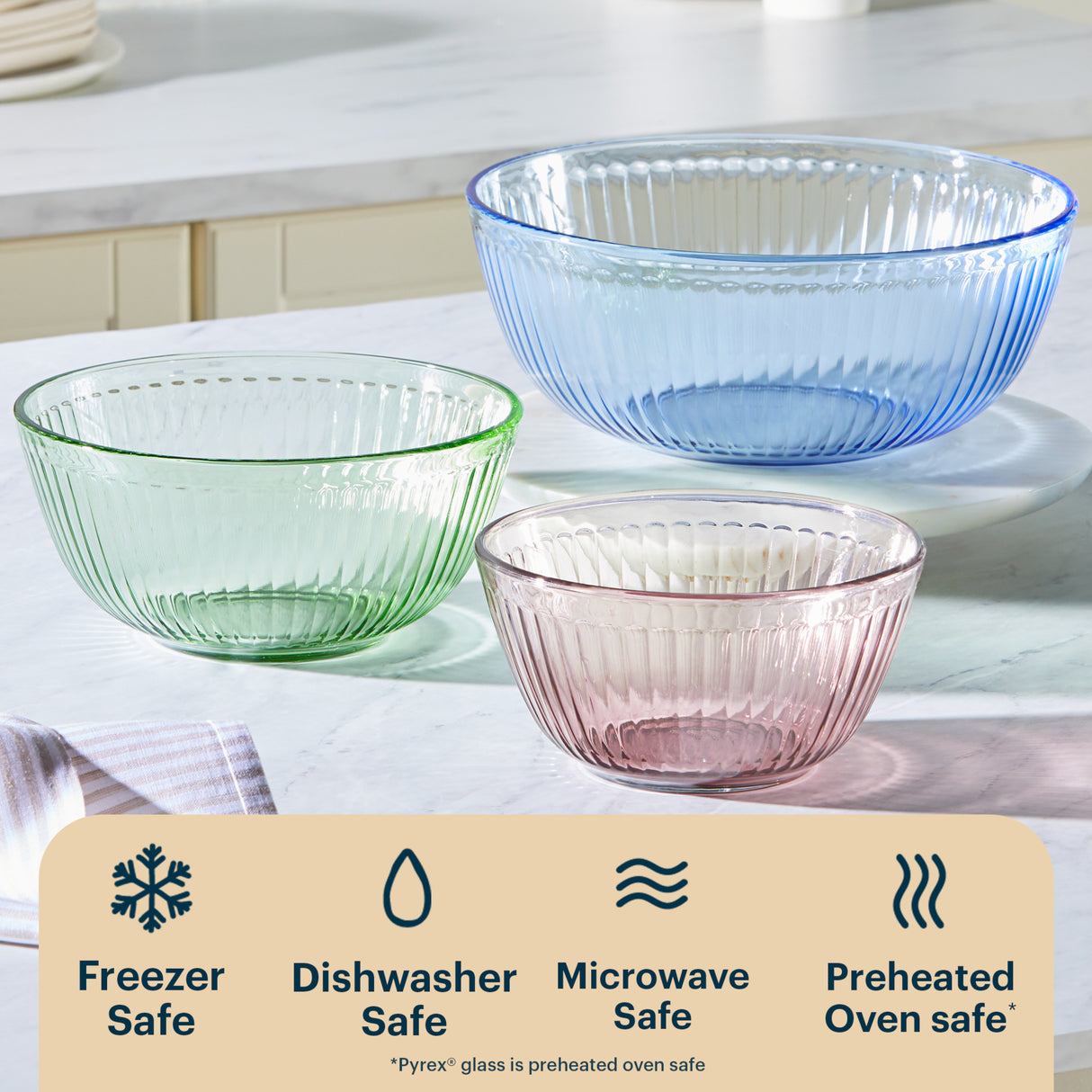
The most common mistake is assuming that every glass bowl is microwave safe. Clear glass can look strong, but appearance does not reveal its heat rating.
Another mistake is using a bowl with hidden damage. A tiny chip around the rim can grow when the bowl heats. Run your fingers around the edge and inspect the base before each use.
People also forget that the bowl may become hot from the food. A glass bowl may not heat as quickly as ceramic, but hot soup, melted sugar, and boiling water can still cause serious burns.
From practical kitchen use, one lesson stands out: short heating cycles are easier to control. I prefer warming food in small bursts, stirring between them, and using a dry mitt. This method prevents many surprises and makes it easier to notice excess heat.
Replace the bowl if you see:
• A crack of any size
• A chipped rim
• Deep scratches
• A rough or damaged base
• Cloudy patches that were not there before
• A sudden change in texture or color
Do not try to repair a cracked glass mixing bowl with glue. Heat, pressure, and food contact make repaired glass unsuitable for microwave use.
Benefits of Using Glass Mixing Bowls in the Microwave
Glass bowls are popular because they offer several useful features. When properly labeled and maintained, they can be practical for cooking and food preparation.
Key benefits include:
• Glass does not usually absorb food odors.
• It does not stain as easily as some plastics.
• You can see the food while it heats.
• Many glass bowls are reusable for years.
• Glass is useful for mixing, storing, and serving.
• Smooth glass surfaces are easy to clean.
• Plain glass does not add flavor to food.
Glass is also useful when you need to melt ingredients in the same bowl used for mixing. For example, you can melt butter, add sugar and eggs after cooling, and continue preparing a recipe without dirtying another container.
Still, glass has limits. It can be heavy, slippery when wet, and vulnerable to sudden temperature changes. Treat it as durable but not unbreakable.
What to Do If a Glass Bowl Breaks in the Microwave
If a glass bowl cracks or breaks, turn off the microwave and unplug it if you can do so safely. Do not reach inside with bare hands, even if the pieces look large.
Let the appliance cool before cleaning it. Wear thick gloves and remove large pieces with care. Use a damp paper towel or cloth to collect tiny fragments, then discard the food and inspect the microwave interior.
Do not use the microwave again if glass has damaged the turntable, interior coating, or door seal. Small fragments can also hide under the turntable ring.
If the bowl only develops a crack without breaking, allow it to cool completely. Wrap it before disposal so no one is cut. Replace it rather than testing it again.
Frequently Asked Questions About Are Glass Mixing Bowls Microwave Safe
Are all glass mixing bowls microwave safe?
No. Many are microwave safe, but some are made only for cold storage, serving, or hand mixing. Check the manufacturer’s label before use.
Can I microwave a glass bowl with a metal rim?
No. Metal rims, foil, and metallic decorations can spark in a microwave. Transfer the food to a plain microwave-safe bowl.
Can a cracked glass mixing bowl go in the microwave?
No. Do not microwave cracked, chipped, or deeply scratched glass. Heat can make the damage spread and cause the bowl to break.
Is tempered glass safe in the microwave?
Tempered glass is often microwave safe, but tempering alone is not a guarantee. Use it only when the product label or manufacturer confirms microwave use.
Can I put a cold glass bowl in the microwave?
It depends on the bowl and its instructions. Avoid moving glass directly from the freezer to the microwave, and heat refrigerated food in short intervals.
Why did my microwave-safe glass bowl break?
Thermal shock, hidden damage, uneven heating, an empty bowl, or a sudden temperature change may cause breakage. A microwave-safe label reduces risk but does not make glass immune to stress.
Can I use a glass mixing bowl in the oven and microwave?
Only if the manufacturer approves both uses. Oven safe and microwave safe are separate ratings, so read the complete care instructions.
Conclusion
So, are glass mixing bowls microwave safe? Many are, but the label is the deciding factor. Choose a bowl marked for microwave use, remove metal parts, avoid sudden temperature changes, and never use damaged glass.
Heat food in short bursts, stir when possible, and let the bowl cool before washing it. These simple habits help protect your bowl, your microwave, and your hands. Check your favorite bowl today, and share this guide with anyone who wants safer, easier microwave cooking.

Liora Pennings is a seasoned chef and kitchen enthusiast with a passion for turning everyday cooking into an effortless experience. With years of hands-on culinary expertise, she specializes in practical techniques, ingredient know-how, and smart kitchen solutions that help home cooks elevate their meals. At KitchFlair.com, Liora shares her best tips, time-saving tricks, and honest product reviews to guide readers toward a more efficient, enjoyable, and inspired cooking routine. Whether you’re a beginner or a seasoned home chef, Liora’s friendly, knowledge-packed insights make every visit to the kitchen a little easier—and a lot more delicious.