Can I Do Vacuum Cleaning During Pregnancy: Safe Tips
Yes, most pregnant people can vacuum safely with pacing, good posture, and their clinician’s guidance.
For most healthy pregnancies, vacuuming is a light-to-moderate household task, not an automatic risk. The key is to avoid heavy lifting, overheating, falls, harsh fumes, and pushing through pain or exhaustion. This guide explains when you can vacuum, how to do it safely, when to ask for help, and which warning signs need prompt medical care.

Can I do vacuum cleaning during pregnancy?
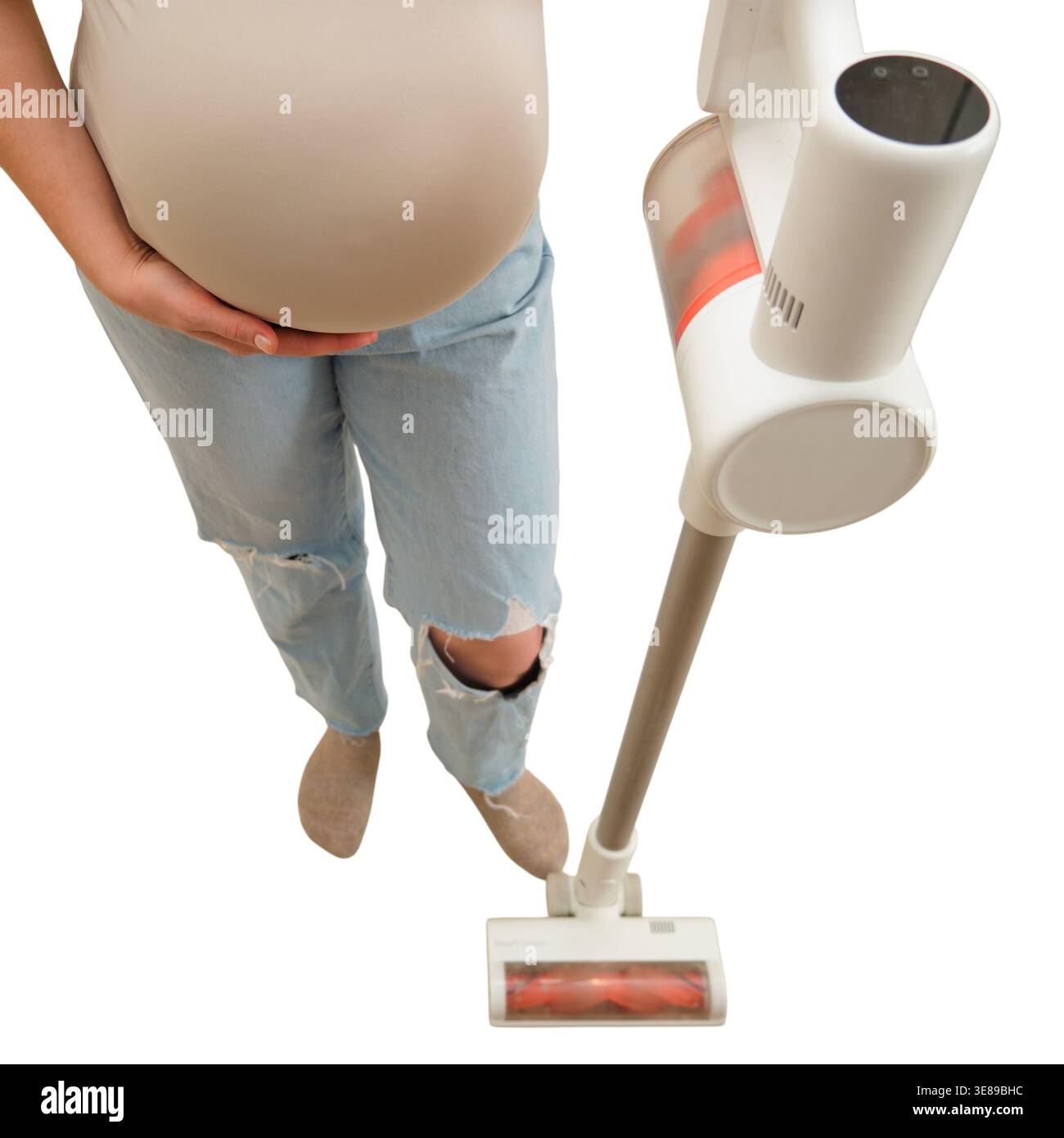
Yes, you can usually do vacuum cleaning during pregnancy if your pregnancy is uncomplicated and you feel well. Vacuuming may involve walking, bending, pulling, and pushing, so your comfort and energy level matter more than the task itself.
Routine movement is often healthy during pregnancy. Guidance from leading obstetric health organizations supports regular, moderate activity for many pregnant people. Household chores can count as gentle activity, but vacuuming should not feel like a workout or a test of endurance.
When people ask, “Can I do vacuum cleaning during pregnancy?” the safest answer depends on several factors:
• Your overall health and pregnancy history
• Your balance and energy level
• The weight and design of the vacuum
• The size of the area you need to clean
• The type of flooring
• Any restrictions from your obstetrician or midwife
If vacuuming causes pain, dizziness, shortness of breath, bleeding, or unusual contractions, stop at once. Sit down, drink water, and contact your maternity care provider if symptoms continue or seem serious.
Is vacuuming safe in each trimester?
Vacuuming can be safe throughout pregnancy, but your body changes quickly. A task that feels easy in the first trimester may become tiring or uncomfortable later.
First trimester
During the first trimester, nausea, fatigue, breast tenderness, and dizziness can make vacuuming harder. Strong smells from dust, pet hair, or cleaning products may also worsen nausea.
Move slowly and choose a time when your energy is better. Many people find that short cleaning sessions work better than trying to finish the entire home at once.
Second trimester
Some people have more energy in the second trimester. Even so, your balance and posture may begin to change as your abdomen grows.
Avoid twisting while pulling the vacuum. Turn your whole body instead. Keep the vacuum close, and use a lightweight model if possible.
Third trimester
In late pregnancy, your center of gravity shifts forward. This can make bending, reaching, stairs, and sudden turns less stable.
You may also tire faster and feel pelvic pressure or back pain. It is sensible to clean one small area at a time and ask someone else to handle stairs, heavy machines, or large rugs.
So, can I do vacuum cleaning during pregnancy in the third trimester? Often, yes, but only if you feel steady and your medical provider has not given you activity restrictions.
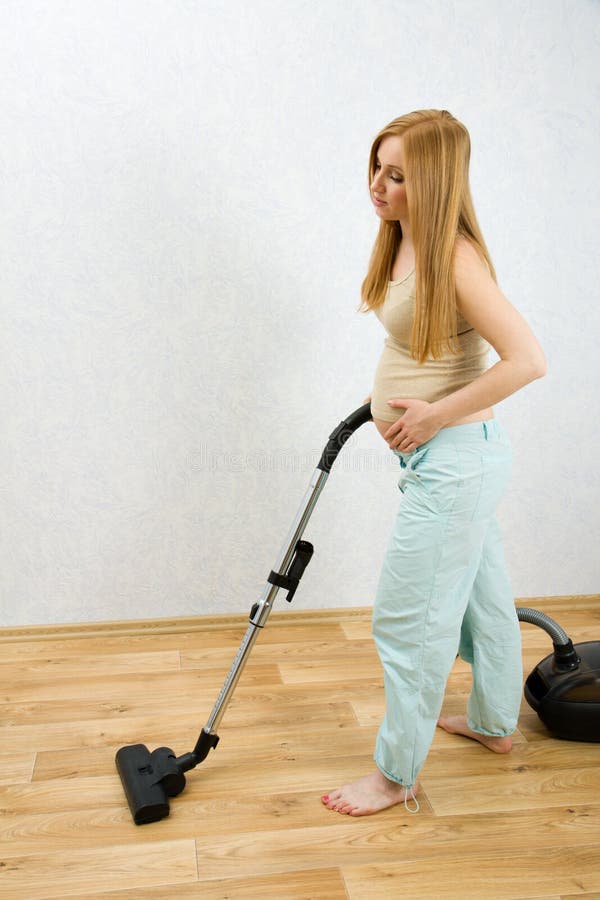
How to vacuum safely while pregnant
Safe vacuuming is mostly about reducing strain. Think of your body as a balance system. The closer the load stays to you, the less your back and joints must work.
Follow these practical steps:
-
Check your energy first. Do not vacuum when you feel faint, weak, overheated, or unusually breathless.
-
Wear supportive shoes with a firm sole. Avoid socks on smooth floors or loose slippers.
-
Keep the handle close to your body. Do not stretch it far in front of you.
-
Use short strokes. Small movements place less stress on your back and shoulders.
-
Turn with your feet. Avoid twisting your waist while pulling the vacuum.
-
Bend your knees when needed. Do not fold sharply from your lower back.
-
Take regular breaks. Sit down, rest, and drink water before you feel exhausted.
-
Keep pathways clear. Remove toys, cords, baskets, and loose mats before you start.
-
Avoid stairs when carrying the vacuum. Ask for help or clean one floor at a time.
-
Stop before your body feels depleted. Finishing later is safer than forcing the last room.
A useful rule is the talk test. You should be able to speak in full sentences while vacuuming. If you cannot, slow down and rest.
Can I do vacuum cleaning during pregnancy without bending? You can reduce bending by using an adjustable handle, moving smaller items with your foot, and asking someone else to pick up objects from the floor.
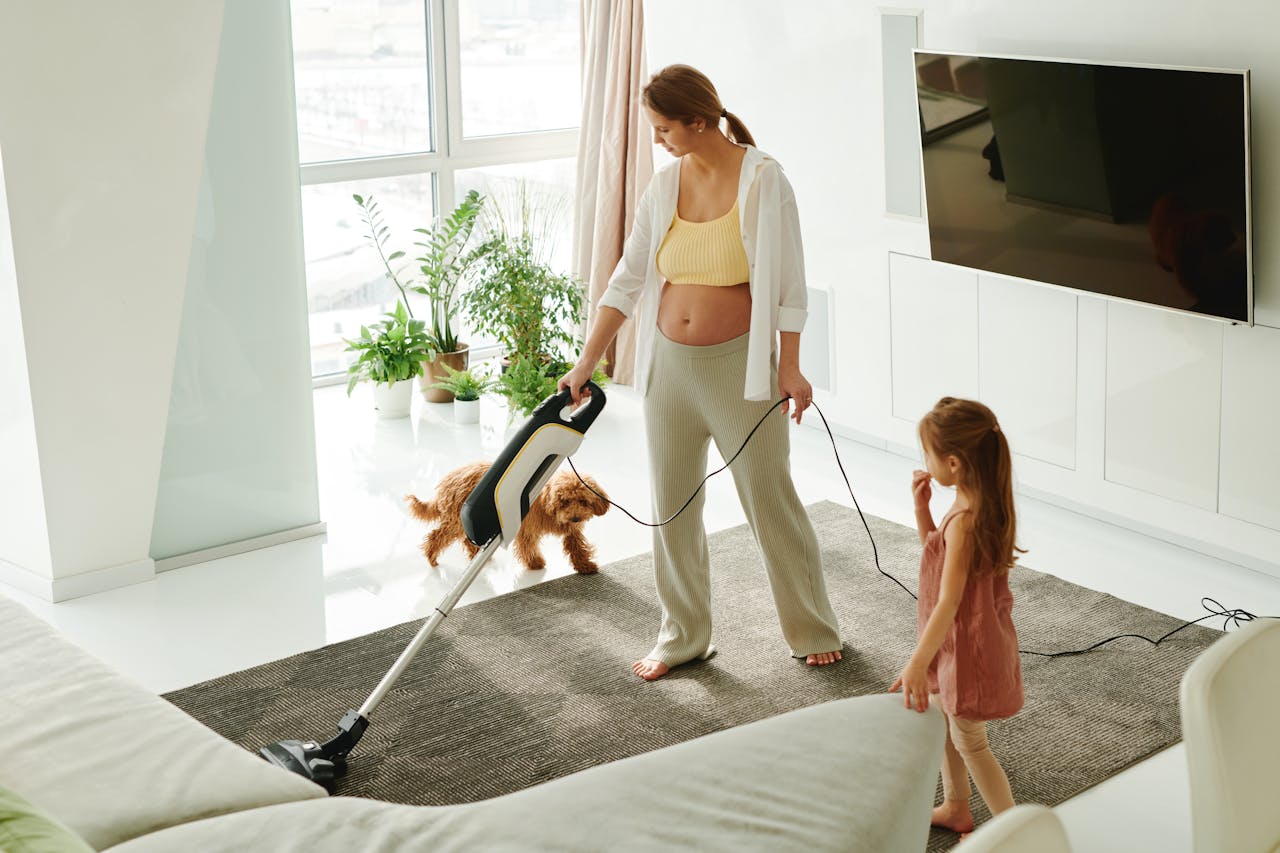
What vacuuming tasks should you avoid?
Not every cleaning task has the same physical demand. A small cordless vacuum may be manageable, while a large upright vacuum with a full container may be difficult to control.
Avoid or delegate tasks that involve:
• Carrying a heavy vacuum up or down stairs
• Lifting full laundry baskets or furniture
• Moving sofas, beds, or large tables
• Pulling a vacuum with a damaged cord
• Reaching high shelves while standing on a chair
• Cleaning wet floors with electrical equipment
• Working in very hot or poorly ventilated rooms
• Repeated deep bending or squatting
• Scrubbing for long periods without breaks
• Vacuuming areas with mold, animal waste, or heavy dust without protection
Pregnancy can affect balance, joint stability, and blood pressure. The hormone relaxin also loosens some joints and supporting tissues. This does not mean you must avoid movement, but it does mean that sudden force and awkward positions deserve more caution.
If you have placenta previa, preeclampsia, significant anemia, cervical problems, a risk of preterm labor, or another pregnancy complication, your provider may recommend limits. In that case, general advice about vacuuming does not replace your personal care plan.

Can vacuum cleaners harm the baby?
Normal vacuuming does not usually harm the baby. The main concerns are not the sound of the vacuum but the physical strain, fall risk, dust exposure, fumes, and overheating.
Most household vacuums produce noise below levels linked with occupational hearing damage. Still, avoid placing a loud machine directly against your abdomen, and do not use industrial equipment for long periods without proper protection.
Dust may contain pollen, pet dander, mites, and other irritants. If dust triggers asthma or allergies, use a vacuum with a well-sealed HEPA filter, keep the room ventilated, and consider wearing a well-fitting mask.
Vacuuming may also stir up:
• Mold spores
• Rodent droppings
• Cat litter dust
• Construction dust
• Lead particles in older homes
• Chemicals from treated carpets
Ask another adult to handle heavily contaminated areas. If you must clean a dusty space, improve ventilation and follow the product or workplace safety instructions.
The vacuum itself is usually not the danger. The surrounding conditions are what deserve attention.
:max_bytes(150000):strip_icc()/low-section-of-man-vacuuming-floor-while-woman-cleaning-shelves-in-background-at-home-562452153-5ac76ae7ae9ab80037f09a24.jpg)
Cleaning products and pregnancy safety
Vacuuming often happens alongside mopping, spraying, and disinfecting. Many common household cleaners can be used as directed, but pregnancy is a good time to simplify your routine.
Use these precautions:
• Read the label before using a product.
• Open windows or use an exhaust fan.
• Never mix bleach with ammonia, vinegar, or other cleaners.
• Avoid spraying products near your face.
• Wear gloves if the label advises them.
• Store cleaners away from children and pets.
• Choose unscented products if smells trigger nausea or headaches.
• Wash your hands after cleaning.
Avoid using strong solvents, paint strippers, pesticides, or industrial chemicals unless your health provider confirms that the exposure is safe. If you accidentally inhale fumes, move to fresh air and contact poison control or your medical provider for advice.
A simple vacuum and mild soap are often enough for normal home cleaning. More chemicals do not always mean a cleaner or safer home.

Warning signs to stop vacuuming
Stop immediately if you notice unusual symptoms. Rest in a cool place and contact your maternity care team when needed.
Call your provider promptly for:
• Vaginal bleeding
• Fluid leaking from the vagina
• Regular or painful contractions
• Severe pelvic pressure
• New or worsening lower back pain
• Chest pain
• Fainting or severe dizziness
• Trouble breathing that does not improve with rest
• Severe headache or vision changes