What Is A Y Peeler: Uses, Benefits And Buying Tips
A Y peeler is a handheld kitchen tool with a blade that forms a Y shape.
If you have ever struggled with a dull vegetable peeler, learning what is a Y peeler can change your kitchen routine. This simple tool removes thin, even strips from potatoes, carrots, apples, cucumbers, and more. Its wide grip, sharp blade, and easy motion make it a favorite among home cooks and chefs.

What Is a Y Peeler?
A Y peeler is a kitchen utensil used to remove the outer skin from fruits and vegetables. It gets its name from its shape, which resembles the letter “Y.” The handle forms the lower part, while the peeling blade stretches across the top.
Unlike a traditional swivel peeler, a Y peeler has a horizontal blade. You hold the handle in your palm and pull the tool toward you or across the food. This design lets the blade follow the natural shape of many foods.
When people ask, “what is a y peeler,” they usually want to know how it differs from a standard vegetable peeler. The main difference is the grip and blade position. A Y peeler moves like a small scraper, while a swivel peeler often moves more like a pointed shaving tool.
Most Y peelers include these parts:
• Handle: Gives you control and comfort while peeling.
• Blade: Removes the skin from produce.
• Blade frame: Holds the blade in place.
• Tip or potato eye remover: Helps remove small blemishes from potatoes.
Y peelers are often made from stainless steel, plastic, or a mix of both. Stainless steel models tend to last longer, while plastic models may feel lighter and cost less.
:max_bytes(150000):strip_icc()/__opt__aboutcom__coeus__resources__content_migration__serious_eats__seriouseats.com__images__2014__11__20141125-peeler-vicky-wasik-8-2ac6664d7d6e435e8b4fbd07a861feab.jpg)
How Does a Y Peeler Work?
A Y peeler works by sliding a sharp blade under the thin outer layer of a fruit or vegetable. The blade cuts through the skin while leaving most of the edible flesh behind. This helps reduce waste and creates a clean, smooth surface.
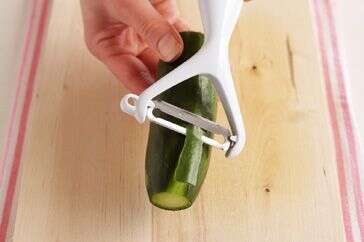
To use one, hold the food in one hand or place it on a cutting board. Hold the Y peeler in your other hand, then pull the blade along the food with light pressure. You usually do not need to press hard.
The best motion depends on the food:
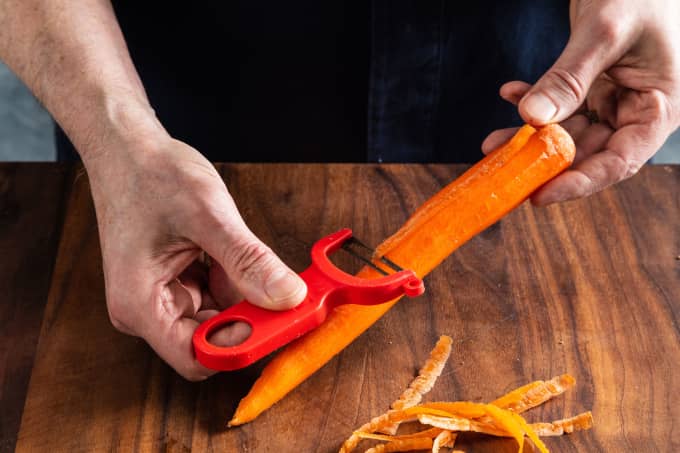
• Pull the peeler toward you on long vegetables such as carrots.
• Move it down a potato in short strokes.
• Turn round foods as you work around them.
• Use small, gentle strokes on soft foods such as ripe pears.
The blade should do most of the work. If you need force, the blade may be dull, the food may be too hard, or you may be holding the tool at the wrong angle.
In my own kitchen testing, the most common mistake is pressing down too firmly. That tends to remove too much flesh and can make the peeler catch. A light hand gives better control and creates thinner strips.

Y Peeler vs. Swivel Peeler
A Y peeler and a swivel peeler perform the same basic task, but they feel different in use. A Y peeler has a fixed, horizontal blade. A swivel peeler has a blade that turns as you move it across the food.
Here is a simple comparison:
| Feature | Y Peeler | Swivel Peeler |
|---|---|---|
| Blade position | Horizontal | Usually vertical |
| Grip | Broad, palm-friendly grip | Narrow handle |
| Best motion | Pulling or scraping | Gliding along the food |
| Control | Strong control over pressure | Flexible movement |
| Good for | Potatoes, carrots, ribbons | General peeling and small foods |
| Learning curve | Easy for many users | Familiar to most people |
Many cooks prefer a Y peeler because it feels stable. The wide handle can reduce wrist movement, especially when peeling several potatoes or large batches of vegetables.
A swivel peeler may work better for people who already prefer its pointed shape. It can also be useful for peeling small foods or reaching tight curves. Neither tool is best for every cook, so comfort matters.
If you are deciding what is a Y peeler compared with a standard model, think of it as a wider, more controlled alternative. It is not a special-purpose tool only for professional kitchens. It is a practical everyday peeler.
:max_bytes(150000):strip_icc()/__opt__aboutcom__coeus__resources__content_migration__serious_eats__seriouseats.com__images__2014__11__20141125-peeler-vicky-wasik-5-f5320180ca9845fd9717aa6ba49ff5a5.jpg)
Benefits of Using a Y Peeler
Understanding what is a Y peeler is helpful, but its benefits explain why it has become so popular. A good model can make simple food preparation faster and more comfortable.
Comfortable Grip
Most Y peelers have a wide handle that rests across your palm. This grip can feel more natural than holding a narrow tool with your fingertips.
A comfortable handle is useful when preparing large meals. It may also help people who find small kitchen tools hard to hold.
Fast Peeling
The broad blade covers more surface with each stroke. This can reduce the time needed to peel potatoes, carrots, squash, apples, and other produce.
A sharp Y peeler can remove skin in a few smooth passes. That makes it useful for daily meals and holiday cooking alike.
Less Food Waste
A sharp blade can remove a thin layer of skin. This leaves more of the edible food behind than a dull blade or a rough knife.
Thin peeling also matters when food prices are high. Getting more usable food from each item is a small but practical way to reduce waste.
Easy Vegetable Ribbons
A Y peeler can create long, thin ribbons from foods such as:
• Zucchini
• Cucumber
• Carrots
• Beets
• Asparagus
• Summer squash
These ribbons work well in salads, pasta dishes, garnishes, and vegetable wraps.
Useful for Left-Handed and Right-Handed Cooks
Many Y peelers have a reversible blade. This means both left-handed and right-handed users can use the same tool.
Before buying, check the product details. Some models are designed for one hand only, while others have a double-sided blade.
What Foods Can You Peel With a Y Peeler?
A Y peeler works best on foods with firm flesh and a fairly smooth surface. It can handle much more than potatoes.
Common foods include:
• Potatoes
• Carrots
• Cucumbers
• Apples
• Pears
• Zucchini
• Sweet potatoes
• Parsnips
• Turnips
• Beets
• Mangoes
• Hard cheese
• Chocolate
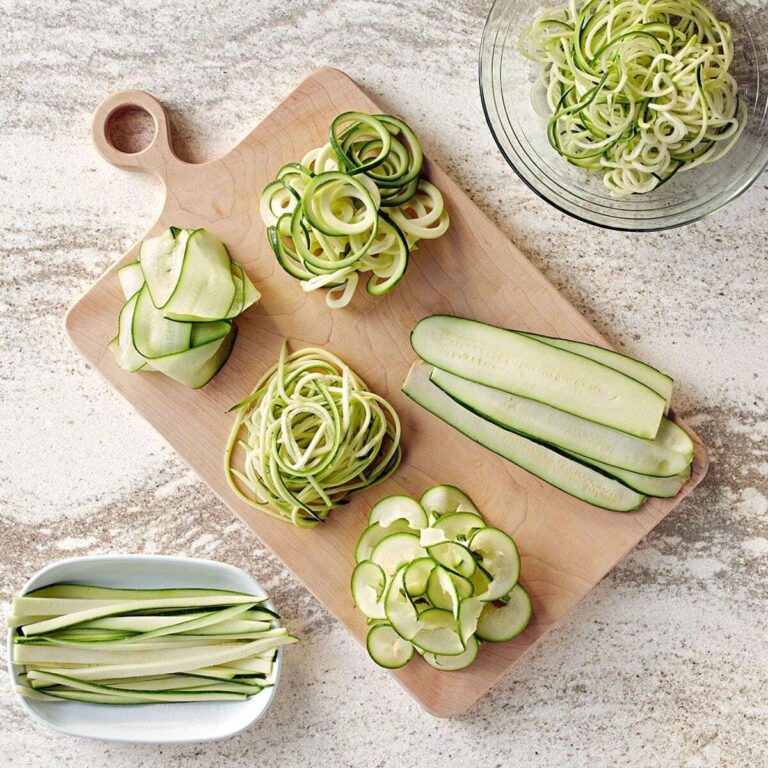
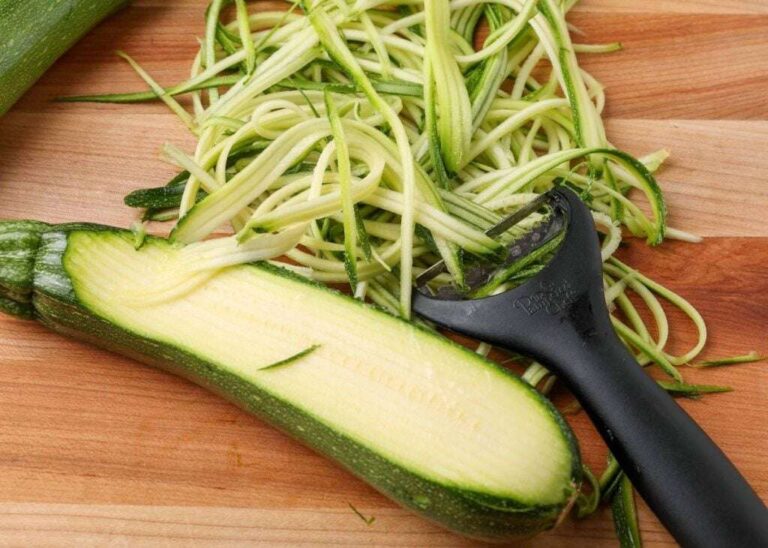
You can also use a Y peeler to shave vegetables into thin strips. For example, carrot ribbons can add color to a salad, while zucchini ribbons can replace part of the pasta in a light meal.
Soft tomatoes and very ripe peaches are usually poor choices. Their skin is delicate, and the blade may tear the flesh instead of removing the skin cleanly.
Some foods need extra care. Winter squash can be very hard, so cut it into stable pieces before peeling. Always place the flat side on a cutting board to reduce movement.
:max_bytes(150000):strip_icc()/__opt__aboutcom__coeus__resources__content_migration__serious_eats__seriouseats.com__images__2014__11__20141125-peeler-vicky-wasik-9-78695bc453d14af993e81131b3f6a0b1.jpg)
How to Choose the Best Y Peeler
Once you know what is a Y peeler, the next step is choosing one that fits your hand and cooking habits. A low-cost model can work well, but construction and blade quality make a clear difference.
Look for these features:
Sharp Stainless Steel Blade
Stainless steel resists rust and usually stays sharp longer than low-quality metal. The blade should feel firm and should not wobble inside the frame.
A sharp blade is also safer than a dull one. Dull blades require more pressure, which can cause slipping.
Comfortable Handle
Choose a handle that feels secure without squeezing it tightly. Rubber, silicone, and textured plastic can improve grip when your hands are wet.
The handle should also have enough space for your fingers. A cramped grip can make long peeling tasks tiring.
Reversible Design
A reversible blade is useful for left-handed cooks and households where several people share tools. It may also extend the life of the peeler if one side becomes dull.
Dishwasher Compatibility
Some Y peelers are dishwasher safe, but hand washing may help protect the blade. Check the care instructions before placing one in the dishwasher.
Protective Cover
A blade cover protects the edge in a utensil drawer. It also reduces the risk of accidental cuts when you reach for the tool.