How Much Is A Popcorn Maker: Prices, Types & Buying Tips
A popcorn maker usually costs $20 to $300, while commercial models can cost $1,000 or more.
The answer to “how much is a popcorn maker?” depends on its type, size, power, and intended use. A small home popper may cost less than a movie ticket, while a commercial machine can become a serious business investment. This guide breaks down popcorn maker prices, operating costs, useful features, and the best value for each buyer.

How Much Is a Popcorn Maker?
For most U.S. shoppers, a popcorn maker costs between $20 and $300. Basic air poppers sit at the low end, while countertop oil poppers and theater-style machines cost more.
Here is a simple price guide:
• Basic air popper: $20 to $50
• Microwave popcorn maker: $10 to $35
• Stovetop popper: $20 to $80
• Countertop electric popper: $50 to $180
• Theater-style home machine: $100 to $400
• Commercial popcorn machine: $500 to $3,000 or more
• Large commercial cart system: $1,000 to $5,000 or more
The average buyer does not need to spend hundreds of dollars. For family movie nights, a $30 to $70 popcorn maker often does the job well. The higher prices usually pay for a larger kettle, faster output, stronger materials, or a more attractive display.
A popcorn maker is much like a coffee machine. You can buy a simple model that performs one task, or pay more for speed, style, capacity, and convenience.
:max_bytes(150000):strip_icc()/sea-primary-popcorn-makers-sep-24-nsimpson-833-bca5f7aaf14c481f8999d9f9ba6833f4.jpeg)
Popcorn Maker Prices by Type
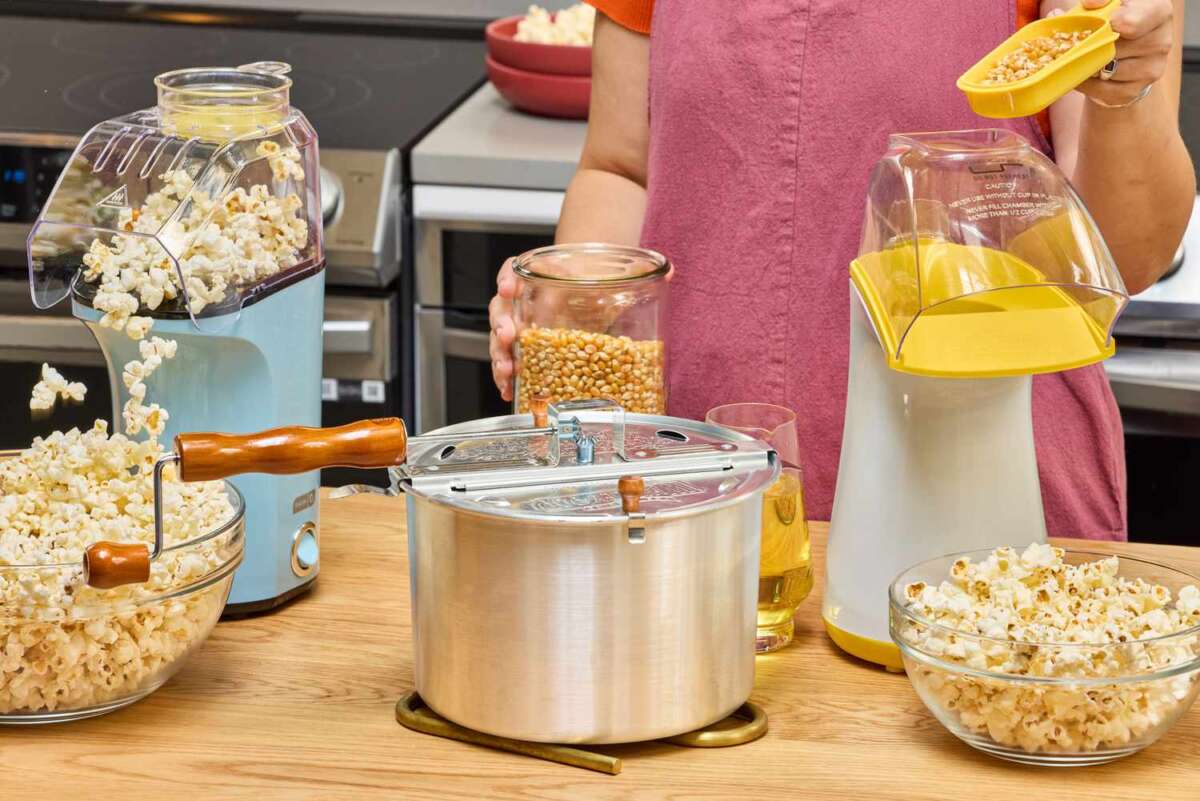
The type of popcorn maker has the biggest effect on the final price. Each design suits a different cooking style, budget, and amount of popcorn.
Air Popcorn Makers
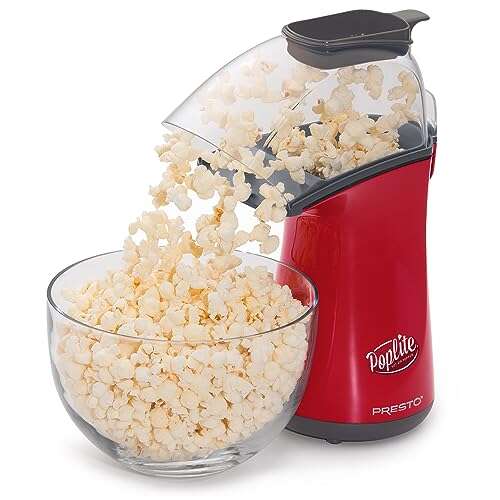
An air popcorn maker usually costs $20 to $50. It uses hot air instead of oil, so it can produce light popcorn with little added fat.
These models are easy to use. Add kernels, turn on the machine, and place a bowl under the chute. Most batches finish in a few minutes.
Air poppers are a good choice for:
• Health-conscious users
• Families that make popcorn often
• People who want simple cleanup
• Students and apartment residents
The main limitation is flavor. Air-popped popcorn may taste less rich than popcorn made with oil or butter. Some machines also leave a few unpopped kernels behind.
Microwave Popcorn Makers
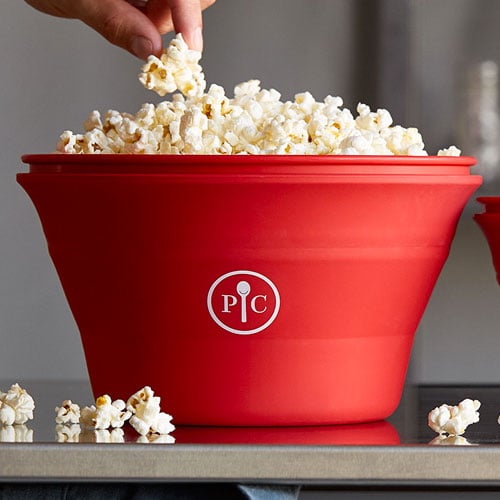
A microwave popcorn maker costs about $10 to $35. It may be made from glass, silicone, or heat-safe plastic.
This is often the least expensive option. It also takes up very little space. You can add kernels, place the container in the microwave, and prepare a batch in just a few minutes.
Microwave poppers work well for occasional use. However, they depend on microwave power and timing. Leaving the machine unattended can burn the popcorn, so stay nearby and listen for long gaps between pops.
Stovetop Popcorn Poppers
A stovetop popcorn maker generally costs $20 to $80. Some models use a hand crank or stirring paddle to move the kernels while they heat.
This type gives you more control over oil, salt, and seasoning. It can also create a rich taste similar to popcorn from a movie theater.
The trade-off is cleanup. You must watch the pot, control the heat, and wash the cooking surface after each batch. For many popcorn fans, though, the flavor is worth the extra work.
Electric Countertop Popcorn Makers
An electric popcorn maker for the counter usually costs $50 to $180. These machines often use hot oil and include a kettle, stirring system, warming area, or serving tray.
They offer a good balance between home use and theater-style results. Some models make several servings at once, which helps during parties, game nights, and family events.
When comparing prices, check whether the machine includes:
• A measuring cup for kernels
• An oil spoon
• A removable kettle
• A warming deck
• A serving scoop
• A clear viewing panel
Accessories can add value, but they should not distract from the machine’s core performance.
Theater-Style Popcorn Machines
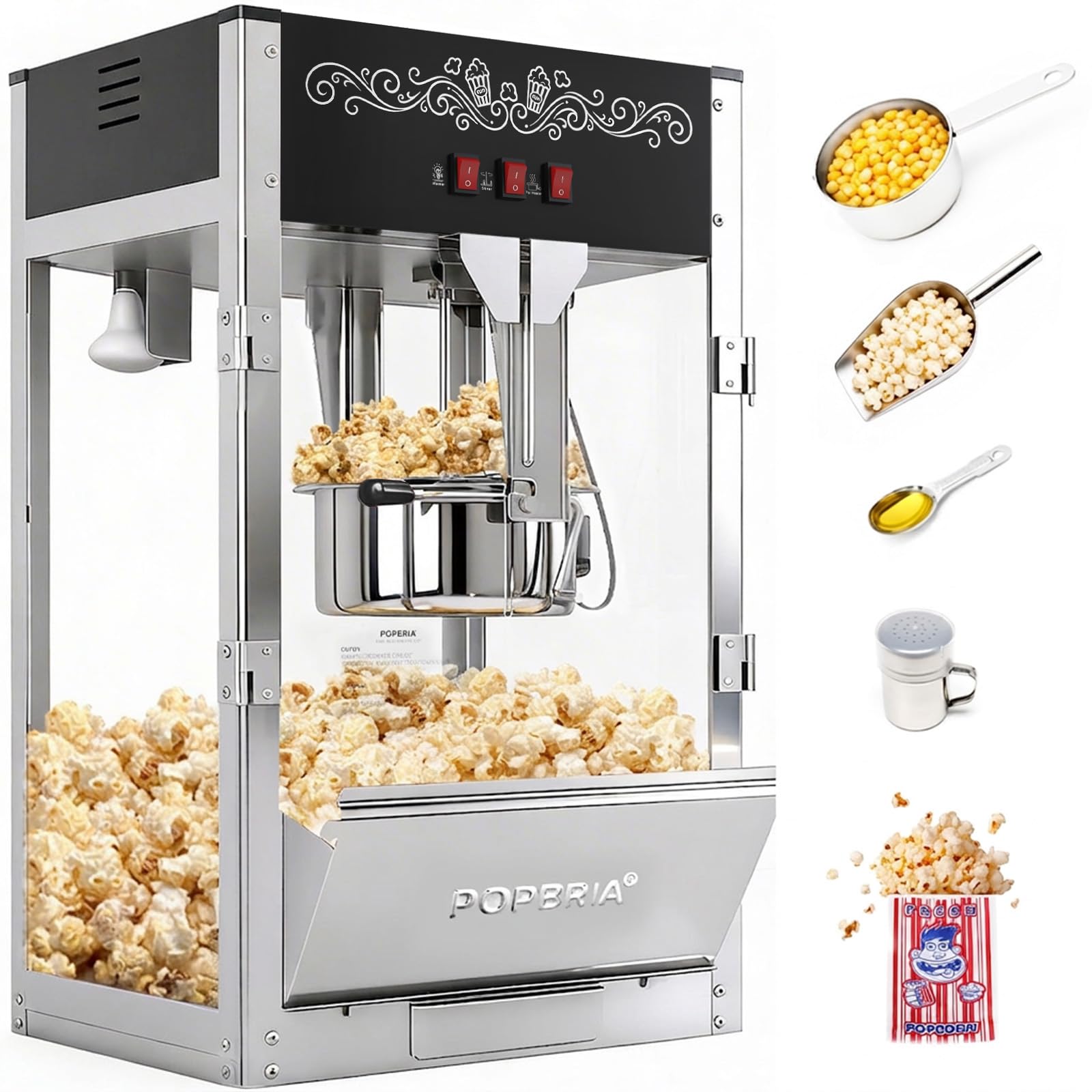
A theater-style popcorn maker costs around $100 to $400 for home use. These machines often have a red or black cabinet, glass panels, a metal kettle, and a built-in light.
Many buyers choose them for appearance as much as performance. They can make a living room feel like a small cinema.
A theater-style model may be worth the extra cost if you:
• Host movie nights often
• Want a decorative kitchen appliance
• Need several servings at once
• Prefer oil-popped flavor
• Enjoy the look of classic cinema equipment
The biggest mistake is buying one only for its appearance. Read the cleaning instructions and check the kettle size before making a decision.
What Determines the Cost of a Popcorn Maker?
The answer to “how much is a popcorn maker?” is shaped by more than the brand name. Materials, output, controls, and safety features all influence the price.
Capacity
Capacity shows how much popcorn the machine can make in one batch. Small machines may produce two to four cups of popped popcorn. Larger models can make enough for a party.
A larger kettle usually costs more. It may also use more power, oil, and kernels. If you live alone, a large commercial unit may create waste rather than value.
Materials
Stainless steel kettles tend to cost more than thin aluminum or plastic parts. Strong materials can handle heat better and may last longer with regular care.
Glass panels, metal doors, and thick cabinets also increase the price. These features matter more for a machine that will run often.
Heating and Stirring Systems
Some popcorn makers use a simple heating element. Others include a stirring arm that helps prevent burning and improves popping.
A built-in stirrer can make the process easier. It does not remove the need for supervision, though. Oil and sugar can still burn if the machine is used incorrectly.
Controls and Convenience
More expensive machines may include:
• Separate heat and stir switches
• Automatic warming lights
• Digital timers
• Temperature controls
• Removable kettles
• Easy-drain oil systems
Convenience features are useful when you make popcorn several times a week. For occasional use, they may not justify a higher price.
Brand and Warranty
A recognized brand may charge more because it offers better parts support, clearer instructions, or a longer warranty. A low-cost machine can still work well, but replacement parts may be harder to find.
Before buying, look for warranty details. Pay attention to coverage for the kettle, heating element, motor, and electrical parts. A one-year warranty is common for home machines, while commercial products may offer longer coverage.
How Much Does It Cost to Run a Popcorn Maker?
The purchase price is only part of the cost. You also need kernels, oil, seasoning, electricity, and cleaning supplies.
A typical home batch may cost about $0.25 to $1.00, depending on the ingredients and serving size. Premium kernels, coconut oil, butter flavoring, and specialty seasonings can raise the cost.
Electricity usually adds only a small amount per batch. The exact cost depends on the machine’s wattage, cooking time, and local electric rate.
For example, a 1,000-watt machine used for six minutes consumes about 0.1 kilowatt-hour. At an electricity rate of 16 cents per kilowatt-hour, that is roughly 2 cents of electricity. Oil and kernels usually cost more than the power.
Commercial owners must also consider:
• Replacement bulbs
• Kettle oil
• Cleaning chemicals
• Paper bags or serving tubs
• Repairs
• Labor
• Insurance
This is why commercial popcorn maker prices should be judged by output and reliability, not just the initial purchase cost.

Is an Expensive Popcorn Maker Worth It?
An expensive popcorn maker can be worth it if you use it often or need consistent results. It may offer a stronger kettle, better heating, easier cleaning, and a longer service life.
For example, a family that makes popcorn every weekend may enjoy a sturdy countertop model. A person who makes popcorn once every few months may get better value from a microwave bowl or air popper.
Consider these questions before spending more:
-
How often will you use the machine?
-
How many people will you serve?
-
Do you want oil-popped or air-popped popcorn?
-
How much counter space do you have?
-
Are you willing to clean a kettle after each use?