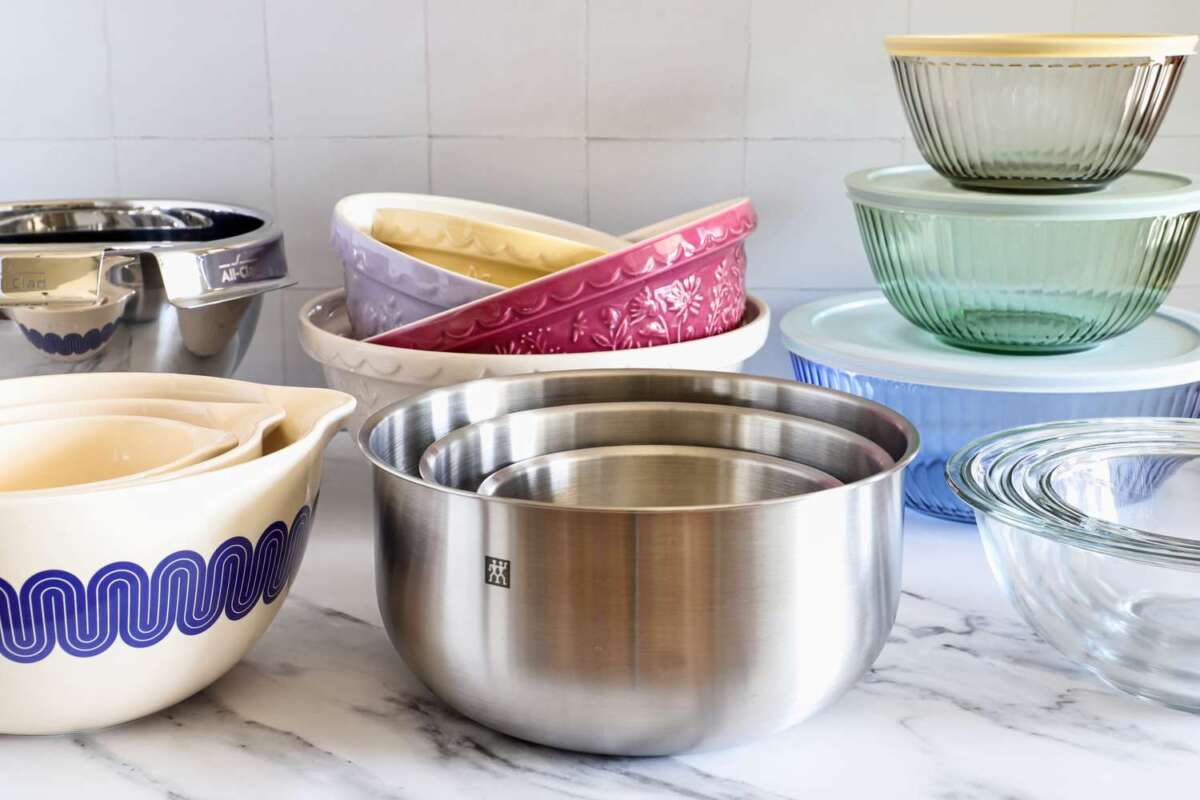
Can A Steel Bowl Go In The Microwave: Safe Use Guide
No, a steel bowl should not go in the microwave unless the manufacturer clearly says it is microwave-safe.
The question “can a steel bowl go in the microwave” seems simple, but the safe answer depends on the bowl’s metal, shape, finish, and your microwave’s instructions. In most homes, stainless steel and other steel bowls belong on the counter, not inside the microwave. This guide explains the risks, rare exceptions, safer options, and what to do if metal starts sparking.
Can a Steel Bowl Go in the Microwave?
In most cases, no. A steel bowl can reflect microwave energy instead of allowing the food to absorb it. This can cause uneven heating, sparks, arcing, or damage to the microwave.
The main issue is not only that the bowl is made of steel. Its shape also matters. A smooth bowl with rounded edges is less likely to spark than a thin, sharp, damaged, or highly decorated metal container. Still, lower risk does not mean safe.
When people ask, “can a steel bowl go in the microwave,” the safest everyday rule is simple: do not use one unless the bowl and microwave instructions specifically approve it.

Why Microwaves and Steel Can Be a Bad Mix
A microwave oven heats food with electromagnetic waves. These waves make water molecules in the food move rapidly, which creates heat.
Metal behaves differently. It reflects much of the microwave energy rather than absorbing it. A steel bowl can act like a shield around the food, so the meal may stay cold while the microwave works harder.
Steel can also concentrate electrical energy around edges, corners, dents, and thin areas. This may create a visible spark, known as arcing. It is similar to a tiny electrical discharge jumping through the air.
Potential problems include:
• Sparks inside the microwave
• Smoke or a burnt smell
• Damage to the oven’s interior
• Damage to the microwave’s magnetron
• Unevenly heated food
• A possible fire, especially near grease or paper
The risk becomes higher when the bowl touches the microwave wall, turntable, or another metal object. A metal fork, twist tie, or foil strip beside the bowl can also increase the chance of arcing.
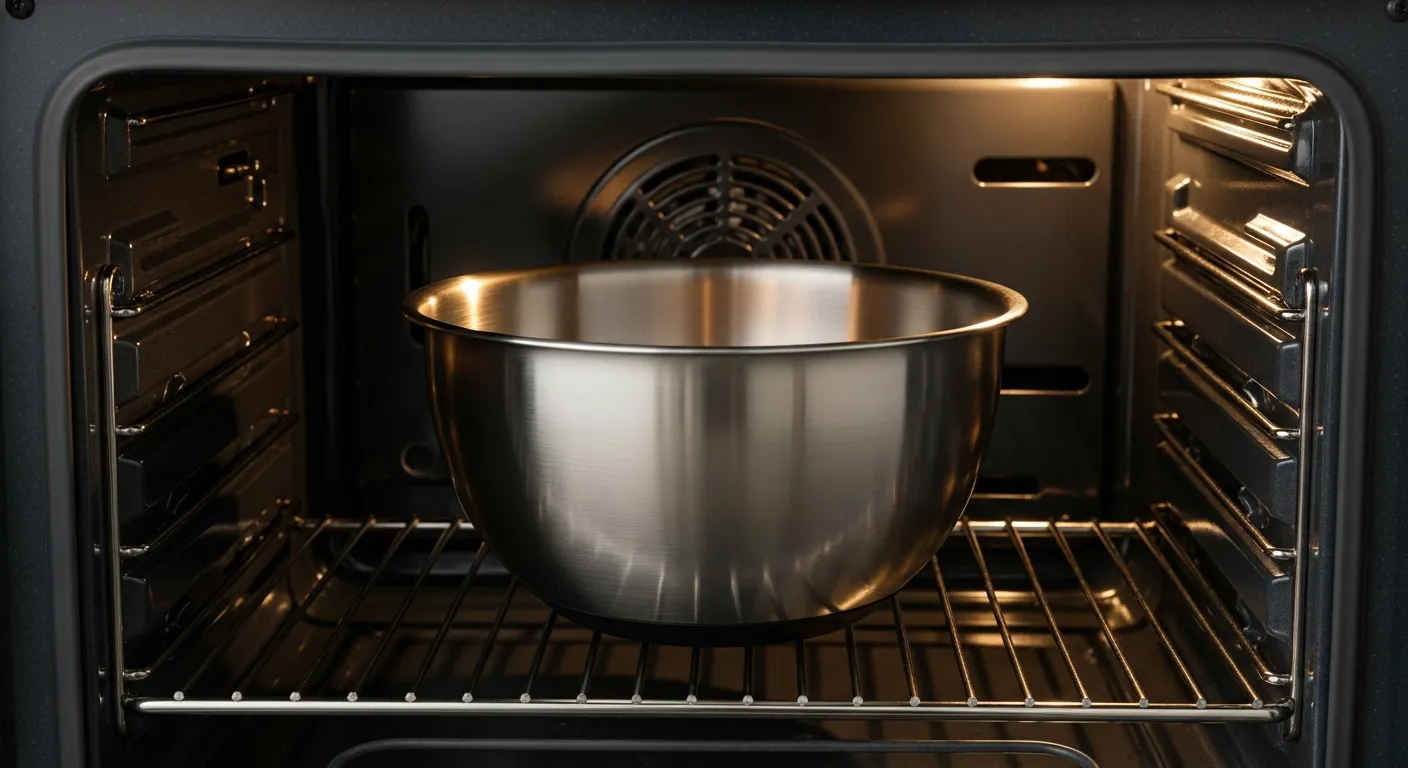
When Can a Steel Bowl Go in the Microwave?
A steel bowl may be used in a microwave only when the manufacturer clearly labels it as microwave-safe and provides instructions for microwave use.
Some modern microwaves include approved metal racks, trays, or browning plates. These products are designed for a specific appliance and tested for a specific position and purpose. They should not be treated as proof that every steel bowl is safe.
Before using any metal bowl, check:
-
The bowl’s packaging or care instructions.
-
The microwave owner’s manual.
-
Any microwave-safe symbol or written label.
-
Instructions about power level, heating time, and placement.
-
Warnings about contact with the oven wall or other metal.
If the instructions do not clearly approve the bowl, choose glass or ceramic instead. Uncertainty is a good reason not to test it. Microwave safety is not a good place for trial and error.
A convection microwave adds another detail. Many combination ovens use microwave energy, hot air, or both. A steel bowl may be suitable during convection-only cooking, much like a pan in a regular oven. However, it may still be unsafe when microwave mode is active.
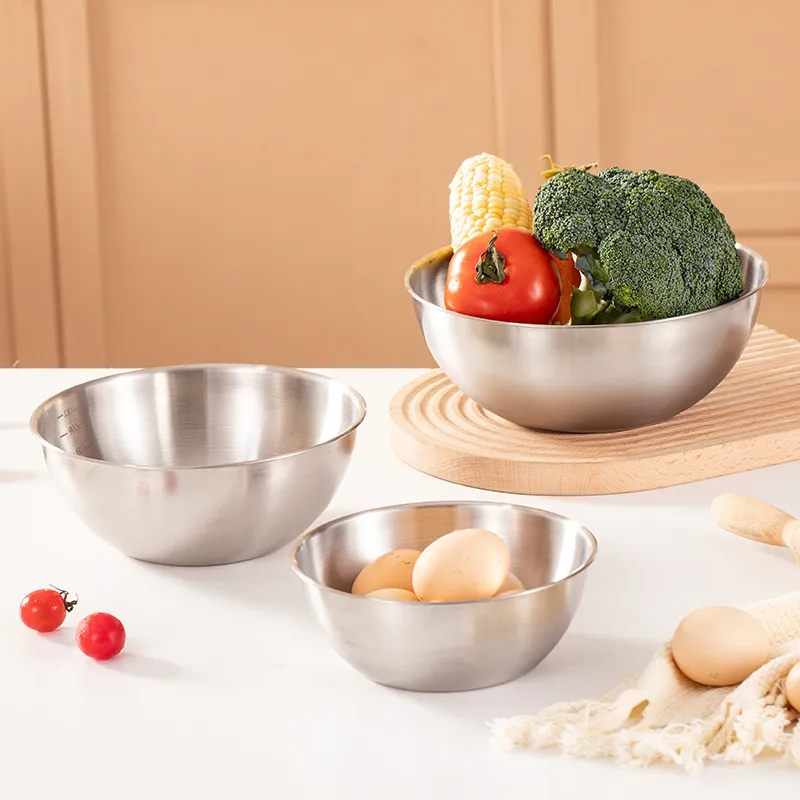
Why Bowl Shape and Condition Matter
Not all steel bowls behave in exactly the same way. Their design affects how electric energy moves across the surface.
A deep bowl with smooth, rounded sides may produce less arcing than a sharp, thin container. But it can still block microwave energy and heat food unevenly. A bowl with a rolled rim, pointed edge, dent, scratch, or damaged coating may create a stronger electrical field in one small area.
Be especially careful with:
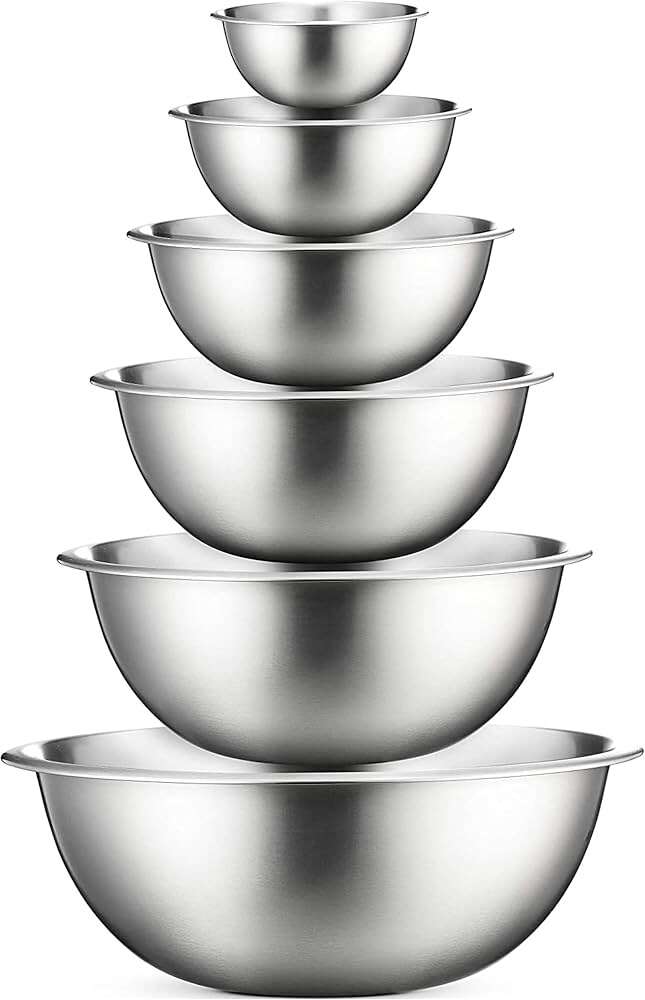
• Thin stainless steel mixing bowls
• Decorative bowls with metallic paint
• Bowls with gold or silver trim
• Steel containers with sharp rims
• Damaged or dented metal bowls
• Bowls with loose metal handles
• Metal bowls touching the oven wall
Metal decoration can be just as risky as solid metal. A ceramic bowl with a gold rim may look harmless, but the metallic paint can spark.
The safest approach is to judge the entire item, not just the word “steel.” If any part contains metal and the label does not approve microwave use, keep it out.
What Happens If You Microwave a Steel Bowl?
The result can range from mild inconvenience to serious damage. Sometimes nothing visible happens during a short test, but that does not prove the bowl is safe.
The food may remain cold because the steel blocks the microwave energy. The bowl itself may also become hot from the food inside, so touching it can cause a burn even when the outside does not seem dangerously hot at first.
You may notice:
• Flashing sparks
• Crackling or popping sounds
• A bright blue or yellow arc
• Smoke
• A burnt odor
• A damaged waveguide cover
• A microwave that stops heating
If you see sparks, stop the microwave at once. Do not open the door while the sparking continues unless the appliance instructions say otherwise. Turning off the microwave stops the energy, which usually stops the arcing.
If there is smoke or fire, keep the door closed, unplug the appliance if you can do so safely, and contact emergency services if the fire does not stop. Never use water on an electrical fire.
:max_bytes(150000):strip_icc()/sea-mixing-bowls-lead-image-ashlee-redger-01-cb95c9b8fbf64609bb8be0e9e37ea1ed.jpeg)
Is Stainless Steel Safe in a Microwave?
Stainless steel is still metal, so it is usually not safe for microwave use. The label “stainless” describes the steel’s resistance to rust and staining; it does not make the material microwave-friendly.
Some manufacturers approve certain stainless steel containers for limited microwave use. These products may have a special design that controls how the metal interacts with the microwave field. Follow the exact directions, including the recommended power setting and time.
Do not assume a stainless steel lunch container, travel bowl, or mixing bowl is safe just because it is sold for food storage. Food-safe and microwave-safe mean different things.
Food-safe means the material can contact food under stated conditions. Microwave-safe means the item has been designed and tested for heating in a microwave. Always look for the second claim.
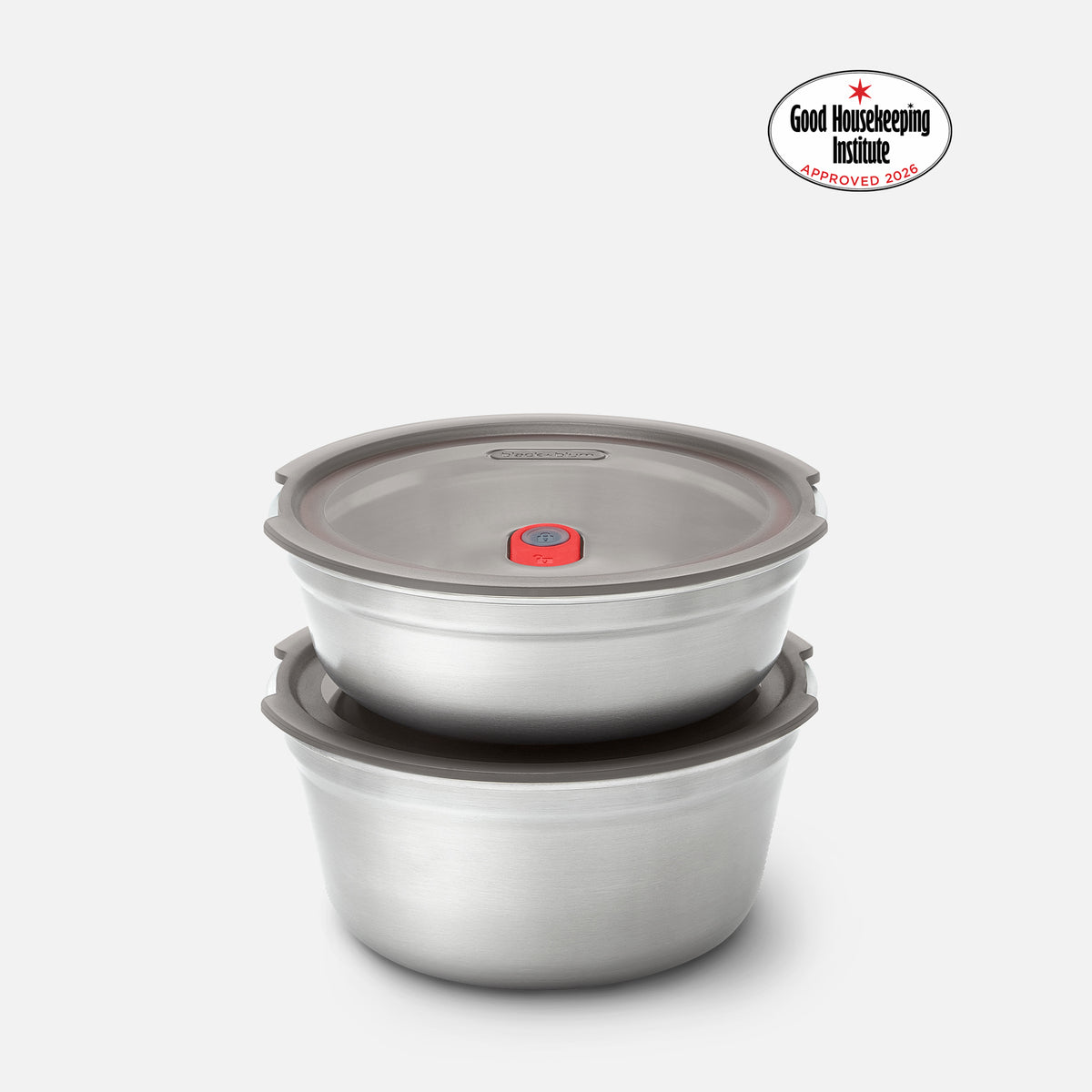
Safer Alternatives to a Steel Bowl
Glass, ceramic, and some microwave-safe plastics are usually better choices. They allow microwave energy to pass through and heat the food more effectively.
Good options include:
• Heat-resistant glass marked microwave-safe
• Plain ceramic without metallic paint or trim
• Microwave-safe stoneware
• Microwave-safe plastic labeled for heating
• Silicone cookware labeled for microwave use
Glass is especially useful because it does not usually absorb food odors and lets you see the meal while it heats. Ceramic works well for soups, rice, vegetables, and leftovers, but it can become very hot.
Plastic requires more care. Use only containers labeled for microwave use. Avoid disposable takeout containers, foam trays, thin yogurt cups, and damaged plastic unless the packaging specifically approves heating.
Do not use a cracked bowl. Sudden temperature changes can cause glass or ceramic to break. Place a hot container on a dry cloth or heat-safe pad rather than a cold, wet surface.

How to Check Whether a Bowl Is Microwave-Safe
The best evidence is the manufacturer’s label or instructions. A general internet search or advice from a friend cannot replace product-specific guidance.
Use this checklist:
-
Look underneath the bowl for a microwave-safe symbol or words.
-
Read the original packaging or care guide.
-
Check whether the bowl contains metallic paint, trim, or decoration.
-
Look for cracks, chips, sharp edges, or damage.
-
Confirm that the microwave manual allows the material.
-
Check whether the label limits heating time or power.
-
When in doubt, use glass or plain ceramic.
Some people suggest placing a container beside a cup of water and running the microwave briefly as a test. This approach is not a reliable safety guarantee, especially for metal. Do not use an informal test to approve a steel bowl when the manufacturer gives no clear permission.

Common Mistakes to Avoid
Many microwave accidents happen because a familiar kitchen item is assumed to be safe. A bowl may be useful for mixing, storing, or serving food but still be unsuitable for microwave heating.
Avoid these mistakes:
• Assuming all stainless steel products are the same
• Heating a steel bowl because it worked once
• Leaving a metal bowl close to the microwave wall
• Using a bowl with gold or silver decoration
• Combining metal with foil, forks, or twist ties
• Using a metal bowl in microwave mode on a combination oven
• Ignoring sparks because they stop quickly
• Covering a metal bowl with foil during heating
One important lesson is that a successful short heating cycle does not prove safety. Microwave conditions change with the food’s moisture, cooking time, power level, and position. A bowl that does not spark with soup may behave differently with dry food.
Practical Example: Heating Leftovers Safely
Imagine you have leftover pasta in a stainless steel bowl. Moving the pasta to a microwave-safe glass bowl takes only a few seconds and reduces the risk of sparks, poor heating, and appliance damage.
Cover the glass bowl with a vented microwave lid or a loose microwave-safe cover. Heat the food in short intervals, stir between intervals, and check that the center is hot.
For soups and sauces, stirring is important because microwaves can create hot and cold spots. The U.S. Food and Drug Administration recommends following safe heating practices and allowing standing time when needed so heat can spread through the food.
A useful routine is:
-
Transfer food to a microwave-safe container.
-
Cover it loosely to reduce splatter.
-
Heat for 30 to 60 seconds.
-
Stir or rotate the food.
-
Continue until the center is hot.
-
Let it stand briefly before eating.
What to Do If a Steel Bowl Sparks
If a steel bowl sparks, stop the microwave immediately. Press the stop or cancel button and wait until all arcing has ended.
Then remove the bowl carefully, because it may be hot. Inspect the microwave for scorch marks, melted parts, smoke, or damage to the thin cover inside the cooking chamber.
Follow these steps:
-
Stop the microwave.
-
Keep the door closed if there is smoke or fire.
-
Unplug the appliance only if it is safe to do so.
-
Remove the metal item after the microwave stops.
-
Check for burns, melted areas, or unusual odors.
-
Do not use the microwave again if it is damaged.
A small spark does not always mean the microwave is ruined. However, repeated sparking, a burnt smell, a damaged interior, or a failure to heat requires professional inspection or appliance replacement.
Frequently Asked Questions About Can a Steel Bowl Go in the Microwave
Can a stainless steel bowl go in the microwave?
Usually, no. Stainless steel is still metal and can reflect microwave energy, create sparks, or heat food unevenly unless the manufacturer specifically approves microwave use.
Can a steel bowl go in the microwave for a short time?
A short time does not make an unapproved steel bowl safe. Even a brief heating cycle can cause arcing, especially if the bowl has sharp edges, dents, or metallic decoration.
Can a metal bowl go in a convection microwave?
It may be safe during convection-only cooking if the appliance manual allows metal cookware. Do not use the bowl when microwave energy is active unless both the appliance and bowl instructions approve it.
What bowls are safe for microwave use?
Plain glass, microwave-safe ceramic, and properly labeled microwave-safe plastic are common choices. Avoid cracked items and anything with gold, silver, or metallic trim.
What should I do if my steel bowl sparks in the microwave?
Stop the microwave at once and wait until the arcing ends. Remove the bowl after the appliance stops, then inspect the microwave for smoke, scorch marks, or damage before using it again.
Can a steel bowl damage a microwave?
Yes, it can cause arcing that damages the microwave’s interior, waveguide cover, or heating system. It can also create a fire risk in certain conditions.
Is a metal spoon safe in the microwave?
A metal spoon should generally stay out of the microwave unless the manufacturer gives specific instructions that allow it. Metal objects can spark, especially when they touch the oven wall or other metal.
Conclusion
So, can a steel bowl go in the microwave? In everyday use, the answer is no unless the bowl is clearly labeled microwave-safe and the microwave manual allows it. Steel can reflect energy, block even heating, and create dangerous sparks.
Choose plain glass, ceramic, or approved microwave-safe plastic instead. If metal sparks, stop the appliance right away and inspect it before using it again. When you are unsure, follow the safest rule: transfer the food to a labeled microwave-safe container. Share this guide with anyone who has ever wondered whether a steel bowl belongs in the microwave.

Liora Pennings is a seasoned chef and kitchen enthusiast with a passion for turning everyday cooking into an effortless experience. With years of hands-on culinary expertise, she specializes in practical techniques, ingredient know-how, and smart kitchen solutions that help home cooks elevate their meals. At KitchFlair.com, Liora shares her best tips, time-saving tricks, and honest product reviews to guide readers toward a more efficient, enjoyable, and inspired cooking routine. Whether you’re a beginner or a seasoned home chef, Liora’s friendly, knowledge-packed insights make every visit to the kitchen a little easier—and a lot more delicious.