Can I Use Porcelain Bowl For Steaming: Safe Tips
Yes, you can use a porcelain bowl for steaming if it is heat-safe, intact, and stable.
If you are wondering, “Can I use porcelain bowl for steaming?” the answer depends on the bowl’s glaze, construction, and temperature rating. With the right bowl and setup, porcelain can safely hold foods such as dumplings, custards, vegetables, rice dishes, and steamed cakes. This guide explains how to check your bowl, avoid thermal shock, set up a steamer, and spot situations where porcelain is not a safe choice.

Can I Use Porcelain Bowl for Steaming?
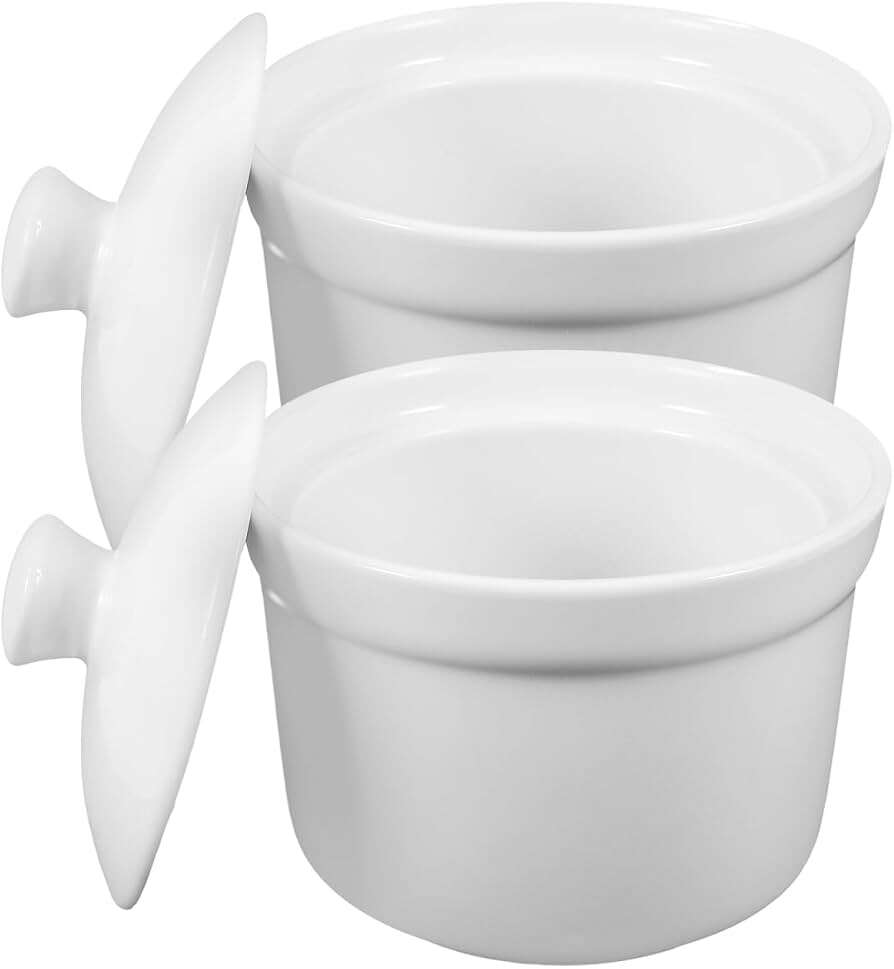
Yes, you can use a porcelain bowl for steaming when it is labeled oven-safe, heat-safe, or suitable for high temperatures. Steam usually reaches about 212°F (100°C) at sea level, so a sound porcelain bowl can often handle the heat.
However, not every porcelain bowl is made for cooking. Some bowls are designed only for serving cold food. Others may have thin walls, decorative metallic paint, hairline cracks, or glazes that do not tolerate sudden heat.
Porcelain is a type of fired ceramic made from refined clay. It is dense, smooth, and usually less porous than regular earthenware. These qualities make it useful in the kitchen, but they do not automatically make every porcelain bowl safe for steaming.
Before using one, check for:
• An oven-safe or heat-safe label
• No cracks, chips, crazing, or deep scratches
• No gold, silver, or metallic trim
• A stable shape that will not tip inside the pot
• A size that fits without touching the pot’s sides or lid
• A food-safe glaze in good condition
When you ask, “Can I use porcelain bowl for steaming?” think about the bowl’s intended use, not only its material. A porcelain bowl made for baking is a better choice than a decorative bowl made for display.

Why Porcelain Can Work in a Steamer
Porcelain can handle moist heat well because steam transfers heat more gently than direct contact with a hot burner. The bowl sits above boiling water, so it is heated mainly by hot vapor rather than by a flame or electric heating element.
This makes porcelain useful for many dishes, including:
• Steamed eggs and savory egg custards
• Chinese bao, dumplings, and sticky rice dishes
• Steamed sponge cakes
• Vegetables and fish
• Puddings and bread puddings
• Leftover rice or noodles
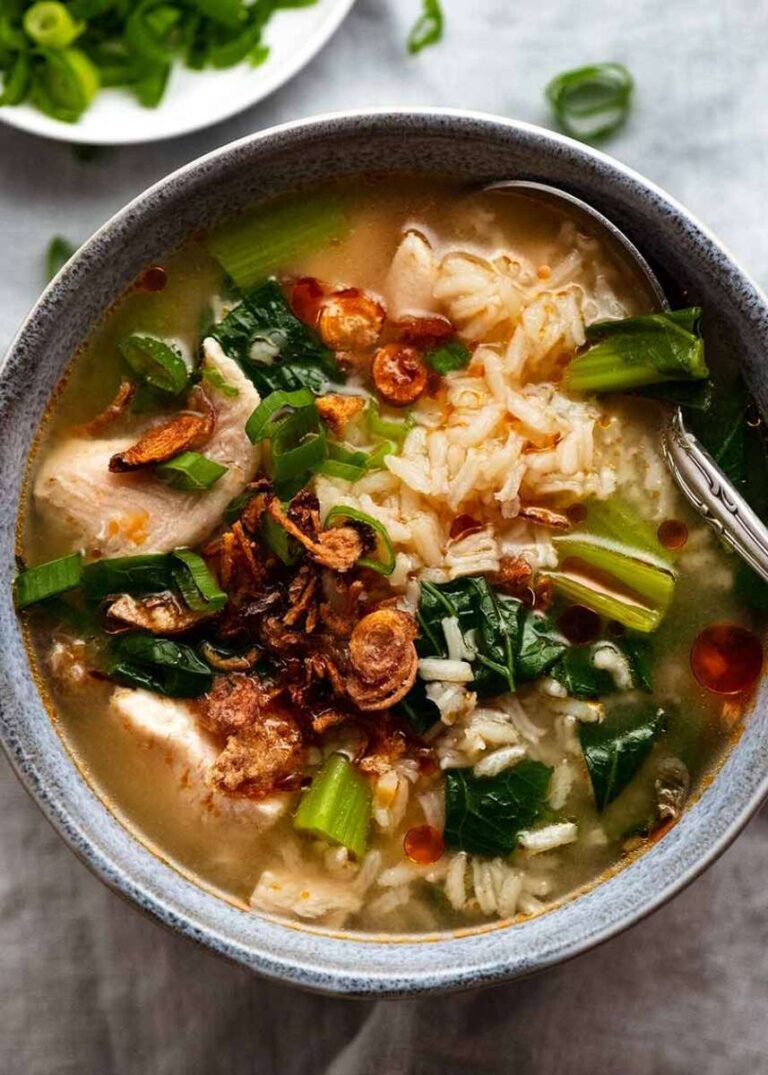
• Small portions of oatmeal or porridge
A porcelain bowl also has a smooth surface. This can make it easier to remove soft foods after cooking. It does not absorb much water, so it is less likely to become soggy or hold strong food odors.
Still, porcelain is not unbreakable. Steam is gentle, but rapid changes in temperature are not. A cold bowl placed into a hot steamer can develop stress inside the material. That stress may cause cracking, even when the bowl looks strong.
In practical kitchen testing, the safest approach is simple: use a room-temperature bowl, heat it gradually, and keep it away from direct contact with the hot pot. This small habit prevents many avoidable accidents.

How to Tell If a Porcelain Bowl Is Safe
The best way to decide whether you can use a porcelain bowl for steaming is to inspect its markings and condition. Turn the bowl over and look for words or symbols such as “oven safe,” “heat resistant,” or “safe for baking.”
A dishwasher-safe label does not always mean oven-safe. Dishwashers use hot water, but the heat is usually more even and less intense than the conditions inside a steamer or oven.
Check the manufacturer’s instructions
If the bowl came with packaging or care instructions, read them before steaming. Look for limits on:
• Maximum temperature
• Oven and stovetop use
• Microwave use
• Sudden temperature changes
• Use under a broiler or grill
If there is no information, treat the bowl as serving ware rather than cookware. It may still survive steaming, but the risk is harder to judge.
Inspect the bowl closely
Run a clean finger around the rim and inside surface. Do not use the bowl if you find:
• A visible crack
• A sharp chip
• A spiderweb pattern in the glaze
• A loose or rattling base
• A large scratch that exposes the body beneath the glaze
Small defects can grow when the bowl heats. A cracked bowl may break while you move it, remove the lid, or wash it after cooking.
Avoid metallic decoration
Do not use porcelain with gold, silver, copper, or other metallic details in a steamer. Metallic trim can discolor, flake, or react badly with heat. It may also be unsafe if you later place the bowl in a microwave.
Plain glazed porcelain is the safer choice.

How to Steam With a Porcelain Bowl Safely
If you have confirmed that the bowl is heat-safe, follow these steps. They work for a large pot, bamboo steamer, or metal steamer insert.
-
Fill the pot with water. Keep the water below the rack or steamer basket. The water should not touch the bottom of the bowl.
-
Place a rack, trivet, or steamer insert inside the pot. The bowl must sit level and remain above the water.
-
Use a room-temperature porcelain bowl. Avoid moving a bowl straight from the refrigerator into a hot steamer.
-
Add the food without filling the bowl to the rim. Leave space for expansion and for steam to circulate.
-
Place the bowl on the rack before the water reaches a strong boil when possible. This allows the bowl to warm more gradually.
-
Cover the pot with a lid. Keep the lid slightly tilted only if the recipe requires it. Otherwise, a tight lid helps maintain steady steam.
-
Use heat-resistant tongs or a sturdy cloth to remove the bowl. Steam can burn your hands even when the bowl does not look extremely hot.
-
Set the bowl on a dry towel or wooden board. Do not place a hot porcelain bowl directly on a cold stone counter or wet surface.
A common mistake is to let the porcelain bowl touch the bottom of the pot. Direct contact with the heated metal creates a hot spot. Use a rack or trivet to spread the heat and support the bowl.
Another mistake is adding cold water to a hot pot. This can create sudden temperature changes near the bowl. Add enough water at the start, and check the water level during longer cooking times.
Foods That Steam Well in Porcelain Bowls
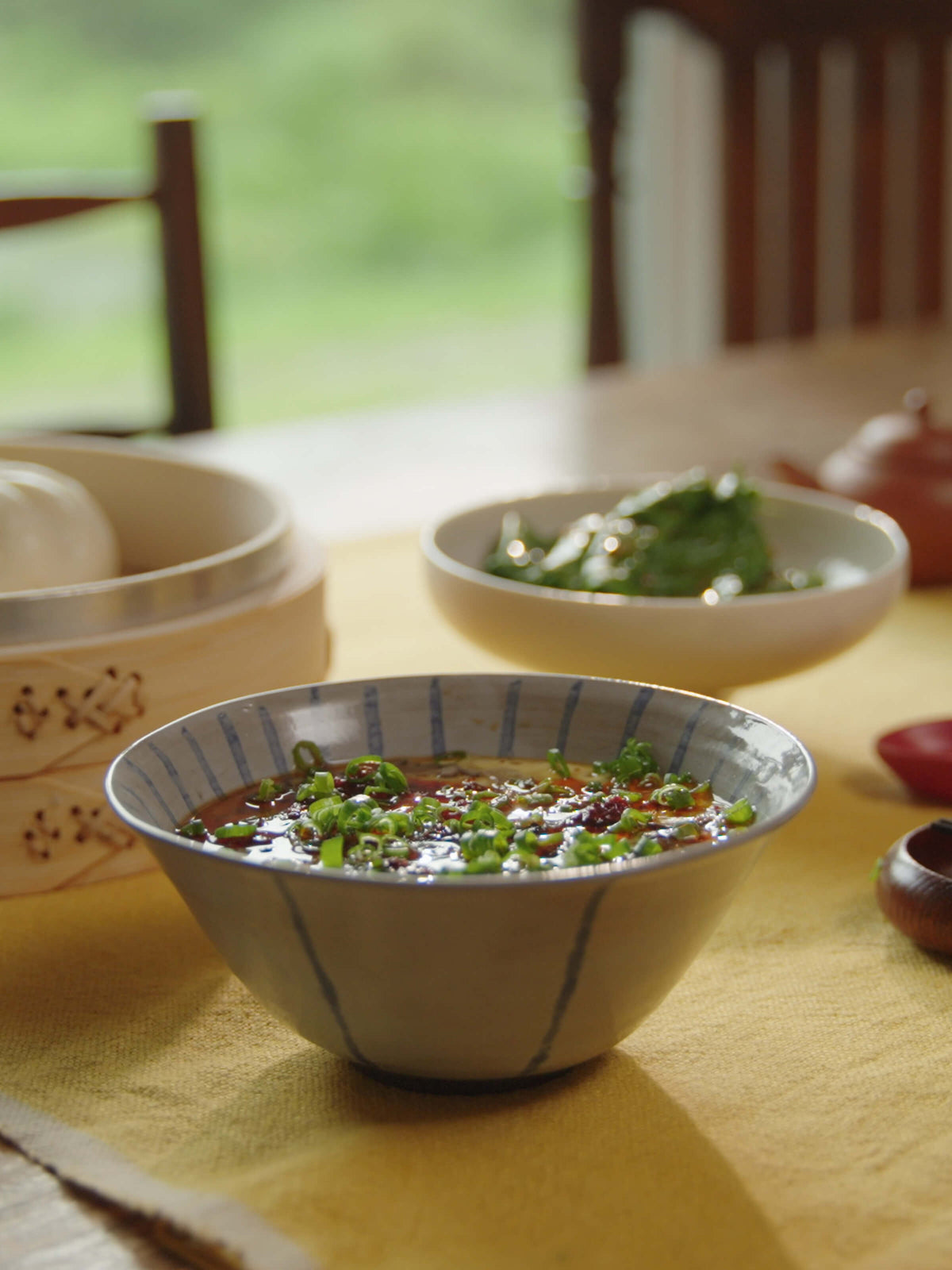
A porcelain bowl is especially useful when the recipe needs a container to hold liquid or a soft mixture. It gives the food a defined shape and keeps small ingredients from falling through the steamer rack.
Good choices include:
• Steamed egg custard with broth and vegetables
• Rice mixed with meat, mushrooms, or beans
• Steamed fish with ginger and scallions
• Small sponge cakes and puddings
• Oatmeal or congee
• Dumpling fillings that need gentle cooking
• Reheated leftovers with sauce
For steamed egg custard, a shallow bowl works better than a deep one. The mixture cooks more evenly, and the center is less likely to stay runny while the edges become firm.
For rice dishes, choose a bowl with enough room for the grains to expand. Covering the bowl with heat-safe foil or a small plate can help prevent water droplets from changing the texture.
For delicate desserts, avoid filling the bowl too high. Steam expands moisture, and an overfilled bowl may spill or make the dessert cook unevenly.

Main Risks of Using Porcelain for Steaming
The biggest concern is thermal shock. Thermal shock happens when one part of the bowl changes temperature much faster than another part. The uneven stress can cause cracks or sudden breakage.
Avoid these actions:
• Putting a frozen or refrigerated bowl into boiling water
• Pouring cold liquid into a hot porcelain bowl
• Setting a hot bowl on a wet or very cold counter
• Placing the bowl directly on a burner
• Using a damaged or antique bowl without safety information
• Heating an empty bowl for a long time
• Moving a hot bowl with wet or slippery hands
Porcelain can also become very hot under a lid. Steam may escape when you lift the lid, so open it away from your face and hands. Use oven mitts or long tongs when possible.
Older or imported decorative porcelain may raise another concern: uncertain glaze composition. Modern food-safe products are generally tested for their intended use, but old, handmade, or heavily worn pieces may not have clear safety information. Do not use questionable pieces for hot, acidic, or long-cooked foods.
If the bowl cracks during steaming, turn off the heat and let the pot cool. Do not touch broken pieces while the water is boiling. Afterward, discard the bowl rather than trying to repair it for food use.

Porcelain Bowl Versus Other Steaming Containers
Porcelain is only one option. Each material has strengths and limits.
Porcelain
Porcelain holds heat well and gives food a clean serving presentation. It is a good choice when the bowl is heat-rated and free from damage. Its main weakness is sensitivity to thermal shock.
Stainless steel
Stainless steel is durable and handles direct heat better than porcelain. It is often the best choice for frequent steaming, although food may stick more easily without oil or a liner.
Glass
Heat-resistant glass can work well for steaming, especially when it is clearly labeled for thermal use. Regular drinking glasses or thin glass dishes can break under sudden heat.
Silicone
Food-grade silicone is flexible and resists cracking. It is useful for small cakes and egg bites, but it may not provide the same support as a rigid bowl.
Bamboo
Bamboo steamers are light and efficient. They work well for dumplings, buns, and vegetables, but they need proper drying to prevent mold and odors.
Ceramic
Ceramic bowls may be safe for steaming, but “ceramic” covers many types of products. Check the label, glaze, and condition just as you would when asking, “Can I use a porcelain bowl for steaming?”

Can You Use Porcelain in a Pressure Cooker?
Do not assume that a porcelain bowl safe for steaming is also safe in a pressure cooker. Pressure cookers create a hotter, more demanding environment than a standard pot steamer.
Only use the bowl in a pressure cooker if the bowl maker specifically approves it for that use. The bowl must also fit securely on a rack and leave enough space for steam to circulate.
Avoid placing porcelain directly on the pressure cooker base. Use a rack and follow the cooker’s instructions. If the bowl has no heat rating, choose a container made for pressure cooking instead.
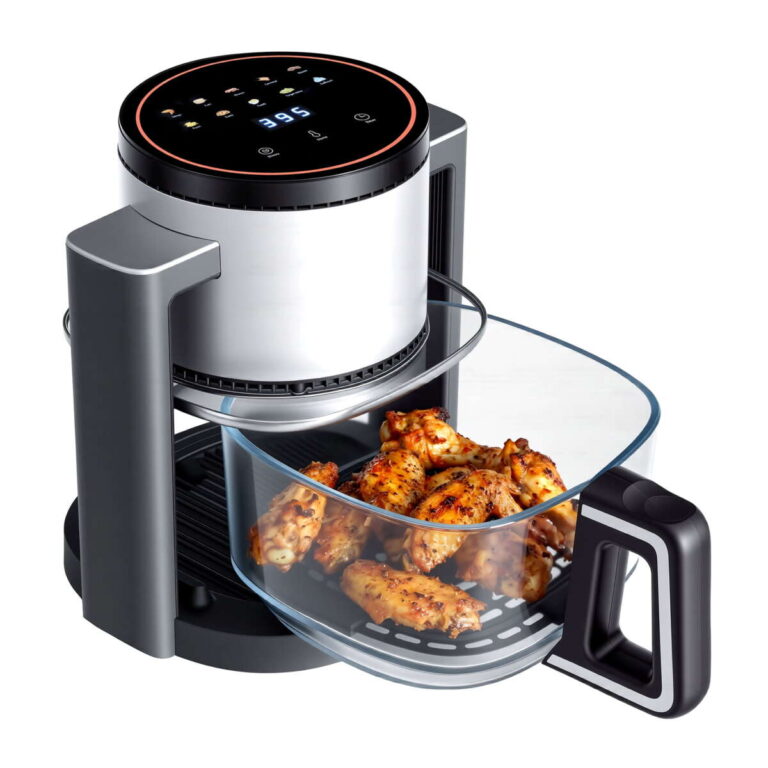
The same caution applies to air fryers, toaster ovens, and broilers. A bowl that works above simmering water may not tolerate direct heating from a powerful element.
Practical Tips for Better Steaming Results
Safe cookware is only part of the process. These small habits can improve both safety and food quality.
• Use a shallow bowl for fast, even cooking.
• Grease the bowl when preparing eggs, cakes, or sticky desserts.
• Leave room at the top for bubbling and expansion.
• Use a cloth under the lid to catch excess condensation when appropriate.
• Keep the water at a steady simmer rather than a violent boil.
• Check the water level during long steaming sessions.
• Let the bowl cool before washing it.
• Dry the bowl fully before storing it.
Do not place a porcelain bowl in a steamer if it wobbles. A stable base matters because steam can make surfaces slippery. If the bowl is too small for the rack, use a heat-safe ring or a different container.
One useful lesson from everyday kitchen testing is that patience prevents breakage. Gradual heating may take a few extra minutes, but replacing a shattered bowl is far more frustrating than waiting for the water to heat.
Frequently Asked Questions
Can I use any porcelain bowl for steaming?
No. Use only a porcelain bowl that is labeled heat-safe or oven-safe, has no damage, and contains no metallic decoration. If the bowl’s intended use is unclear, choose a container made specifically for cooking.
Can porcelain crack in a steamer?
Yes, porcelain can crack because of thermal shock. The risk increases when a cold, damaged, or thin bowl is exposed to boiling water or direct contact with hot metal.
Can I put a porcelain bowl directly in boiling water?
It is safer to place the bowl on a rack or trivet above the water. Direct contact with the pot can create hot spots and increase the chance of cracking.
Can I use a porcelain bowl in a bamboo steamer?
Yes, if the bowl fits securely and is heat-safe. Leave space around it so steam can move freely, and make sure the bowl does not block the steamer lid.
Can I use porcelain in a pressure cooker?
Only use it if the manufacturer approves the bowl for pressure-cooker use. Standard steaming safety does not prove that the bowl can handle pressure-cooking conditions.
Is porcelain safer than plastic for steaming?
Heat-safe porcelain is usually a better choice than ordinary plastic for high-temperature steaming. Some plastics can soften or release unwanted compounds when heated, so use only plastic marked for steaming or high-heat cooking.
How do I remove a hot porcelain bowl from a steamer?
Use dry oven mitts, heat-resistant tongs, or a reliable bowl lifter. Lift the bowl slowly, keep your face away from escaping steam, and place it on a dry, heat-safe surface.
Conclusion
You can use a porcelain bowl for steaming when it is heat-safe, undamaged, stable, and free from metallic trim. Keep it above the water, warm it gradually, avoid sudden temperature changes, and handle it carefully after cooking.
When you ask, “Can I use porcelain bowl for steaming?” the safest answer is to check the bowl’s label before relying on its appearance. Choose the right container, start with a simple steamed dish, and share your favorite steaming tips or recipes in the comments.

Liora Pennings is a seasoned chef and kitchen enthusiast with a passion for turning everyday cooking into an effortless experience. With years of hands-on culinary expertise, she specializes in practical techniques, ingredient know-how, and smart kitchen solutions that help home cooks elevate their meals. At KitchFlair.com, Liora shares her best tips, time-saving tricks, and honest product reviews to guide readers toward a more efficient, enjoyable, and inspired cooking routine. Whether you’re a beginner or a seasoned home chef, Liora’s friendly, knowledge-packed insights make every visit to the kitchen a little easier—and a lot more delicious.