Are Ceramic Mixing Bowls Good: Pros, Cons, And Care
Yes, ceramic mixing bowls are good for many kitchens, especially when stability, style, and gentle food handling matter.
Are ceramic mixing bowls good for everyday cooking? In most homes, yes. They offer a stable base, resist food odors, and look attractive enough for serving. Still, ceramic has limits, including weight, chipping, and thermal shock. This guide explains where ceramic bowls shine, where they fall short, and how to choose a safe, durable set.
Are ceramic mixing bowls good for everyday use?
Ceramic mixing bowls are good for everyday use because they are sturdy, stable, and easy to clean. Their weight helps keep the bowl in place while you whisk eggs, knead dough, or mix cake batter. This can feel far more secure than using a light plastic bowl.
Ceramic is also nonreactive with most foods. It does not usually affect the taste of acidic ingredients such as tomatoes, lemon juice, or vinegar. That makes ceramic useful for marinades, salad dressings, sauces, and baking mixtures.
However, ceramic bowls are not perfect for every task. They can crack or chip if dropped, and they may feel heavy when full. A large bowl filled with flour, sugar, and liquid can be hard to lift with one hand.
In practical kitchen use, ceramic mixing bowls work best when you want a dependable bowl for:
• Mixing cookie dough and cake batter
• Whisking eggs and pancake batter
• Preparing salads and pasta
• Marinating meat or vegetables
• Serving food at the table
• Proofing dough at room temperature
Key benefits of ceramic mixing bowls
The best ceramic mixing bowls combine function with a pleasant, classic look. Unlike disposable or thin plastic bowls, they often feel solid and well made. Many cooks enjoy using them because they bring a sense of order and comfort to food preparation.
Stable and comfortable to use
A ceramic bowl usually stays in place on the counter. This is useful when mixing thick batter or stirring ingredients that create resistance. Some bowls also have a wide rim, which gives you a firm grip.
A stable bowl can make cooking easier for people with limited hand strength. It reduces the need to hold the bowl and stir at the same time. A damp kitchen towel under the bowl can add even more grip.
Resistant to stains and odors
Glazed ceramic has a smooth surface that does not easily absorb food smells. It is less likely than some plastics to hold onto odors from garlic, onions, curry, or strong spices.
Dark stains can still appear if the glaze is damaged or if food sits in the bowl for a long time. Prompt washing helps keep the surface clean and bright.
Safe for many ingredients
Ceramic is generally a good choice for acidic and salty foods when the glaze is intact and made for food use. It does not react in the same way that some uncoated metals can react with acidic ingredients.
The glaze matters. Choose bowls labeled food safe and made by a reputable manufacturer. Avoid using old, damaged, or decorative ceramics for food unless you know the item is intended for kitchen use.
Attractive enough for serving
Many ceramic mixing bowls can move from the kitchen to the dining table. This saves dishes when you prepare a salad, fruit dish, dip, or side. A well-designed bowl can also make a simple meal feel more special.
This dual purpose is one reason ceramic mixing bowls are good for small kitchens. One bowl can handle preparation, storage for a short period, and serving.
Good heat retention
Ceramic tends to hold temperature well. It can help keep a warm mixture warm for a little longer than a thin metal bowl. This feature may help when serving mashed potatoes, baked dips, or warm grains.
Heat retention is useful, but it also calls for care. A hot ceramic bowl may remain hot longer than expected, so use oven mitts when needed.

Disadvantages of ceramic mixing bowls
Although ceramic mixing bowls are good in many situations, their weaknesses deserve equal attention. A bowl that looks beautiful may still be inconvenient if it is too heavy or fragile for your routine.
They are heavier than plastic or stainless steel
A ceramic bowl can weigh several pounds before you add food. This may become tiring during long baking sessions. It can also make pouring batter or transferring dough more difficult.
If you often cook large meals, consider a lighter stainless steel or plastic bowl for heavy mixing. You can keep ceramic bowls for smaller tasks and serving.
They can chip, crack, or break
Ceramic is hard but brittle. A bowl may chip when it hits a stone counter, sink, or another dish. Small chips can create sharp edges and may expose the material beneath the glaze.
Do not keep using a bowl with a deep crack, sharp chip, or flaking glaze. Food and bacteria can collect in damaged areas, and the bowl may break during use.
They may suffer from thermal shock
Thermal shock happens when a ceramic item changes temperature too fast. For example, placing a very hot bowl on a cold surface can cause stress. Pouring boiling liquid into a cold bowl can create a similar problem.
Follow the care instructions from the manufacturer. Unless the bowl is clearly marked oven safe, microwave safe, or freezer safe, do not assume it can handle extreme temperatures.
They take up more storage space
Ceramic bowls are often thick and heavy. Stacking them can save room, but poor stacking may lead to scratches or chips. Shelf space can also become a concern in a small apartment kitchen.
Use soft shelf liners or cloth between bowls if the glaze is delicate. Store the largest bowl where you can lift it safely.
They can be expensive
High-quality ceramic bowls often cost more than basic plastic bowls. The price may reflect the glaze, design, craftsmanship, and manufacturing standards. A higher price does not always mean better performance, so inspect the features before buying.
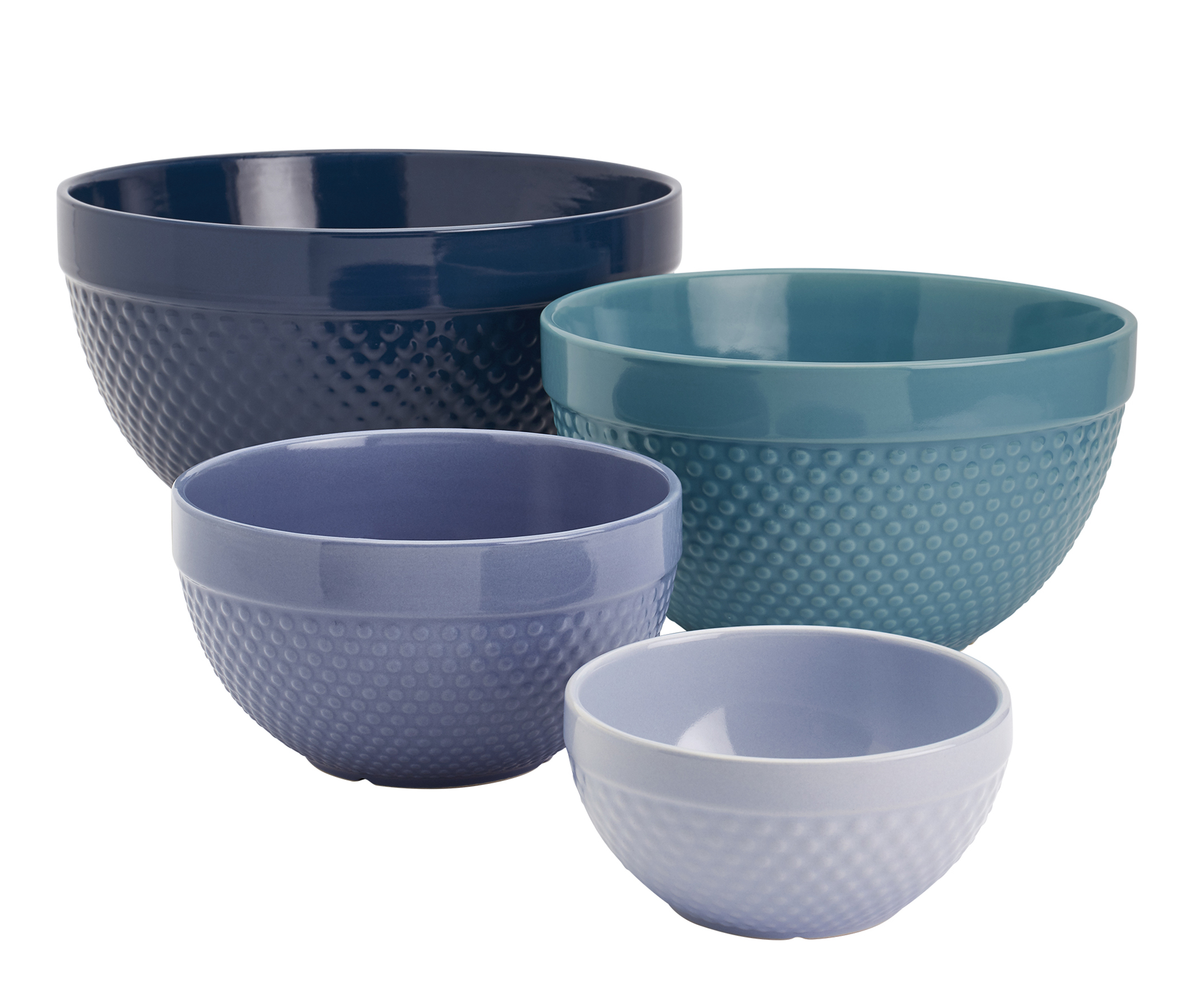
Ceramic vs. stainless steel, glass, and plastic bowls
The answer to “are ceramic mixing bowls good” depends partly on what you compare them with. Each material has a different balance of weight, strength, heat response, and care needs.
| Material | Main strengths | Main limits |
|---|---|---|
| Ceramic | Stable, attractive, odor resistant, good for serving | Heavy and breakable |
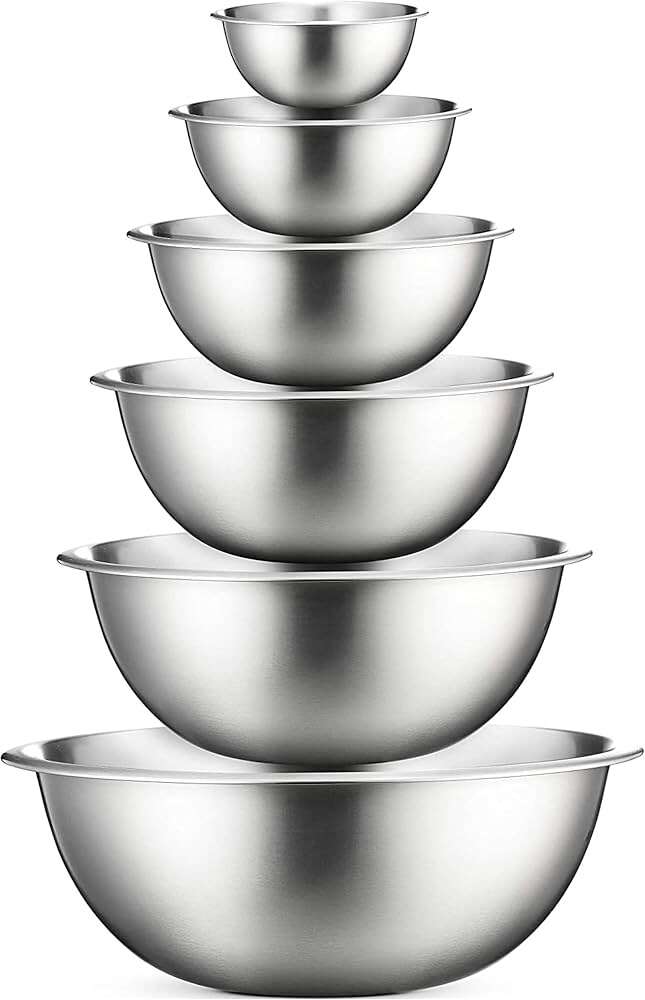
| Stainless steel | Light, durable, easy to store, excellent for whisking | Can react to heat quickly and may scratch |
| Glass | Clear, nonreactive, useful for microwaving when rated | Heavy and breakable |
| Plastic | Light, affordable, and hard to shatter | May stain, hold odors, or scratch over time |
Ceramic is often the middle ground between a practical work bowl and a serving dish. Stainless steel is usually better for fast, high-volume mixing. Plastic is often best for camping, outdoor cooking, or homes where breakage is a major concern.
Glass works well when you want to see layers or monitor a mixture. Yet, like ceramic, glass requires care around sudden temperature changes.
For many kitchens, a mixed set works best. You might use stainless steel for whipping egg whites, ceramic for batter and serving, and plastic for outdoor use.
:max_bytes(150000):strip_icc()/sea-bamboozle-mixing-bowls-ashlee-redger-01-3476a3750206461fb06b84ad04c466bd.jpeg)
Are ceramic mixing bowls good for baking?
Yes, ceramic mixing bowls are good for baking, especially for mixing dry and wet ingredients. Their weight helps prevent movement while you stir thick dough. Their smooth glazed surface also makes scraping batter from the sides easier.
Ceramic bowls can be useful for resting dough at room temperature. However, they are not always ideal for tasks that need precise temperature control. A metal bowl cools or warms faster, which can matter when melting chocolate or making a butter-based recipe.
Keep these tips in mind when baking:
• Use a bowl with a wide base for better stability.
• Leave enough room for ingredients to expand while mixing.
• Use a rubber spatula to protect delicate glaze surfaces.
• Do not place a cold ceramic bowl into a hot oven unless it is rated for oven use.
• Let the bowl cool before washing it with very hot or very cold water.
A ceramic bowl may also help with bread dough. Its solid body can feel more secure as you fold and knead. Still, the bowl should be large enough to allow the dough to rise without touching the cover.
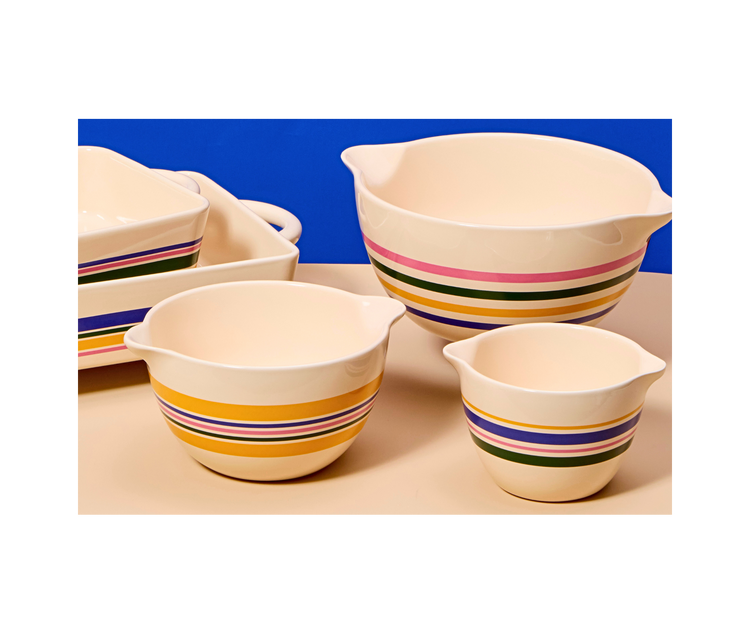
Are ceramic mixing bowls microwave and oven safe?
Some ceramic mixing bowls are microwave safe and oven safe, but not all of them are. The label or manufacturer’s instructions are the best guide. Decorative ceramic bowls may contain finishes that are not designed for high heat or food preparation.
Look for clear markings such as:
• Microwave safe
• Oven safe
• Dishwasher safe
• Freezer safe
• Food safe
Even an oven-safe bowl may have limits. A bowl rated for baking may not be safe under a broiler or on a stovetop. Never place ceramic directly on a burner unless the product is specifically designed for that use.
Avoid sudden temperature changes. Do not move a bowl from the freezer straight into a hot oven. Do not place a hot bowl on a wet or cold stone surface. These simple habits help reduce the risk of cracking.
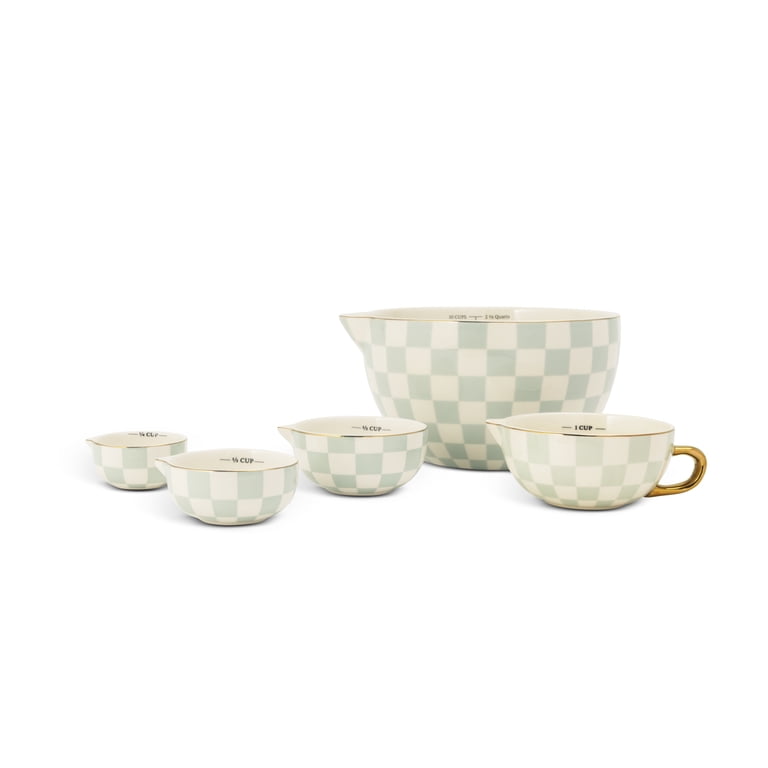
How to choose the best ceramic mixing bowls
The right bowl depends on your recipes, storage space, and cleaning habits. Before buying, think about how you cook rather than choosing only by color or pattern.
Check the construction
A good bowl should feel balanced, with no sharp edges or uneven glaze. Examine the rim and base carefully. These areas often receive the most contact and are more likely to show defects.
The glaze should look smooth and consistent. Avoid bowls with visible cracks, rough patches, bubbles, or flaking decoration inside the food area.
Choose useful sizes
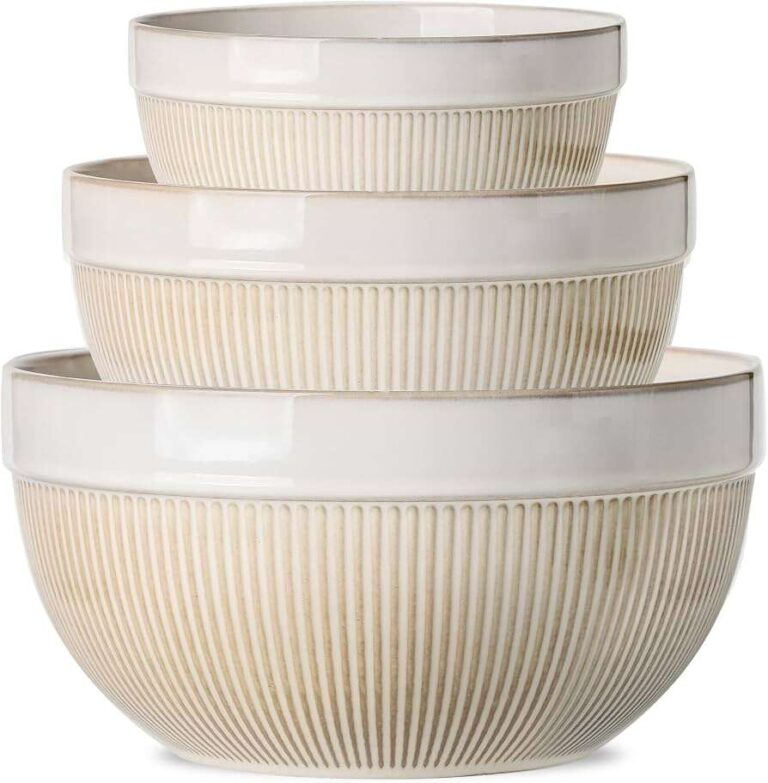
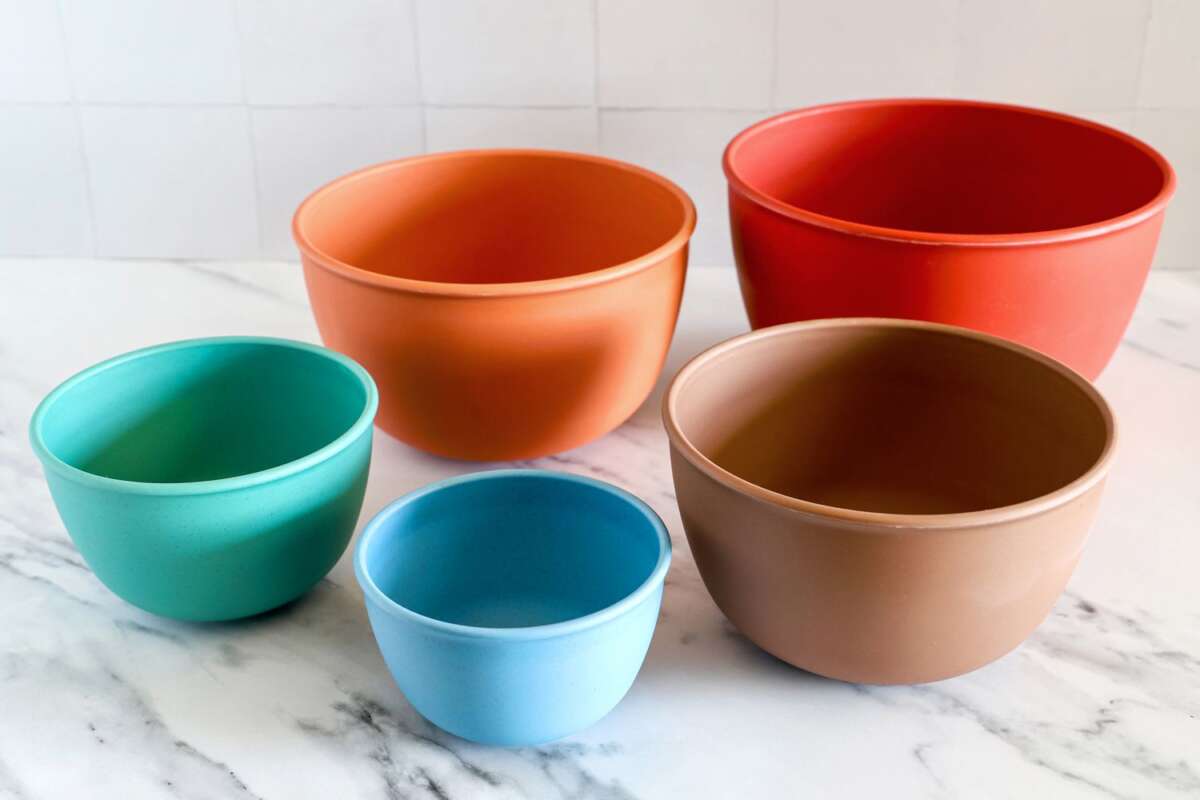
A practical set may include:
• A small bowl for spices, sauces, and whisked eggs
• A medium bowl for dressings, chopped ingredients, and small batters
• A large bowl for salads, dough, and family-size recipes
Very deep bowls can make whisking awkward. Very shallow bowls can cause spills. A wide, gently curved shape is often the most versatile.
Consider the base and handle
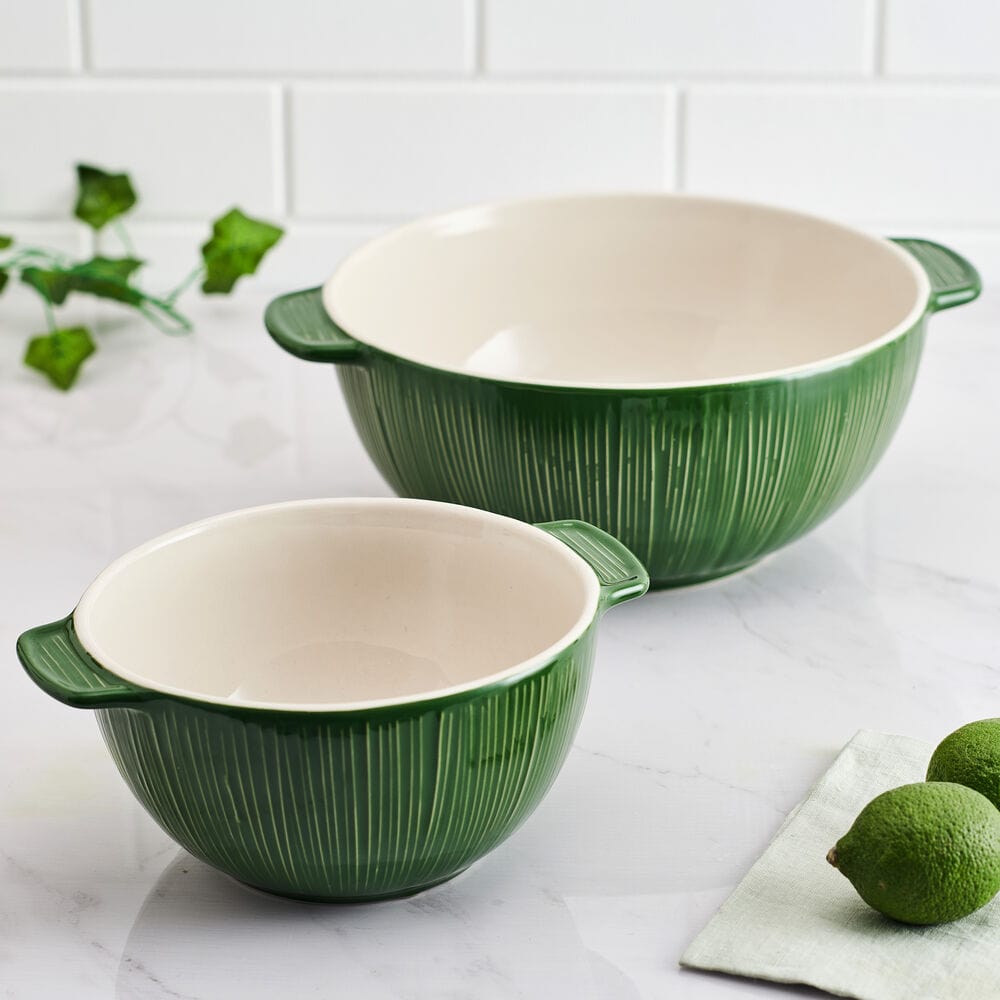
A wide base improves stability. A pouring spout helps with batter and sauces. A handle can make lifting easier, but it may also make storage harder.
Some ceramic mixing bowls include silicone bases. These bases can reduce slipping, though they may have different care instructions than the ceramic body.
Confirm care instructions
Dishwasher-safe bowls are convenient, but repeated dishwasher cycles may slowly dull some finishes. Hand washing is often gentler, especially for bowls with painted details or delicate glaze.
If you stack bowls, make sure they fit without force. Tight stacking can cause rim damage over time.
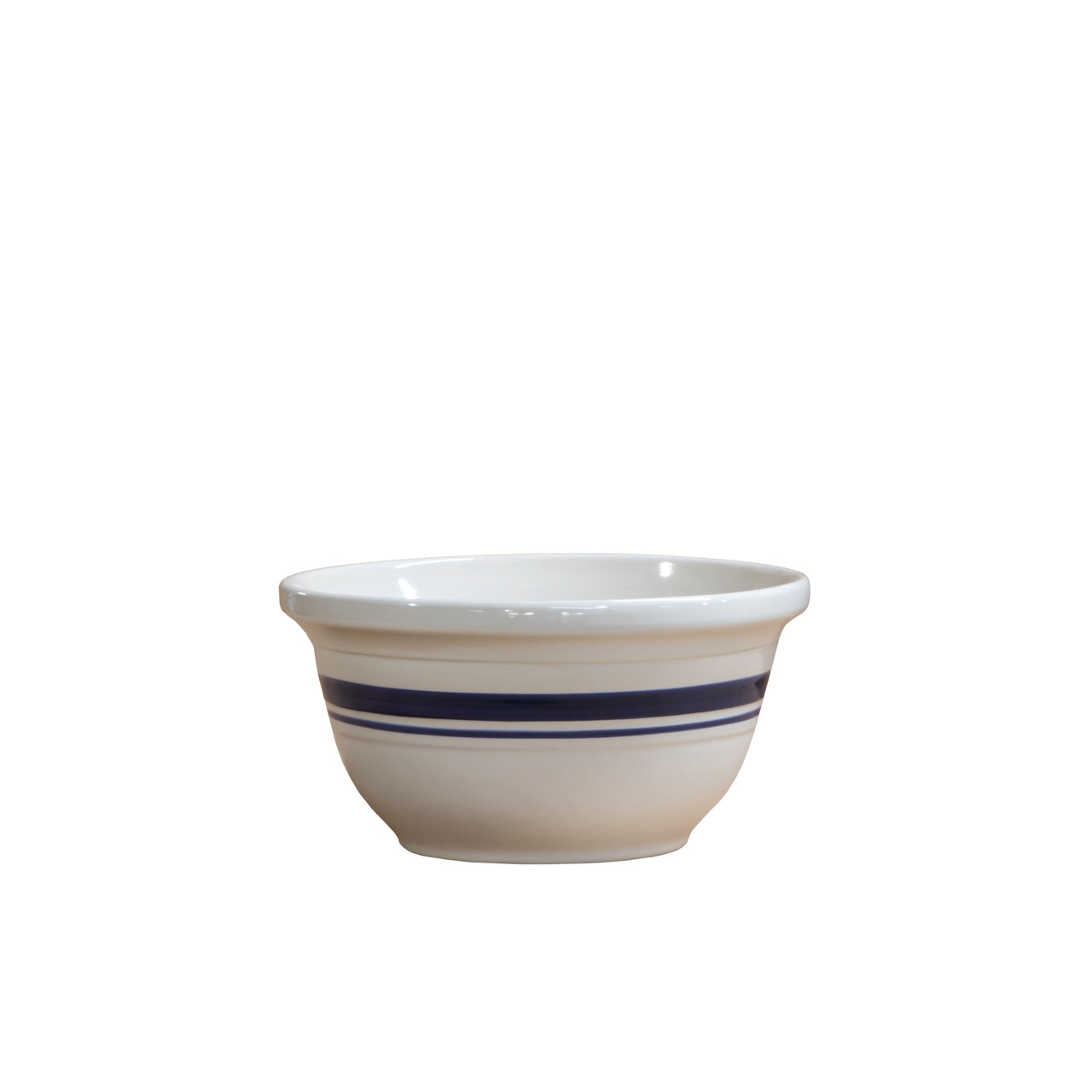
How to care for ceramic mixing bowls
Care has a major effect on how long ceramic mixing bowls last. The goal is simple: protect the glaze, prevent sudden temperature changes, and avoid hard impacts.
- Wash the bowl soon after use so food does not dry onto the surface.
- Use a soft sponge instead of harsh scouring pads.
- Soak stuck food in warm water before scrubbing.
- Dry the bowl before stacking it.
- Keep chipped or cracked bowls out of food use.
- Follow the maker’s instructions for the microwave, oven, freezer, and dishwasher.
For stubborn stains, make a soft paste with baking soda and water. Apply it gently, let it sit for a short time, and rinse well. Do not use abrasive cleaners unless the manufacturer says they are safe.
One common mistake is placing a hot ceramic bowl into a sink full of cold water. It may seem harmless, but the rapid temperature change can damage the bowl. Let it cool first.

Are ceramic mixing bowls good for health and food safety?
Ceramic mixing bowls are generally suitable for food preparation when they are made for food use and have an intact, food-safe glaze. The main safety concern is not ceramic itself. It is the quality and condition of the glaze, paint, and decoration.
Older or handmade ceramics may need extra care. Some vintage, imported, or poorly labeled products can contain lead or other heavy metals in glazes. This concern is especially relevant when the item is decorative, damaged, or not clearly marked for food use.
For safer shopping:
• Choose products labeled for food contact.
• Buy from a trusted seller or established maker.
• Avoid using decorative pottery as a food bowl unless it is certified for that purpose.
• Stop using bowls with damaged glaze, cracks, or chips.
• Follow any care and temperature warnings on the product.
Food safety agencies advise consumers to use pottery intended for food and to be cautious with unknown or damaged glazed items. These guidelines do not mean all ceramic bowls are risky. They simply highlight why product labeling and condition matter.
When ceramic mixing bowls are not the best choice
Ceramic mixing bowls may not suit every cook or kitchen. If you need a bowl for camping, children’s cooking classes, or busy commercial work, a lighter and more impact-resistant material may be better.
Choose another material when you need:
• A very light bowl for frequent lifting
• A shatter-resistant bowl for outdoor use
• Fast temperature changes for chocolate or butter
• A bowl that can tolerate rough handling
• Compact storage in a crowded cabinet
For example, stainless steel is often a better choice for whipping cream over an ice bath. Plastic may be more practical for a child learning to cook. Glass may be better when you need to watch layers or measure volume through the side.
The best kitchen setup does not require one material for every task. It is more like a toolbox. Ceramic handles some jobs beautifully, while other materials handle different jobs better.
Frequently Asked Questions
Are ceramic mixing bowls good for cooking?
Yes, ceramic mixing bowls are good for mixing, marinating, baking, and serving. They are stable and usually nonreactive, but they are heavier and more fragile than plastic or stainless steel.
Can ceramic mixing bowls go in the dishwasher?
Some can, but you should check the product label first. Hand washing is safer for bowls with painted designs, metallic details, or delicate finishes.
Can ceramic mixing bowls go in the microwave?
Only use a ceramic bowl in the microwave when it is labeled microwave safe. Avoid bowls with metallic trim, cracks, or unknown decorative finishes.
Do ceramic bowls contain lead?
Food-safe ceramic from a reputable manufacturer should meet applicable safety standards, but unknown or vintage pottery may pose a risk. Do not use damaged, decorative, or unlabeled ceramics for food unless their safety is confirmed.
Are ceramic bowls better than stainless steel bowls?
Neither material is always better. Ceramic is heavier, stable, and attractive for serving, while stainless steel is lighter, tougher, and often better for high-volume mixing or temperature-sensitive tasks.
Can ceramic mixing bowls be used for hot food?
Many can hold hot food, but sudden temperature changes may cause cracking. Confirm the bowl’s heat rating and avoid moving it directly between extreme temperatures.
How long do ceramic mixing bowls last?
With careful handling, quality ceramic mixing bowls can last for many years. Their lifespan depends on the glaze, manufacturing quality, washing method, and whether they suffer chips or thermal shock.
Conclusion
So, are ceramic mixing bowls good? For most home cooks, they are a strong choice for mixing, baking, marinating, and serving. They offer stability, a smooth food-safe surface, good odor resistance, and a timeless look.
Their main drawbacks are weight, breakage risk, and sensitivity to sudden temperature changes. Choose a reputable food-safe bowl, inspect the glaze, follow the care instructions, and keep a stainless steel or plastic bowl for tasks that demand extra durability.
Start with one medium or large ceramic bowl that fits your cooking style. Use it thoughtfully, and explore other kitchen guides for more practical tips on building a reliable cookware collection.

Liora Pennings is a seasoned chef and kitchen enthusiast with a passion for turning everyday cooking into an effortless experience. With years of hands-on culinary expertise, she specializes in practical techniques, ingredient know-how, and smart kitchen solutions that help home cooks elevate their meals. At KitchFlair.com, Liora shares her best tips, time-saving tricks, and honest product reviews to guide readers toward a more efficient, enjoyable, and inspired cooking routine. Whether you’re a beginner or a seasoned home chef, Liora’s friendly, knowledge-packed insights make every visit to the kitchen a little easier—and a lot more delicious.