Are Aluminum Bowls Microwave Safe: What To Know
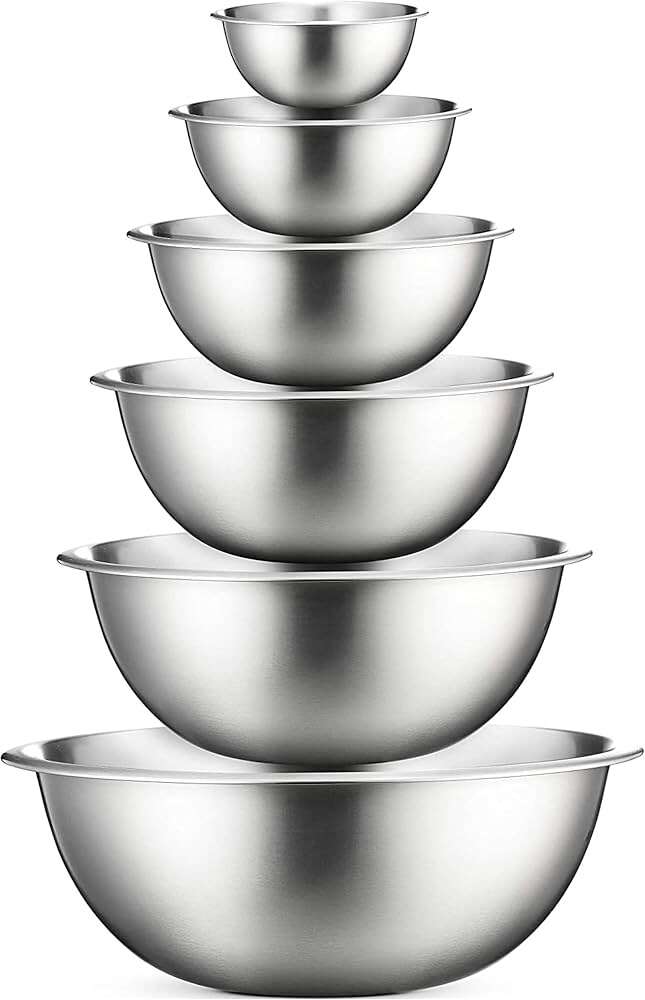
Usually, aluminum bowls are not microwave safe because metal can spark, arc, or damage the oven.
The answer depends on the bowl’s design, the microwave manual, and the manufacturer’s label. In most homes, the safest choice is to transfer food to glass, ceramic, or microwave-safe plastic. This guide explains how aluminum interacts with microwave energy, when limited use may be allowed, and which mistakes can create a fire risk.
Are aluminum bowls microwave safe?
In general, aluminum bowls are not microwave safe for routine use. Aluminum is a metal, and metal can reflect microwave energy instead of allowing the waves to pass through the food.
That reflection may cause several problems:
- Sparks, also called arcing
- Uneven cooking or heating
- Damage to the microwave’s inner walls
- A burned smell or smoke
- A possible fire if the bowl touches the oven wall or sits near other metal
Some aluminum containers are approved for microwave use under strict conditions. However, a plain aluminum bowl without clear microwave instructions should stay out of the microwave.
The best rule is simple: if the package or bowl does not clearly say “microwave safe,” do not use it in the microwave.
Why aluminum can cause problems in a microwave
A microwave oven uses electromagnetic energy to heat food. Water, fats, and sugars in the food absorb much of this energy. Aluminum does not absorb microwave energy in the same way.
Instead, the metal reflects the energy. This is similar to how a mirror reflects light. The result can be harmless in some approved designs, but risky in others.
The shape of the metal matters, too. Smooth, broad surfaces may behave differently from thin edges, sharp corners, or crumpled areas. Arcing often begins at points, folds, rims, or damaged spots.
A bowl can also create a gap between the food and the metal. If the food does not absorb enough energy, more microwave energy may reflect around the oven cavity. This can increase the chance of sparks.
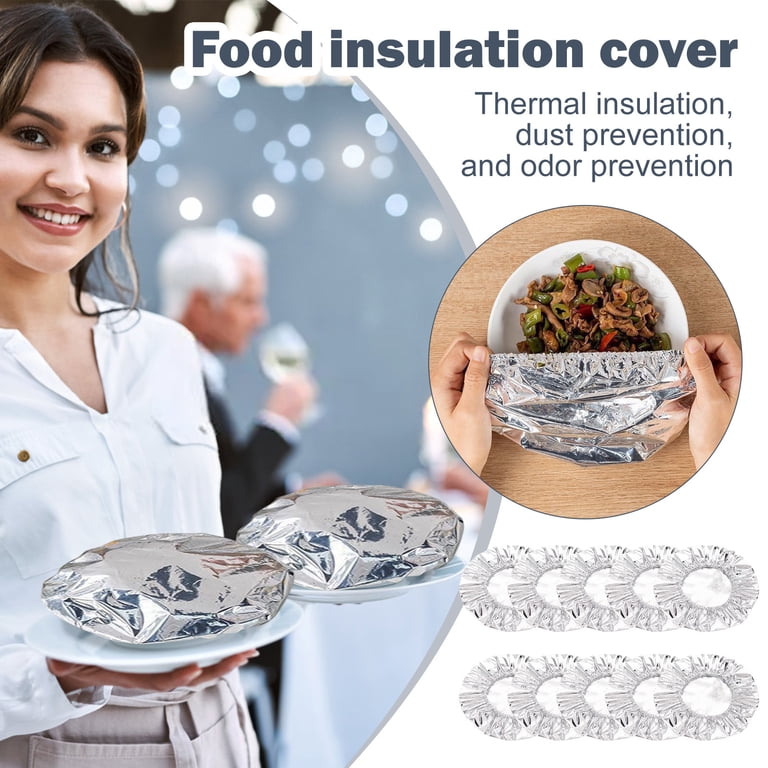
According to food safety guidance, small, smooth pieces of aluminum foil may sometimes be used to shield parts of food. That does not mean every aluminum bowl is safe. Foil use must follow the microwave maker’s instructions and must never touch the oven walls.
:max_bytes(150000):strip_icc()/food-recipes_tools-products_cookware-bakeware_food-containers-safe-for-microwave_02-realsimple-9403c47853044b7f983b6120028c8a94.jpg)
When might an aluminum container be microwave safe?
Some prepared meals come in aluminum trays designed for microwave heating. These products may be tested for a specific food, tray shape, and heating method.
A manufacturer may allow microwave use when:
- The package gives clear microwave instructions
- The aluminum tray is shallow and smooth
- The tray does not touch the microwave walls
- The tray sits in the center of the turntable
- The food covers much of the tray base
- The microwave uses the stated power and time
- The tray is not used while empty
Even in these cases, the package directions control. A tray approved for one meal does not automatically make every aluminum dish safe.
Do not assume that an aluminum bowl is safe because a similar-looking meal tray worked in a microwave. Small differences in shape, thickness, coating, and food volume can change the result.
If the label says “oven safe” but does not mention microwave use, treat that as a warning. Oven safe and microwave safe are not the same thing.

How to tell whether an aluminum bowl is safe
Start with the bowl itself. Look for a microwave-safe symbol, written instructions, or a statement from the manufacturer.
Still, a symbol alone may not tell the whole story. Some products are safe only for reheating. Others may be safe only for short periods or with the lid removed.
Use this checklist:
- Read the bowl, package, and product instructions.
- Check the manufacturer’s website or customer service information if the label is unclear.
- Look for damage, sharp edges, dents, or peeling coatings.
- Confirm that the microwave manual allows the product type.
- Follow the listed time and power setting.
- Stop immediately if you see sparks, smoke, or unusual sounds.
If you cannot confirm the bowl is approved, move the food to glass or ceramic. This small step is safer and often heats food more evenly.

What happens if you microwave an aluminum bowl?
The result can vary. The bowl may sit in the microwave without visible sparks, or it may begin arcing within seconds.
Possible outcomes include:
- The food stays cold in the center
- The bowl becomes hot from the food inside
- Sparks appear around the rim
- The microwave makes a buzzing or popping sound
- The oven develops burn marks
- The bowl damages the turntable or interior coating
- Smoke or fire develops
A lack of sparks does not prove that aluminum bowls are microwave safe. A microwave can still heat unevenly or experience stress from reflected energy.
Never test an unknown aluminum bowl while standing nearby with the microwave running. A controlled test is not worth the risk when a safer container is available.
If you accidentally start the microwave with an aluminum bowl inside, press stop at once. If you see flames, keep the door closed and unplug the appliance if you can do so safely. Do not use water on an electrical or grease fire.
Are aluminum takeout bowls safe in the microwave?
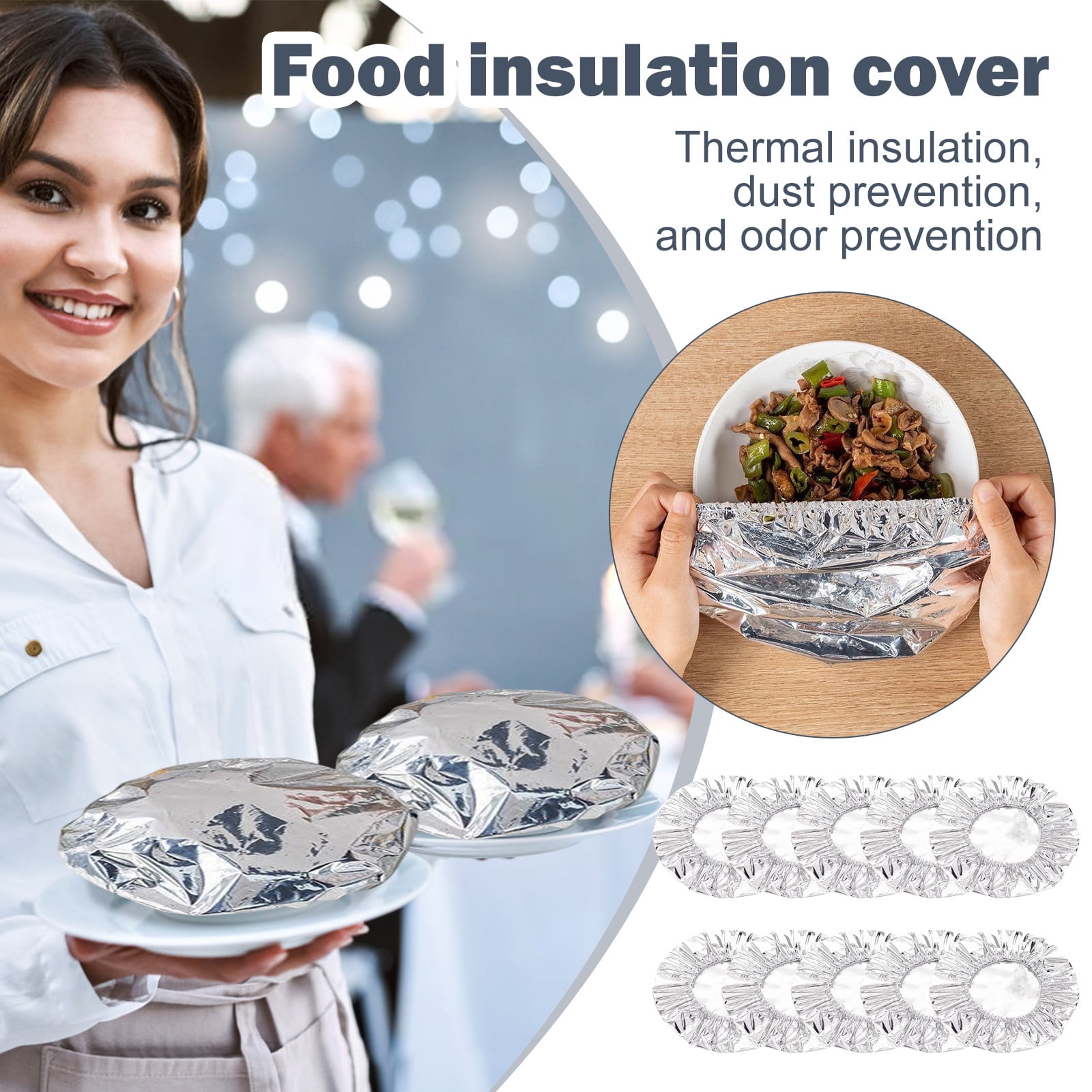
Most aluminum takeout bowls should not go in the microwave unless the container clearly says that it is microwave safe.
Many takeout containers have thin metal walls, folded rims, sharp corners, or plastic lids. These features can increase the chance of arcing. A plastic lid may also melt, release odors, or trap pressure.
Transfer takeout food to a microwave-safe plate or bowl. Cover it with a vented microwave cover or a damp paper towel when appropriate.
This also helps with food quality. Glass and ceramic often heat leftovers more evenly than a metal container, especially when you stir the food halfway through heating.

Are aluminum foil and aluminum bowls treated the same way?
Aluminum foil and aluminum bowls are both metal, but their shape and use are different. Small, smooth foil pieces may sometimes be used to shield thin parts of food. An aluminum bowl surrounds the food and can reflect more microwave energy.
Never use crumpled foil in a microwave. Wrinkles and sharp points can produce sparks. Keep foil at least one inch from the oven walls, ceiling, floor, and other metal parts unless the manufacturer gives different instructions.
Do not line the entire turntable with foil. Do not wrap food completely in foil. Do not place foil near a metal rack unless the microwave manual specifically approves it.
The safest approach is to avoid both aluminum bowls and foil unless the appliance and food instructions clearly permit limited use.
Safer containers for microwave heating
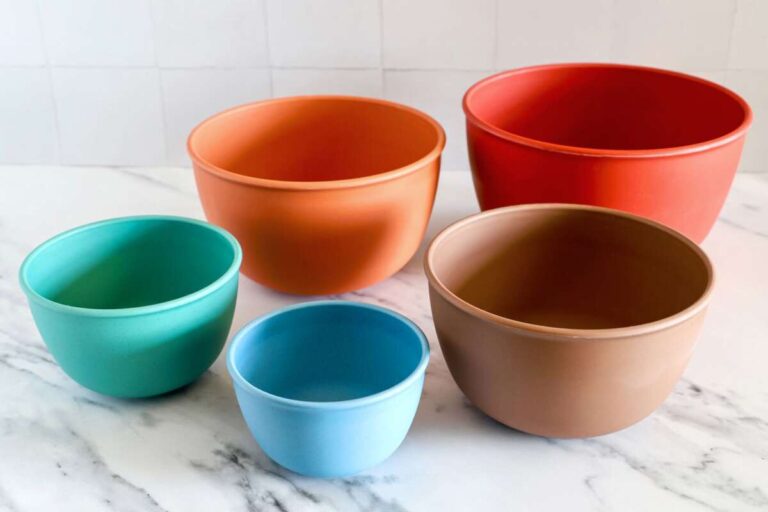
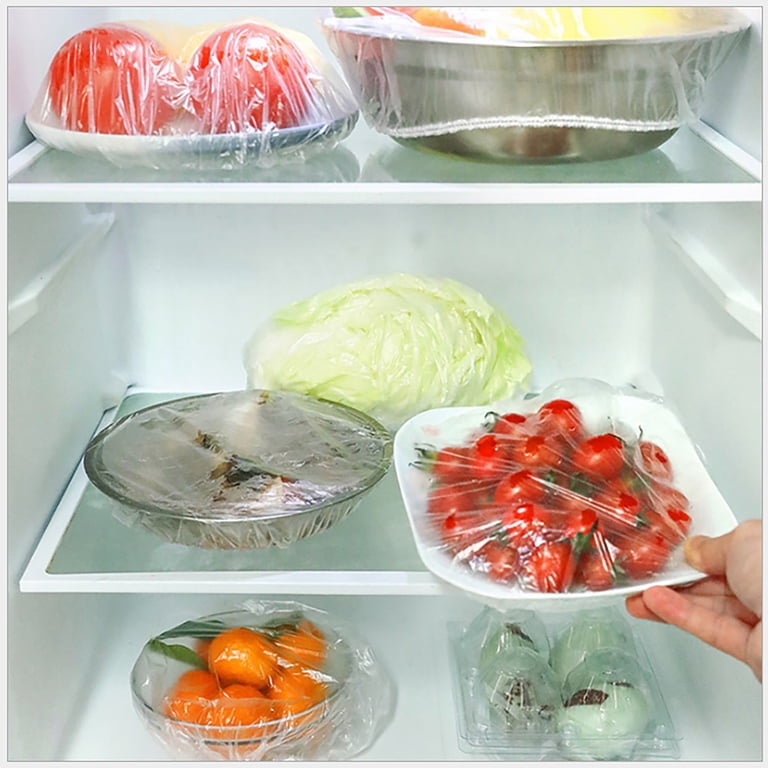
Several materials are usually better choices than aluminum. Look for a label that says “microwave safe,” because not every item made from the same material has the same heat resistance.
Good options often include:
- Heat-resistant glass
- Plain ceramic without metallic trim
- Microwave-safe plastic
- Microwave-safe silicone
- Paper plates labeled for microwave use
Avoid containers with gold, silver, or metallic paint. These decorative details can spark even when the main container is glass or ceramic.
You can also use a simple water test for an unknown glass or ceramic container. Place the empty container beside a microwave-safe cup filled with water. Heat for one minute. If the container becomes very hot while the water remains warm, do not use it for microwave heating.
This test does not prove that every container is safe. It only provides a basic clue. Manufacturer instructions remain the best guide.

Common mistakes to avoid
Many microwave accidents come from small assumptions. People see an aluminum tray used at a store or restaurant and assume every metal container works the same way.
Avoid these mistakes:
- Using an aluminum bowl without checking its label
- Leaving a metal spoon inside the bowl
- Using a metal lid or metallic twist tie
- Letting the bowl touch the microwave wall
- Heating an empty aluminum container
- Using a dented or sharp-edged container
- Ignoring sparks because they stop quickly
- Reheating food in a container labeled only “oven safe”
- Covering the bowl tightly and trapping steam
- Walking away while testing an unfamiliar container
A microwave is not a regular oven. It heats through electromagnetic energy, so materials behave in different ways than they do in a conventional oven.

A practical way to reheat food safely
If your food is in an aluminum bowl, move it before heating. This takes less than a minute and removes most of the uncertainty.
Follow these steps:
- Transfer the food to a microwave-safe glass or ceramic bowl.
- Break up large pieces so heat can spread.
- Add a small amount of water if the food is dry.
- Cover the bowl loosely or use a vented lid.
- Heat in short intervals, such as 30 to 60 seconds.
- Stir between intervals when possible.
- Check that the center reaches a safe temperature.
- Let the food stand briefly before eating.
For leftovers, the center may stay cold while the edges become very hot. Stirring helps reduce cold spots. A food thermometer can help verify that meat, poultry, sauces, and other leftovers are heated properly.
Food safety agencies commonly advise reheating leftovers to 165°F. Your microwave’s power level, food amount, and container shape can affect how long this takes.
What to do if the bowl sparks
Stop the microwave as soon as you see sparks or hear sharp popping sounds. Keep the door closed for a moment if there is smoke or a small flame, since closing the door cuts off the microwave energy and limits oxygen.
After the bowl cools, inspect the oven. Look for black marks, chipped paint, melted plastic, or a damaged waveguide cover. The waveguide cover is usually a small panel on the side wall of the cooking area.
Do not keep using the microwave if it has visible damage, a burning smell, or unusual noises. Contact the manufacturer or a qualified appliance technician.
Do not reuse the aluminum bowl in the microwave simply because it sparked only once. One incident shows that the container and appliance combination is unsafe under those conditions.
Expert guidance and safety limits
Advice about metal in microwaves can sound inconsistent because some manufacturers approve certain metal containers while others prohibit all metal. Both positions can be reasonable.
The difference comes from product testing. A tested tray may be designed for a specific microwave system, food volume, and heating time. An untested aluminum bowl does not have that same safety information.
Food safety guidance also recognizes limited uses for smooth foil in some situations. However, that guidance assumes careful placement and strict control. It should not be read as a general approval for aluminum bowls.
The most reliable hierarchy is:
- Follow the microwave manufacturer’s manual.
- Follow the food package instructions.
- Follow the container manufacturer’s instructions.
- When instructions conflict or are missing, choose glass or ceramic.
This approach accounts for the limits of general advice. No online article can inspect your exact bowl, microwave model, food, or heating setting.
Frequently Asked Questions About Are Aluminum Bowls Microwave Safe
Are aluminum bowls microwave safe for reheating leftovers?
Usually, no. Transfer leftovers to a microwave-safe glass or ceramic bowl unless the aluminum container clearly has microwave instructions.
Can an aluminum bowl catch fire in a microwave?
It can contribute to sparks, arcing, smoke, or fire, especially if it has sharp edges, touches the oven wall, or is empty. Stop the microwave immediately if you see sparks.
Is a disposable aluminum tray safe in the microwave?
Some disposable trays are approved for microwave use, but many are not. Use one only when the packaging gives clear directions and follow those directions exactly.
Can I microwave an aluminum bowl with food inside?
Do not do this unless the bowl is specifically labeled and approved for microwave use. Food inside the bowl does not automatically make aluminum bowls microwave safe.
Is it safer to microwave aluminum foil than an aluminum bowl?
Small, smooth pieces of foil may be allowed by some microwave manuals, but crumpled or large sheets can spark. Foil and aluminum bowls should be used only under clear manufacturer instructions.
What should I use instead of an aluminum bowl?
Use microwave-safe glass, ceramic, or labeled microwave-safe plastic. Avoid metallic paint, gold trim, silver trim, and metal lids.
Conclusion
For most kitchens, aluminum bowls are not microwave safe. Metal can reflect microwave energy, cause sparks, heat food unevenly, and damage the appliance.
Some labeled aluminum trays may be approved for limited microwave use, but an ordinary aluminum bowl should be replaced with microwave-safe glass or ceramic. Check the label, follow the appliance manual, and stop heating at the first sign of arcing or smoke.
Make the safe choice before your next meal: transfer food to a verified microwave-safe container. Share your own kitchen experience or explore your microwave manufacturer’s safety guide for more reliable answers.

Liora Pennings is a seasoned chef and kitchen enthusiast with a passion for turning everyday cooking into an effortless experience. With years of hands-on culinary expertise, she specializes in practical techniques, ingredient know-how, and smart kitchen solutions that help home cooks elevate their meals. At KitchFlair.com, Liora shares her best tips, time-saving tricks, and honest product reviews to guide readers toward a more efficient, enjoyable, and inspired cooking routine. Whether you’re a beginner or a seasoned home chef, Liora’s friendly, knowledge-packed insights make every visit to the kitchen a little easier—and a lot more delicious.