Are Mixing Bowls Microwave Safe: What To Know
Most mixing bowls are microwave safe only when their material and manufacturer label approve microwave use.
The answer to “are mixing bowls microwave safe” depends on what the bowl is made of, how it is labeled, and how you use it. Glass, ceramic, and some plastic bowls often work well, while metal, melamine, and unknown materials can cause damage or injury. This guide explains how to check your bowls, heat food safely, and avoid common mistakes.
Are Mixing Bowls Microwave Safe?
Some mixing bowls are microwave safe, but not all of them are. A bowl’s shape does not make it safe. The material, glaze, paint, coating, and handle design matter more.
Look for a microwave-safe label on the bottom of the bowl or on its packaging. You may see words such as “microwave safe” or a symbol with wavy lines. If there is no label, treat the bowl as unsafe until you confirm its material and care instructions.
Common microwave-safe mixing bowls include:
• Heat-resistant glass bowls
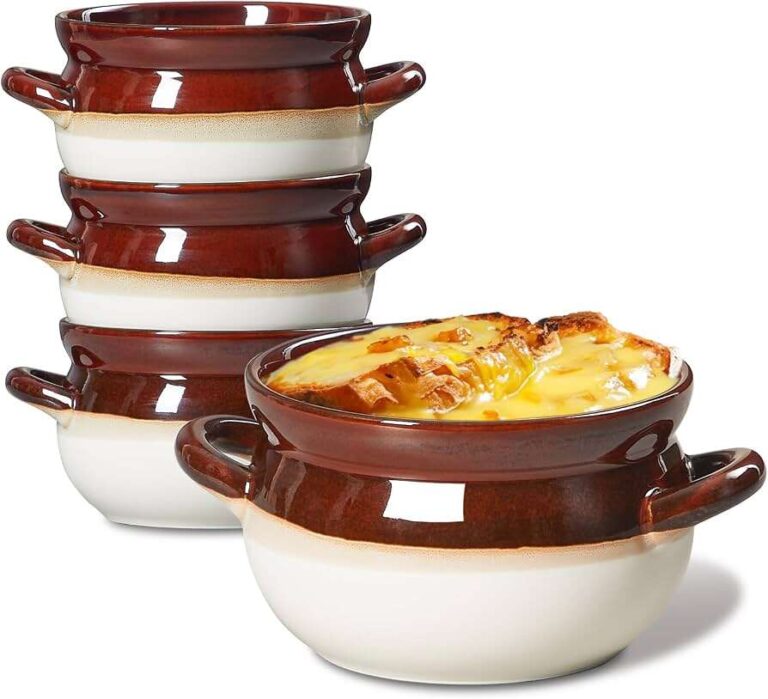
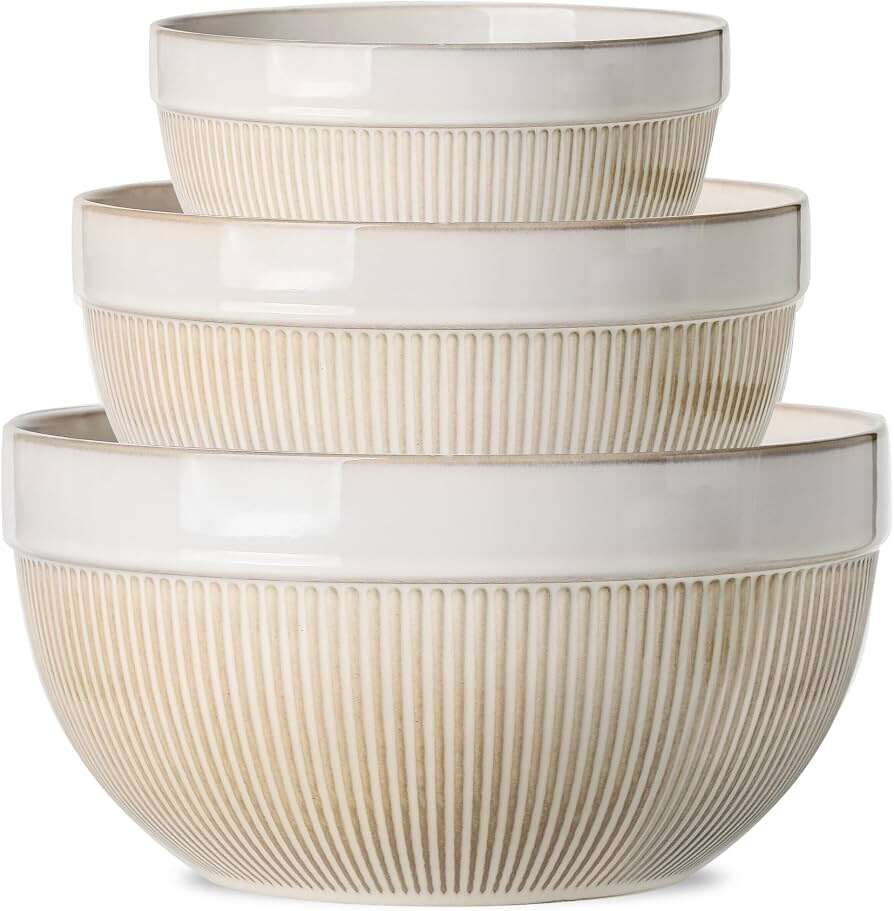
• Plain ceramic bowls with microwave-safe glaze
• Microwave-safe plastic bowls
• Silicone bowls labeled for microwave use
Bowls that may be unsafe include:
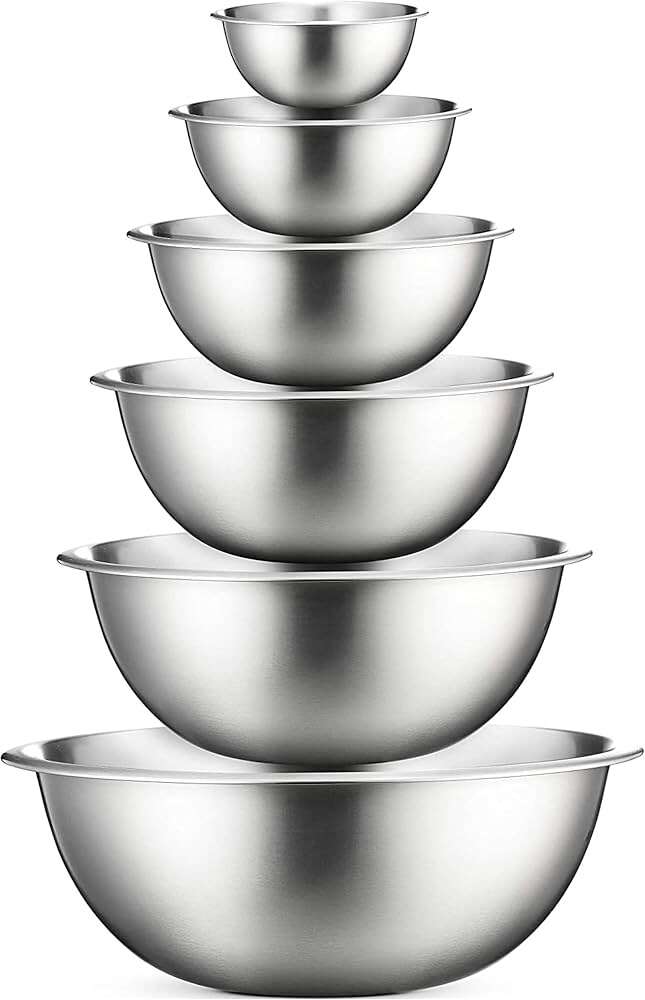
• Stainless steel or other metal bowls
• Bowls with metallic paint or gold trim
• Melamine bowls
• Plastic bowls with no safety label
• Cracked, chipped, or damaged ceramic and glass bowls
The safest rule is simple: use only a bowl clearly marked for microwave use. When in doubt, move the food to a known microwave-safe container.

Microwave Safety by Bowl Material
Glass mixing bowls
Most heat-resistant glass mixing bowls are microwave safe. Borosilicate glass and tempered glass are common choices because they handle heat better than ordinary glass.
Still, glass can break when exposed to sudden temperature changes. Do not move a very cold glass bowl directly into a hot microwave and then place it on a wet or cold surface. Let the bowl warm gradually, and use a dry towel or heat-safe pad when removing it.
Check the bowl for cracks, chips, and deep scratches. Even a small flaw can weaken glass when it heats.
Ceramic mixing bowls
Many ceramic bowls are microwave safe. A plain ceramic bowl with a microwave-safe glaze usually works well for warming sauces, melting butter, or heating ingredients.
The glaze is important. Some ceramic bowls have metallic decorations that can spark. Handmade pottery may also have an unknown glaze or a porous body. Ask the maker or check the care label before using it in a microwave.
Ceramic can become very hot, even when the food inside is only warm. Always use an oven mitt when lifting the bowl.
Plastic mixing bowls
Some plastic mixing bowls are microwave safe, but plastic should not be judged by appearance alone. Look for a microwave-safe statement and follow the temperature limits listed by the maker.
A recycling symbol does not automatically mean that a bowl is safe for microwave heating. The number inside the symbol identifies the plastic type, but it does not replace the manufacturer’s microwave guidance.
Avoid heating food in old, scratched, cloudy, or warped plastic bowls. Damage can make the bowl less stable and may increase the chance of melting or staining.
Silicone mixing bowls
Food-grade silicone bowls labeled microwave safe can usually handle microwave heating. Silicone is flexible and does not shatter like glass, which makes it useful for small kitchens and meal preparation.
The bowl may still become hot from the food inside. Silicone also bends easily, so use care when carrying hot soup, oil, or melted chocolate.
Do not assume every silicone product has the same rating. Check the label, especially for thin collapsible bowls or bowls with plastic parts.
Metal mixing bowls
Metal mixing bowls are not microwave safe. Stainless steel reflects microwave energy and can cause arcing, sparks, or damage to the oven.
A metal bowl may also prevent food from heating properly. Even if it does not spark at once, it is not a safe choice for microwave use.
Never microwave a bowl with metal handles, wire details, metal paint, or gold and silver trim. A tiny decorative edge can create a large problem.
Melamine mixing bowls
Melamine bowls should not be used in a microwave. They are designed for serving and mixing, not for direct microwave heating.
Heat can cause melamine dishes to become damaged. It may also increase the chance that chemicals from the material move into food, especially with hot or acidic foods.
Use a glass or clearly labeled microwave-safe plastic bowl instead.

How to Tell If a Mixing Bowl Is Microwave Safe
Start with the bottom of the bowl. Manufacturers often print care symbols or instructions there. You may also find this information on the product box, website, or instruction sheet.
Use these checks before heating food:
-
Look for a microwave-safe label or wavy-line symbol.
-
Check the bowl’s material.
-
Look for metallic trim, paint, or hidden metal parts.
-
Inspect the bowl for cracks, chips, deep scratches, or warping.
-
Read the manufacturer’s heat limit.
-
Consider whether the bowl is empty, dry, or filled with food.
If the bowl has no label, the material can offer a useful clue, but it is not a guarantee. Clear glass may look safe but still have a low heat tolerance. A ceramic bowl may look plain but contain metallic glaze.
Some people use a water test for an unmarked bowl. Place the bowl beside a microwave-safe cup filled with water, then heat both for about one minute at full power. If the bowl becomes hot while the water stays warm, the bowl may absorb microwave energy and should not be used.
This test is not perfect. It cannot confirm long-term safety, detect every glaze issue, or replace manufacturer instructions. When safety matters, choose a labeled bowl.

How to Use Microwave-Safe Mixing Bowls Safely
Knowing whether are mixing bowls microwave safe is only the first step. Safe use also depends on the food, heating time, and condition of the bowl.
Follow these practical habits:
• Leave space at the top. Food can bubble and spill as it heats.
• Cover the bowl loosely with a microwave-safe lid or paper towel.
• Never seal the bowl tightly. Steam needs a way to escape.
• Stir food during heating to spread hot spots.
• Use short heating periods, such as 15 to 30 seconds, for delicate foods.
• Use oven mitts when removing hot glass or ceramic.
• Let the bowl rest for a moment before moving it.
• Keep metal utensils, twist ties, and foil away from the microwave.
• Do not heat an empty bowl unless the manufacturer says it is safe.
Microwaves do not heat food evenly. A bowl may feel cool while the food inside is very hot. This is common with thick sauces, soups, oatmeal, and melted sugar.
Use extra care with oil, butter, and sugar. These foods can reach high temperatures and may heat faster than expected. Melt them in short bursts and stir between each burst.
A practical lesson from everyday kitchen use is to handle the bowl and food as separate heat risks. The container may be safe, but the contents can still burn you.
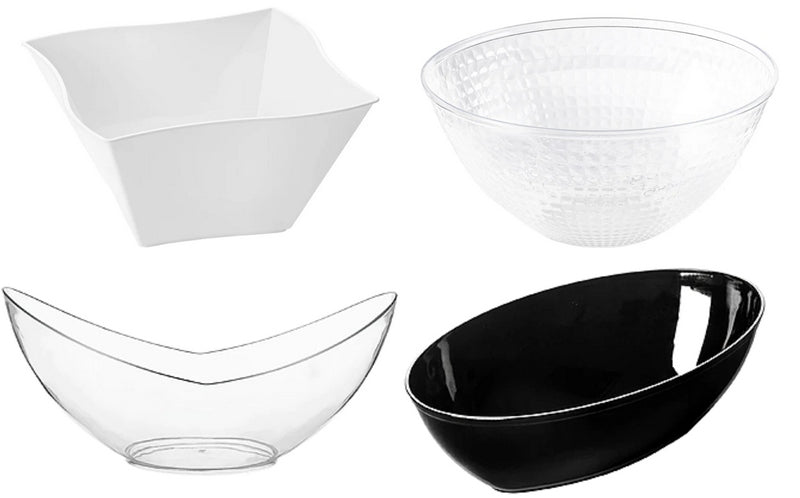
Common Mistakes to Avoid
Many microwave accidents happen because a bowl looks harmless. A plain metal mixing bowl may seem fine for a few seconds, but microwave energy can reflect off it and create sparks.
Avoid these mistakes:
Using a bowl with metallic details
Gold rims, silver lines, and metallic logos can spark. Remove these bowls from microwave use, even if the main body is glass or ceramic.
Heating an empty bowl
Food and water absorb microwave energy. An empty bowl does not. Heating an empty container can stress the material and may harm the microwave.
Moving hot glass onto a cold surface
This sudden temperature change can cause thermal shock. Place hot glass on a dry wooden board, towel, or heat-safe mat.
Reusing disposable containers
Takeout containers, yogurt cups, and deli tubs may melt or deform. Some are designed for cold storage only.
Ignoring cracks and chips
Damage makes bowls weaker. Heat can turn a small crack into a broken bowl, especially when the bowl is moved or washed after heating.
Using the wrong lid
A lid that seals tightly can trap steam. Use a vented microwave lid or rest a microwave-safe cover loosely over the bowl.
Assuming dishwasher safe means microwave safe
These are different tests. A bowl can survive dishwasher heat but still be unsuitable for microwave use.

Benefits of Using Microwave-Safe Mixing Bowls
A microwave-safe mixing bowl can make cooking faster and simpler. You can melt butter, warm ingredients, mix batter, and reheat leftovers in one container.
This can reduce dishwashing and help keep cooking organized. For example, you can melt chocolate in a glass bowl, stir it, and use the same bowl to mix the rest of a dessert.
Microwave-safe bowls also help with batch cooking. A large glass or ceramic bowl can warm mashed potatoes, soup, rice, or vegetables before serving.
The best bowl depends on the task:
• Glass works well for melting, mixing, and reheating.
• Ceramic works well for serving and warming.
• Microwave-safe plastic is light and useful for storage.
• Silicone is flexible and useful for small portions.
No single material is perfect. Glass is heavy, plastic may stain, ceramic can chip, and silicone can bend while carrying hot food.
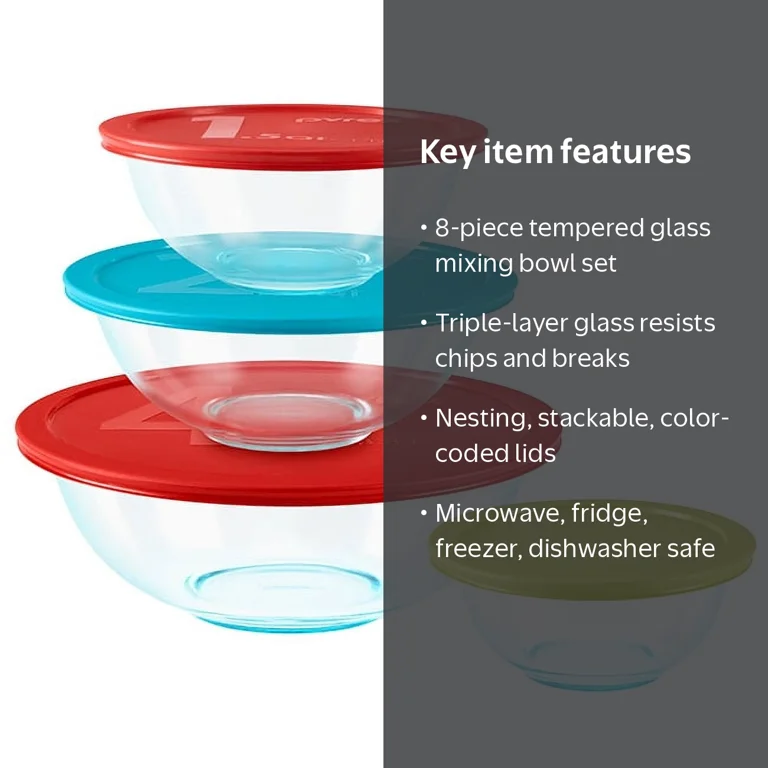
Best Mixing Bowl Choices for Microwave Use
If you want a reliable set, choose bowls with clear care instructions. A simple set of heat-resistant glass bowls is often a strong starting point.
Look for these features:
• A visible microwave-safe label
• Heat-resistant glass or certified food-grade material
• No metallic decoration
• A stable base
• Easy-to-read capacity markings
• A lid that is vented or loosely fitted
• Resistance to stains and odors
For regular cooking, keep at least one small bowl and one large bowl. The small bowl works for butter, sauces, and single servings. The large bowl helps with soup, vegetables, batter, and family meals.
Do not buy a bowl based only on a “heat resistant” claim. Heat resistant does not always mean microwave safe. The product should specifically approve microwave use.

What to Do If a Bowl Sparks in the Microwave
Stop the microwave at once if you see sparks, flashes, or hear popping. Do not open the door until the sparking stops, unless you need to respond to smoke or fire according to your appliance manual.
Afterward, remove the bowl and inspect the microwave. Look for burn marks, damaged paint, or a burnt smell. Do not use the bowl again if it contains metal or has a damaged surface.
If you see smoke or flames, keep the microwave door closed and unplug the appliance if it is safe to do so. Call emergency services if the fire does not stop quickly.
A single brief spark does not always mean the microwave is ruined, but repeated arcing can cause damage. If the oven stops working or shows error codes, have it checked by a qualified technician.

Frequently Asked Questions About Are Mixing Bowls Microwave Safe
Are glass mixing bowls microwave safe?
Most heat-resistant glass mixing bowls are microwave safe when the manufacturer approves their use. Avoid cracked glass, sudden temperature changes, and bowls with metallic decorations.
Can you microwave a stainless steel mixing bowl?
No. Stainless steel reflects microwave energy and can create sparks or damage the appliance. Transfer the food to a labeled microwave-safe glass, ceramic, or plastic bowl.
Can you microwave plastic mixing bowls?
Some plastic mixing bowls are microwave safe, but only use them when the label confirms it. Do not microwave scratched, warped, disposable, or unmarked plastic containers.
Are ceramic mixing bowls safe in the microwave?
Many ceramic mixing bowls are safe in the microwave. Check for a microwave-safe label and avoid ceramic with gold trim, silver trim, metallic paint, or an unknown glaze.
How can you test an unmarked mixing bowl?
Place the bowl beside a microwave-safe cup of water and heat them for about one minute. If the empty bowl becomes hot, stop using it in the microwave, but remember that this test cannot replace manufacturer guidance.
Can you microwave a mixing bowl with a lid?
You can microwave a bowl with a lid only when both pieces are labeled for microwave use. Keep the lid vented or loose so steam can escape.
Is microwave safe the same as oven safe?
No. Microwave safe means the item is designed for microwave energy, while oven safe means it can handle dry, surrounding heat. Always follow the separate instructions for each appliance.
Conclusion
So, are mixing bowls microwave safe? Some are, but the answer depends on the bowl’s material, label, condition, and design. Glass, ceramic, silicone, and selected plastics can work well, while metal and melamine should stay out of the microwave.
Check the label, avoid damaged bowls, watch for metallic trim, and heat food in short intervals. These small steps protect your cookware, your microwave, and your hands. Before your next meal, inspect your favorite bowls and replace any item that has no clear safety guidance. Share your experience or explore more kitchen safety tips to make every cooking task easier.

Liora Pennings is a seasoned chef and kitchen enthusiast with a passion for turning everyday cooking into an effortless experience. With years of hands-on culinary expertise, she specializes in practical techniques, ingredient know-how, and smart kitchen solutions that help home cooks elevate their meals. At KitchFlair.com, Liora shares her best tips, time-saving tricks, and honest product reviews to guide readers toward a more efficient, enjoyable, and inspired cooking routine. Whether you’re a beginner or a seasoned home chef, Liora’s friendly, knowledge-packed insights make every visit to the kitchen a little easier—and a lot more delicious.