What Is A Soup Bowl Called: Names Explained
A soup bowl is usually called a soup bowl, soup plate, or coupe bowl.
If you are wondering what is a soup bowl called, the answer depends on its shape, depth, and use. In everyday American English, “soup bowl” is the clearest term, but names such as soup plate, bouillon cup, and coupe bowl describe specific styles. This guide explains each term so you can choose and use the right bowl with confidence.

What is a soup bowl called?
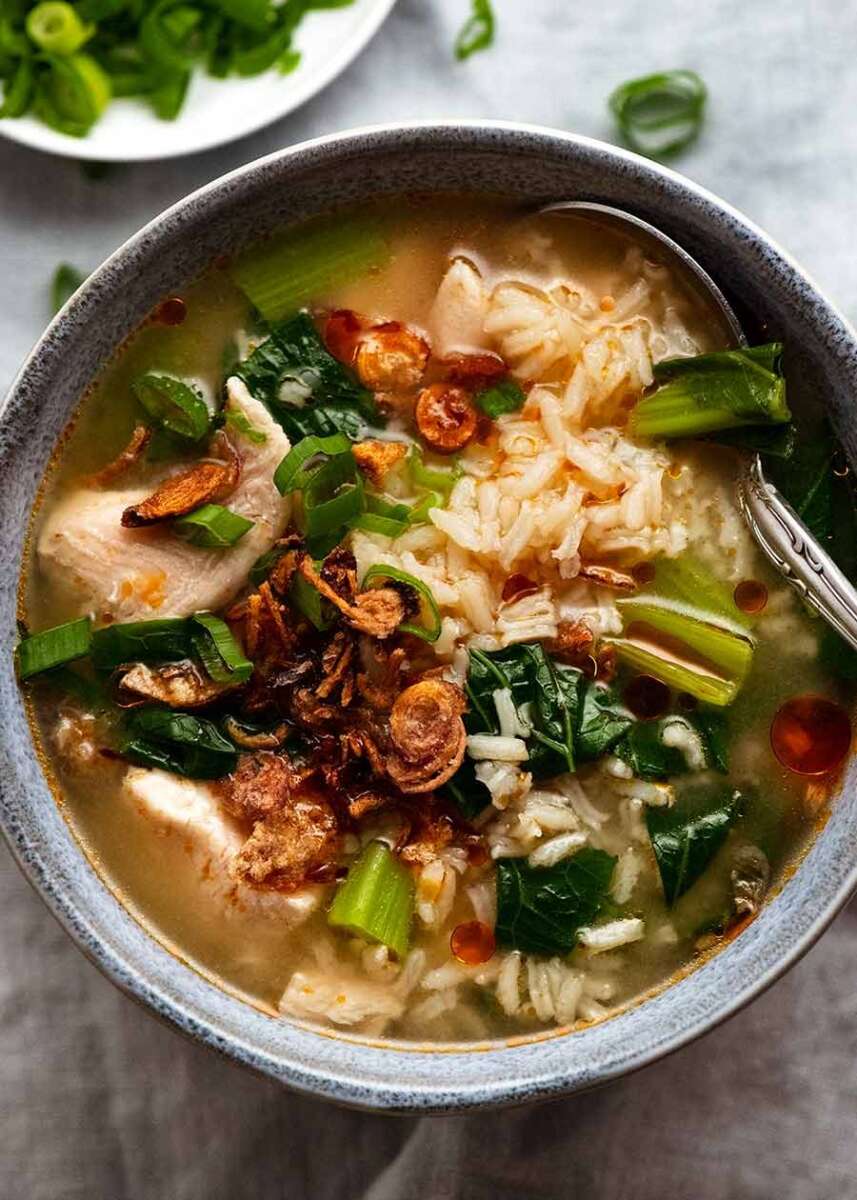
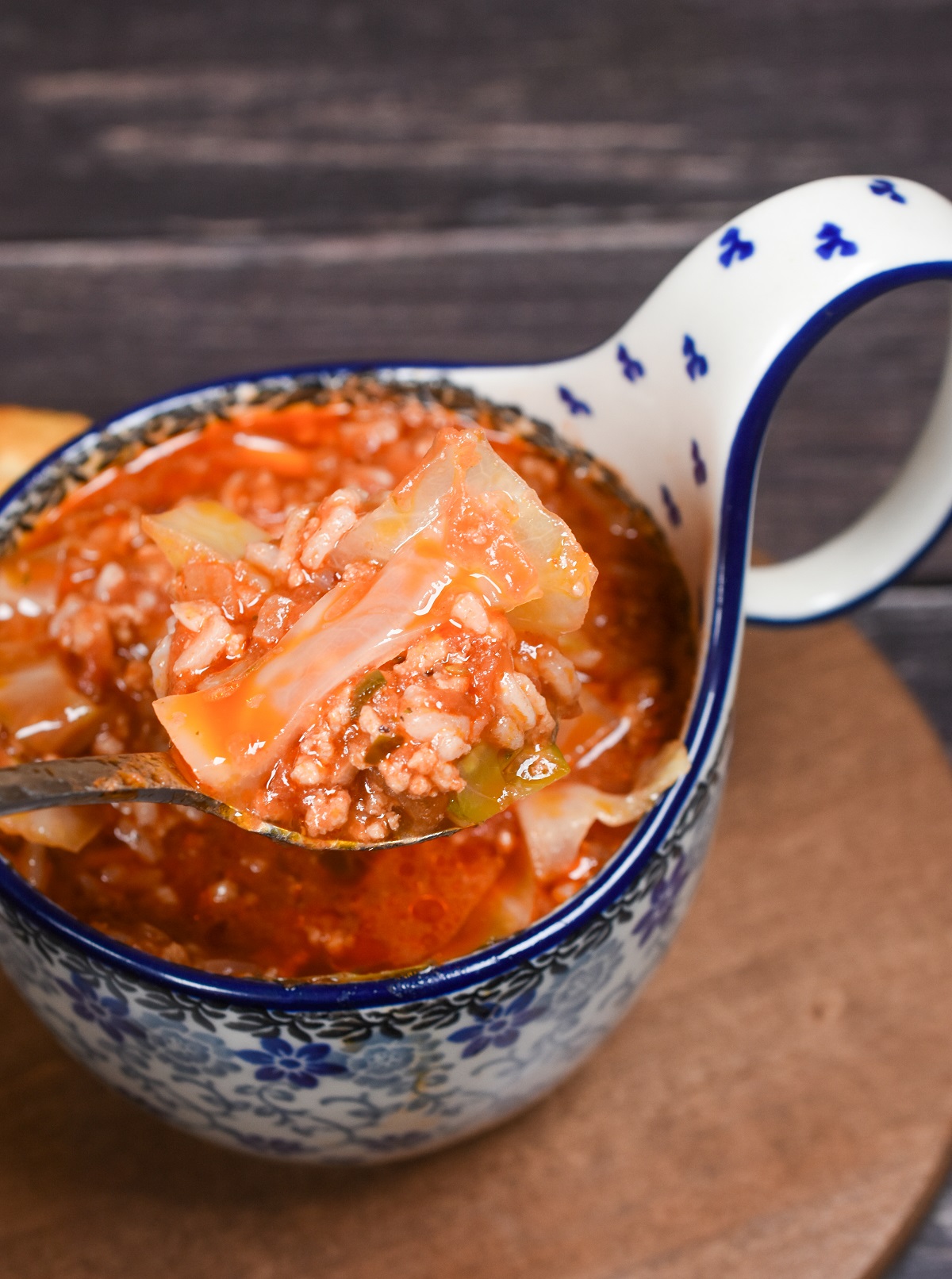
The most common name is simply “soup bowl.” It is a wide dish with enough depth to hold soup, broth, stew, or chili. Most soup bowls have a rounded shape and a broad rim that makes eating easier.
The term can change based on the bowl’s design. A deep bowl with a flat rim may be called a soup plate, while a small handled bowl for clear broth may be called a bouillon cup.
Here are the most common names:
• Soup bowl: The general everyday term for a bowl used to serve soup.
• Soup plate: A wide, shallow bowl that looks partly like a plate.
• Coupe bowl: A modern bowl with a smooth, rimless shape.
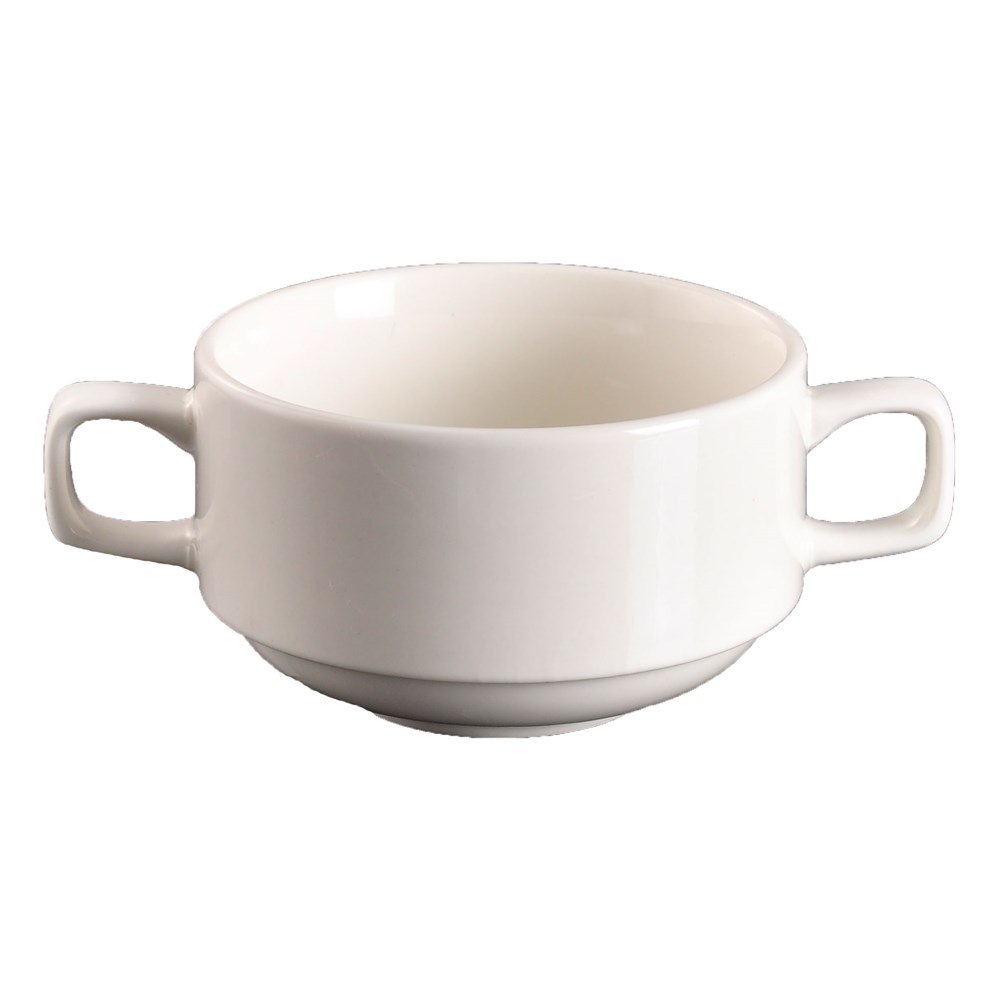
• Bouillon cup: A small cup, often with two handles, made for clear broth.
• Consommé cup: A cup used for refined clear soups, such as consommé.
• Cream soup bowl: A bowl designed for creamy soups and often paired with a saucer.
So, what is a soup bowl called in normal conversation? It is usually called a soup bowl. The other names are more specific and describe the bowl’s style or traditional setting.
The difference between a soup bowl and a soup plate
A soup bowl is deeper than a soup plate. It holds more liquid and helps keep soup from spilling when you lift a spoon. A soup plate is wider and flatter, with a large rim around the center.
Soup plates became popular in formal dining because they look elegant and give the table a balanced appearance. They work well for thick soups, pasta dishes, and stews that do not contain much liquid.
A soup bowl is often better for:
• Brothy soups
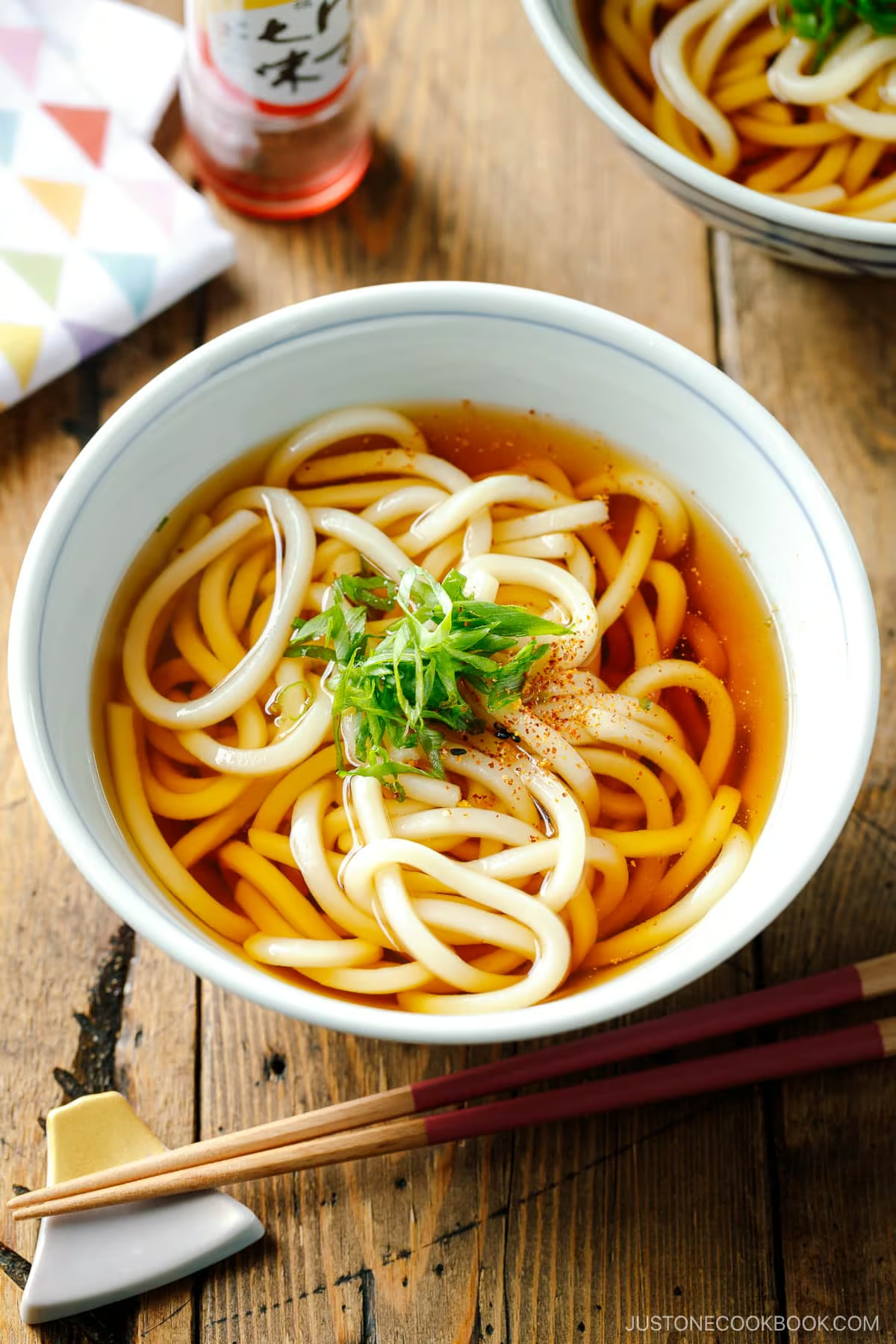
• Chicken noodle soup
• Tomato soup
• Ramen
• Stew
• Chili
A soup plate is often better for:
• Cream soup
• French onion soup
• Risotto
• Thick chowder
• Pasta with sauce
The difference is not always strict. Many stores use the terms “soup bowl” and “soup plate” in different ways. The shape matters more than the label.
In my experience, the best test is simple: fill the dish with water. If it holds liquid without feeling too shallow or unstable, it will likely work well as a soup bowl.
Common types of soup bowls
Different soup bowls serve different needs. The right choice depends on the soup, the table setting, and how the bowl will be used.
Standard soup bowl
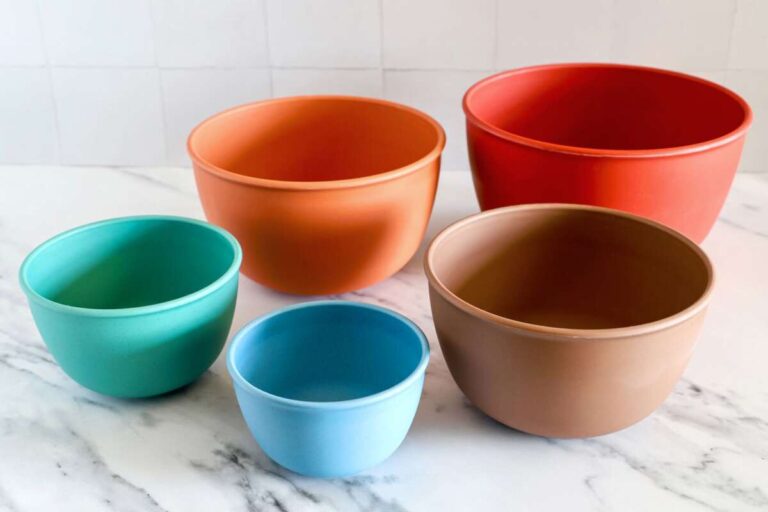
A standard soup bowl is round, moderately deep, and easy to use. It is the type most people keep in a home dinnerware set.
It usually holds between 12 and 20 fluid ounces. This range gives enough room for soup without making the portion feel too large.
Coupe bowl
A coupe bowl has no raised rim. Its sides curve gently from the center to the edge. This clean design is common in modern restaurants and contemporary dinnerware sets.
Coupe bowls are useful for soup, grain bowls, salads, and desserts. They are flexible, but their wide shape may not keep very hot broth as well as a deeper bowl.
Bouillon cup
A bouillon cup is a small soup cup with one or two handles. It is traditionally used for clear broth or light soup.
The handles make the cup easier to hold. However, a bouillon cup usually holds less than a standard soup bowl, so it is better for a small serving.
Cream soup bowl
A cream soup bowl is often wide and shallow. It may come with a matching saucer. This style is common in formal table settings.
The saucer catches drips and gives the bowl a polished look. It also protects the table from heat.
Ramen bowl
A ramen bowl is deeper and wider than many standard soup bowls. It needs room for noodles, broth, vegetables, meat, and toppings.
Many ramen bowls have a broad opening and a stable base. This design lets you mix ingredients and lift noodles without crowding the bowl.
Mug or soup cup
A soup mug is useful for casual meals. It works well for soup at a desk, during travel, or while sitting on a sofa.
Soup mugs often have a handle and a smaller capacity. They are convenient, but they may not provide the same serving space as a traditional bowl.

What is a soup bowl called in formal dining?
In formal dining, a soup bowl may be called a soup plate, cream soup bowl, or consommé cup. The correct term depends on the soup and the dinnerware pattern.
A formal place setting may include a soup bowl on top of a service plate. The service plate is also called a charger. The soup bowl is removed after the soup course is finished.
Here are common formal pairings:
• Clear broth: Consommé cup or bouillon cup
• Cream soup: Cream soup bowl with a saucer
• Thick soup: Soup plate or shallow soup bowl
• Large rustic soup: Deep soup bowl
• Small tasting portion: Small soup cup
Formal names can sound confusing because dinnerware traditions vary. French, British, American, and restaurant terms may not match exactly.
When in doubt, focus on the function. A small handled cup suggests broth. A wide, shallow dish suggests a cream soup or formal soup course. A deep bowl suggests a hearty serving.
What is a soup bowl called in different countries?
The answer to what is a soup bowl called can vary by country and dining culture. English speakers in the United States usually say “soup bowl,” but menus and tableware catalogs may use more specific terms.
In the United Kingdom, “soup bowl” and “soup plate” are both common. A soup plate often means a wide bowl with a flat rim.
In France, a soup plate may be called an assiette creuse, which means “deep plate.” French table settings may also use a tasse à consommé for clear soup.
In Italy, a deep pasta dish may serve soup, pasta, or risotto. The term may relate more to the dish shape than to soup alone.
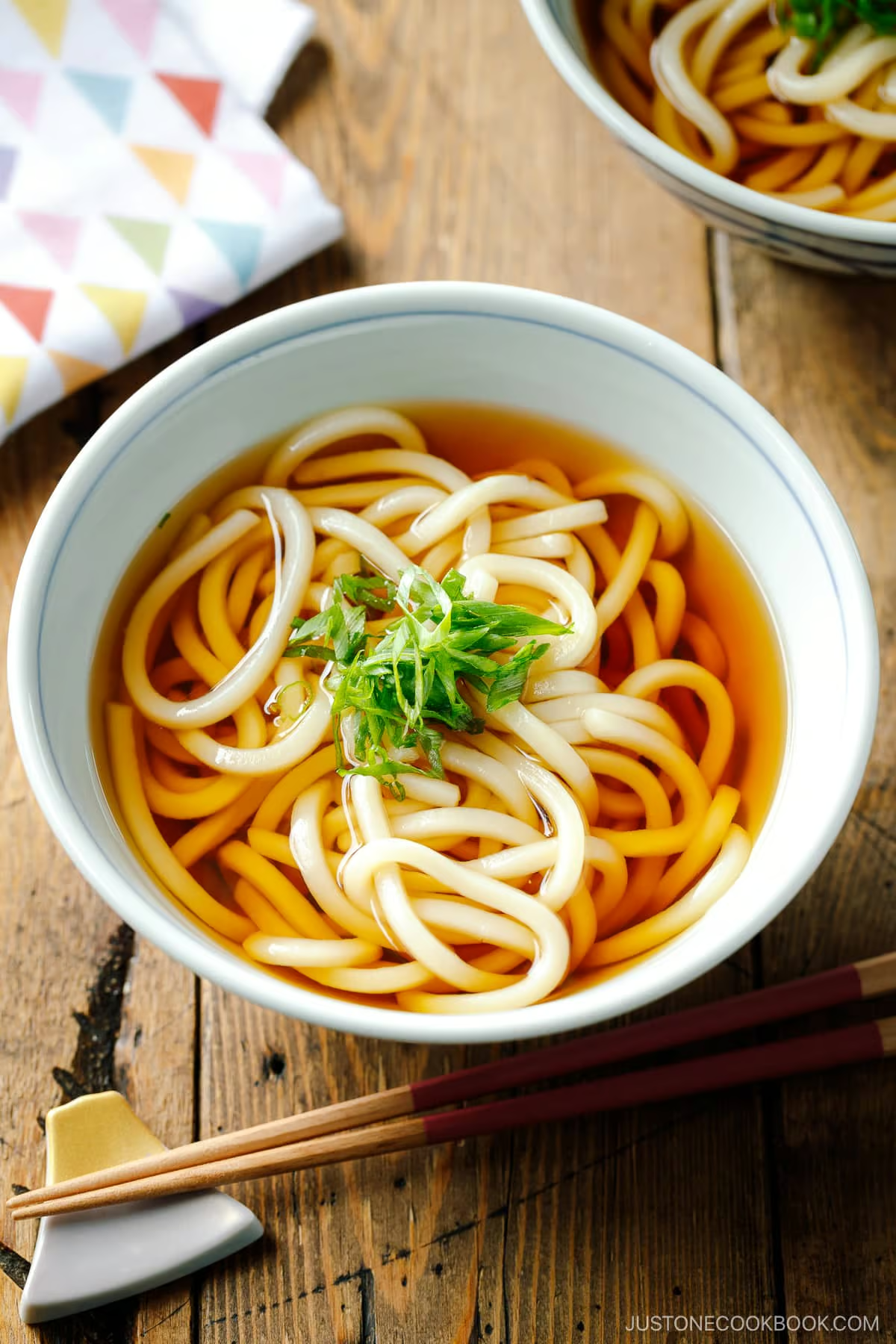
In Japan, ramen bowls and donburi bowls have distinct shapes. A ramen bowl is built for noodles and broth, while a donburi bowl is used for rice-based meals.
These differences show why the name is not always universal. Food traditions shape the design of the bowl, just as the bowl shape shapes the dining experience.
How to choose the right soup bowl
Choosing a soup bowl is easier when you consider the food first. A bowl that works for chili may not be ideal for delicate broth.
Use these factors as a guide:
Capacity
A bowl between 12 and 20 fluid ounces works well for many home meals. Choose a smaller bowl for appetizers or a larger bowl for ramen and hearty stews.
Remember that the bowl should not be filled to the top. Leave space for a spoon and a safe, clean rim.
Depth
Deep bowls are best for liquid soups. Shallow bowls work well for thick soups, pasta, and dishes with less broth.
A deep bowl also helps reduce spills. This can matter when children, older adults, or guests are eating at the table.
Rim width
A wide rim gives your hands a place to hold the bowl. It also keeps the soup away from the edge.
A narrow rim creates a sleek look but may feel less comfortable. For daily use, comfort often matters more than style.
Material
Common materials include:
• Porcelain: Smooth, strong, and suitable for formal or everyday use.
• Stoneware: Heavy, rustic, and good at holding heat.
• Ceramic: Available in many colors and shapes, though quality varies.
• Glass: Attractive and easy to inspect, but some types may lose heat faster.
• Melamine: Light and durable, but it should not be used in a microwave unless the manufacturer allows it.
The United States Food and Drug Administration advises consumers to follow manufacturer instructions for food-contact products. This is especially important for microwave use, high heat, and older decorative ceramics.
Stability
A wide base helps prevent tipping. This is one of the most useful features in a family kitchen.
I once chose a beautiful bowl with a narrow foot for daily soup. It looked elegant, but it rocked on the table. That small design flaw made every meal less pleasant, and it taught me to check stability before appearance.

Soup bowl sizes and serving amounts
Soup bowl size can affect how much food people serve themselves. A large bowl may encourage larger portions, while a smaller bowl can make a modest serving look more complete.
Typical sizes include:
• Small bowl: 8 to 12 fluid ounces for appetizers or children
• Medium bowl: 12 to 16 fluid ounces for a normal serving
• Large bowl: 18 to 24 fluid ounces for ramen, stew, or a full meal
These are general ranges, not strict rules. Bowl capacity differs by brand, shape, and country.
For a dinner party, medium bowls are often the safest choice. They look generous without taking over the table. For everyday use, choose a bowl that matches the soups you make most often.
A useful tip is to check the inside capacity, not only the outside size. Thick walls can make a bowl look large while leaving less room for food.
Soup bowl etiquette and table placement
In a casual meal, place the soup bowl directly on the table or on a dinner plate. In a formal setting, place it on a charger or service plate.
Use a soup spoon for liquid soup. Hold the spoon from the side and move it away from you as you fill it. Bring the spoon to your mouth instead of leaning over the bowl.
Do not fill a soup bowl to its rim. A little space reduces spills and gives the dish a cleaner appearance.
For hot soup, check the temperature before taking a large bite. The USDA notes that safe food handling includes controlling temperature and preventing burns. A bowl can stay hot even when the soup surface looks calm.
A good table setting is not about strict rules. It is about comfort, safety, and respect for the people sharing the meal.
:max_bytes(150000):strip_icc()/SEA-french-onion-soup-recipe-hero-01-cbeea4db88344d00bc2254d4d2df602e.jpg)
How to care for a soup bowl
Proper care helps a soup bowl last longer. Always check whether the bowl is dishwasher-safe, microwave-safe, and oven-safe before using it.
Avoid sudden temperature changes. Moving a very hot ceramic bowl onto a cold surface can cause thermal shock and may lead to cracks.
Follow these care tips:
• Use a trivet or heat-safe mat for hot bowls.
• Do not stack bowls when food or grit is trapped between them.
• Avoid metal utensils on bowls with delicate finishes.
• Hand-wash painted or gold-trimmed bowls.
• Inspect older bowls for chips and cracks.
• Stop using bowls that have sharp damaged edges.
A small chip can cut your lips or fingers. Cracks can also hold food residue and become harder to clean.
In my experience, the bowls that last longest are not always the most expensive. They are the ones stored carefully and used for the purpose they were designed to serve.
Common mistakes when buying a soup bowl
Many shoppers focus only on color and pattern. Those details matter, but function should come first.
Avoid these common mistakes:
• Buying a bowl that is too shallow for broth
• Choosing a bowl that is too heavy to lift comfortably
• Ignoring microwave or dishwasher limits
• Selecting a narrow base that tips easily
• Buying a set without checking its capacity
• Using decorative bowls that are not made for food
A bowl may look attractive online but feel awkward in your hands. If possible, hold one before buying a full set.
Also check replacement availability. If one bowl breaks, it is helpful to know that the manufacturer still sells matching pieces.
When people ask what is a soup bowl called, they often want the right item, not just the right word. Understanding shape, size, and material helps you make a better choice.
Frequently Asked Questions About What Is a Soup Bowl Called
What is a soup bowl called in American English?
In American English, it is usually called a soup bowl. A wide, shallow version may be called a soup plate, while a small handled version may be called a bouillon cup.
Is a soup plate the same as a soup bowl?
A soup plate is similar to a soup bowl, but it is usually wider and shallower. The terms overlap, and stores may use them differently.
What is a bowl for clear soup called?
A bowl or cup for clear soup is often called a bouillon cup or consommé cup. These pieces may have handles and are usually smaller than standard soup bowls.
What is a coupe bowl used for?
A coupe bowl is used for soup, salads, pasta, grain dishes, and desserts. Its smooth, rimless shape gives it a modern appearance and makes it useful for many foods.
How many ounces does a soup bowl hold?
A typical soup bowl holds about 12 to 20 fluid ounces. Smaller bowls hold less, while ramen and meal-sized bowls may hold more.
Can you use a soup bowl for cereal?
Yes, a soup bowl can be used for cereal, oatmeal, fruit, and other foods. Its deeper shape often makes it more useful than a flat plate for foods with milk or sauce.
What is the difference between a soup bowl and a cereal bowl?
Soup bowls are often wider and designed to handle hot liquid. Cereal bowls may be smaller, though many modern bowls work equally well for both foods.
Conclusion
So, what is a soup bowl called? The standard term is “soup bowl,” but the exact name may be soup plate, coupe bowl, bouillon cup, or consommé cup. The best term depends on the bowl’s shape, depth, capacity, and purpose.
For everyday meals, choose a stable bowl that feels comfortable and holds the soups you enjoy. Check its care instructions, leave room at the top, and use a deeper bowl for broth or a wider bowl for thick soup.
Now that you know what is a soup bowl called, compare a few shapes in your kitchen or local store. Share your favorite soup bowl style in the comments, or explore more guides to build a practical and welcoming table setting.

Liora Pennings is a seasoned chef and kitchen enthusiast with a passion for turning everyday cooking into an effortless experience. With years of hands-on culinary expertise, she specializes in practical techniques, ingredient know-how, and smart kitchen solutions that help home cooks elevate their meals. At KitchFlair.com, Liora shares her best tips, time-saving tricks, and honest product reviews to guide readers toward a more efficient, enjoyable, and inspired cooking routine. Whether you’re a beginner or a seasoned home chef, Liora’s friendly, knowledge-packed insights make every visit to the kitchen a little easier—and a lot more delicious.