Are Enamel Bowls Microwave Safe: Safety Guide
Most enamel bowls are not microwave safe because their metal base can spark, arc, or damage the oven.
The answer to “are enamel bowls microwave safe” depends on the bowl’s construction and its maker’s instructions. Traditional enamelware is steel coated with glass, so it behaves like metal in a microwave. This guide explains how to identify safe materials, avoid common mistakes, and choose a better bowl for reheating food.

Are enamel bowls microwave safe?
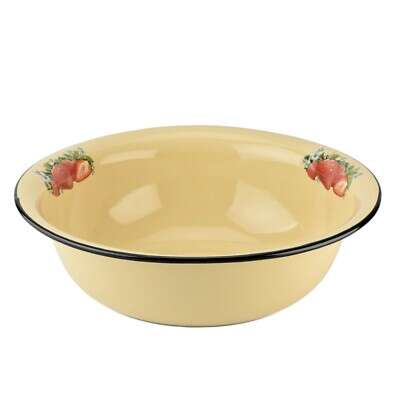
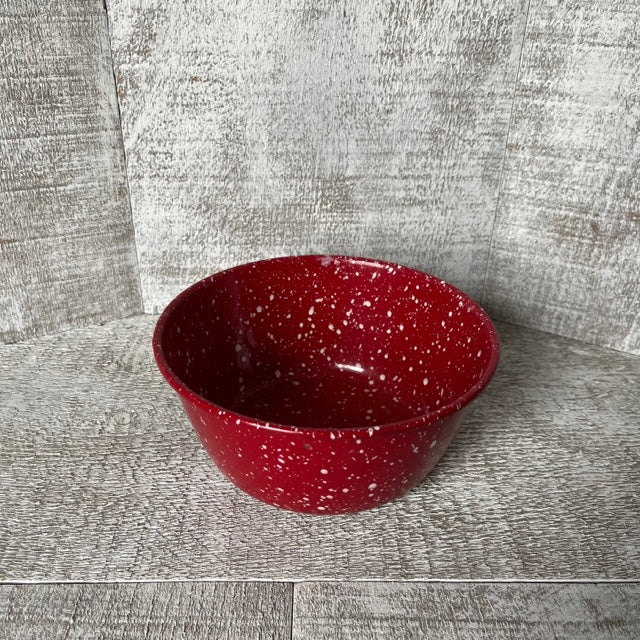
In most cases, enamel bowls are not microwave safe. Traditional enamelware has a thin layer of glass fused over steel or iron. The glass coating looks like ceramic, but the metal underneath can reflect microwave energy and create sparks.
Microwave ovens work by producing electromagnetic waves that heat water in food. Metal can interfere with these waves. Thin metal edges, exposed chips, and sharp rims are especially likely to cause arcing, which appears as flashes of blue or yellow light.
Always check the bottom of the bowl, its packaging, or the manufacturer’s care guide. If the label does not clearly say “microwave safe,” treat the bowl as unsafe for microwave use.

Why traditional enamelware can be dangerous in a microwave
The main issue is not the glass coating. It is the metal core beneath the coating.
When microwave energy meets metal, several problems may occur:
• Sparks may jump from the bowl to the oven wall.
• Sharp rims or chipped areas may create electrical arcs.
• The bowl may heat unevenly or become very hot.
• The microwave’s interior coating may become damaged.
• A damaged magnetron, the part that produces microwaves, may require costly repair.
A smooth, thick piece of metal may sometimes sit in a microwave without an immediate spark. That does not make it safe. Microwave behavior depends on the bowl’s shape, the amount of food, the oven design, and the location of exposed metal.
For this reason, the answer to “are enamel bowls microwave safe” should remain no unless the product maker clearly confirms microwave use.
How to tell whether an enamel bowl is microwave safe
Many people confuse enamelware with ceramic or porcelain. The appearance alone is not enough. Use these checks before placing any bowl in a microwave.
Check the material
Hold a small magnet near the outside or underside of the bowl. If it sticks, the bowl likely contains steel or iron. This test is useful, but it is not the only test you need. Some metals may not respond strongly to a magnet.
Look for signs such as:
• A metal-like ring around the rim
• A very light steel body
• A chipped spot that reveals gray metal
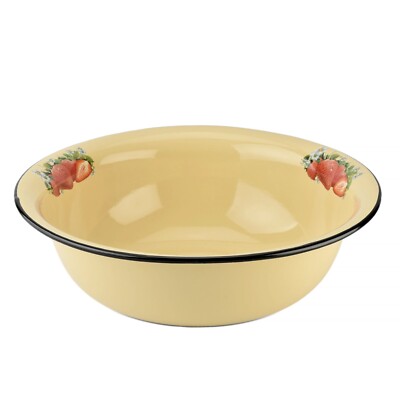
• A product label that says enamelware, enameled steel, or steel enamel
• A camping or outdoor tableware design
These signs suggest that the bowl should stay out of the microwave.
Read the manufacturer’s label
Look for clear wording such as:
• Microwave safe
• Safe for microwave use
• Do not microwave
• Not suitable for microwave ovens
The manufacturer’s instructions are more reliable than online guesses or a simple spark test. Some modern bowls have an enamel-style finish over microwave-safe glass or ceramic. These products may be safe, but only when the maker confirms it.
Consider the bowl’s age and condition
Older enamel bowls may have worn labels or damaged surfaces. Chips can expose the metal beneath the glass coating. Even if the bowl once seemed suitable, a damaged coating increases the chance of arcing.
When in doubt, transfer the food to a microwave-safe glass or ceramic container.
What happens if you microwave an enamel bowl?
If you microwave a traditional enamel bowl, the result can range from no visible problem to serious sparking. A short heating cycle may appear harmless, but repeated use can still damage the bowl or microwave.
Possible outcomes include:
• The bowl sparks around the rim or a chipped area.
• The food heats poorly or unevenly.
• The bowl becomes too hot to handle.
• The enamel coating cracks from heat stress.
• The microwave wall shows burn marks.
• Smoke or a burning smell develops.
If you see sparks, stop the microwave at once. Do not open the door until the sparking stops unless your appliance instructions say otherwise. Unplug the appliance if it is safe to do so, then inspect the bowl and microwave after everything cools.
Do not keep testing the same enamel bowl. A failed test can damage the oven, and a successful test does not prove that future use will be safe.

Can enamel bowls go in the oven?
Many traditional enamel bowls are safe for an oven, but this depends on the product. Enamel-coated steel is often designed for baking or cooking, while some bowls contain materials, handles, trims, or coatings that cannot tolerate high heat.
Oven safety and microwave safety are different. An enamel bowl may handle the steady heat of an oven but still be unsafe in a microwave. Think of the oven as heating the bowl from the outside, while the microwave interacts with the food and the bowl’s materials through electromagnetic energy.
Before using an enamel bowl in an oven:
• Read the temperature limit.
• Remove plastic, wood, or rubber parts.
• Avoid sudden temperature changes.
• Do not place a cold bowl into a very hot oven.
• Use oven mitts because enamelware can become extremely hot.
Never assume that oven-safe means microwave-safe. This is one of the most common mistakes people make when asking, “are enamel bowls microwave safe?”

Safe alternatives to enamel bowls for microwave use
If you need to reheat soup, oatmeal, leftovers, or vegetables, choose a container made for microwave use. The safest common options include:
• Microwave-safe glass
• Plain microwave-safe ceramic
• Microwave-safe porcelain
• Approved microwave-safe plastic
Glass is often the easiest choice. It does not absorb food odors easily, and you can usually see the food while it heats. Ceramic and porcelain also work well when they have no metallic paint, gold trim, or silver decoration.
Avoid containers with metallic accents, even if the main body is ceramic. A thin gold line can spark just like other exposed metal.
When buying a replacement bowl, look for a microwave-safe symbol or clear wording on the base and packaging. If the label is missing, choose another container rather than guessing.
How to reheat food safely after using enamelware
You can still use enamel bowls for serving, storing, or outdoor meals without putting them in the microwave. A simple transfer step keeps the process safe.
-
Place the food in a microwave-safe glass or ceramic bowl.
-
Cover it with a vented microwave lid or a loose paper towel.
-
Heat the food in short intervals.
-
Stir between intervals to spread heat evenly.
-
Check that the center is hot before serving.
-
Transfer the food back to the enamel bowl if you want its classic look at the table.
This method works well for chili, stew, soup, rice, and pasta. It also prevents the enamel bowl from becoming dangerously hot while the food remains cold in the middle.
Use care with liquids. Soup and sauces can become hotter than they seem, and steam can cause burns when a cover is removed.
Common mistakes to avoid with enamel bowls
Several habits can create confusion or increase risk.
Mistaking enamel for glass
Enamel is a glass-like coating, not necessarily a solid glass bowl. A bowl can look glossy and smooth while containing steel underneath.
Trusting a “no spark” test
A test that produces no spark only shows that the bowl did not spark during that moment. It does not confirm long-term safety.
Ignoring chips and cracks
A chipped rim can expose metal and create a sharp point. It may also allow moisture to reach the metal base, causing rust.
Microwaving an empty bowl
An empty container can heat rapidly, especially if it contains metal or a material that absorbs microwave energy poorly. Food or liquid does not make an unsafe enamel bowl safe.
Using a bowl with metallic decoration
Gold, silver, copper, and other metallic designs can spark. Check the inside and outside of the bowl, including the rim.
The safest rule is simple: if you are unsure whether enamel bowls are microwave safe, do not microwave them.

Cleaning and caring for enamel bowls
Good care can help enamelware last for many years. Let the bowl cool before washing it, especially if it has been used with hot food. Sudden changes from hot to cold can stress the coating.
Use these care tips:
• Wash with mild dish soap and a soft sponge.
• Avoid harsh steel wool when possible.
• Do not use a chipped bowl for acidic foods for long periods.
• Dry the bowl well to reduce rust on exposed metal.
• Do not slam or stack heavy cookware on top of it.
• Stop using the bowl for food if rust spreads or the coating flakes.
Small chips do not turn an enamel bowl into a microwave-safe container. In fact, damage makes microwave use even less advisable.
What safety guidance says about metal in microwaves
Food safety agencies and appliance makers generally advise users to follow the microwave manufacturer’s instructions and avoid unapproved metal items. Their guidance focuses on preventing arcing, fire, appliance damage, and uneven heating.
Research and testing on microwave heating also show that shape matters. Sharp points, thin edges, and gaps can concentrate electrical energy. That is why a metal spoon, a foil edge, or a chipped enamel rim may spark more readily than a smooth surface.
Product instructions remain the best authority because enamel bowls are not all made the same way. Some are steel. Some are ceramic with an enamel-like glaze. Others may contain decorative metal. The label must identify the exact product.
Frequently Asked Questions
Are enamel bowls safe to microwave?
Traditional enamel bowls are usually not safe to microwave because they contain steel or another metal base. Only use one if the manufacturer clearly states that it is microwave safe.
Can enamel bowls catch fire in a microwave?
An enamel bowl may cause sparks or arcing, especially around a sharp rim, metallic decoration, or chip. In some situations, those sparks can ignite nearby food residue or paper, so stop the microwave immediately if sparking occurs.
Is enamel the same as ceramic?
No. Enamel is a glass coating fused to a material such as steel, iron, or sometimes another base. Ceramic bowls are made from clay-based material, but a ceramic bowl may still have unsafe metallic paint or trim.
Can I microwave an enamel bowl for a few seconds?
Short heating does not guarantee safety. The bowl may spark during a later cycle, so use a labeled microwave-safe glass or ceramic bowl instead.
Are vintage enamel bowls microwave safe?
Most vintage enamel bowls should be treated as unsafe for microwave use. Their labels may be missing, their metal may be exposed, and their coatings may not meet modern product standards.
Can I put an enamel bowl in the dishwasher?
Some enamel bowls are dishwasher safe, while others may lose their finish or develop rust. Check the product instructions, and hand-wash older or damaged enamelware when possible.
Conclusion
Traditional enamel bowls are usually not microwave safe because they contain a metal base beneath the glass-like coating. Even when a bowl does not spark right away, it can still damage the microwave or create a safety risk.
Use enamelware for serving, camping, baking, and stovetop tasks only when the manufacturer approves those uses. For reheating, transfer food to labeled microwave-safe glass or ceramic. A few extra seconds of preparation are worth protecting your appliance and your home. Share your enamelware questions or explore the care guide for your specific bowl before using it.

Liora Pennings is a seasoned chef and kitchen enthusiast with a passion for turning everyday cooking into an effortless experience. With years of hands-on culinary expertise, she specializes in practical techniques, ingredient know-how, and smart kitchen solutions that help home cooks elevate their meals. At KitchFlair.com, Liora shares her best tips, time-saving tricks, and honest product reviews to guide readers toward a more efficient, enjoyable, and inspired cooking routine. Whether you’re a beginner or a seasoned home chef, Liora’s friendly, knowledge-packed insights make every visit to the kitchen a little easier—and a lot more delicious.