
Are Microwave Safe Bowls Also Oven Safe: What To Know
Usually, microwave-safe bowls are not automatically safe for oven use because each appliance creates different heat risks.
Are microwave safe bowls also oven safe? The answer depends on the bowl’s material, glaze, design, and maker’s instructions. Microwave safety means a bowl can handle microwave energy, while oven safety means it can tolerate direct, steady heat and large temperature changes. This guide explains the difference, shows how to check the label, and helps you avoid cracks, burns, and broken dishes.

Are microwave safe bowls also oven safe?
Are microwave safe bowls also oven safe? Not always. A bowl marked “microwave safe” has passed tests for use with microwave energy. That does not prove it can withstand the high, dry heat of a conventional oven.
Microwaves heat food mainly by exciting water molecules. The bowl may stay fairly cool, though hot food can warm it. An oven heats the bowl through hot air, metal racks, and radiant heat. This can place much more stress on the material.
Think of it like rain gear and a winter coat. Both protect you, but they are made for different conditions. In the same way, microwave-safe and oven-safe labels serve different purposes.
A bowl may be safe for:
• Microwave heating
• Conventional oven baking
• Toaster oven use
• Broiler use
• Freezer storage
These uses are not interchangeable. A bowl must be labeled or approved for each one.

What “microwave safe” really means
A microwave-safe bowl is designed to handle microwave cooking without melting, cracking, sparking, or releasing unsafe substances under normal use. It should also avoid becoming dangerously hot from the microwave energy itself.
However, “microwave safe” does not mean the bowl will stay cool. Hot soup, oil, sugar, or steam can heat the bowl quickly. Some foods also create hot spots that may make one part of the bowl much hotter than another.
Microwave-safe bowls often include:
• Heat-resistant glass
• Ceramic or stoneware
• Certain plastics
• Some silicone products
• Porcelain made for microwave use
Each material has limits. A plastic bowl may be microwave safe but soften in an oven. A ceramic bowl may work in both appliances, but only if its glaze and construction are rated for oven heat.
Many manufacturers use a microwave symbol to show microwave approval. An oven symbol, temperature rating, or clear phrase such as “oven safe to 400°F” is needed for oven use.
Why oven heat is harder on bowls
An oven can expose a bowl to temperatures far above those found during normal microwave use. It can also heat the outside of the bowl while the inside remains cooler. This uneven heating creates thermal stress.
Thermal shock happens when a material changes temperature too fast. For example, a cold glass bowl placed in a hot oven may expand unevenly. One part can grow while another part stays tight. The result may be a crack or sudden break.
Oven heat can also affect:
• Glazes and painted designs
• Plastic lids
• Adhesives used on decorative parts
• Handles and trims
• Small cracks that are hard to see
• Bowls moved from a freezer directly into a hot oven
A bowl may survive one oven use and fail the next time. Small flaws can grow with repeated heating and cooling. That is why a past success does not prove that a bowl is oven safe.

Material guide: which bowls can go in the oven?
The material gives useful clues, but the label remains the final authority. Are microwave safe bowls also oven safe when they are made from glass or ceramic? Sometimes, but not every glass or ceramic bowl qualifies.
Glass bowls
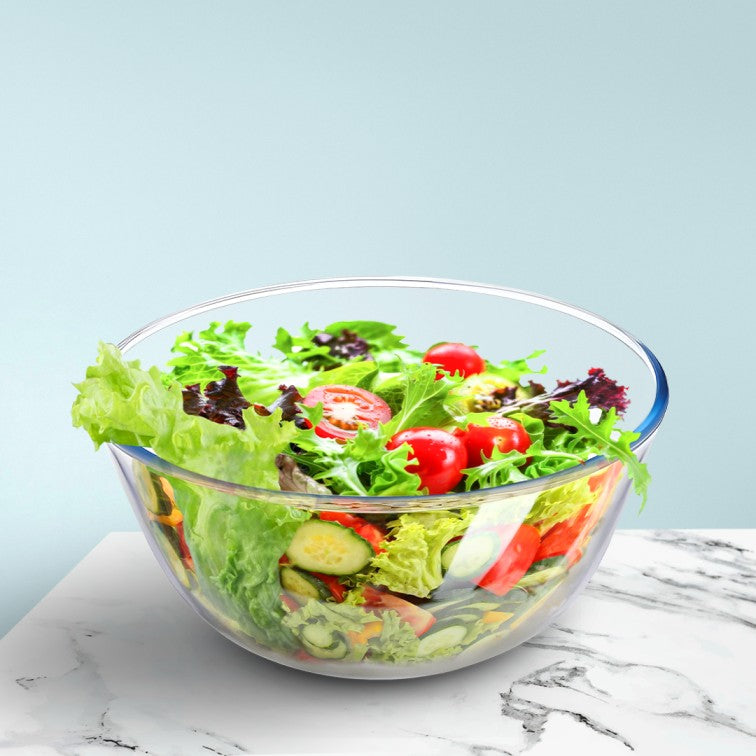
Oven-safe glass is often made from heat-resistant materials designed for baking. Borosilicate glass and some tempered glass products can handle oven heat well.
Still, ordinary drinking glasses, thin glass bowls, and decorative glass may break in an oven. Never assume that clear glass is oven safe.
Avoid sudden temperature changes. Do not move a hot glass bowl onto a wet or cold surface. Do not pour cold liquid into a very hot glass bowl.
Ceramic and stoneware bowls
Ceramic and stoneware bowls are common in kitchens. Many are safe for both microwave and oven use, but the clay body, glaze, and firing process matter.
Look for a clear oven-safe label. Check the maximum temperature as well. Some ceramic bowls can handle moderate oven heat but should not go under a broiler or on a stovetop burner.
Hairline cracks, chips, and crazing can weaken a bowl. They can also allow food and moisture to enter the material.
Porcelain bowls
Porcelain is strong and often handles heat well. Some porcelain bowls are suitable for baking, while others are made only for serving.
Fine patterns, metallic trim, and gold or silver details may spark in a microwave. Decorative porcelain may also have a lower heat limit than plain baking porcelain.
Plastic bowls
Most plastic bowls that are microwave safe are not oven safe. Plastic can soften, warp, melt, or release unwanted chemicals when exposed to oven temperatures.
A plastic lid may also have a different safety rating from the bowl. Remove lids unless the lid itself is clearly approved for oven use.
Silicone bowls
Food-grade silicone is often flexible and heat resistant. Many silicone baking bowls are safe for ovens and microwaves.
However, not every silicone product has the same temperature rating. Thin silicone, mixed-material products, and items with plastic parts need special care.
How to tell if a bowl is oven safe
The safest answer to “are microwave safe bowls also oven safe?” comes from the bowl’s markings and its instructions. Check the bottom, packaging, product page, or care guide before using it.
Follow these steps:
-
Look for the words “oven safe.”
-
Find a maximum temperature, such as 350°F or 425°F.
-
Check whether the rating applies to the bowl, lid, or both.
-
Look for warnings about broilers, toaster ovens, or direct heat.
-
Inspect the bowl for cracks, chips, and deep scratches.
-
Confirm whether the bowl can move from the refrigerator or freezer into a hot oven.
-
Contact the manufacturer if the label is missing or unclear.
Do not rely only on symbols. A symbol can vary by brand and country. A written temperature limit gives much better guidance.
If no oven-safe information exists, treat the bowl as not oven safe. Replacing a bowl costs far less than cleaning broken glass from an oven or dealing with a burn.

Can you use a microwave-safe bowl in a conventional oven?
Are microwave safe bowls also oven safe in a conventional oven? Only when the bowl is specifically rated for conventional oven use.
A microwave-safe ceramic bowl might be fine in a conventional oven if the maker lists an oven temperature. A microwave-safe plastic bowl usually should not go into the oven. A microwave-safe glass bowl may or may not be safe, depending on its type and design.
Do not confuse a conventional oven with a microwave convection oven. A convection setting uses hot air and may require the same oven-safe cookware used in a standard oven. A microwave setting uses microwave energy. Combination models may use both at once, so follow the appliance and cookware instructions carefully.
Also remember that a bowl can be oven safe but not broiler safe. Broilers produce intense heat from above. That heat can damage many bowls, even when normal baking is allowed.
Common mistakes that cause bowls to break
The most common problem is not the oven temperature alone. It is a fast temperature change or the use of a damaged bowl.
Avoid these mistakes:
• Placing a cold bowl into a fully heated oven
• Setting a hot bowl on a wet countertop
• Adding cold water to a hot bowl
• Using a chipped or cracked bowl
• Putting a bowl directly on a stovetop burner
• Using a microwave-safe plastic bowl for baking
• Leaving a plastic lid on during oven use
• Using a bowl under the broiler without approval
• Exceeding the stated temperature limit
• Moving a hot bowl straight into the freezer
A baking sheet can provide extra support under a bowl, but it does not make an unsafe bowl oven safe. It may catch some spills, yet the bowl can still crack or melt.
From a practical kitchen safety standpoint, the best habit is simple: check the rating before the recipe starts. Do not wait until the bowl is full of hot food and sitting beside a preheated oven.

Safe ways to use bowls in the oven
If your bowl is clearly approved for oven use, use it with care. Start by checking that it is clean, dry, and free from damage.
These habits reduce risk:
• Place the bowl on a stable oven rack.
• Keep it away from direct contact with heating elements.
• Follow the listed temperature limit.
• Avoid sudden temperature changes.
• Use dry oven mitts when removing it.
• Support large or heavy bowls from underneath.
• Let the bowl cool on a dry towel or heat-safe trivet.
• Follow the manufacturer’s instructions for lids and covers.
Never use a bowl on a gas or electric burner unless it is specifically made for stovetop cooking. Oven-safe does not mean flame-safe.
If you bake a dense dish, such as baked pasta or a casserole, allow the bowl to heat gradually when possible. A moderate oven is often gentler than placing a cold dish into a very hot oven.
Is oven-safe cookware better than microwave-safe cookware?
Neither rating is better. They describe different jobs.
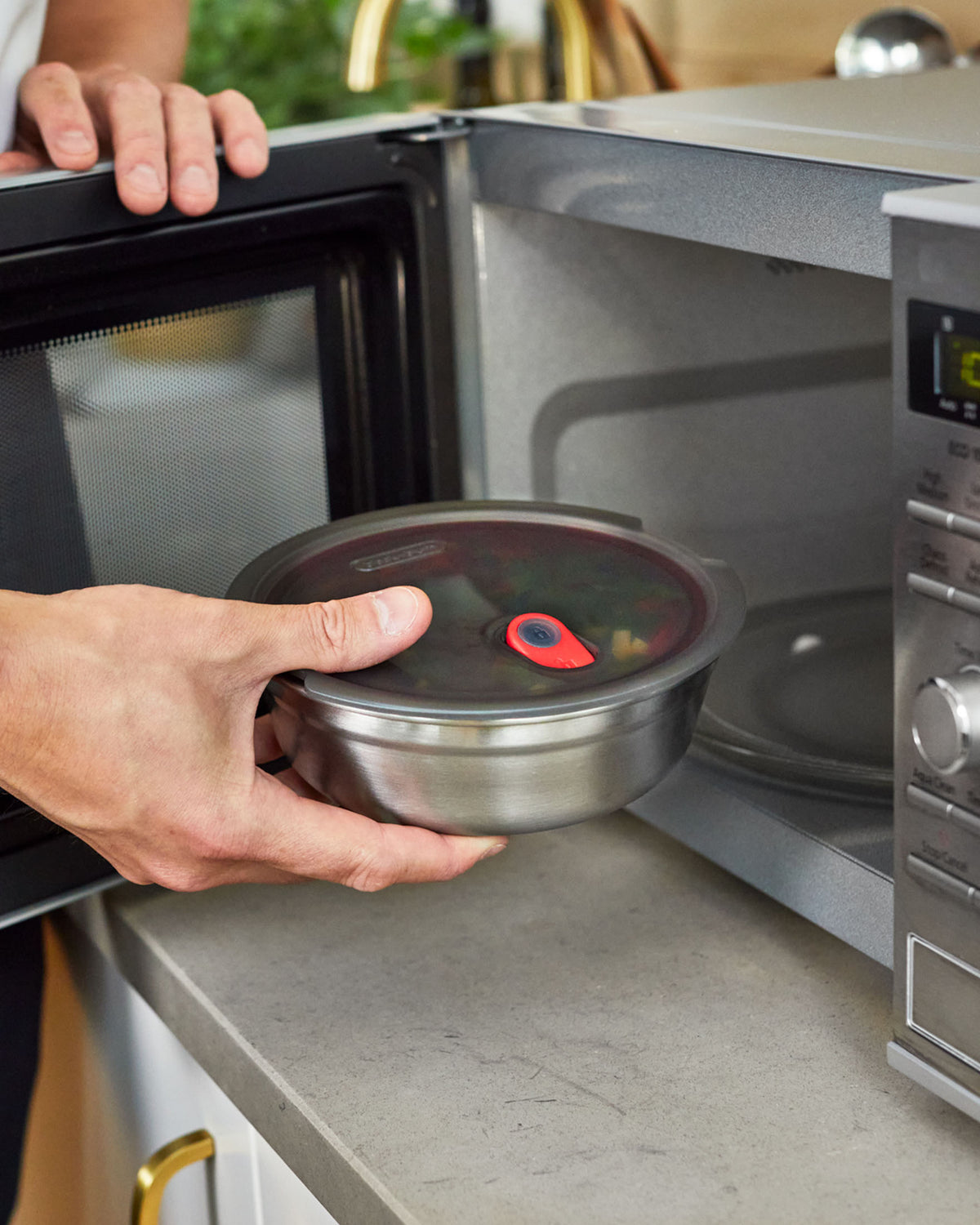
Microwave-safe cookware is useful for reheating soup, steaming vegetables, melting butter, and warming leftovers. Oven-safe cookware is built for baking, roasting, and steady high heat.
Some products carry both ratings. These are convenient because they can move from one appliance to another, but temperature changes still matter. A dual-rated bowl can break if it goes straight from a freezer into a hot oven.
The most useful bowl for your kitchen depends on how you cook. If you often bake and reheat in the same dish, choose a bowl with clear ratings for microwave, oven, freezer, and dishwasher use.
A practical test for choosing a safe bowl
There is no reliable home test that can prove an unlabeled bowl is oven safe. Heating an unknown bowl to “see what happens” is risky. It can crack without warning or damage your oven.
Instead, use this quick decision guide:
• If it says microwave safe only, use it in the microwave only.
• If it says oven safe with a temperature, follow that limit.
• If it has metal trim, do not use it in a microwave.
• If it has cracks or chips, replace it.
• If the instructions are missing, ask the manufacturer.
• If you cannot confirm the rating, choose known oven-safe cookware.
This approach may seem cautious, but it reflects how heat-resistant products are evaluated. Safety ratings come from material testing, product design, and controlled temperature limits. A visual guess cannot replace those tests.
Are microwave safe bowls also oven safe? Key safety limits
Are microwave safe bowls also oven safe when they have no label? The safest answer is no. Treat an unlabeled bowl as unsuitable for oven use unless the manufacturer confirms otherwise.
Are microwave safe bowls also oven safe if they are ceramic? Sometimes. Ceramic bowls often tolerate oven heat, but the clay, glaze, thickness, and construction all affect performance.
Are microwave safe bowls also oven safe if they feel thick and heavy? Not necessarily. Thickness can affect heating, but it does not prove that the bowl was designed for oven use.
Are microwave safe bowls also oven safe if they worked once? One successful use does not guarantee future safety. Repeated heat cycles can weaken a bowl over time.
Are microwave safe bowls also oven safe with their lids? Usually not. Many lids are made from plastic or silicone with a lower heat rating than the bowl.
Frequently Asked Questions: Are microwave safe bowls also oven safe?
Can a microwave-safe glass bowl go in the oven?
Only if the manufacturer also labels it oven safe. Some heat-resistant glass is made for baking, while ordinary glass can crack or shatter under oven heat.
Can I put a microwave-safe ceramic bowl in the oven?
You can do so only when the ceramic bowl has an oven-safe rating. Check the maximum temperature and avoid using bowls with cracks, chips, or metallic decoration.
What happens if I put a microwave-safe plastic bowl in the oven?
The plastic may soften, warp, melt, or become damaged. Unless the product clearly states that it is oven safe, keep it out of a conventional or toaster oven.
Can an oven-safe bowl go from the freezer to the oven?
Not always. Even oven-safe bowls may break from thermal shock when moved from very cold temperatures into a hot oven, so follow the product’s temperature-change instructions.
Are microwave-safe bowls safe under a broiler?
Usually not. Broilers create intense, direct heat, and a bowl must have specific broiler approval to be used safely in that setting.
How can I identify an oven-safe bowl?
Look for written words such as “oven safe” and a maximum temperature. If the bowl has no clear rating, contact the maker or use cookware with verified oven approval.
Conclusion
Are microwave safe bowls also oven safe? Sometimes, but microwave approval alone is never enough. Oven use requires a clear oven-safe label, a suitable material, and careful control of temperature changes.
Check the bowl, follow the temperature limit, remove unapproved lids, and never use damaged cookware. When the rating is unclear, choose a verified oven-safe dish instead. Share this guide with another home cook, and explore your cookware instructions before your next recipe.

Liora Pennings is a seasoned chef and kitchen enthusiast with a passion for turning everyday cooking into an effortless experience. With years of hands-on culinary expertise, she specializes in practical techniques, ingredient know-how, and smart kitchen solutions that help home cooks elevate their meals. At KitchFlair.com, Liora shares her best tips, time-saving tricks, and honest product reviews to guide readers toward a more efficient, enjoyable, and inspired cooking routine. Whether you’re a beginner or a seasoned home chef, Liora’s friendly, knowledge-packed insights make every visit to the kitchen a little easier—and a lot more delicious.