
Are Microwave Safe Bowls Air Fryer Safe: What To Know
Usually, no: microwave-safe bowls are not automatically air-fryer safe; check the oven rating first.
The question “are microwave safe bowls air fryer safe” sounds simple, but the answer depends on the bowl’s material, design, and temperature limit. An air fryer acts like a small, powerful convection oven, so it can expose cookware to dry heat that microwave-safe labels do not cover. This guide explains how to check your bowl, avoid thermal shock, and choose safe cookware with confidence.
Are Microwave Safe Bowls Air Fryer Safe?
In most cases, microwave-safe bowls are not automatically safe for an air fryer. Microwave-safe means the bowl can handle microwave energy without melting, cracking, or releasing unsafe substances under normal use. It does not always mean the bowl can withstand direct, dry heat at 350°F or 400°F.
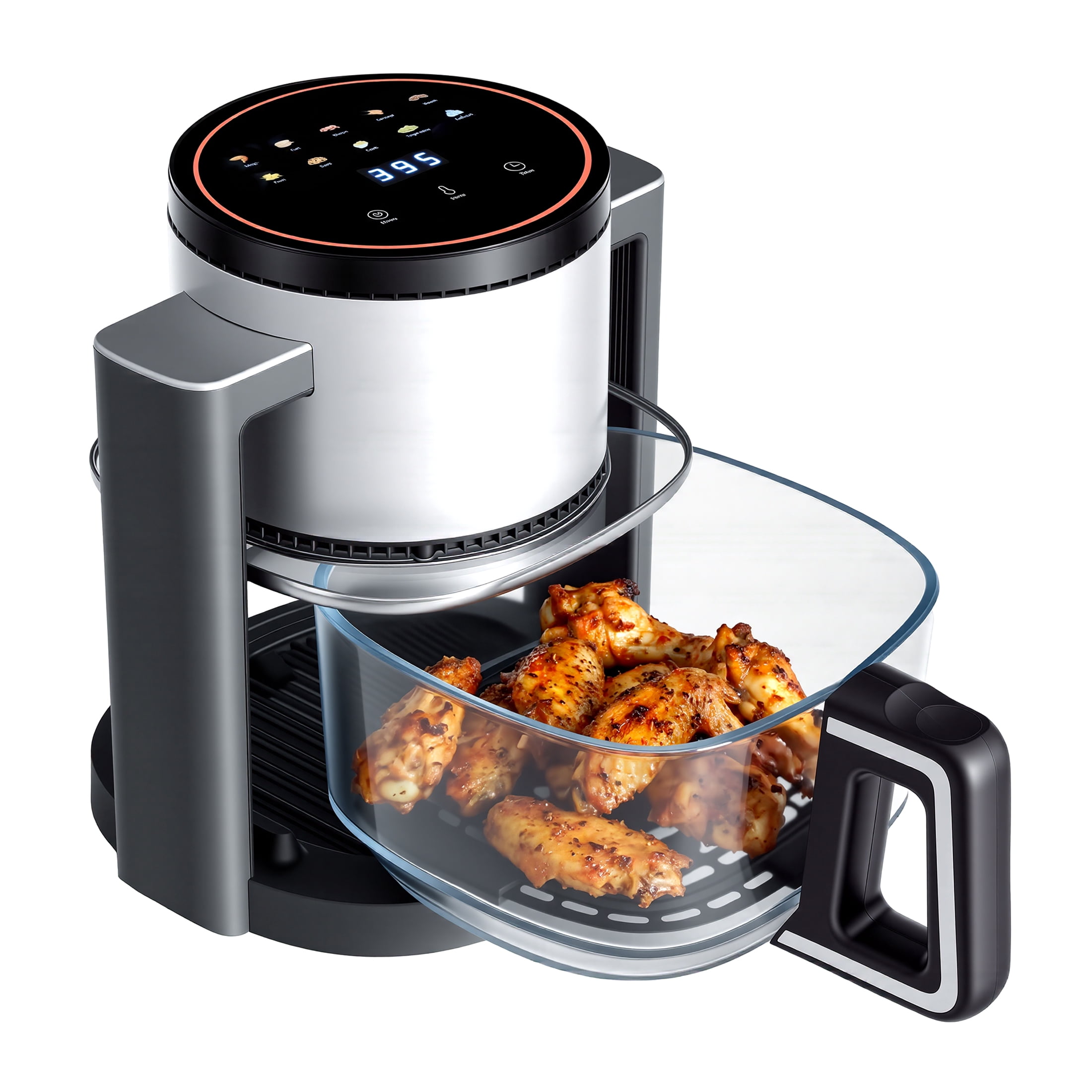
Air fryers heat food with fast-moving hot air. Their cooking chamber can reach temperatures similar to a standard oven. This makes the question “are microwave safe bowls air fryer safe” mainly a question of oven safety, not microwave safety.
Check the bottom of the bowl, its packaging, or the maker’s care guide. Look for terms such as:
• Oven-safe
• Air-fryer safe
• Safe up to 400°F or another clear temperature
• Broiler-safe, if you plan to use very high heat
If the label only says “microwave-safe,” treat the bowl as unapproved for air fryer use. The safest rule is simple: use a bowl only when the manufacturer gives an oven-safe temperature rating.

Why Microwave Safety and Air Fryer Safety Are Different
Microwaves heat food in a very different way from air fryers. Microwave energy mainly excites water molecules in the food. The bowl may warm up, but it usually does not face the same hot-air exposure as cookware inside an air fryer.
An air fryer heats the outside of the bowl through strong airflow and radiant heat from the heating element. The bowl may also sit close to that element. This creates stress that a microwave-safe label does not promise the bowl can handle.
Think of it this way: a raincoat can keep you dry, but it is not a winter coat. Both are useful, yet each is built for a different condition. Microwave-safe and oven-safe labels work in much the same way.
The main risks include:
• Cracking from sudden temperature changes
• Melting or warping
• Burning or scorching
• Damage to decorative finishes
• Release of unwanted chemicals from unsuitable plastic
• Blocked airflow that causes uneven cooking
This is why “are microwave safe bowls air fryer safe” should never be answered by the microwave label alone.

Which Bowl Materials Are Safe in an Air Fryer?
The material matters more than the bowl’s shape. Even two bowls that look alike may have very different heat limits.
Glass bowls
Some glass bowls are safe for air fryers, but only when they are labeled oven-safe. Heat-resistant borosilicate glass and certain tempered glass products may work well within their stated limits.
Not every glass bowl can handle air fryer heat. Thin glass, decorative glass, and ordinary storage bowls may crack. Avoid moving a cold glass bowl straight into a hot air fryer, since sudden temperature changes can cause thermal shock.
Never use glass with visible chips, cracks, or deep scratches. Damage can weaken the bowl and make failure more likely.
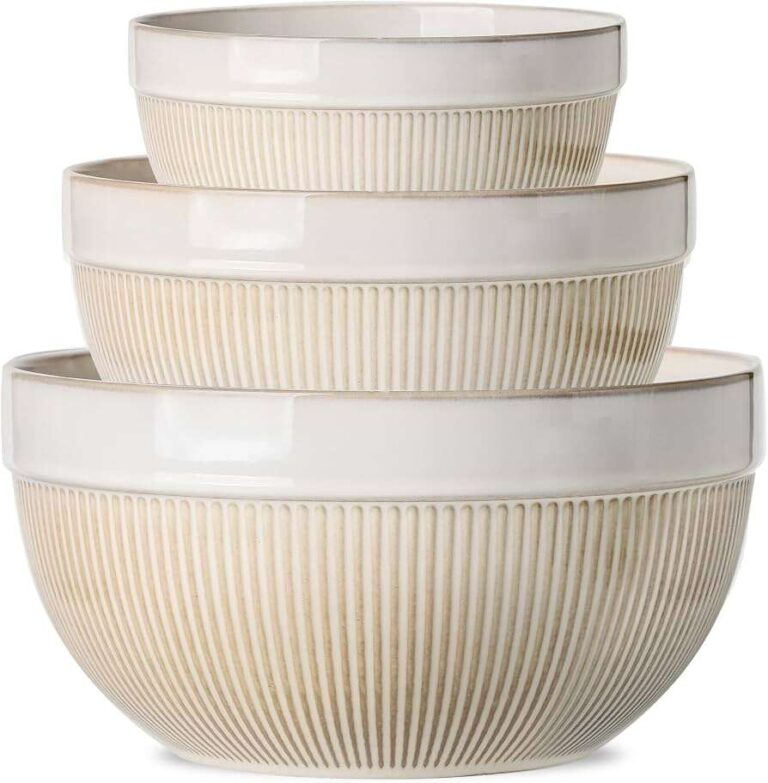
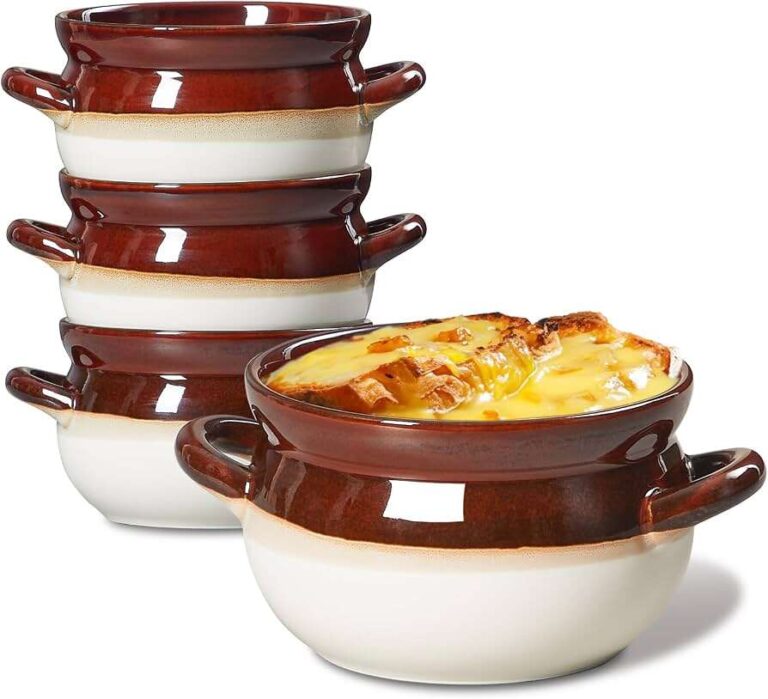
Ceramic bowls
Oven-safe ceramic bowls are often suitable for air fryers. They can handle high heat well when they are made for oven use and are free from damage.
Still, ceramic heats slowly and can break if exposed to a sudden temperature shift. Do not place a cold ceramic bowl into a fully heated air fryer unless the manufacturer allows it.
Avoid ceramic bowls with metallic paint, gold rims, silver trim, or decorative foil. Metal details can spark in a microwave and may also discolor or become dangerously hot in an air fryer.
Plastic bowls
Most plastic bowls should stay out of air fryers, even when they are microwave-safe. Many plastics soften, warp, or melt at air fryer temperatures.
A microwave-safe plastic bowl may be designed for short heating periods and moist food. An air fryer exposes it to dry heat that can be much hotter. Unless the bowl clearly states that it is oven-safe at the cooking temperature, do not use it.
Plastic lids are even less likely to be air-fryer safe. Remove them unless the manufacturer specifically approves them for high heat.
Silicone bowls
Food-grade silicone bowls can be air-fryer safe when the product carries a suitable temperature rating. Many silicone products tolerate temperatures around 400°F or higher, but limits vary.
Keep silicone away from the heating element. Do not let it touch the top coil or block air vents. Soft silicone can also move during cooking, so use a stable model that fits the basket well.
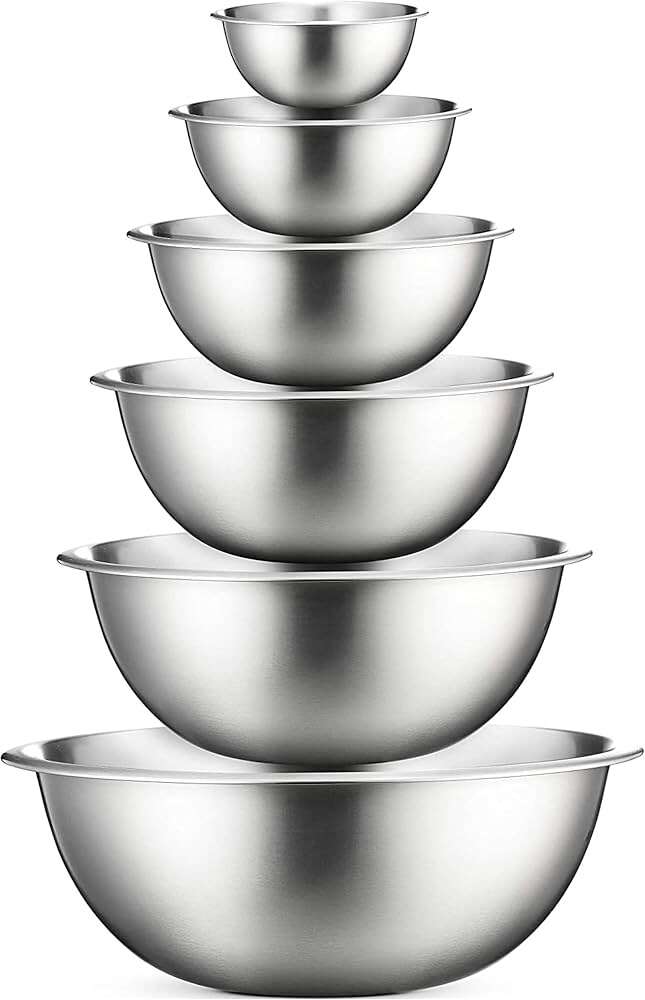
Stainless steel and other metal bowls
Metal bowls can often handle air fryer heat, but they are not microwave-safe. Stainless steel, aluminum, and other metals can reflect microwave energy and cause arcing.
In an air fryer, metal may be useful for small baking pans or bowls that fit properly. However, it can reduce airflow and change cooking time. Always follow the air fryer and cookware instructions.

How to Check if a Bowl Is Air-Fryer Safe
When people ask, “are microwave safe bowls air fryer safe,” I recommend a label-first check rather than a guess. A bowl that looks strong may still have a low heat limit.
Use this process before cooking:
-
Check the bottom of the bowl for an oven-safe symbol or temperature rating.
-
Read the product packaging or online care instructions.
-
Identify the material. Plastic needs the most caution.
-
Look for cracks, chips, scratches, or loose handles.
-
Confirm that the bowl fits without touching the heating element.
-
Make sure hot air can still move around the bowl.
-
Start with the lowest practical cooking temperature.
-
Stop cooking if you notice smoke, a sharp odor, warping, or unusual cracking sounds.
If you cannot find reliable instructions, choose a known oven-safe dish instead. Guessing is not worth ruining the bowl or damaging the appliance.
How Bowl Size and Shape Affect Air Fryer Cooking
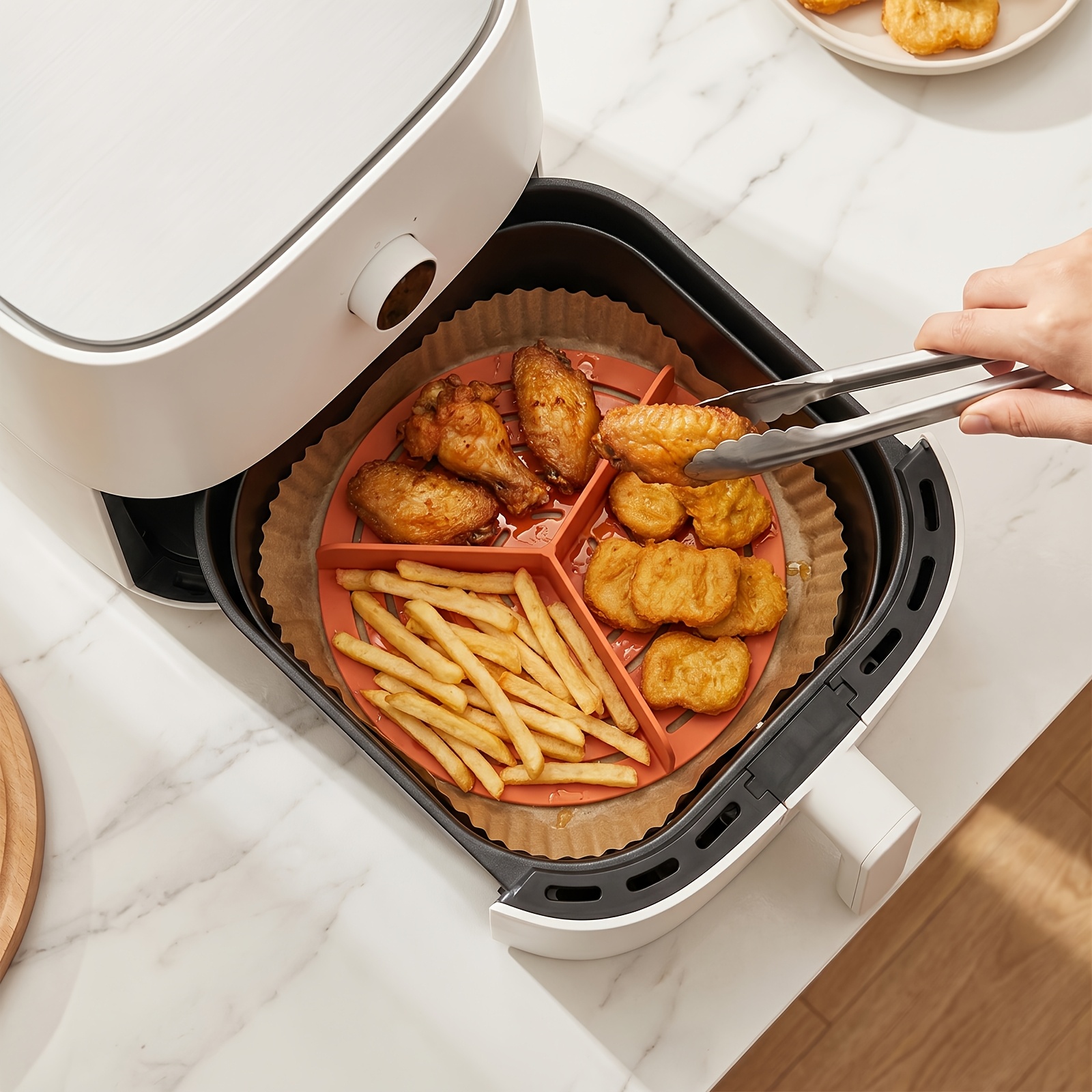
A safe bowl can still cause problems if it is too large. Air fryers need open space for hot air to move around the food. A deep or wide bowl may block circulation and leave the food pale, soft, or unevenly cooked.
Choose a bowl that leaves space between its sides and the air fryer basket. Keep the top below the heating element. Never force a bowl into the drawer.
A shallow oven-safe dish often works better than a deep bowl. It allows more hot air to reach the food and helps moisture escape. This is especially useful for roasted vegetables, baked eggs, and small casseroles.
Remember these practical points:
• Do not cover the entire basket with a solid dish unless the appliance guide permits it.
• Leave room around the bowl for airflow.
• Do not fill the bowl to the rim.
• Keep food and cookware away from the upper heating coil.
• Expect longer cooking times when using a deep dish.
The air fryer is not only a heat source. It is also an airflow system. Blocking that airflow changes how the appliance works.
Common Mistakes to Avoid
One common mistake is treating the words “microwave safe” and “oven safe” as if they mean the same thing. They do not. This is the main reason people search “are microwave safe bowls air fryer safe” after a bowl cracks or melts.
Another mistake is using a bowl straight from the refrigerator. A cold bowl can break when exposed to intense heat. Let heat-sensitive cookware warm gradually, and follow the product instructions.
Avoid these errors:
• Using plastic because it survived in the microwave
• Putting a bowl with a plastic lid in the air fryer
• Using chipped ceramic or cracked glass
• Placing foil or metal where it may touch the heating element
• Overfilling the bowl
• Covering vents or blocking the basket
• Assuming a “heat-resistant” claim means oven-safe
• Moving hot glass onto a cold, wet counter
A useful kitchen lesson is to treat cookware labels like road signs. If the sign does not say you can go there, do not assume the route is safe.
Safe Alternatives to Microwave-Safe Bowls
If your current bowl lacks an oven-safe label, you have several better options. Use cookware made for dry heat and sized for your air fryer.
Good choices may include:
• A small oven-safe glass baking dish
• A heat-rated ceramic ramekin
• A stainless steel air fryer pan
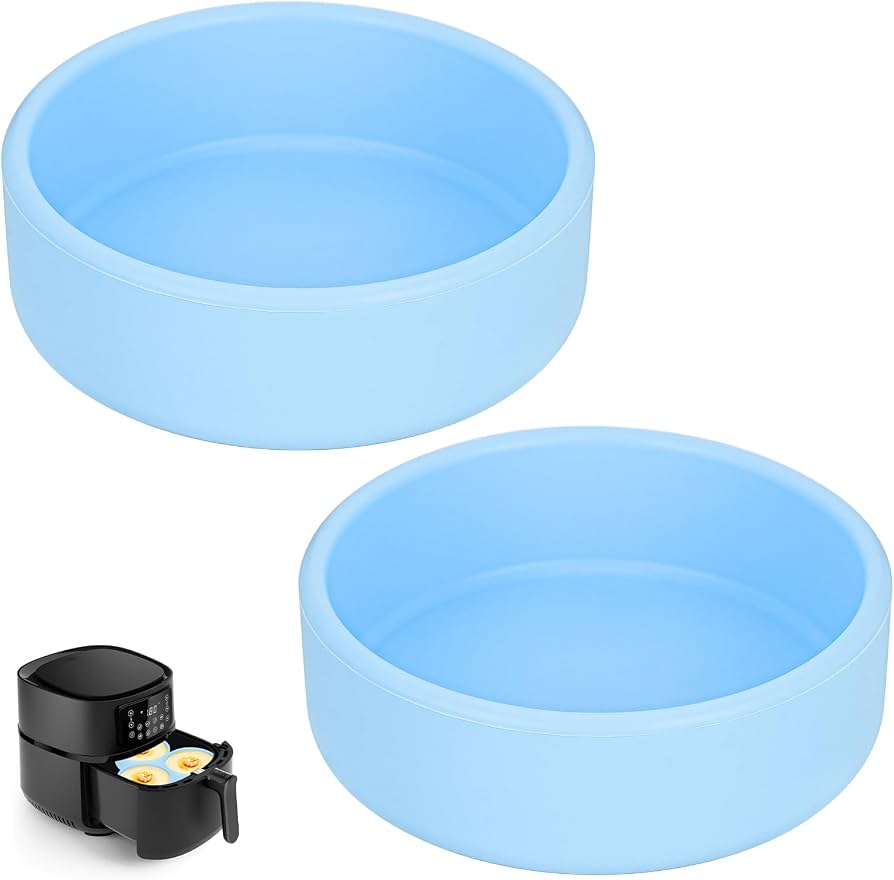
• An air-fryer-safe silicone mold
• A small cast-iron pan that fits the basket
• A manufacturer-approved baking accessory
Check the temperature rating before buying. A product described as “air fryer safe” should also list its maximum temperature and care instructions.
It is also wise to check the air fryer manual. Some models permit metal accessories, while others warn against certain materials or shapes. The appliance guide and the cookware guide should agree.

Can You Put a Bowl in an Air Fryer Without Food?
It is usually better to place food in the bowl before cooking. An empty bowl can heat quickly and may become hotter than expected, especially near the heating element.
A small amount of food helps absorb and spread heat. However, do not use this as a reason to test an unapproved bowl. The material must still be rated for the air fryer’s temperature.
Do not preheat an empty glass or ceramic bowl unless the manufacturer specifically allows it. Preheating can increase the chance of thermal shock.
Practical Examples
Suppose you have a plastic bowl marked “microwave-safe.” It may be fine for reheating soup, but it should not go into a 400°F air fryer. The dry heat could soften the bowl, create an odor, or cause it to lose its shape.
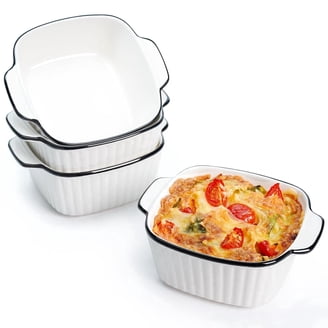
Now consider a ceramic ramekin marked “oven-safe up to 450°F.” That is a stronger choice for baked dips, eggs, or a small dessert. You should still inspect it for cracks and leave enough space for airflow.
A glass storage bowl marked only “microwave-safe” falls into the uncertain group. Even if it looks sturdy, use a verified oven-safe dish instead. When asking, “are microwave safe bowls air fryer safe,” an unclear label should be treated as a no.
Frequently Asked Questions
Are microwave safe bowls air fryer safe by default?
No. Microwave safety and air fryer safety involve different types of heat, so one label does not replace the other. Use the bowl only if it is also labeled oven-safe or air-fryer safe.
Can I put a microwave-safe plastic bowl in an air fryer?
Usually, you should not. Most microwave-safe plastics can melt or warp under the dry heat of an air fryer unless the manufacturer gives a specific oven-safe temperature rating.
Can glass bowls go in an air fryer?
Some can, but the glass must be labeled oven-safe and free from cracks or chips. Avoid sudden temperature changes, and never assume that every glass storage bowl can handle air fryer heat.
Are ceramic bowls safe for air fryers?
Oven-safe ceramic bowls are often suitable for air fryers when used within their temperature limit. Avoid damaged ceramic and bowls with metallic decorations.
Can I use a stainless steel bowl in an air fryer?
A stainless steel bowl may be safe in an air fryer if it fits and does not block airflow or touch the heating element. It must never be used in a microwave.
What should I do if my bowl has no safety label?
Do not use it in the air fryer if you cannot confirm its heat rating. Choose a clearly labeled oven-safe glass, ceramic, silicone, or metal dish instead.
Can a bowl crack in an air fryer?
Yes. Glass and ceramic can crack from high heat, damage, or sudden temperature changes. Let cookware warm gradually and follow the manufacturer’s instructions.
Conclusion
Microwave-safe bowls are not automatically air-fryer safe. The bowl must be made from a heat-resistant material, carry an oven-safe temperature rating, and fit without blocking airflow or touching the heating element.
Plastic bowls are usually unsuitable, while approved glass, ceramic, silicone, and metal cookware may work when used correctly. Check the label, inspect the bowl, avoid thermal shock, and follow both the cookware and air fryer manuals.
When in doubt, choose a dish clearly marked for oven or air fryer use. That small step helps protect your food, your cookware, and your appliance. Share your favorite air-fryer-safe bowl or explore more cookware safety guides before your next recipe.

Liora Pennings is a seasoned chef and kitchen enthusiast with a passion for turning everyday cooking into an effortless experience. With years of hands-on culinary expertise, she specializes in practical techniques, ingredient know-how, and smart kitchen solutions that help home cooks elevate their meals. At KitchFlair.com, Liora shares her best tips, time-saving tricks, and honest product reviews to guide readers toward a more efficient, enjoyable, and inspired cooking routine. Whether you’re a beginner or a seasoned home chef, Liora’s friendly, knowledge-packed insights make every visit to the kitchen a little easier—and a lot more delicious.