What Is A Peeling Knife Called: Kitchen Knife Guide
A peeling knife is usually called a paring knife, although a vegetable peeler is another peeling tool.
If you have searched for what is a peeling knife called, you are not alone. Knife names can vary by country, kitchen tradition, and product label. In most American kitchens, the small knife used to peel, trim, and shape fruits or vegetables is called a paring knife. This guide explains the difference between a paring knife and a vegetable peeler, how each tool works, and which one to choose.
What Is a Peeling Knife Called?
The usual name for a peeling knife is a paring knife. A paring knife is a small kitchen knife with a sharp blade, often between 2.5 and 4 inches long. It is made for detailed tasks that need control rather than force.
A paring knife can peel apples, potatoes, carrots, and other produce. It can also remove stems, trim small vegetables, cut garnishes, and shape food. Its compact size lets your hand work close to the food.
The phrase “peeling knife” is common in everyday speech, but it is not always the official name of a specific knife style. Some stores use the term for a paring knife. Others use it for a small curved peeling knife or a vegetable peeler.
In short, what is a peeling knife called? In most cases, it is called a paring knife.

Paring Knife vs. Vegetable Peeler
A paring knife and a vegetable peeler can both remove skin, but they work in different ways. A paring knife uses a sharp blade, while a vegetable peeler uses a fixed cutting slot.
A vegetable peeler often removes a thin, even strip of skin with each stroke. A paring knife gives you more control over the depth and shape of the cut. This makes it useful for irregular produce or detailed food preparation.
Here is a simple comparison:
| Feature | Paring knife | Vegetable peeler |
|---|---|---|
| Main use | Peeling, trimming, slicing, and shaping | Fast, even peeling |
| Cutting method | Exposed knife blade | Built-in peeling blade |
| Best for | Small produce and detailed work | Potatoes, carrots, apples, and cucumbers |
| Control | High | Moderate |
| Learning curve | Requires practice | Easy for most users |
| Extra uses | Many | Limited |
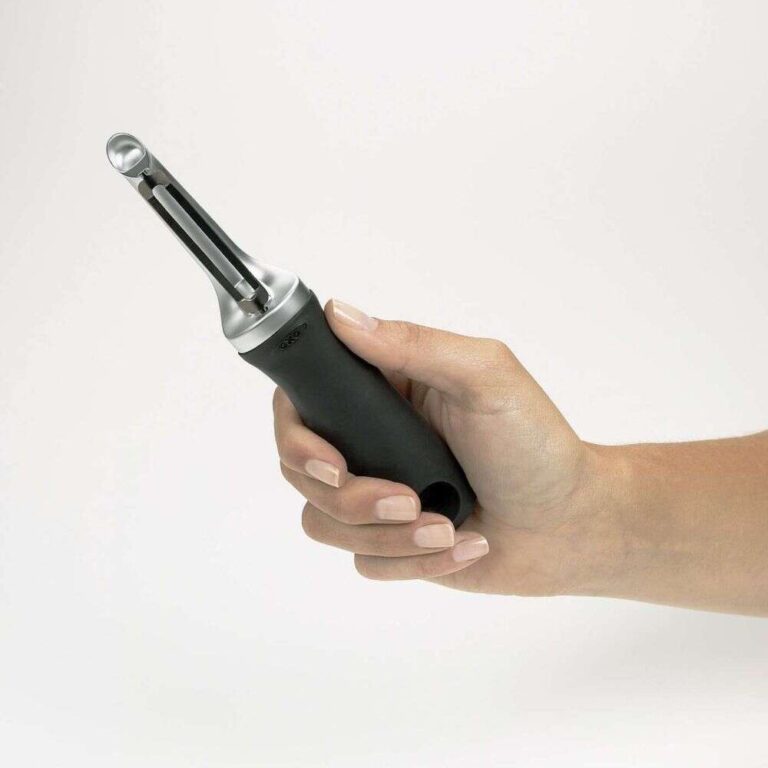
When someone asks what is a peeling knife called, they may mean either tool. The best answer depends on how the tool looks. A small knife with a pointed blade is usually a paring knife. A handle with a narrow metal slot is usually a vegetable peeler.
What Is a Paring Knife?
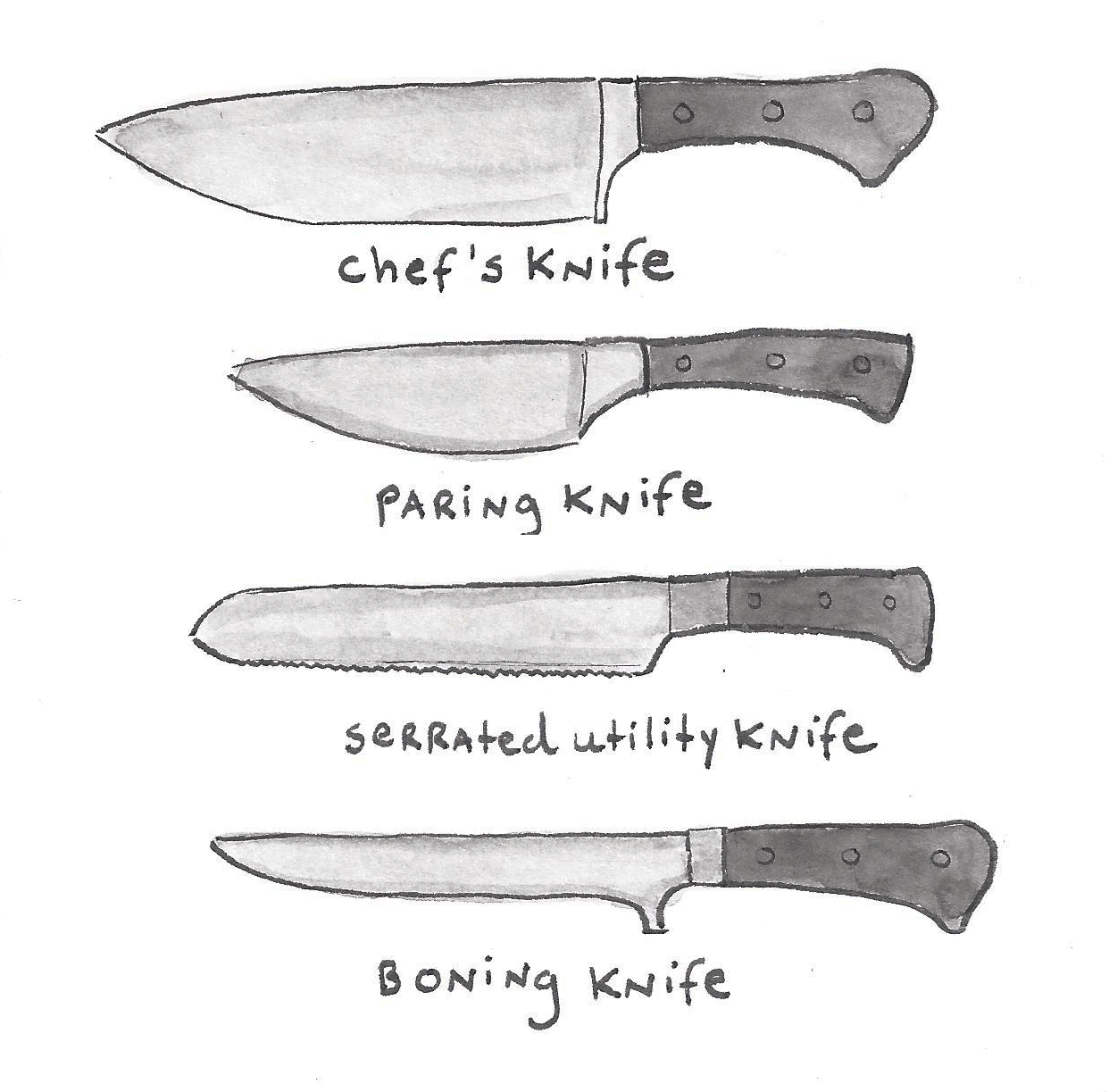
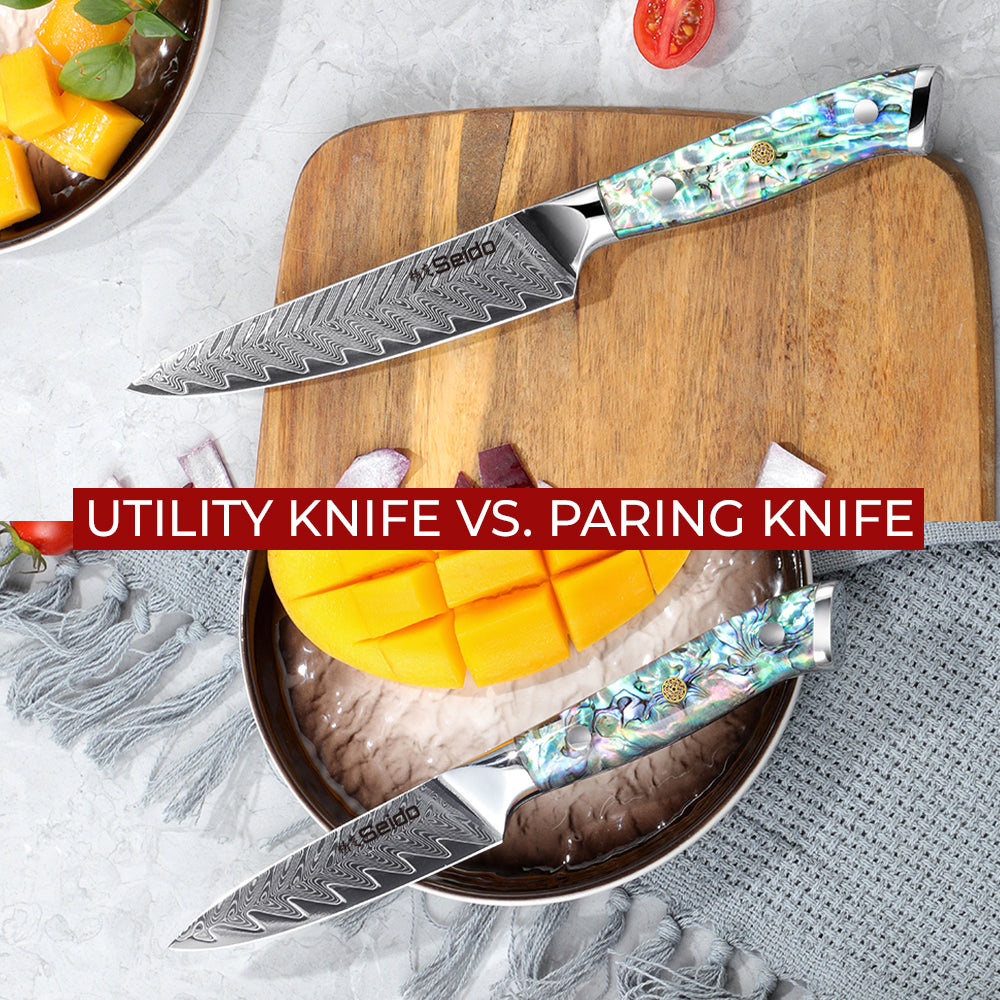
A paring knife is a small utility knife designed for precise kitchen work. Its blade is shorter than a chef’s knife, which makes it easier to control in your hand.
Most paring knives have a straight blade. Some have a slightly curved blade that follows the shape of round fruits and vegetables. The blade may have a pointed tip, a rounded tip, or a sheep-foot shape.
Common paring knife styles include:
• Spear-point paring knife: This style has a sharp point and works well for cutting, trimming, and removing cores.
• Sheep-foot paring knife: Its rounded end offers control and can be useful for slicing small foods.
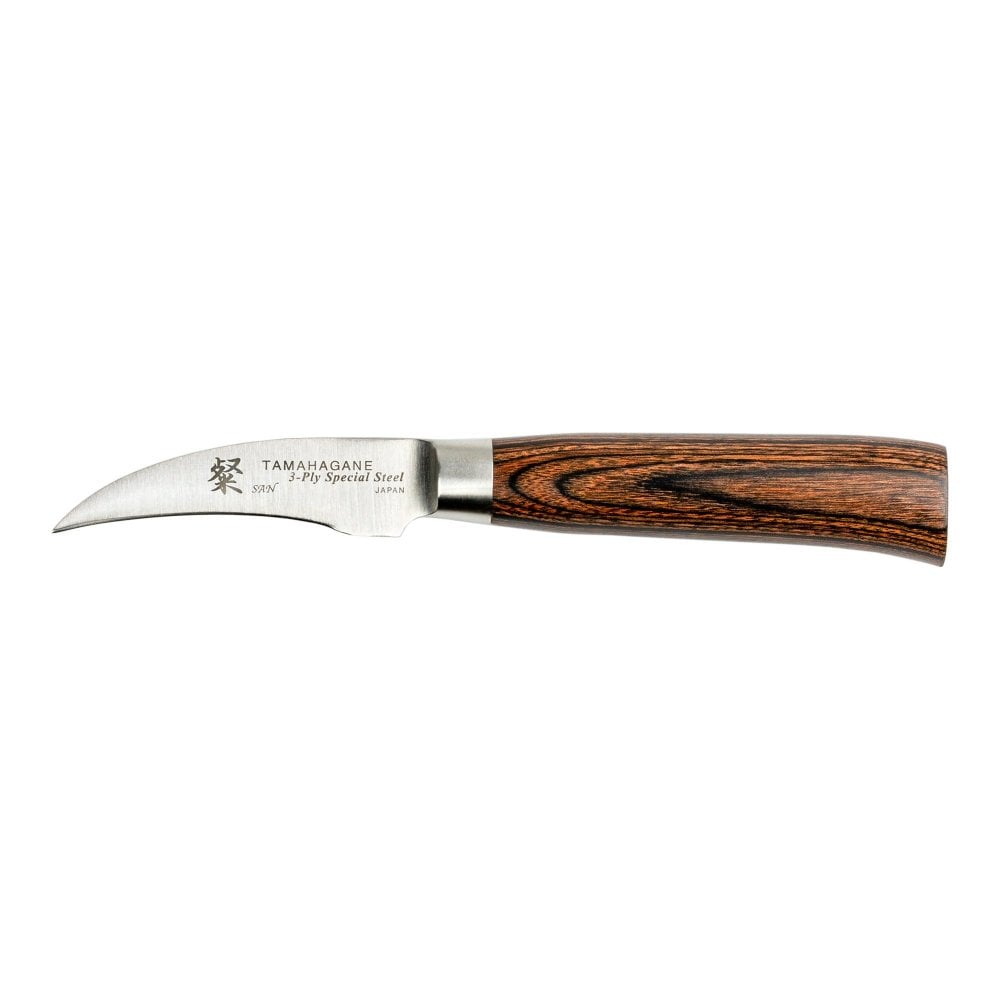
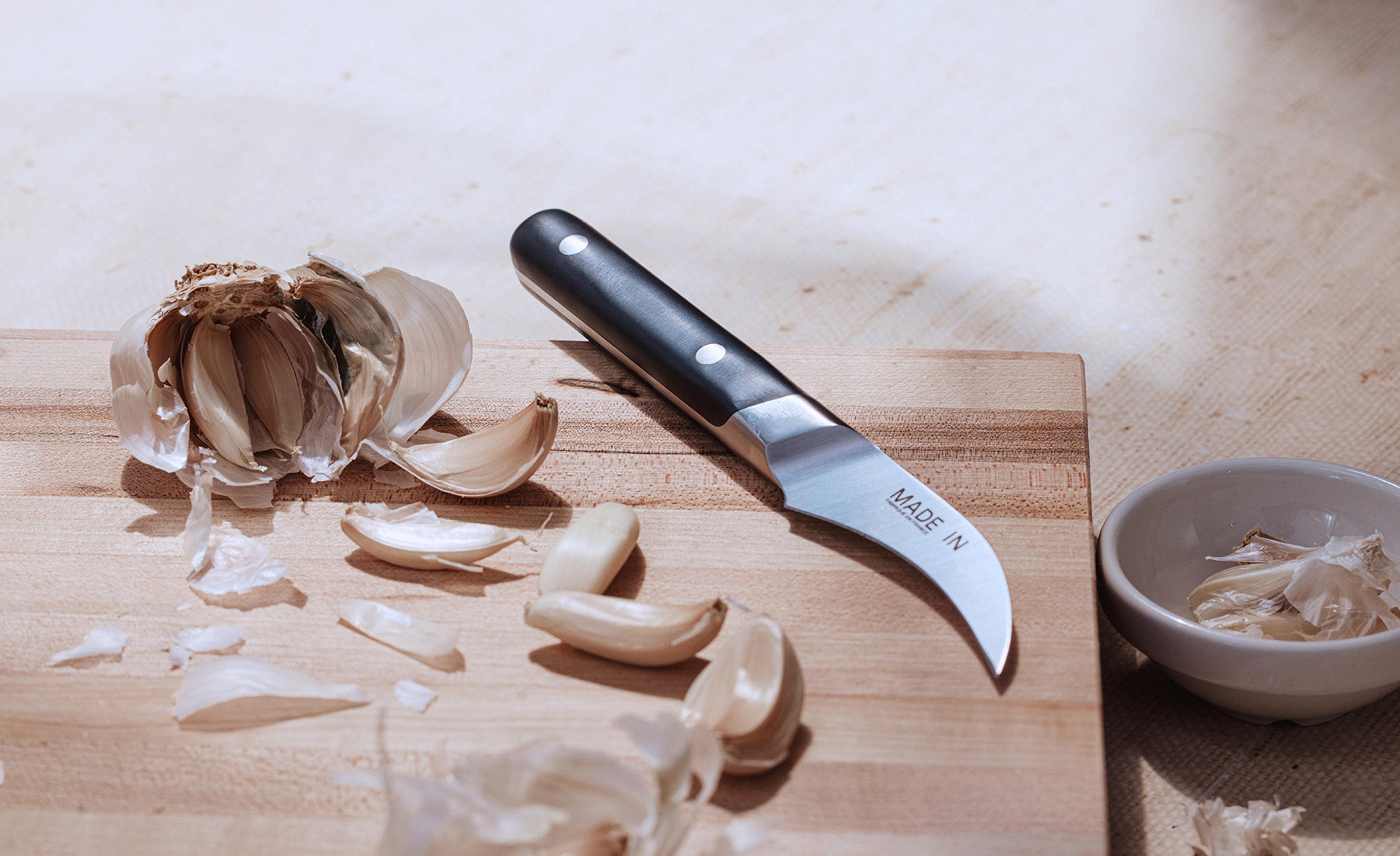
• Bird’s-beak paring knife: This knife has a short, curved blade that is popular for turning vegetables and making decorative cuts.
• Serrated paring knife: Small teeth help cut soft foods with firm skins, such as tomatoes or citrus fruit.
A paring knife is not meant to replace a chef’s knife for large food items. It is more like a pencil than a paint roller. It handles small, careful movements with accuracy.

Why Is It Called a Paring Knife?
The word “paring” comes from the act of trimming away the outer layer of food. In cooking, paring often means removing skin, blemishes, stems, roots, or unwanted parts.
This is why a paring knife is often described as a peeling knife. Peeling is one of its most common jobs, but it is not its only job.
The name also reflects the knife’s size. A large blade can remove too much food or feel awkward when you work around a small apple or potato. A paring knife lets you make short, careful cuts.
In professional kitchens, cooks use paring knives for tasks such as:
• Removing the eyes from potatoes
• Trimming green beans
• Cutting strawberries
• Peeling shallots and garlic
• Removing citrus zest or pith
• Shaping vegetables for presentation
• Cutting small garnishes
The answer to what is a peeling knife called is therefore linked to the knife’s broader purpose. It is called a paring knife because it trims and prepares food, not only because it peels.
Types of Knives Used for Peeling
Not every peeling tool has the same design. Choosing the right one depends on the food, the amount of peeling, and your comfort level.
Straight Paring Knife
A straight paring knife is the most common choice. Its simple blade works well for apples, potatoes, pears, and small vegetables.
It is also a good starter knife because it can handle many tasks. Keep the blade sharp, and use light pressure.
Bird’s-Beak Knife
A bird’s-beak knife has a short, curved blade. The curve follows rounded produce and helps remove thin strips of skin.
This knife is popular for decorative vegetable work. It can take time to learn, but it offers excellent control once you become familiar with it.
Vegetable Peeler
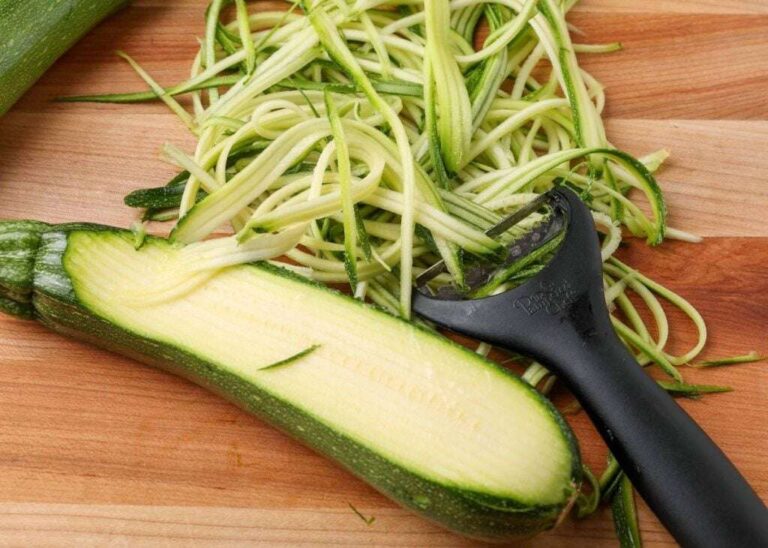
A vegetable peeler is often the fastest tool for peeling large amounts of produce. It removes a narrow strip of skin with little waste.
There are two common designs:
• Y-shaped peeler: The blade runs across the top of the handle, like the letter Y.
• Swivel peeler: The blade moves from side to side as you peel.
Serrated Paring Knife
A serrated paring knife can grip slippery or soft skins. It may work well on tomatoes, peaches, and citrus fruit.
It is less suitable for smooth peeling because the teeth can remove a rougher layer. Its main strength is cutting through delicate foods without crushing them.

How to Use a Paring Knife for Peeling
Safe technique matters more than speed. A sharp knife is often safer than a dull one because it needs less force and is less likely to slip.
Follow these steps:
-
Wash and dry the produce.
-
Hold the food firmly in your non-cutting hand.
-
Keep your fingers curled away from the blade.
-
Place the knife near the top of the food.
-
Cut away from your fingers using short strokes.
-
Turn the food slowly as you peel.
-
Remove only the outer skin when possible.
For small items, you can hold the food in one hand and the knife in the other. For larger items, place the food on a stable cutting board. Never hold a round potato or apple on a slippery surface while applying heavy pressure.
A practical lesson from kitchen work is that most peeling mistakes come from using too much force. Let the edge do the work. If the blade drags, sharpen it or replace the tool.
When Should You Use a Vegetable Peeler?
A vegetable peeler is a strong choice when you need speed and consistency. It can quickly peel several potatoes, carrots, or cucumbers without removing much of the flesh.
Use a vegetable peeler when:
• You are preparing a large amount of produce.
• The food has a smooth, firm shape.
• You want thin, even strips.
• You are new to kitchen knife work.
• You want to reduce hand fatigue.
A peeler may struggle with produce that has deep eyes, bumps, or unusual curves. In those cases, a paring knife gives you better control.
For example, a peeler can remove the skin from a straight carrot in seconds. A paring knife is better for cutting around the carrot’s rough ends or removing small damaged areas.

When Should You Use a Paring Knife?
A paring knife is best when the job requires precision. It can follow curves, remove small blemishes, and perform several tasks beyond peeling.
Choose a paring knife when:
• The food has an uneven shape.
• You need to remove only a small section of skin.
• You are trimming stems or roots.
• You need to cut small pieces.
• You are making a garnish.
• You want to remove cores or seeds.
A paring knife also helps reduce food waste. You can cut close to the skin and remove only what you need. This matters when working with expensive produce or foods with a thin edible layer beneath the skin.
Still, a paring knife takes more practice than a peeler. Beginners should start slowly and focus on control. Fast peeling is not the goal; safe and clean peeling is.
How to Choose the Best Peeling Knife
When choosing what many people call a peeling knife, look beyond the name on the package. Examine the blade, handle, balance, and care needs.
Blade Length
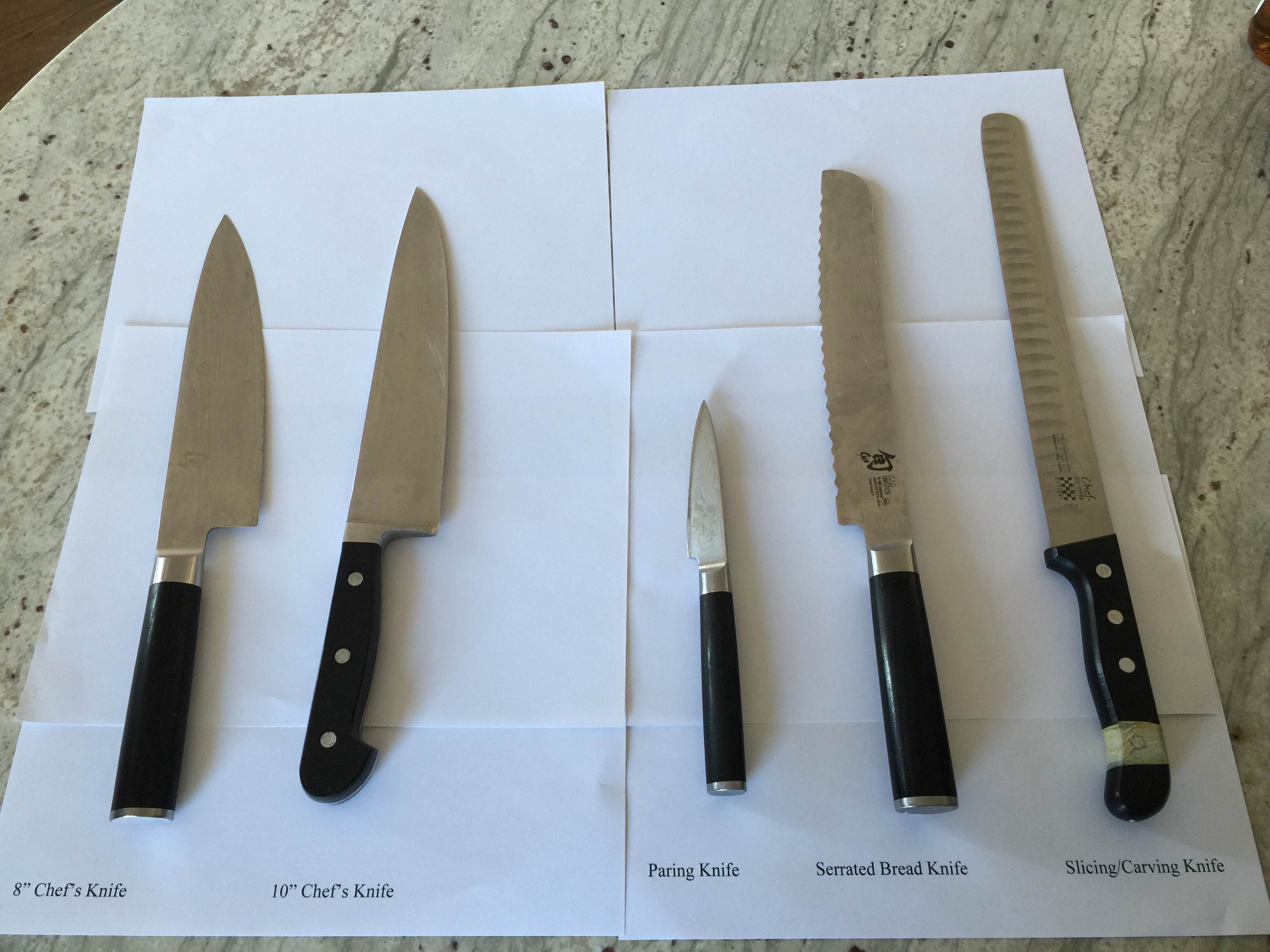
A blade between 3 and 4 inches works well for most home cooks. A shorter blade offers close control. A longer blade can cover more surface but may feel less precise.
Blade Shape
A straight blade is versatile. A curved blade can make peeling round produce easier. A serrated edge may help with soft skins but is harder to sharpen.
Handle Comfort
The handle should feel secure and comfortable. Avoid a handle that feels slippery when wet. A balanced knife should not feel as if the blade is pulling your hand forward.
Material
Stainless steel is common because it resists rust and is easy to maintain. High-carbon steel can hold a sharp edge well, but it may stain or need more care.
Safety Features
Look for a solid handle and a secure connection between the blade and handle. A small finger guard can add comfort, but proper grip and careful movement are still essential.
No single knife is perfect for everyone. Your best choice depends on your hand size, cooking habits, and the foods you prepare most often.
Common Mistakes to Avoid
A peeling knife is small, but it still needs careful handling. Many accidents happen because users treat it like a harmless tool.
Avoid these common mistakes:
• Using a dull blade: A dull knife can slip because you must push harder.
• Peeling toward your hand: Move the blade away from your fingers whenever possible.
• Holding food in midair: Use a cutting board for large, firm items.
• Leaving the knife in a sink: Someone may reach into the water and get cut.
• Using the wrong knife: A large chef’s knife can feel awkward for fine peeling work.
• Cutting too deeply: Remove the skin, not a thick layer of the food.
• Ignoring the handle: Oil, water, and food residue can reduce your grip.
After use, wash the knife according to the manufacturer’s instructions and dry it fully. Do not place a sharp knife loose in a drawer. Use a knife block, blade guard, or other safe storage method.
How to Maintain a Paring Knife
Good care keeps a paring knife sharp and safe. Hand washing is often better than placing a small knife in a dishwasher, where heat, detergent, and movement may damage the edge or handle.
Use these care tips:
• Wash the knife soon after use.
• Dry the blade before storing it.
• Use a cutting board made from wood or soft plastic.
• Avoid glass, stone, and ceramic boards because they can dull the edge.
• Hone the edge when needed.
• Have the knife professionally sharpened if the edge becomes damaged.
A knife should cut cleanly through food without crushing or tearing it. If you need strong pressure, stop and check the edge. Continuing to use a dull blade can lead to poor cuts and hand strain.
What Is a Peeling Knife Called in Different Places?
Names can change across regions and product categories. In the United States, “paring knife” is the most common culinary term for a small peeling knife.
In some countries, people may call it a peeling knife, fruit knife, vegetable knife, or kitchen utility knife. A “peeler” usually means a separate tool with a fixed blade, but store listings are not always consistent.
You may also see terms such as:
• Potato knife
• Fruit knife
• Vegetable paring knife
• Peeling blade
• Small kitchen knife
These names can describe similar tools, but they do not always identify the same design. Check the image and blade shape before buying. A product labeled “peeling knife” may be a true paring knife, a curved knife, or a handheld vegetable peeler.
Frequently Asked Questions About What Is a Peeling Knife Called
What is a peeling knife called in the United States?
A peeling knife is usually called a paring knife in the United States. If it has a separate slot-style blade, it is more likely called a vegetable peeler.
Is a paring knife the same as a peeling knife?
A paring knife can be used as a peeling knife, but the terms are not always exact synonyms. “Peeling knife” describes a use, while “paring knife” identifies a common knife type.
Is a vegetable peeler better than a paring knife?
A vegetable peeler is often faster and removes thin, even strips. A paring knife is more flexible and works better for trimming, shaping, and peeling irregular produce.
What size is a good peeling knife?
A paring knife with a 3 to 4-inch blade is a practical choice for most home kitchens. It offers a useful balance of control, reach, and comfort.
Can you peel potatoes with a paring knife?
Yes, you can peel potatoes with a paring knife. Use short strokes, keep your fingers away from the blade, and remove only a thin layer of skin.
Is a serrated knife good for peeling?
A small serrated knife can work well on soft or slippery produce, such as tomatoes. For smooth peeling, a straight paring knife or vegetable peeler is usually easier.
How do you keep a peeling knife safe?
Keep the knife sharp, use a stable cutting board, cut away from your fingers, and store it in a block or protective cover. Never leave it loose in a sink or drawer.
Conclusion
The answer to what is a peeling knife called is simple: it is usually called a paring knife. A paring knife is a small, precise tool used for peeling, trimming, coring, and shaping food. A vegetable peeler is a different tool that removes skin quickly and evenly.
Choose a paring knife for control and detail. Choose a vegetable peeler for speed and consistent strips. With the right tool, a steady grip, and a sharp edge, peeling becomes easier, safer, and less wasteful. Try both tools in your kitchen, compare the results, and share your favorite peeling method with other home cooks.

Liora Pennings is a seasoned chef and kitchen enthusiast with a passion for turning everyday cooking into an effortless experience. With years of hands-on culinary expertise, she specializes in practical techniques, ingredient know-how, and smart kitchen solutions that help home cooks elevate their meals. At KitchFlair.com, Liora shares her best tips, time-saving tricks, and honest product reviews to guide readers toward a more efficient, enjoyable, and inspired cooking routine. Whether you’re a beginner or a seasoned home chef, Liora’s friendly, knowledge-packed insights make every visit to the kitchen a little easier—and a lot more delicious.