Can I Use Ceramic Bowl In Microwave: Safe Tips And Answers
Yes, you can use a ceramic bowl in the microwave if it is labeled microwave-safe and has no metal parts.
Ceramic bowls are common in kitchens, but not every ceramic bowl can handle microwave heat. The clay, glaze, paint, age, and shape all matter. This guide explains how to check a bowl, test it safely, spot warning signs, and avoid burns, cracks, or food contamination.

Can You Use a Ceramic Bowl in the Microwave?
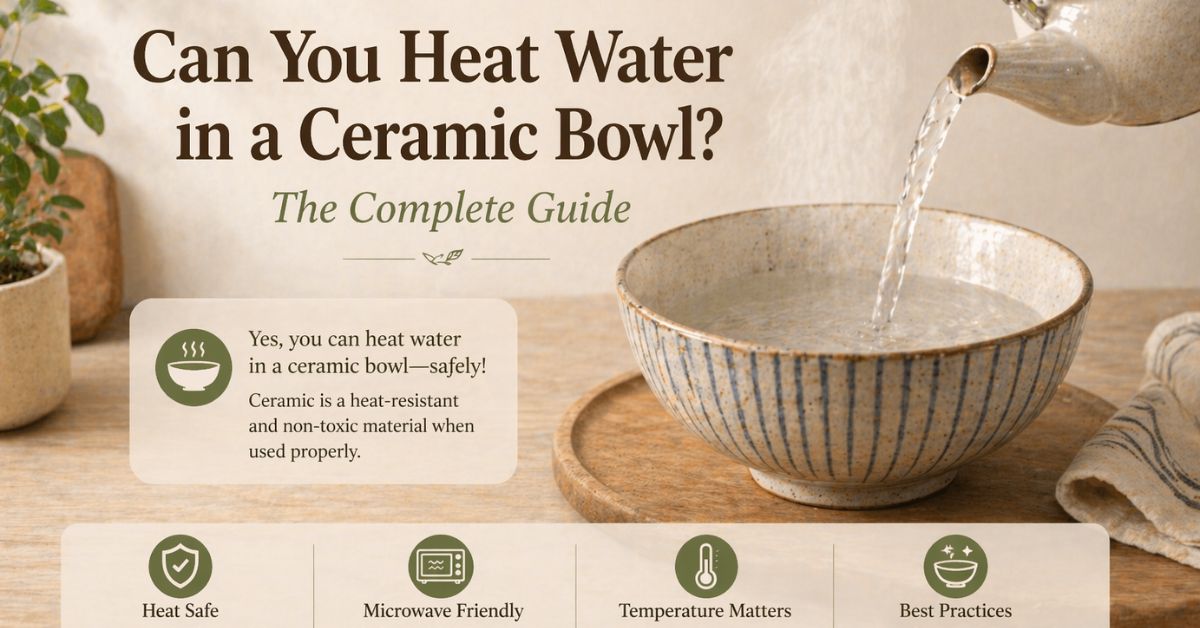
Yes, you can use a ceramic bowl in the microwave when the bowl is marked microwave-safe or has been tested carefully. Most modern ceramic dishes made for cooking and serving are designed to handle normal microwave heating.
Still, “ceramic” is a broad term. It includes stoneware, porcelain, earthenware, pottery, and decorative ceramics. These materials can behave very differently when exposed to fast heat changes.
A bowl may look sturdy but still crack in a microwave. Some ceramic pieces also contain metallic paint or glaze. Metal can spark and damage the microwave.
Before using a ceramic bowl in the microwave, check for:
• A microwave-safe label on the base or packaging
• A plain glaze without gold, silver, or metallic trim
• No visible cracks, chips, or deep scratches
• A dry, clean surface
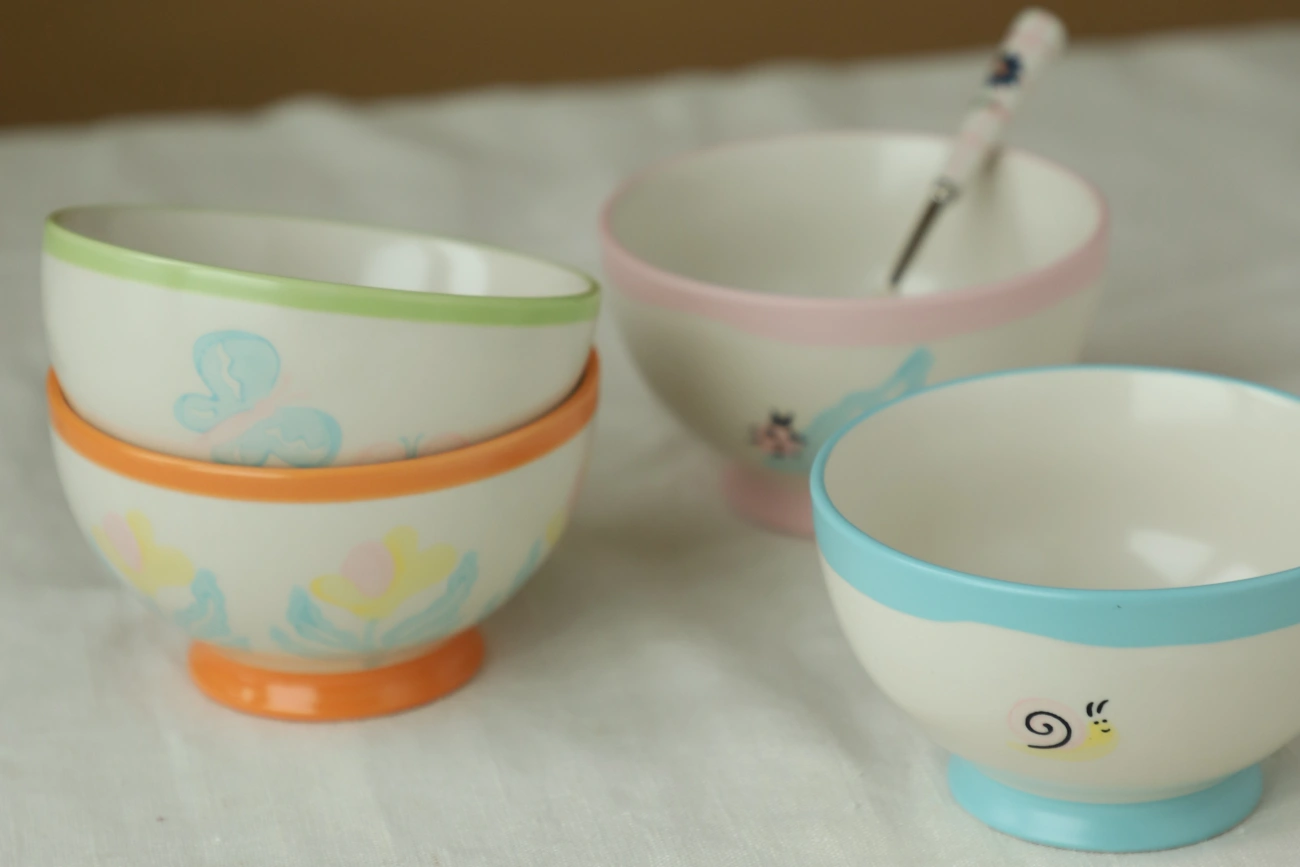
• A design made for food use rather than decoration
How to Tell If a Ceramic Bowl Is Microwave-Safe
The safest method is to look for clear labeling. Turn the bowl over and check the base for words such as “microwave-safe” or a microwave symbol.
You may also find care instructions on the original packaging. If the bowl came from a kitchenware store, its product details may explain whether it can go in a microwave, oven, or dishwasher.
Do not assume that oven-safe means microwave-safe. An oven heats food slowly through hot air. A microwave heats water molecules inside the food. These different heating methods place different stress on the bowl.
If there is no label, use a simple water test:
-
Put about one cup of water in the ceramic bowl.
-
Place the bowl in the microwave beside a microwave-safe glass measuring cup filled with water.
-
Heat both items on high for one minute.
-
Carefully touch the ceramic bowl, avoiding the water inside.
-
Compare its temperature with the glass cup.
The bowl should remain fairly cool or only slightly warm. If the empty bowl becomes very hot while the water stays hot, the bowl may absorb microwave energy. Do not use it regularly in the microwave.
This test is not perfect. It cannot guarantee that a bowl will never crack, especially if the piece is old, damaged, handmade, or exposed to repeated temperature changes. A manufacturer’s label remains the best guide.
Why Some Ceramic Bowls Get Hot in a Microwave
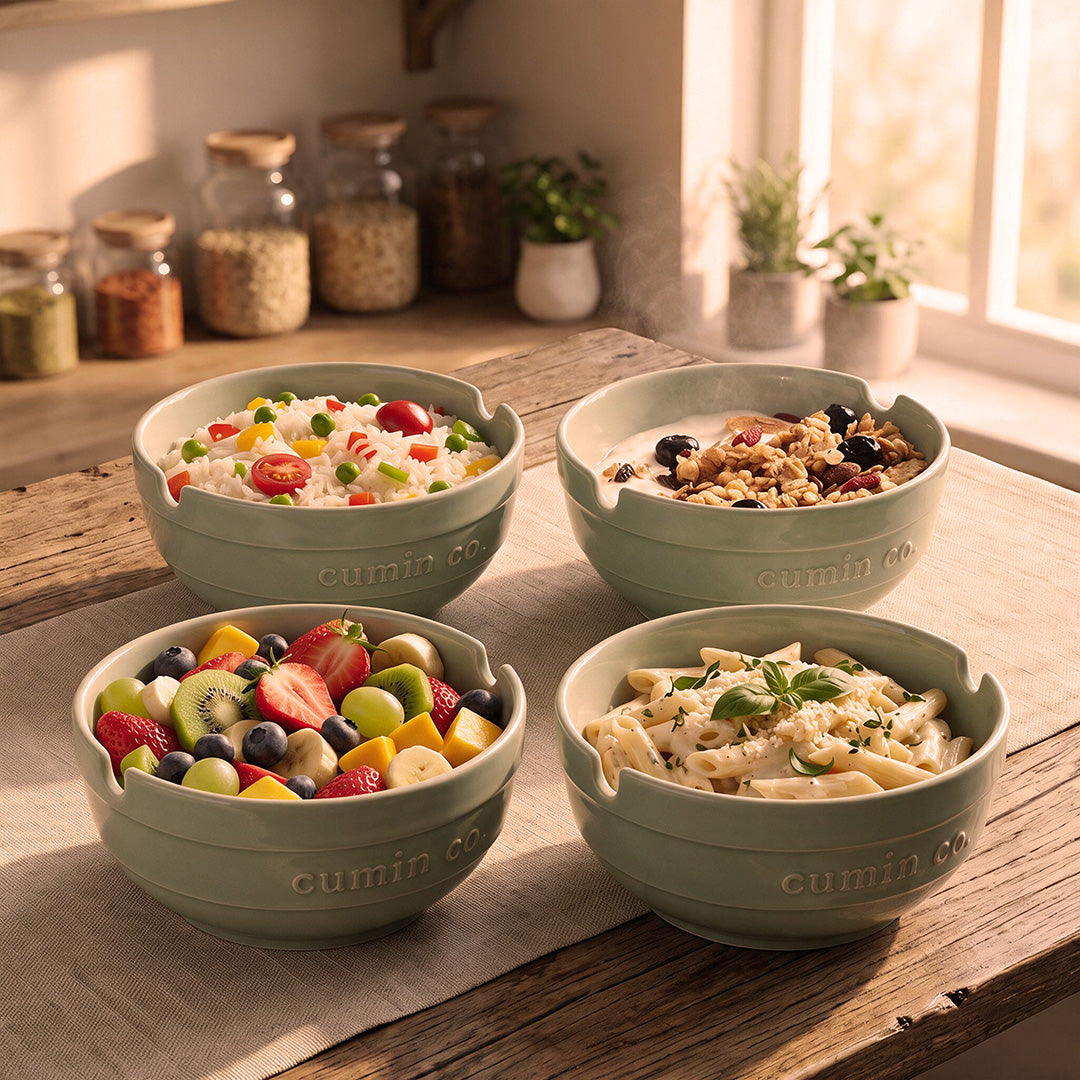
Microwaves mainly heat food by exciting water, fat, and sugar molecules. A good microwave-safe ceramic bowl allows most of this energy to pass through without becoming dangerously hot.
Some ceramics contain minerals or moisture that absorb microwave energy. Their glaze may also react to heat. As a result, the bowl can become hotter than the food.
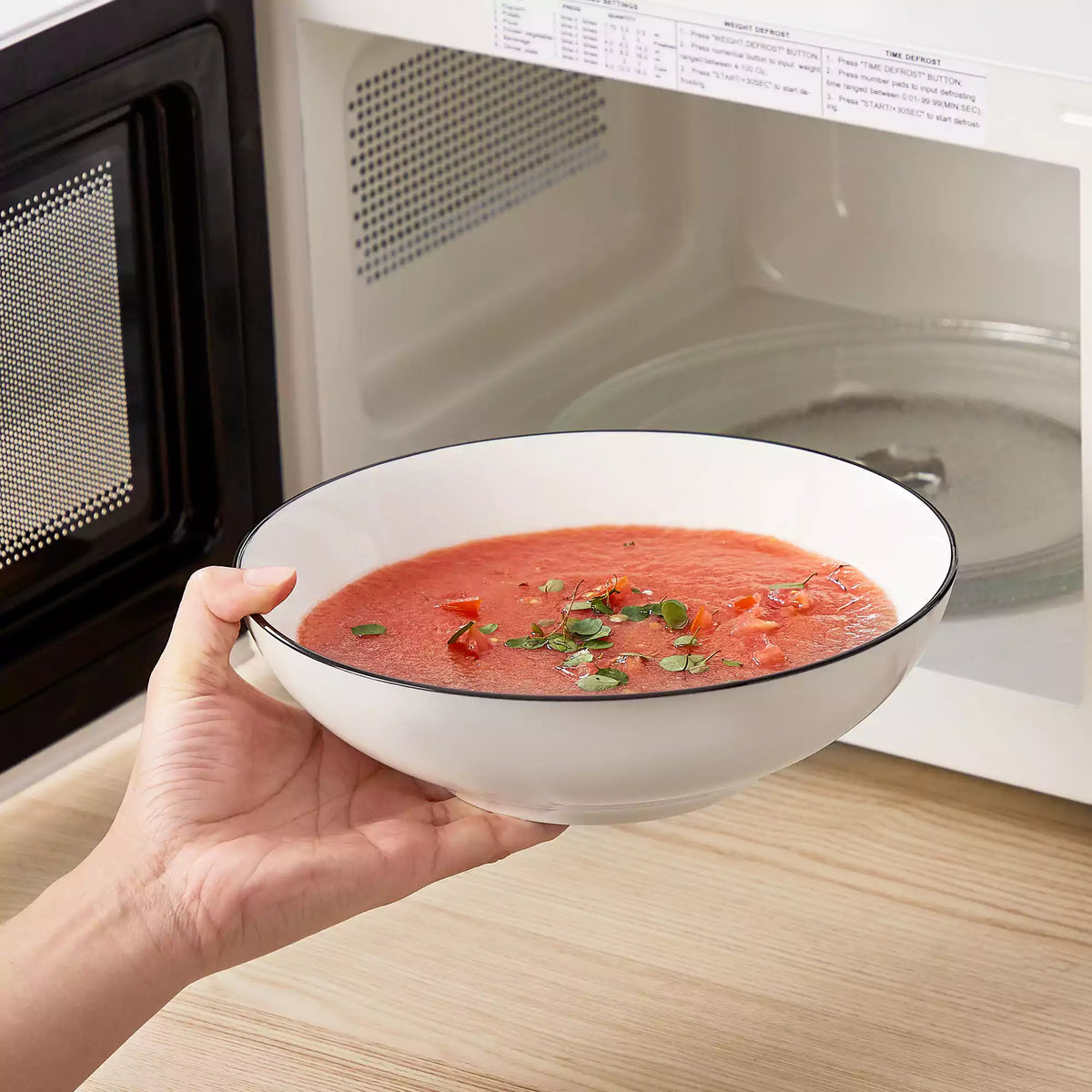
The food itself can make the bowl hot too. Soup, oatmeal, chili, and melted cheese transfer heat to the ceramic. This does not always mean the bowl is unsafe. It may simply mean the food has heated the bowl through contact.
A useful rule is this: if the bowl is hot because the food is hot, that is usually normal. If the bowl becomes very hot while holding cool or lightly warmed food, stop using it in the microwave.
Think of the bowl as a passenger on a warm bus. It should gain some heat from the food. It should not feel like it has its own heater.
Ceramic Bowls That Should Not Go in the Microwave
Some ceramic bowls carry clear risks. Avoid using a ceramic bowl in the microwave if it has any of these features:
• Gold, silver, copper, or metallic decoration
• Metallic paint or a shiny metal-looking rim
• Cracks, hairline fractures, chips, or rough damaged areas
• A handmade design with no care instructions
• A very old glaze from an unknown source
• A bowl labeled “not microwave-safe”
• A decorative piece made for display
• A bowl with a wood, cork, or metal attachment
Metal trim can cause sparks, known as arcing. Arcing may leave burn marks, damage the microwave interior, or start a fire in rare cases.
Cracks are also a concern because water can enter the ceramic body. When the bowl heats, trapped moisture may expand. That pressure can cause the bowl to split suddenly.
Vintage and imported pottery deserves extra care. Some older glazes may contain lead or other harmful substances. Microwave heat does not automatically make lead appear, but damaged or unsuitable foodware can allow unwanted substances to move into food. Use only pieces that are confirmed as food-safe and microwave-safe.
Can You Microwave Stoneware, Porcelain, and Earthenware?
Different ceramic materials have different levels of strength and heat resistance. The material name helps, but the safety label matters more.
Stoneware
Stoneware is dense and durable. Many stoneware bowls are microwave-safe and work well for soups, rice, and leftovers. However, stoneware can become very hot, so use oven mitts when removing it.
Porcelain
Porcelain is often strong and less porous than basic pottery. Many porcelain bowls are microwave-safe, but metallic patterns remain a common exception.
Earthenware
Earthenware is fired at a lower temperature and can be more porous. It may crack more easily during quick temperature changes. Only microwave earthenware that has a clear microwave-safe label.
Handmade pottery
Handmade pottery varies widely. The clay, glaze, firing temperature, and decoration all affect performance. Unless the maker confirms that the bowl is microwave-safe and food-safe, choose another dish.
When people ask, “Can I use a ceramic bowl in the microwave?” the most accurate answer depends on the specific piece, not just the word ceramic.

Safe Ways to Microwave Food in a Ceramic Bowl
Using the right bowl is only the first step. Your heating habits also matter.
Follow these simple practices:
-
Check the bowl for damage before each use.
-
Remove any metal spoon, fork, twist tie, or decorative cover.
-
Leave space at the top for food to bubble and expand.
-
Use a microwave cover or vented lid to prevent splashes.
-
Heat food in short periods, such as 30 to 60 seconds.
-
Stir food between heating periods so hot spots can spread.
-
Let the food stand for a moment before removing the bowl.
-
Use a dry oven mitt when the bowl feels hot.
-
Do not place a hot bowl on a cold, wet counter.
-
Let the bowl cool before washing it with cold water.
Avoid sudden temperature changes. Moving a hot ceramic bowl from the microwave to a cold stone counter is similar to asking a glass window to handle a sudden storm. The fast change can create stress and cause cracking.
I have seen this happen most often with thick bowls and bowls that already had tiny flaws. The bowl may look fine one day, then split when reheating leftovers. Slow heating and careful handling reduce that risk.
Common Signs a Ceramic Bowl Is Unsafe
Stop using the bowl in the microwave if you notice unusual changes. Warning signs include:
• Sparks or flashes
• A burning smell
• Black marks near the rim
• A loud popping sound
• A sudden crack
• A bowl that becomes extremely hot
• A glaze that bubbles or changes color
• Water leaking through the base
If sparking occurs, stop the microwave at once. Do not open the door until the microwave has stopped, unless there is an immediate emergency. Remove the bowl only after it has cooled enough to handle safely.
A small surface mark may not always mean the bowl is dangerous, but it is a reason to stop and inspect it. When in doubt, replace the bowl. A new microwave-safe bowl costs far less than a damaged microwave or a serious burn.
Can a Ceramic Bowl Go From the Refrigerator to the Microwave?
It depends on the bowl, but moving a very cold ceramic bowl straight into a hot microwave can cause thermal shock. Thermal shock happens when one part of the material expands faster than another part.
This risk is higher with:
• Thick ceramic bowls
• Handmade pottery
• Bowls with existing cracks
• Frozen food
• Very high microwave power
• Long heating times
For safer reheating, let the bowl sit at room temperature for a few minutes when practical. Use lower power for frozen food and heat it in short intervals.
Never microwave a bowl that has just come from the freezer unless the manufacturer clearly says it is safe for that use. Microwave-safe does not always mean freezer-safe.
Ceramic Bowl vs. Glass Bowl in a Microwave
Both ceramic and glass bowls can be safe in a microwave when properly labeled. Glass often makes it easier to see the food and check for bubbling. Ceramic can provide better insulation and may keep food warm longer.
Neither material is automatically safe. Some glass can break from heat stress, and some ceramic can absorb microwave energy or hide metallic decoration.
Choose a bowl based on its label, condition, and purpose. For repeated reheating, plain microwave-safe glass or clearly labeled ceramic is usually a practical choice.
For very hot foods, both materials may require oven mitts. The bowl can become hot even when the microwave itself is working normally.
Health and Food Safety Considerations
A ceramic bowl should be food-safe as well as microwave-safe. These terms are related, but they are not identical.
Food-safe means the material is suitable for contact with food under normal use. Microwave-safe means it can tolerate microwave heating without creating a safety problem.
Do not microwave decorative ceramics unless the maker confirms their use. Decorative paints and glazes may not be designed for food contact or high heat.
You should also avoid storing acidic foods, such as tomato sauce or citrus dishes, in damaged or unknown pottery. Acid can interact with certain glazes over time. If you are unsure about an old or imported bowl, use a modern, labeled bowl instead.
For families with children, choose bowls with smooth edges and handles that stay cool when possible. A safe bowl should reduce both chemical concerns and burn risks.
Mistakes to Avoid When Microwaving Ceramic Bowls
Small mistakes can turn a simple reheating task into a cracked bowl or burned hand.
Avoid these common errors:
• Assuming every ceramic bowl is microwave-safe
• Ignoring metallic paint or trim
• Heating an empty bowl for a long time
• Using a cracked or chipped bowl
• Placing a hot bowl on a cold surface
• Washing a hot bowl with cold water
• Covering the bowl with a sealed lid
• Touching the bowl without checking its temperature
• Heating oily or sugary foods for too long
• Leaving the microwave unattended when using an unfamiliar bowl
Sealed containers can build pressure, even when the container is ceramic. Always vent a lid or leave a small opening. Food such as oatmeal and tomato sauce can also bubble suddenly, so use short heating periods and stir carefully.
Frequently Asked Questions About Can I Use a Ceramic Bowl in the Microwave
Can I use a ceramic bowl in the microwave if it has no label?
You can perform the water test, but an absent label means there is some uncertainty. For regular use, choose a bowl clearly marked microwave-safe.
Why does my ceramic bowl get hotter than the food?
Some ceramic materials absorb microwave energy, while hot food can also transfer heat into the bowl. If the empty bowl becomes very hot during the water test, stop using it in the microwave.
Can ceramic bowls with gold rims go in the microwave?
No. Gold, silver, copper, and other metallic decorations can spark and damage the microwave. Use a plain bowl without metallic trim.
Can I put a cracked ceramic bowl in the microwave?
No. Heat can make existing cracks spread, and trapped moisture may cause the bowl to break. Replace cracked or chipped ceramic foodware.
Is microwave-safe ceramic also oven-safe?
Not always. Microwaves and conventional ovens heat materials in different ways. Check the manufacturer’s instructions before using the bowl in an oven.
Can I microwave a ceramic bowl straight from the freezer?
Only if the manufacturer says the bowl is safe for freezer-to-microwave use. Otherwise, allow it to warm gradually and avoid sudden temperature changes.
Is handmade pottery safe to microwave?
Some handmade pottery is microwave-safe, but many pieces are not tested for it. Use handmade bowls only when the maker confirms both food safety and microwave safety.
Conclusion
You can use a ceramic bowl in the microwave when it is labeled microwave-safe, free from metal, and in good condition. Material type alone is not enough, so inspect the bowl and follow the manufacturer’s care instructions.
Use short heating times, avoid thermal shock, and handle hot bowls with care. If the bowl sparks, cracks, smells strange, or becomes unusually hot, stop using it.
Choose a clearly labeled bowl for daily reheating, and share this guide with anyone who has wondered, “Can I use a ceramic bowl in the microwave?”

Liora Pennings is a seasoned chef and kitchen enthusiast with a passion for turning everyday cooking into an effortless experience. With years of hands-on culinary expertise, she specializes in practical techniques, ingredient know-how, and smart kitchen solutions that help home cooks elevate their meals. At KitchFlair.com, Liora shares her best tips, time-saving tricks, and honest product reviews to guide readers toward a more efficient, enjoyable, and inspired cooking routine. Whether you’re a beginner or a seasoned home chef, Liora’s friendly, knowledge-packed insights make every visit to the kitchen a little easier—and a lot more delicious.