Can You Heat Up A Metal Bowl In The Microwave: Safe Guide
Usually, you should not heat a metal bowl in the microwave because it may spark or damage the oven.
Knowing whether you can heat up a metal bowl in the microwave matters because the answer depends on the bowl’s shape, finish, and microwave instructions. In most homes, a glass or ceramic bowl is the safer choice, while metal should stay out unless the appliance maker clearly allows it.
Why Metal Can Be Dangerous in a Microwave
A microwave oven heats food with electromagnetic waves. These waves make water molecules move, which creates heat. Metal does not absorb microwave energy in the same way food does.
Instead, metal reflects much of the energy. Think of it as a mirror for microwave waves. This reflection can create strong electric fields around sharp edges, rims, handles, and dents.
When the electric field becomes strong enough, it may cause an electrical discharge called arcing. Arcing looks like a bright flash or a small lightning bolt. It may also sound like popping or snapping.
This is why you usually should not heat up a metal bowl in the microwave. The risks include:
• Sparks inside the oven
• Burn marks on the bowl or oven wall
• Damage to the microwave’s internal parts
• Smoke or fire in rare cases
• Uneven heating of the food
A smooth, rounded metal bowl may be less likely to spark than a bowl with sharp edges. However, lower risk does not mean no risk. The bowl can still reflect energy, block heat from reaching the food, or become dangerously hot from the food inside it.
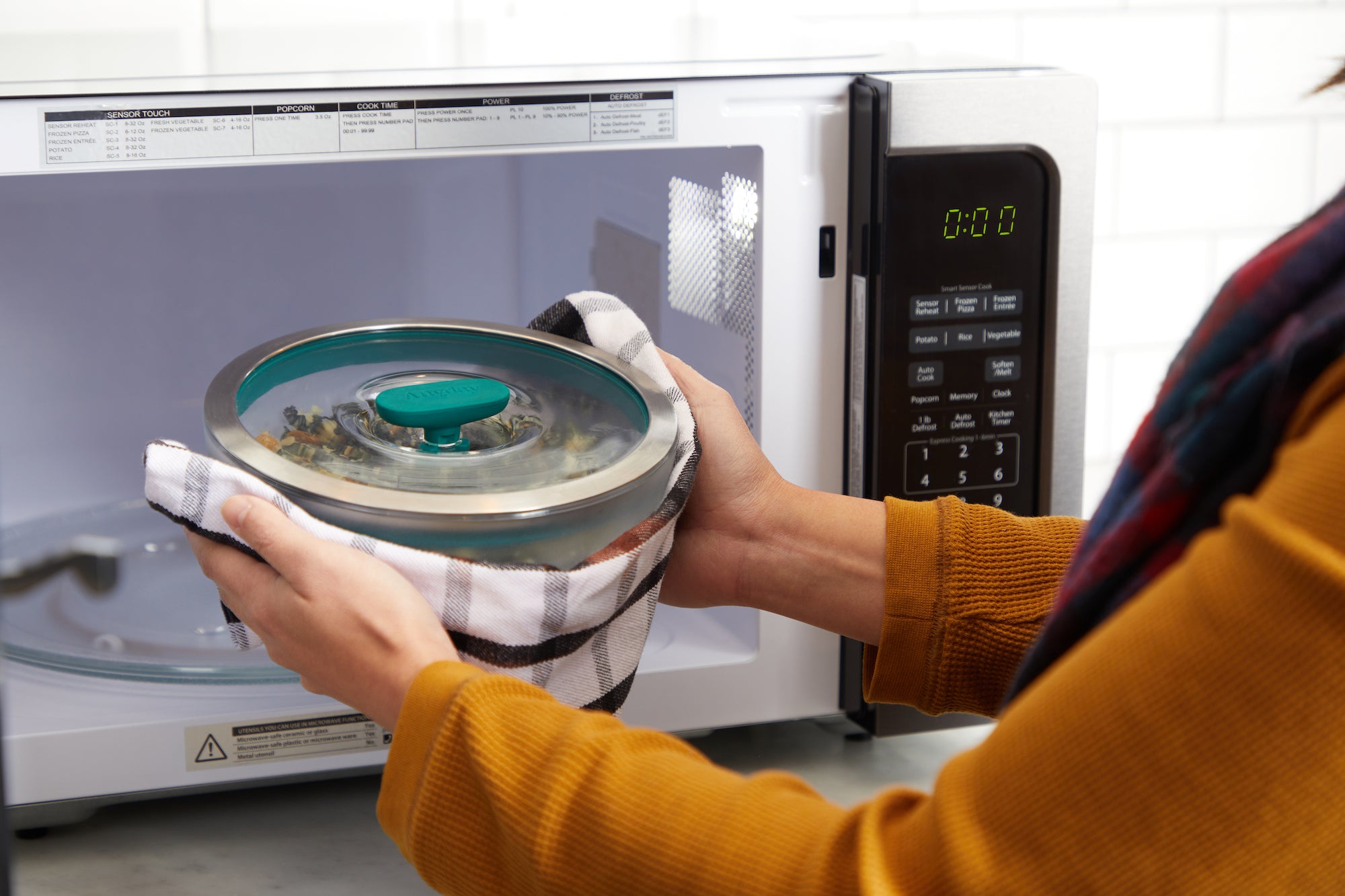
Can You Heat Up a Metal Bowl in the Microwave?
For normal kitchen use, do not heat up a metal bowl in the microwave. This advice covers stainless steel bowls, aluminum bowls, copper bowls, and most other metal containers.
Some microwaves come with metal racks or special browning trays. These items are designed for that specific oven. They are not proof that every metal bowl is microwave-safe.
The key difference is design. A manufacturer-approved rack has the right size, shape, spacing, and placement. A random metal bowl may have a narrow rim, pointed corners, a curved base, or a coating that reacts badly to microwave energy.
You may see advice that says a metal bowl is safe if it has no sharp edges. That idea is incomplete. Shape affects the risk, but the bowl’s material, position, food level, and microwave design also matter.
The safest rule is simple:
• Use glass, ceramic, or a microwave-safe plastic bowl.
• Use metal only when the microwave manual gives clear instructions.
• Never use a metal bowl during a microwave cooking test.
• Stop the oven at once if you see sparks or smell burning.
If you need to warm soup, leftovers, sauce, or vegetables, transfer them to a labeled microwave-safe container first.

What Happens When Metal Goes in the Microwave?
When you place a metal bowl in a microwave, the appliance sends energy into the cooking chamber. The metal surface reflects that energy instead of allowing it to pass through easily.
A large, smooth metal surface may reflect energy without immediate sparks. Yet the reflected waves can interfere with the normal heating pattern. Food may heat poorly, and the oven may experience extra electrical stress.
The greatest trouble often occurs at points and edges. At these areas, electrical charges can gather. A thin rim, fork tine, crumpled foil edge, or decorative metal line can act like a launch point for sparks.
A metal bowl can also shield the food. If the bowl is deep or fully enclosed, the microwave energy may not reach the food in a useful way. The food could remain cold while the outside of the bowl becomes hot.
The result can be unpredictable. No spark during one test does not prove the bowl is safe for repeated use.
Are Some Metal Bowls Safer Than Others?
Some metal bowls are less likely to spark than others, but none should be assumed safe without approval from the microwave manufacturer.
A plain, smooth stainless steel bowl has fewer sharp points than a thin aluminum container. Even so, stainless steel still reflects microwave energy. It can also heat from hot food, steam, or contact with a hot surface.
Risk may increase when a bowl has:
• Sharp corners or pointed handles
• Dents, scratches, or rough edges
• A very thin metal wall
• Metallic paint or decoration
• A tight metal lid
• Little or no food inside
• Contact with the oven wall or turntable
Never place a metal bowl against the side of the microwave. The gap between the bowl and oven wall is important. Contact can increase the chance of arcing.
Also, do not assume that a metal bowl is safe because it worked once. Microwave behavior can change with food moisture, cooking time, bowl position, and power level.

What About Stainless Steel Bowls?
Stainless steel bowls are common in kitchens, but they are not generally microwave-safe. Stainless steel reflects microwave energy and may create sparks, especially around the rim or any dent.
A stainless steel bowl may also prevent the food from heating evenly. You could end up with a cold center and a very hot outer surface.
If the bowl contains hot food, the metal may become hot through contact with the food. That creates a burn risk when you remove it. Use oven mitts only if the bowl has already been approved for microwave use; otherwise, avoid the test altogether.
For reheating, move the food into a glass or ceramic bowl. These materials usually allow microwave energy to pass through and heat the food more effectively.
Can Aluminum Foil or a Metal Rack Be Used?
A small, flat piece of aluminum foil may be allowed in some microwave instructions. The foil must be smooth, away from the oven walls, and used only as directed. Crumpled foil, loose foil, or large sheets can spark.
Metal racks supplied with some microwave ovens are different. They are tested for that model and often have special supports that keep them at a safe distance from the oven walls.
Do not place an ordinary metal bowl on a microwave rack unless the manual specifically permits it. The rack’s approval does not transfer to other metal cookware.
Always check:
- The owner’s manual
- The label on the microwave
- The instructions for the specific container
- Any warnings about metal, foil, or cookware
When instructions are missing, choose a microwave-safe glass or ceramic container instead. Replacing a bowl is far cheaper than replacing a microwave.

What Containers Should You Use Instead?
The best alternatives are easy to find. Look for a clear statement such as “microwave-safe” on the base, packaging, or manufacturer’s instructions.
Good choices include:
• Heat-resistant glass
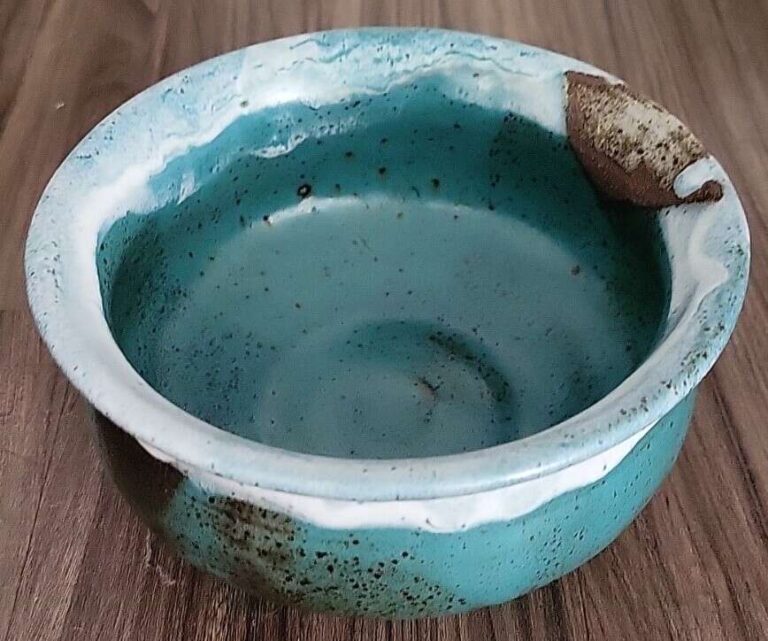
• Plain ceramic without metallic trim
• Microwave-safe plastic labeled for heating
• Silicone made for microwave use
• Paper plates or bowls approved for short heating periods
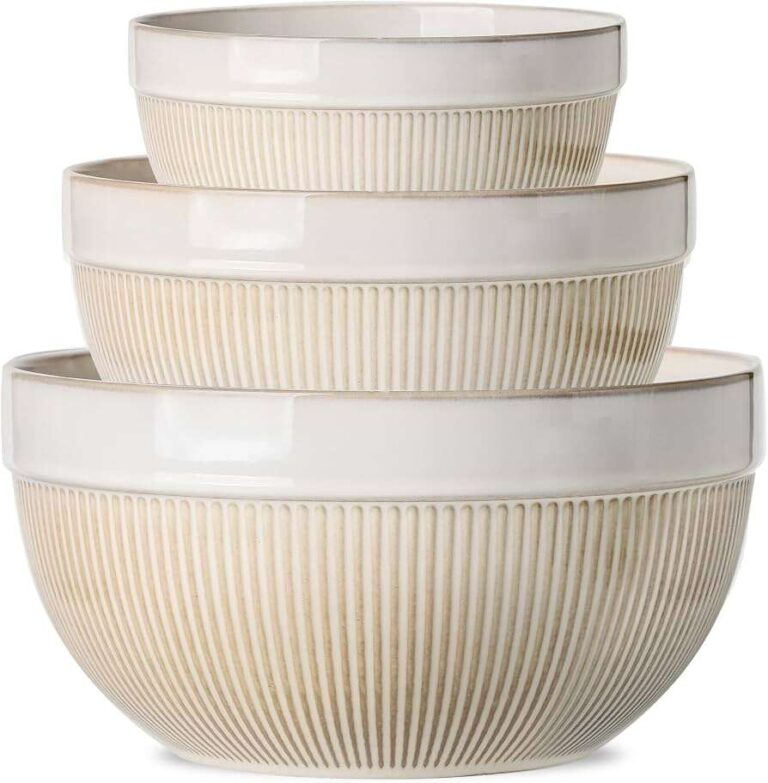
Glass is useful because it does not usually absorb microwave energy. It also lets you see the food as it heats. Ceramic works well too, but avoid pieces with gold, silver, or metallic decoration.
Plastic needs more care. Some plastics can warp, melt, or allow chemicals to move into food when heated. Use only containers labeled for microwave use, and never heat food in a single-use container unless its label allows it.
Avoid these items:
• Metal bowls and cans
• Travel mugs with metal parts
• Plates with metallic trim
• Foam containers not labeled for microwave use
• Takeout containers with hidden metal handles
• Sealed jars or containers
A microwave-safe lid can help prevent splashes. Keep the lid vented or loosely placed so steam can escape.
How to Reheat Food Safely
If your food is in a metal bowl, move it before heating. This small step removes most of the risk and usually improves heating.
Use this process:
- Transfer the food to a microwave-safe glass or ceramic bowl.
- Break up large pieces so the heat spreads more evenly.
- Cover the bowl with a vented microwave-safe lid or a damp paper towel.
- Heat in short intervals, such as 30 to 60 seconds.
- Stir between intervals when practical.
- Let the food stand for a short time before eating.
- Check the center for safe, even heat.
Thick foods such as chili, mashed potatoes, and pasta can develop hot spots. Stirring helps move heat through the food.
For leftovers, food safety matters as much as container safety. Reheat food until it is steaming hot throughout. A food thermometer can help you check the center, especially with meat, poultry, rice, and dense casseroles.
:max_bytes(150000):strip_icc()/Microwave_Pasta_005-97f50e8102d64db5b6c0f01450a742a0.jpg)
What to Do If Metal Sparks in the Microwave
If you see sparks, turn the microwave off immediately. If the appliance is already running, use the stop or cancel button rather than opening the door while the spark continues.
Then:
• Unplug the microwave if it is safe to do so.
• Wait for smoke or heat to clear.
• Remove the metal item with oven mitts once it is cool enough.
• Check the bowl and oven cavity for burn marks.
• Do not use the microwave if the interior is damaged.
A brief spark may leave a small dark mark. Repeated sparking can damage the waveguide cover, interior coating, or other components.
Do not pour water inside the microwave to stop a fire. If flames continue after the power is off, keep the door closed and call emergency services. Cutting off oxygen may help, but safety comes first.
If the oven smells burnt, makes unusual noises, or sparks again with a microwave-safe container, stop using it and arrange a professional inspection.
Common Mistakes to Avoid
Many microwave accidents begin with a small assumption. People may think that a smooth bowl is safe because it does not have a pointed edge. Others may believe that a short heating time cannot cause trouble.
These mistakes are worth avoiding:
• Testing a metal bowl while the microwave is empty
• Using a metal bowl because it worked once
• Letting metal touch the oven wall
• Heating a sealed metal container
• Ignoring the microwave manual
• Leaving the oven unattended during an unusual test
• Assuming stainless steel is automatically safe
• Using metal cookware with metallic paint or trim
An empty microwave is especially risky. Without food or another approved load to absorb energy, reflected energy can build up inside the oven.
In practical kitchen troubleshooting, the best lesson is to remove uncertainty early. If you wonder whether a bowl is safe, choose another container. A minute spent transferring food can prevent a costly repair or a frightening flash.

Frequently Asked Questions About Heating a Metal Bowl in the Microwave
Can you heat up a metal bowl in the microwave for a few seconds?
It is still not recommended. Even a short heating time can cause arcing if the bowl has sharp edges, touches the oven wall, or interacts badly with the microwave’s design.
Can you heat up a metal bowl in the microwave if it is stainless steel?
Usually, no. Stainless steel reflects microwave energy and may spark or prevent the food from heating evenly unless the appliance manufacturer specifically approves that bowl.
Can you heat up a metal bowl in the microwave with food inside?
Food inside the bowl does not make ordinary metal cookware safe. The food may absorb some energy, but the metal can still reflect waves, spark, or become hot.
Are metal bowls safe in convection microwave ovens?
The answer depends on the cooking mode and the manufacturer’s instructions. Metal may be allowed during convection-only cooking, but it is generally unsafe during microwave mode unless the manual says otherwise.
What should you do if a metal bowl sparks in the microwave?
Stop the microwave at once and remove the bowl only after it is safe to handle. Inspect the oven for scorch marks or damage, and do not use it again if it sparks with approved cookware.
Is a metal rack the same as a metal bowl?
No. A rack supplied with a microwave is designed and tested for that appliance. Its approval does not mean that an unrelated metal bowl can be used safely.
Conclusion
You generally should not heat up a metal bowl in the microwave. Metal reflects microwave energy, and its edges, dents, or decorations can cause sparks, uneven heating, or appliance damage.
The safest option is to transfer food into a microwave-safe glass, ceramic, or labeled plastic bowl. Follow the appliance manual whenever metal accessories are involved, and stop the oven immediately if you see sparks or smell burning.
Make this simple container check part of your kitchen routine. Share your experience or explore your microwave’s cookware guide before trying anything unusual.

Liora Pennings is a seasoned chef and kitchen enthusiast with a passion for turning everyday cooking into an effortless experience. With years of hands-on culinary expertise, she specializes in practical techniques, ingredient know-how, and smart kitchen solutions that help home cooks elevate their meals. At KitchFlair.com, Liora shares her best tips, time-saving tricks, and honest product reviews to guide readers toward a more efficient, enjoyable, and inspired cooking routine. Whether you’re a beginner or a seasoned home chef, Liora’s friendly, knowledge-packed insights make every visit to the kitchen a little easier—and a lot more delicious.