What Is A Soup Bowl: Types, Uses, And Buying Tips
A soup bowl is a wide, deep dish designed to hold soup, broth, stew, and other liquid-based foods.
Understanding what is a soup bowl helps you choose the right dish for comfort, portion size, heat control, and table style. From classic ceramic bowls to modern wide-rim designs, each type serves a slightly different purpose. This guide explains the shape, uses, materials, sizes, care tips, and buying advice so you can make a smart choice.
What Is a Soup Bowl?
A soup bowl is a dish with enough depth to hold liquid food. It is usually deeper than a dinner plate but wider than a standard cup or mug. Most soup bowls have a broad opening, which makes it easy to eat with a spoon and see the food inside.
The design of a soup bowl is both useful and practical. Its depth helps reduce spills, while its wide rim gives you a safe place to hold the bowl or rest a spoon. Some bowls also have curved sides that help keep soup warm by reducing the exposed surface area.
What is a soup bowl used for besides soup? It can hold many foods, including:
• Chicken noodle soup
• Tomato soup
• Ramen and pho
• Chili and stew
• Pasta with sauce
• Oatmeal and cereal
• Rice bowls
• Salad
• Ice cream and fruit
In simple terms, a soup bowl is a flexible serving dish for foods that need more space and depth than a flat plate can provide.

How Is a Soup Bowl Different From Other Bowls?
To understand what is a soup bowl, it helps to compare it with similar tableware. A soup bowl often sits between a flat plate and a deep serving bowl in both size and shape.
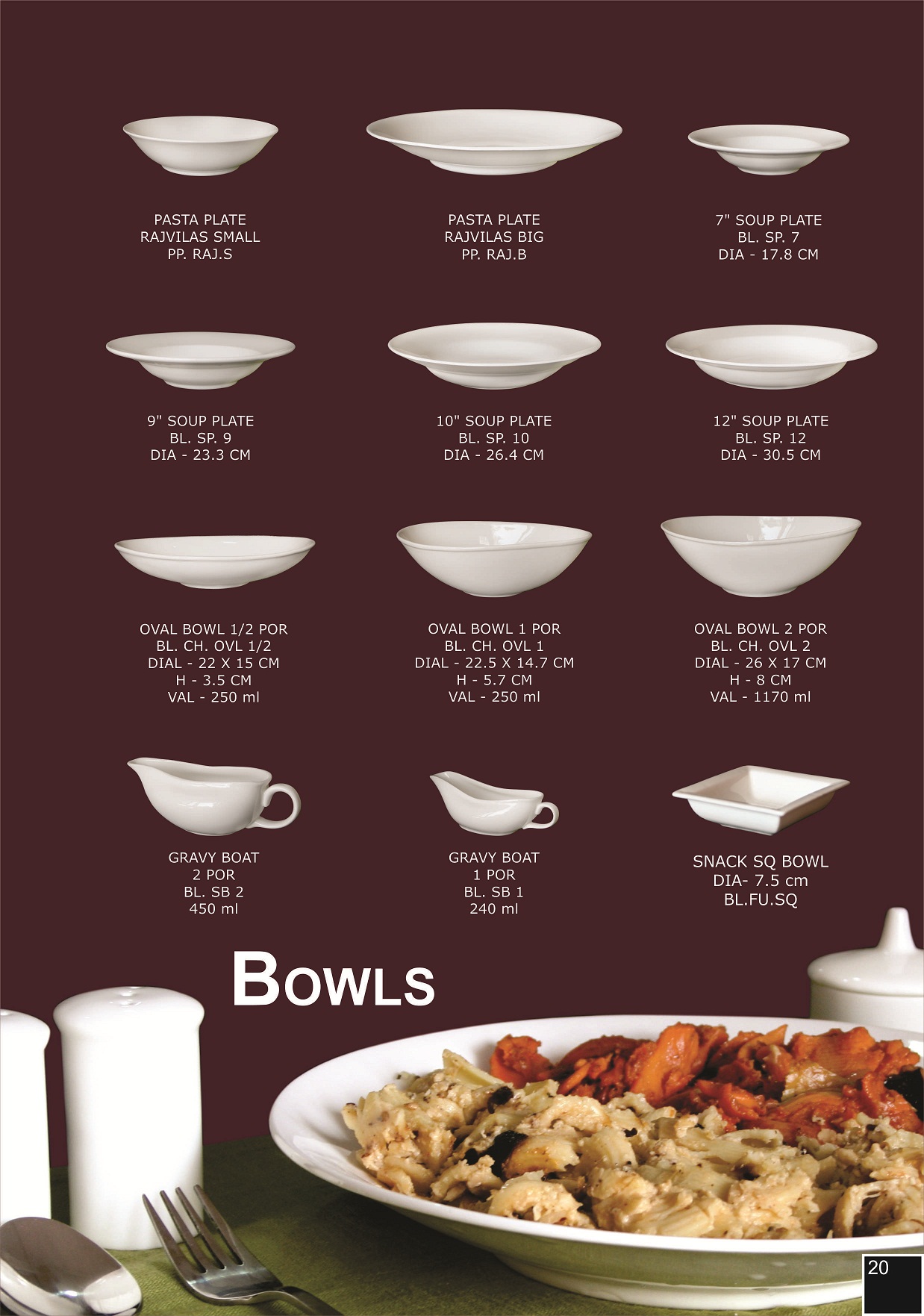
A soup plate, sometimes called a coupe plate, has a broad, flat surface with gently raised sides. It works well for thick soups, pasta, and food with sauce. A traditional soup bowl is usually deeper and may have a more noticeable rim.
A cereal bowl is often smaller and less deep than a soup bowl. It is made for dry cereal, milk, fruit, and light snacks. A pasta bowl may be wide and shallow, with a large center area for noodles and sauce.
Here are the main differences:
• Soup bowl: Designed for liquid foods and generous servings
• Soup plate: Wide and shallow, often used for refined dining
• Cereal bowl: Usually smaller and suited to breakfast foods
• Pasta bowl: Broad with a shallow center for noodles and sauce
• Serving bowl: Much larger and made for sharing food
What is a soup bowl compared with a mug? A mug has a handle and a narrow opening. A soup bowl usually has no handle, a wider rim, and a stable base.

Common Types of Soup Bowls
There is no single answer to what is a soup bowl because the term covers several designs. The best type depends on the food, setting, and personal preference.
Classic Rimmed Soup Bowl
This traditional style has a deep center and a wide, raised rim. The rim makes the bowl easy to carry and gives the table a formal look. It is common in dinnerware sets.
Coupe Soup Bowl
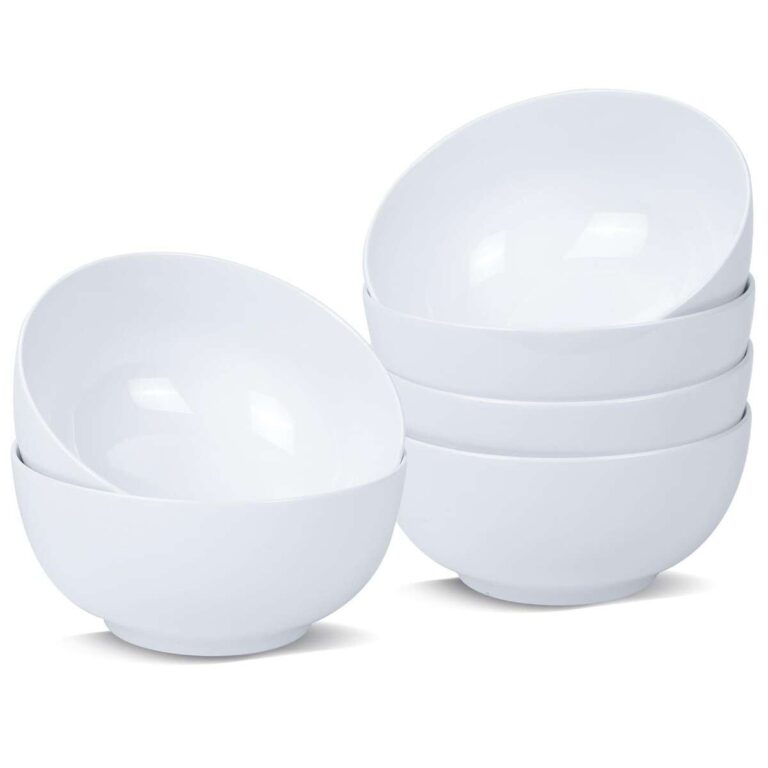
A coupe bowl has no raised rim. Its sides curve smoothly from the center to the edge. This clean shape looks modern and gives you more room for toppings, herbs, or garnishes.
Bouillon Cup
A bouillon cup is a small soup vessel with one or two handles. It is designed for light broths and small servings. The handles make it easier to hold when the broth is hot.
Ramen Bowl
A ramen bowl is often wider and deeper than a standard soup bowl. It gives noodles, meat, vegetables, and broth enough room without crowding. Many ramen bowls have thick walls that help retain heat.
Bread Bowl
A bread bowl is made from a hollowed loaf of bread. It holds thick soup, such as clam chowder or broccoli cheddar soup. It is fun and flavorful, but it is not ideal for very thin broth because the bread can become soggy.
Handled Soup Bowl
A handled soup bowl combines the shape of a bowl with the grip of a mug. It can be helpful for people who find a hot, handle-free bowl hard to hold. The handles also make it useful for microwave meals.
In my experience, the classic rimmed bowl is the most useful choice for everyday meals. It works for soup, chili, oatmeal, and even small pasta dishes. Specialty bowls are enjoyable, but a simple, well-made bowl often gets used the most.
What Materials Are Soup Bowls Made From?
The material is an important part of what is a soup bowl. It affects heat retention, weight, safety, durability, and appearance.
Ceramic
Ceramic bowls are popular because they are attractive, affordable, and easy to use. They hold heat well and come in many colors and patterns. However, low-quality ceramic can chip if it is dropped or handled roughly.
Porcelain
Porcelain is a refined type of ceramic made from fine clay. It is often lighter and smoother than standard ceramic. Many porcelain bowls are strong enough for daily use, though thin designs may still break if dropped.
Stoneware
Stoneware is thick, heavy, and durable. It has a warm, handmade look and holds heat well. The main drawback is its weight, especially when the bowl is full.
Glass
Glass bowls show the food clearly and do not absorb odors. Tempered or heat-resistant glass can work well for soup. Regular glass may crack when exposed to sudden temperature changes, so avoid pouring boiling soup into a cold glass bowl.
Stainless Steel
Stainless steel bowls are strong, light, and common in camping or commercial kitchens. They do not break easily, but they can become hot on the outside. They also do not offer the same insulation as ceramic or stoneware.
Melamine
Melamine bowls are lightweight and resistant to breaking. They are useful for outdoor meals and families with young children. However, melamine should not be used in a microwave, and very hot food may warm the bowl.
Wood
Wooden bowls have a natural and rustic appearance. They are better for dry or thick foods than for very hot liquids. Wood needs careful washing and regular drying because long exposure to water can cause warping.
When choosing a material, think about how you eat. A stoneware soup bowl may suit a cozy home meal, while stainless steel may be better for camping. Safety and daily use matter more than appearance alone.
:max_bytes(150000):strip_icc()/sea-soup-bowls-group-shot-irvin-lin-02-894e18cc3f0e4dfb9a72c3107c113899.jpeg)
What Size Should a Soup Bowl Be?
The right size depends on the food and the serving you want. Most soup bowls hold between 12 and 24 fluid ounces, although restaurant and specialty bowls may be larger.
A smaller bowl of about 10 to 14 ounces works well for a starter, light broth, or child-sized meal. A medium bowl of about 16 to 20 ounces suits most home servings. A large bowl of 24 ounces or more is useful for ramen, stew, or soup with many toppings.
Consider these points when choosing a size:
• Choose a smaller bowl for appetizers and light meals.
• Choose a medium bowl for everyday soup and chili.
• Choose a large bowl for ramen, pho, or meals with noodles.
• Leave some space at the top to prevent spills.
• Check cabinet space before buying a tall or wide design.
A bowl that is too small can feel crowded. A bowl that is too large may make a normal serving look small and can become heavy when full. The best soup bowl gives the food room without making the portion seem lost.
One mistake I often see is filling a bowl to the rim. This makes carrying it risky and leaves no room for stirring. A bowl filled to about two-thirds or three-quarters of its capacity is usually easier and safer to use.
How to Choose the Best Soup Bowl
Knowing what is a soup bowl is useful, but choosing one requires a closer look at your habits. A beautiful bowl is not a good choice if it is too fragile, too heavy, or difficult to clean.
Use this simple checklist:
- Check the capacity. Choose a size that matches your usual servings.
- Look at the shape. A deeper bowl suits broth, while a wide bowl suits noodles and toppings.
- Test the weight. Make sure you can lift it comfortably when full.
- Check the rim. A stable rim helps prevent spills and makes spoon use easier.
- Confirm microwave safety. Not all bowls are safe for microwave heating.
- Confirm dishwasher safety. This can save time after busy meals.
- Inspect the glaze. A smooth, even surface is easier to clean.
- Consider stacking. Bowls that stack well save cabinet space.
- Check for chips and cracks. Damaged bowls can trap food and become harder to clean.
- Match the style. Choose a design that works with your current plates and tableware.
For everyday use, I prefer bowls with smooth interiors, medium depth, and a strong rim. They are easy to wash and work with many foods. Very narrow bowls may keep soup warm, but they can be awkward for spooning the last few bites.
If you have children, choose a lightweight bowl with a wide base. For older adults or anyone with limited hand strength, a handled bowl or a lighter design may be more comfortable.
How to Use and Care for a Soup Bowl
A good soup bowl can last for years when you use it properly. Care instructions vary by material, so always check the manufacturer’s label when one is available.
Follow these basic care tips:
• Do not move a cold glass bowl directly into a hot oven.
• Avoid sudden temperature changes with ceramic and glass.
• Use nonabrasive sponges on glazed surfaces.
• Do not use melamine in a microwave.
• Dry wooden bowls soon after washing.
• Inspect bowls for cracks before serving hot food.
• Stack bowls with care to avoid rim damage.
• Use a trivet under very hot bowls to protect the table.
Cracks and chips are more than cosmetic problems. They can collect food particles and make the bowl less safe to use. If a bowl has a deep crack, a sharp chip, or a damaged glaze, replacing it is the safer choice.
When reheating soup, stir it during the process. Some areas may become much hotter than others. Let the bowl cool for a short time before carrying it, especially if the bowl does not have handles.
A simple care routine protects both the bowl and the person using it. It also helps preserve the finish, color, and smooth surface.
:max_bytes(150000):strip_icc()/sea-soup-bowls-criteria-graphic-irvin-lin-dc8b51f548314d27bdf4b2739c22719a.jpg)
How to Serve Soup in a Bowl
Serving soup well is about more than putting liquid into a dish. The bowl, portion, temperature, and toppings all affect the eating experience.
For a neat presentation:
• Warm the bowl with hot water before serving, then dry it.
• Fill the bowl below the rim.
• Add toppings near the center or in a small group.
• Wipe the outer rim before bringing it to the table.
• Place a spoon on the side or on a small saucer.
• Use a plate underneath if the bowl is very hot or full.
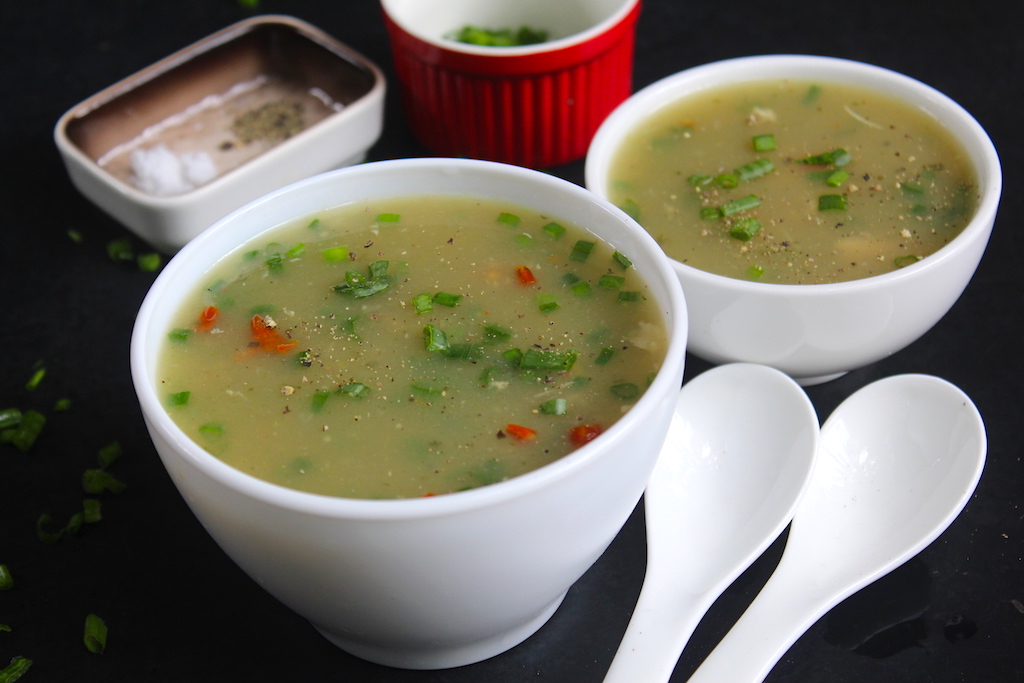
What is a soup bowl’s role in presentation? It frames the meal. A wide white bowl can make colorful vegetables stand out. A dark bowl may create a rich, dramatic look, while a rustic stoneware bowl gives the meal a relaxed feel.
The shape also affects how the food feels. A deep bowl is comforting for broth and stew. A wide bowl makes toppings easy to see and gives noodles more room. In this way, the bowl acts like a small stage for the meal.
:max_bytes(150000):strip_icc()/sea-soup-bowls-stacked-irvin-lin-01-87d018d7008e4a39b9fa0a8c42266660.jpeg)
Frequently Asked Questions About What Is a Soup Bowl
What is a soup bowl used for?
A soup bowl is used for liquid or semi-liquid foods such as soup, broth, chili, stew, ramen, and oatmeal. Its depth helps hold the food and reduce spills.
How deep should a soup bowl be?
Most soup bowls are about 1.5 to 3 inches deep, but the exact depth varies by design. A medium-depth bowl is usually the most versatile choice for home use.
Can you use a soup bowl for cereal?
Yes, you can use a soup bowl for cereal, fruit, yogurt, and other breakfast foods. A smaller or shallower bowl may be more comfortable if you do not need much room for liquid.
What is the difference between a soup bowl and a pasta bowl?
A soup bowl is often deeper and better suited to broth-based foods. A pasta bowl is usually wider and shallower, which gives noodles and sauce more space.
Are ceramic soup bowls safe in the microwave?
Many ceramic soup bowls are microwave-safe, but not all are. Check the maker’s instructions and avoid bowls with metallic trim, which can spark in a microwave.
How many ounces does a soup bowl hold?
A typical soup bowl holds about 12 to 20 fluid ounces. Large ramen and restaurant-style bowls may hold 24 ounces or more.
Should soup bowls have handles?
Handles are not required, but they can make a hot bowl easier to hold. Handled bowls are also useful for people who prefer a mug-like grip.
Conclusion
A soup bowl is a deep, practical dish made for soup and many other foods. Its shape, size, material, and rim all affect comfort, safety, heat retention, and presentation. Ceramic, porcelain, stoneware, glass, stainless steel, melamine, and wood each offer different benefits.
For most homes, a medium-sized bowl with a smooth surface, stable base, and microwave-safe design is a strong choice. Think about your meals, storage space, cleaning habits, and comfort before buying. Choose a soup bowl that fits your real life, then enjoy trying it with soups, stews, noodles, and more.

Liora Pennings is a seasoned chef and kitchen enthusiast with a passion for turning everyday cooking into an effortless experience. With years of hands-on culinary expertise, she specializes in practical techniques, ingredient know-how, and smart kitchen solutions that help home cooks elevate their meals. At KitchFlair.com, Liora shares her best tips, time-saving tricks, and honest product reviews to guide readers toward a more efficient, enjoyable, and inspired cooking routine. Whether you’re a beginner or a seasoned home chef, Liora’s friendly, knowledge-packed insights make every visit to the kitchen a little easier—and a lot more delicious.