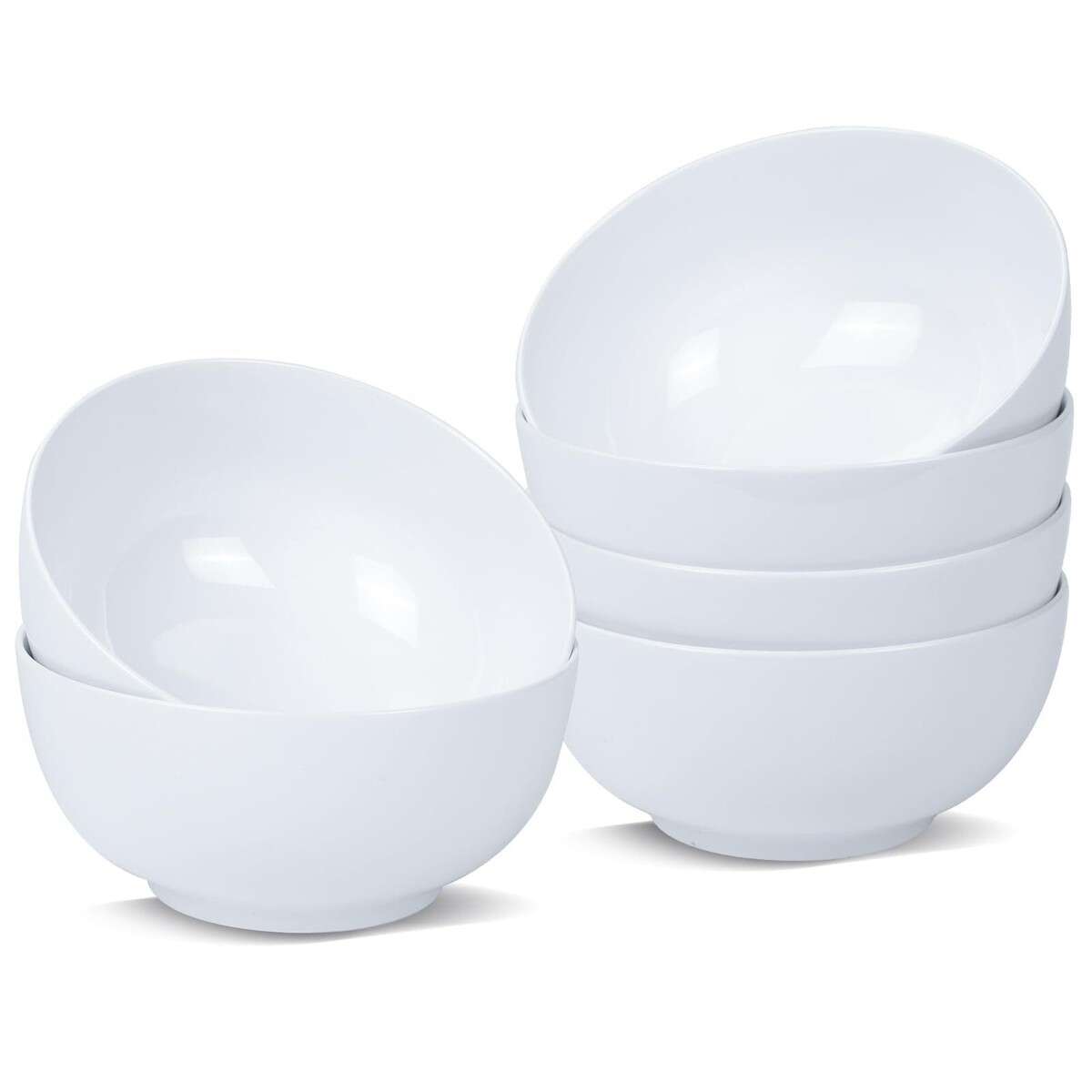
What Is The Capacity Of A Soup Bowl: Sizes Explained
A typical soup bowl holds 12 to 20 fluid ounces, or 1.5 to 2.5 cups.
The exact answer to “what is the capacity of a soup bowl” depends on its shape, size, and intended use. A home soup bowl often holds about 16 ounces, while a restaurant bowl may hold 12 to 24 ounces. Understanding these differences helps you serve the right portion, follow recipes, and choose suitable tableware.
What Is the Capacity of a Soup Bowl?
The capacity of a soup bowl is the amount of liquid it can hold when filled to the rim. In the United States, manufacturers usually measure this capacity in fluid ounces, cups, or milliliters.
Most everyday soup bowls hold:
• 12 fluid ounces, or 1½ cups
• 16 fluid ounces, or 2 cups
• 20 fluid ounces, or 2½ cups
A large soup bowl may hold 24 ounces or more. However, you should not fill a bowl to the rim during normal use. Leaving space helps prevent spills and gives you room to carry the bowl safely.
For practical serving, a 16 ounce bowl usually holds one generous serving of soup. This makes it a common size for kitchens, cafés, and casual restaurants.
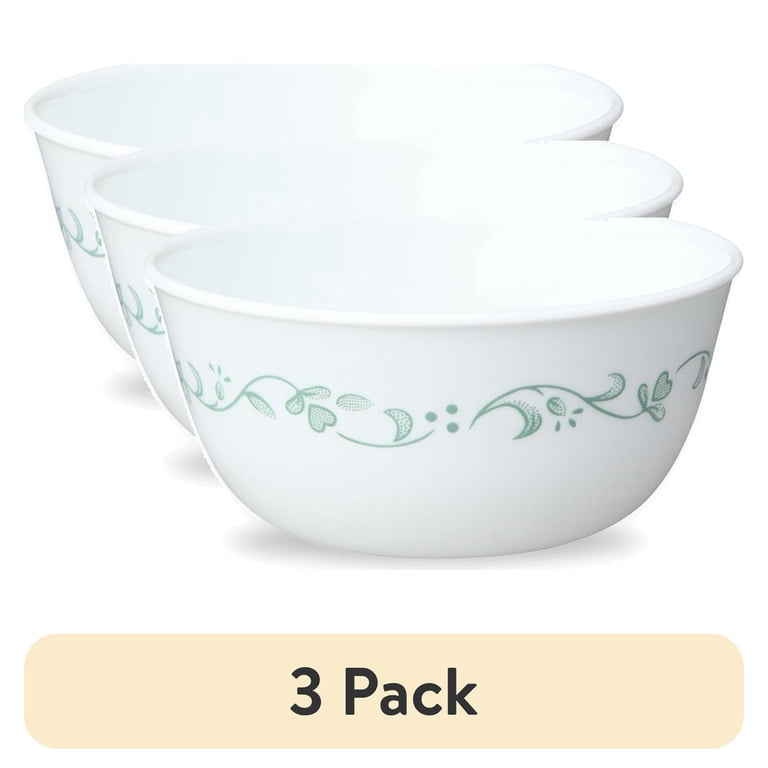
Standard Soup Bowl Capacity in the United States
In the US, one standard measuring cup holds 8 fluid ounces. This makes soup bowl sizes easy to compare.
| Bowl capacity | Cups | Milliliters | Typical use |
|---|---|---|---|
| 8 ounces | 1 cup | 237 ml | Small starter or child portion |
| 12 ounces | 1½ cups | 355 ml | Light soup serving |
| 16 ounces | 2 cups | 473 ml | Standard home serving |
| 20 ounces | 2½ cups | 591 ml | Large serving |
| 24 ounces | 3 cups | 710 ml | Restaurant or meal bowl |
| 32 ounces | 4 cups | 946 ml | Extra-large bowl or shared serving |
These figures describe approximate bowl capacity. The actual amount may vary because some bowls have thick walls, sloped sides, or a wide rim.
When people ask, “what is the capacity of a soup bowl,” they often mean the useful serving capacity. That amount is usually 2 to 4 ounces less than the bowl’s full brim capacity.
How Many Ounces Does a Typical Soup Bowl Hold?
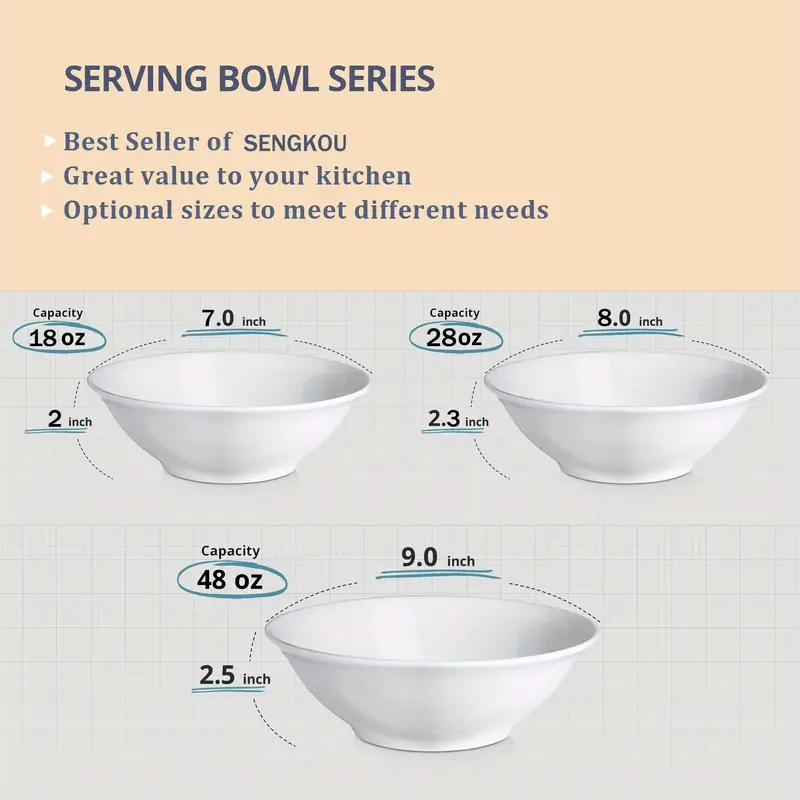
A typical soup bowl holds 12 to 20 fluid ounces. The most common size is close to 16 fluid ounces, which equals 2 cups.
A small bowl may hold 8 to 12 ounces. This size works well for:
• Appetizers
• Side portions
• Children
• Light lunches
• Broth-based starters
A medium bowl usually holds 14 to 18 ounces. This is the most useful size for daily meals because it provides enough room for soup, vegetables, meat, noodles, or beans.
A large bowl may hold 20 to 32 ounces. These bowls are useful for thick stews, ramen, chili, pasta soup, and meals with large toppings. They can also make a normal portion look smaller because of their wide shape.

Soup Bowl Capacity in Cups and Milliliters
Knowing how to convert soup bowl capacity makes cooking much easier. The basic conversions are simple:
• 1 cup equals 8 US fluid ounces
• 1 US fluid ounce equals about 29.57 milliliters
• 2 cups equal 16 fluid ounces
• 3 cups equal 24 fluid ounces
• 1 quart equals 32 fluid ounces
For example, a 16 ounce soup bowl holds about 473 milliliters. A 24 ounce bowl holds about 710 milliliters.
Recipe serving sizes can also help. If a soup recipe makes 8 cups and serves four people, each person receives about 2 cups. That amount fits well in a 16 ounce bowl.
Keep in mind that fluid ounces measure volume, not weight. Eight fluid ounces of broth does not weigh the same as eight ounces of beans or cheese.
Usable Capacity Versus Brim Capacity
A bowl can have two different capacities: brim capacity and usable capacity.
Brim capacity is the maximum amount the bowl can hold when filled right to the top. Usable capacity is the amount you can serve without creating a mess.
For example, a bowl may hold 20 ounces to the rim but offer only 16 ounces of comfortable serving space. The remaining room acts like a safety zone.
This difference matters most with hot soup. A full bowl can splash when you carry it from the kitchen to the table. A small gap also allows you to add crackers, herbs, cheese, noodles, or a spoon without pushing liquid over the edge.
As a practical rule, fill a soup bowl to about 75% or 80% of its full capacity. This gives you a better balance of comfort, appearance, and safety.

Soup Bowl Capacity by Bowl Type
Not every bowl called a “soup bowl” has the same shape or volume. Design often affects capacity more than the name printed on the package.
Traditional soup bowl
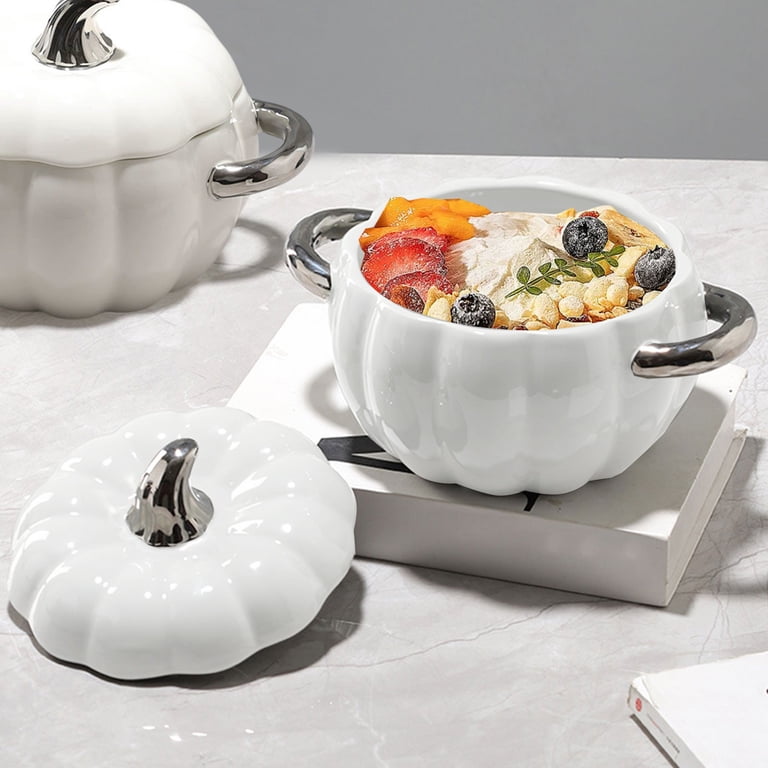
A traditional soup bowl is often round and moderately deep. It commonly holds 12 to 20 ounces and works well for broth, cream soup, and vegetable soup.
Pasta or coupe bowl
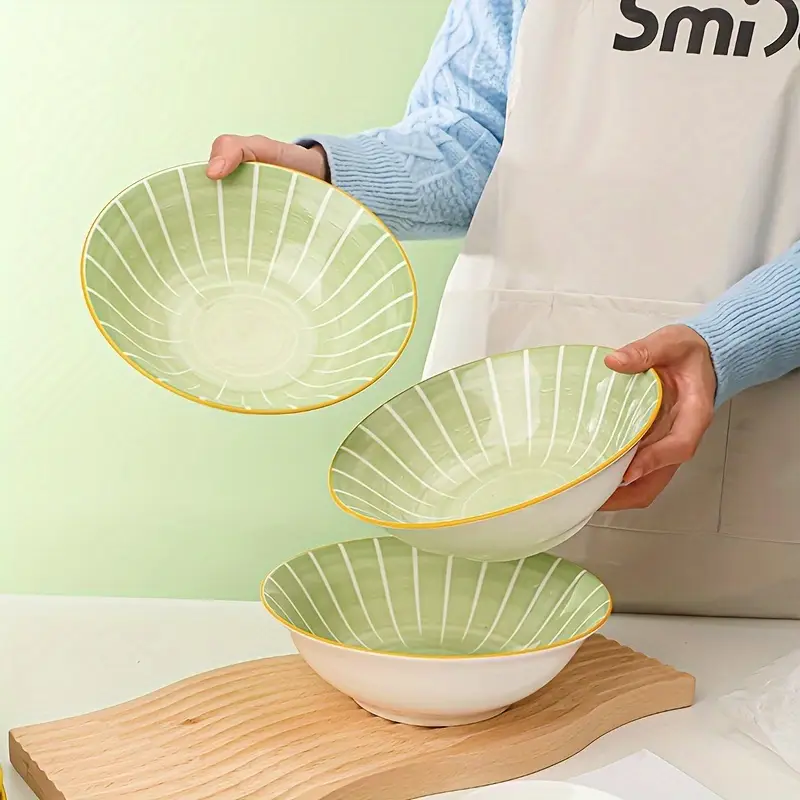
A coupe bowl has a wide opening and a shallow center. It may hold 20 to 32 ounces, but its broad shape can make a normal serving appear smaller.
Ramen bowl
Ramen bowls are usually deep and wide. Many hold 24 to 40 ounces because they need space for broth, noodles, meat, vegetables, and toppings.
Cereal bowl
A cereal bowl may hold 16 to 24 ounces. Although it can serve soup, its shape may not retain heat as well as a deeper soup bowl.
Bread bowl
A bread bowl has a hollow center made from a loaf of bread. Its useful soup capacity may range from 8 to 16 ounces, depending on the loaf size and wall thickness.
Mug or soup cup
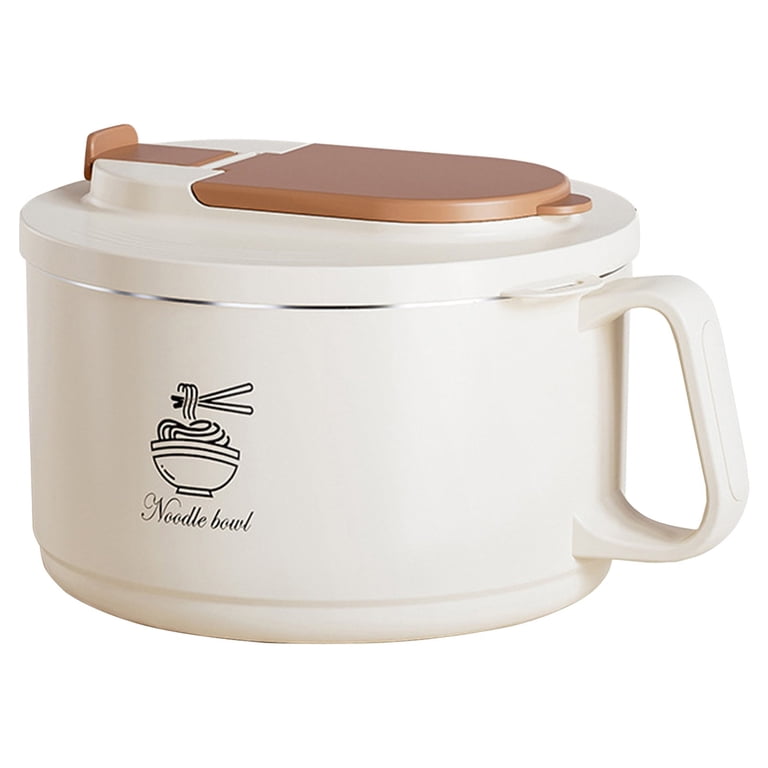
A soup mug often holds 8 to 12 ounces. It works well for small servings, quick lunches, and soup that you want to drink rather than eat with a spoon.
What Affects Soup Bowl Capacity?
Several design features change how much soup a bowl can hold.
Bowl diameter
A wide bowl can hold a large amount even when it is not very deep. It also cools soup faster because more surface area touches the air.
Bowl depth
A deep bowl usually holds more liquid and keeps soup warmer for longer. However, very deep bowls can make toppings harder to reach.
Bowl shape
Straight sides provide more predictable capacity. Sloped sides may look large but hold less liquid near the top.
Rim width
A wide rim reduces the inner space available for soup. It also gives you a comfortable place to hold the bowl.
Wall thickness
Thick ceramic or stoneware takes up more space than thin porcelain. Two bowls with the same outer size may have different inner capacities.
Manufacturer design
There is no single universal soup bowl size. Product labels may show the bowl’s full volume, recommended serving size, or both. Always check the product details when exact capacity matters.

How to Measure the Capacity of a Soup Bowl
You can measure a bowl at home with a kitchen measuring cup. This method is more reliable than guessing from the bowl’s width.
Follow these steps:
- Place the empty bowl on a flat surface.
- Fill it with water using a measuring cup.
- Stop when the water reaches the level where you would normally serve soup.
- Record how many cups or ounces you used.
- Repeat the test if the bowl has an unusual shape.
You can also use a kitchen scale. Place the empty bowl on the scale and press the tare button. Add water until the bowl reaches its normal fill line. One gram of water is close to one milliliter, so 500 grams of water is about 500 milliliters.
Do not use hot soup for this test. Room-temperature water is safer and gives a clear measurement.
In my kitchen tests, measuring to the normal serving line gives a more useful answer than filling to the rim. The brim number may look impressive, but the serving number is what matters at the table.
How Much Soup Should You Serve in a Bowl?
The right portion depends on the meal and the person eating it. A soup served as a starter needs less volume than a soup served as the main course.
• Starter portion: 6 to 10 ounces
• Light lunch portion: 10 to 14 ounces
• Main meal portion: 14 to 20 ounces
• Large meal portion: 20 to 24 ounces
Thick soups often feel more filling than clear broths. A bowl of lentil soup, potato soup, or chili may satisfy someone with 12 to 16 ounces. A light chicken broth may require a larger portion.
Nutrition needs also vary. Children, older adults, and people with smaller appetites may prefer 8 to 12 ounces. Active adults may want more, especially when soup is the main meal.
Use the bowl as a guide rather than a strict rule. Ingredients, hunger, diet, and the rest of the meal all affect the best serving size.
Choosing the Right Soup Bowl Capacity
Choose a bowl based on how you plan to use it.
For everyday family meals, a 16 to 20 ounce bowl is a strong choice. It offers enough space for a full serving without becoming too heavy.
For appetizers, use an 8 to 12 ounce bowl. Smaller bowls also help with portion control because they make a modest serving look complete.
For ramen, pho, chili, or stew, consider a 24 ounce bowl or larger. These meals need room for solid ingredients that take up more space than broth.
When buying bowls, consider these features:
• Capacity of at least 16 ounces for main meals
• A stable base that resists tipping
• Microwave and dishwasher safety
• Heat-resistant material
• Comfortable side handles or a wide rim
• A shape that leaves room for toppings
A bowl that is too small creates spills. A bowl that is too large can make portions hard to judge and may feel bulky to hold.
Common Mistakes When Estimating Bowl Capacity
Many people estimate capacity by looking only at the bowl’s width. This can lead to errors because depth and wall thickness also matter.
Another common mistake is confusing ounces by weight with fluid ounces. A food scale measures weight, while a measuring cup measures volume. The two measurements are not interchangeable for every ingredient.
Some people also assume that a bowl labeled “serving bowl” holds one serving. In many cases, a serving bowl is designed to hold several portions for sharing.
Avoid filling a bowl to the brim with hot soup. I have found that leaving a visible space near the top makes carrying and eating much easier. It also leaves room for bread, crackers, herbs, or a swirl of cream.
When exact portions matter, measure the bowl with water. This simple step removes guesswork and helps you match the bowl to your recipes.
Soup Bowl Materials and Their Effect on Use
The material does not usually change the stated capacity, but it affects how the bowl performs.
Ceramic bowls are common and hold heat well. Stoneware is thick and durable, but it may feel heavy when filled.
Porcelain is often lighter and has a smooth finish. It works well for formal dining and everyday use. Glass allows you to see the soup level, but it may lose heat faster.
Plastic bowls are light and useful for children, outdoor meals, or casual use. Check that the plastic is marked as microwave safe before heating soup in it.
Metal bowls are durable and common in some commercial kitchens. They can become hot on the outside and may not provide the same table appeal as ceramic or porcelain.
The best material depends on your needs. Capacity is only one part of the decision.
How Bowl Size Changes the Eating Experience
Bowl size affects more than portion volume. It also changes temperature, presentation, comfort, and perceived fullness.
A wide bowl spreads soup across a larger surface. This allows steam to escape and cools the soup quickly. A deep bowl holds heat longer but may be less comfortable for some people to use.
Food also looks different in different bowls. A 12 ounce serving may look generous in a small bowl but modest in a large coupe bowl. This visual effect can influence how satisfied you feel.
For a balanced presentation, fill the bowl to about two-thirds or three-quarters full. Add toppings near the center, and leave enough rim space for clean handling.
These small details can make a simple bowl of soup feel more welcoming, much like placing a warm blanket around an ordinary evening.
Frequently Asked Questions About What Is the Capacity of a Soup Bowl
What is the average capacity of a soup bowl?
The average soup bowl holds about 16 fluid ounces, or 2 cups. Most household bowls fall between 12 and 20 fluid ounces.
Is a soup bowl 8 ounces?
Some small soup bowls hold 8 ounces, but this is not the most common size for a full meal. An 8 ounce bowl is better suited to a starter, child portion, or small serving.
How many cups fit in a soup bowl?
A typical soup bowl holds 1½ to 2½ cups. A standard 16 ounce bowl holds 2 cups.
Is a cereal bowl the same size as a soup bowl?
A cereal bowl may have a similar capacity, often 16 to 24 ounces. However, its shape may be wider and shallower, so it may not keep soup warm as well.
How much soup should go in a bowl?
A starter usually needs 6 to 10 ounces, while a main meal often needs 14 to 20 ounces. The best amount depends on the soup’s thickness and the rest of the meal.
How do I measure my soup bowl at home?
Fill the bowl with room-temperature water to your normal serving level. Measure the water with a cup or kitchen scale to find the bowl’s practical capacity.
Does a larger bowl mean a larger serving?
Not always. A large bowl can hold more, but you can still serve a small portion in it. Bowl size can affect how large the serving looks, so measuring helps when portion accuracy matters.
Conclusion
The answer to “what is the capacity of a soup bowl” is usually 12 to 20 fluid ounces, with 16 ounces being a common everyday size. Small bowls may hold 8 to 12 ounces, while large ramen, stew, and restaurant bowls may hold 24 ounces or more.
Remember that brim capacity is not the same as comfortable serving capacity. For the best results, measure your bowl with water, leave space near the rim, and choose a size that matches the meal.
Try measuring the bowls in your kitchen today. You may be surprised by the difference between their labeled size and their practical serving capacity. Explore more kitchen guides, and share your favorite soup bowl size in the comments.

Liora Pennings is a seasoned chef and kitchen enthusiast with a passion for turning everyday cooking into an effortless experience. With years of hands-on culinary expertise, she specializes in practical techniques, ingredient know-how, and smart kitchen solutions that help home cooks elevate their meals. At KitchFlair.com, Liora shares her best tips, time-saving tricks, and honest product reviews to guide readers toward a more efficient, enjoyable, and inspired cooking routine. Whether you’re a beginner or a seasoned home chef, Liora’s friendly, knowledge-packed insights make every visit to the kitchen a little easier—and a lot more delicious.