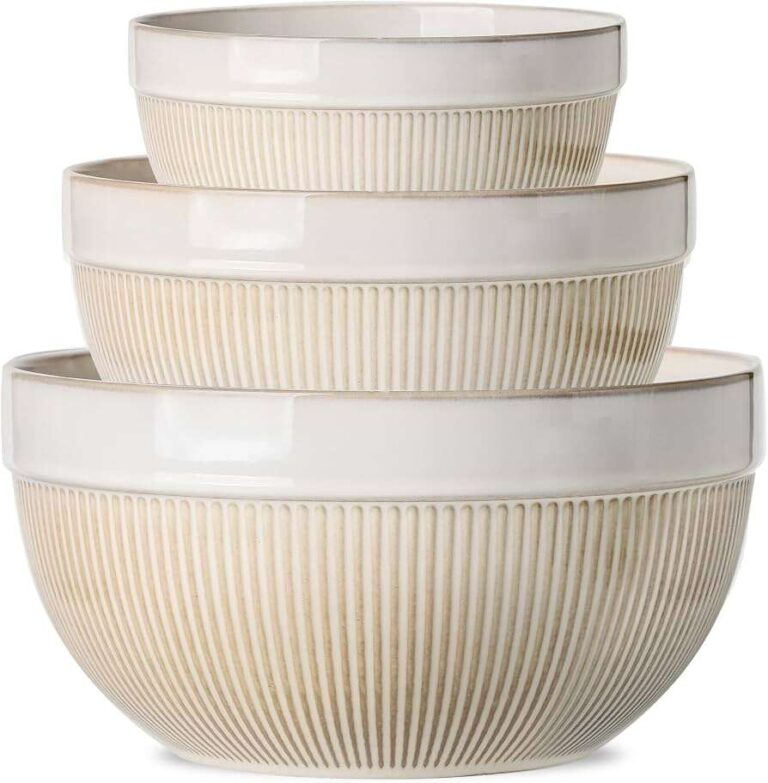
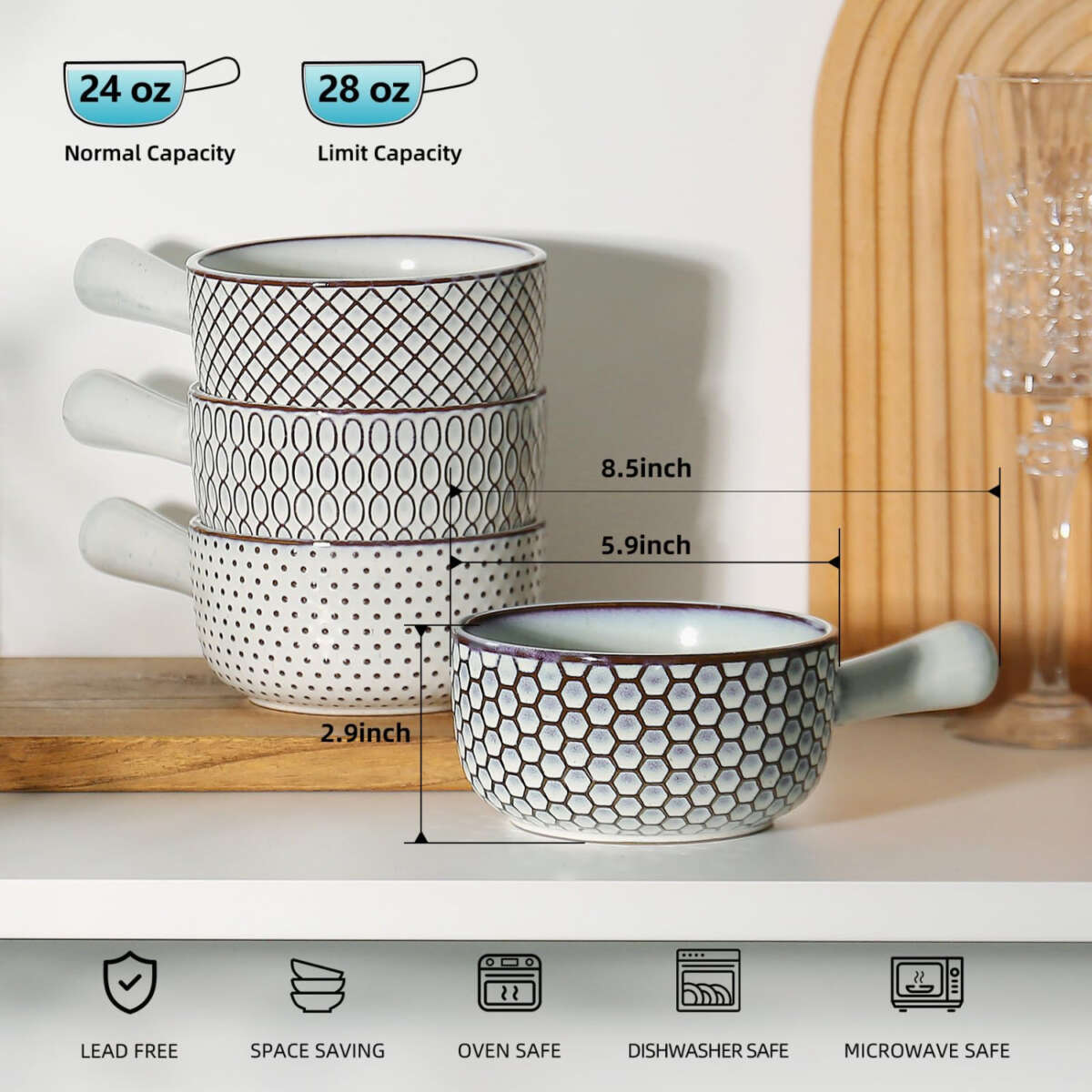
Are Microwave Safe Ceramic Bowls Oven Safe: What To Know
Most microwave-safe ceramic bowls are not automatically oven safe; check the bowl, label, and maker’s instructions first.
The question “are microwave safe ceramic bowls oven safe” sounds simple, but the answer depends on the clay, glaze, design, and temperature rating. Microwave safety only shows that a bowl can handle microwave energy. It does not always prove that the bowl can survive the steady, intense heat of a conventional oven.
This guide explains how to check ceramic bowls, avoid thermal shock, and use them safely for baking, roasting, and reheating. It also covers common warning signs, practical tests, and the mistakes that can turn a useful bowl into a pile of broken ceramic.
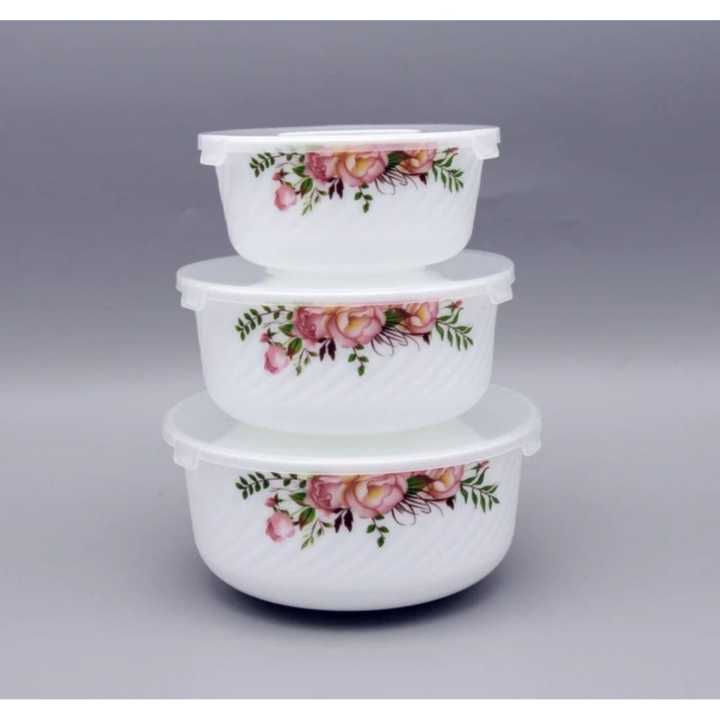
Are microwave safe ceramic bowls oven safe?
Sometimes, but not always. A bowl marked “microwave safe” has passed tests for microwave use. That label usually means the bowl should not crack, overheat, or release harmful substances during normal microwave heating.
However, an oven heats the entire bowl for a longer period. The temperature may rise far above what the bowl experiences in a microwave. As a result, a microwave-safe ceramic bowl may crack, shatter, or damage its glaze in a conventional oven.
When asking, “are microwave safe ceramic bowls oven safe,” use this rule:
• A microwave-safe label does not equal an oven-safe label.
• Use the bowl in an oven only when the maker clearly says it is oven safe.
• Look for a temperature limit, such as “oven safe to 400°F.”
• Do not rely on the bowl’s material or appearance alone.
Ceramic is a broad term. It includes earthenware, stoneware, porcelain, and some specialty clay products. Each type can respond differently to heat.

Why microwave safety and oven safety are different
A microwave does not heat a dish in the same way as a conventional oven. Microwave energy mainly excites water molecules in the food. The food becomes hot, and the bowl may warm from contact with that food.
A conventional oven heats the air around the bowl. The bowl itself absorbs heat from all sides. It may also face direct heat from an oven rack, baking element, or broiler.
This difference creates more stress inside the ceramic. One part of the bowl may expand faster than another. If the stress becomes too great, the bowl can crack or break.
The answer to “are microwave safe ceramic bowls oven safe” therefore depends on heat resistance, not just microwave performance.
What thermal shock means
Thermal shock happens when a ceramic item moves quickly between very different temperatures. For example, placing a cold bowl into a hot oven can cause sudden expansion on the outside while the inside remains cold.
The reverse can also be dangerous. Taking a hot bowl from the oven and placing it on a cold stone counter may cause it to break.
Think of ceramic like a glass window in winter. A fast temperature change can create stress before the material has time to adjust.
Common thermal shock risks include:
• Moving a bowl from the refrigerator directly into a hot oven
• Pouring cold liquid into a hot ceramic bowl
• Setting a hot bowl on a wet or cold surface
• Using a ceramic bowl under a broiler without approval
• Adding frozen food to a hot dish
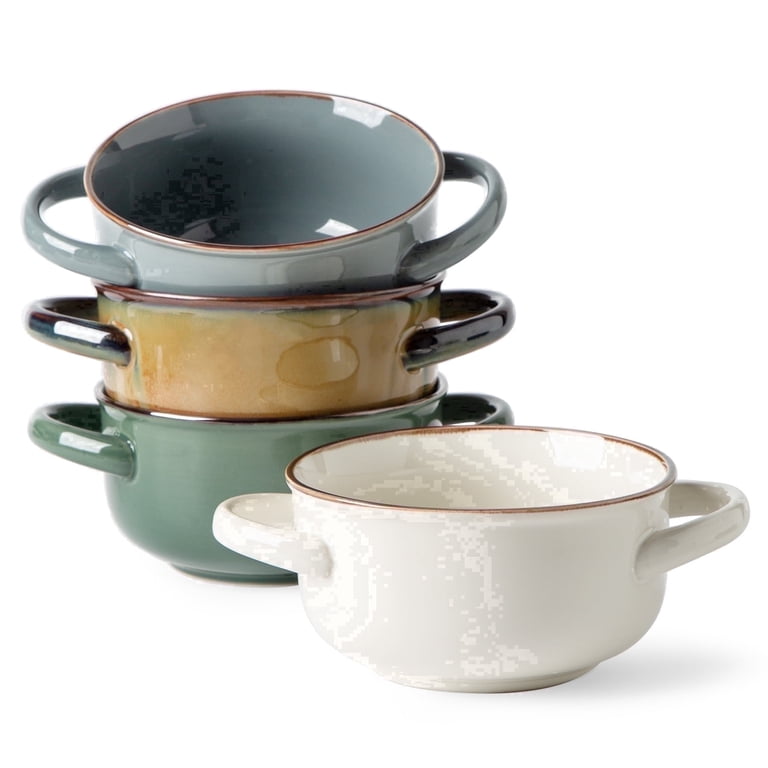
How to tell if a ceramic bowl is oven safe
The safest method is to check the bottom of the bowl, its packaging, or the manufacturer’s product page. Look for clear wording such as “oven safe,” “safe for conventional ovens,” or a maximum temperature.
Some products show a small oven symbol. Others list a temperature range. If the instructions say only “microwave safe” and give no oven guidance, treat the bowl as not approved for oven use.
Use this checklist before baking with a ceramic bowl:
-
Check the base for an oven-safe symbol or written rating.
-
Read the original packaging or care guide.
-
Search for the exact product model if the bowl has a brand or item number.
-
Check whether the instructions mention preheating, broiling, or temperature limits.
-
Inspect the bowl for chips, cracks, crazing, or loose glaze.
-
Do not use it if the instructions are unclear.
When people ask, “are microwave safe ceramic bowls oven safe,” the product label is more reliable than color, weight, thickness, or price.
Signs that a bowl may be oven safe
Some features can offer clues, but they do not replace a manufacturer’s rating. Oven-safe ceramic is often thick, well-fired, and made for baking. Stoneware and porcelain may handle oven heat well when they are properly manufactured.
Still, a heavy bowl is not automatically safe. Handmade pottery, decorative ceramics, and older dishes may have unknown limits. Treat visual clues as hints, not proof.

Ceramic types and their heat performance
Ceramic bowls are made from different materials. The name on the product can help you understand how the bowl may behave, but the maker’s instructions still matter most.
Stoneware
Stoneware is dense and often made for baking. Many stoneware bowls are oven safe, but some have specific limits. Stoneware can still crack if exposed to thermal shock.
Porcelain
Porcelain is fired at a high temperature and is often strong and heat resistant. Some porcelain bowls are oven safe, while others are designed only for serving. Fine porcelain with metallic details may have extra restrictions.
Earthenware
Earthenware is usually fired at a lower temperature. It can be more porous and more sensitive to sudden heat. Unless the maker confirms oven use, avoid placing earthenware bowls in a hot oven.
Terracotta
Terracotta can handle some heat in the right conditions, but it may absorb moisture and crack when heated too quickly. Do not assume a terracotta serving bowl is suitable for baking.
Handmade pottery
Handmade pottery varies widely. The clay, firing process, glaze, wall thickness, and age all affect its safety. Ask the potter for care instructions before using a handmade ceramic bowl in an oven.
These differences explain why “are microwave safe ceramic bowls oven safe” cannot have one answer for every ceramic product.
The role of glaze, paint, and decoration
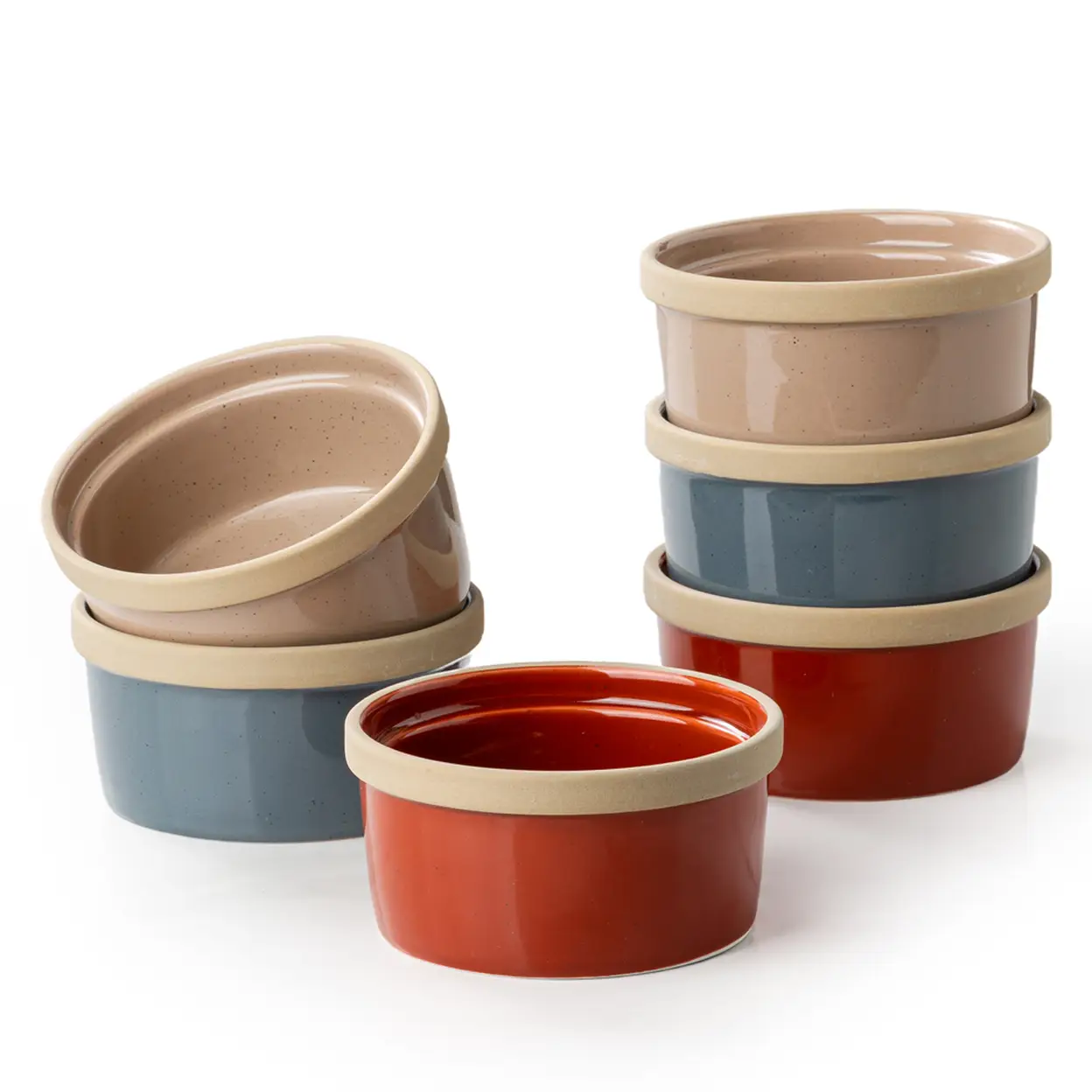
The ceramic body is not the only concern. The surface glaze and decoration also matter.
Some bowls have metallic paint, gold rims, silver details, or decorative coatings. These features can spark in a microwave and may discolor, melt, or react badly in an oven. Even if the bowl itself can handle heat, the decoration may not.
Older ceramics can also contain uncertain glazes. Decorative or imported pieces may lack clear safety information. Do not use them for cooking unless the maker confirms that they are food safe and oven safe.
Watch for these warning signs:
• Gold, silver, copper, or metallic trim
• Stickers or painted designs that are not part of the fired glaze
• Cracks in the glaze, known as crazing
• Chips around the rim or base
• A rough, powdery, or flaking surface
• A strong chemical smell when heated
Crazing looks like a web of fine lines across the glaze. It may not cause immediate failure, but it can allow food and moisture to enter the surface. A bowl with serious crazing is best used for display or replaced.

Safe ways to use an oven-safe ceramic bowl
If the bowl has clear oven-safe instructions, use it with care. The label gives permission, but good handling prevents stress and extends the bowl’s life.
Follow these steps:
-
Check the bowl for damage before each use.
-
Use the temperature limit stated by the maker.
-
Avoid placing the bowl on a hot stovetop burner.
-
Keep the bowl away from direct flames.
-
Do not place a cold bowl into a fully heated oven unless the instructions allow it.
-
Add food before heating when possible.
-
Use dry oven mitts when removing the bowl.
-
Place the hot bowl on a dry cloth, wooden board, or heat-safe trivet.
-
Allow the bowl to cool before washing it.
-
Never pour cold water into a hot ceramic bowl.
A conventional oven and a toaster oven may produce different heating patterns. A toaster oven can place a dish close to a heating element, so follow the product instructions for both appliances.
Can you preheat an oven with a ceramic bowl inside?
Only if the manufacturer allows it. Some oven-safe baking dishes can handle a preheated oven, while others require a gradual temperature increase.
When instructions are not available, place the filled bowl into a cool oven and let both heat together. This approach may reduce thermal shock, but it does not make an unapproved bowl safe.
What not to do with microwave-safe ceramic bowls
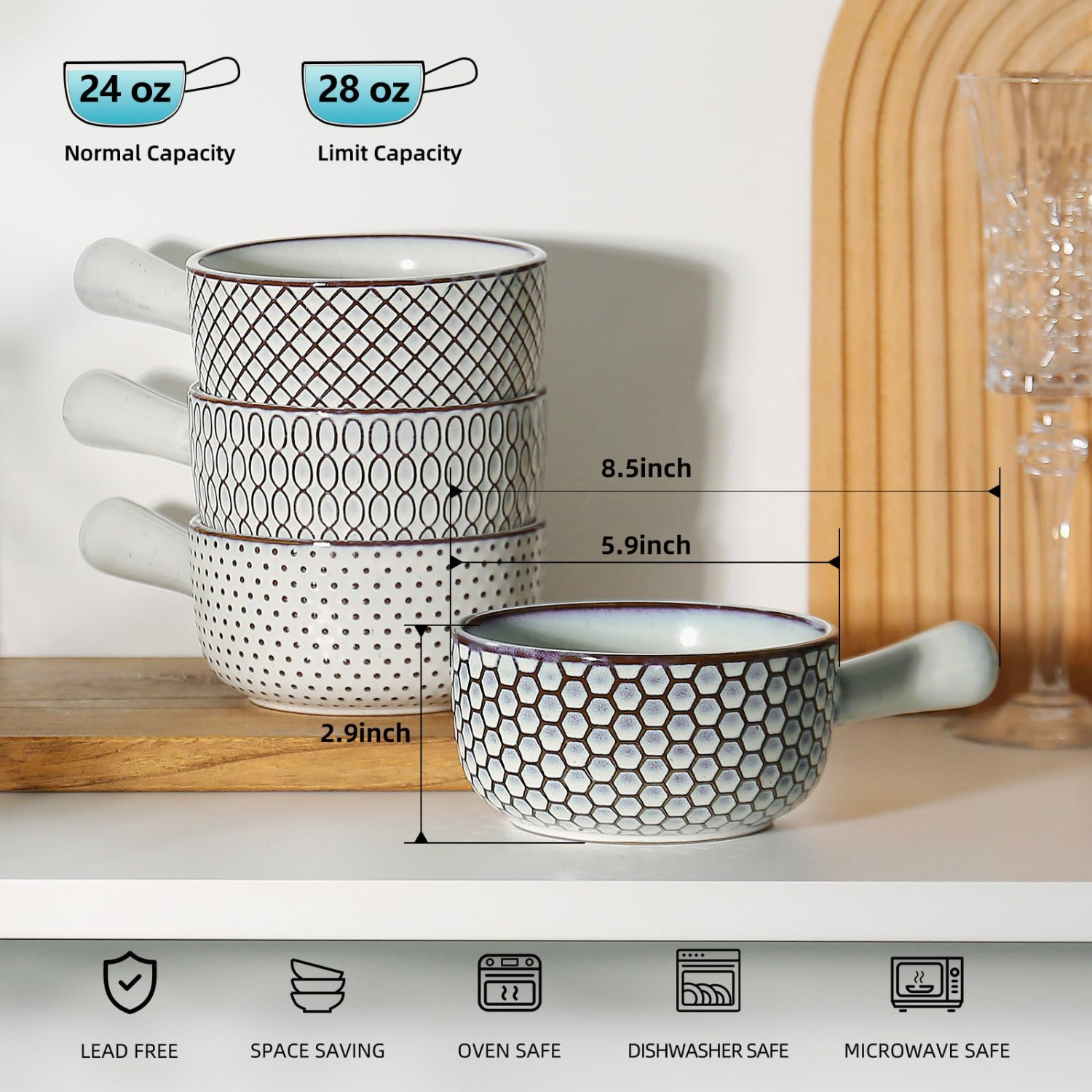
A common mistake is to treat microwave safety as a complete heat rating. It is not. The microwave label answers one question: can this item be used in a microwave under normal conditions?
It does not answer whether the bowl can handle:
• A 350°F or 450°F oven
• Direct broiler heat
• A gas flame
• A hot stovetop
• Fast temperature changes
• Long baking times
Do not test an unknown bowl by placing it into a hot oven “just to see what happens.” Ceramic failure can be sudden. A cracked bowl can spill hot food, cause burns, or spread sharp fragments.
It is also wise to avoid using damaged bowls in the microwave. A crack may grow with heat, and hidden moisture can turn into steam inside the ceramic.

Can an oven-safe bowl go in the microwave?
Usually, yes, but not always. An oven-safe ceramic bowl may still contain metal decoration or another feature that makes it unsuitable for microwave use.
Check for both labels. A product may be:
• Microwave safe and oven safe
• Microwave safe but not oven safe
• Oven safe but not microwave safe
• Safe for neither appliance
Also consider the food. Foods with little moisture can overheat in a microwave. Thick sauces and oils may become extremely hot, even when the bowl remains comfortable to touch.
A good habit is to follow the strictest instruction on the label. If the bowl says “oven safe, not for stovetop,” never use it directly on a burner.
A practical safety check before cooking
When I review kitchenware guidance, the most useful lesson is simple: never guess when a label can answer the question. People often judge a bowl by its weight or by the fact that a similar bowl survived the oven. That comparison can be misleading.
Use this quick decision process:
• Does the bowl clearly say “oven safe”? If yes, follow its temperature limit.
• Does it say only “microwave safe”? Keep it out of the conventional oven.
• Is the bowl handmade, antique, damaged, or decorated with metal? Avoid oven use unless you have clear instructions.
• Is the bowl cold, frozen, or wet? Allow it to warm gradually before applying heat.
• Are you using a broiler, stovetop, or toaster oven? Check that the instructions cover that appliance.
This process takes less than a minute and can prevent broken dishes, wasted food, and serious burns.
What to use instead when the label is unclear
If you cannot confirm that a ceramic bowl is oven safe, choose a dish made for baking. Glass baking dishes, cast iron, stainless steel, and clearly labeled stoneware are common options.
Use a ceramic bowl for mixing, serving, or microwave heating instead. Transfer the food to an approved baking dish before placing it in the oven.
For recipes such as baked oatmeal, casseroles, cobblers, and individual pot pies, use a ramekin or baking dish with a stated oven temperature rating. This gives you a clear safety margin and more predictable cooking results.
The answer to “are microwave safe ceramic bowls oven safe” is not worth guessing when another suitable dish is available.
Frequently Asked Questions
Are microwave safe ceramic bowls oven safe?
Not necessarily. A microwave-safe label confirms microwave use but does not automatically approve conventional oven use. Look for a separate oven-safe label and a maximum temperature.
Can I put a cold ceramic bowl in a hot oven?
Avoid doing so unless the manufacturer specifically allows it. The sudden temperature change may cause thermal shock, which can crack or shatter the bowl.
Is stoneware always safe in the oven?
No. Many stoneware products are oven safe, but each item has its own care instructions and temperature limit. Inspect it for damage and follow the maker’s guidance.
Can ceramic bowls go under the broiler?
Only when the manufacturer clearly says they are broiler safe. Broilers create intense, direct heat that is more severe than normal baking.
Can I put an oven-safe ceramic bowl on the stovetop?
Usually not. Most ceramic bowls are not designed for direct burner heat, which can create severe hot spots and cause breakage.
What should I do if my ceramic bowl cracks in the oven?
Turn off the heat and allow the oven to cool before removing the pieces. Do not use the bowl again, even if the crack seems small.
Is a bowl with gold trim safe in the oven or microwave?
Gold trim may spark in a microwave and can discolor or weaken in an oven. Unless the manufacturer gives clear approval, keep decorated bowls out of both appliances.
Conclusion
Microwave safety and oven safety are two different ratings. A ceramic bowl may work well for reheating yet fail under the sustained heat of a conventional oven. Always check for an oven-safe label, follow the temperature limit, avoid thermal shock, and retire bowls with cracks, chips, or severe crazing.
When you are unsure whether microwave safe ceramic bowls are oven safe, do not guess. Use a clearly rated baking dish instead, and protect yourself from preventable breakage and burns. Check your kitchenware labels today, and share your experience or questions in the comments.

Liora Pennings is a seasoned chef and kitchen enthusiast with a passion for turning everyday cooking into an effortless experience. With years of hands-on culinary expertise, she specializes in practical techniques, ingredient know-how, and smart kitchen solutions that help home cooks elevate their meals. At KitchFlair.com, Liora shares her best tips, time-saving tricks, and honest product reviews to guide readers toward a more efficient, enjoyable, and inspired cooking routine. Whether you’re a beginner or a seasoned home chef, Liora’s friendly, knowledge-packed insights make every visit to the kitchen a little easier—and a lot more delicious.