How To Make Buttered Popcorn In A Popcorn Machine: Easy
To make buttered popcorn in a popcorn machine, add oil and kernels to the kettle, then drizzle melted butter after popping.
Learning how to make buttered popcorn in a popcorn machine is simple once you understand the difference between popping oil and butter topping. The right oil, heat, timing, and cleaning routine create crisp popcorn with rich theater-style flavor, while the wrong ingredients can cause smoke, soggy kernels, or a damaged kettle.

What You Need to Make Buttered Popcorn
Before learning how to make buttered popcorn in a popcorn machine, gather the right ingredients and tools. Most countertop machines use a small metal kettle with a built-in stirrer, heating element, and warming deck.
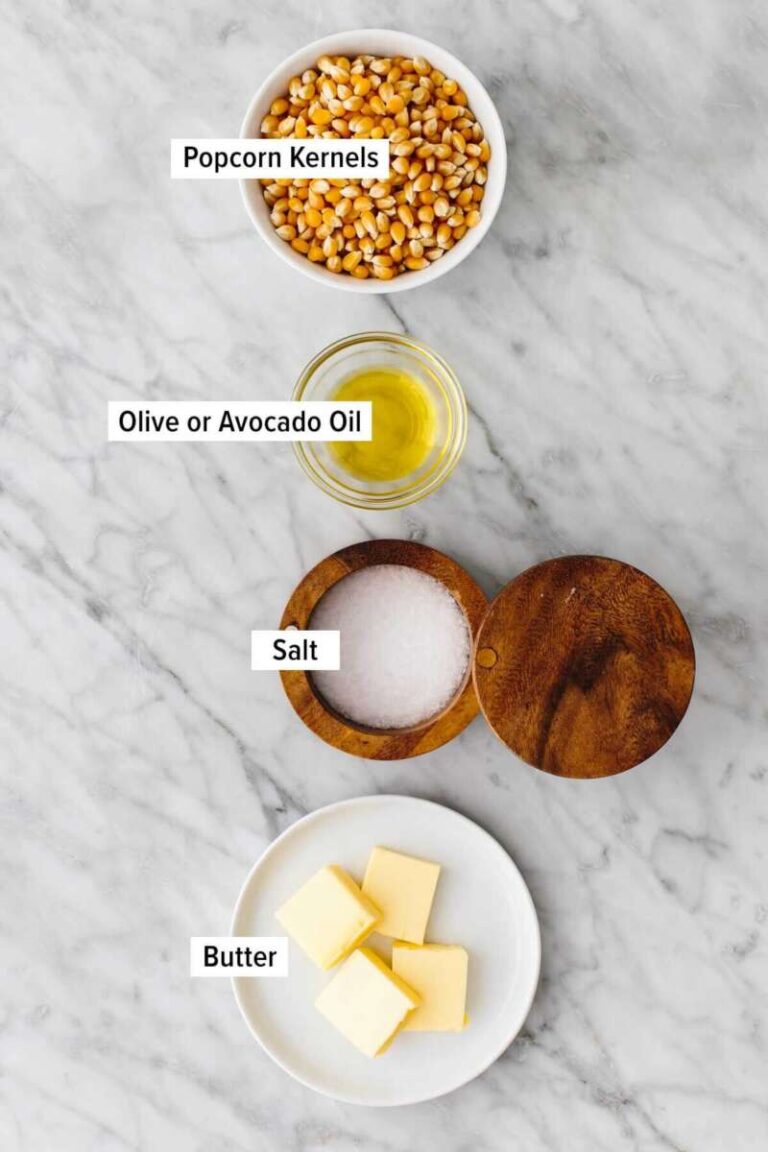
You will need:
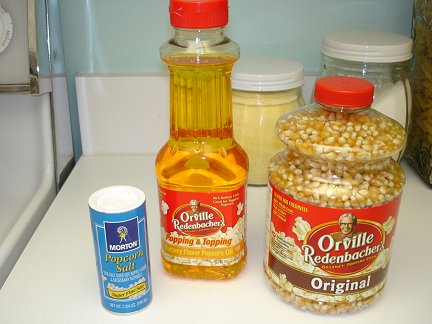
• Popcorn kernels made for popping machines or stovetop use
• Coconut oil, canola oil, sunflower oil, or another approved popping oil
• Melted butter or clarified butter for topping
• Popcorn salt or fine salt
• A heat-safe bowl or serving bags
• Measuring spoons or the scoop supplied with the machine
• A clean, dry towel for wiping the machine
The machine’s manual should always guide the exact amounts. A common starting point for a six-ounce kettle is about 1 to 2 tablespoons of oil and ¼ to ½ cup of kernels, but kettle sizes vary.
Fresh kernels matter. Old or poorly stored kernels may have lost moisture. Popcorn needs a small amount of water inside each kernel to build steam. If the moisture level is too low, many kernels remain unpopped.

How to Make Buttered Popcorn in a Popcorn Machine
The basic process has four parts: preheat the machine, add the oil and kernels, empty the kettle at the right time, and apply butter after popping. Follow these steps for a clean, crisp batch.
1. Read the machine instructions
Check the manual before turning on the machine. Look for the recommended oil type, kernel amount, kettle capacity, and cleaning method.
Some machines have separate switches for the kettle, light, stirrer, and warming deck. Others use one main power switch. Knowing these controls prevents overheating and helps you avoid running the kettle empty.
2. Preheat the kettle
Turn on the kettle heat for about 3 to 5 minutes, or use the time listed in the manual. A warm kettle helps the oil heat evenly and reduces the chance of kernels sitting in cold oil.
Do not preheat an empty kettle longer than the manufacturer allows. Excess heat can darken the kettle and shorten the life of the heating element.
3. Add the oil
Add the measured oil to the kettle. Use an oil that is safe for high heat and approved by the machine maker.
Coconut oil is popular because it gives popcorn a classic movie theater taste. Canola and sunflower oils have a lighter flavor. Avoid using butter as the main popping oil because regular butter contains water and milk solids. The water can create steam and splatter, while the milk solids may burn.
4. Add the kernels
Add the measured kernels after the oil warms. Close the kettle lid, but make sure the kettle can vent as designed.
The stirrer should move the kernels through the oil. Do not add extra kernels to speed up the batch. overfilling can trap unpopped kernels, spill hot oil, and push popcorn into the machine’s moving parts.
5. Watch and listen
The first pops may take a few minutes. When popping slows to about one pop every 2 to 3 seconds, switch off the kettle heat or follow the machine’s emptying instructions.
Do not wait until every kernel pops. The last few kernels often require more heat, and waiting for them can burn the popcorn that already popped.
6. Empty the kettle
Use the kettle dump handle if the machine has one. Keep your face and hands away from the opening because hot steam can escape.
Pour the popcorn into a large bowl. Spread it slightly so steam can escape. This small step helps prevent the popcorn from becoming soft.
7. Add the butter
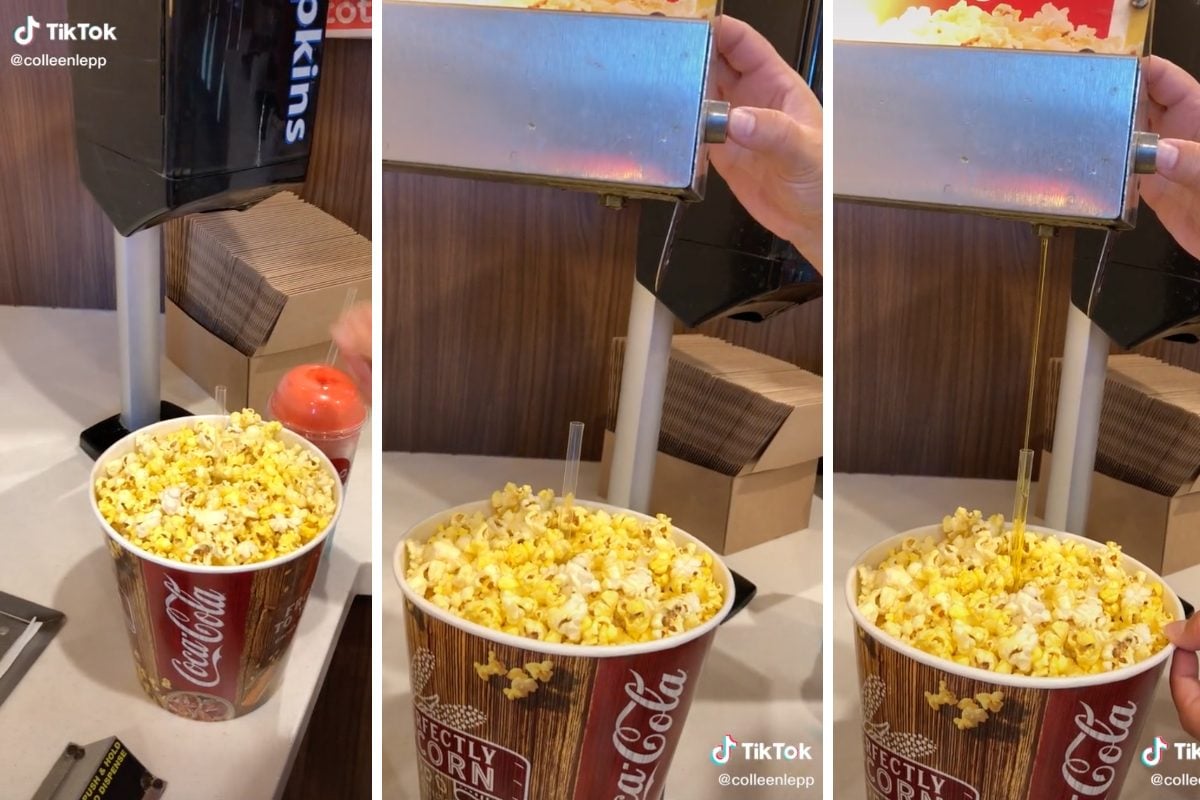
Melt the butter in a small pan or microwave-safe container. Pour it in a thin stream while tossing the popcorn with a large spoon.
For the best texture, use clarified butter or ghee. These contain less water than regular butter and are less likely to make the popcorn soggy. Add a little at a time rather than pouring it all in one spot.
8. Add salt and toss
Sprinkle fine popcorn salt while tossing. Fine salt sticks better than coarse table salt.
Taste the popcorn after each small addition. It is easy to add more salt, but difficult to fix popcorn that is too salty.

Why Butter Should Usually Go on After Popping
Many people assume that butter belongs in the kettle. In most home popcorn machines, that is not the best choice.
Regular butter contains water, milk proteins, and milk fat. The water turns to steam as it heats. The milk proteins can brown or burn against the hot kettle surface. This may create smoke, bitter flavors, and a sticky residue.
Popping oil is designed to handle high heat. Butter is better used as a finishing topping. This method also gives you more control over flavor and texture.
There are exceptions. Some commercial machines include a separate butter warmer or a special butter-flavored topping system. Use those parts only as directed. Never pour butter into a separate warmer unless the machine is designed for it.
When learning how to make buttered popcorn in a popcorn machine, think of the kettle as the cooking area and the butter as the finishing sauce. That simple comparison prevents many common mistakes.

Choosing the Best Oil and Butter
Oil affects the taste, smell, and texture of the popcorn. Butter affects the final richness.
Best oils for popping
• Coconut oil gives a classic theater-style taste and can create a light golden color.
• Canola oil has a mild flavor and works well for everyday batches.
• Sunflower oil has a clean taste and is suitable for high-heat cooking.
• Peanut oil can provide a pleasant flavor, but avoid it if anyone eating the popcorn has a peanut allergy.
Always check the machine manual before using flavored oils or specialty products. The oil must remain fluid enough for the stirrer and safe for the kettle’s heat range.
Best butter options
• Unsalted butter lets you control the final salt level.
• Salted butter adds flavor but may make the popcorn too salty.
• Clarified butter gives a strong butter flavor with less added moisture.
• Ghee has a rich, toasted taste and works well when you want a crisp finish.
Melt the butter gently. High heat can burn it before it reaches the popcorn. If using a microwave, heat it in short intervals and stir between each interval.

How Much Oil, Popcorn, Butter, and Salt to Use
The correct ratio depends on kettle size. Always treat the measurements below as a starting point, not a universal rule.
For a small home machine, try:
• 1 tablespoon of oil
• ¼ cup of popcorn kernels
• 1 to 2 tablespoons of melted butter
• ¼ to ½ teaspoon of fine salt
For a larger six-ounce kettle, the machine may need:
• 2 tablespoons of oil
• ½ cup of popcorn kernels
• 2 to 4 tablespoons of melted butter
• ½ to 1 teaspoon of fine salt
Too much butter can make popcorn heavy and soft. Too little may leave the flavor uneven. Tossing is just as important as measuring because butter must coat many pieces at once.
A useful method is to drizzle half the butter, toss the bowl, add the rest, and toss again. This creates a more even coating than pouring all the butter over the top.
Common Mistakes to Avoid
Knowing what not to do is a major part of learning how to make buttered popcorn in a popcorn machine.
• Do not use regular butter as the only popping oil. Its water and milk solids can cause splattering and burning.
• Do not overfill the kettle. Extra kernels can block the stirrer and create uneven popping.
• Do not leave the kettle heat on after the popping slows. Burnt popcorn can affect the taste of the next batch.
• Do not add wet toppings before popping. Moisture makes the kernels steam and may damage the machine.
• Do not pour melted butter directly into electrical parts, vents, or switches.
• Do not use metal tools to scrape a nonstick kettle. Scratches can damage the cooking surface.
• Do not clean the kettle while it is hot. Allow it to cool first.
• Do not store popcorn inside the machine overnight. Oil and salt residue can attract pests and create odors.
One mistake I have seen often is adding butter too quickly. The top layer becomes greasy, while the popcorn below stays plain. A slow drizzle with steady tossing gives a much better result.

How to Keep Buttered Popcorn Crisp
Crisp popcorn depends on controlling moisture. Steam is helpful inside the kernel during popping, but it is the enemy after popping.
Use these simple habits:
• Empty the kettle soon after popping slows.
• Keep the warming deck on if the machine has one, but do not overheat the popcorn.
• Leave the serving container open for a few minutes so steam can escape.
• Use clarified butter when you want the crispest finish.
• Serve the popcorn soon after adding butter.
• Avoid covering hot popcorn with a tight lid.
Popcorn may become soft if it sits in a humid room. This is normal. Butter also adds moisture, so heavily buttered popcorn will soften faster than lightly topped popcorn.
If the popcorn is already soft, spread it on a baking sheet and warm it briefly in a low oven. Watch it closely. This may restore some crispness, but it will not make stale popcorn taste completely fresh.
Cleaning a Popcorn Machine Safely
Cleaning protects both flavor and machine performance. Old oil can become rancid, while burnt crumbs can smoke during the next batch.
Unplug the machine and let it cool fully. Remove the kettle parts only if the manual says they are removable.
Clean the machine after each use:
• Brush or wipe loose kernels from the bottom.
• Wipe the kettle with a soft, damp cloth.
• Use a small amount of mild dish soap on removable parts when allowed.
• Dry every part before reassembly.
• Wipe the glass and stainless steel surfaces with a clean cloth.
• Keep water away from motors, switches, plugs, and electrical controls.
Do not submerge the main machine. Do not spray cleaner into the kettle, vents, or control panel. For stubborn oil, use a cloth dampened with warm water and mild soap, then wipe again with clean water.
The USDA recommends good food safety practices for prepared foods, including keeping surfaces clean and avoiding cross-contamination. While popcorn is a low-risk snack, clean equipment still matters, especially at parties, school events, and concession stands.

Making Theater-Style Buttered Popcorn at Home
Theater popcorn usually gets its bold flavor from three things: coconut oil, fine salt, and a butter-flavored topping. You can create a similar result at home without putting liquid butter into the kettle.
Try this simple formula:
-
Pop the kernels in coconut oil.
-
Add fine popcorn salt during or just after popping.
-
Melt clarified butter separately.
-
Drizzle the butter over the popcorn in two stages.
-
Toss from the bottom of the bowl upward.
-
Taste and adjust the salt.
For a party, set out small cups of melted butter, ranch seasoning, cinnamon sugar, or grated cheese powder. Keep wet toppings separate until serving. This lets guests choose their flavor and keeps the main batch crisp.
When I make buttered popcorn in a popcorn machine for a group, I use several small batches instead of one oversized batch. Small batches pop more evenly and stay fresher. They also reduce the chance of overloading the kettle.
Safety Tips for Children and Events
A popcorn machine looks fun, but the kettle, oil, steam, and glass panels can become very hot. Place the machine on a stable, heat-resistant surface away from table edges.
Keep children away from the kettle dump handle and electrical cord. Adults should handle the oil, hot butter, and machine controls.
For events, use these precautions:
• Keep the power cord away from walkways.
• Use dry hands when touching plugs and switches.
• Do not move the machine while it is hot.
• Keep napkins and paper decorations away from the heating area.
• Use heat-safe containers for butter.
• Label allergens if using peanut oil, dairy butter, or flavored seasonings.
• Follow local food service rules for public events.
If oil smokes, turn off and unplug the machine if it is safe to do so. Do not add water to hot oil. Let the machine cool and inspect it before using it again.
Frequently Asked Questions
Can I put butter directly into a popcorn machine kettle?
Usually, no. Regular butter contains water and milk solids that can splatter, burn, and leave residue. Pop the kernels in approved oil, then add melted or clarified butter after popping.
What is the best oil for buttered popcorn in a machine?
Coconut oil is a popular choice for a classic movie theater flavor. Canola and sunflower oil also work well because they have mild flavors, but always follow the machine manufacturer’s instructions.
How do I keep buttered popcorn from getting soggy?
Use clarified butter or ghee, drizzle it slowly, and toss the popcorn as you pour. Serve it soon after topping, and allow steam to escape instead of sealing the bowl right away.
How much popcorn should I put in the kettle?
Use the amount listed in the machine manual. As a general guide, a small machine may use ¼ cup of kernels, while a six-ounce kettle may use about ½ cup, but never exceed the manufacturer’s limit.
Why are some popcorn kernels not popping?
Kernels may be old, too dry, or not heated evenly. Overfilling the kettle can also prevent proper movement and reduce popping performance.
Can I use microwave popcorn in a popcorn machine?
No. Microwave popcorn bags contain their own oil, flavorings, and packaging materials. Use plain popcorn kernels and an oil approved for your machine instead.
How often should I clean a popcorn machine?
Wipe the kettle and food-contact areas after every use. Perform a deeper cleaning based on the manual, especially after large events or when you notice sticky oil, burnt crumbs, or unusual odors.
Conclusion
Learning how to make buttered popcorn in a popcorn machine comes down to using the kettle for popping and adding butter afterward. Choose fresh kernels, measure the oil, avoid overfilling, stop heating when popping slows, and drizzle butter while tossing.
For the best results, try coconut oil with fine salt and clarified butter. Clean the machine after each batch, follow its manual, and treat hot oil and steam with care. Make your next batch using these steps, then share your favorite popcorn flavor or topping in the comments.

Liora Pennings is a seasoned chef and kitchen enthusiast with a passion for turning everyday cooking into an effortless experience. With years of hands-on culinary expertise, she specializes in practical techniques, ingredient know-how, and smart kitchen solutions that help home cooks elevate their meals. At KitchFlair.com, Liora shares her best tips, time-saving tricks, and honest product reviews to guide readers toward a more efficient, enjoyable, and inspired cooking routine. Whether you’re a beginner or a seasoned home chef, Liora’s friendly, knowledge-packed insights make every visit to the kitchen a little easier—and a lot more delicious.