What Makes Coffee Bitter: Causes And Easy Fixes
Coffee tastes bitter mainly because of dark roasting, overextraction, stale beans, or naturally bitter compounds.
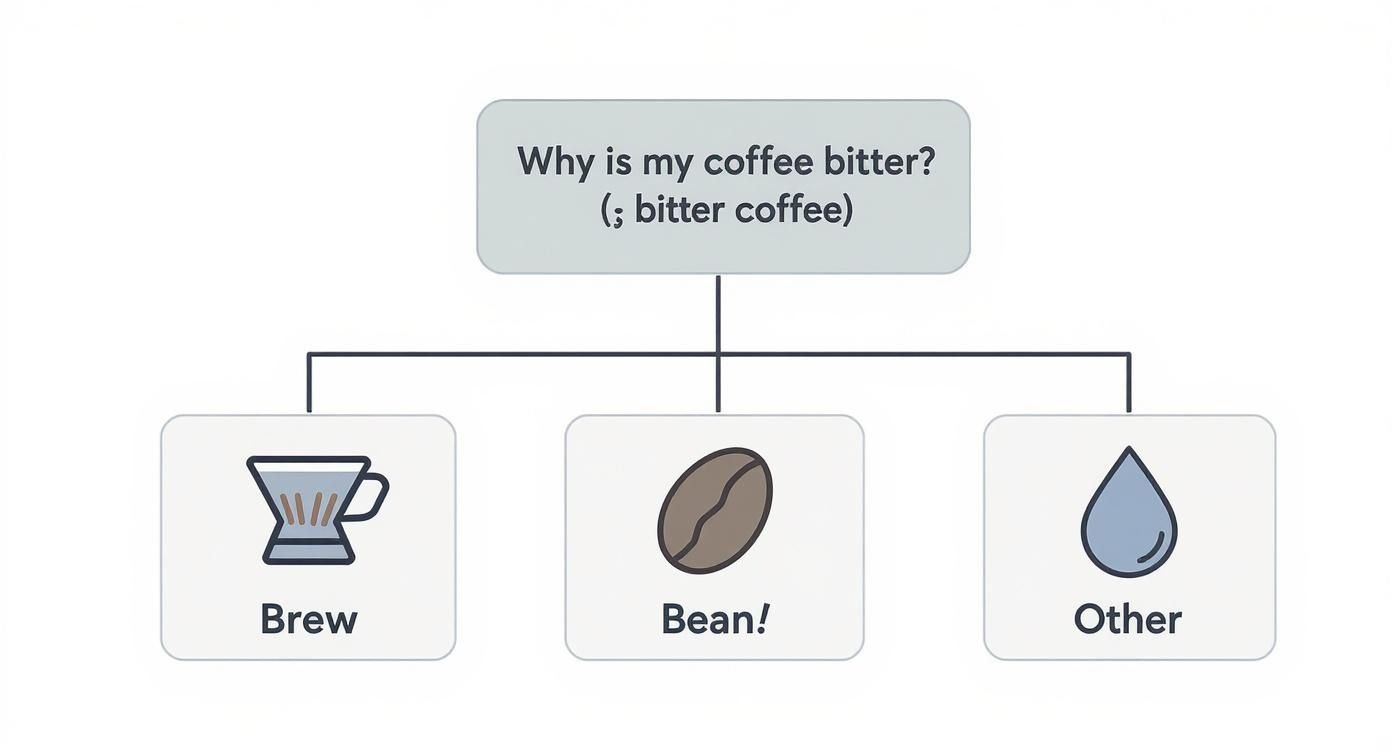
The question of what makes coffee bitter has more than one answer. Brewing temperature, grind size, roast level, bean quality, and even the cup’s cleanliness can all shape bitterness.
After testing different beans, grinders, and brewing methods, I have learned that bitter coffee is usually a process problem, not a coffee problem. This guide explains what makes coffee bitter and shows you how to fix it without guessing.

What Makes Coffee Bitter?
Coffee becomes bitter when certain compounds dissolve into the water in high amounts. Some of these compounds form during roasting, while others come from the coffee bean itself or develop during brewing.
A small amount of bitterness is normal. It gives coffee structure and balance, much like the bitter notes in dark chocolate or grapefruit. The problem starts when bitterness covers the coffee’s sweetness, aroma, and natural flavor.
The main causes of bitter coffee include:
• Dark roasting, which creates more intense roasted flavors
• Overextraction, which pulls too many compounds from the grounds
• Water that is too hot
• A grind that is too fine
• Brewing for too long
• Stale or poorly stored coffee beans
• Dirty coffee equipment
Understanding what makes coffee bitter helps you correct the cause instead of hiding the taste with milk or sugar.
The Difference Between Good Bitterness and Bad Bitterness
Not all bitterness means something went wrong. Espresso, French roast, and some coffees from Indonesia may have deep, bitter notes by design. These flavors can taste pleasant when they are balanced with sweetness, acidity, and body.
Bad bitterness often feels sharp, dry, or burnt. It may stay on your tongue after you swallow. The coffee can also taste like ash, charcoal, medicine, or overcooked vegetables.
A balanced cup usually has several flavor layers:
• Sweetness, such as caramel, honey, or fruit
• Acidity, which creates brightness and liveliness
• Body, which gives the coffee weight and texture
• Bitterness, which adds depth
When bitterness dominates all four, the brewing process likely needs attention. This is one reason what makes coffee bitter cannot be explained by roast level alone.
How Overextraction Makes Coffee Bitter
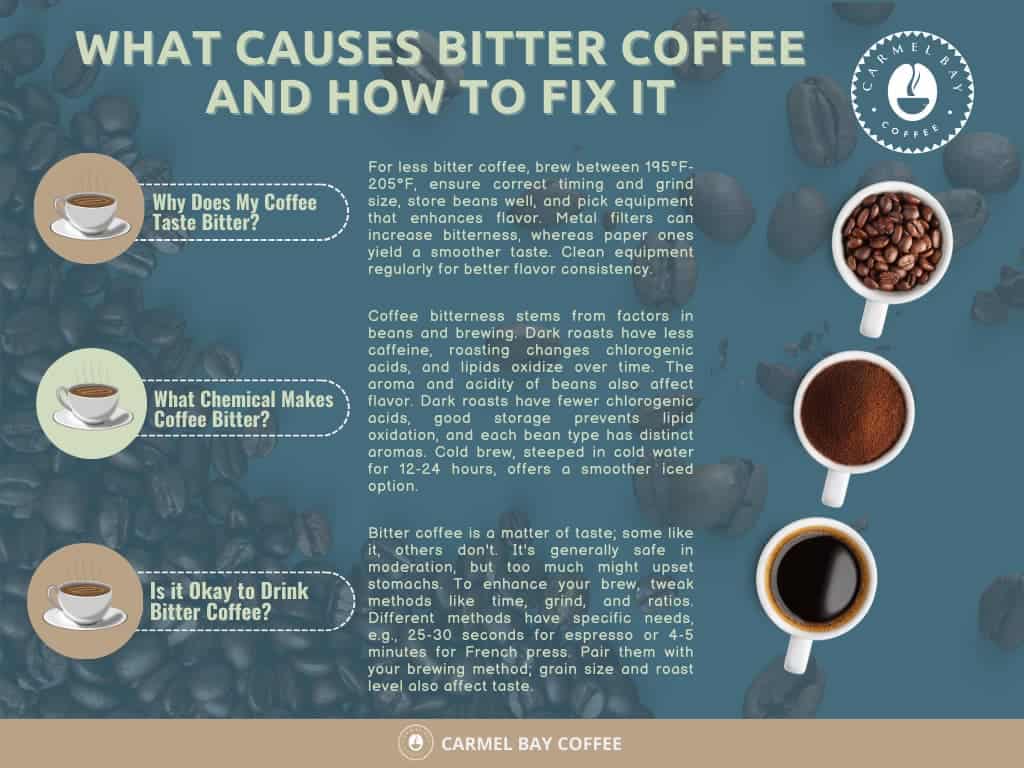
Overextraction is one of the most common answers to what makes coffee bitter. It happens when water removes too much flavor from the coffee grounds.
Coffee grounds contain many soluble compounds. The water usually extracts the pleasant acids and sugars first. If contact continues for too long, it begins to pull more harsh and dry compounds from the grounds.
Overextraction may happen when:
• The coffee grind is too fine
• The brewing time is too long
• Too much water passes through the grounds
• The water temperature is too high
• The coffee bed has uneven areas
For example, a pour over made with a very fine grind may drain slowly. The water stays in contact with the grounds for too long, producing a dry and bitter cup.
To fix overextraction, try these changes:
-
Use a slightly coarser grind.
-
Reduce the brewing time.
-
Use water between 195°F and 205°F.
-
Keep your pouring steady and gentle.
-
Use a scale to control coffee and water amounts.
In my own brewing tests, changing the grind one small step coarser often fixed bitterness faster than changing the coffee brand. Small adjustments matter because grind size has a major effect on water flow.

How Underextraction Can Also Taste Bitter
Underextraction sounds like the opposite of bitterness, but it can sometimes create a harsh or unpleasant taste. When the coffee extracts unevenly, some grounds may release too many bitter compounds while other grounds remain barely used.
Underextracted coffee often tastes:
• Sour
• Thin
• Sharp
• Salty
• Bitter at the same time
This can happen when water finds easy paths through the coffee bed. Some grounds receive too much water, while others receive too little. The result is an unbalanced cup.
A poor pour over technique is a common cause. Pouring too fast, using an uneven coffee bed, or failing to wet all the grounds can create channeling. Water then moves through small cracks instead of extracting the coffee evenly.
Try these steps:
• Level the coffee bed before brewing.
• Wet all the grounds during the first pour.
• Pour in slow circles.
• Avoid pouring directly against the filter paper.
• Use a consistent grind.
This shows why what makes coffee bitter may involve uneven extraction, not simply too much brewing time.

Why Dark Roast Coffee Tastes More Bitter
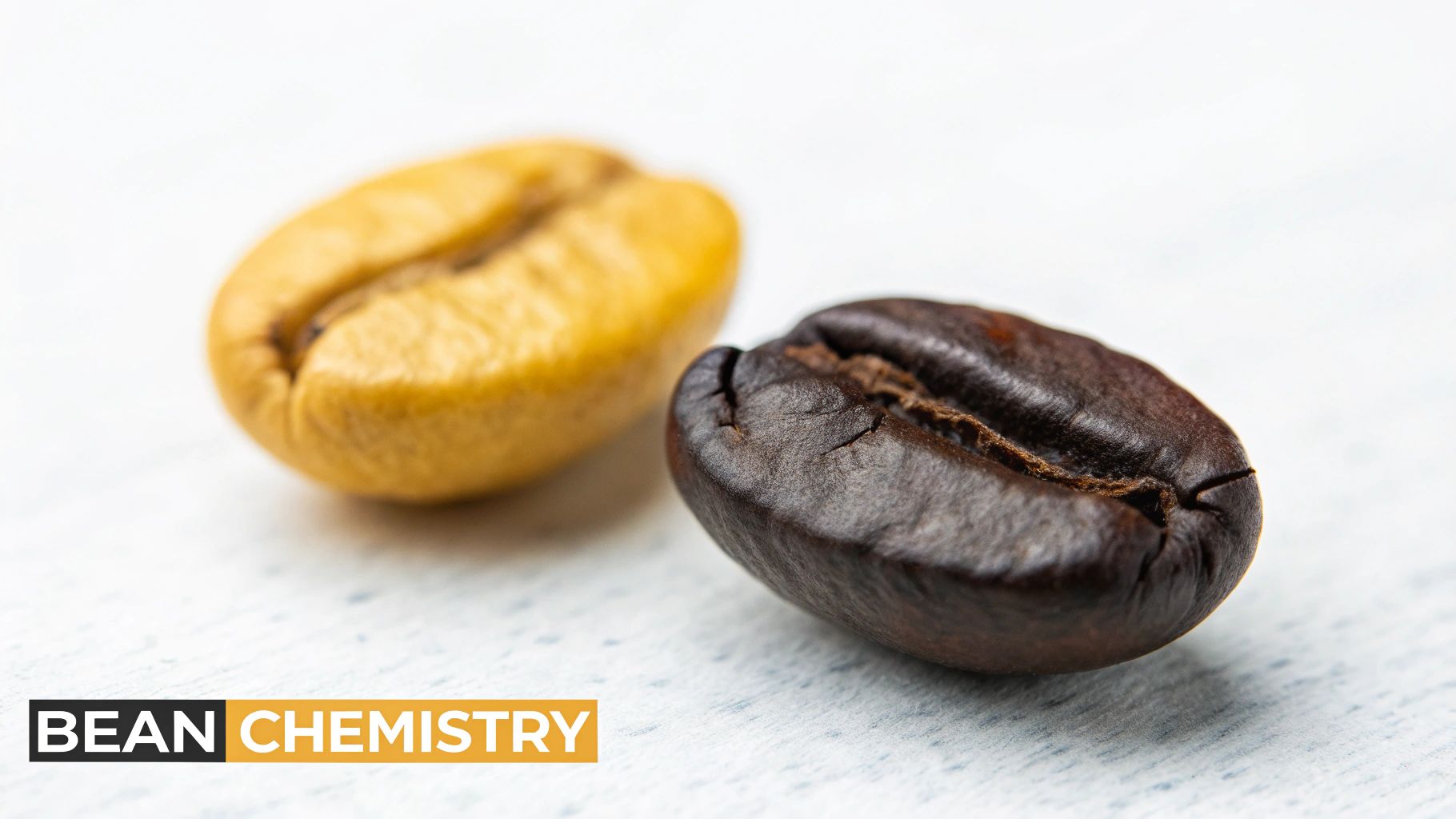
Dark roasting is another major factor in what makes coffee bitter. During roasting, heat changes the bean’s sugars, acids, and proteins. Longer roasting creates darker colors and stronger flavors.
Dark roast coffee often has notes of:
• Smoke
• Toast
• Charcoal
• Dark chocolate
• Molasses
These flavors can be enjoyable, but excessive roasting may produce a burnt taste. Dark beans also tend to have less of their original fruit and floral character because heat has altered more of the bean’s natural compounds.
Light roast coffee is not always less bitter. A poorly brewed light roast can taste harsh, sour, or dry. Still, dark roasts generally have more intense roast bitterness because they spend more time exposed to high heat.
If you prefer a smoother cup, try a medium roast. It often offers a useful balance between sweetness, acidity, and roast flavor.
How Water Temperature Affects Coffee Bitterness
Water temperature strongly influences what makes coffee bitter. Hotter water extracts flavor compounds more quickly. If the water is too hot, it can pull harsh compounds into the cup.
For most brewing methods, a water temperature between 195°F and 205°F works well. This range is widely used in professional coffee brewing because it supports steady extraction without excessive harshness.
Water below this range may produce weak or sour coffee. Water far above this range may increase bitterness, especially when combined with a fine grind or long brew time.
You do not need expensive equipment to control temperature. If you boil water in a kettle, let it sit for about 30 seconds before pouring. The exact cooling time depends on the kettle, room temperature, and amount of water.
Taste is the final test. If your coffee tastes bitter and dry, lower the temperature slightly. If it tastes sharp and thin, use hotter water or allow more extraction.
How Grind Size Can Make Coffee Bitter
Grind size controls how much surface area touches the water. Fine grounds expose more surface area, so they extract faster. Coarse grounds expose less surface area and extract more slowly.
A grind that is too fine may cause:
• Slow water flow
• Long brewing time
• Heavy body
• Dry mouthfeel
• Bitter flavor
A grind that is too coarse may cause weak, sour, or watery coffee. However, an inconsistent grind can cause both sour and bitter flavors in the same cup.
Blade grinders often create a mix of powder and large pieces. The powder overextracts and tastes bitter, while the larger pieces underextract and taste sour. A burr grinder creates more even particles and gives you better control.
A simple rule is useful:
• Bitter and dry coffee usually needs a coarser grind.
• Sour and thin coffee usually needs a finer grind.
Make only one change at a time. This helps you learn what makes coffee bitter in your specific setup.