What Are Bowls Used For: Common Uses Explained
Bowls are used to hold, mix, serve, store, and display food, liquids, ingredients, and many everyday items.
When asking what are bowls used for, the simple answer covers much more than cereal or soup. Bowls are practical tools found in kitchens, dining rooms, craft areas, gardens, and homes around the world. Their shape makes them useful for containing food, combining ingredients, serving meals, and even organizing small objects. This guide explains the main types of bowls, their best uses, material differences, safety tips, and common mistakes to avoid.
What Are Bowls Used For?
Bowls are open containers with a rounded shape and raised sides. They are mainly used to hold food and liquids, but their purpose can change based on their size, depth, material, and design.
The most common uses of bowls include:
• Holding cereal, soup, salad, rice, pasta, and desserts
• Mixing ingredients during cooking or baking
• Serving shared food at the table
• Washing fruits, vegetables, and grains
• Storing leftovers in the refrigerator
• Measuring and preparing ingredients
• Holding snacks, sauces, dips, and toppings
• Organizing small household items
• Supporting crafts, hobbies, and classroom activities
The answer to what are bowls used for also depends on the bowl’s shape. A deep bowl works well for soup, while a shallow bowl is better for pasta, grain dishes, or salads. A small bowl may hold spices, nuts, condiments, or dipping sauce.
In daily life, a bowl acts like a small indoor basin. It gives food and other items a stable place to stay while making them easy to reach, move, and use.
Common Kitchen Uses for Bowls
Most people use bowls in the kitchen several times a day. Their simple design makes cooking faster, cleaner, and more organized.
Eating meals
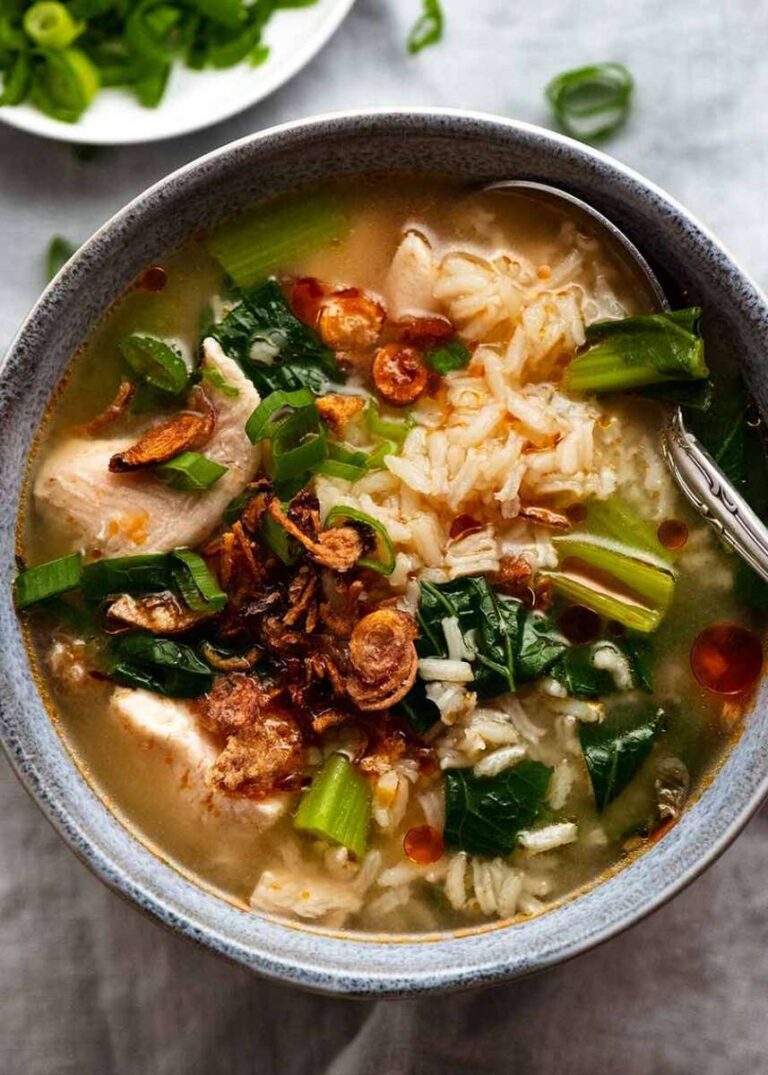
Bowls are ideal for foods that contain liquid, sauce, broth, or loose pieces. Common examples include:
• Breakfast cereal with milk
• Oatmeal and porridge
• Soup and stew
• Salad
• Rice and grain bowls
• Pasta with sauce
• Ice cream and fruit
• Chili and curry
A bowl keeps food in one place and makes it easier to mix each bite. Its rounded sides also help prevent spills when you use a spoon or fork.
Mixing ingredients
One of the most important answers to what are bowls used for is mixing. A large bowl gives ingredients enough room to move without falling over the edge.
You can use a mixing bowl to prepare:
• Cake and cookie batter
• Bread dough
• Scrambled eggs
• Pancake mix
• Salad dressing
• Coleslaw
• Mashed potatoes
• Marinades
A bowl with a wide opening is easier to use with a whisk, spoon, spatula, or electric mixer. A heavier bowl is also less likely to slide across the counter.
Preparing ingredients
Small bowls help cooks prepare ingredients before turning on the stove. This method is often called mise en place, a French term that means “everything in its place.”
For example, you can place chopped garlic in one bowl, measured spices in another, and cut vegetables in a third. This approach reduces stress and helps prevent missed ingredients.
Washing and rinsing food
Bowls can hold water while you wash berries, leafy greens, rice, beans, and other foods. A large bowl is useful when a sink is full or when you need to soak food for several minutes.
However, clean the bowl before and after washing raw meat or seafood. Cross-contamination can spread harmful bacteria to ready-to-eat foods. Food safety guidance recommends using separate utensils and cleaning surfaces well after contact with raw animal products.
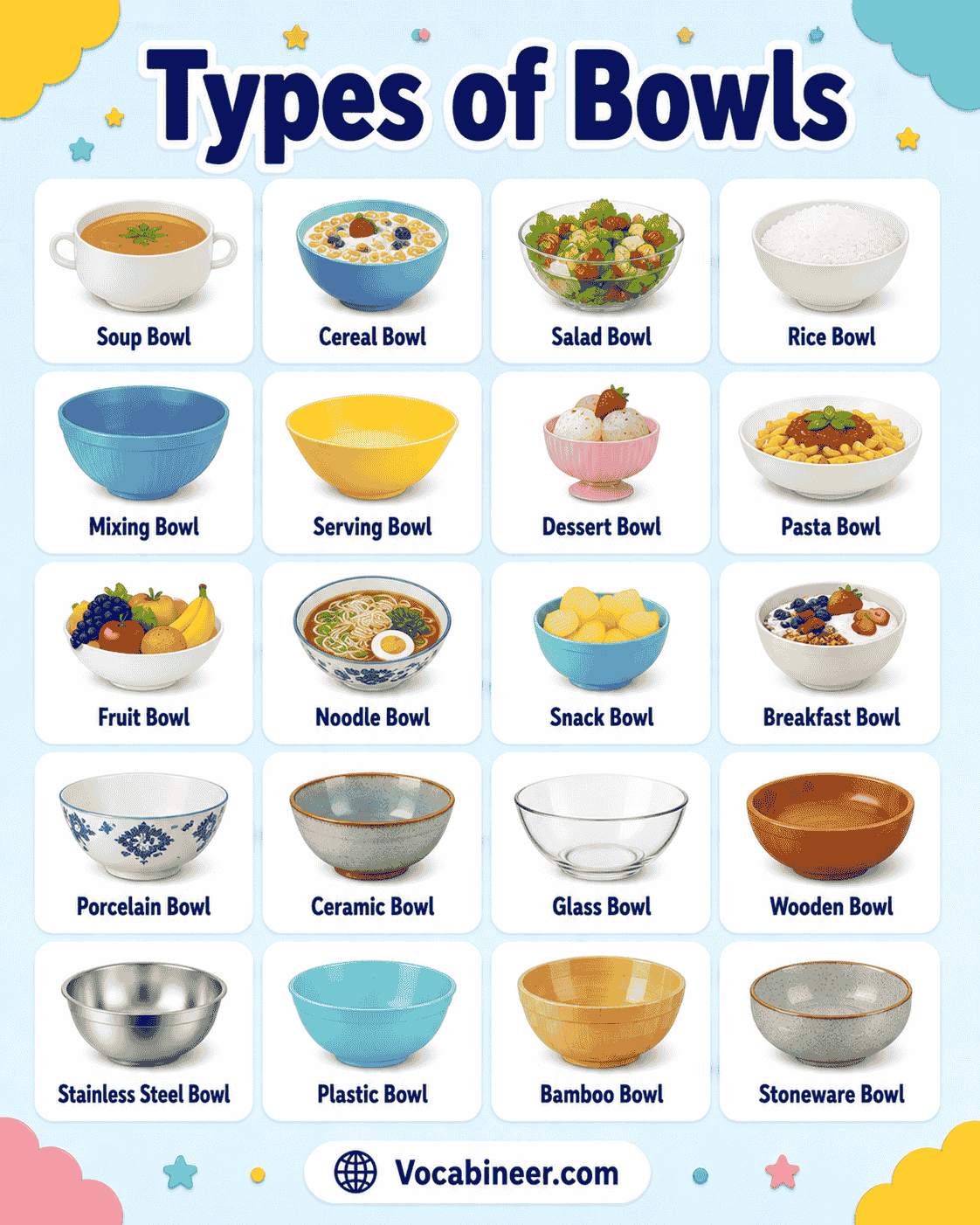
Bowls Used for Serving Food
Serving bowls are designed to present food neatly and make shared meals easier. They range from small dip bowls to large bowls for family-style dishes.
Family-style serving
Large serving bowls work well for food placed in the center of the table. They can hold:
• Salad
• Mashed potatoes
• Rice
• Pasta
• Roasted vegetables
• Fruit
• Bread rolls
• Soup or stew
A serving bowl reduces the number of dishes on the table. It also lets each person choose the amount they want.
Individual portions
Personal bowls are useful for meals prepared in separate portions. A rice bowl, smoothie bowl, poke bowl, or grain bowl often combines several foods in one dish.
These meals may include:
• A grain such as rice or quinoa
• Protein such as beans, eggs, chicken, tofu, or fish
• Vegetables
• A sauce or dressing
• Seeds, herbs, or other toppings
The bowl keeps the ingredients together while allowing different textures and flavors in each bite.
Dips, sauces, and toppings
Small bowls are used for salsa, hummus, gravy, soy sauce, ketchup, mustard, nuts, grated cheese, and chopped herbs. These bowls are often called condiment bowls, dipping bowls, or ramekins.
Using small bowls for toppings also makes meals more interactive. Guests can add only what they enjoy, which works well for tacos, baked potatoes, ice cream, and snack boards.
Bowls Used in Baking and Food Preparation
Baking often requires several bowls because ingredients must be measured, separated, mixed, or rested.
A baker may use one bowl for dry ingredients and another for wet ingredients. The two mixtures can then be combined in a larger bowl.
Dry ingredient bowls
Dry ingredients may include:
• Flour
• Sugar
• Baking powder
• Salt
• Cocoa powder
• Spices
• Oats
A medium bowl is usually enough for measuring and combining these items.
Wet ingredient bowls
Wet ingredients may include eggs, milk, oil, melted butter, yogurt, and vanilla. A bowl with a pouring edge can make it easier to transfer the mixture without making a mess.
Dough and batter bowls
Large bowls are best for dough and batter because the ingredients expand as you mix them. Choose a deep bowl when using a hand mixer. This helps reduce splashes.
One practical lesson is to avoid filling a mixing bowl to the top. Leave space for movement. Overfilled bowls make mixing difficult and often send flour or liquid across the counter.

Types of Bowls and Their Best Uses
The material and shape of a bowl affect its performance, care, and safety.
Ceramic bowls
Ceramic bowls are popular for serving meals because they hold heat well and come in many styles. They are useful for soup, pasta, cereal, and desserts.
Their limitations include weight and breakability. Some ceramic bowls may also crack if moved quickly from a freezer to a hot oven. Check the manufacturer’s instructions before using ceramic cookware in an oven or microwave.
Glass bowls
Glass bowls are useful for mixing, serving, storing, and reheating food when labeled microwave-safe. Clear glass lets you see the ingredients, which helps when checking layers or texture.
Glass does not absorb food smells easily, but it can break or shatter if dropped. Avoid sudden temperature changes unless the bowl is designed to handle them.
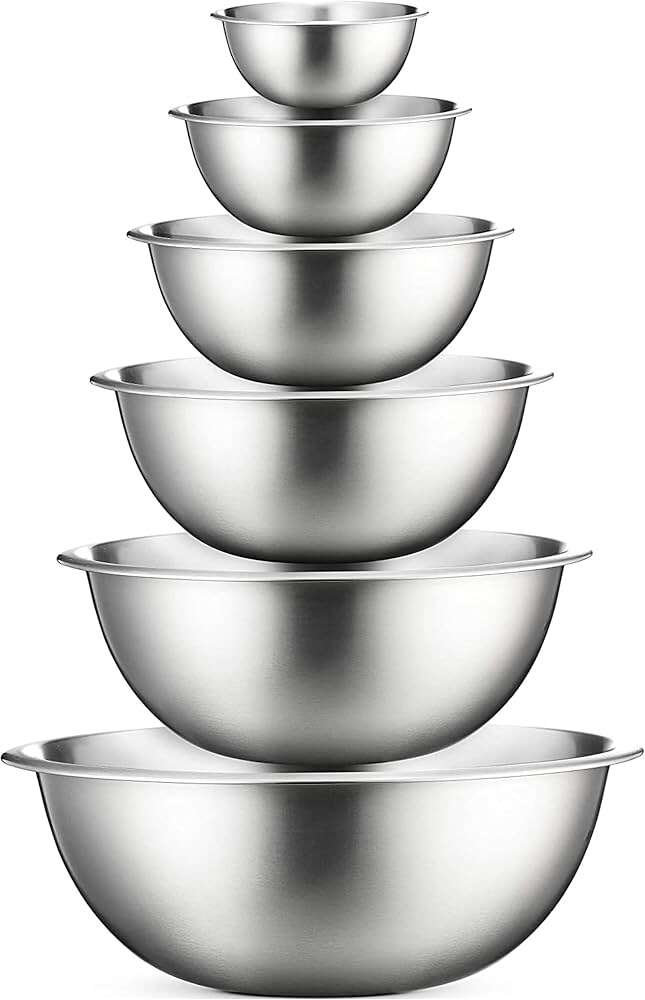
Stainless steel bowls
Stainless steel bowls are strong, light, and easy to clean. They are excellent for mixing batter, whipping cream, tossing salads, and marinating food.
They should not be used in a microwave. Stainless steel can also react with very acidic foods in some situations, so follow the product instructions when storing tomatoes, citrus-based foods, or vinegar-heavy mixtures for long periods.
Plastic bowls
Plastic bowls are light and useful for outdoor meals, children, travel, and food storage. Many are dishwasher-safe and less likely to break.
Look for food-grade plastic marked for its intended use. Not every plastic bowl is safe for hot food, microwaves, or long-term storage. Scratched plastic can also become harder to clean, so replace badly worn bowls.
Wooden bowls
Wooden bowls add warmth and natural style to a table. They are often used for salads, fruit, snacks, and decoration.
Wood needs more care than glass or stainless steel. Do not soak wooden bowls for long periods, and dry them fully after washing. Periodic treatment with a food-safe oil can help prevent drying and cracking.
Silicone bowls
Silicone bowls are flexible, light, and often useful for baking, food storage, and travel. They can tolerate a wide range of temperatures when labeled for that purpose.
Silicone may retain strong smells or oily residue. Wash it well and check the manufacturer’s temperature limits before using it in an oven or freezer.
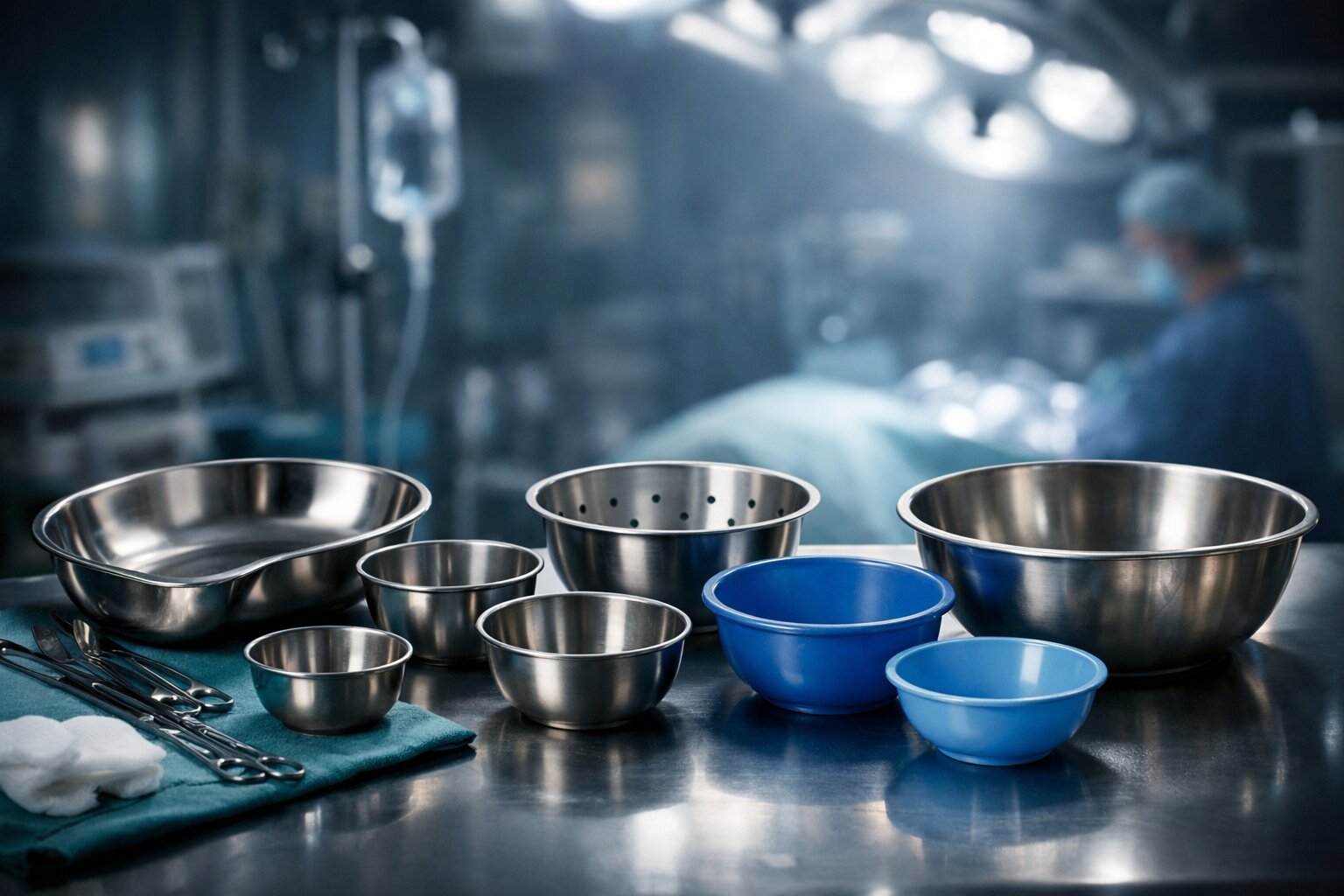
How Bowl Shape Changes Its Use
Shape is one of the clearest clues to what are bowls used for in different settings.
• Deep bowls hold liquid foods such as soup, stew, and cereal.
• Wide bowls are useful for salads, pasta, and grain meals.
• Shallow bowls make food easy to see and are often used for elegant serving.
• Small bowls hold sauces, spices, snacks, and toppings.
• Straight-sided bowls are helpful for mixing and whipping.
• Footed bowls can improve presentation and make serving more comfortable.
• Divided bowls keep different foods separate.
A wide, shallow bowl can make a small portion look generous. A deep bowl can help keep broth from spilling. These design details may seem minor, but they affect comfort, portion control, and presentation.
When choosing a bowl, think about the food first. A bowl should fit the meal, not force the meal into an awkward shape.
Other Everyday Uses for Bowls
The answer to what are bowls used for extends beyond food. Their open shape makes them useful for many household tasks.
Organization
Bowls can hold keys, coins, jewelry, buttons, hair ties, and office supplies. A small bowl near the door can serve as a simple catchall.
Crafts and hobbies
Bowls can hold paint, beads, yarn pieces, glue, clay tools, or craft scraps. Use separate bowls for nonfood activities so they are not later confused with kitchen dishes.
Pet care
Pet bowls hold food and water for dogs, cats, birds, and other animals. Stainless steel and glazed ceramic are often easy to clean. Wash pet bowls regularly, especially after wet food.
Gardening
Gardeners may use bowls to hold seeds, potting soil, harvested herbs, or small tools. A bowl can also collect weeds while you work.
Home decoration
Decorative bowls can hold fruit, flowers, stones, candles, or seasonal items. In this role, the bowl becomes both a container and a design feature.

Benefits of Using Bowls
Bowls offer several practical benefits in the kitchen and home.
• They contain food and reduce mess.
• They make mixing easier.
• They support portion control.
• They work for both cooking and serving.
• They come in many sizes and materials.
• They are easy to stack and store.
• They can make meals look more attractive.
• They support shared, family-style dining.
Bowls can also encourage balanced meals. When you build a bowl with vegetables, protein, whole grains, and a suitable sauce, it becomes easier to see what you are eating.
Still, a bowl does not automatically make a meal healthy. Ingredients, portion size, cooking method, and overall diet matter more than the container.
Bowl Safety and Cleaning Tips
Safe use depends on the material, condition, and purpose of the bowl.
Follow these practical tips:
• Check whether the bowl is microwave-safe before heating food.
• Do not place metal bowls in a microwave.
• Avoid using cracked or chipped bowls for food.
• Wash bowls after contact with raw meat, eggs, or seafood.
• Use clean bowls for ready-to-eat food.
• Follow oven, freezer, and dishwasher instructions.
• Do not pour boiling liquid into a bowl that may crack from heat.
• Dry wooden bowls fully after washing.
• Replace plastic bowls that are deeply scratched or damaged.
The United States Department of Agriculture recommends keeping raw foods separate from cooked and ready-to-eat foods. This simple habit prevents many food safety problems.
A common mistake is using one bowl for raw chicken and then using it for salad without washing it. Another mistake is assuming that a bowl labeled “dishwasher-safe” is also safe for the oven. Labels matter, so read them carefully.

How to Choose the Right Bowl
Choosing the right bowl becomes easy when you consider size, purpose, material, and care.
Consider the size
A small bowl works for dips and spices. A medium bowl suits cereal, oatmeal, and personal salads. A large bowl is better for mixing, serving, and family meals.
Consider the material
Choose glass or ceramic for serving, stainless steel for mixing, plastic for travel, and wood for decorative or gentle serving use. Silicone can be useful when flexibility and heat resistance are important.
Consider storage
If cabinet space is limited, choose bowls that stack neatly. Matching sets often save space, but mixed sizes can give you more flexibility.
Consider cleaning
Smooth, nonporous surfaces are usually easier to clean. Bowls with deep grooves, rough textures, or narrow openings may require extra care.
Consider your daily habits
If you prepare salads often, choose a large, wide bowl. If you bake, prioritize a deep mixing bowl. If you pack lunches, look for bowls with secure lids.

What Are Bowls Used For in Different Cultures?
Bowls appear in food traditions across the world. Their shape suits many cooking and serving styles.
In Japan, bowls are used for rice, miso soup, noodles, and side dishes. In Mexico, bowls may hold rice, beans, salsa, and toppings. In India, bowls commonly serve dal, curries, yogurt, and chutneys.
Across many cultures, bowls support shared meals and layered foods. They can represent comfort, hospitality, and nourishment. A bowl of soup on a cold day is more than a container; it is part of the experience.
The exact design differs by region, but the basic purpose remains similar: hold food, protect it, and make it easier to eat.

Frequently Asked Questions About What Are Bowls Used For
What are bowls mainly used for?
Bowls are mainly used to hold, mix, serve, and store food or liquids. They are common for soup, cereal, salads, desserts, ingredients, sauces, and leftovers.
What is the difference between a bowl and a plate?
A bowl has raised sides and is better for liquids, loose foods, and foods with sauces. A plate is flatter and usually works best for solid foods that need more surface space.
Can bowls be used in the microwave?
Some bowls can be used in a microwave, but not all. Check the label and never microwave metal bowls or bowls with unsafe metallic decoration.
What type of bowl is best for mixing?
Stainless steel, glass, and sturdy plastic bowls are common choices for mixing. A deep bowl with a wide opening gives ingredients room to move and helps prevent splashes.
Are wooden bowls safe for food?
Food-safe wooden bowls can hold foods such as salad, fruit, and snacks. They should be washed gently, dried well, and kept away from long soaking periods.
What size bowl is best for soup?
A medium or large deep bowl is usually best for soup. It should hold the serving without being so full that the broth spills when you carry or stir it.
Can one bowl be used for raw meat and cooked food?
One bowl can be used for both only after it has been washed thoroughly with hot, soapy water. For better food safety, use separate bowls when possible.
Conclusion
Bowls are used for far more than holding cereal. They help us mix ingredients, serve shared meals, store leftovers, organize household items, and present food with care. Their material, depth, and size determine which tasks they handle best.
Choose bowls based on how you cook, eat, clean, and store food. Use the right bowl for the right task, follow safety labels, and replace damaged pieces. With a thoughtful set of bowls, everyday cooking becomes cleaner, easier, and more enjoyable. Explore more practical kitchen guides, and share your favorite bowl use or tip in the comments.

Liora Pennings is a seasoned chef and kitchen enthusiast with a passion for turning everyday cooking into an effortless experience. With years of hands-on culinary expertise, she specializes in practical techniques, ingredient know-how, and smart kitchen solutions that help home cooks elevate their meals. At KitchFlair.com, Liora shares her best tips, time-saving tricks, and honest product reviews to guide readers toward a more efficient, enjoyable, and inspired cooking routine. Whether you’re a beginner or a seasoned home chef, Liora’s friendly, knowledge-packed insights make every visit to the kitchen a little easier—and a lot more delicious.