What Are The Different Types Of Bowls: Bowl Guide
Bowls come in many types, each designed for a specific food, cooking task, material, or serving style.
Knowing what are the different types of bowls makes shopping and cooking much easier. From cereal bowls and mixing bowls to ramen bowls and durable stainless steel prep bowls, each design has a purpose. This guide explains the main bowl types, their best uses, benefits, limits, and how to choose the right one with confidence.
What Are the Different Types of Bowls?
When people ask what are the different types of bowls, they may mean bowl shapes, uses, materials, or cultural styles. A bowl made for soup is not the same as one made for mixing cake batter or serving fruit.
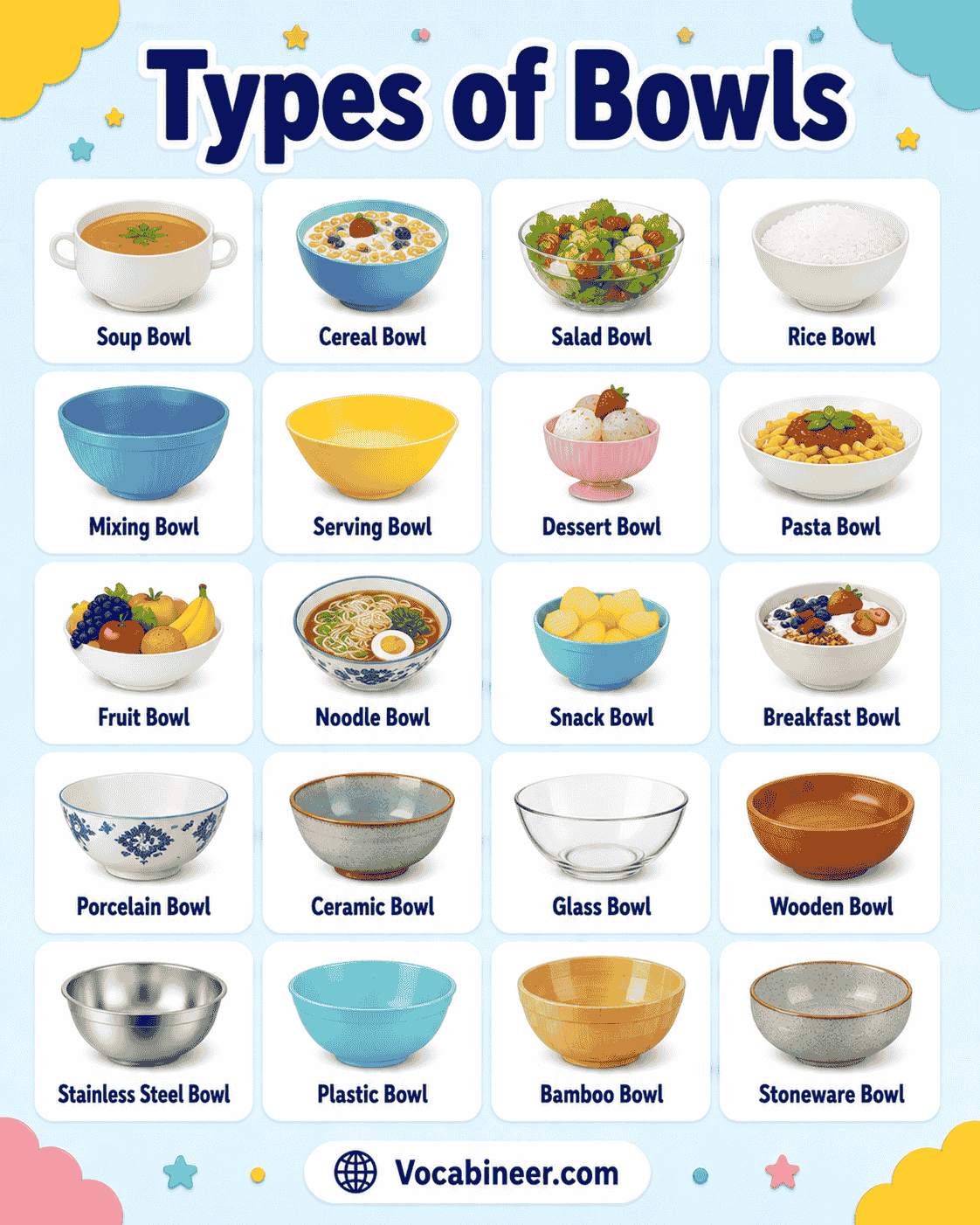
The main types include:
• Cereal bowls for breakfast foods, snacks, and small meals
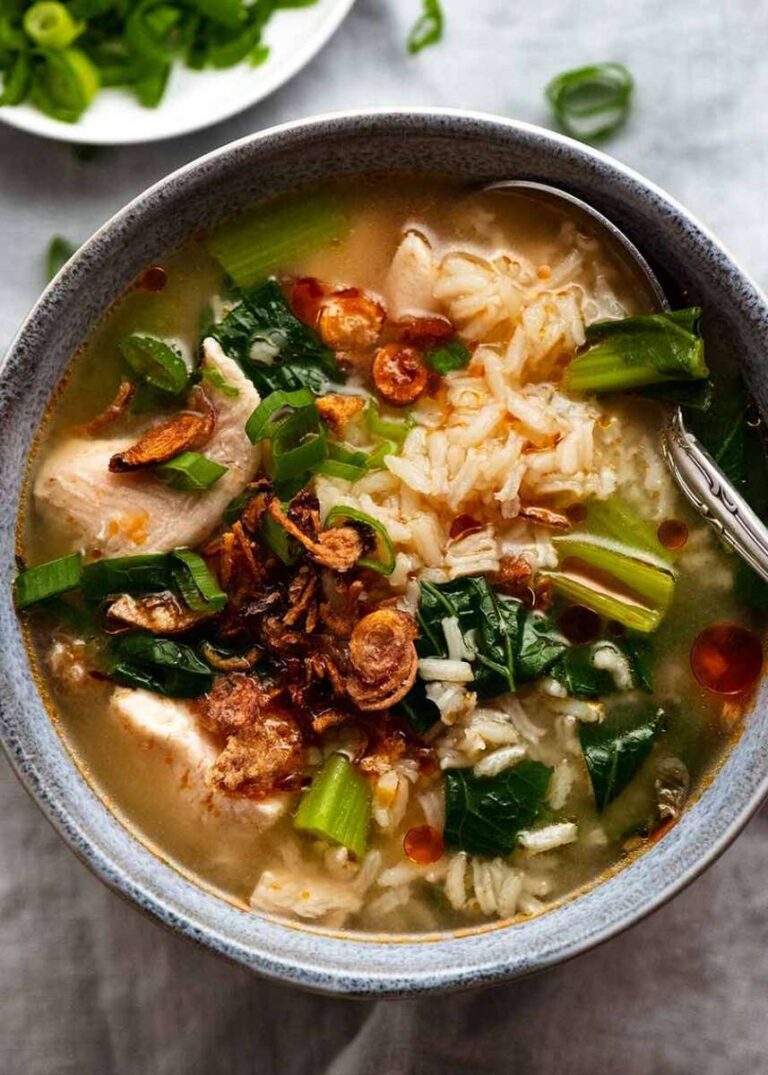
• Soup bowls for broth, stew, chili, and pasta
• Salad bowls for tossing and serving salads
• Mixing bowls for baking and food preparation
• Serving bowls for shared dishes at the table
• Pasta bowls for noodles, pasta, and grain meals
• Ramen bowls for noodles, broth, and toppings
• Rice bowls for rice-based meals and side dishes
• Dessert bowls for ice cream, pudding, and fruit
• Prep bowls for measured ingredients
• Dip and pinch bowls for sauces, spices, and small portions
• Pet bowls for food and water
• Wash and utility bowls for household tasks
The best bowl depends on size, depth, shape, material, and how you plan to use it. A wide bowl may work well for salad, while a deep bowl helps keep soup warm and prevents spills.
Types of Bowls by Everyday Use
The easiest way to understand bowl varieties is to group them by purpose. The shape and size often reveal what the bowl is meant to hold.
Cereal bowls
Cereal bowls are common in most kitchens. They usually hold about 12 to 24 ounces and have sloped sides that make it easy to scoop cereal and milk.
You can also use cereal bowls for oatmeal, yogurt, fruit, rice, and light snacks. A wider rim gives you more room for toppings, while a deeper design helps prevent milk from spilling.
Soup bowls
Soup bowls are deeper than many everyday bowls. They hold broth, vegetables, noodles, and other liquid foods with less risk of splashing.
Some soup bowls have a wide, open shape. Others look more like small serving dishes with tall sides. A wide bowl lets soup cool faster, while a deep bowl keeps food warmer and offers more room for chunky ingredients.
Salad bowls
Salad bowls are often wide and large. Their shape gives you space to mix greens, dressing, vegetables, cheese, nuts, and other toppings.
A large wooden, glass, ceramic, or stainless steel salad bowl can also serve pasta salad, fruit salad, or shared grain dishes. Avoid using reactive metal, such as plain aluminum, with acidic dressings for long periods.
Pasta bowls
Pasta bowls sit between a plate and a bowl. They have a wide opening and a shallow center that holds sauce without making the pasta hard to reach.
These bowls work well for spaghetti, ravioli, risotto, and other meals with sauce. The wide rim also makes the food look more polished when you serve guests.
Ramen bowls
Ramen bowls are deep, broad bowls designed for noodles, broth, meat, vegetables, and toppings. Many have thick walls that help retain heat.
Some ramen bowls include a tall inner wall or a rounded base. These features make it easier to lift noodles and drink broth. The right size matters because an oversized bowl can make a normal serving look small and may become heavy when full.
Rice bowls
Rice bowls are smaller and deeper than many cereal bowls. They are common in Japanese, Korean, Chinese, and other Asian meals.
They are useful for steamed rice, fried rice, grains, vegetables, and side dishes. A smaller bowl can also help with portion awareness, although bowl size alone does not control how much a person eats.
Dessert bowls
Dessert bowls are often small and decorative. They hold ice cream, pudding, custard, berries, cake, and other sweet foods.
A shallow dessert bowl works well for layered desserts. A deeper bowl is better for ice cream with toppings or warm fruit cobbler.
Dip and sauce bowls
Dip bowls are small dishes used for salsa, hummus, gravy, salad dressing, soy sauce, and other condiments. They help keep sauces separate and make a meal easier to share.
Pinch bowls are even smaller. Cooks use them for salt, spices, chopped garlic, herbs, and measured ingredients during meal preparation.

Mixing and Kitchen Prep Bowls
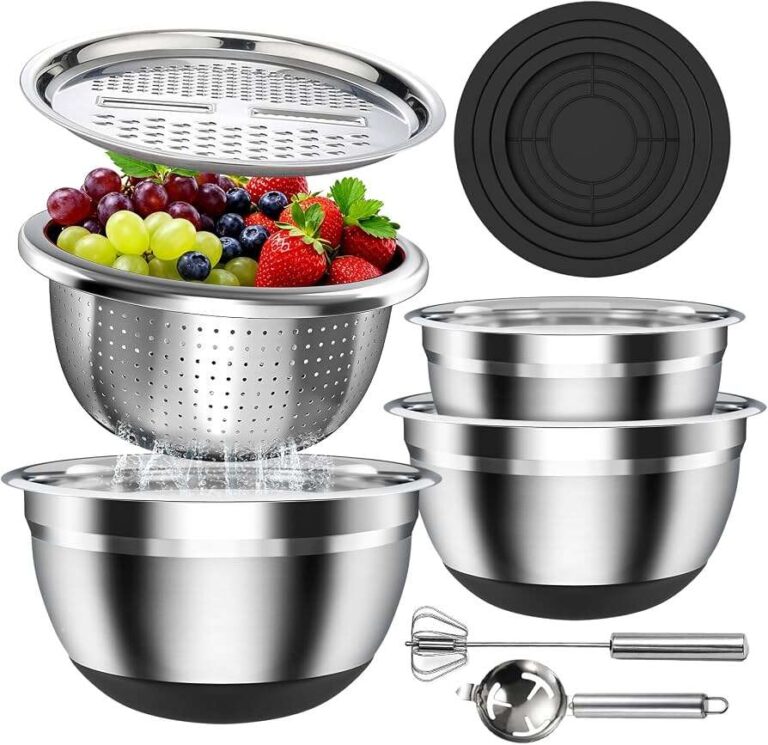
Mixing bowls are among the most useful bowls in a kitchen. They support tasks such as whisking eggs, stirring batter, marinating meat, washing produce, and tossing ingredients.
Mixing bowl sets often include several sizes. A small bowl may hold one egg, while a large bowl may hold dough or a full salad.
Stainless steel mixing bowls
Stainless steel bowls are light, strong, and resistant to rust. They are popular in both home and professional kitchens.
Benefits include:
• They do not absorb food smells easily
• They resist stains and many kitchen chemicals
• They are easy to clean
• They tolerate frequent use
• They are often safe for chilling ingredients
Their limits are also worth noting. Stainless steel can react with some electric mixers by creating noise or scratching the bowl. It can also become very cold or hot quickly.
Glass mixing bowls
Glass bowls let you see the ingredients as you work. This helps when checking layers, mixtures, and dough texture.
Heat-resistant glass can work well for microwaving, but not every glass bowl is made for sudden temperature changes. Do not move a very cold glass bowl directly onto a hot surface unless the manufacturer approves it.
Plastic mixing bowls
Plastic bowls are light and less likely to break. They are useful for children, outdoor meals, travel, and busy kitchens.
However, plastic may scratch, stain, or hold odors over time. Some plastic products can also warp with high heat. Check the label before using a plastic bowl in a microwave or dishwasher.
Ceramic mixing bowls
Ceramic bowls are heavy and stable. They work well for mixing, serving, and baking when the product is made for that use.
The weight keeps the bowl from sliding on the counter. The trade-off is that ceramic can chip or break if dropped. Always inspect older ceramic bowls for cracks, worn glaze, or damage.

Bowl Types by Material
Material affects a bowl’s weight, safety, care, appearance, and lifespan. There is no single best material for every job.
Ceramic and stoneware bowls
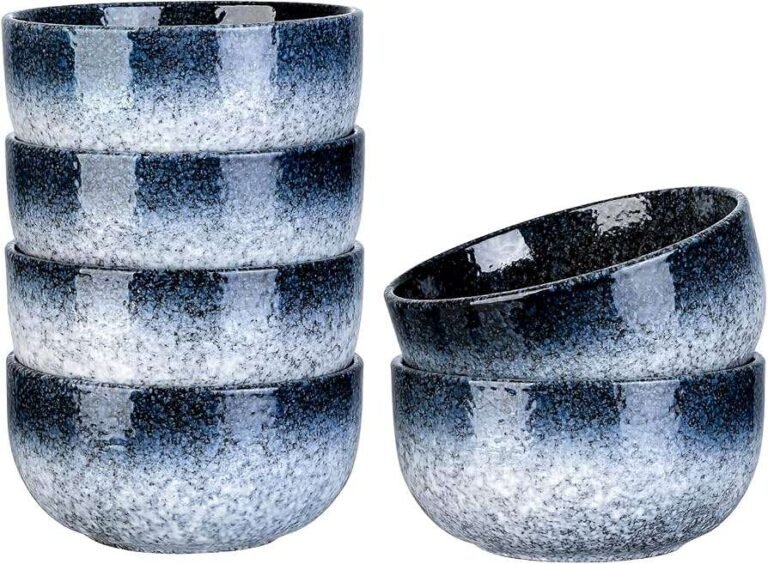
Ceramic bowls are made from clay-based materials that are shaped, dried, and fired. Stoneware is a dense type of ceramic that is often thicker and heavier.
These bowls are popular because they:
• Hold heat well
• Come in many colors and designs
• Work for casual meals and formal settings
• Offer a stable base
• Can be durable when handled properly
Ceramic bowls may chip at the rim. Hairline cracks can trap food and moisture, so damaged bowls should be replaced.
Porcelain bowls
Porcelain is a refined ceramic that is usually smooth, hard, and light. It often has a bright white finish and a clean look.
Porcelain bowls suit dining rooms, restaurants, and special occasions. Many are dishwasher and microwave safe, but decorative gold or metallic trim may not be safe in a microwave.
Glass bowls
Glass is nonporous, so it does not usually absorb flavors or odors. Clear glass also makes it easy to see the food.
Glass bowls are useful for salads, desserts, storage, and meal preparation. Tempered or heat-resistant glass is safer for temperature changes, but all glass can break if dropped or exposed to sudden extreme heat.
Stainless steel bowls
Stainless steel is a strong choice for kitchen prep, camping, and outdoor cooking. It is especially useful when you want a bowl that is light but tough.
It does not provide insulation, so hot food can make the outside warm. It also does not work in a microwave.
Wooden bowls
Wooden bowls bring warmth and texture to a table. They are often used for salads, fruit, bread, and decorative serving.
Wood needs more care than glass or steel. Hand-wash it, dry it soon after washing, and apply food-safe mineral oil when the surface looks dry. Do not leave wooden bowls soaking in water.
Melamine bowls
Melamine bowls are hard, light, and resistant to breaking. They are useful for patios, picnics, children, and outdoor events.
They should not be used in a microwave unless the manufacturer clearly says they are microwave safe. Food-contact guidance commonly warns against heating melamine dinnerware because heat can increase the chance of chemical migration.
Silicone bowls
Silicone bowls are flexible and often used for baking, storage, travel, and children’s meals. They can be folded or squeezed into small spaces.
Choose food-grade silicone from a reliable manufacturer. Low-quality silicone may retain odors or feel oily. Follow the temperature and dishwasher instructions printed on the product.
Bowl Shapes and What They Do
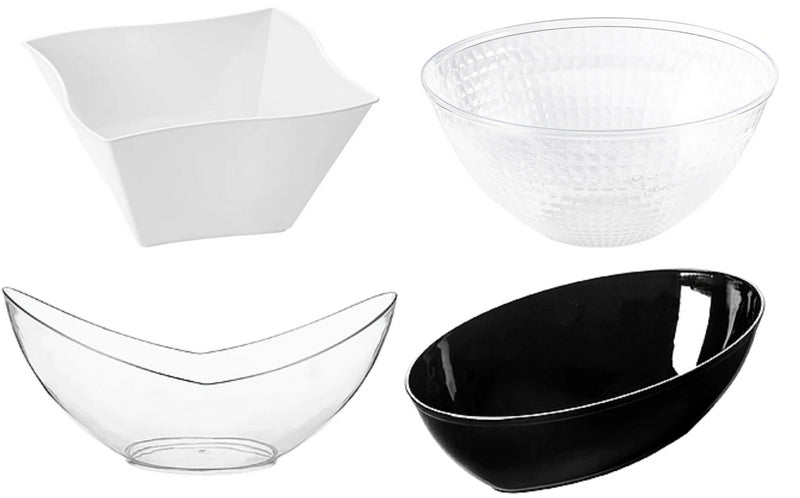
Bowl shape affects how food looks, feels, and behaves. It can also affect comfort while eating.
Wide, shallow bowls
Wide bowls offer a large surface area. They work well for salads, pasta, grain bowls, and meals with toppings.
They make food easy to reach, but they may cool food faster. They can also spill more easily when carried.
Deep bowls
Deep bowls are useful for soup, cereal, noodles, and foods with liquid. The tall sides help contain food and reduce splashes.
They may be less comfortable for small children or people with limited hand control. A bowl with a stable base can help.
Footed bowls
Footed bowls sit on a small base or pedestal. They add height and visual interest to a table.
They are common for desserts, fruit, and special-occasion serving. The raised base can make them less stable than a flat-bottom bowl.
Rimmed bowls
A rimmed bowl has a noticeable outer edge. The rim gives you a place to hold the bowl and helps contain sauces.
Rims can also improve presentation. However, a very wide rim reduces the space available for food.
Handled bowls
Handled bowls are easy to lift and carry. They are useful for soup, hot cereal, and meals served to children or older adults.
The handles can take up storage space. Check that they are firmly attached and do not become too hot during use.
Footed and lidded pet bowls
Some pet bowls have raised bases, non-slip bottoms, or lids. Raised bowls may help some pets eat more comfortably, but they are not automatically better for every animal.
For dogs at risk of a serious stomach condition called gastric dilatation-volvulus, ask a veterinarian before choosing a raised feeder. Pet bowl height should depend on the animal’s size, health, eating habits, and professional advice.

Specialty Bowls From Around the World
Many bowl designs reflect local foods and dining customs. Learning what are the different types of bowls also means looking beyond basic Western tableware.
Donburi bowls
A donburi bowl is a deep Japanese bowl used for rice topped with meat, fish, vegetables, or egg. Its depth keeps the rice and toppings together.
Chawan bowls
A chawan is a Japanese tea or rice bowl. The term can describe several bowl styles, including bowls used in tea ceremonies and daily meals.
Pho bowls
Pho bowls are wide and deep enough for rice noodles, broth, meat, herbs, and vegetables. Their large size makes room for both the soup and its toppings.
Tagine serving bowls
A tagine is a North African cooking vessel with a broad base and a cone-shaped lid. Some people use the term loosely for serving bowls inspired by this design.
Tazón bowls
In many Spanish-speaking regions, a tazón may refer to a large bowl or mug-like vessel used for soup, broth, cereal, or drinks. The exact design varies by region.
Acai and smoothie bowls
Acai and smoothie bowls are wide bowls that hold thick blended fruit, granola, seeds, and fresh fruit. Their shape supports toppings and makes the meal easy to eat with a spoon.
Poke bowls
Poke bowls usually combine rice, raw or cooked fish, vegetables, sauce, and toppings. A medium or wide bowl gives each ingredient room without mixing everything too quickly.

How to Choose the Right Bowl
Choosing a bowl becomes simple when you start with the task instead of the decoration. Think about what you cook, who will use the bowl, and how you clean it.
Use these steps:
-
Identify the food. Choose a deep bowl for soup and a wide bowl for salad or pasta.
-
Check the serving size. A small bowl suits sauces and desserts, while a large bowl works for family-style dishes.
-
Pick a safe material. Use microwave-safe glass or ceramic for reheating. Keep metal out of the microwave.
-
Consider grip and weight. Heavy bowls stay stable, but lighter bowls are easier to carry.
-
Review care instructions. Confirm whether the bowl is dishwasher safe, oven safe, freezer safe, or microwave safe.
-
Inspect the finish. Avoid bowls with chips, cracks, peeling coatings, or damaged glaze.
-
Think about storage. Stackable bowls save space in small kitchens.
-
Match the bowl to the user. Children, older adults, and people with limited grip may benefit from non-slip bases or handles.
A practical starter set might include cereal bowls, pasta bowls, a large serving bowl, a stainless steel mixing bowl, and several small prep bowls. This combination covers most daily cooking and serving needs.

Bowl Safety and Care Tips
Good care helps bowls last longer and keeps food contact surfaces in better condition. The safest choice is always to follow the manufacturer’s instructions.
Keep these points in mind:
• Do not microwave metal bowls or bowls with metallic decoration
• Do not place cold glass on a hot burner or into sudden extreme heat
• Replace bowls with deep cracks, sharp chips, or damaged coatings
• Wash wooden bowls by hand and dry them promptly
• Do not use abrasive cleaners on finishes that scratch easily
• Check plastic and melamine labels before heating food
• Avoid storing very acidic foods in reactive metal bowls for long periods
• Wash pet bowls often, especially after wet food
• Let bowls dry fully before stacking them
• Use a separate bowl for raw meat preparation when practical
Food safety agencies recommend cleaning food-contact surfaces well and preventing cross-contamination. A bowl that looks clean may still carry germs if it held raw meat, eggs, or unwashed produce.
One mistake many people make is choosing a beautiful bowl without checking its care needs. I recommend turning the bowl over before buying it. The base often lists whether it is microwave safe, dishwasher safe, or intended only for serving.

Common Bowl-Buying Mistakes
Understanding what are the different types of bowls can prevent several common shopping mistakes.
Buying one size for every meal
A single bowl may work for cereal, but it may be too shallow for soup and too small for salad. A mix of sizes gives you more flexibility.
Choosing style over function
A very decorative bowl may have a narrow opening, unstable base, or difficult-to-clean surface. Beauty matters, but daily comfort matters more.
Ignoring the bowl’s weight
Heavy stoneware feels sturdy but can be tiring to carry. Lightweight plastic is easy to handle but may move across the table.
Assuming every bowl is microwave safe
This is a risky assumption. Check the symbol or product instructions, especially for bowls with paint, metallic trim, plastic, or unknown materials.
Using damaged bowls
Small chips can create sharp edges. Cracks can collect food and moisture. Retire damaged bowls rather than taking a chance.
Buying too many specialty bowls
A ramen bowl may be ideal for noodles, but it may take up much-needed cabinet space. Start with versatile pieces, then add specialty bowls that fit your actual habits.

Frequently Asked Questions About What Are the Different Types of Bowls
What are the different types of bowls used for soup?
Soup bowls are usually deep enough to hold broth, vegetables, noodles, or meat. Wide soup bowls cool food faster, while deeper bowls help retain warmth and reduce spills.
What type of bowl is best for mixing?
Stainless steel, glass, ceramic, and sturdy plastic mixing bowls can all work well. Stainless steel is durable and light, while glass lets you see the mixture and ceramic offers extra stability.
Are ceramic bowls better than glass bowls?
Neither material is best for every use. Ceramic holds heat well and feels stable, while glass is nonporous and lets you see the food; both can break if dropped.
What are the different types of bowls for serving food?
Serving bowls include salad bowls, pasta bowls, rice bowls, fruit bowls, soup tureens, and large family-style bowls. The best choice depends on the food’s volume, texture, temperature, and presentation.
Can stainless steel bowls go in the microwave?
No. Stainless steel is metal and should not be placed in a microwave because it can cause sparks and damage the appliance.
Are wooden bowls safe for food?
Food-safe wooden bowls are suitable for dry or lightly dressed foods when properly cleaned and maintained. Hand-wash them, dry them quickly, and avoid long soaking.
What bowl is best for children?
A lightweight bowl with a wide base, rounded edges, and a non-slip bottom is often a practical choice. Plastic, silicone, or durable melamine may work well, but always follow heating instructions.
Conclusion
The different types of bowls serve different roles, from holding soup and cereal to mixing batter, serving salad, and preparing small ingredients. Bowl material, depth, shape, size, and care instructions all affect how useful and safe it will be.
Start with versatile bowls for the meals you make most often. Then add specialty pieces, such as ramen bowls, dessert bowls, or handled soup bowls, when they solve a real need. Check the care label, replace damaged pieces, and choose designs that feel comfortable in your hands.
Explore your kitchen with a more practical eye, and share your favorite bowl style or meal-serving tip in the comments.

Liora Pennings is a seasoned chef and kitchen enthusiast with a passion for turning everyday cooking into an effortless experience. With years of hands-on culinary expertise, she specializes in practical techniques, ingredient know-how, and smart kitchen solutions that help home cooks elevate their meals. At KitchFlair.com, Liora shares her best tips, time-saving tricks, and honest product reviews to guide readers toward a more efficient, enjoyable, and inspired cooking routine. Whether you’re a beginner or a seasoned home chef, Liora’s friendly, knowledge-packed insights make every visit to the kitchen a little easier—and a lot more delicious.