What Are Small Bowls Called: Types And Uses
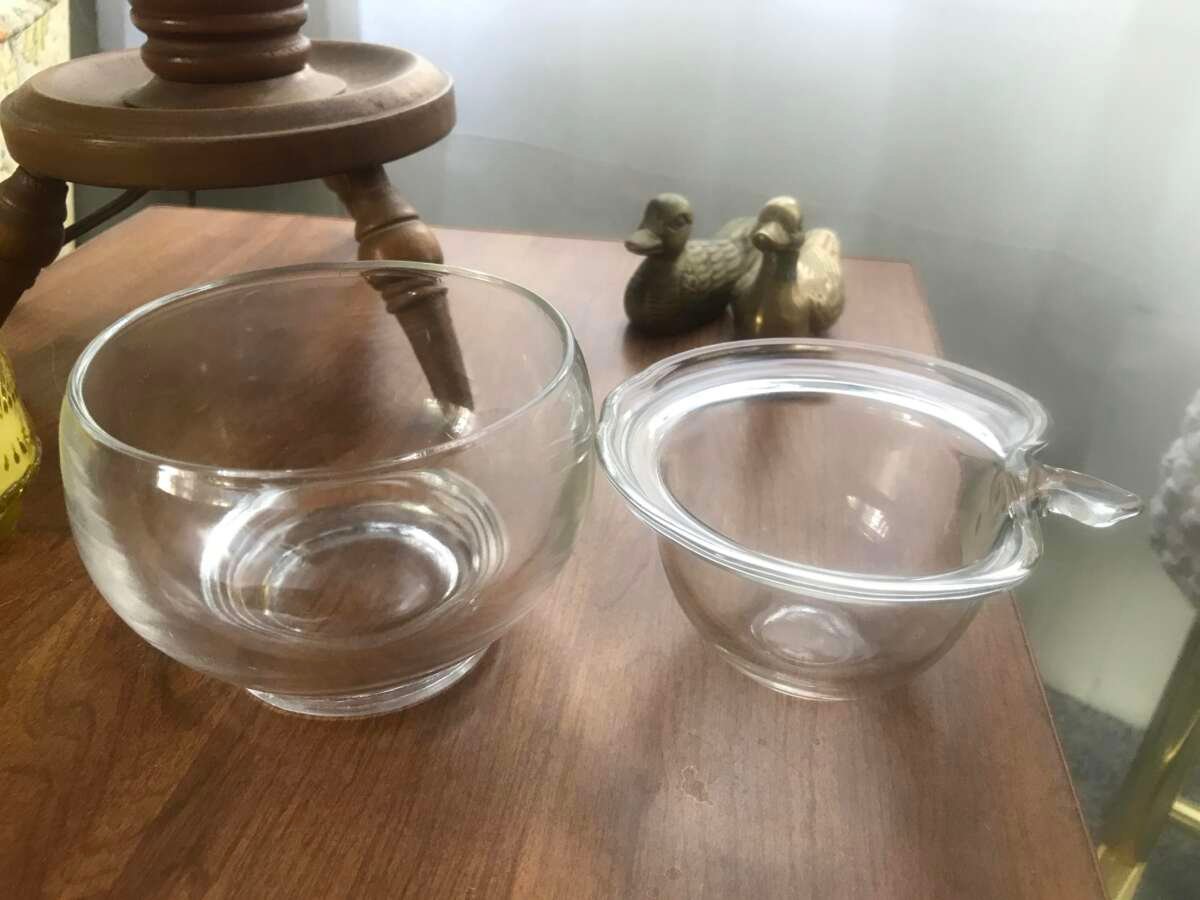
Small bowls are commonly called pinch bowls, ramekins, prep bowls, dipping bowls, or condiment bowls.
The answer to “what are small bowls called” depends on their shape, material, and job. A tiny bowl for cooking prep may be a pinch bowl, while a small ceramic dish for baked food is often a ramekin. This guide explains each name, shows when to use it, and helps you choose the right bowl for your kitchen or table.

What are small bowls called?
Small bowls have several names in American English. The most common term depends on how the bowl is used.
Here are the names you will see most often:
• Pinch bowl: A very small bowl used to hold spices, salt, herbs, or small amounts of ingredients.
• Prep bowl: A small bowl used to measure and organize ingredients before cooking.
• Ramekin: A small, straight-sided dish used for sauces, desserts, baked eggs, custards, and other foods.
• Dipping bowl: A small bowl made for sauces such as soy sauce, ranch dressing, salsa, or hummus.
• Condiment bowl: A small dish for toppings and condiments, including mustard, ketchup, relish, and chutney.
• Sauce bowl: A small bowl used to serve gravy, salad dressing, dipping sauce, or table sauce.
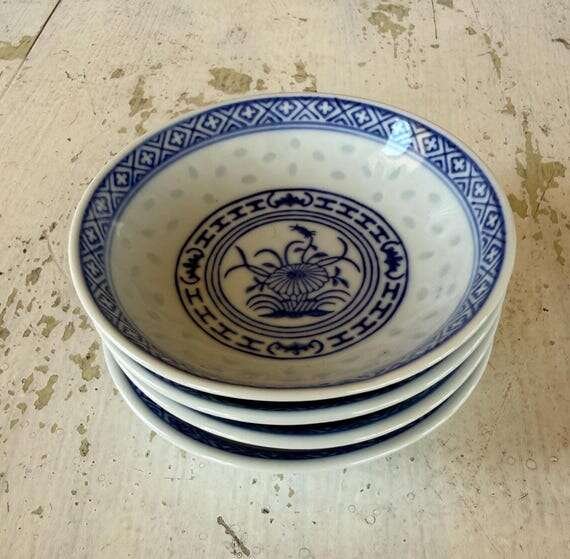
• Rice bowl: A bowl designed for one serving of rice, although the name may also describe a small Asian-style eating bowl.
• Side bowl: A casual name for a small bowl served with a meal.
In everyday speech, people may call almost any small bowl a little bowl or small dish. In stores, however, the product name often points to its intended use.

Pinch bowls and prep bowls
A pinch bowl is one of the smallest types of kitchen bowls. It often holds only a few teaspoons or tablespoons. Cooks use pinch bowls for salt, pepper, chopped garlic, baking powder, spices, and garnishes.
The name comes from the way cooks often take a “pinch” of an ingredient with their fingers. A pinch bowl keeps that ingredient close to the stove or work area. It also reduces the need to reach into a large jar during cooking.
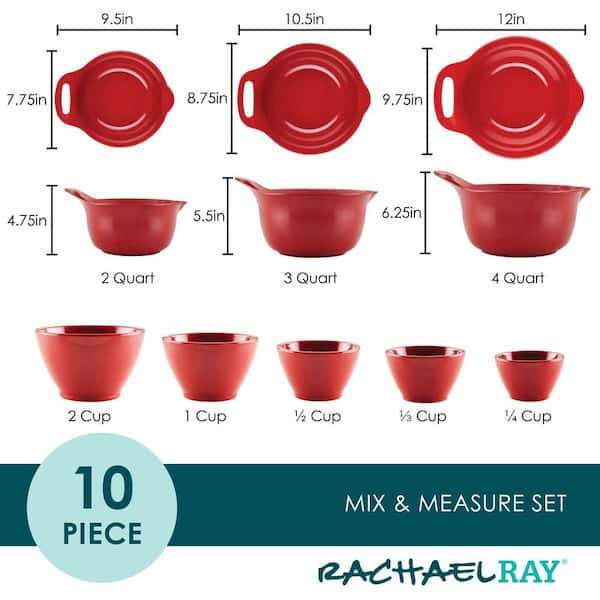
A prep bowl is usually a little larger. It may hold chopped onions, beaten eggs, measured flour, or a small amount of sauce. Many prep bowls come in sets, so you can place each ingredient in its own bowl before you begin.
This practice is called mise en place, a French cooking term that means “everything in its place.” It makes cooking smoother and helps prevent missed ingredients.
When people ask what are small bowls called in a cooking context, pinch bowl and prep bowl are often the best answers. The key difference is size and purpose:
• Pinch bowls hold tiny amounts.
• Prep bowls hold prepared ingredients.
• Both bowls help keep cooking organized.
In my experience, small prep bowls are most useful when making recipes with many ingredients. A cook can chop everything first, place each item in a bowl, and focus on the cooking instead of rushing to measure.

Ramekins: small bowls for baking and serving
A ramekin is a small, round dish with straight or slightly curved sides. It is often made from ceramic, porcelain, or stoneware. Many ramekins are safe for oven use, but you should always check the maker’s instructions.
Ramekins are used for both cooking and serving. Common examples include:
• Crème brûlée
• Soufflés
• Baked macaroni and cheese
• Individual cobblers
• Custards
• French onion soup toppings
• Warm dips
• Chocolate lava cakes
Ramekins are not always bowls in the traditional sense. Their sides are often taller and their shape is more like a small cup or baking dish. Still, many people use the terms small bowl, ramekin, and serving dish in similar ways.
A standard ramekin often holds between 4 and 8 ounces. Smaller versions may hold 1 to 3 ounces and work well for dipping sauces or small desserts. Larger ramekins can hold individual portions of baked foods.
One mistake is to assume that every ramekin can go from the refrigerator to a hot oven. Sudden changes in temperature can damage some ceramics. Look for labels such as oven-safe, microwave-safe, or broiler-safe before heating a ramekin.

Dipping bowls, condiment bowls, and sauce bowls
A dipping bowl is made for food that you dip. It may contain soy sauce, barbecue sauce, salsa, guacamole, olive oil, or a sweet dessert sauce.
A condiment bowl has a similar purpose, but it usually holds a topping or table condiment. For example, a condiment bowl may hold chopped onions, pickles, hot sauce, or grated cheese.
A sauce bowl is a broader term. It can hold a dipping sauce, gravy, dressing, or spoonable sauce. Restaurants often use small sauce bowls to serve sauces on the side.
These bowls may look alike, but their names help shoppers understand how they are meant to be used. A dipping bowl is often low and wide, so food can enter easily. A sauce bowl may be deeper to reduce spills.
When choosing among these small bowls, consider the food:
• Use a shallow bowl for chips, vegetables, and sushi dipping sauce.
• Use a deeper bowl for gravy, curry sauce, or salad dressing.
• Use a wide bowl for hummus, guacamole, and spreads.
• Use a narrow bowl for a small serving of syrup or hot sauce.
A practical tip is to leave space at the top. Filling a small bowl to the rim makes spills more likely, especially when guests pass it around the table.
Small bowls used in different cultures
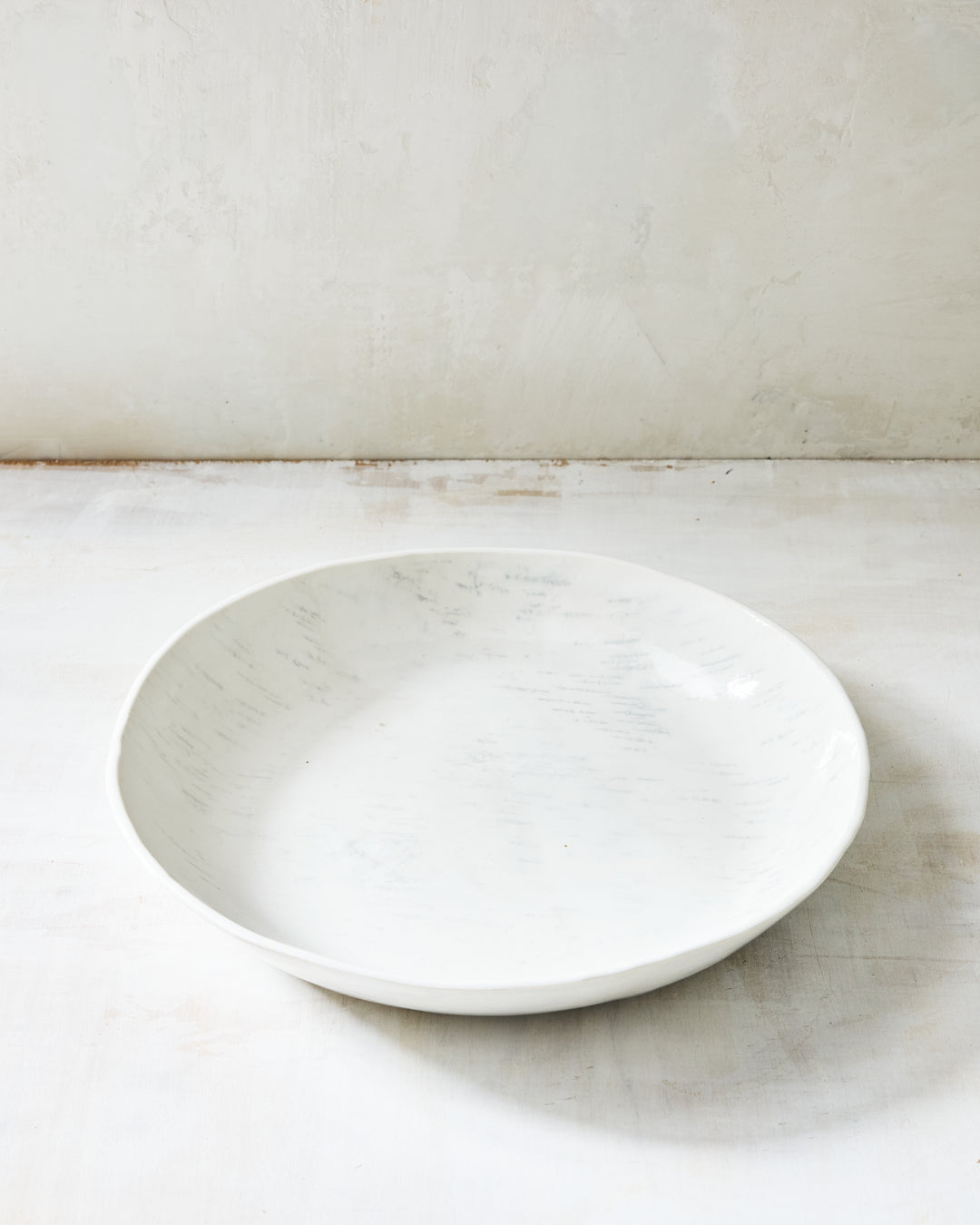
The answer to what are small bowls called can change across cultures. Bowl names often reflect local food customs and serving styles.
In Japanese dining, a small bowl may be called a kobachi. This term generally refers to a small serving bowl used for side dishes, vegetables, tofu, or other foods. A chawan is a bowl used for rice or tea, depending on the context.
In Chinese cuisine, small bowls may serve rice, tea, sauces, or shared dishes. The exact name can vary by region and use. In Korean dining, small side dishes are often served in small bowls as part of a meal.
In Indian cooking, small bowls may be used for chutney, raita, pickles, or dal. In Mexican and American kitchens, small bowls commonly hold salsa, crema, queso, or other toppings.
These cultural terms should not be treated as exact translations for every small bowl. A bowl’s name can depend on its shape, material, and role at the table.
The safest approach is to describe the bowl by its use when shopping or speaking. For example, say small dipping bowl, Japanese rice bowl, or ceramic condiment bowl. This makes your meaning clear.

How small bowls differ from small dishes
People often use bowl and dish as if they mean the same thing. There is some overlap, but the shape is different.
A bowl usually has raised sides and a curved interior. It is designed to hold foods that may move or contain liquid. A dish is often flatter and wider, with a lower rim.
Here is a simple comparison:
• Bowl: Deeper, curved, and useful for liquids or loose foods.
• Dish: Flatter, wider, and useful for dry foods or small portions.
• Saucer: A small, flat dish placed under a cup.
• Plate: A broad, flat dish used for a main serving or side serving.
• Ramekin: A small, deep dish used for baking or serving.
The line is not fixed. Some products called small dishes look like bowls, and some products called bowls are quite flat. Retailers also use creative names for similar items.
When searching online, try several phrases. “Small ceramic bowls,” “pinch bowls,” “sauce dishes,” and “mini ramekins” may show different products even when the items have similar sizes.
Choosing the right small bowl
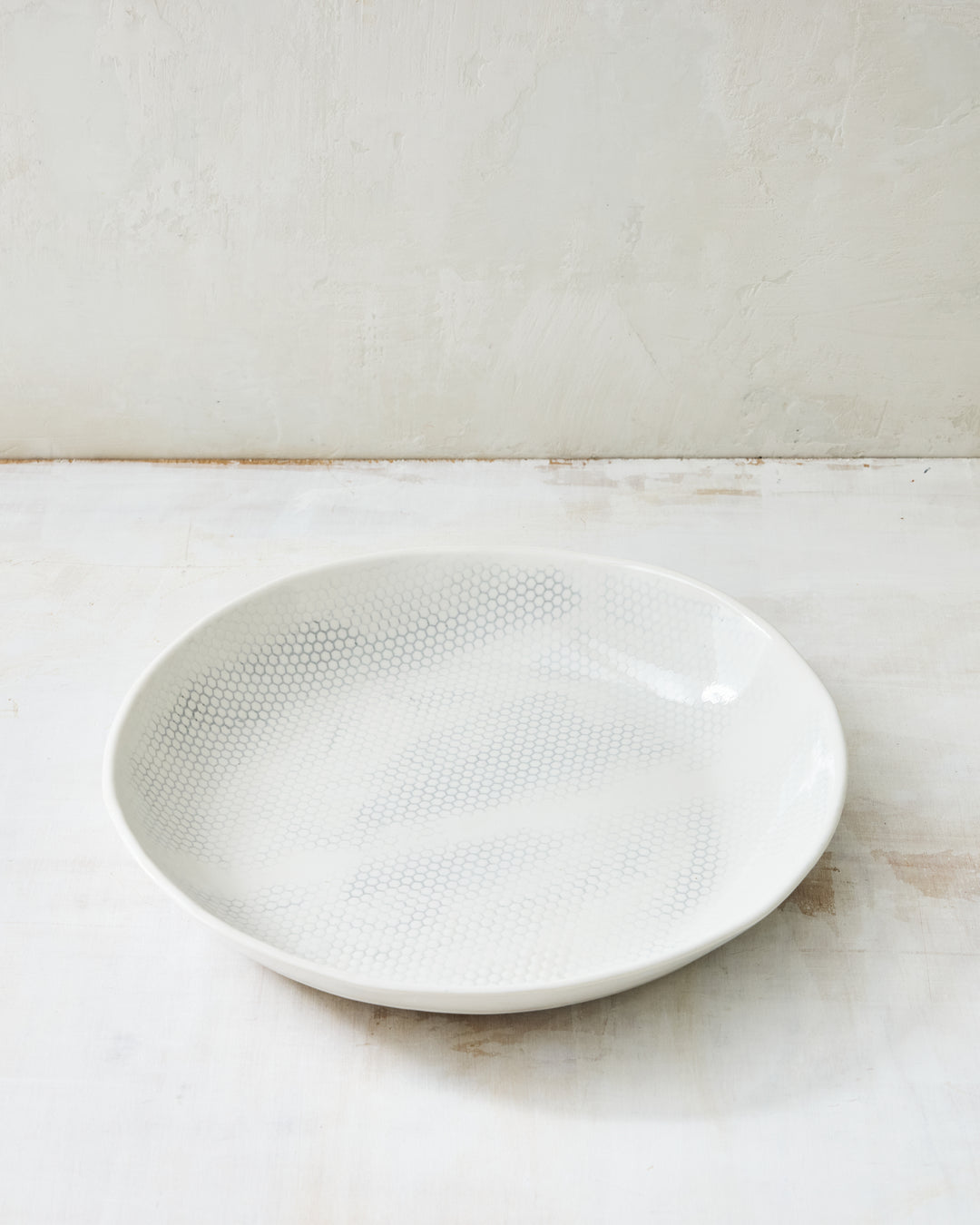
The best small bowl depends on the food, heat level, serving size, and cleaning needs. A pretty bowl is useful, but function should come first.
Consider these points before buying:
- Check the capacity
A 2-ounce bowl is useful for spices or soy sauce. A 4-ounce bowl works well for dips and condiments. An 8-ounce bowl may suit oatmeal toppings, desserts, or small side dishes.
- Think about heat
For baking, choose an oven-safe ramekin. For cold foods, glass, ceramic, stainless steel, or food-safe plastic may work well.
- Check the shape
A low bowl is easy to dip into. A deeper bowl helps hold liquids. A straight-sided bowl stacks well and saves cabinet space.
- Consider the material
Ceramic bowls look attractive and resist many stains. Glass bowls make contents easy to see. Stainless steel bowls are light and durable. Plastic bowls are useful for travel and outdoor meals.
- Look for easy cleaning
Smooth, glazed surfaces are usually easier to wash. Small bowls with narrow corners may trap food. If you use a dishwasher, check whether the bowl is dishwasher-safe.