What Is A Serrated Peeler Used For: Uses And Tips
A serrated peeler removes tough, soft, or slippery skins from fruits and vegetables with a gentle sawing action.
If you have struggled to peel tomatoes, peaches, kiwi, or ripe squash with a smooth blade, a serrated peeler can feel like a small kitchen breakthrough. Its teeth grip delicate skin instead of sliding over it, making it useful for produce that is soft, waxy, fibrous, or hard to hold. This guide explains what is a serrated peeler used for, how it differs from a standard peeler, and how to use it safely for cleaner results.
What Is a Serrated Peeler?
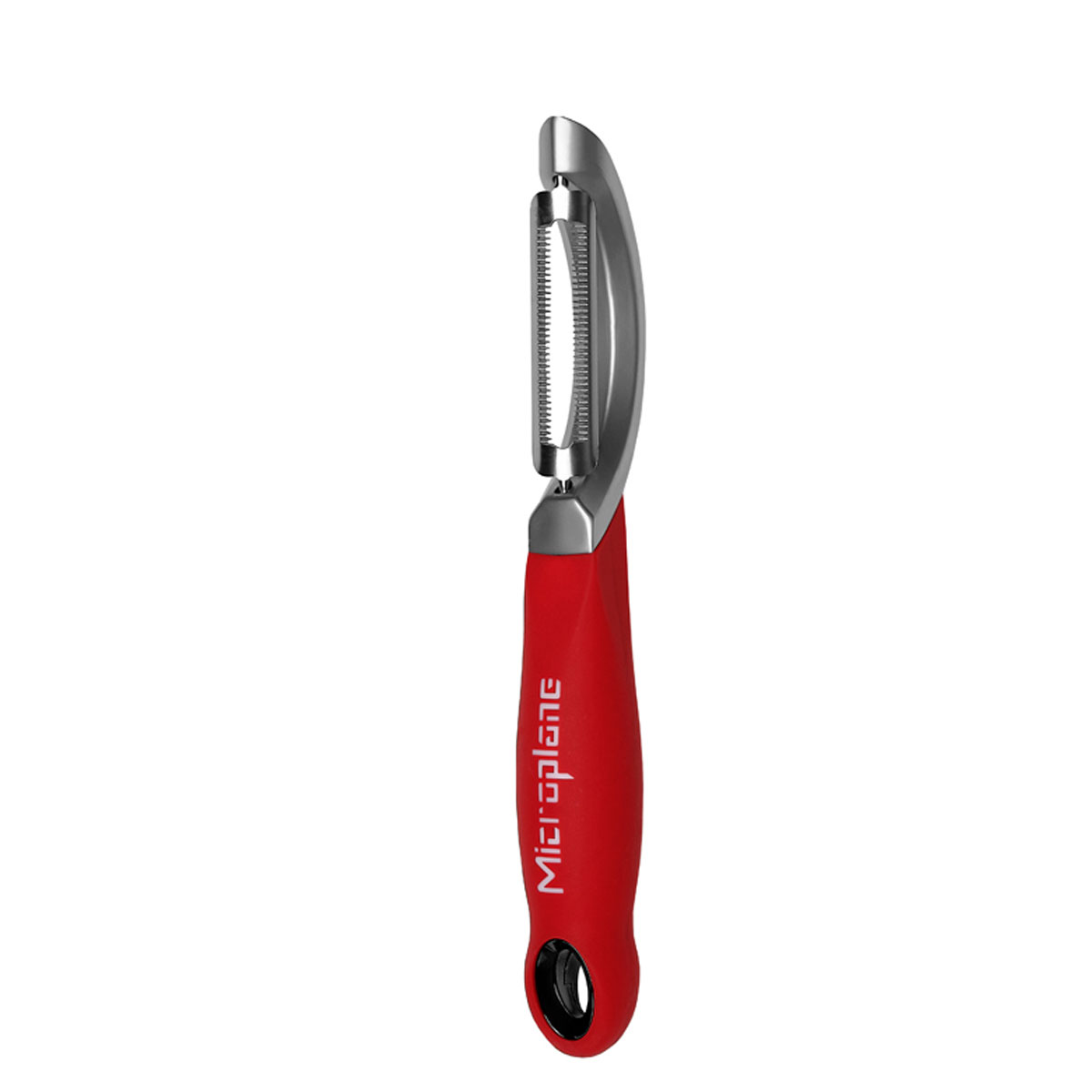
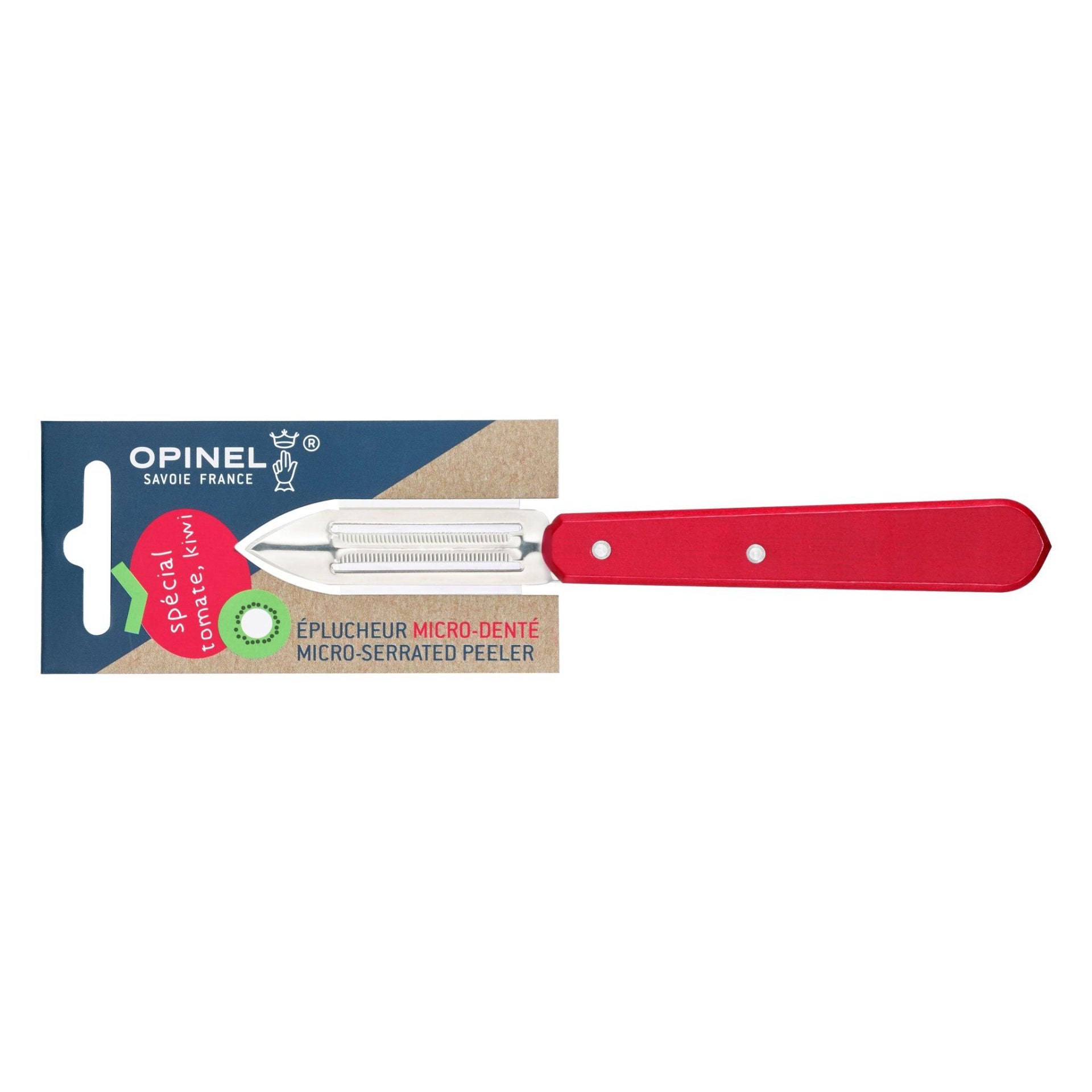
A serrated peeler is a kitchen tool with a toothed blade rather than a smooth cutting edge. The small teeth catch the surface of food and remove a thin layer of skin as you pull the tool toward you.
When people ask, “what is a serrated peeler used for,” the simple answer is that it is made for produce with skins that are slippery, soft, rough, or difficult to cut with a regular peeler.
A standard vegetable peeler often works best on firm foods with even surfaces. A serrated blade has more grip. It works more like a tiny saw, but with much smaller teeth and better control.
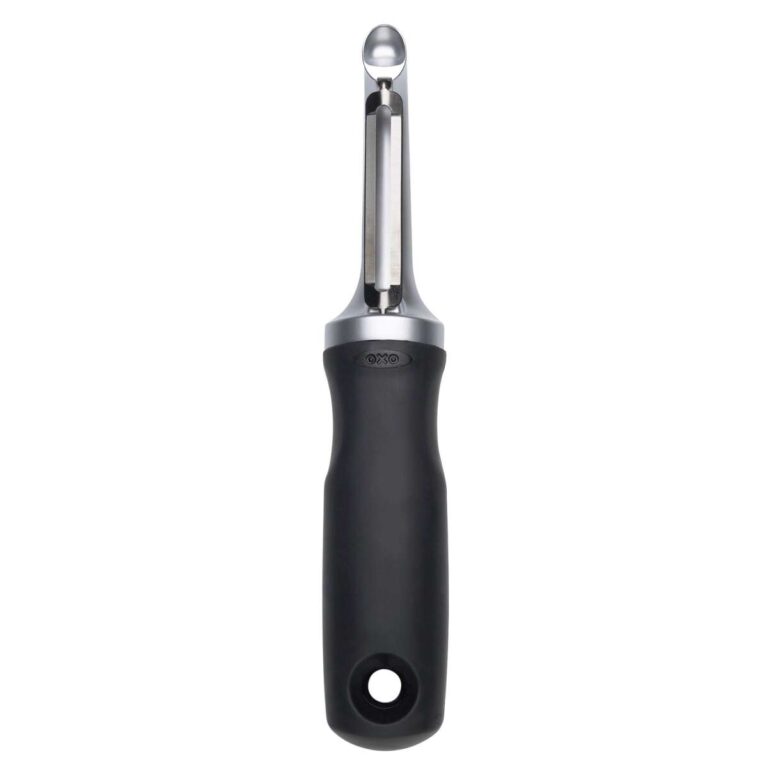
Common serrated peeler designs include:
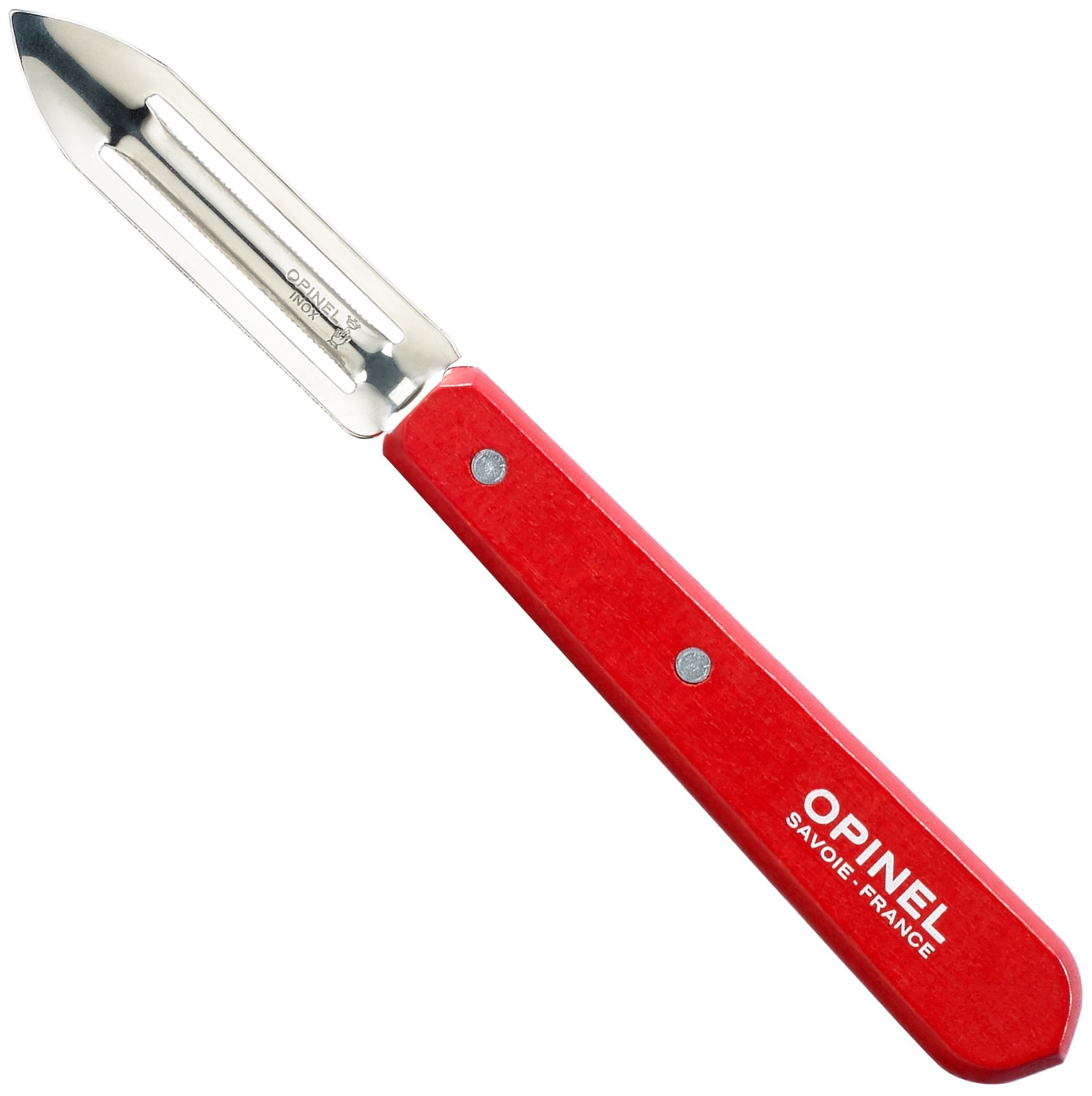
• A straight serrated blade for peeling toward or away from the body
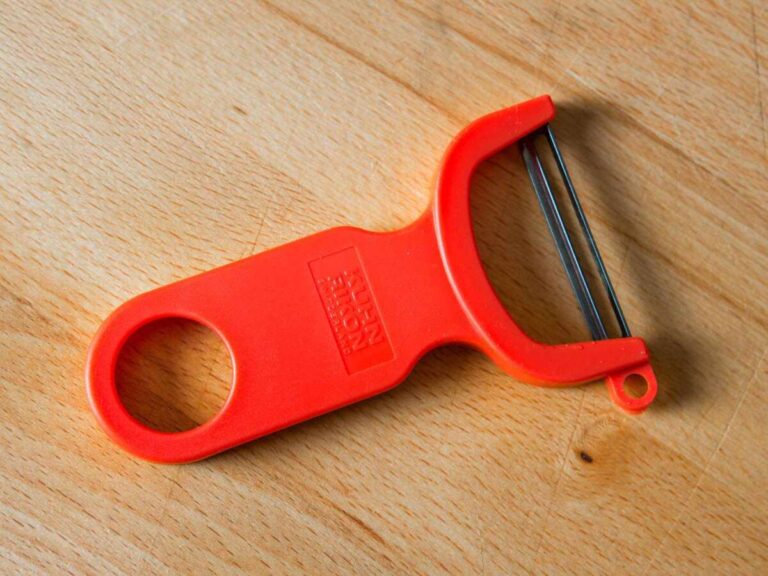
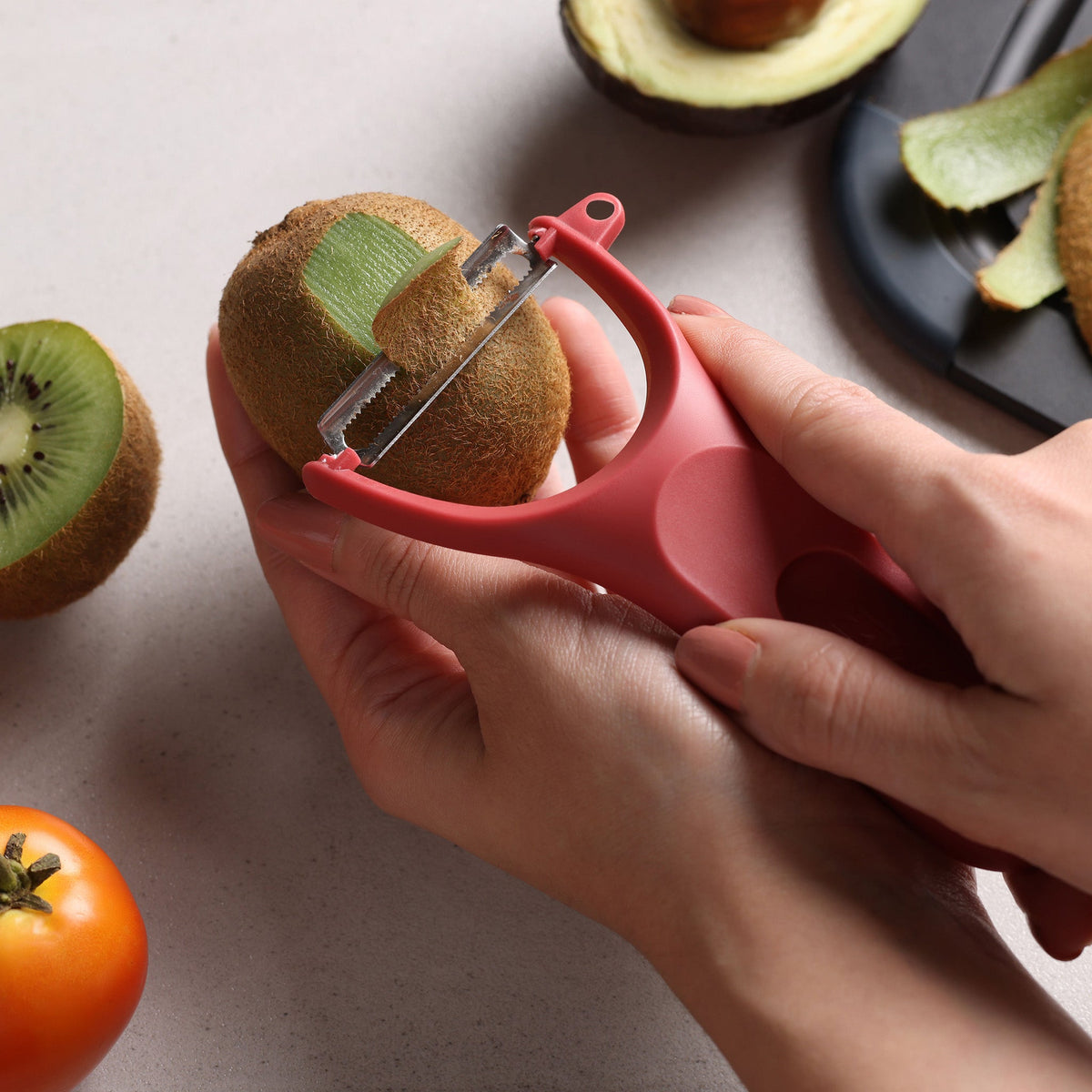
• A Y-shaped serrated peeler for quick, broad strokes
• A swivel serrated peeler that follows curved produce
• A handheld citrus or tomato peeler with a narrow toothed edge
The blade should still be sharp and clean. Serration does not mean the tool can safely replace a knife or work well on every type of food.
What Is a Serrated Peeler Used For?
The main purpose of a serrated peeler is to remove thin skins from produce that a smooth peeler may not grip well. It is especially helpful when the outside is soft, slick, waxy, or uneven.
Here is what a serrated peeler is used for most often:
• Tomatoes, especially ripe tomatoes with delicate skin
• Peaches, nectarines, and plums
• Kiwi fruit and mangoes
• Pears with soft or waxed skins
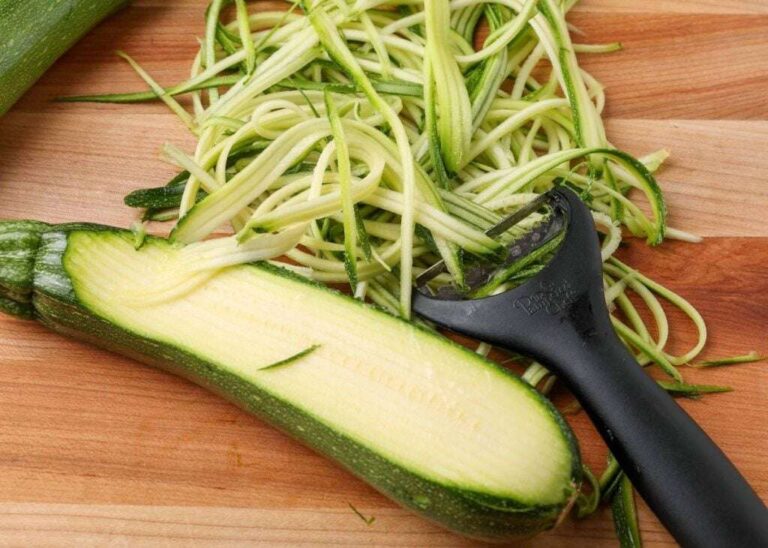
• Zucchini and summer squash
• Bell peppers
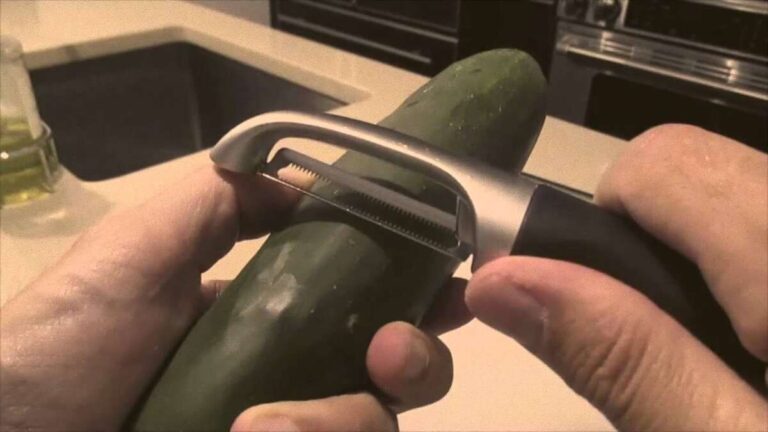
• Cucumbers with firm or waxy skins
• Butternut squash and other tough-skinned produce
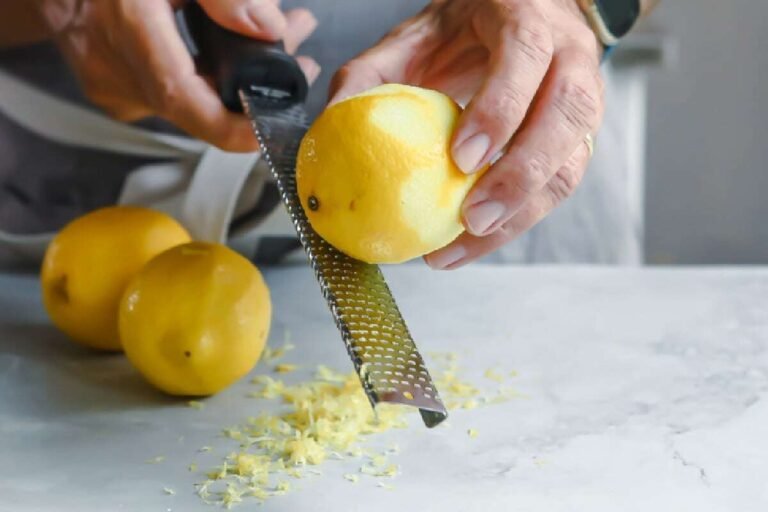
• Citrus fruits when removing the outer zest
• Ginger, when a thin layer needs to be removed
The tool can also help with foods that lose a lot of flesh when peeled with a knife. Its narrow teeth take off a light layer, which can reduce waste.
A serrated peeler is not only for fruits and vegetables. Some cooks use one to remove the thin outer skin from small root vegetables or to prepare ingredients for salads, sauces, jams, and garnishes.

How Does a Serrated Peeler Work?
A serrated peeler works through small teeth that grip the food’s surface. Instead of sliding smoothly across the skin, the teeth catch it and lift it away.
Think of the blade as a row of tiny fingers. A smooth peeler glides over a surface like a skate on ice. A serrated peeler holds on like a shoe with strong tread.
To use one, follow these steps:
-
Wash the produce and dry it well.
-
Hold the food on a stable cutting board or in your non-dominant hand.
-
Place the blade lightly against the skin.
-
Pull the peeler in short, controlled strokes.
-
Turn the food as you work.
-
Rinse the food again if loose peel or juice collects on the surface.
Use light pressure. Pressing hard can remove too much flesh and may cause the blade to catch. With soft fruit, short strokes usually work better than long pulls.
For round foods, peel from top to bottom while turning the item after each stroke. For long foods such as cucumbers or zucchini, move along the length of the vegetable.
Best Foods to Peel With a Serrated Peeler
Soft fruits
Soft fruits are among the clearest examples of what is a serrated peeler used for. Ripe peaches, nectarines, plums, and tomatoes can collapse under pressure from a smooth blade.
The teeth help remove the skin while leaving more of the flesh in place. This is useful when preparing fruit for pies, sauces, purées, baby food, and fresh salads.
For very ripe fruit, chill it for 15 to 20 minutes first. A cooler surface is often easier to grip and less likely to tear.
Slippery produce
Mangoes, kiwi, cucumbers, and waxed apples can be hard to hold. Their smooth surfaces may cause a standard peeler to slip.
A serrated edge gives better traction. Still, keep your fingers away from the blade path and place the food on a board when possible.
Tough-skinned vegetables
A serrated peeler may help with butternut squash, pumpkin, and other hard-skinned vegetables. However, these foods require extra care because their shape and firmness can make them unstable.
Cut the vegetable into flat sections first. Remove the seeds, place each piece cut-side down, and then peel in short strokes. For very hard squash, a sturdy chef’s knife may be safer than forcing a handheld peeler.
Citrus fruits and ginger
A serrated peeler can remove the outer layer of citrus peel for zest. Use a light touch so you do not reach the bitter white pith beneath the colored skin.
It also works well on ginger. Follow the bumps and curves slowly, or use the edge of a teaspoon for very thin skin removal.

Serrated Peeler vs. Regular Vegetable Peeler
Both tools remove skin, but their blades behave in different ways. Choosing the right one depends on the food’s texture and shape.
| Feature | Serrated peeler | Regular vegetable peeler |
|---|---|---|
| Blade design | Small teeth | Smooth sharp edge |
| Best for | Soft, slippery, waxy, or rough skins | Firm, even skins |
| Grip | Strong surface grip | Smooth gliding action |
| Typical foods | Tomatoes, peaches, kiwi, squash | Potatoes, carrots, apples |
| Cutting feel | Slight sawing action | Clean, smooth stroke |
| Risk | Can snag soft flesh | May slip on slick skin |
A regular peeler is often faster for potatoes and carrots. A serrated model is usually better when the skin moves, slides, or tears.
Many home cooks keep both types. They are not competing tools. They solve different problems.
Benefits of Using a Serrated Peeler
Understanding what is a serrated peeler used for also means knowing why cooks choose it over other tools.
Better grip
The teeth hold onto slick surfaces. This can make peeling feel more controlled, especially with tomatoes, ripe fruit, and waxed produce.
Less food waste
A good serrated peeler can remove a thin layer of skin. This may preserve more edible flesh than using a knife, particularly on curved foods.
Useful for delicate skins
Soft produce can tear under a smooth blade. Serrations help lift the skin without needing much force.
Helpful for uneven surfaces
The blade can follow small bumps and curves. This makes it useful for ginger, squash, and some citrus fruits.
Faster preparation
Once you learn the right pressure, a serrated peeler can speed up tasks such as preparing fruit for salsa, peeling vegetables for soup, or making citrus zest.
In hands-on kitchen testing, the biggest improvement usually comes from changing the angle, not increasing pressure. When the tool snags, many people push harder. That often causes deeper cuts and uneven strips. A lower angle and shorter stroke usually work better.
How to Use a Serrated Peeler Safely
A serrated blade is small, but it can still cause cuts. Safe technique matters.
• Keep the blade moving away from your fingers.
• Use a cutting board for round, hard, or slippery foods.
• Dry wet produce before peeling.
• Do not force the tool through tough spots.
• Cut large vegetables into stable sections first.
• Replace the peeler if the handle cracks or the blade becomes loose.
• Wash the tool soon after use, especially after peeling citrus or sticky fruit.
If you peel toward yourself, keep your fingers below the blade path and use small movements. Better yet, position the food so the motion travels away from your body.
Children should use a serrated peeler only with close adult supervision. The teeth may look harmless, but they can catch skin quickly.
Common Mistakes to Avoid
Knowing what is a serrated peeler used for is helpful, but technique can still make or break the result.
Using too much pressure
Hard pressure removes thick strips and can damage soft fruit. Let the teeth do the work.
Peeling wet food
Water makes produce slippery. Pat the food dry before starting.
Using a dull or damaged tool
A dull blade may require force, which raises the chance of slipping. If the blade skips often, inspect it and replace the tool if needed.
Peeling unstable vegetables
Do not hold a large squash in the air while trying to peel it. Cut it into safe sections and place it firmly on a board.
Expecting one peeler to do everything
A serrated peeler may struggle with very thick roots, hard cheese, or large sections of tough rind. Use the tool for its intended job rather than treating it like a universal kitchen knife.
Removing too much zest
When peeling citrus, take only the bright outer layer. The white pith can taste bitter and may affect the flavor of desserts, sauces, and drinks.

How to Clean and Store a Serrated Peeler
Food can collect between the small teeth, so cleaning requires more than a quick rinse.
Wash the peeler with warm water and dish soap soon after use. Use a soft brush or an old toothbrush to reach between the serrations. Avoid pushing your fingers along the blade.
Check the manufacturer’s instructions before placing the tool in a dishwasher. Some stainless steel peelers are dishwasher-safe, but repeated heat and strong detergent may dull the blade or weaken the handle over time.
Dry the peeler fully before storing it. A blade guard is useful if the tool is kept in a drawer. Store it where the teeth cannot catch on towels, bags, or other utensils.
Food safety agencies recommend washing fresh produce under running water before cutting or peeling it. Cleaning the outside matters because dirt and microbes can transfer from the skin to the flesh during preparation.
Can a Serrated Peeler Replace a Knife?
A serrated peeler cannot fully replace a kitchen knife. It is designed to remove a thin outer layer, not to cut through large pieces, separate joints, chop food, or open hard shells.
For example, use a knife to cut a butternut squash into sections before using a peeler. Use a knife to remove a pineapple crown or cut through a thick melon. The peeler is a finishing tool, not a food preparation tool for every task.
The safest approach is to combine tools. A knife creates a stable shape, and the serrated peeler removes the skin with less waste.
Choosing the Best Serrated Peeler
When shopping for a serrated peeler, look beyond the appearance. A comfortable, stable design is more important than an attractive handle.
Look for these features:
• A sharp stainless steel blade
• Teeth that are fine rather than overly coarse
• A non-slip handle
• A comfortable grip for wet hands
• A swivel head for curved foods
• A blade guard for drawer storage
• A design that is easy to clean
Left-handed users should check whether the peeler works in both directions. Some models are designed mainly for right-handed use.
A serrated peeler with large teeth may grip tough skins well but can tear soft fruit. A fine-tooth blade often offers more control for general home use.
Frequently Asked Questions About What Is a Serrated Peeler Used For
What is a serrated peeler used for with tomatoes?
A serrated peeler is used for tomatoes because its teeth grip delicate skin without crushing the ripe flesh. Use short strokes and light pressure for the cleanest result.
Can a serrated peeler peel potatoes?
Yes, a serrated peeler can peel potatoes, but a smooth vegetable peeler is often faster for firm, evenly shaped potatoes. The serrated type is more useful when the potato has rough, thin, or damaged skin.
Is a serrated peeler good for carrots?
A serrated peeler can peel carrots, but it may leave a slightly rougher surface than a smooth blade. For large, firm carrots, a standard sharp peeler usually gives a quicker finish.
What is a serrated peeler used for besides vegetables?
It can be used for soft fruits, citrus zest, ginger, and some tough-skinned produce. It is especially useful when the surface is slippery, waxy, delicate, or uneven.
Can a serrated peeler remove apple skin?
Yes, it can remove apple skin, particularly when the apple is waxed or very smooth. A regular peeler may be more efficient for firm apples with a straight, even surface.
Is a serrated peeler safe to use?
A serrated peeler is safe when used with controlled strokes and proper hand placement. Keep fingers away from the blade path, stabilize hard produce, and never force the tool through a tough area.
Conclusion
A serrated peeler is a practical tool for produce that is soft, slippery, waxy, rough, or difficult to grip. It works especially well on tomatoes, peaches, kiwi, citrus, ginger, cucumbers, and some tough-skinned vegetables.
The key is to use light pressure, short strokes, and a stable cutting surface. Keep a smooth peeler for firm foods such as potatoes and carrots, and use the serrated model when a regular blade slips or tears the skin.
Try one with a ripe tomato or a kiwi first. Once you feel how the teeth grip the surface, you will quickly understand what is a serrated peeler used for. Explore more practical kitchen tool guides, and share your favorite peeling tip in the comments.

Liora Pennings is a seasoned chef and kitchen enthusiast with a passion for turning everyday cooking into an effortless experience. With years of hands-on culinary expertise, she specializes in practical techniques, ingredient know-how, and smart kitchen solutions that help home cooks elevate their meals. At KitchFlair.com, Liora shares her best tips, time-saving tricks, and honest product reviews to guide readers toward a more efficient, enjoyable, and inspired cooking routine. Whether you’re a beginner or a seasoned home chef, Liora’s friendly, knowledge-packed insights make every visit to the kitchen a little easier—and a lot more delicious.