Are Lemon Peel And Lemon Zest The Same: Explained
No, lemon peel includes the bitter white pith, while lemon zest is only the fragrant yellow outer layer.
The difference between lemon peel and lemon zest is simple, but it can change the flavor of a dish. After testing both in baking, sauces, drinks, and savory recipes, I have found that the right choice depends on whether you want bright lemon aroma or a stronger, more bitter taste.

Are lemon peel and lemon zest the same?
Are lemon peel and lemon zest the same? No. Lemon peel is the full outer covering of the lemon, while lemon zest is the thin, colored part of that covering.
A lemon has three main outer layers:
• Zest: The yellow outer skin with fragrant oils.
• Pith: The soft white layer under the zest.
• Peel: A general term that can mean both the zest and the pith.
The word “peel” can cause confusion because recipes use it in different ways. Some cooks use “lemon peel” to mean only the yellow skin. Others mean the entire skin, including the white pith. Lemon zest has a more exact meaning: it is the fine yellow or green outer layer of the citrus fruit.
This difference matters because the zest contains most of the lemon’s aromatic oils. The pith has a spongy texture and can taste sharply bitter. So, when a recipe calls for lemon zest, it usually wants clean citrus flavor without the bitterness of the white layer.

What is lemon zest?
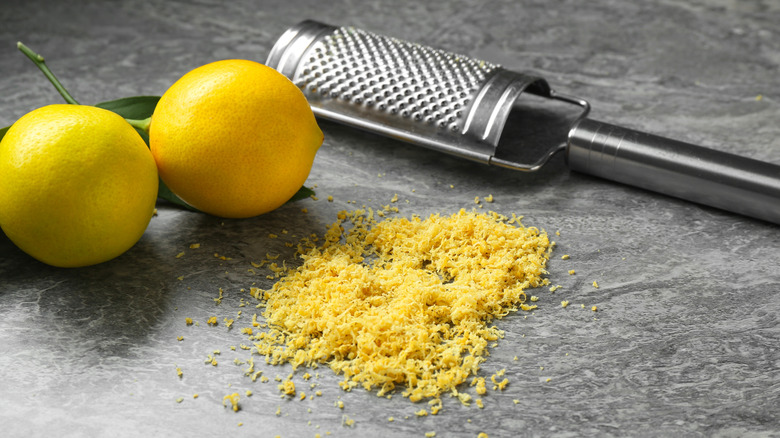
Lemon zest is the thin, colored outer layer of a lemon’s skin. It contains tiny oil glands that release a strong lemon scent when the surface is scraped or cut.
You can make zest with several kitchen tools:
• Microplane: Creates very fine zest that blends well into batters, sauces, and dressings.
• Citrus zester: Makes thin strips or threads of lemon skin.
• Fine grater: Works much like a Microplane.
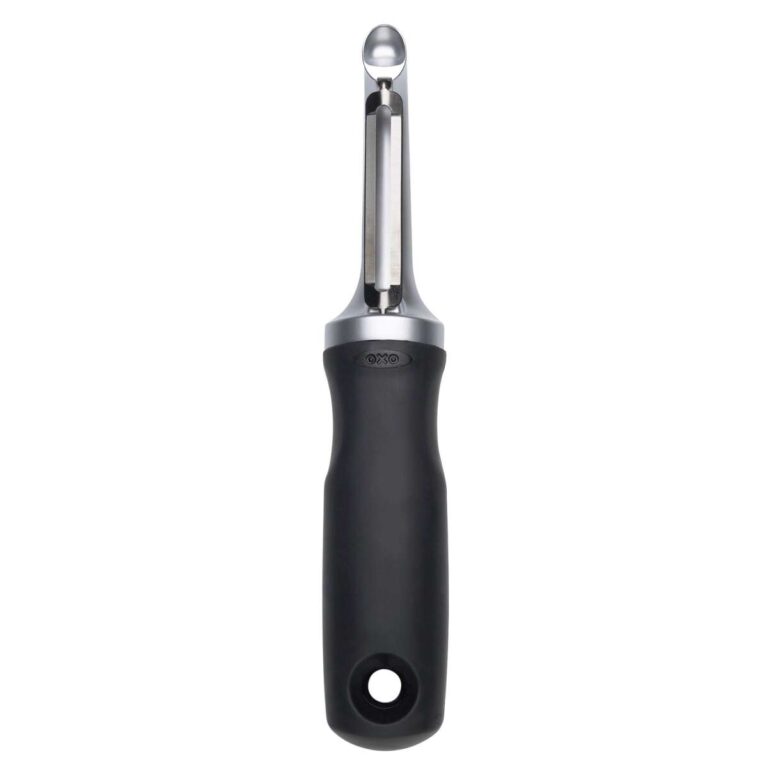
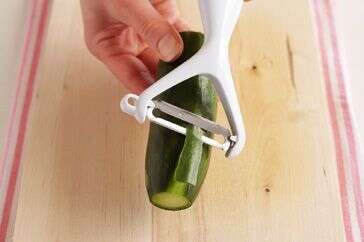
• Vegetable peeler: Creates wide strips that you can mince or use in infused liquids.
When zesting a lemon, apply light pressure. Stop as soon as you reach the white pith. Turning the lemon as you work helps you remove only the colored layer.
Lemon zest adds flavor without adding much juice or liquid. This makes it useful in cakes, cookies, pasta, rice, seafood, marinades, vinaigrettes, and cocktails. A small amount can make a dish taste fresh and lively.

What is lemon peel?
Lemon peel is the skin removed from a lemon. In the broad sense, it includes both the yellow zest and the white pith beneath it.
The peel can be used in larger pieces or strips. It is common in:
• Candied citrus peel
• Marmalade
• Herbal tea
• Infused water
• Limoncello and other liqueurs
• Stock and braising liquids
• Preserved lemons
• Homemade cleaning solutions
The pith is not always unwanted. In marmalade, it provides natural pectin and helps create a firm texture. In preserved lemons, the whole peel softens in salt and lemon juice, so its bitterness becomes part of the finished flavor.
Still, raw lemon peel can taste harsh if you add too much. This is why many recipes ask you to remove only the zest. When you want a smooth, sweet, and fragrant lemon flavor, zest is usually the safer choice.

Lemon zest vs. lemon peel: key differences
The main difference between lemon peel and lemon zest is what part of the fruit you use. Zest is a precise ingredient, while peel is a broader term.
| Feature | Lemon zest | Lemon peel |
|---|---|---|
| Part used | Colored outer skin | Zest, pith, or both |
| Flavor | Bright, fragrant, and lightly sweet | Strong citrus flavor that may be bitter |
| Texture | Fine, soft, or thin strips | Can be thick, chewy, or spongy |
| Best uses | Baking, sauces, salads, drinks | Marmalade, candying, preserving, infusions |
| Amount needed | Usually small | Depends on the recipe |
| Main risk | Zesting into the pith | Adding too much bitterness |
Are lemon peel and lemon zest the same in every recipe? Not always. Recipe writers sometimes use the terms loosely, especially in older cookbooks or casual online recipes.
Look at the preparation instructions for clues. If the recipe says “grate the lemon peel,” it likely means zest. If it says “remove strips of peel” or “add the peel to the pot,” it may mean a larger piece that includes some pith.

Can you substitute lemon peel for lemon zest?
You can substitute lemon peel for lemon zest, but the result may be more bitter. The best method depends on how the recipe describes the peel.
For a recipe that needs grated lemon peel, use the same amount of finely grated zest. In many cases, this is the intended ingredient.
For larger pieces of peel, use a vegetable peeler and remove thin strips. Try to leave most of the white pith behind unless the recipe specifically needs it.
A practical substitution guide looks like this:
• 1 teaspoon lemon zest: Use about 1 teaspoon of finely grated yellow peel.
• 1 tablespoon lemon zest: Use about 1 tablespoon of finely grated zest, not thick peel.
• One wide strip of lemon peel: Use one thin strip from the yellow surface.
• Dried lemon peel: Use less at first because its flavor is concentrated.
Do not replace zest with lemon juice without adjusting the recipe. Juice adds liquid and acidity, but it does not provide the same fragrant oils. A cake, custard, or sauce may become thin or overly sour if you use juice alone.

How to zest and peel a lemon correctly
Good technique prevents bitterness and helps you get more flavor from the fruit.
How to make lemon zest
-
Wash the lemon under cool running water and dry it well.
-
Choose a firm lemon with a clean, smooth surface.
-
Hold the lemon at a slight angle over a bowl or cutting board.
-
Move the lemon across the grater with light pressure.
-
Turn the lemon after each pass.
-
Stop when the yellow color disappears and the white pith appears.
Use fresh zest soon after making it. The aroma is strongest when the oils are freshly released. If you need to store it, place the zest in an airtight container in the refrigerator for a few days.
You can also freeze lemon zest. Spread it in a thin layer in a freezer bag or small container. Frozen zest works well in muffins, cakes, sauces, and cooked dishes.
How to remove lemon peel
Use a vegetable peeler or sharp paring knife. Try to remove long, thin strips with as little pith as possible.
If some pith remains, scrape it away with the edge of a knife. This step is useful when making candied peel, infused spirits, or lemon oil.
Avoid using soap on lemons. Rinse the fruit under running water and scrub the surface gently with a clean produce brush if needed. Washing reduces surface dirt and some bacteria, but it does not remove every pesticide or wax treatment.
Best uses for lemon zest and lemon peel
Lemon zest is best when you want flavor to spread evenly through a dish. It disappears into the food and releases aroma as it warms.
Try lemon zest in:
• Pound cake and shortbread
• Pasta with garlic and olive oil
• Risotto
• Roasted vegetables
• Fish and seafood
• Salad dressing
• Yogurt and oatmeal
• Homemade lemonade
• Sugar for baking
Lemon peel works better when you want a slow infusion or a firm citrus texture. The larger pieces can be removed before serving or softened during cooking.
Use lemon peel in:
• Marmalade