How To Use A Zester Peeler: Easy Citrus Zesting Guide
Use a zester peeler by pressing lightly and sliding it across the fruit’s skin to remove only the colorful outer zest.
Learning how to use a zester peeler can make everyday cooking faster, brighter, and more flavorful. This small tool removes fine citrus zest, wide strips, or thin vegetable peels, depending on its design.
After years of kitchen practice, I have found that the best results come from using light pressure, a sharp tool, and clean produce. This guide explains how to use a zester peeler safely, avoid bitter pith, choose the right technique, and get more value from every lemon, lime, orange, or vegetable.

What Is a Zester Peeler?
A zester peeler is a kitchen tool made to remove the outer layer of fruits and vegetables. Most models combine a fine grater, a citrus zester, or a vegetable peeler in one handle.
The word “zest” means the colorful outer skin of citrus fruit. This layer contains fragrant oils that add strong flavor to cakes, sauces, drinks, marinades, and salads.
A zester peeler may include one or more of these parts:
• Fine zesting holes for small, soft curls of citrus skin
• A sharp peeling blade for long, thin strips
• A channel cutter for narrow ribbons of peel
• A comfortable handle for better grip and control
The colorful skin is called the flavedo. The white layer underneath is the pith. The flavedo tastes fragrant, while the pith can taste bitter. Good zesting removes the first layer without digging into the second.

Types of Zester Peelers
Understanding your tool is the first step in learning how to use a zester peeler. Different designs work best for different foods and recipes.
Fine citrus zester
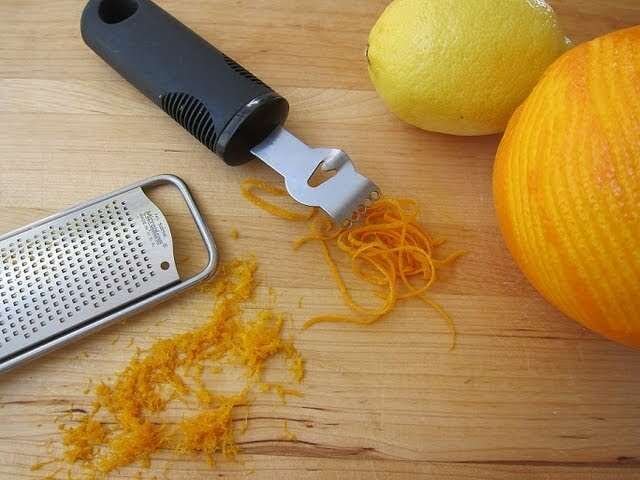
A fine citrus zester has small, sharp holes. It creates tiny pieces of zest that spread evenly through food.
Use it for:
• Lemon zest in cakes and cookies
• Lime zest in guacamole or salsa
• Orange zest in chocolate desserts
• Citrus zest in salad dressings
This style is often similar to a fine grater. It produces a soft texture rather than long strips.
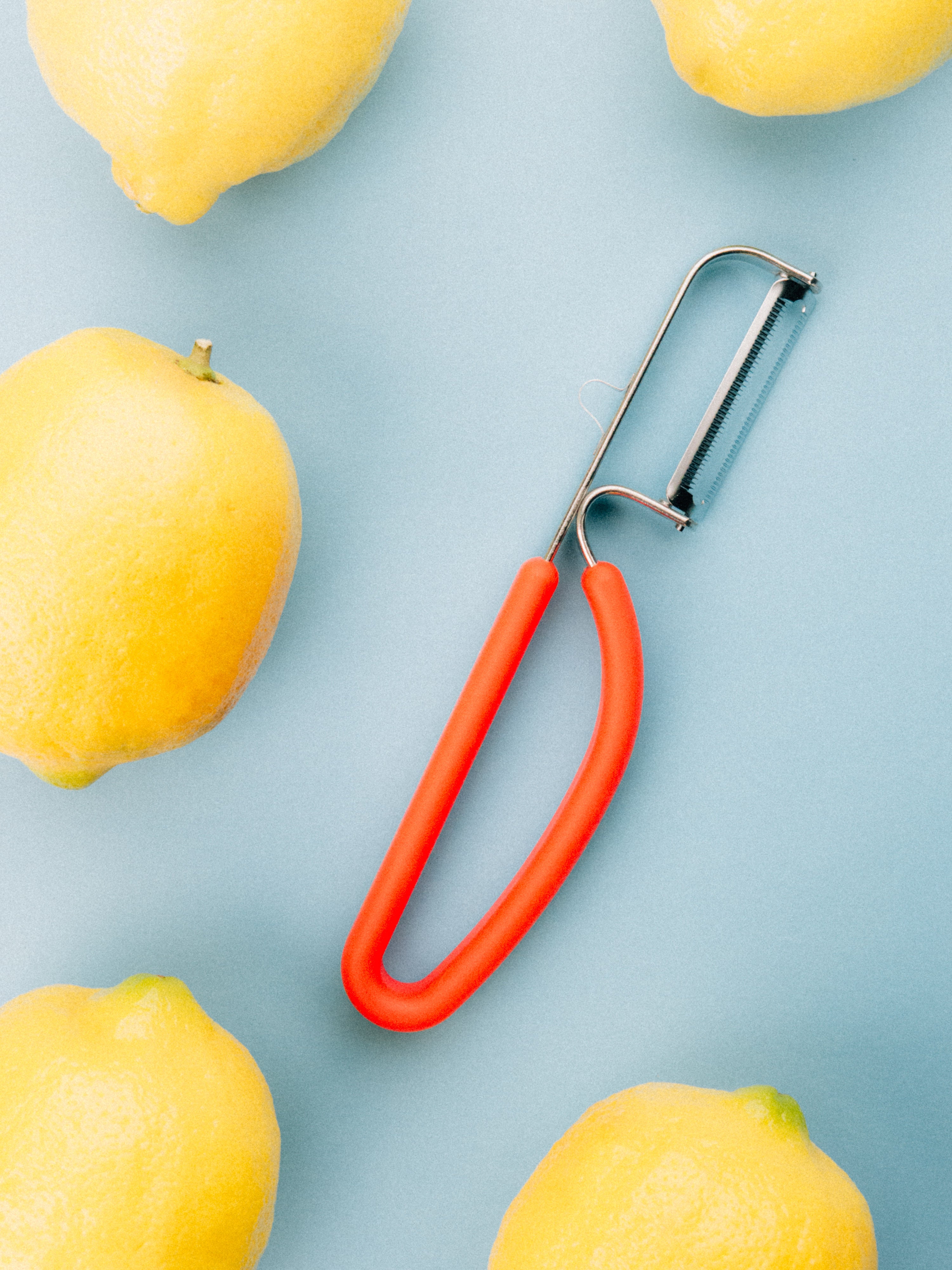
Y peeler or straight peeler
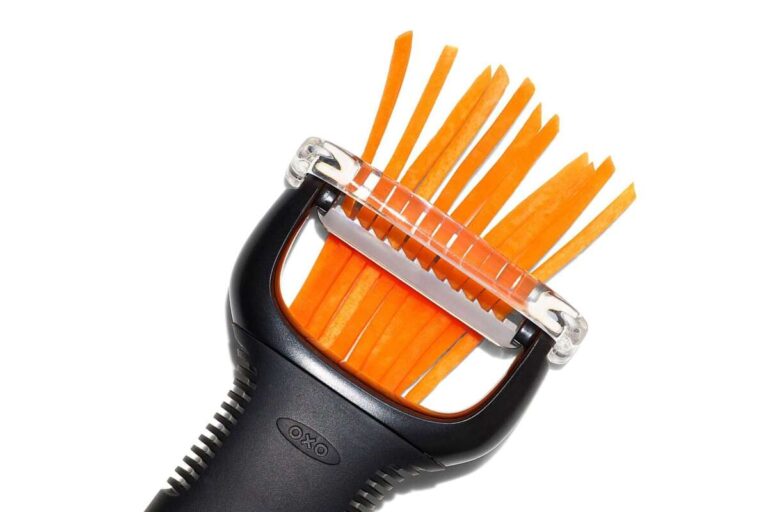
A vegetable peeler has a wide blade. It removes a thin layer of skin in long strips.
Use it for:
• Carrots
• Potatoes
• Cucumbers
• Apples
• Citrus peel for syrups or cocktails
A peeler can also create wide strips of lemon or orange skin. These strips work well in infused water, homemade extracts, and decorative garnishes.
Channel zester
A channel zester has a small, pointed blade that cuts narrow strips. It creates decorative curls without removing a wide section of peel.
Use a channel zester for:
• Cocktail garnishes
• Citrus twists
• Decorative dessert toppings
• Thin strips for sauces
When choosing a zester peeler, consider the texture you need. Fine zest blends into food, while wide strips add visual appeal and a stronger burst of aroma.

How to Use a Zester Peeler Step by Step
The basic method is simple, but small details make a major difference. Follow these steps for clean zest and safer handling.
1. Wash the fruit or vegetable
Rinse the produce under cool running water. Rub the surface with clean hands or a produce brush.
Dry it with a clean towel. A dry surface gives you better grip and helps the tool move smoothly.
Washing matters even when you do not plan to eat the fruit itself. The peeler touches the outside, and dirt or residue can transfer to the zest.
2. Hold the tool firmly
Hold the zester peeler in your dominant hand. Keep your fingers behind the cutting edge.
Use your other hand to hold the fruit. Keep your fingertips away from the path of the blade.
For small fruits, place the fruit on a cutting board instead of holding it in the air. This gives you more control and protects your fingers.
3. Place the tool on the surface
Set the cutting edge against the outer skin. Use gentle pressure.
You do not need to press hard. A sharp zester peeler should cut through the colorful skin with little effort.
Pressing too hard often causes the tool to dig into the white pith. This can make the zest bitter and create a rough texture.
4. Move the tool in one direction
Slide the tool across the surface in a smooth motion. If you are using a fine zester, move the fruit over the tool or move the tool over the fruit.
Turn the fruit as you work. Stop when you see the white pith.
Do not repeatedly scrape the same spot. Fresh zest should look bright and colorful. If the surface turns pale, move to a new area.
5. Check the amount of zest
Most recipes list zest by teaspoons or tablespoons. A medium lemon often provides about 1 to 2 tablespoons of zest, but the amount depends on the fruit and the tool.
Measure the zest after removing it. This helps you avoid overpowering delicate recipes.
If you remove too much zest, store the extra in an airtight container in the refrigerator for short-term use.

How to Use a Zester Peeler on Citrus Fruit
Citrus fruit is the most common food used with a zester peeler. Lemons, limes, oranges, and grapefruit all work well.
Before cutting the fruit, wash and dry it. Whole fruit is easier to hold and gives you more surface area for zesting.
Place the zester peeler on the colored skin. Pull it gently across the fruit. Rotate the fruit after each pass.
Use short strokes for fine zest. Use longer strokes if you want larger strips from a vegetable peeler.
Avoid the white pith. It contains less of the fragrant oil found in the outer skin and may add unwanted bitterness.
For a drink garnish, peel a narrow strip and twist it over the glass. This releases citrus oil onto the drink’s surface. You can then place the strip in the glass or rest it on the rim.
For baking, grate the zest directly into the sugar. Rub the zest and sugar together with clean fingers. This releases citrus oil and spreads the flavor throughout the mixture.
How to Use a Zester Peeler on Vegetables
A zester peeler can do more than remove lemon or orange skin. A wide peeler works well on many vegetables.
To peel a carrot, place it on a cutting board and hold it near one end. Slide the peeler away from your hand in long strokes.
To peel a cucumber, use light pressure. The skin is thin, so heavy pressure may remove too much flesh.
To peel a potato, move the blade around the surface. Remove only the outer skin unless the recipe calls for deeper trimming.
You can also use a vegetable peeler to make ribbons from:
• Zucchini
• Asparagus
• Beets
• Parsnips
• Yellow squash
• Firm cheese
Vegetable ribbons cook quickly and add texture to salads, pasta, soups, and sandwiches. Keep the strips even so they cook at the same rate.