How To Zest A Lemon With A Vegetable Peeler: Easy Guide
To zest a lemon with a vegetable peeler, remove thin yellow strips, then chop them into fine pieces.
Learning how to zest a lemon with a vegetable peeler is simple once you know what to avoid. The goal is to take only the bright yellow outer skin, where the lemon’s fragrant oils live, without scraping into the bitter white pith. This guide explains the best method, helpful tools, common mistakes, storage tips, and easy ways to use fresh lemon zest.

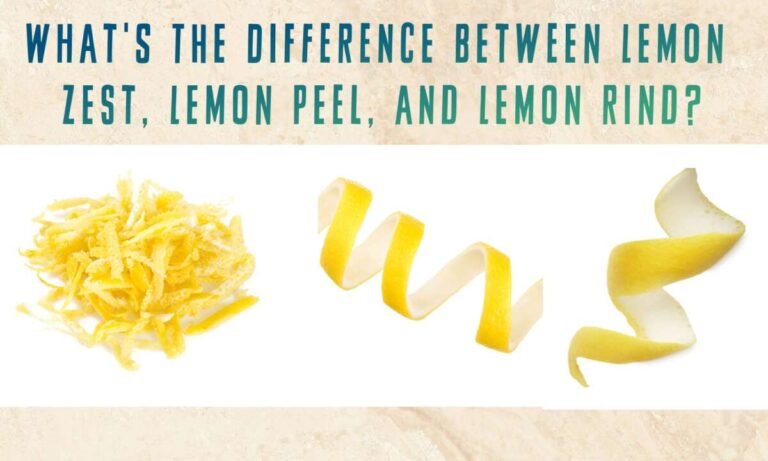
What Is Lemon Zest?
Lemon zest is the thin, colored outer layer of a lemon’s peel. It contains natural oils that provide a strong lemon aroma and a bright citrus flavor.
The white layer under the skin is called the pith. It has a spongy texture and a bitter taste, so you should remove as little of it as possible.
Learning how to zest a lemon with a vegetable peeler gives you wide strips instead of fine shavings. You can use these strips as they are for infusing sugar or syrup, or mince them for cakes, sauces, and savory dishes.
Fresh zest often adds more aroma than lemon juice. Juice brings acidity, while zest brings fragrant citrus oil. Many recipes use both because they create a fuller lemon flavor.

What You Need Before You Start
You only need a few basic items to zest a lemon with a vegetable peeler.
- A fresh lemon
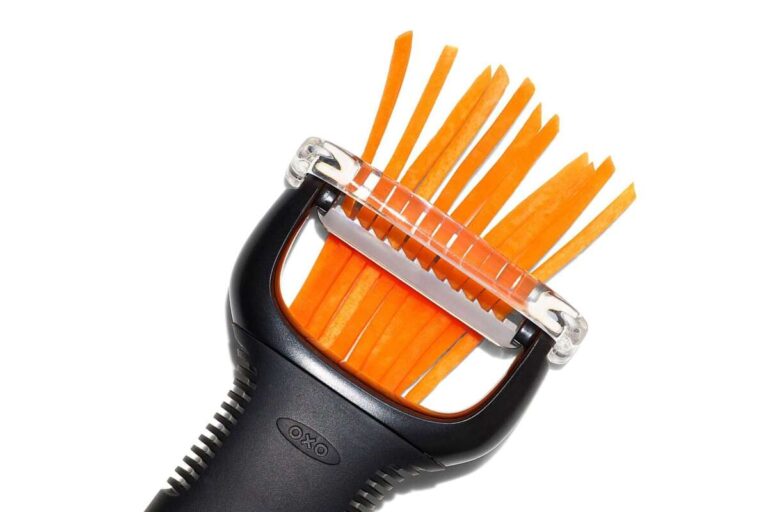
- A sharp vegetable peeler
- A cutting board
- A chef’s knife or small paring knife
- A clean bowl or plate
Choose a lemon with firm, bright skin. A lemon that feels heavy for its size usually contains more juice, but the skin should also look healthy and free from soft spots.
Wash the lemon under cool running water and dry it well. Even when you do not plan to eat the fruit inside, washing removes dirt and surface residue from the skin.
A sharp peeler is safer and more useful than a dull one. A dull blade may slip, dig too deep, or tear the peel into uneven pieces.

How to Zest a Lemon With a Vegetable Peeler
Follow these steps for clean, flavorful lemon zest.
1. Wash and dry the lemon
Rinse the lemon under cool water. Rub the surface gently with your hands or a clean produce brush.
Dry the lemon with a towel. A dry surface gives you better control, while a wet lemon can feel slippery.
2. Hold the lemon securely
Place the lemon on a cutting board or hold it firmly in your non-dominant hand. Keep your fingers away from the path of the peeler.
If the lemon rolls, trim a very small piece from one end to create a flat base. This makes it easier to zest the lemon with a vegetable peeler on the cutting board.
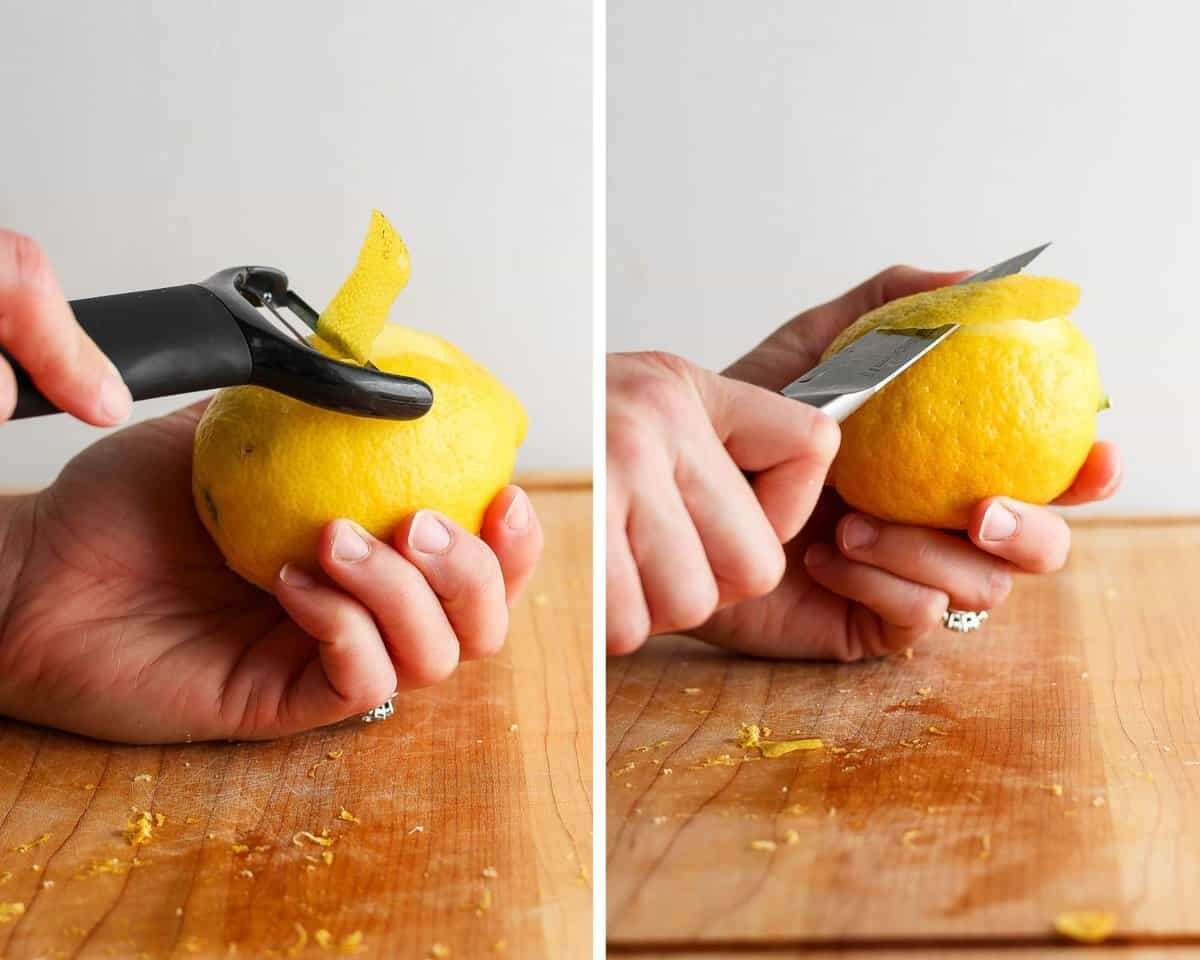
3. Set the peeler on the yellow skin
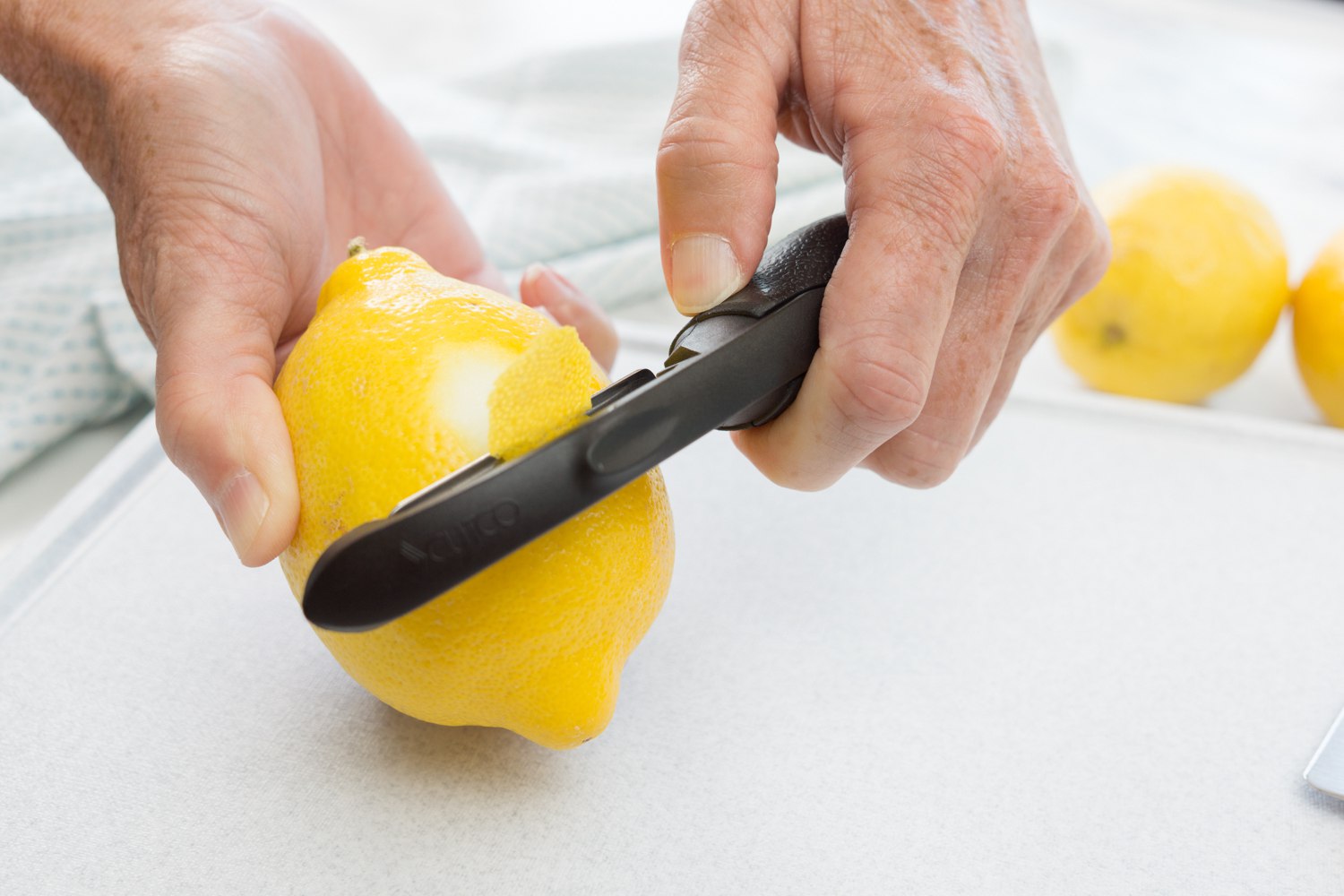
Place the peeler lightly against the lemon. Use enough pressure to remove the yellow surface, but do not press hard.
Pull the peeler from one end of the lemon to the other in a smooth motion. You should see a thin yellow strip come away.
4. Stop before reaching the white pith
Look at the underside of the strip. It should be mostly yellow, with little or no white material.
If you see a thick white layer, reduce the pressure on your next pass. The white pith is not dangerous, but it can make the zest taste harsh.
5. Rotate the lemon
Turn the lemon after each pass. Work around the fruit and avoid peeling the same area too deeply.
Stop when the lemon has little yellow skin left. You do not need to remove every last speck of zest.
6. Chop the strips
Lay the lemon strips flat on the cutting board. Use a sharp knife to cut them into thin pieces.
For most recipes, keep chopping until the zest is finely minced. For cocktails, sauces, or garnishes, slightly larger pieces may work well.
That is the basic method for how to zest a lemon with a vegetable peeler. It takes less than a minute and works well when you do not have a microplane or citrus zester.

How Thin Should Lemon Zest Be?
The best zest is thin enough to contain mostly yellow skin. It should not look thick, white, or spongy.
Think of the lemon peel as a layered blanket. The yellow top layer holds the aroma, while the white layer beneath it acts more like padding. You want the top layer, not the padding.
Use these visual checks:
- Bright yellow strips usually have the best flavor.
- Pale yellow strips may contain some pith but can still work.
- Thick white strips are likely to taste bitter.
- Dark, bruised areas should be removed.
If a strip contains too much pith, scrape some of it away with a knife. You can also trim the white part from the back before mincing the zest.
Recipe needs can vary. A small amount of pith may not matter in a large cake batter, but it can stand out in a delicate butter sauce or simple syrup.

The Best Lemons for Zesting
Fresh, unwaxed lemons are often the best choice when the skin will be eaten. However, many grocery store lemons have a food-safe wax coating that helps reduce moisture loss and extends shelf life.
A waxed lemon is not automatically unsafe. Wash and scrub it well before zesting. If you have a choice, look for lemons labeled organic or unwaxed, but remember that organic produce can also need washing.
Meyer lemons have a sweeter, less sharp flavor than standard Eureka or Lisbon lemons. They are excellent for desserts, dressings, and drinks.
Choose lemons with:
- Smooth, brightly colored skin
- A firm feel
- No mold or soft spots
- A fresh citrus smell
- Enough surface area for the recipe
Avoid lemons with wrinkled skin if you need a lot of zest. They can still be useful, but their skin may be harder to peel in smooth strips.

Vegetable Peeler Versus Other Zesting Tools
A vegetable peeler is not the only way to remove lemon zest, but it has a useful advantage: it creates broad strips quickly.
A microplane produces very fine zest. It is ideal for folding into frosting, pasta, risotto, marinades, and baked goods. It also removes the zest and pith risk in a different way because you can see exactly how deep you are grating.
A citrus zester creates narrow strands. These look attractive on desserts and cocktails, but the tool may not be part of every kitchen.
A paring knife can remove wide pieces of peel, although it requires more control. It is helpful when you want long strips for infusing cream, olive oil, or spirits.
Use a vegetable peeler when:
- You need zest fast
- You want wide strips
- You plan to mince the zest yourself
- You want to infuse a liquid
- You do not own a microplane
The method for how to zest a lemon with a vegetable peeler is especially practical in small kitchens, vacation rentals, and cooking classes where tools may be limited.
Common Mistakes to Avoid
Many zesting problems come from using too much force. The peeler should glide over the surface instead of digging into the fruit.
Avoid these common errors:
- Peeling too deeply and taking the white pith
- Using a dull or rusty peeler
- Zesting a dirty or damp lemon
- Holding the fruit where the blade may slip toward your fingers
- Leaving the strips too large for the recipe
- Zesting the lemon long before you need it
- Using moldy or damaged fruit
One lesson that comes up often in kitchen testing is that speed can cause mistakes. When people rush, they tend to press harder. A slow, light pass usually gives a cleaner strip and protects your fingers.
Another common mistake is zesting the lemon directly over a hot pan. Steam and heat can soften the peel and make it harder to control. Zest the lemon on a board first, then add it to the dish.
If you accidentally remove too much pith, do not throw the lemon away. Trim the white layer from the strip and use the remaining yellow peel.

How to Use Lemon Zest
Once you zest a lemon with a vegetable peeler, you can use the strips in many ways.
For baking, mince the strips very finely. Stir the zest into sugar before adding it to cake, cookie, or muffin batter. Rubbing zest into sugar with your fingers helps release the citrus oils and spreads the flavor.
For savory food, add minced zest to:
- Pasta with olive oil and garlic
- Roasted vegetables
- Fish and seafood
- Chicken marinades
- Grain salads
- Vinaigrettes
- Hummus
- Herb sauces
For drinks, add a long strip to iced tea, sparkling water, lemonade, or a cocktail. Twist the strip over the drink first. This releases fragrant oil onto the surface.
You can also infuse lemon zest into sugar, honey, cream, olive oil, or vinegar. Remove the strips after the desired flavor develops, especially if the liquid will sit for several hours.
Lemon zest can brighten rich foods. A small amount may balance butter, cream, cheese, or fried ingredients without adding extra liquid.

How to Store Fresh Lemon Zest
Fresh lemon zest has the strongest aroma when used right away. If you need to store it, place the zest in an airtight container and refrigerate it.
Use refrigerated zest within a few days for the best flavor. Keep it away from foods with strong odors because citrus peel can absorb smells.
For longer storage, freeze the zest in a small container or freezer bag. Spread it in a thin layer so you can break off only what you need.
You can also freeze whole strips before chopping them. This works well when you plan to use the zest in infused liquids.
Label the container with the date. Frozen lemon zest can keep its quality for several months, though its aroma may slowly fade over time.
Do not store fresh zest at room temperature for long periods. The moist surface can support spoilage, especially in a warm kitchen.
Safety and Food Quality Tips
Use a clean peeler and cutting board. If you use the same board for raw meat, wash and sanitize it before zesting.
The Food and Drug Administration advises washing produce under running water before eating or preparing it. Soap and produce cleaners are not needed and may leave residues.
Wash the lemon even if you plan to remove the skin. Cutting through an unwashed peel can transfer surface dirt to the inside of the fruit.
Discard the lemon if you see mold. Do not simply cut away a small moldy section and use the rest, because mold can spread below the visible surface.
Be careful when peeling toward your hand. Pull the peeler away from your body and keep your fingers behind the blade.
These steps do not make the process complicated. They simply make how to zest a lemon with a vegetable peeler cleaner, safer, and more consistent.
How Much Zest Comes From One Lemon?
The amount depends on the lemon’s size, skin thickness, and how deeply you peel. A medium lemon often gives about 1 to 2 tablespoons of finely minced zest.