What Is Another Word For Plates And Bowls: Simple Guide
The most common word for plates and bowls is “dishes,” while “dishware,” “tableware,” and “dinnerware” also fit.
If you are asking what is another word for plates and bowls, the best choice depends on context. “Dishes” sounds natural in everyday American English, while “dishware” and “dinnerware” work better in product descriptions, restaurant writing, and formal speech. This guide explains each term, shows clear examples, and helps you choose the right word.

What Is Another Word for Plates and Bowls?
The simplest answer to what is another word for plates and bowls is “dishes.” In the United States, people often use “dishes” for plates, bowls, and sometimes other items used to serve or eat food.
For example, someone might say, “Please put the dishes on the table.” This can mean plates and bowls without naming each item.
Other useful words include:
• Dishware: A general term for plates, bowls, and similar eating or serving items.
• Dinnerware: Table items used for meals, such as dinner plates, salad plates, bowls, and serving pieces.
• Tableware: A wider term that may include dishes, glasses, cups, forks, knives, and spoons.
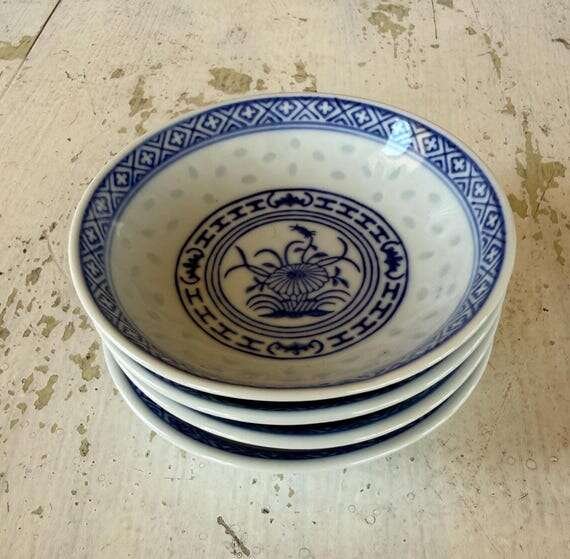
• Crockery: A common British English term for plates, bowls, and other ceramic dishes.
• Ceramics: A material term for items made from fired clay, though it does not always mean tableware.
• Serviceware: Items used to serve food, such as platters, serving bowls, and trays.
The word “dishes” is usually the safest choice in casual American English. “Dishware” is more precise when you mean the objects themselves.
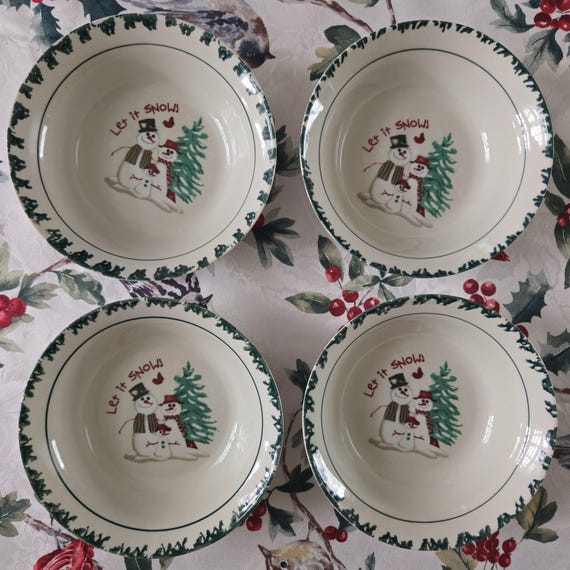
The Best General Term: Dishes
When people ask what is another word for plates and bowls, “dishes” is often the most natural answer. It is short, familiar, and easy to understand.
In everyday speech, “dishes” can refer to several types of kitchenware:
• Dinner plates
• Salad plates
• Soup bowls
• Cereal bowls
• Dessert plates
• Serving bowls
The word can also refer to the act of washing these items. For example, “I need to do the dishes” usually means washing plates, bowls, cups, glasses, and utensils.
However, “dishes” has a broad meaning. It can also mean prepared foods, such as pasta dishes or regional dishes. The context usually makes the meaning clear.
Examples of “dishes” in a sentence
• “The clean dishes are in the cabinet.”
• “We need more dishes for the dinner party.”
• “Please put the dishes in the dishwasher.”
• “These dishes are made of porcelain.”
If you want a word that sounds natural and familiar, choose “dishes.”
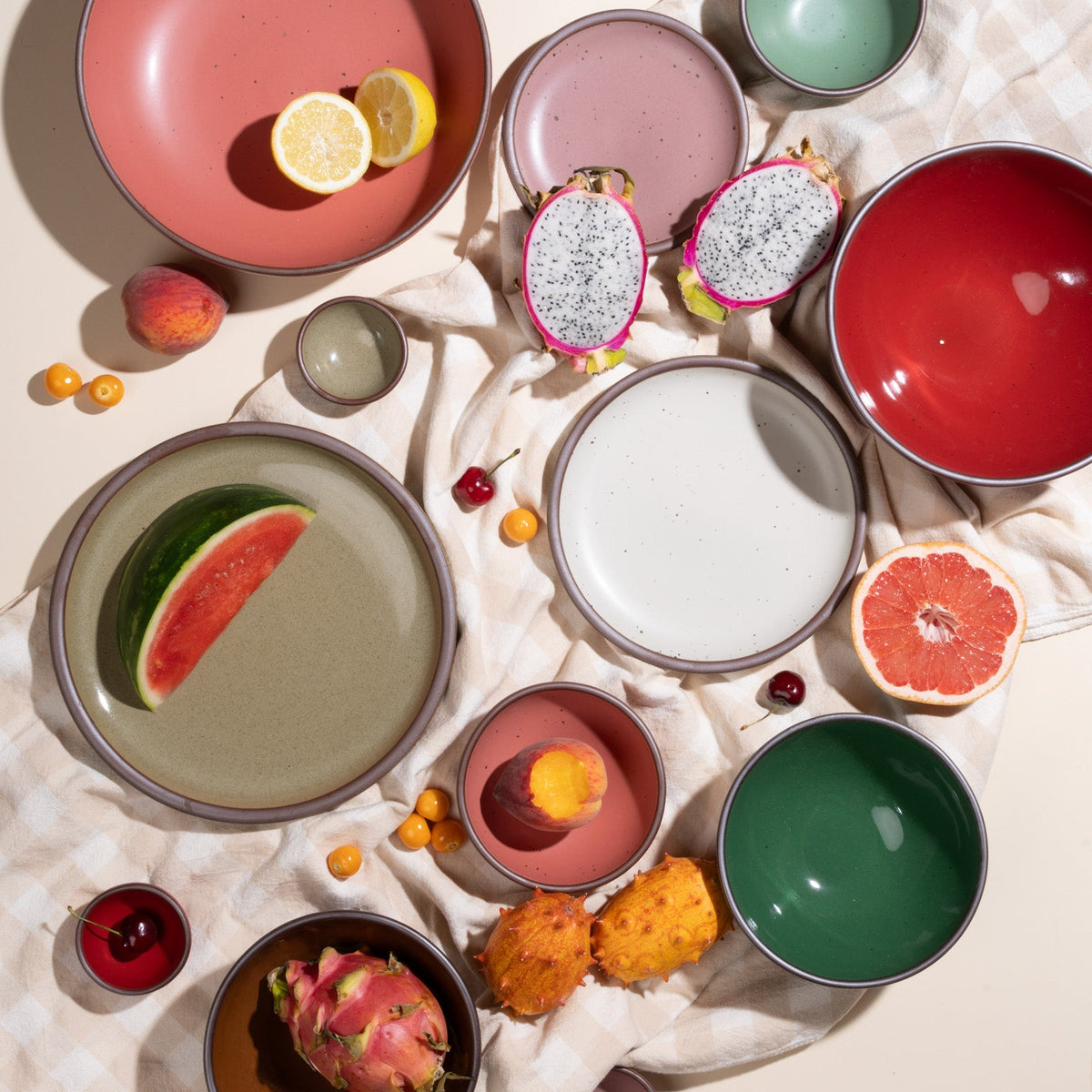
Dishware, Dinnerware, and Tableware Compared
The answer to what is another word for plates and bowls changes slightly based on how precise or formal you want to be. Dishware, dinnerware, and tableware are related terms, but they are not exact substitutes in every sentence.
Dishware
“Dishware” means dishes used for eating and serving food. It often includes plates, bowls, and platters.
Examples include:
• Ceramic dishware
• Everyday dishware
• White dishware
• Microwave-safe dishware
This word works well in product descriptions and home organization guides.
Dinnerware
“Dinnerware” usually describes a coordinated set of dishes used at meals. A dinnerware set may include dinner plates, salad plates, bowls, and mugs.
The term often suggests style or design. For example, a retailer may sell modern stoneware dinnerware or formal porcelain dinnerware.
Tableware
“Tableware” is broader than dishware. It can include dishes, drinking glasses, flatware, serving tools, and table accessories.
A tableware collection may contain:
• Plates and bowls
• Cups and glasses
• Forks, knives, and spoons
• Serving platters
• Gravy boats
• Table serving utensils
Therefore, “tableware” is not always the best answer to what is another word for plates and bowls. It includes those items, but it also covers many other objects.

Crockery and Ceramics: When to Use These Words
“Crockery” is another answer to what is another word for plates and bowls, especially in British English. In the United States, the word is understood but is less common in daily conversation.
Crockery usually refers to dishes made from baked clay. It may include plates, bowls, cups, and serving dishes. The word often sounds more traditional or regional.
“Ceramics” refers to objects made from clay or other mineral materials that are shaped and hardened with heat. Ceramic plates and bowls are common, but not every ceramic object is tableware.
For example:
• A ceramic vase is not dishware.
• A ceramic dinner plate is dishware.
• A ceramic serving bowl is tableware and dishware.
These terms describe both use and material. That difference matters when you write a product listing or explain a kitchen collection.
A simple wording guide
• Use dishes for normal conversation.
• Use dishware for plates and bowls as a group.
• Use dinnerware for a meal setting or coordinated collection.
• Use tableware for dishes plus utensils and drinkware.
• Use crockery for a British or traditional tone.
• Use ceramics when discussing material.
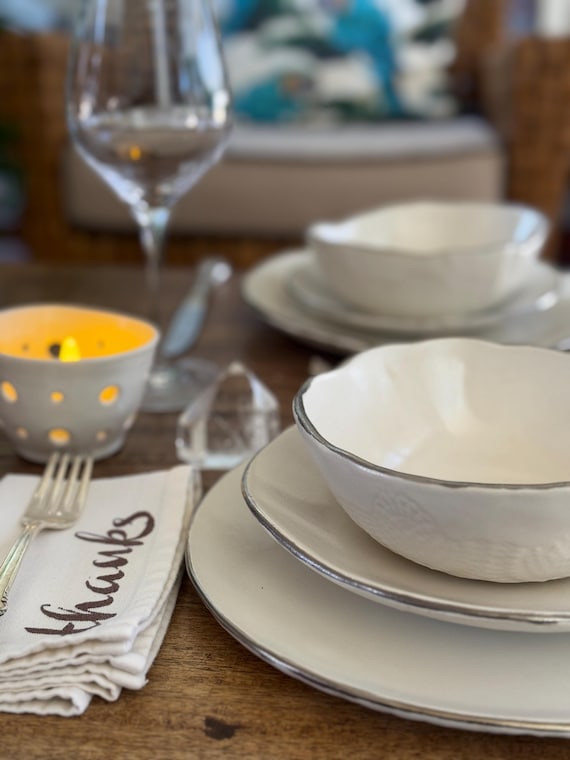
Plates and Bowls as Dinnerware
If you are writing about a meal set, “dinnerware” may be the strongest answer to what is another word for plates and bowls. It sounds polished and clearly relates to eating at the table.
A basic dinnerware set may include:
• Dinner plates for main courses
• Salad plates for smaller foods
• Soup bowls for liquid meals
• Cereal bowls for breakfast
• Dessert plates for sweets
• Serving bowls for shared foods
Some sets also include cups and saucers. Others include mugs, platters, or serving trays.
Dinnerware can be made from several materials:
• Porcelain is smooth, light, and often used for formal meals.
• Stoneware is heavier and suits casual daily use.
• Earthenware has a rustic look but may be less durable.
• Melamine is light and useful outdoors, but it should not normally be used in a microwave.
• Glass can look clean and modern, though it may break more easily.
Material, care instructions, and intended use all help define the best term.
Related Words for Specific Plates and Bowls
Sometimes the most accurate answer to what is another word for plates and bowls is not a general group term. A specific name may describe the shape, size, or purpose of the item.
Common words for plates
• Charger: A large decorative plate placed under other plates.
• Platter: A large, flat dish used to serve food.
• Saucer: A small plate placed under a cup.
• Side plate: A small plate for bread, snacks, or side foods.
• Salad plate: A plate smaller than a dinner plate.
• Bread plate: A small plate used for bread or rolls.
• Appetizer plate: A small plate for starter foods.
Common words for bowls
• Serving bowl: A large bowl used to hold food for several people.
• Soup bowl: A bowl designed for soup or other liquid foods.
• Cereal bowl: A medium bowl used for cereal, fruit, or similar foods.
• Pasta bowl: A wide bowl with a shallow center for pasta or noodles.
• Salad bowl: A bowl used to mix or serve salad.
• Rice bowl: A small or medium bowl often used for rice-based meals.
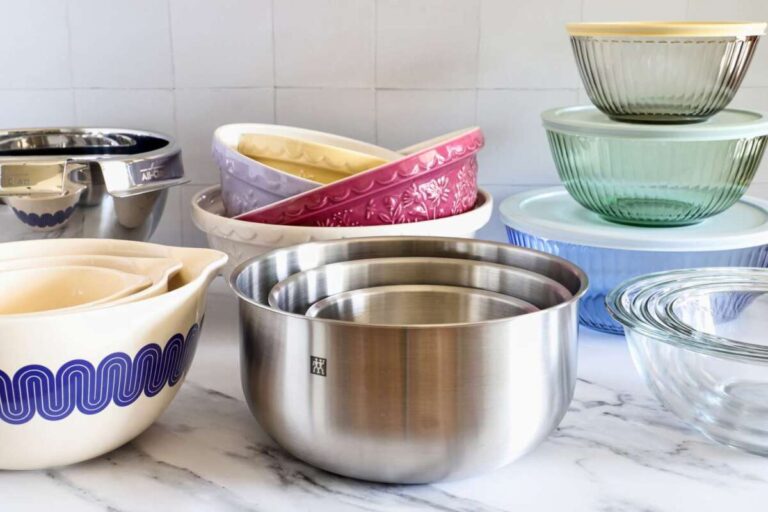
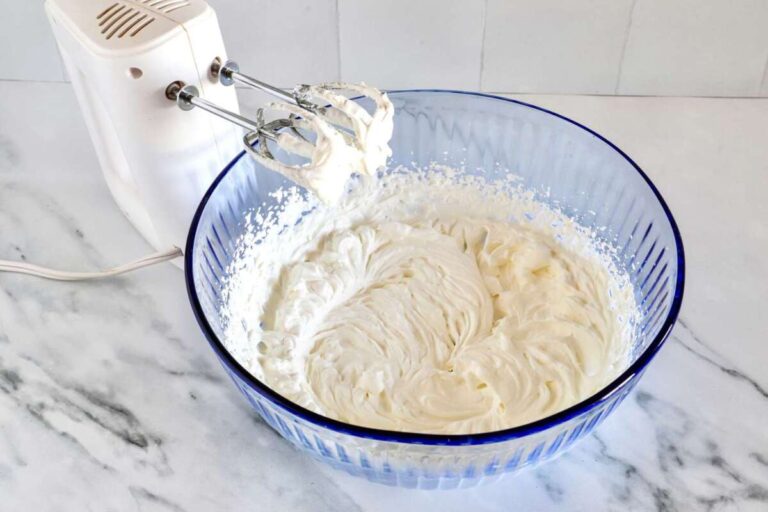
• Mixing bowl: A bowl used to prepare food rather than eat it.
Using a specific word improves clarity. “Please bring the serving bowls” gives more useful information than “Please bring the dishes.”

How Context Changes the Best Word
The right answer to what is another word for plates and bowls depends on the situation. A casual conversation calls for simple language, while a store listing may need a more exact term.
In casual conversation
Use “dishes.”
Example: “The dishes are ready for dinner.”
In a store description
Use “dishware” or “dinnerware.”
Example: “This stoneware dinnerware set includes four bowls and four plates.”
In a restaurant setting
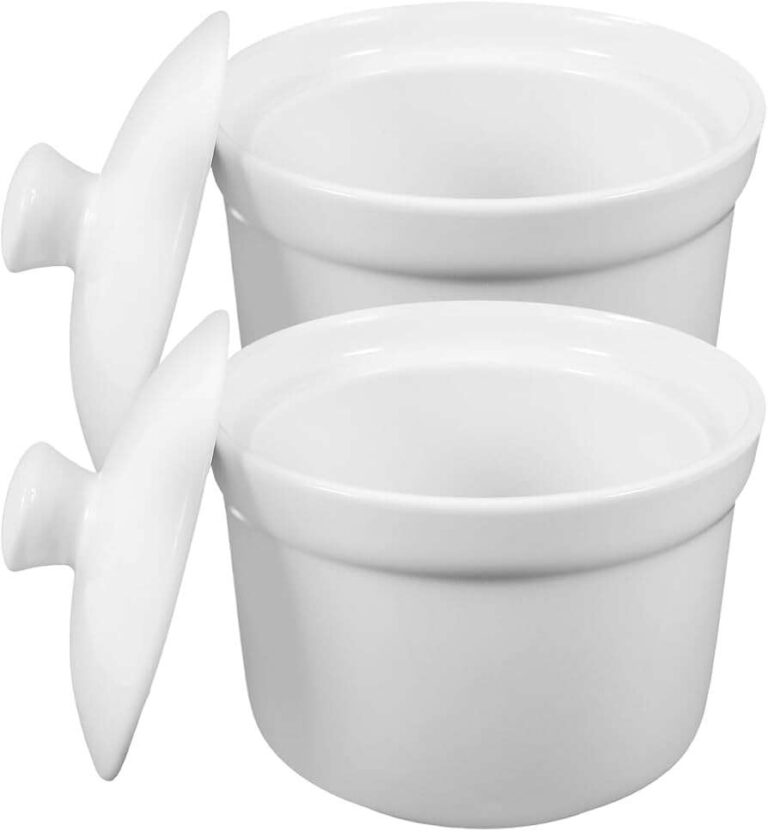
Use “serviceware” or specific names such as plates, bowls, platters, and ramekins.
Example: “The serviceware should match the restaurant’s modern design.”
In a formal event plan
Use “tableware” or “dinnerware.”
Example: “The event planner ordered white porcelain dinnerware.”
In British English
Use “crockery” when speaking about ceramic plates and bowls.
Example: “The new crockery is stored in the dining room cabinet.”
This context-based approach prevents confusion and makes your writing sound more natural.
What I Have Learned From Using Different Terms
When organizing a kitchen or writing descriptions for home goods, I have found that “dishes” is the easiest word for most people. It is clear, warm, and familiar. The word also works well when a group includes both plates and bowls.
A common mistake is using “tableware” when the meaning is limited to plates and bowls. Tableware may also include glasses, cutlery, napkin rings, and serving tools. If you want to describe only plates and bowls, “dishware” is more exact.
Another mistake is treating every bowl as dinnerware. Mixing bowls and decorative bowls may not belong to a dinnerware set. Always consider the item’s purpose before choosing the label.
My practical advice is simple:
-
Choose dishes for everyday speech.
-
Choose dishware for a clear general category.
-
Choose dinnerware for a coordinated meal set.
-
Choose tableware for a full table setting.
-
Choose a specific item name when size or purpose matters.
This small difference in wording can make a product description, recipe, or household instruction much clearer.

Why Accurate Terms Matter
Knowing what is another word for plates and bowls is useful beyond vocabulary practice. The right word helps people understand what to buy, store, clean, or bring to a meal.
Clear terms matter in several areas:
• Product pages need accurate descriptions so shoppers know what a set contains.
• Restaurant menus and supply lists need specific names for plates, bowls, and serving pieces.
• Moving checklists become easier when they separate dishware from glasses and flatware.
• Home organization labels help people find items quickly.
• Translation work becomes more accurate when the word matches the local culture and context.
Good language works like a well-set table. Every piece has a place, and the whole arrangement feels easy to understand.
Common Mistakes to Avoid
People often use related words as if they mean exactly the same thing. They overlap, but each term has a slightly different range.
Avoid these common errors:
• Calling all tableware “dishes”: Glasses and forks are tableware, but they are not usually called dishes.
• Calling every dish dinnerware: A serving platter or mixing bowl may not belong to dinnerware.
• Using crockery in every US context: Most American readers understand “dishes” more quickly.
• Using ceramics as a complete synonym: Ceramics describes material, not only eating or serving items.
• Forgetting regional differences: “Crockery” is more common in British English, while “dishes” is more common in American English.
When in doubt, use “dishes” in a casual sentence and “dishware” in a formal description.
How to Choose the Right Word
Use this quick method when deciding what is another word for plates and bowls:
-
Ask whether you mean only plates and bowls.
-
If yes, choose dishes or dishware.
-
Ask whether the items form a coordinated meal set.
-
If yes, choose dinnerware.
-
Ask whether you also mean glasses and utensils.
-
If yes, choose tableware.
-
Ask whether the material or regional language matters.
-
If yes, consider ceramics or crockery.
For example, “I bought new dishes” sounds natural. “I bought new ceramic dishware” gives more detail. “The hotel replaced its tableware” suggests plates, glasses, utensils, and other table items.
Frequently Asked Questions About What Is Another Word for Plates and Bowls
What is the most common word for plates and bowls?
The most common general word is “dishes.” In American English, people often use it for plates, bowls, and other items used to eat or serve food.
Is dishware the same as plates and bowls?
Dishware is a broad category that includes plates and bowls. It may also include platters, saucers, and other dishes used for food.
Are plates and bowls called tableware?
Yes, plates and bowls are types of tableware. However, tableware may also include glasses, cups, forks, knives, spoons, and serving utensils.
What is the difference between dinnerware and dishware?
Dishware usually means dishes in general. Dinnerware often refers to dishes used for meals, especially a matching set of plates and bowls.
Is crockery another word for plates and bowls?
Yes, crockery can mean plates, bowls, cups, and similar ceramic items. It is more common in British English than in American English.
Can I call plates and bowls ceramics?
You can call them ceramics when you are describing their material. The word is less precise if you mean their use, because ceramic items can also include vases, tiles, and decorations.
What word should I use in a product description?
Use “dishware” for a general set of plates and bowls, or “dinnerware” for a meal set. Include specific details such as material, piece count, and item type whenever possible.
Conclusion
The best answer to what is another word for plates and bowls is usually “dishes.” For more precise writing, use “dishware” for plates and bowls, “dinnerware” for meal sets, “tableware” for a full table setting, and “crockery” for a British or traditional style.
Choosing the right word makes your speech and writing clearer. Next time you describe a kitchen set, match the term to the setting, the material, and the items included. Explore more language guides, share your preferred term, or leave a comment with the word your family uses.

Liora Pennings is a seasoned chef and kitchen enthusiast with a passion for turning everyday cooking into an effortless experience. With years of hands-on culinary expertise, she specializes in practical techniques, ingredient know-how, and smart kitchen solutions that help home cooks elevate their meals. At KitchFlair.com, Liora shares her best tips, time-saving tricks, and honest product reviews to guide readers toward a more efficient, enjoyable, and inspired cooking routine. Whether you’re a beginner or a seasoned home chef, Liora’s friendly, knowledge-packed insights make every visit to the kitchen a little easier—and a lot more delicious.