What Are Tidbit Bowls Used For: Smart Serving Ideas
Tidbit bowls are small serving dishes used for snacks, condiments, garnishes, and bite-sized foods.
If you have seen a set of tiny bowls in a dining room, kitchen, or vintage shop, you may have wondered what they are for. What are tidbit bowls used for? Their main purpose is to serve small portions neatly while adding charm and order to a table. They are useful for both everyday meals and special events, and their compact size makes them ideal for foods that do not need a full-size plate.
What Are Tidbit Bowls?
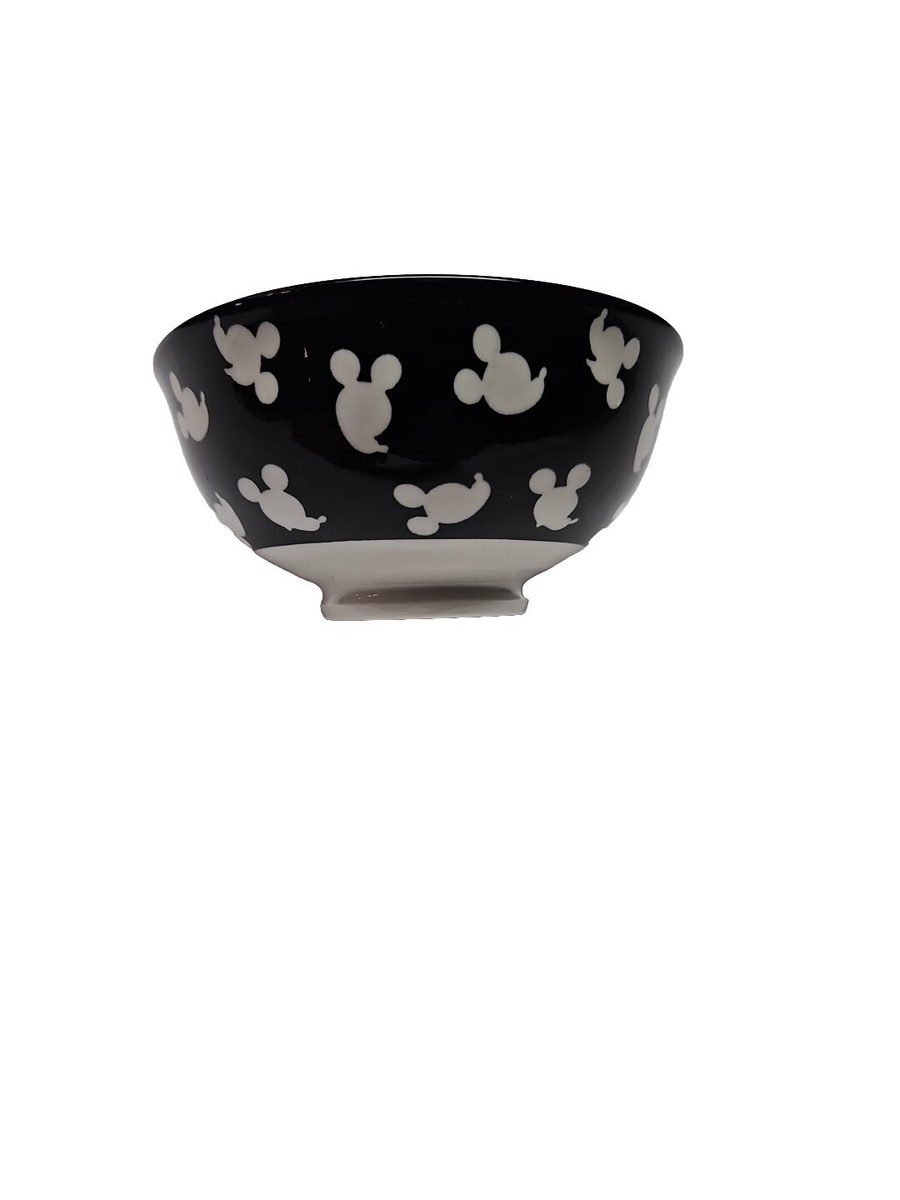
Tidbit bowls are small dishes made for serving little portions of food. The word “tidbit” means a small, tasty piece or serving, so the name describes both their size and purpose.
They may be made from:
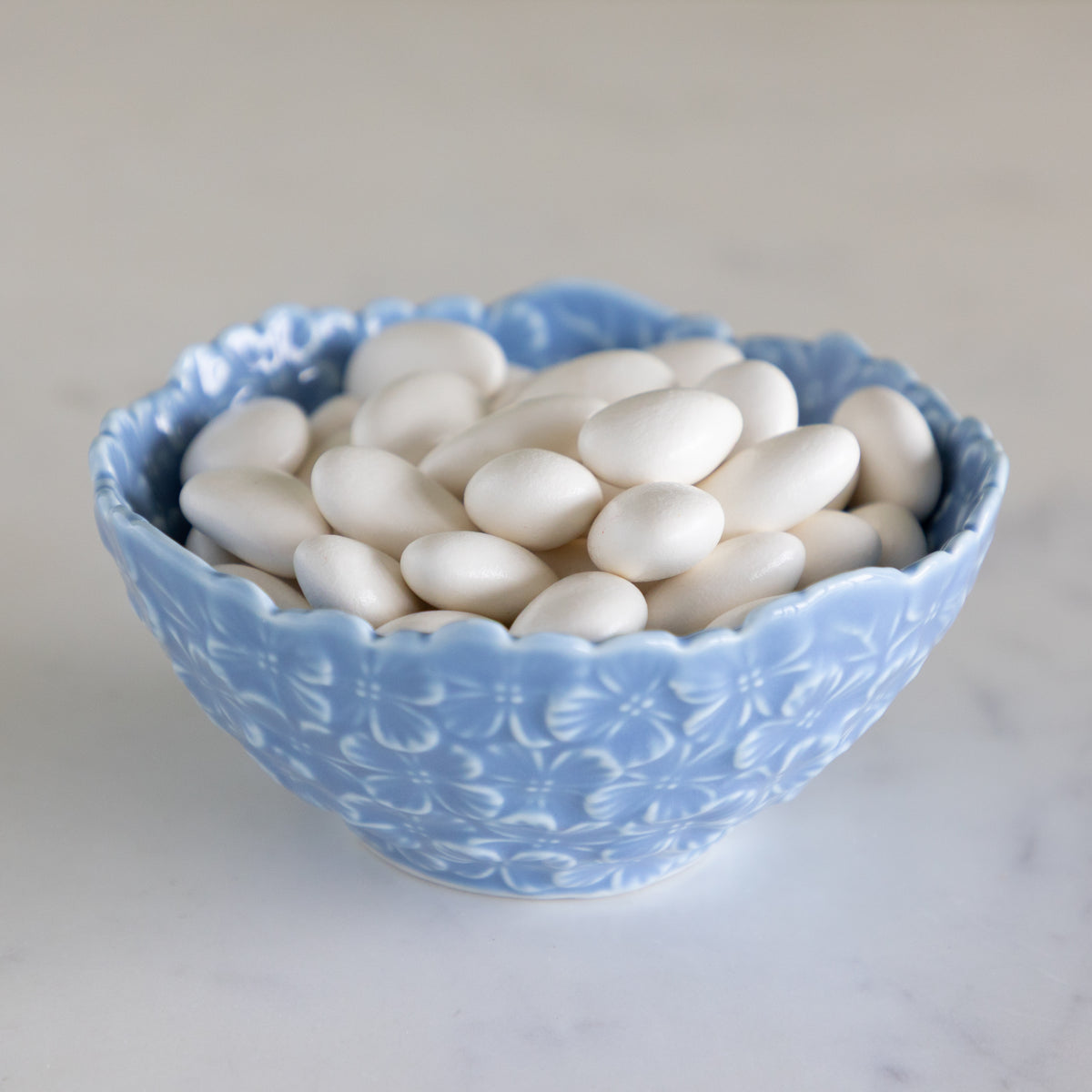
• Porcelain or ceramic
• Glass
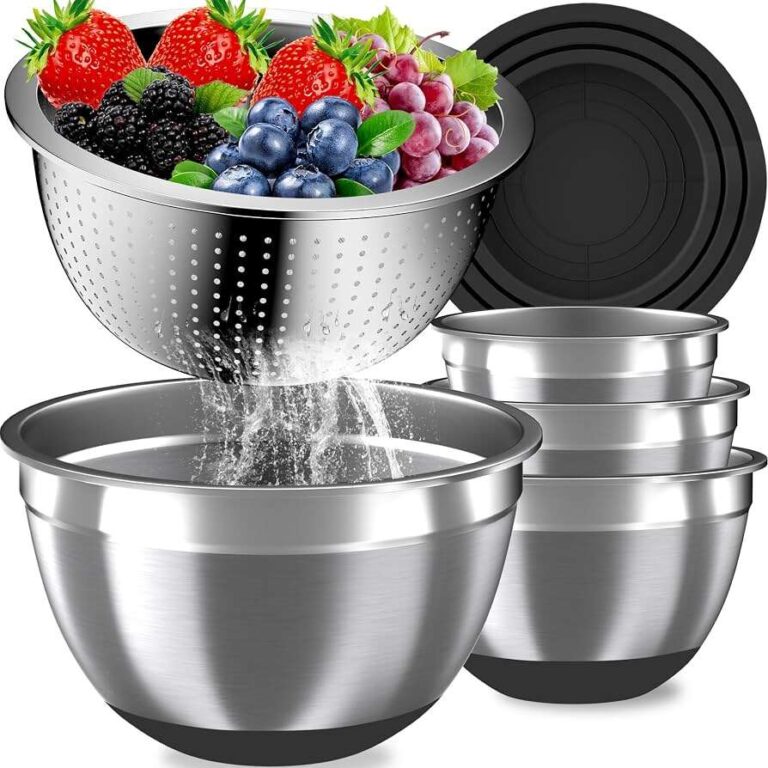
• Stainless steel
• Melamine
• Wood
• Stoneware
• Fine china
Most tidbit bowls hold between a few tablespoons and about one cup. However, sizes vary by design. Some are round, while others are oval, square, leaf-shaped, or divided into sections.
What are tidbit bowls used for in a formal setting? They are often used to serve small appetizers, nuts, olives, sauces, candy, or garnishes. In casual homes, they can also hold everyday items such as tea bags, lemon wedges, or chopped herbs.

What Are Tidbit Bowls Used For?
What are tidbit bowls used for depends on the meal, the food, and the setting. Their small size helps control portions and keeps different foods separate.
Common uses include:
• Serving nuts, trail mix, and roasted seeds
• Holding olives, pickles, and marinated vegetables
• Presenting dips, sauces, salsa, and chutney
• Serving candy, mints, and chocolate
• Offering berries, grapes, or cut fruit
• Holding lemon wedges and lime slices
• Serving grated cheese, herbs, or toppings
• Presenting shrimp, crackers, and other small appetizers
• Holding individual snacks during a party
• Organizing ingredients during meal preparation
For example, you might place hummus in one bowl, olives in another, and pita chips on a larger plate. This creates a simple snack board without letting the flavors mix.
What are tidbit bowls used for at breakfast? They work well for jam, honey, butter, dried fruit, nuts, and small toppings for oatmeal or yogurt. At dinner, they can hold condiments, sauces, grated Parmesan, or fresh herbs.
A tidbit bowl is like a small drawer on a desk. It gives each item its own place and helps the whole arrangement look more organized.
Tidbit Bowls for Appetizers and Parties
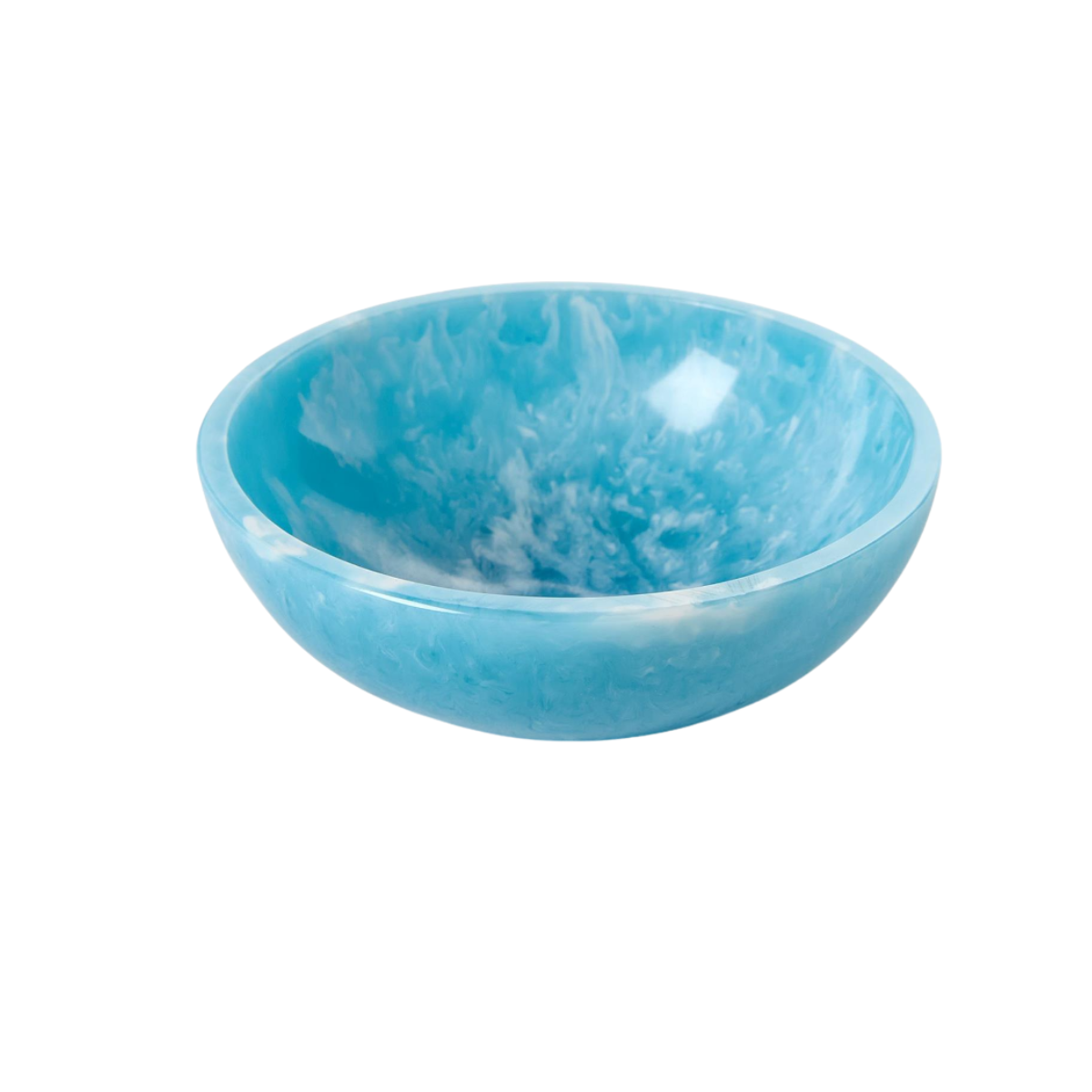
Small bowls are especially useful when you host guests. They allow people to enjoy small bites without needing a large plate for every item.
You can use tidbit bowls for:
• Mixed nuts at a holiday gathering
• Dips beside vegetable sticks
• Salsa with tortilla chips
• Marinated mushrooms or artichokes
• Cheese cubes and dried fruit
• Cocktail onions and cherries
• Edamame or shelled peanuts
• Small seafood portions
• Pretzels and snack mixes
What are tidbit bowls used for during a buffet? They help separate flavors and make the food line easier to use. Guests can see each option clearly, and small portions can be refilled as needed.
When arranging a snack table, place the bowls near the foods they match. Put salsa near chips, olives near cheese, and sauces near appetizers. This small detail makes the table feel thoughtful rather than crowded.
A practical lesson I have learned from setting snack tables is to avoid filling every bowl to the rim. A bowl that is two-thirds full looks cleaner and gives guests room to serve themselves without spilling.

Tidbit Bowls for Condiments and Toppings
One of the most useful answers to “what are tidbit bowls used for” is condiments. Their small size is perfect for foods used in small amounts.
Try using tidbit bowls for:
• Ketchup and mustard
• Mayonnaise and aioli
• Soy sauce and wasabi
• Ranch dressing
• Hot sauce
• Honey and maple syrup
• Jam and marmalade
• Guacamole
• Sour cream
• Chopped onions and fresh herbs
These bowls are helpful when you serve meals that require several toppings. For a taco night, for example, you can use them for shredded cheese, diced tomatoes, sliced jalapeños, sour cream, and salsa.
What are tidbit bowls used for with a cheese board? They can hold honey, fig jam, olives, nuts, or grain mustard. This keeps wet foods away from crackers and cheese, which helps preserve texture.
Small bowls also make portion control easier. Instead of placing a large jar of sauce on the table, you can offer a measured amount in a clean serving bowl.
Tidbit Bowls in Cooking and Food Preparation
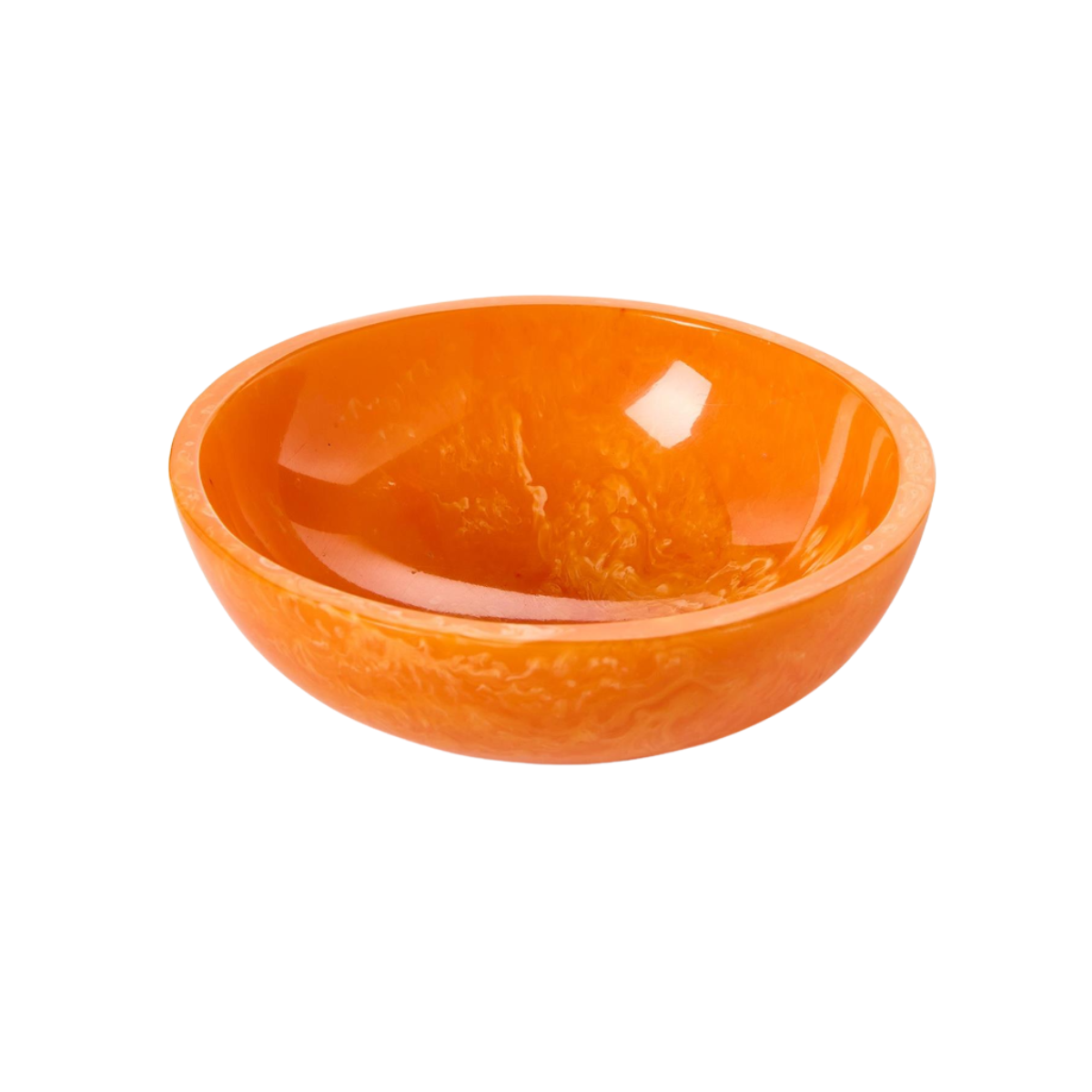
Tidbit bowls are not limited to serving. They are also useful preparation tools.
Many cooks use them to hold ingredients before cooking. This practice is sometimes called mise en place, a French term that means putting ingredients in place.
You can prepare ingredients such as:
• Minced garlic
• Chopped onions
• Spices
• Fresh herbs
• Grated cheese
• Lemon zest
• Measured sauces
• Chopped vegetables
• Baking toppings
What are tidbit bowls used for when baking? They can hold sprinkles, nuts, chocolate chips, cinnamon, powdered sugar, or measured ingredients. This can make a recipe easier to follow and reduce the chance of forgetting an ingredient.
I find that small bowls are most helpful when a recipe has many steps. Measuring each ingredient first creates a smoother workflow. The main mistake to avoid is using bowls that are too shallow, since light ingredients such as flour or herbs can spill easily.

How Tidbit Bowls Differ From Similar Dishes
Tidbit bowls can look similar to ramekins, pinch bowls, sauce dishes, and condiment cups. Their purposes overlap, but there are a few common differences.
Tidbit bowls
Tidbit bowls are general-purpose small dishes. They are often used for snacks, garnishes, sauces, and decorative serving.
Ramekins
Ramekins are usually deeper and more heat-resistant. They are commonly used for baked custards, soufflés, crème brûlée, and individual portions.
Pinch bowls
Pinch bowls are very small. They are best for holding a pinch of salt, spices, chopped herbs, or tiny ingredients during cooking.
Sauce dishes
Sauce dishes are designed mainly for dipping. They may have a low profile that makes it easy to dip vegetables, sushi, dumplings, or fried foods.
Relish dishes
Relish dishes often have several sections. They are used to serve different relishes, pickles, olives, or small side foods without mixing them.
Understanding these differences helps you choose the right dish. What are tidbit bowls used for? They are the flexible middle ground between a tiny pinch bowl and a larger serving dish.
Benefits of Using Tidbit Bowls
Tidbit bowls offer several practical and visual benefits.
They improve table organization
Small foods can make a table look messy when served in jars, bags, or large containers. Tidbit bowls create a clear place for each item.
They help prevent flavor mixing
Strong foods such as olives, onions, and pickles can affect nearby foods. Separate bowls help keep flavors distinct.
They support portion awareness
A small bowl naturally limits how much food you serve at one time. This does not make a food automatically healthy, but it can encourage more mindful portions.
They make meals look more inviting
Colorful foods look attractive when placed in clean, well-sized dishes. Even a simple family meal can feel more special.
They are easy to move
A small bowl can be carried from the kitchen to the table with one hand. This is useful when serving several toppings or snacks.
They reduce waste
You can refill a small bowl instead of placing a large amount of food on the table. This is useful for perishable foods and party snacks.

Choosing the Right Tidbit Bowls
The best tidbit bowls depend on how you plan to use them. Consider the material, shape, size, care needs, and overall style.
Material
Ceramic and porcelain bowls are attractive and suitable for everyday serving. Glass bowls show the food clearly and work well for colorful ingredients. Stainless steel is durable, while melamine is useful for outdoor meals because it is lightweight.
Size
Choose bowls that match the food. A tiny bowl suits spices and garnishes, while a larger tidbit bowl works better for nuts, fruit, or dips.
Shape
Round bowls are easy to stack and clean. Divided bowls are useful when serving several related foods. Low bowls work well for dipping, while deeper bowls are better for sauces and loose snacks.
Care
Check whether the bowls are dishwasher-safe, microwave-safe, or oven-safe. Never assume that a decorative or vintage bowl can handle heat.
Stability
A wide base helps prevent spills. This matters when serving children, older adults, or guests who may need extra room around their place setting.
What are tidbit bowls used for outdoors? Melamine or sturdy plastic versions are often better than glass or delicate china. For formal events, porcelain, ceramic, or glass can create a more polished appearance.
Safe and Hygienic Use
Tidbit bowls are simple to use, but food safety still matters. Wash bowls before and after use, especially when serving foods that contain dairy, meat, eggs, or seafood.
Keep these points in mind:
• Use clean utensils for each bowl
• Do not leave perishable foods at room temperature for long periods
• Replace food that has been exposed for an extended time
• Keep raw ingredients separate from ready-to-eat foods
• Dry bowls fully before stacking them
• Avoid using chipped bowls for food service
• Follow the care instructions for vintage or painted dishes
Food safety guidance commonly recommends keeping perishable foods cold and limiting the time they sit in the temperature danger zone. Exact limits can vary with the food and conditions, so use current food safety advice when serving guests.
What are tidbit bowls used for when serving hot foods? Only use bowls labeled as heat-safe. Some glass, ceramic, and porcelain bowls can handle heat, but thin decorative pieces may crack.

Creative Ways to Use Tidbit Bowls at Home
You do not need to wait for a party to use these small dishes. They can solve many everyday kitchen and home organization problems.
Try these ideas:
• Place one beside the stove for spoon rests
• Use one for used tea bags
• Hold jewelry on a bedside table
• Keep paper clips or buttons in a home office
• Serve ice cream toppings
• Hold pet treats during training
• Display wrapped candies in a guest room
• Store garlic cloves on a kitchen counter
• Serve small portions of cereal or fruit
• Hold dipping oil and herbs with bread
What are tidbit bowls used for in a home office? They can hold small items that often become scattered. Their usefulness is not limited to food, although food-safe bowls should be cleaned before returning to kitchen use.
One common mistake is buying a beautiful set that is too small for your usual foods. Before purchasing, think about whether you will serve nuts, dips, sauces, or only small garnishes. The right bowl should make a task easier, not create extra spills.
Caring for and Storing Tidbit Bowls
Proper care can help tidbit bowls last for many years. Start by checking the manufacturer’s instructions, especially for hand-painted, metallic, antique, or handmade pieces.
Use mild dish soap and a soft sponge for delicate bowls. Avoid harsh scrubbers on glazed ceramic, painted designs, and gold or silver trim.
For storage:
• Stack bowls only when the shape allows it
• Place a soft liner between delicate pieces
• Keep glass bowls away from heavy cookware
• Store divided bowls where they will not catch on other dishes
• Avoid sudden temperature changes
• Inspect older bowls for cracks and glaze damage
What are tidbit bowls used for if they are vintage? They can be excellent serving pieces, but inspect them carefully. Some older ceramics may contain materials that are not suitable for food use, especially if the glaze is damaged or the piece was made for decoration only.
Frequently Asked Questions About What Are Tidbit Bowls Used For
What are tidbit bowls used for at a dinner party?
Tidbit bowls are used to serve small foods such as olives, nuts, sauces, dips, garnishes, and candy. They help keep the table neat and prevent different flavors from mixing.
Are tidbit bowls the same as ramekins?
No. Tidbit bowls are general-purpose small serving dishes, while ramekins are often deeper and designed for baking or individual desserts. Some tidbit bowls can hold similar foods, but they may not be safe for oven use.
Can tidbit bowls go in the microwave?
Only if the manufacturer says they are microwave-safe. Avoid microwaving bowls with metallic trim, unknown vintage glazes, or materials that may crack under heat.
What size is a typical tidbit bowl?
A typical tidbit bowl holds a few tablespoons to about one cup. The ideal size depends on whether you are serving spices, dips, nuts, fruit, or toppings.
Can tidbit bowls be used for cooking?
Yes. They are useful for holding measured spices, chopped vegetables, herbs, sauces, and baking ingredients before you cook. They are not automatically oven-safe, so check the label before exposing them to heat.
Are tidbit bowls good for portion control?
They can help serve smaller amounts because their capacity is limited. However, portion control also depends on the type of food and how often you refill the bowl.
What foods should not be served in tidbit bowls?
Avoid serving very hot foods in bowls that are not heat-safe. You should also avoid using chipped, cracked, or decorative-only bowls for food.
Conclusion
What are tidbit bowls used for? They are small, versatile dishes for serving snacks, condiments, appetizers, toppings, garnishes, and prepared ingredients. They make food easier to organize, help separate flavors, support neat presentation, and add a thoughtful touch to everyday meals.
Choose bowls that match your food, setting, and care needs. Start with a few sturdy pieces for dips, nuts, sauces, and toppings, then expand your collection as you discover what works best in your kitchen. Explore more serving ideas, try tidbit bowls at your next gathering, and share your favorite uses in the comments.

Liora Pennings is a seasoned chef and kitchen enthusiast with a passion for turning everyday cooking into an effortless experience. With years of hands-on culinary expertise, she specializes in practical techniques, ingredient know-how, and smart kitchen solutions that help home cooks elevate their meals. At KitchFlair.com, Liora shares her best tips, time-saving tricks, and honest product reviews to guide readers toward a more efficient, enjoyable, and inspired cooking routine. Whether you’re a beginner or a seasoned home chef, Liora’s friendly, knowledge-packed insights make every visit to the kitchen a little easier—and a lot more delicious.