Are Stainless Steel Mixing Bowls Good: Pros And Cons
Yes, stainless steel mixing bowls are durable, safe, versatile, and excellent for most home kitchens.
When people ask, “are stainless steel mixing bowls good,” they usually want more than a simple yes or no. They want to know if these bowls are safe, durable, easy to clean, suitable for baking, and worth buying. After comparing stainless steel with glass, plastic, and ceramic bowls, I find stainless steel offers the best balance for most cooks. Still, it has a few limits that matter for certain foods and cooking tasks.
Are stainless steel mixing bowls good for everyday cooking?
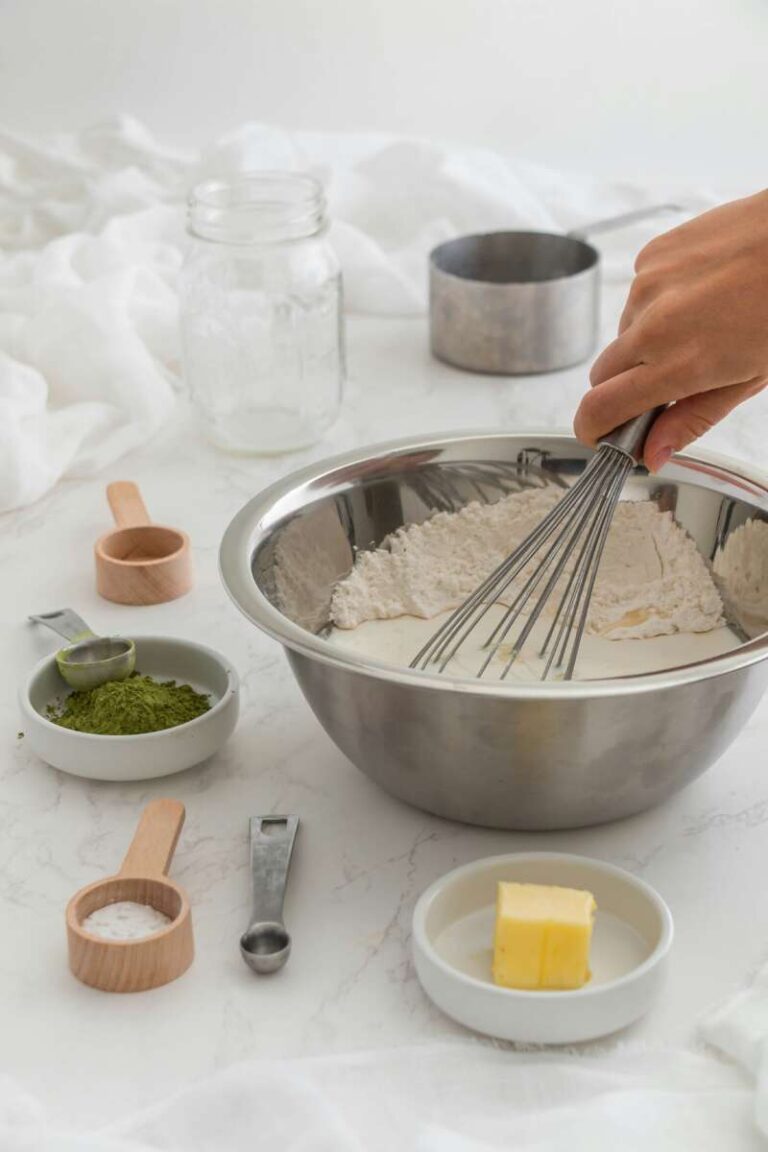
Yes, stainless steel mixing bowls are good for daily cooking because they are strong, light, and easy to use. They work well for mixing batter, whisking eggs, tossing salads, marinating meat, and preparing sauces.
Unlike glass, stainless steel does not shatter when dropped. Unlike plastic, it does not easily absorb food smells or stains. A good stainless steel bowl can stay useful for many years with very little care.
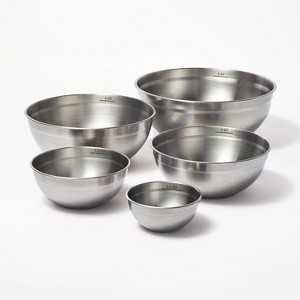
Most stainless steel mixing bowls are also easy to stack. This saves space in small kitchens. Many sets include several sizes, from small bowls for whisking one egg to large bowls for dough or salad.
Stainless steel is also a poor conductor of heat. This means it does not heat up as quickly as aluminum or copper. That can help when mixing ingredients at room temperature.
However, stainless steel bowls can become hot or cold over time if they sit near a heat source. They should not be treated as cookware unless the product label clearly says they are oven-safe.

Key benefits of stainless steel mixing bowls
The strongest reason to buy stainless steel bowls is their useful mix of durability and convenience. They are simple tools, but they handle a wide range of kitchen jobs.
Durable and long-lasting
High-quality stainless steel resists dents, rust, and corrosion. The most common grades for kitchen bowls are 18/8 and 18/10 stainless steel. These numbers describe the approximate chromium and nickel content.
Chromium helps the steel resist rust. Nickel helps improve strength, shine, and resistance to corrosion. A well-made bowl may develop light scratches, but normal use should not make it unsafe.
In my experience comparing bowl materials, stainless steel is the easiest to trust during busy cooking. It does not feel fragile, and it can handle firm whisking, heavy dough, and daily washing.
Lightweight and easy to handle
A large glass bowl can become very heavy when filled with flour, batter, or vegetables. Stainless steel gives you a lighter option without sacrificing much strength.
This matters when you need to lift, pour, or carry a bowl with one hand. It also helps older adults, children learning to cook, and anyone with limited hand strength.
Easy to clean
Most stainless steel mixing bowls can be washed with warm water and dish soap. Many are dishwasher-safe, but you should check the care instructions before placing them in the machine.
Stainless steel does not usually hold onto onion, garlic, or tomato smells. If a bowl does develop an odor, a paste of baking soda and water can help remove it.
Avoid using steel wool on polished stainless steel. It may leave scratches and tiny metal particles behind. A soft sponge or nylon scrubber is a better choice.
Resistant to stains and odors
Plastic bowls can become cloudy, stained, or smelly after repeated use. Stainless steel usually avoids these problems.
This makes it useful for foods with strong colors and scents. Curry, tomato sauce, berries, and garlic are less likely to leave a lasting mark.
Easy to store
Many stainless steel bowls nest inside one another. This makes them a smart choice for kitchens with limited cabinet space.
Some sets also include flat bases, pouring rims, lids, or nonslip bottoms. These features can make the bowls more stable and practical, though they may increase the price.
Are stainless steel mixing bowls good for baking?
Stainless steel bowls are excellent for most baking tasks. They are especially useful for mixing dry ingredients, beating eggs, making frosting, and preparing cookie or cake batter.
A metal bowl can also help with tasks that need temperature control. For example, you can place a stainless steel bowl over a pot of simmering water to create a double boiler. This method works well for melting chocolate or gently warming egg mixtures.
Keep the bowl above the water rather than letting it touch the water. Steam should provide the heat. Direct contact with hot water may heat the bowl too quickly and damage delicate ingredients.
There is one important limitation. Stainless steel can react with some acidic ingredients if they sit in the bowl for a long time, especially when the steel is low quality or damaged. Short mixing times with lemon juice, vinegar, or tomatoes are generally not a concern.
For long marinades, use a glass, ceramic, or food-safe plastic container. This is a simple way to reduce the chance of metallic flavors or surface damage.
Are stainless steel bowls good for whipping cream?
Yes, they are good for whipping cream. A chilled stainless steel bowl can help cream stay cold while you whip it.
Cold cream usually whips better than warm cream. For best results, chill the bowl and whisk for about 10 to 15 minutes before starting. This small step can create a faster, firmer whip.
Stainless steel bowls also work well for egg whites. Make sure the bowl is clean and free of grease. Even a small amount of fat can prevent egg whites from reaching their full volume.

Are stainless steel mixing bowls safe?
Food-grade stainless steel bowls are generally safe for normal kitchen use. Stainless steel has a stable, nonporous surface, so it does not easily absorb liquids, bacteria, or food odors.
The United States Food and Drug Administration recognizes many stainless steel products as suitable for food contact when they meet applicable standards. The exact quality depends on the steel grade, manufacturing process, and product care.
Look for bowls labeled as:
• Food-grade stainless steel
• 18/8 stainless steel
• 18/10 stainless steel
• Rust-resistant stainless steel
• Dishwasher-safe, when needed
Avoid bowls with peeling coatings, deep rust, sharp edges, or cracks around welded parts. A small scratch is usually a cosmetic issue, but major damage is a reason to replace the bowl.
Stainless steel is not the same as nonstick cookware. You should not use metal utensils aggressively inside a thin bowl if you want to keep its polished finish.

Limitations of stainless steel mixing bowls
The answer to “are stainless steel mixing bowls good” is mostly yes, but no material is perfect. Knowing the drawbacks helps you choose the right bowl for your kitchen.
They can slide on smooth counters
A lightweight stainless steel bowl may move while you whisk. This can be annoying when mixing thick batter or kneading dough.
A silicone base can improve grip. You can also place a damp kitchen towel under the bowl. This quick fix works well and costs nothing.
They can dent
Thin stainless steel is more likely to dent if dropped. A dent does not always make the bowl unsafe, but it can affect stability and cleaning.
For better strength, choose a bowl with a heavier gauge. Product listings do not always show the gauge, so check the weight, customer reviews, and brand reputation.
They can scratch
Stainless steel resists wear, but it is not scratch-proof. Harsh scouring pads and abrasive powders may dull the surface.
Light scratches are common and usually harmless. Deep scratches, flaking, or rust around seams deserve closer attention.
They are not microwave-safe
Metal should never go in a microwave. Stainless steel can cause sparks and may damage the appliance.
If you need to melt butter or warm leftovers, move the food to a microwave-safe glass or ceramic container first.
They may not work well with some mixers
A hand mixer can strike the side of a metal bowl and create noise. The bowl may also move if it has no nonslip base.
This is not a major problem, but a wide bowl with a stable bottom is more comfortable for electric mixing.

Stainless steel vs. glass, plastic, and ceramic bowls
Choosing the best mixing bowl depends on how you cook. Each material has a different set of strengths.
Stainless steel vs. glass
Glass bowls are heavier and more stable. They also let you see the ingredients clearly and may be suitable for a microwave if labeled microwave-safe.
Stainless steel bowls are lighter and less likely to shatter. They are often better for everyday mixing, while glass can be useful for storage, serving, and microwave tasks.
Stainless steel vs. plastic
Plastic bowls are light and often inexpensive. They may include lids, making them convenient for storage.
However, plastic can stain, absorb smells, scratch more easily, and wear out sooner. Stainless steel is usually the better choice for long-term use and strong flavors.
Stainless steel vs. ceramic
Ceramic bowls look attractive and can move from the kitchen to the table. They are useful for serving and may provide better stability.
They are also heavier and can chip or break. Stainless steel is usually more practical for fast, frequent preparation.
Simple comparison
• Stainless steel: Best for durability, mixing, and easy cleaning
• Glass: Best for visibility, storage, and microwave use
• Plastic: Best for low cost and lightweight storage
• Ceramic: Best for serving and attractive presentation

How to choose the best stainless steel mixing bowls
If you decide stainless steel is right for you, focus on design and construction rather than appearance alone.
Check the steel grade
Choose food-grade stainless steel. Grades such as 18/8 and 18/10 are common choices for kitchen equipment.
A product that only says “metal bowl” may not provide enough information. Clear material details show that the manufacturer is more transparent.
Choose useful sizes
A three- or five-piece set is often enough for most homes. A useful range may include:
• Small bowl for sauces, spices, and one egg
• Medium bowl for whisking and small batters
• Large bowl for salad, cookie dough, or meal prep
• Extra-large bowl for bread dough or family-size servings
Avoid buying a large set if you do not have room to store it. More bowls do not always mean more value.
Look for a stable base
A flat or silicone-covered bottom helps stop the bowl from sliding. This is one of the most useful features for whisking.
A pouring rim can also reduce mess. Lids are helpful if you want to refrigerate prepared ingredients.
Inspect the edges and seams
The rim should feel smooth, not sharp. Welded handles and seams should look clean and even.
Run a clean finger around the edge before using the bowl. If you feel a sharp point, return it or choose another model.
Consider dishwasher care
Many stainless steel bowls are dishwasher-safe. Still, frequent dishwasher use may create water spots or dull the finish.
Drying the bowls soon after washing can help maintain their shine. This is more about appearance than safety.

How to care for stainless steel mixing bowls
Good care can keep stainless steel bowls looking and working well for years.
- Wash the bowl after use with warm water and mild dish soap.
- Soak stuck food instead of scraping hard.
- Use a soft sponge or nylon brush.
- Rinse away soap fully.
- Dry the bowl to reduce water spots.
- Store bowls dry and nested without trapping moisture.
- Use baking soda for stubborn smells or marks.
Do not leave salty water, acidic marinades, or wet food in the bowl for many hours. This is especially important with lower-quality stainless steel.