How To Store Mixing Bowls: Smart Kitchen Storage Tips
Store mixing bowls clean, fully dry, nested by size, and easy to reach without trapping moisture or scratching surfaces.
Learning how to store mixing bowls well can make a busy kitchen feel calmer in minutes. The right method protects your bowls, saves cabinet space, and keeps cooking tools ready for the next meal. After organizing many kitchen cabinets, I’ve found that simple systems work best: sort by size, control moisture, and store each bowl where you naturally use it.
Why Proper Mixing Bowl Storage Matters
Mixing bowls often come in sets with different sizes and materials. Glass, stainless steel, ceramic, and plastic bowls each need slightly different care. If you stack them while wet, they may develop odors, water spots, or even mildew around trapped moisture.
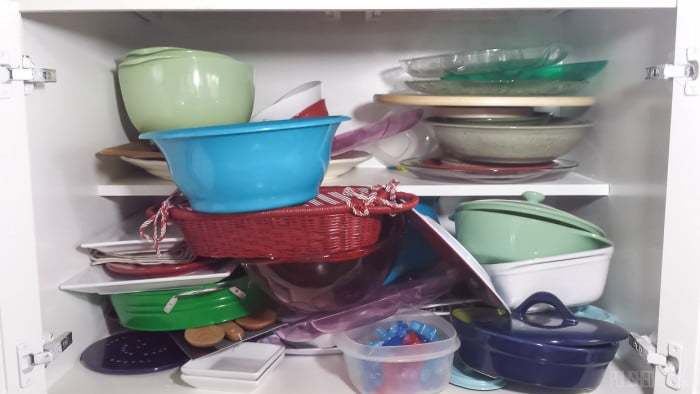
Good storage also protects your cabinet space. A random pile can waste room and make smaller bowls hard to find. A stable nesting system turns several loose items into one neat stack.
Learning how to store mixing bowls also reduces daily frustration. You should not need to remove six bowls just to reach the one you use for whisking eggs. The best setup keeps your most-used bowls at the front or within easy reach.
Clean and Dry Bowls Before Storage
The first rule for how to store mixing bowls is simple: clean them well and dry them fully. Leftover oil, flour, eggs, or dairy can attract odors and bacteria. Even a small amount of food can become sticky when it sits in a warm cabinet.
Use warm water and dish soap for most bowls. Follow the care instructions for special finishes, painted designs, or nonstick surfaces. Avoid harsh scrubbers on materials that can scratch easily.
After washing, dry each bowl with a clean towel or let it air-dry on a rack. Pay close attention to:
• The bottom rim
• Rolled edges
• Handles
• Pouring spouts
• Lids and seals
• Small grooves around the base
I once stacked a set of stainless steel bowls before the bottoms were dry. A day later, the trapped water left dull spots and a stale smell. Since then, I leave bowls upside down on a rack until no moisture remains.

Sort Mixing Bowls by Size and Material
Before choosing a storage method, take every mixing bowl out of the cabinet. Group matching sets together and separate bowls that do not nest safely. This quick audit often reveals duplicate bowls, damaged pieces, or items that no longer fit your cooking habits.
Sort bowls in two ways:
• By size, from largest to smallest
• By material, such as stainless steel, glass, ceramic, or plastic
Nesting works best when bowls have similar shapes. A wide, shallow bowl may not sit safely inside a tall bowl. Do not force pieces together, even if they technically fit.
Heavy glass and ceramic bowls should usually go on a low shelf. Lightweight plastic and stainless steel bowls can sit higher if the shelf is strong and stable. This arrangement lowers the risk of injury if a heavy bowl slips forward.
Nest Bowls Safely to Save Space
Nesting is one of the easiest answers to how to store mixing bowls. Place the largest bowl at the bottom and work toward the smallest bowl. Leave enough room between pieces to prevent scraping, tipping, or difficult removal.
If the bowls touch tightly, add a thin barrier between them. Good options include:
• Soft shelf liner
• Cotton dish towels
• Felt bowl separators
• Nonwoven cabinet liners
Avoid thick towels that make the stack unstable. The goal is a light cushion, not a padded tower. The stack should remain level when you remove the top bowl.
For bowls with delicate finishes, place a liner between each piece. This matters most with ceramic, painted metal, and glass. Stainless steel usually tolerates nesting well, but thin surfaces can still pick up scratches from grit or rough edges.
Keep the stack low enough to lift comfortably. A tall stack may save space, but it can create a falling hazard. If you need both hands to move it, divide the bowls into two smaller groups.
Use Shelf Liners and Dividers
Shelf liners help prevent bowls from sliding across smooth cabinet shelves. They also catch small spills and crumbs, which makes cleaning easier. Choose a liner that lies flat and does not curl at the edges.
For a cabinet with several bowl sets, use vertical dividers. These dividers can separate:
• Large salad bowls
• Medium prep bowls
• Small measuring and mixing bowls
• Bowl lids
• Colanders and strainers
Adjustable dividers are useful because they can change as your collection changes. Make sure each divider is firm and does not press hard against delicate bowls.
Do not use cardboard for long-term storage. It absorbs moisture and can shed dust. Soft, washable liners are a better choice for most kitchens.
Store Bowls Near Your Main Work Area
The best answer to how to store mixing bowls depends on your cooking routine. If you bake often, place bowls near the stand mixer, flour, and measuring tools. If you prepare salads and meals daily, store them near the counter where you wash and cut food.
Think of your kitchen as a work path. You want the bowl, ingredients, utensils, and sink to be close together. This reduces extra steps and makes cooking feel smoother.
Keep the largest bowls in a lower cabinet if they are heavy. Store small prep bowls in a drawer or on a shelf at eye level. Put specialty bowls, such as decorative serving bowls, in a less-used cabinet.
A common mistake is storing bowls based only on shape. Use matters more than shape. The bowl you use every day should not be hidden behind items you use twice a year.
Choose the Right Storage Method for Each Bowl
Different bowl materials respond well to different storage methods. Matching the method to the material helps prevent damage.
Stainless Steel Bowls
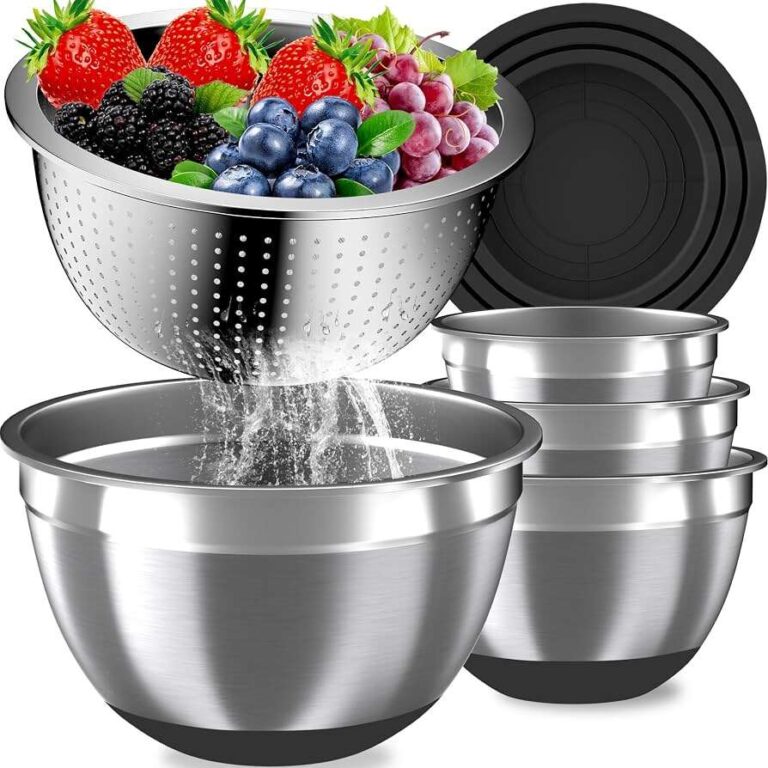
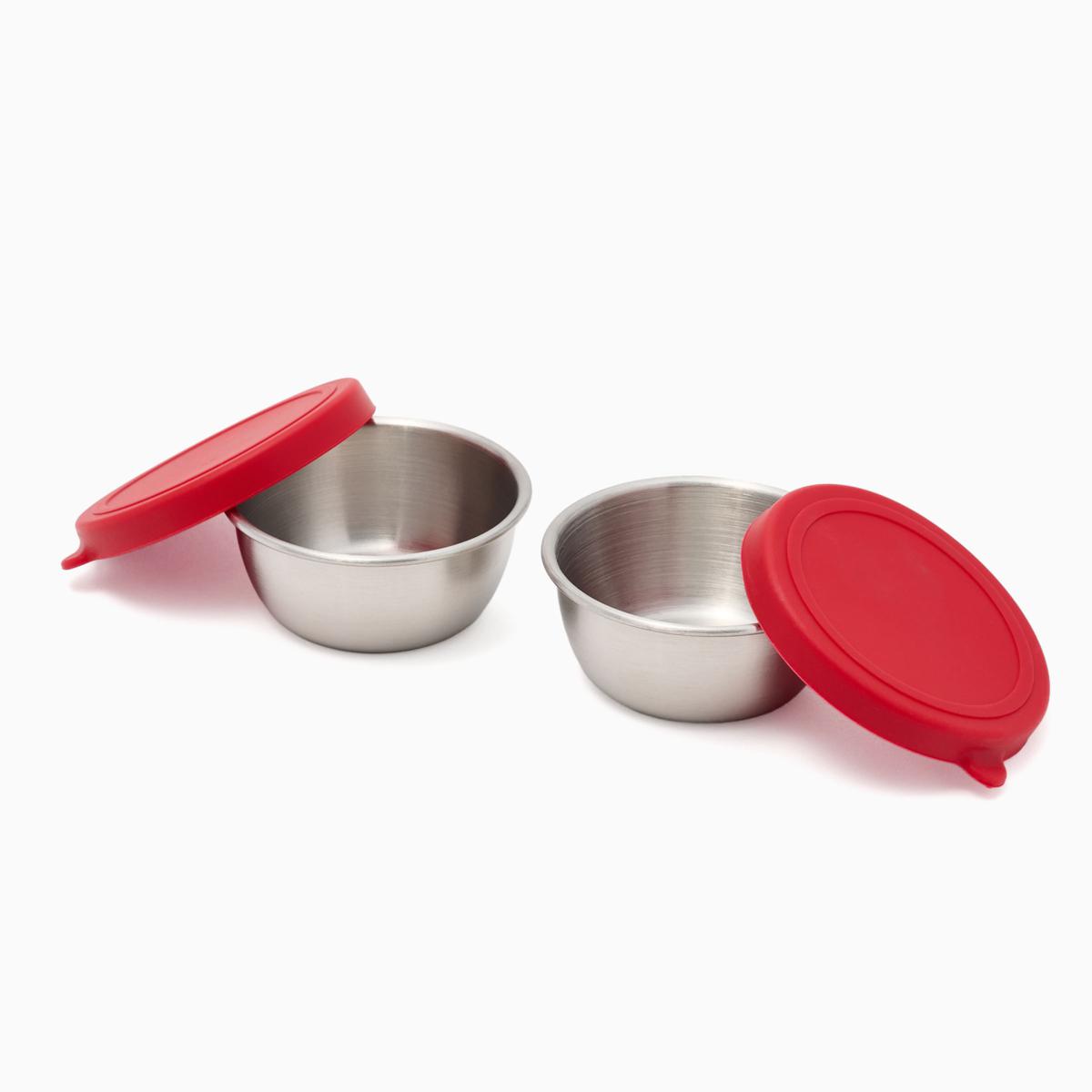
Stainless steel bowls are durable and usually nest well. Dry them before stacking to reduce water spots. Place a thin liner between bowls if the edges are sharp or the finish is polished.
Glass Bowls
Glass bowls need more care because they are heavy and can chip or break. Store them on a low, sturdy shelf. Do not place heavy items on top of them.
Ceramic Bowls
Ceramic bowls can scratch, chip, or crack when they knock together. Use separators and avoid tight stacks. Check the rims often for chips before using the bowls with food.
Plastic Bowls
Plastic bowls are light and easy to nest. Make sure they are completely dry because plastic can hold odors. Keep them away from high heat and strong sunlight, which may discolor or weaken some plastics.
Bowls With Lids
Store lids upright in a rack or in a separate drawer. Stacking lids flat can create a messy pile and make the correct lid hard to find. Labeling unusual lids can also save time.

Store Mixing Bowls in Small Kitchens
Small kitchens need vertical thinking. If cabinet space is limited, use the inside of a cabinet door for lightweight lids or small bowls. A wall shelf can also hold attractive ceramic or stainless steel bowls.
Use caution with open shelves. Bowls exposed to dust should be washed or wiped before use. Keep open storage away from the stove, where grease can settle on surfaces.
Pullout shelves are helpful for deep cabinets. They let you see the whole bowl stack instead of reaching into a dark corner. If you cannot install a pullout shelf, place the most-used bowls at the front and rarely used pieces at the back.
A rolling cart can hold large bowls in a small apartment kitchen. Choose one with a low center of gravity and a locking wheel. Never overload a narrow cart with heavy glass or ceramic items.
Prevent Moisture, Odors, and Scratches
Moisture is the main storage problem for mixing bowls. It can hide between nested surfaces and create a musty smell. Always separate bowls that feel damp, even if the outside looks dry.
To keep bowls fresh:
• Leave space for air around the stack
• Dry bowl rims and bases carefully
• Wash shelf liners from time to time
• Avoid storing food inside mixing bowls
• Keep lids slightly open until all parts are dry
• Clean crumbs and spills from the cabinet
Baking soda can help absorb mild cabinet odors, but it does not replace cleaning. Avoid placing scented products directly beside bowls used for food. Strong fragrances may transfer to plastic and silicone.
If a bowl already smells, wash it with warm soapy water and let it air-dry completely. For odor-prone plastic, a paste of baking soda and water may help. Rinse well and check the manufacturer’s care instructions first.
Avoid Common Mixing Bowl Storage Mistakes
Many storage problems come from small habits. Fixing them can improve both cleanliness and safety.
Stacking Wet Bowls
This traps water and creates odors. Give bowls time to air-dry before nesting them.