What Are The Best Stainless Steel Mixing Bowls: Guide
The best stainless steel mixing bowls are sturdy, rust-resistant, nesting, and easy to clean for daily cooking.
After comparing bowl materials, sizes, rims, bases, and daily cleaning needs, I find that the best stainless steel mixing bowls balance weight, shape, durability, and value. The right set can handle whisking, kneading, tossing, melting, and food storage without taking over your kitchen. This guide explains which features matter most and which bowl types suit different cooks.

Best stainless steel mixing bowls at a glance
The best stainless steel mixing bowls are not always the most expensive ones. A well-made, medium-weight set with useful sizes often beats a flashy set with thin metal or poor lids.
Here are the strongest choices by cooking need:
| Best for | What to look for | Ideal choice |
|---|---|---|
| Most home cooks | 18/8 stainless steel, nesting design, non-slip bases | A five-piece set with 1.5- to 5-quart bowls |
| Baking | Stable base, wide rim, deep sides | A heavy-gauge bowl set |
| Bread dough | Large capacity and strong walls | A 5- to 8-quart bowl |
| Small kitchens | Compact nesting and flat storage | A three-piece set |
| Meal prep | Airtight lids and clear size labels | A lidded stainless steel set |
| Mixing over heat | Heat-safe steel and a comfortable rim | A bowl made from 18/8 or 18/10 steel |
| Budget buyers | Simple steel construction and no fragile extras | A basic nesting set |
For most households, I recommend a set with at least five sizes. Small bowls help with spices and sauces, while larger bowls give salad, cake batter, and dough enough room to move.
A useful set may include 0.75, 1.5, 2.5, 3.5, and 5 quarts. If you often make bread or large salads, add an 8-quart bowl.

What makes the best stainless steel mixing bowls?
Stainless steel is an iron-based alloy that contains chromium. The chromium forms a thin protective layer on the surface, helping the bowl resist rust and stains. Many quality bowls also contain nickel, which improves corrosion resistance and gives the steel a smoother finish.
Stainless steel grade
Look for these common grades:
• 18/8 stainless steel contains about 18% chromium and 8% nickel. It offers strong corrosion resistance and is common in quality kitchenware.
• 18/10 stainless steel contains about 18% chromium and 10% nickel. It may offer slightly better resistance to staining and corrosion.
• 18/0 stainless steel contains chromium but little or no nickel. It can be magnetic and often costs less, but it may be more likely to show stains or surface wear.
The number is not the only quality marker. Thickness, shape, welding, rim design, and finish also affect performance. A thin 18/10 bowl can still feel flimsy, while a well-built 18/8 bowl may work better in daily use.
Bowl thickness and weight
A bowl should feel solid without being difficult to lift. Very thin steel can dent, slide, or flex when you whisk thick batter. Very heavy steel can become tiring when you toss food or pour liquid.
For baking, a moderate weight is best. It gives the bowl enough stability while keeping it easy to handle.
Stable base
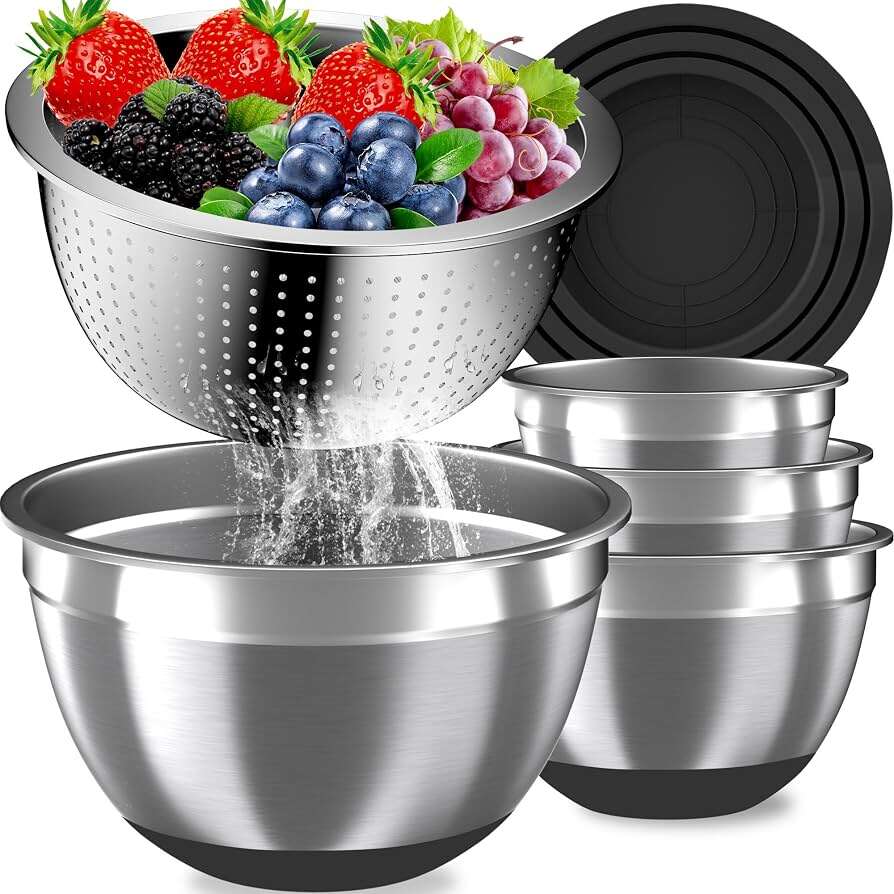
A flat base helps the bowl stay in place as you stir. Some bowls have a silicone or rubber base. This can reduce sliding, but the base may need extra care during washing.
A plain steel base is easier to clean and can last longer. However, it may slide on a smooth counter. Your best choice depends on whether stability or simple cleaning matters more to you.
Wide rim and useful shape
A rolled rim makes the bowl easier to grip and pour from. It can also strengthen the edge and reduce sharp corners.
Deep bowls help prevent splashes when using a hand mixer. Wide bowls are better for folding flour, tossing greens, and kneading smaller amounts of dough. A good set includes both practical depth and enough width.

The best stainless steel mixing bowls for different cooks
There is no single perfect bowl set for every kitchen. The best stainless steel mixing bowls for a small apartment may not be the best choice for a family that bakes every weekend.
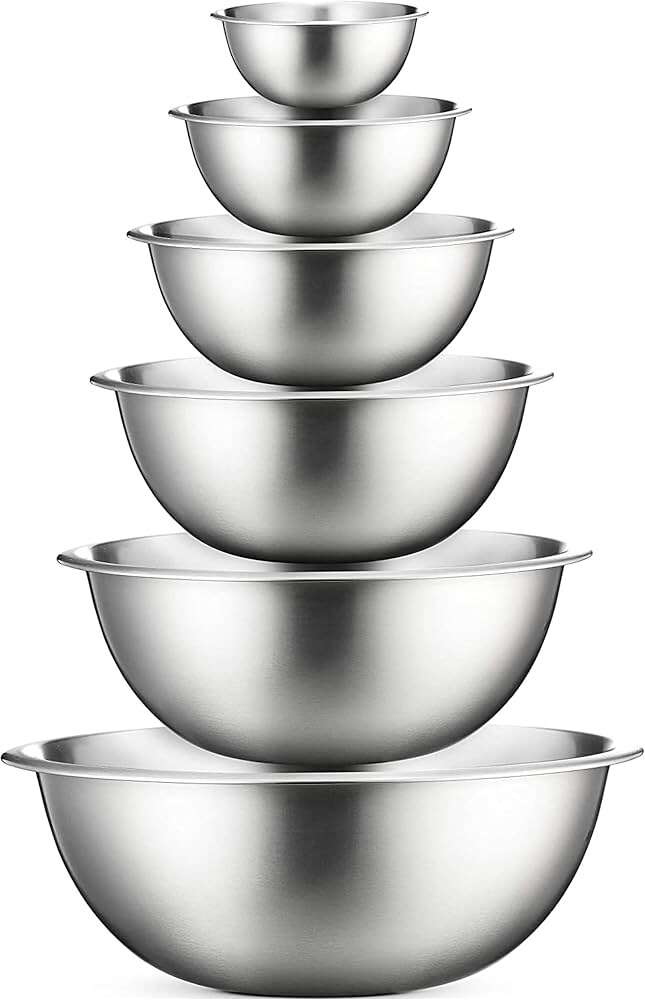
Best overall: a five-piece nesting set
A five-piece set is the most useful option for most people. It covers small prep work, sauces, batters, salads, and larger recipes.
Choose one with:
• At least one bowl under 2 quarts
• Two medium bowls between 2 and 4 quarts
• One bowl of 5 quarts or more
• A flat or non-slip base
• A smooth rolled rim
• A nesting design that saves cabinet space
A five-piece set also makes cooking feel more organized. You can measure ingredients into small bowls, mix in a medium bowl, and reserve the largest bowl for the finished food.
Best for baking: deep, heavy-gauge bowls
Bakers need bowls that stay still during whisking. A deep shape also helps contain flour and sugar when a mixer starts at low speed.
The best stainless steel mixing bowls for baking should have:
• A firm base
• A deep interior
• A comfortable rim
• A 4- to 6-quart main bowl
• A finish that does not trap dried batter
Stainless steel is especially useful for baking because it does not absorb butter, oil, food color, or odors. It is also safe for chilling ingredients in the refrigerator.
Best for bread dough: a large 8-quart bowl
A large bowl gives dough space to expand. It also keeps flour from spilling over the counter during early mixing.
For bread, select a bowl with thick walls and a broad base. Avoid very light bowls that move as you knead. Remember that stainless steel can feel cold, so allow extra rising time if your dough sits in a cool kitchen.
Best for small kitchens: a three-piece set
A three-piece set may be enough if you cook for one or two people. Look for bowls that nest tightly and have a flat top so they stack without wasting space.
Good sizes include:
• 1.5 quarts for sauces and small ingredients
• 2.5 or 3 quarts for batters and side dishes
• 5 quarts for salads and larger mixtures
A small set is also a smart choice for people who already own a large stockpot or glass baking bowls.
Best for meal prep: bowls with lids
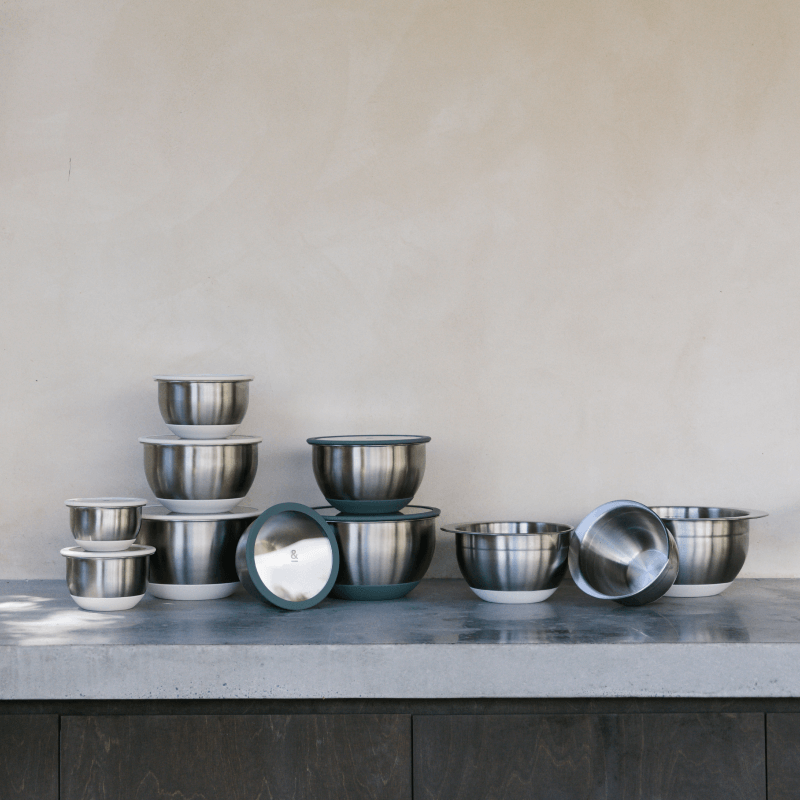
Lids are useful for storing prepared ingredients, leftovers, and marinating foods. They also reduce the need to move food into another container.
Check that the lids:
• Fit securely
• Are free from strong plastic odors
• Are easy to wash
• Do not crack when flexed gently
• Are clearly marked as dishwasher-safe if that feature matters to you
Do not assume every lid is oven-safe. In most sets, the stainless steel bowl may handle heat, while the plastic lid cannot.
How to choose the right bowl set
Before buying, think about how you cook. This simple step prevents a common mistake: choosing a large set because it looks like a bargain, then using only two bowls.
1. Match the sizes to your recipes
A 1-quart bowl is useful for whisking eggs, mixing a dressing, or holding chopped herbs. A 3-quart bowl works well for pancake batter, cookie dough, and small salads.
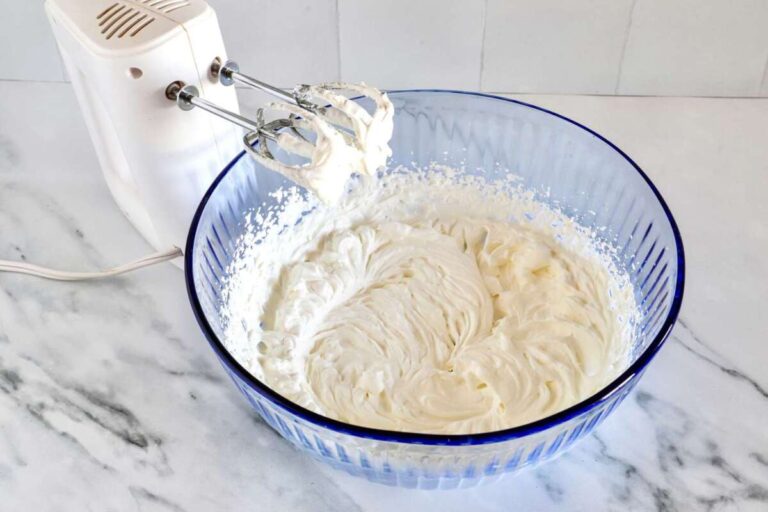
A 5-quart bowl is the everyday workhorse. It can handle cake batter, pasta salad, whipped cream, and most family recipes. An 8-quart bowl is better for large batches and bread dough.
2. Check the nesting design
Nesting bowls should fit together without getting stuck. The smallest bowl should not disappear so deeply inside the next bowl that it becomes hard to remove.
Look for a set with a small gap between each bowl. This makes drying easier and reduces trapped water.
3. Test the rim
A poor rim can make pouring messy. It can also feel uncomfortable when you carry a full bowl.
A rolled edge should feel smooth and even. Run a clean finger around the rim before buying if you are shopping in a store. For online purchases, read reviews that mention sharp edges or weak seams.
4. Consider the base
A silicone base gives extra grip. It is helpful when whisking eggs or using an electric mixer.
Still, a base can trap water or crumbs. If you prefer quick cleaning, choose a plain steel bottom or a removable base.
5. Review the care instructions
Most quality stainless steel bowls are dishwasher-safe. However, lids, silicone rings, and printed measurement marks may have different care rules.
The safest approach is to check the product instructions. Avoid assuming that every part of a set shares the same heat and cleaning limits.

Stainless steel versus other mixing bowl materials
Stainless steel is popular because it combines strength, low weight, and easy care. Still, other materials have useful advantages.
Stainless steel versus glass
Glass bowls let you see the contents. They can also go from the refrigerator to the microwave when the product is designed for that use.
However, glass is heavier and can break or chip. Stainless steel is lighter and more forgiving in a busy kitchen. It is usually the better choice for whisking, tossing, and large batches.
Stainless steel versus plastic
Plastic bowls are light and often inexpensive. They may be easier for children to handle.
Plastic can stain, hold odors, and scratch over time. Stainless steel does not absorb most food smells and usually keeps its smooth surface longer.
Stainless steel versus ceramic
Ceramic bowls look attractive and can serve food at the table. They are also heavy and may chip if dropped.
Stainless steel is more practical for daily prep. Ceramic is better when appearance and serving style matter most.