What Type Of Mixing Bowls Are Best: Best Buying Guide
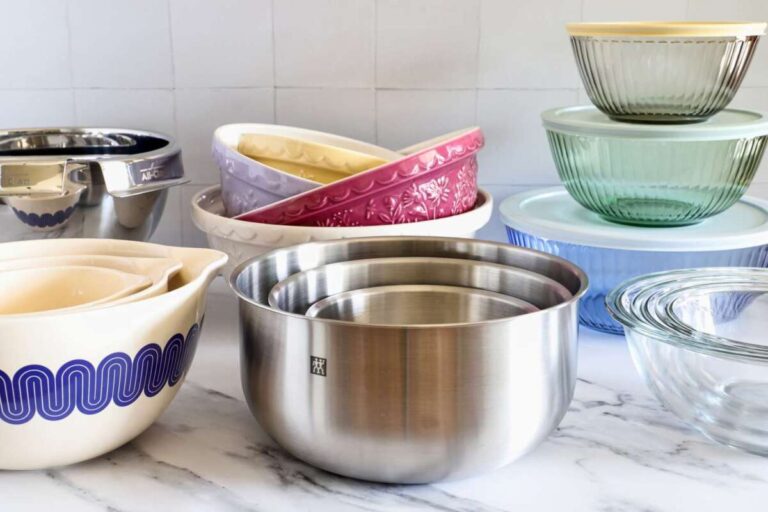
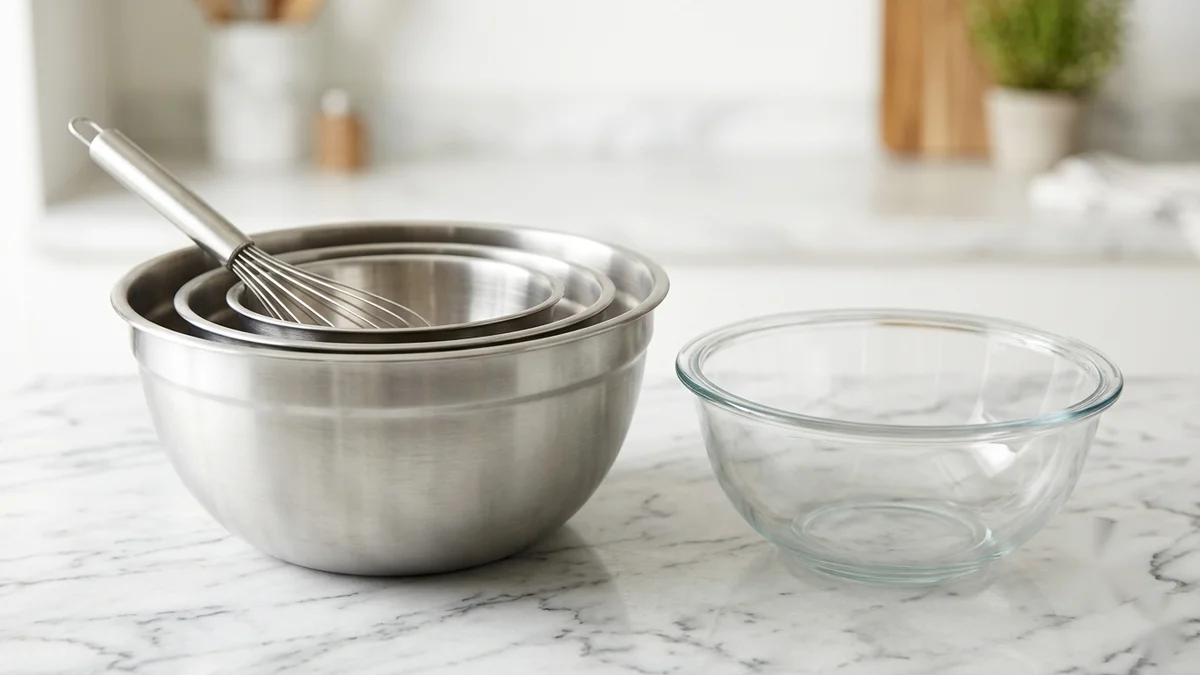
Stainless steel and glass mixing bowls are best for most home cooks because they are durable, safe, and versatile.
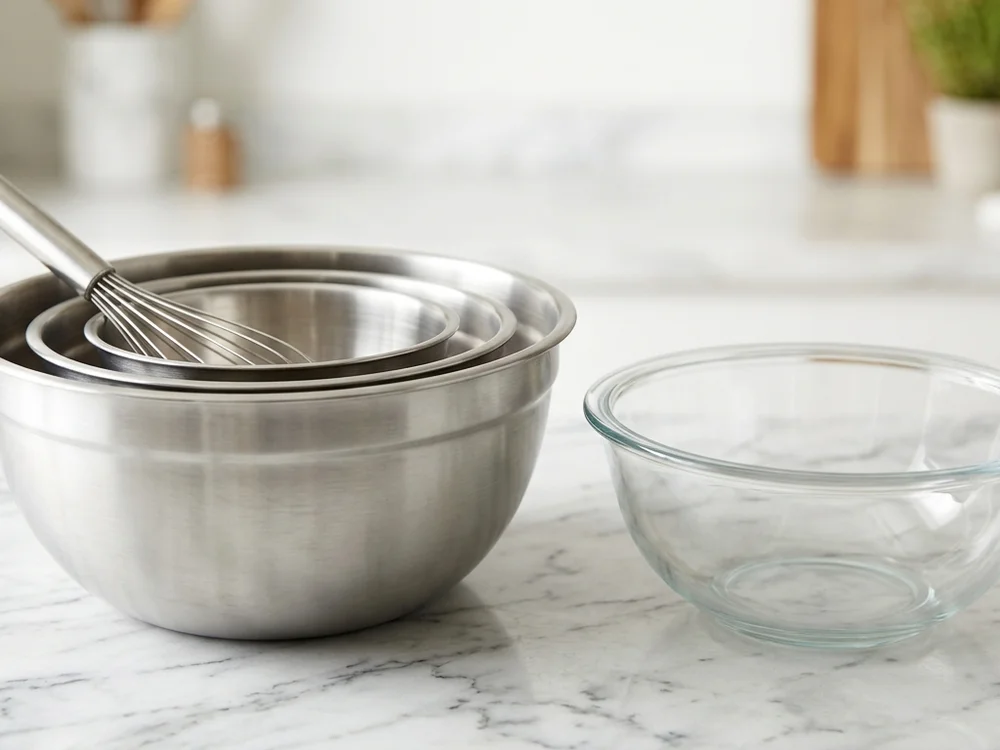
Choosing the right bowl can make baking and cooking feel much easier. After comparing common materials, sizes, shapes, and everyday uses, I find that stainless steel offers the best all-around value, while glass is ideal for visibility and microwave use. Ceramic and plastic still have useful roles, but each has limits. This guide explains what type of mixing bowls are best for your kitchen, budget, and cooking style.
:max_bytes(150000):strip_icc()/Nordicware_MixingBowls_04-1063f468b2b544919298e4e6681694da.jpg)
What type of mixing bowls are best overall?
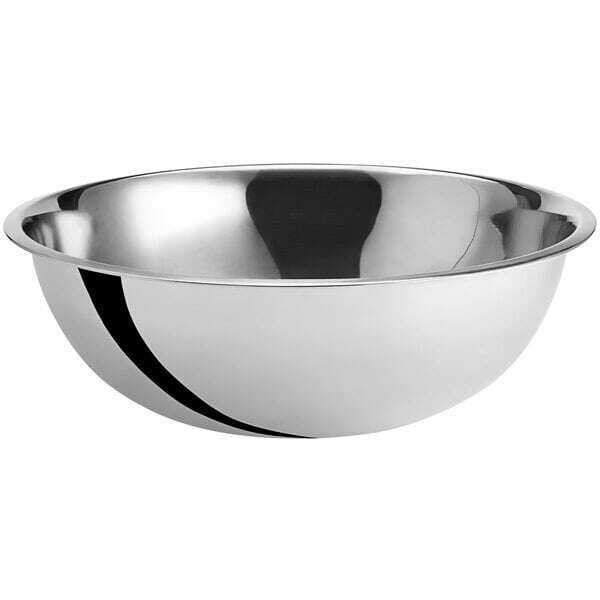
For most kitchens, a set of stainless steel mixing bowls is the best choice. Stainless steel is light, strong, rust-resistant, and easy to clean. It also handles hot and cold ingredients well.
A good stainless steel bowl can mix cake batter, toss salad, whisk eggs, marinate meat, and hold prepared ingredients. Unlike plastic, it does not usually absorb strong smells, colors, or oils.
Glass mixing bowls are another excellent choice. They are heavier and more fragile, but you can see the ingredients clearly. Many glass bowls are also microwave-safe, which makes them useful when melting butter or chocolate.
The best option for most people is a combination:
• Stainless steel bowls for daily mixing and food preparation
• Glass bowls for microwaving, serving, and checking ingredient layers
• One or two plastic bowls for lightweight tasks and outdoor use
• Ceramic bowls for attractive serving and gentle hand mixing
The answer to what type of mixing bowls are best depends on how you cook. Still, stainless steel is the strongest single choice for most home cooks.

Stainless steel mixing bowls: the best all-purpose option
Stainless steel bowls are common in professional kitchens for good reason. They offer a useful mix of strength, low weight, and easy care.
Benefits of stainless steel bowls
Stainless steel has several practical advantages:
• It is highly durable and resists cracks and chips.
• It is usually safe for dishwashers.
• It does not retain most food odors.
• It is light enough to move with one hand.
• It can handle hot ingredients better than many plastic bowls.
• It often costs less than high-end glass or ceramic.
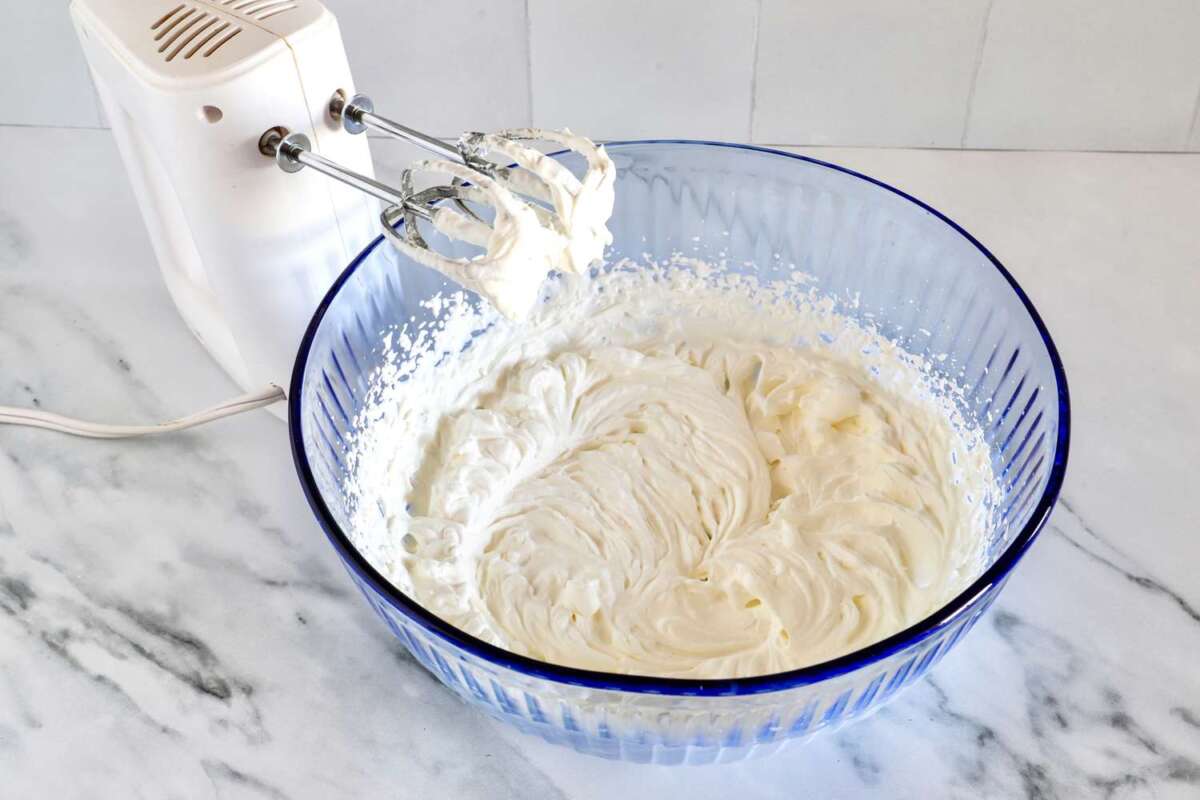
A stainless steel bowl also works well with electric hand mixers. Its smooth surface is easy to scrape with a rubber spatula, so less batter stays behind.
The main limitation is that stainless steel is not microwave-safe. Metal can create sparks and damage a microwave. You should also avoid storing highly acidic foods in low-quality metal bowls for long periods.
What to look for in stainless steel
Not every stainless steel bowl feels the same. Look for a thick rim, a stable base, and a smooth interior.
Food-grade stainless steel, such as 18/8 or 18/10 steel, is a popular choice because it resists corrosion and holds up well in normal kitchen use. A brushed exterior can hide small marks, while a polished interior is easy to clean.
In my own kitchen testing, bowls with a silicone base were much easier to use. The base stopped the bowl from sliding while I whisked eggs or made vinaigrette. A plain metal base still works, but a damp kitchen towel can help keep it steady.
:max_bytes(150000):strip_icc()/sea-pyrex-sculpted-tinted-glass-mixing-bowls-with-lids-ashlee-redger-05-00dd2f98676044fcb40f553125739341.jpeg)
Glass mixing bowls: best for visibility and microwave use
Glass bowls are a smart choice when you want to watch your ingredients. This is helpful when layering ingredients, checking dough texture, or mixing foods with strong colors.
A glass bowl also lets you heat ingredients in the microwave, as long as the bowl is labeled microwave-safe. This makes it easy to melt butter, soften cream cheese, or warm chocolate carefully.
Benefits of glass bowls
• You can see the ingredients from every angle.
• Glass does not normally absorb odors or stains.
• Most glass is easy to clean.
• Glass bowls can often move from the refrigerator to the microwave.
• They can double as serving bowls.
Glass is also useful for recipes that need visual control. For example, you can see whether sugar has dissolved in a glaze or whether dressing has separated.
Limitations of glass
Glass is heavier than stainless steel. A large glass bowl filled with dough can become hard to lift, especially for people with limited hand strength.
Glass can also break if dropped or exposed to sudden temperature changes. Do not pour boiling liquid into a cold glass bowl unless the manufacturer says it can handle thermal changes. Avoid placing a hot bowl on a cold stone counter.
If you bake often, glass is one of the answers to what type of mixing bowls are best for microwave-based recipes. However, stainless steel remains more practical for heavy daily use.
Plastic mixing bowls: useful, but choose carefully
Plastic bowls are light, affordable, and easy to carry. They work well for picnics, outdoor cooking, children’s cooking activities, and large meal preparation.
A plastic bowl is less likely to break than glass. It can also be easier to hold when your hands are wet or covered with flour.
However, plastic quality varies. Cheap plastic may scratch, stain, or hold odors over time. Scratches can also make the surface harder to clean. Some plastic bowls may warp when exposed to high heat.
How to choose safer plastic bowls
Look for bowls that clearly state they are food-safe and dishwasher-safe. If you plan to use them in the microwave, check for a microwave-safe label.
BPA-free labeling can be useful, but it does not tell you everything about a product’s quality. Follow the manufacturer’s temperature instructions, and replace bowls that become deeply scratched, cracked, cloudy, or warped.
Plastic is often the best choice for:
• Mixing large batches of dough
• Carrying food to gatherings
• Cooking with children
• Outdoor meals and camping
• Lightweight storage in small kitchens
Plastic bowls may be convenient, but they are not always what type of mixing bowls are best for long-term daily use. For durability and odor control, stainless steel usually performs better.
:max_bytes(150000):strip_icc()/faw-mixing-bowl-group-shot-jennifer-zyman-04-1-f713a68cedf04e5a8ab8ebfa2828606c.jpeg)
Ceramic mixing bowls: attractive and stable
Ceramic bowls bring a warm, classic look to the kitchen. They are often heavy, stable, and attractive enough to use for serving.
Their weight can be helpful when mixing thick batter. The bowl is less likely to move across the counter while you stir. Ceramic also feels comfortable for hand mixing because it stays stable.
The drawbacks are weight and breakage. A ceramic bowl can chip if it hits the sink or counter. Cracks and chips may trap food, so damaged bowls should not be used for food preparation.
Some ceramic bowls are microwave-safe, but you must check the product instructions. Decorative finishes, metallic paint, or handmade glazes may not be suitable for microwave use.
Ceramic bowls are a good choice when appearance matters. They are especially useful for serving salads, fruit, whipped cream, or side dishes. Still, they are usually less flexible than stainless steel or glass.
:strip_exif():no_upscale():format(webp):quality(58)/1522097992000/hero.jpg)
Which mixing bowl sizes do you need?
The best mixing bowl set should include several sizes. One bowl cannot handle every task without spilling or wasting space.
A practical home set often includes:
• 1 to 2 quarts for whisking eggs, mixing sauces, and holding small ingredients
• 3 to 4 quarts for pancake batter, cookie dough, and salad dressing
• 5 to 7 quarts for cakes, bread dough, pasta salad, and large batches
Small bowls help with preparation. You can measure flour, sugar, spices, and chopped vegetables before you start cooking. This keeps the main bowl clear and reduces mistakes.
A medium bowl is the daily workhorse. It handles most baking recipes and meal preparation. A large bowl is useful for bread dough, large families, holiday cooking, and recipes that need folding.
In my experience, very large bowls are often used less than people expect. They take up storage space and can feel awkward for small recipes. A three-piece set with small, medium, and large sizes usually offers better value than a huge collection.

Features that make mixing bowls easier to use
Material matters, but design can change how pleasant a bowl feels during use. The best mixing bowls are simple, stable, and easy to store.
Look for a stable base
A wide base reduces movement when you whisk or knead. Silicone-coated bases offer extra grip, but they may need more care around the edges.
Choose a useful rim
A rolled rim gives you a firm place to hold the bowl. It can also help when pouring batter. Avoid rims that are sharp or difficult to clean.
Consider a pouring spout
A spout is helpful for pancake batter, sauces, beaten eggs, and melted ingredients. It is less important if you mainly knead dough or toss salads.
Check nesting and storage
Nesting bowls fit inside one another. This saves cabinet space and keeps your kitchen more organized.
Think about lids
Lids make a bowl more useful for storing leftovers or chilling dough. However, lids can take up extra space and may not be dishwasher-safe.
Check mixer clearance
If you use a hand mixer, choose a bowl with tall sides. Tall sides help reduce splatter. The bowl should still be wide enough for a spatula to reach the corners.
Best mixing bowls for baking
Bakers often need bowls that are stable, smooth, and available in several sizes. Stainless steel and glass both work well.
Stainless steel is especially useful for whipping egg whites. It is also easy to chill when you need cold ingredients. Glass lets you see the mixture and can move to the microwave for melting butter.
For bread, choose a large bowl with enough room for the dough to rise. A straight-sided bowl makes it easier to judge the dough’s growth. For cookie dough, a medium bowl with a wide opening is more comfortable for a hand mixer.
Avoid bowls that are too shallow. They allow flour and sugar to escape as you mix. Also avoid bowls that are too deep for your whisk or mixer. Good mixing is easier when the tool can reach the bottom and sides.
When deciding what type of mixing bowls are best for baking, consider the recipe more than the color or pattern. A strong bowl with the right size will help more than decorative features.
Best mixing bowls for cooking and meal preparation
Cooking often requires more than one bowl. You may need to whisk a sauce, hold chopped vegetables, marinate meat, and toss a salad at the same time.
Stainless steel is excellent for general preparation. It is light, strong, and easy to move around the counter. Glass is useful when you want to store or microwave ingredients.
Use care when marinating meat. Keep raw meat and its marinade refrigerated, and never reuse a marinade that has touched raw meat unless you boil it first. A nonporous glass or stainless steel bowl is easy to clean after this task.
For acidic foods, such as tomato sauce or citrus marinades, use a bowl made for food contact. Glass and stainless steel are usually practical choices. Do not use a scratched or damaged bowl for long contact with food.
Are metal mixing bowls safe?
Yes, food-grade stainless steel mixing bowls are safe for normal kitchen use. They are widely used for mixing, whisking, storing short-term ingredients, and preparing food.
The main rule is simple: do not place metal bowls in a microwave. Also, avoid using unknown or damaged metal bowls, especially if the surface is flaking, rusting, or badly scratched.
Some cooks avoid reactive metals, such as uncoated aluminum or copper, when working with acidic foods. Stainless steel is less reactive and is a safer all-purpose option for most home kitchens.
If you are unsure, follow the manufacturer’s instructions. Product labels are more reliable than appearance alone.
How to clean and care for mixing bowls
Proper care helps mixing bowls last for years. Most bowls need only warm water, dish soap, and a soft sponge.
Follow these simple steps:
-
Scrape out leftover batter or dough with a silicone spatula.
-
Soak stuck-on food in warm, soapy water.
-
Use a soft sponge instead of an abrasive pad when possible.
-
Dry the bowl fully before storing it.
-
Check silicone bases and lids for trapped moisture.
Do not use sudden temperature changes on glass or ceramic. Let the bowl cool before washing it with cold water.
For stainless steel, baking soda can help remove stubborn residue. Avoid chlorine bleach unless the manufacturer specifically allows it, because it may damage some metals over time.
Replace plastic bowls when they develop deep scratches, strong odors, cracks, or warping. Replace glass and ceramic bowls when they chip or crack.
Common mistakes when buying mixing bowls
Many shoppers focus on color or price and overlook daily use. A few small mistakes can lead to wasted money.
Buying only one bowl
One bowl may seem enough, but cooking becomes slow when you must wash it between steps. A three- or four-bowl set is more practical.
Choosing style over stability
A beautiful bowl that slides across the counter can become frustrating. Look for a wide base or non-slip bottom.
Ignoring weight
A heavy bowl may feel sturdy, but it can be difficult to lift when full. Consider your grip, storage space, and typical recipes.
Choosing bowls that cannot nest
Large sets can quickly fill a cabinet. Nesting designs keep storage simple.
Assuming every bowl is microwave-safe
Always check the label. Metal is not microwave-safe, and some ceramic finishes may contain metallic details.
Buying bowls without checking capacity
A bowl may look large but hold less than expected. Check the listed quart or liter size before ordering.
The best answer to what type of mixing bowls are best is not always the most expensive set. It is the set that fits your recipes, space, strength, and cleaning habits.
A simple buying guide
Use this checklist before you buy:
• Select stainless steel for the best all-purpose performance.
• Add glass if you use a microwave or want to see your mixtures.
• Choose plastic for lightweight work, travel, or outdoor meals.
• Pick ceramic for serving and stable hand mixing.
• Buy at least three sizes.
• Look for nesting bowls if cabinet space is limited.
• Choose a non-slip base for whisking and mixing.
• Check whether the bowls and lids are dishwasher-safe.
• Confirm microwave and oven safety before heating anything.
• Read the care instructions.
If you bake often, spend more on a sturdy stainless steel set. If you prepare simple meals, a mixed set of stainless steel and glass may be enough. If you have little storage space, prioritize nesting bowls over extra accessories.
Frequently Asked Questions About What Type of Mixing Bowls Are Best
Are stainless steel or glass mixing bowls better?
Stainless steel bowls are better for durability, light weight, and daily use. Glass bowls are better for microwave heating, visibility, and serving.
What is the safest material for mixing bowls?
Food-grade stainless steel and quality glass are safe choices for most kitchen tasks. Use each bowl according to its care and temperature instructions.
Can stainless steel bowls go in the microwave?
No. Stainless steel and other metal bowls should not go in a microwave because they can cause sparks and damage the appliance.
Are plastic mixing bowls worth buying?
Yes, plastic bowls are useful when you need a light, break-resistant option. Choose food-safe plastic and replace it if it becomes deeply scratched, cracked, stained, or warped.
How many mixing bowls should a home kitchen have?
Most home cooks can manage well with three bowls: a small bowl, a medium bowl, and a large bowl. A four- or five-piece set is helpful for frequent baking and meal preparation.
What size mixing bowl is best for bread dough?
A 5- to 7-quart bowl is usually suitable for a standard home batch of bread dough. Leave enough room for the dough to rise without touching the counter or cover.
[CodeImg not included per instructions]
Conclusion
For most people, stainless steel mixing bowls are the best overall choice. They are strong, light, easy to clean, and useful for nearly every recipe. Glass bowls are an excellent companion because they offer visibility and microwave convenience, while plastic and ceramic work well for specific needs.
Choose a set with small, medium, and large sizes, plus a stable base and nesting design. Think about your recipes, storage space, and cleaning habits before you buy. The right set will make cooking feel smoother, faster, and less frustrating.
Start with a dependable stainless steel set, add glass if you use a microwave often, and choose features that fit your routine. If this guide helped, share your favorite mixing bowl material or explore more practical kitchen guides for smarter cooking.

Liora Pennings is a seasoned chef and kitchen enthusiast with a passion for turning everyday cooking into an effortless experience. With years of hands-on culinary expertise, she specializes in practical techniques, ingredient know-how, and smart kitchen solutions that help home cooks elevate their meals. At KitchFlair.com, Liora shares her best tips, time-saving tricks, and honest product reviews to guide readers toward a more efficient, enjoyable, and inspired cooking routine. Whether you’re a beginner or a seasoned home chef, Liora’s friendly, knowledge-packed insights make every visit to the kitchen a little easier—and a lot more delicious.