How Many Mixing Bowls Do I Need: Kitchen Guide
Most home cooks need three mixing bowls, while serious bakers often benefit from four or five.
Knowing how many mixing bowls do I need depends on your cooking habits, kitchen space, and the recipes you make most often. After using bowls for baking, meal prep, sauces, and everyday cooking, I’ve found that a small, well-chosen set works better than a crowded cabinet full of mismatched pieces. This guide will help you choose the right number, sizes, materials, and features without overspending.
How Many Mixing Bowls Do I Need?
For most home kitchens, three mixing bowls are enough. A practical set usually includes:
• One small bowl for whisking eggs, mixing dressings, or holding measured spices
• One medium bowl for pancake batter, chopped ingredients, or small batches
• One large bowl for salads, cookie dough, pasta, or family-size recipes
This setup covers most daily tasks. It also gives you enough room to prepare ingredients while another bowl is being washed or used.
If you bake often, four or five mixing bowls may serve you better. Baking often requires several separate steps, such as mixing dry ingredients, beating eggs, combining wet ingredients, and folding everything together.
The answer to how many mixing bowls do I need is less about owning a fixed number and more about avoiding interruptions. If you often stop cooking to wash a bowl, you likely need one or two more.

The Best Number of Mixing Bowls for Different Cooks
Your cooking style has the greatest effect on how many mixing bowls do I need. A person who mainly cooks one-pot meals will need fewer bowls than someone who makes bread, cakes, and pastries every weekend.
If you cook simple meals
Two or three bowls are usually enough. Choose one small bowl and two medium or large bowls.
This setup works well for:
• Scrambling eggs
• Mixing sauces
• Tossing salads
• Coating vegetables
• Preparing pancake batter
• Holding chopped ingredients
If you bake regularly
Four or five bowls are more useful. Baking recipes often need separate containers for dry and wet ingredients.
For example, a cake may need:
-
A small bowl for salt and spices
-
A medium bowl for flour and other dry ingredients
-
A second medium bowl for eggs and milk
-
A large bowl for the final batter
-
An extra bowl for frosting or melted chocolate
If you cook for a large family
A set of four bowls, including one very large bowl, is a smart choice. Large bowls help with pasta salad, coleslaw, bread dough, and double batches of food.
If you meal prep
Three to five bowls can make meal prep much easier. You may need separate bowls for grains, vegetables, proteins, sauces, and finished portions.
The best answer to how many mixing bowls do I need may change as your household grows. A couple may manage with three bowls, while a family of five may prefer five or six.

Recommended Mixing Bowl Sizes
The number of bowls matters, but size matters just as much. A set with three bowls that are all too small will still feel frustrating.
Small bowl: 1 to 2 quarts
A small bowl is useful for small amounts and quick tasks. It can hold:
• One to four beaten eggs
• Salad dressing
• Spice blends
• Melted butter
• Chopped herbs
• A small amount of frosting
Medium bowl: 2 to 4 quarts
This is often the most useful size in the kitchen. It works for pancake batter, cookie dough, fruit salad, and small batches of mashed potatoes.
If you buy only one bowl first, a medium bowl is usually the best starting point.
Large bowl: 5 to 8 quarts
A large bowl gives ingredients room to move. This matters when whisking, tossing, or folding food.
Use a large bowl for:
• Bread dough
• Large salads
• Double batches of cookies
• Popcorn
• Marinating meat or vegetables
• Family-size pasta salad
Extra-large bowl: 9 quarts or more
Most home cooks do not need an extra-large bowl every day. It becomes useful for large gatherings, holiday cooking, bulk baking, and feeding a crowd.
Large bowls also reduce mess. A bowl with high sides acts like a small wall, keeping flour and batter from escaping during mixing.

How Many Mixing Bowls Do I Need for Baking?
Most frequent bakers should own at least five mixing bowls. Three bowls can work, but five reduce washing and make recipe steps easier to organize.
A useful baking set includes:
• One small bowl for spices, yeast, or baking soda
• Two medium bowls for wet and dry ingredients
• One large bowl for combining batter or dough
• One extra bowl for frosting, toppings, or melted ingredients
Bread baking may require even more space. Dough expands, and a bowl that looks large at the start can become crowded after rising.
I learned this lesson after using a bowl that was too small for enriched dough. The dough climbed over the rim during proofing, leaving a sticky mess on the counter. A bowl with enough room for the dough to double is safer and easier to clean.
When considering how many mixing bowls do I need for baking, think about your most complex recipe rather than your simplest one.

How Many Mixing Bowls Do I Need for Meal Prep?
Meal preppers often benefit from four or five bowls. The bowls help separate ingredients before cooking and keep the work area organized.
For a typical meal prep session, you might use:
-
One bowl for washed vegetables
-
One bowl for chopped vegetables
-
One bowl for cooked grains or pasta
-
One bowl for a protein or marinade
-
One bowl for sauce or dressing
You do not need five large bowls. A mix of small, medium, and large sizes is more practical.
Glass or stainless steel bowls are helpful for meal prep because they are easy to clean and do not hold strong smells as easily as some plastics. Always follow the manufacturer’s instructions for dishwasher, microwave, and oven use.

What Materials Should Mixing Bowls Have?
The best material depends on how you cook. No single material is perfect for every task.
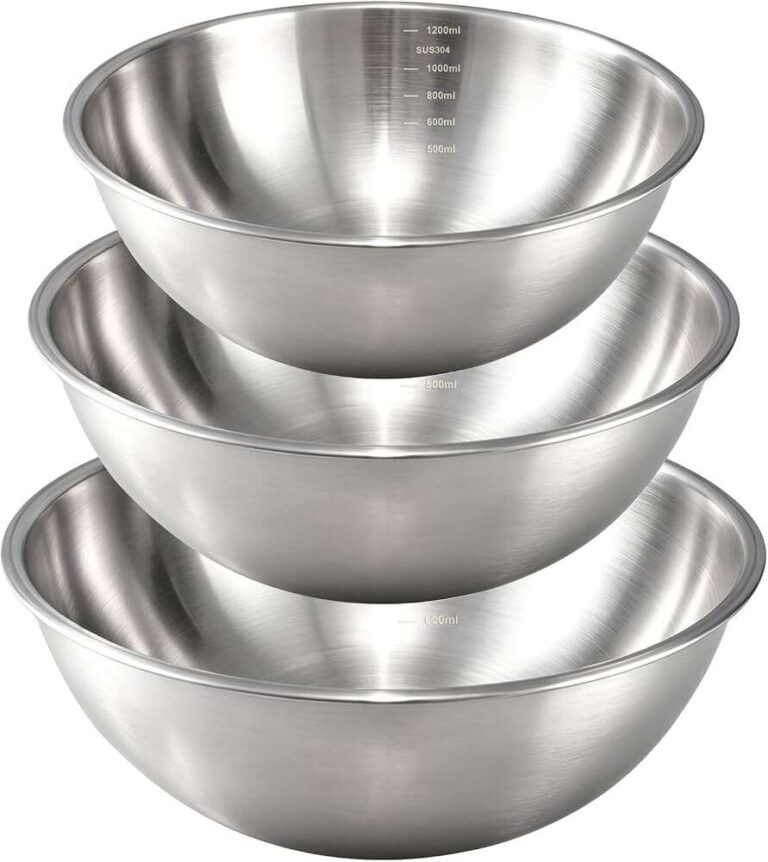
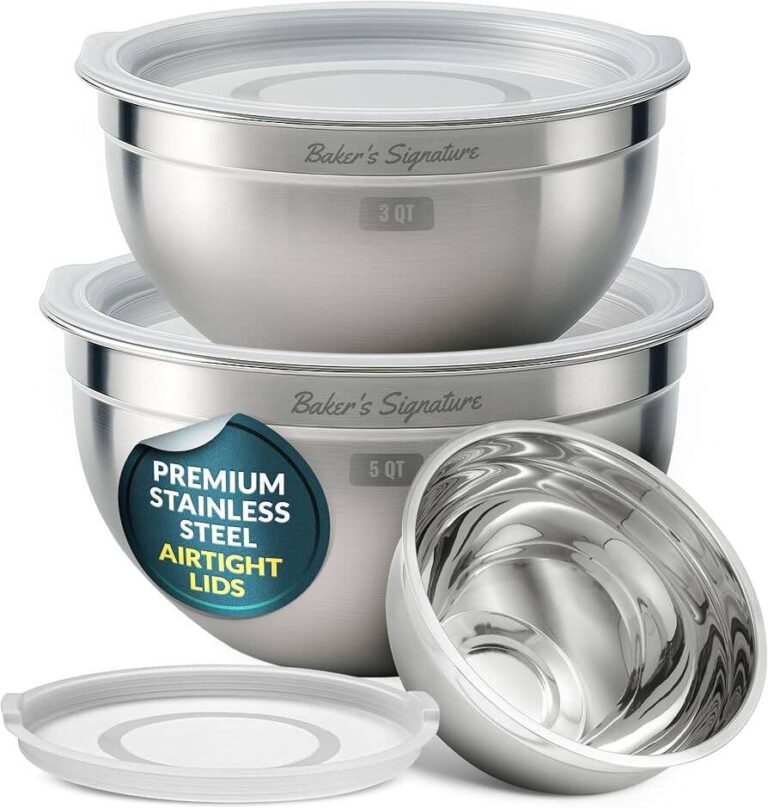
Stainless steel
Stainless steel bowls are durable, light, and resistant to stains. They are excellent for whisking egg whites, mixing dough, and chilling ingredients.
Their main limitation is that they cannot go in the microwave. They may also become hot or cold quickly when placed near a heat source.
Glass
Glass bowls are heavy but stable. You can see the ingredients clearly, and many glass bowls are microwave safe.