How To Make Popcorn From Corn On The Cob: Easy Guide
You can make popcorn from corn on the cob by drying mature kernels, then heating them safely.
Learning how to make popcorn from corn on the cob is simple, but the corn must be the right type and moisture level. This guide explains how to dry the cob, pop it in a microwave or pot, avoid common mistakes, and enjoy fresh popcorn with less waste.
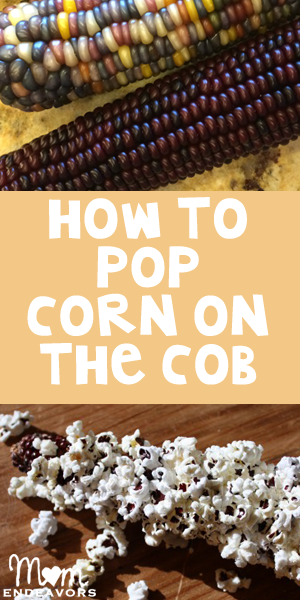
Can You Make Popcorn From Corn on the Cob?
Yes, but not every ear of corn can become popcorn. Popcorn comes from a special corn variety with a hard outer shell and a small amount of water sealed inside each kernel.
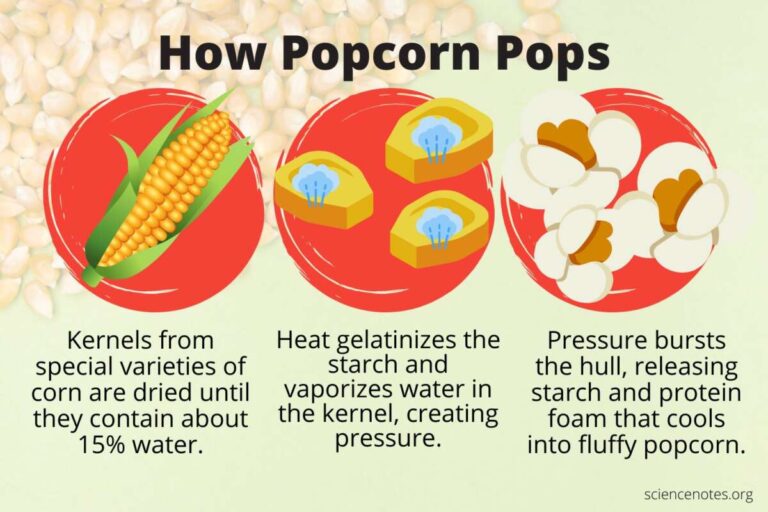
When heated, that water turns into steam. Pressure builds until the outer shell breaks, turning the inside of the kernel into fluffy popcorn.
Fresh sweet corn usually will not pop well. Its kernels contain too much water, and its soft skin cannot hold steam in the same way popcorn kernels can.
To make popcorn from corn on the cob, use:
• A mature popcorn cob with dry, firm kernels
• A popcorn cob sold for popping
• A fully dried ear of popcorn corn
• A microwave-safe paper bag or a heavy pot
• Oil, salt, or melted butter for serving
A decorative dried corn cob may look suitable, but it may have dust, mold, pesticide residue, or kernels that are too old. Food-grade popcorn is the safest choice.
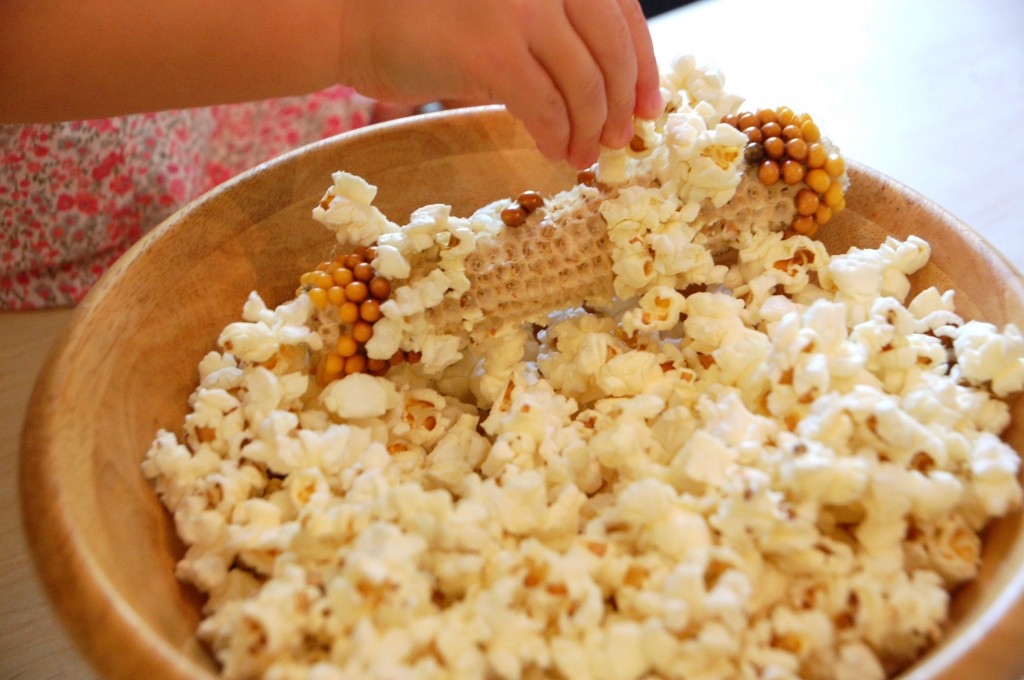
What Type of Corn Should You Use?
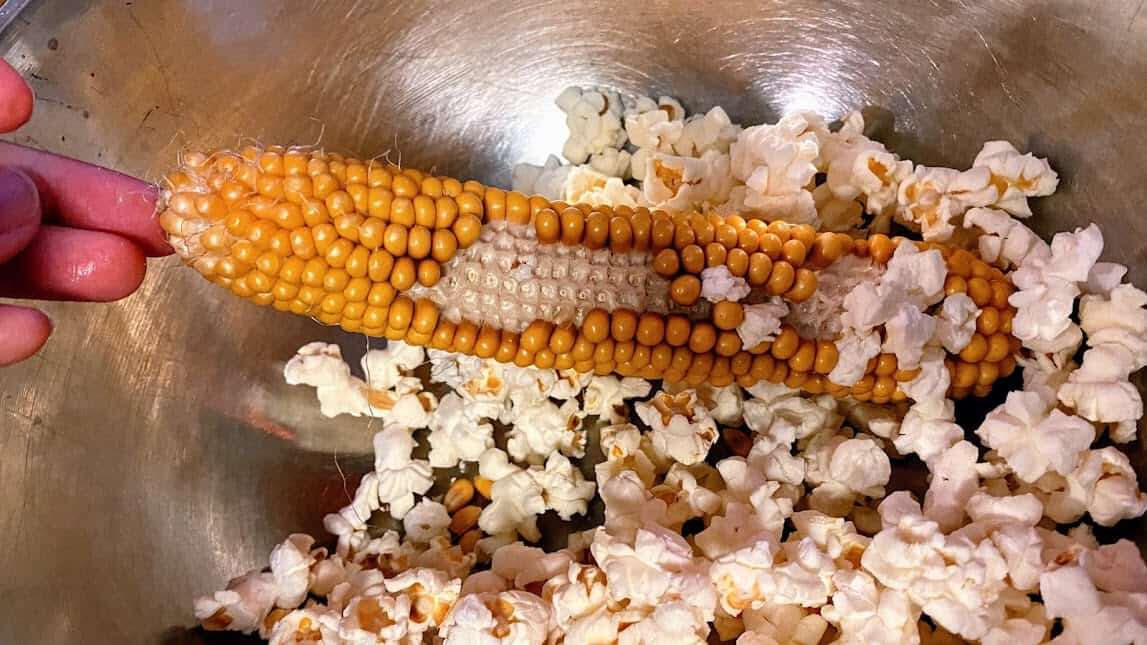
The best corn for this method is popcorn corn that has been left on the stalk until the kernels mature and dry. The kernels should feel hard, glossy, and tight against the cob.
Most sweet corn is picked while it is still tender. It is excellent for boiling, grilling, or eating fresh, but it is not ideal for popping.
Look for these signs of suitable popcorn corn:
• Kernels are hard and smooth
• The cob feels dry rather than soft
• The kernels are yellow, red, blue, or another deep color
• There is no mold or musty smell
• The cob is labeled popcorn or popping corn
A good popcorn kernel usually contains about 13% to 14% moisture. This level lets steam build inside the shell without making the kernel too dry to expand.
If the kernels are too wet, they may burst weakly or become chewy. If they are too dry, they may stay hard and unpopped.
How to Dry Corn on the Cob for Popcorn
If you grew popcorn corn, drying is the most important step. Leave the ears on the plant until the husks turn brown and the kernels become hard.
After harvest, remove the husks and silk. Hang the ears in a dry, well-ventilated place for several weeks. Keep them away from rain, damp basements, and direct heat.
Use this basic drying process:
-
Remove the outer husk and silk.
-
Check the cob for insects, mold, or soft spots.
-
Hang the cob in a warm, dry room with good airflow.
-
Turn the cob every few days so air reaches all sides.
-
Test a few kernels after two to four weeks.
-
Store the dried cob in a clean, sealed container until you are ready to pop it.
Drying time varies with humidity, kernel size, and harvest moisture. Do not rush the process with high heat. An oven can dry the kernels too much and may cause uneven popping.
A simple test is to remove a few kernels and pop them in a small pan. If they expand well and taste crisp, the cob is ready.

How to Make Popcorn From Corn on the Cob in the Microwave
Microwaving the whole cob is one of the easiest ways to make popcorn from corn on the cob. Use only a small cob at first because popping kernels can expand quickly.
What You Need
• One dry popcorn cob
• One large microwave-safe paper bag
• A microwave-safe plate
• Oven mitts
• Salt or melted butter for serving
Do not use a plastic bag, sealed container, foil, or a regular grocery bag. These materials can melt, ignite, or release unwanted chemicals.
Microwave Instructions
-
Remove loose kernels, husk pieces, and silk from the cob.
-
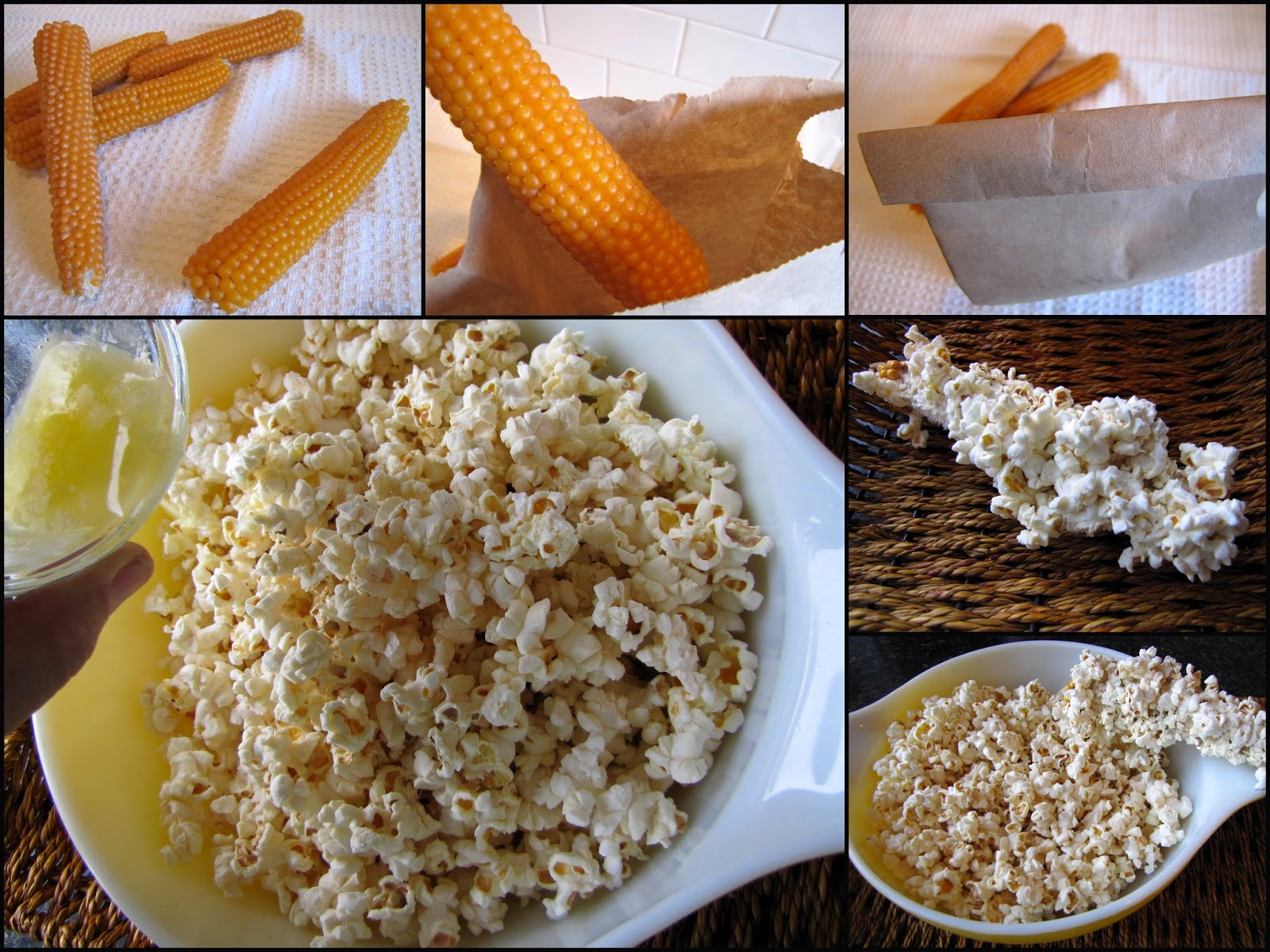
Place the dry cob inside a large paper bag.
-
Fold the top of the bag two or three times. Do not seal it with tape or a staple.
-
Place the bag on a microwave-safe plate.
-
Microwave on high for two to four minutes.
-
Listen for the popping sound.
-
Stop the microwave when the pops slow to about two seconds apart.
-
Wait one minute before opening the bag.
-
Remove the cob with oven mitts because it may be hot.
-
Season the popcorn and discard any hard kernels.
Microwave power differs from one machine to another. Start with two minutes, then add short bursts of 20 to 30 seconds if needed.
Never walk away while the cob is popping. If you smell burning or see smoke, stop the microwave at once.
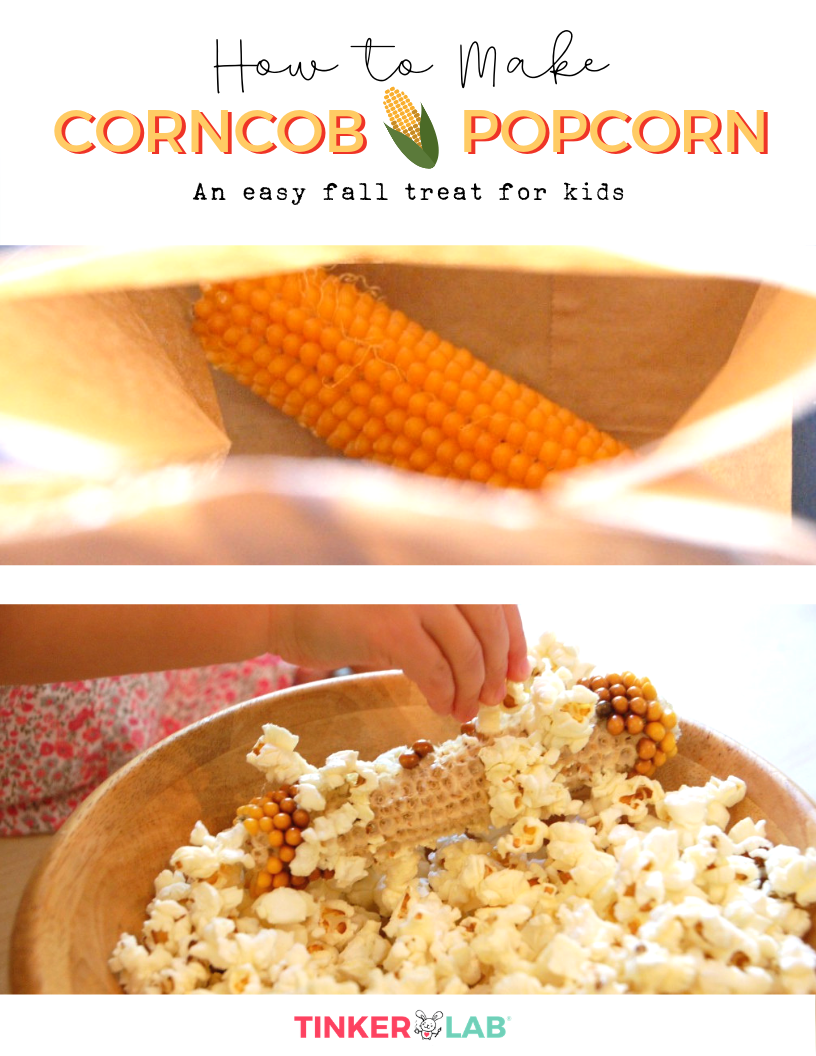
How to Make Popcorn From Corn on the Cob in a Pot
Popping the kernels in a pot gives you more control, but you must remove the kernels from the cob first. This method works well when the cob does not fit in a microwave bag.
Ingredients and Tools
• One dried popcorn cob
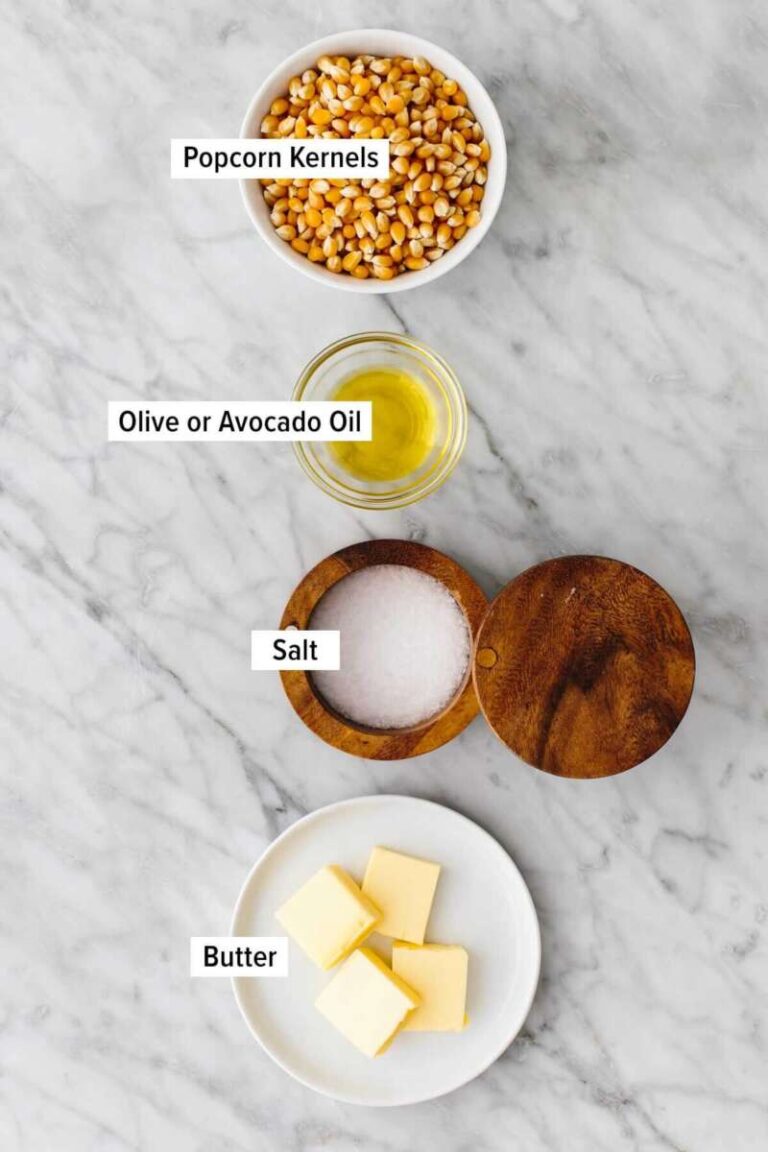
• Two tablespoons of neutral cooking oil
• A large pot with a lid
• A sharp knife or corn stripper
• Salt, butter, or other seasonings
Choose an oil with a high smoke point. Canola, vegetable, avocado, or refined coconut oil can work well.
Stovetop Instructions
-
Hold the cob upright on a cutting board.
-
Use a sharp knife to slice the kernels away from the cob.
-
Place the pot over medium heat.
-
Add the oil and two or three kernels.
-
Cover the pot and wait for those kernels to pop.
-
Add the rest of the kernels in one even layer.
-
Cover the pot and gently shake it over the burner.
-
Leave the lid slightly open if steam needs to escape.
-
Remove the pot when the pops slow down.
-
Pour the popcorn into a bowl and season it while warm.
Do not fill the pot more than one layer deep. Popcorn grows several times larger than the original kernels, and an overfilled pot can cause uneven cooking or spillover.
Shaking the pot helps prevent burned kernels. Keep the pot moving gently rather than lifting the lid again and again.

How to Remove Popcorn Kernels From the Cob
Removing kernels from a dry cob takes care because the kernels are hard. A sharp chef’s knife works, but it should always move away from your hands.
Place the cob upright on a stable cutting board. Slice downward in narrow strips, then rotate the cob until all kernels are removed.
You can also use a corn stripper made for dry corn. This tool may be easier for large batches, but keep your fingers away from the cutting edge.
Follow these safety tips:
• Use a nonslip cutting board
• Keep the cob upright and steady
• Cut in small sections
• Do not force a dull knife
• Store removed kernels in a clean, dry jar
A few pieces of cob may break away during cutting. Sort through the kernels before cooking and remove any wood-like pieces.
Why Does Popcorn Pop?
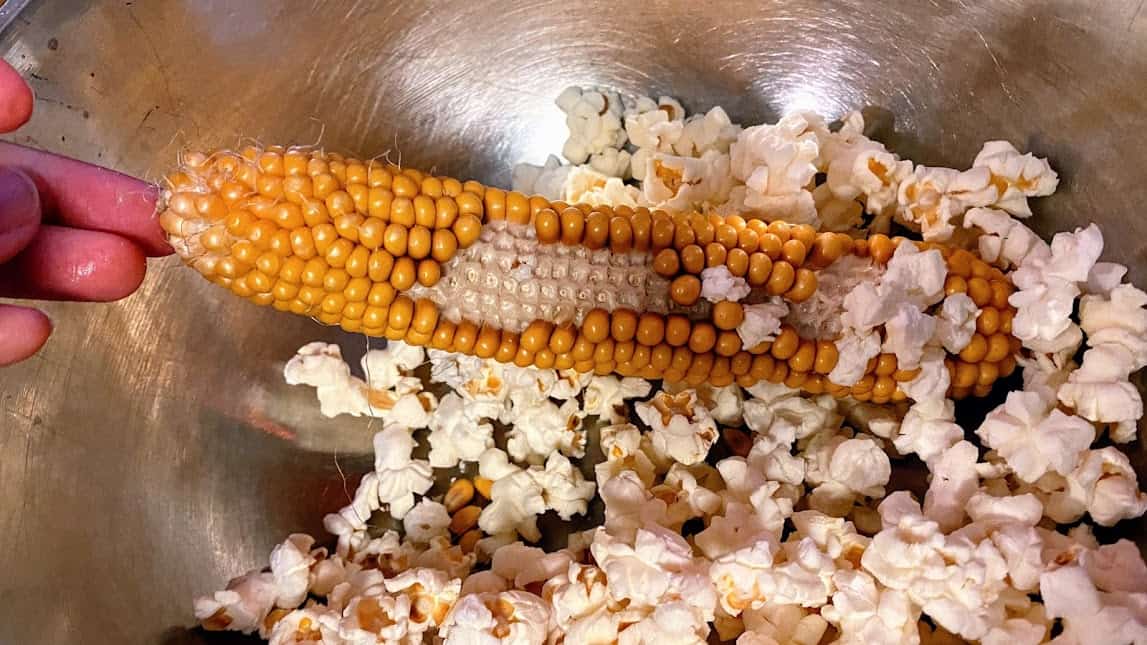
Each popcorn kernel has three main parts: the outer hull, the starchy inside, and a small amount of water.
Heat changes the water into steam. The hard hull holds that steam until pressure rises high enough to split the shell.
The soft starch then expands quickly. It cools into the white, airy shape we call popcorn.
This is why moisture matters so much. A kernel with too little water may not create enough steam. A kernel with too much water may produce soggy popcorn or burst unevenly.
The same science explains why fresh corn on the cob does not usually work. Sweet corn has a softer shell and a different balance of starch and water.
Common Mistakes When Making Popcorn From Corn on the Cob
The most common error is using the wrong corn. A fresh ear of sweet corn may brown, steam, or dry out instead of popping.
Avoid these problems:
• Using fresh sweet corn instead of popcorn corn
• Popping a damp cob
• Using a sealed microwave container
• Overheating the cob
• Filling a pot too full
• Adding butter before popping
• Leaving the microwave unattended
• Eating kernels that smell musty or look moldy
Butter contains water and milk solids. It can burn before the kernels pop, so add melted butter after cooking.
Another mistake is expecting every kernel to pop. Some kernels may have cracks, low moisture, or poor storage conditions. A small number of unpopped kernels is normal.
If the popcorn tastes chewy, the kernels may have been too moist or the bag may have trapped too much steam. If many kernels remain hard, the corn may be too dry or may not be a true popcorn variety.

How to Improve the Flavor
Freshly popped popcorn has a mild, nutty taste. The flavor can vary by corn color and variety, but simple seasoning often works best.
Try these options:
• Melted butter and fine salt
• Garlic powder and grated Parmesan
• Smoked paprika and sea salt
• Cinnamon and a little sugar
• Nutritional yeast and black pepper
• Chili powder and lime zest
• Caramel sauce for a sweet snack
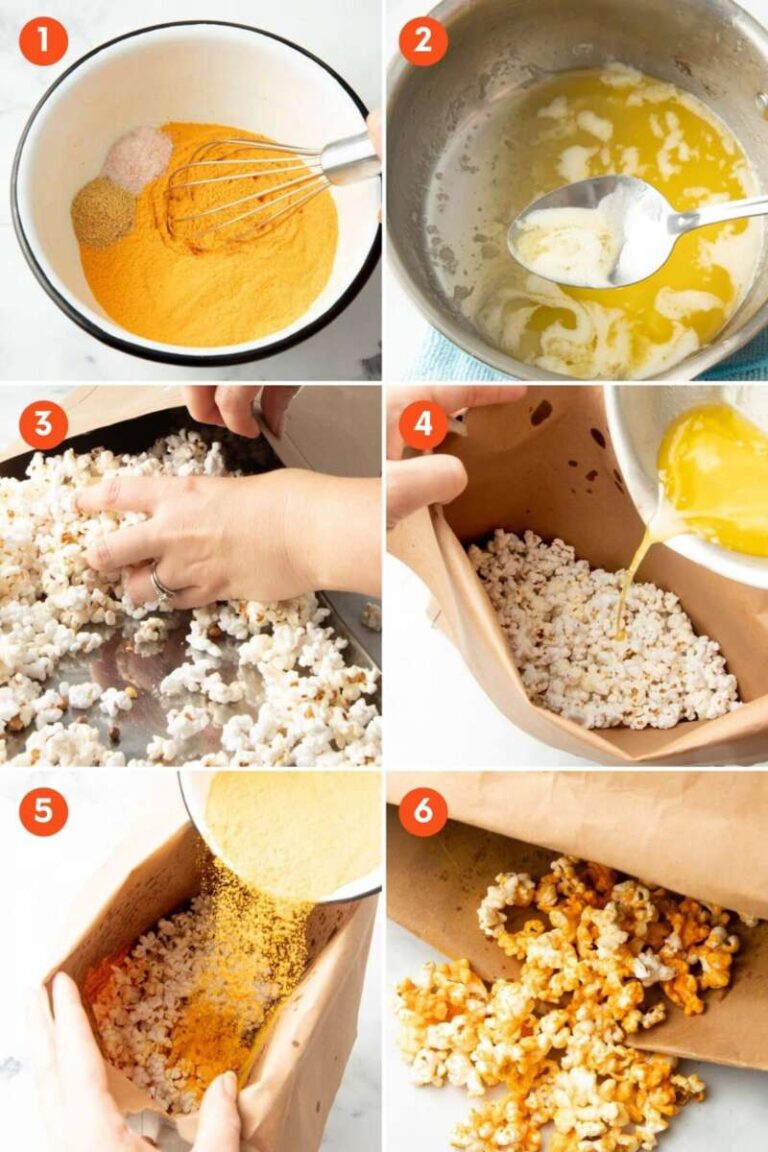
Add dry seasonings while the popcorn is still warm. A small amount of melted butter or oil helps the seasoning stick.
For crisp popcorn, spread it on a baking sheet for a few minutes after popping. This lets extra steam escape.
Do not store warm popcorn in a sealed container. Let it cool first, or trapped moisture may make it soft.
Is Making Popcorn From a Whole Cob Worth It?
Making popcorn from a whole cob is fun and useful, especially for home gardens, school projects, and family movie nights. It also lets you see the full path from dried corn to a finished snack.
However, it is not always faster than using loose popcorn kernels. Whole cobs take more time to dry, may pop unevenly, and can be harder to store.
The method is most useful when:
• You grew popcorn corn
• You want a hands-on cooking project
• You enjoy reducing food waste
• You want a rustic presentation
• You have food-grade popcorn cobs available
Loose kernels are often more practical for large batches. Whole-cob popping is best viewed as a simple kitchen experience rather than a replacement for ordinary popcorn preparation.
Storage and Food Safety Tips
Store dried popcorn cobs in a cool, dry place. A breathable cloth bag can work for short-term storage, while a sealed food container helps protect loose kernels from humidity and pests.
Before storing, inspect the corn carefully. Discard any cob with:
• Visible mold
• A sour or musty odor
• Insect damage
• Soft or wet patches
• Dark growth beneath the kernels
Do not wash a dried cob before storage. Water can increase moisture and encourage mold.
Keep the cob away from raw meat, cleaning products, and nonfood decorative materials. If you are unsure whether an ornamental cob is edible, do not use it for cooking.
A Simple Method to Remember
The easiest way to remember how to make popcorn from corn on the cob is: dry, bag, heat, listen, and season.
-
Dry a food-grade popcorn cob completely.
-
Place it in a large paper bag.
-
Microwave it on high in short bursts.
-
Stop when the popping slows.
-
Let the steam settle before opening the bag.
-
Add butter, salt, or your favorite seasoning.
This method keeps the process simple while reducing the risk of burning. It also makes a fun activity for children when an adult handles the hot bag and microwave.
Frequently Asked Questions About How to Make Popcorn From Corn on the Cob
Can fresh corn on the cob turn into popcorn?
Fresh sweet corn usually cannot turn into fluffy popcorn. It has a soft hull and too much moisture, so it is better for boiling, grilling, or roasting.
How long should corn on the cob dry before popping?
Most popcorn cobs need several weeks to dry in a warm, low-humidity room. The kernels should be hard and glossy, with no soft spots or musty smell.
Can you microwave a whole popcorn cob?
Yes, you can microwave a dry popcorn cob inside a large, folded paper bag. Do not use plastic, foil, staples, or a tightly sealed container.
Why did my popcorn cob not pop?
The cob may be too fresh, too dry, or not a true popcorn variety. Uneven moisture, old kernels, and low microwave heat can also leave many kernels unpopped.
Is it safe to eat popcorn from decorative corn?
Only use decorative corn if it is clearly labeled food-grade and shows no signs of mold or chemical treatment. When its history is unknown, it is safer to use popcorn sold for cooking.
Can you pop corn kernels while they are still on the cob?
Yes, a dry popcorn cob can pop in a microwave bag. For stovetop cooking, remove the kernels first so they can sit in a single layer in the pot.
Conclusion
Making popcorn from corn on the cob starts with the right corn. Use a mature, dry popcorn cob, heat it in a paper bag or pop the removed kernels in oil, and stop cooking when the popping slows.
The key lessons are simple: fresh sweet corn is not the same as popcorn corn, moisture controls popping, and safe heat handling matters. Try a small cob first, season the warm popcorn, and enjoy the process. Share your favorite topping or popping method in the comments.

Liora Pennings is a seasoned chef and kitchen enthusiast with a passion for turning everyday cooking into an effortless experience. With years of hands-on culinary expertise, she specializes in practical techniques, ingredient know-how, and smart kitchen solutions that help home cooks elevate their meals. At KitchFlair.com, Liora shares her best tips, time-saving tricks, and honest product reviews to guide readers toward a more efficient, enjoyable, and inspired cooking routine. Whether you’re a beginner or a seasoned home chef, Liora’s friendly, knowledge-packed insights make every visit to the kitchen a little easier—and a lot more delicious.