Can You Make Popcorn In The Oven: Easy Guide
Yes, you can make popcorn in the oven, but a covered pot and close attention are essential for safety.
Can you make popcorn in the oven and get crisp, fluffy results? Yes, but it is slower and less reliable than using a stovetop or microwave. With the right oven-safe pot, oil, heat, and timing, you can pop kernels when other cooking methods are not available. This guide explains the safest method, common mistakes, and better alternatives.
Can You Make Popcorn in the Oven?
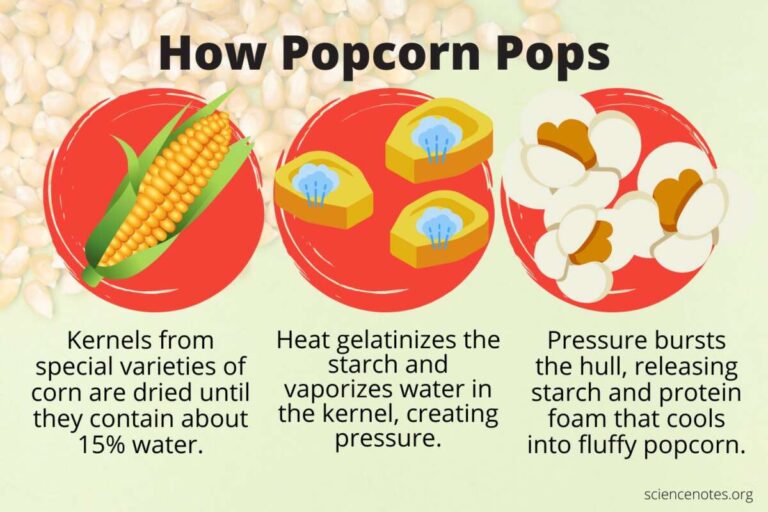
Yes, you can make popcorn in the oven. The oven heats the kernels until the water inside each kernel turns to steam. Pressure builds until the hard outer shell breaks open, turning the kernel into fluffy popcorn.
However, an oven is not designed to shake a pan or heat loose kernels quickly. This means oven popcorn can pop unevenly. Some kernels may burn before others open.
The safest approach uses:
• A heavy, oven-safe pot with a lid
• A high-smoke-point cooking oil
• A preheated oven
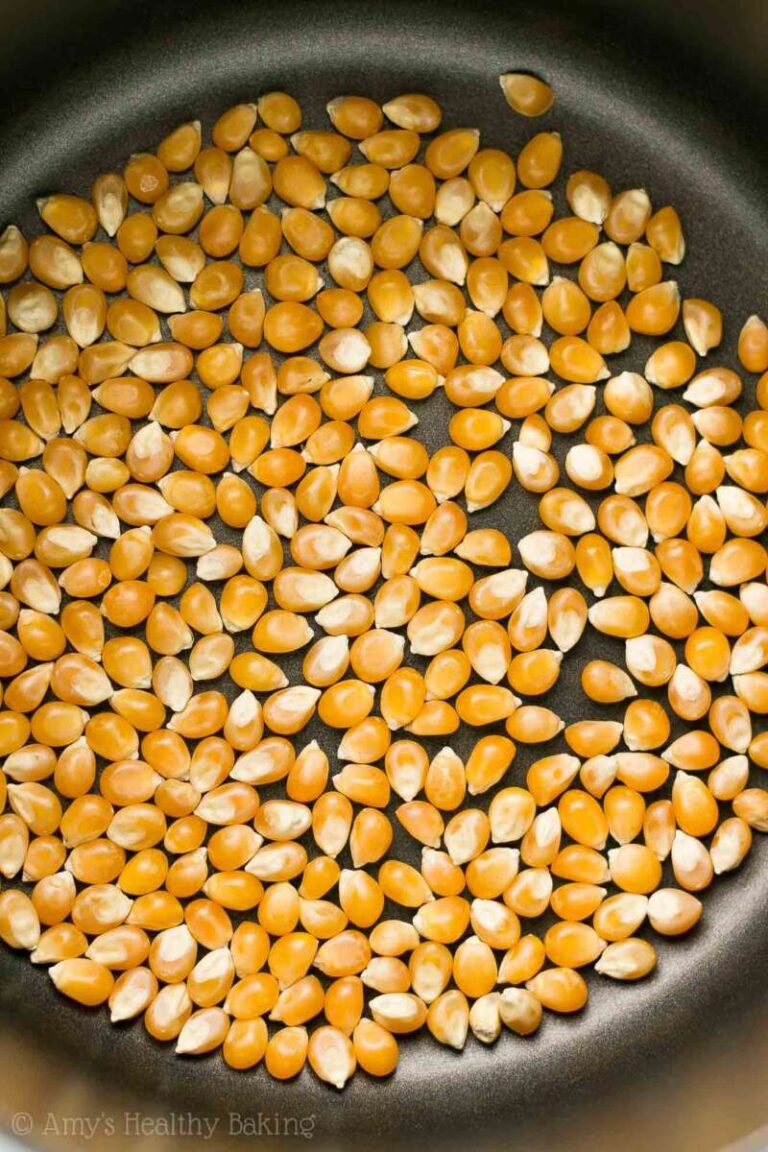
• A single layer of popcorn kernels
• Careful timing and frequent checks
Can you make popcorn in the oven without oil? It is possible, but the results are often dry and uneven. Oil helps transfer heat from the pot to the kernels and lowers the risk of some kernels staying cold.
How Popcorn Pops in the Oven
Each popcorn kernel contains a small amount of water inside a starchy center. When heated, that water turns into steam. The steam creates pressure inside the shell.
At about kit? Need avoid inaccurate exact temp. Popcorn generally pops around 356°F to 400°F, but varies. Say roughly 350-400. When pressure becomes too strong, the shell bursts. The starch expands and cools into the white snack you know.
An oven heats the pot first, then the pot heats the oil and kernels. This indirect process takes longer than a burner. It also gives you less control over stirring.
Can you make popcorn in the oven with a baking sheet? Loose kernels on a sheet are not a good choice. They may roll around, burn, or jump into the heating element. A covered pot keeps the kernels contained and reduces the chance of hot oil splashing.

The Best Oven Method for Popcorn
A heavy Dutch oven or deep oven-safe pot works best. A tight-fitting lid is important, but it should not create a fully sealed container. Steam needs a small way to escape.
Ingredients and tools
• ½ cup popcorn kernels
• 2 tablespoons canola, avocado, sunflower, or refined coconut oil
• A heavy pot with an oven-safe lid
• Oven mitts
• A large serving bowl
• Salt or other toppings
Avoid extra-virgin olive oil for high-heat oven popping. It can smoke before the kernels finish popping. Use a refined oil with a higher smoke point instead.
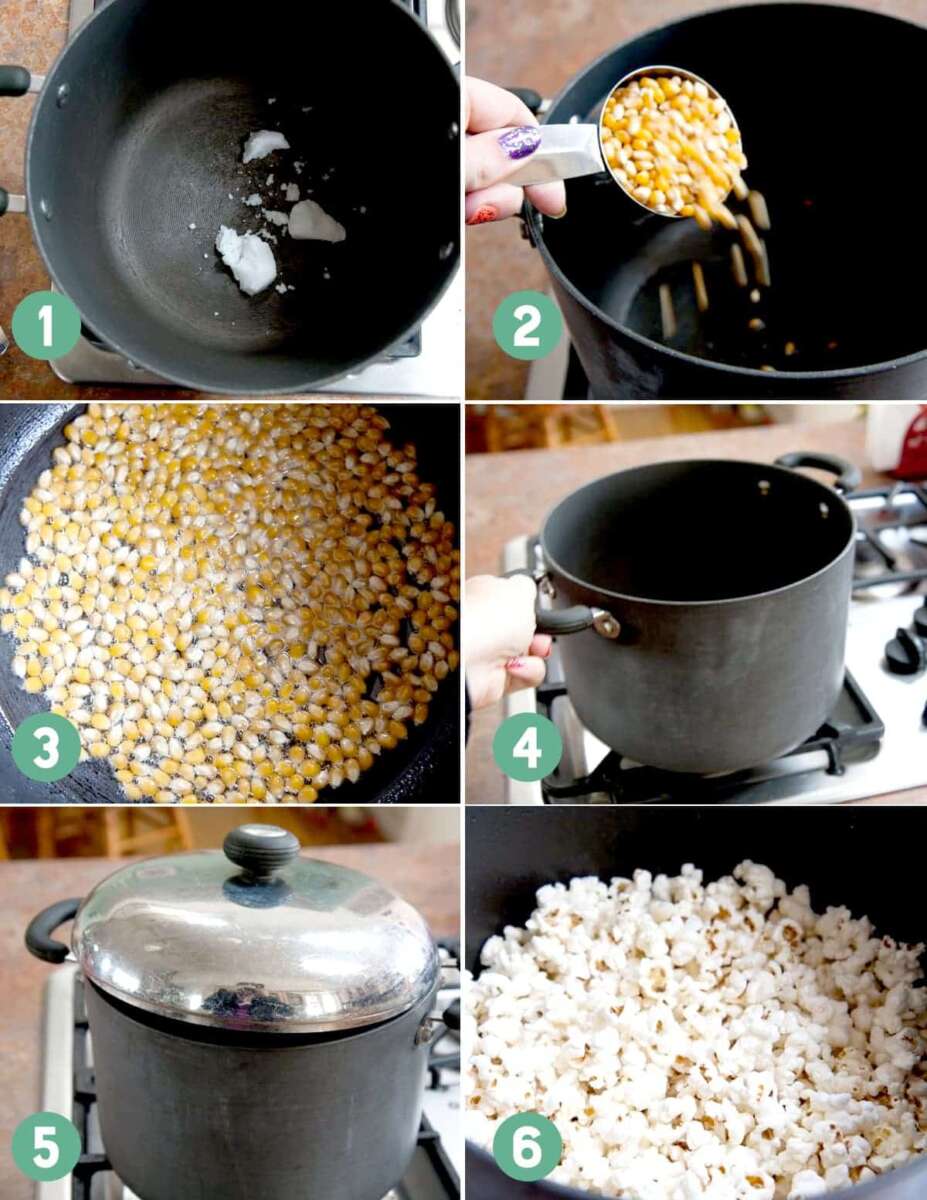
Step-by-step instructions
-
Place the oven rack in the center of the oven.
-
Preheat the oven to 425°F. A hot oven helps the pot and oil reach popping temperature sooner.
-
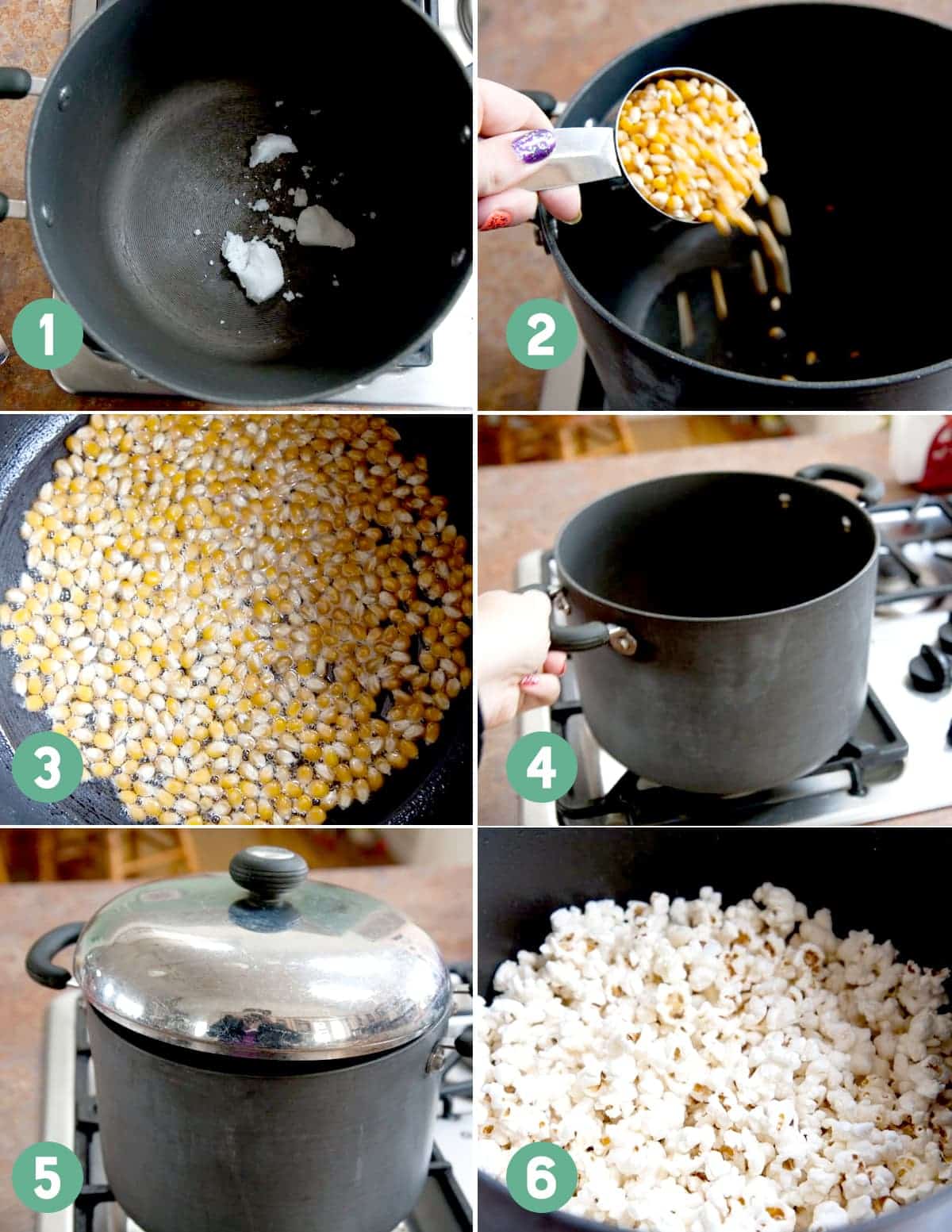
Add the oil and kernels to the pot. Spread the kernels into one even layer.
-
Cover the pot with its lid. Do not use a container that is sealed airtight.
-
Place the pot in the oven. Set a timer for 8 minutes.
-
Listen for popping. Once the pops become frequent, check the pot every minute.
-
Remove the pot when there are about 2 seconds between pops. Use oven mitts because the pot and lid will be very hot.
-
Keep the lid on for another 30 seconds. This allows late kernels to finish popping while containing the hot popcorn.
-
Pour the popcorn into a large bowl. Season it after it leaves the pot.
Can you make popcorn in the oven using this method every time? You can, but oven temperatures and pot materials vary. A dark metal pot may heat faster than a light aluminum pot. A thick cast-iron pot may take longer to warm but hold heat well.

Safety Tips for Oven-Baked Popcorn
Oven popcorn needs more care than microwave popcorn. Hot oil, steam, and a very hot pot can all cause burns.
Follow these safety rules:
• Never leave the oven unattended while popcorn is cooking.
• Do not use a sealed jar, pressure cooker, or tightly closed container.
• Keep your face away from the lid when opening the pot.
• Use long oven mitts when removing the pot.
• Keep children away from the oven during cooking.
• Never place popcorn bags in the oven unless the package clearly says they are oven-safe.
• Do not use plastic bowls, plastic lids, or containers with unknown heat limits.
• Stop cooking if you smell smoke before the kernels begin popping.
• Turn off the oven and keep the door closed if an oil fire starts. Never pour water on burning oil.
A common mistake is opening the lid too soon. The first pops can release hot steam and oil droplets. Let the pot rest briefly before lifting the lid.
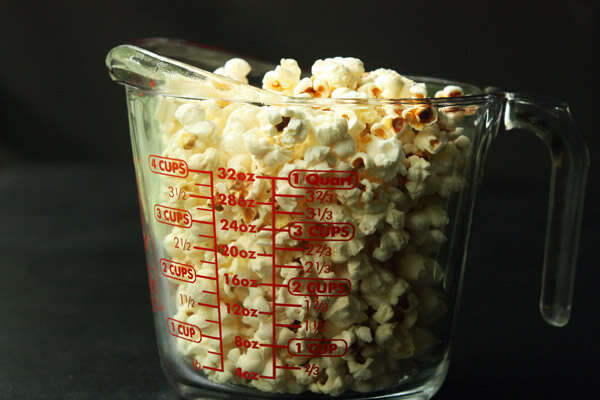
Another mistake is filling the pot too high. Popcorn expands many times beyond its original volume. Half a cup of kernels can fill a large bowl.

Why Oven Popcorn May Not Work Well
Can you make popcorn in the oven and avoid all unpopped kernels? Usually not. The oven has several limits that make perfect popping difficult.
The first issue is slow heat transfer. A burner heats the bottom of a pot quickly. An oven heats the air around the pot, so the kernels may take longer to reach popping temperature.
The second issue is movement. On a stovetop, you can gently shake the pot to spread heat. In the oven, you cannot safely shake a hot, covered pot without removing it. This can leave some kernels near hot spots.
The third issue is smoke. Oil can reach its smoke point before every kernel pops. If the pot is thin or the oven runs hot, the popcorn may taste burnt.
You may also see these problems:
• Burned popcorn with many unpopped kernels
• Popcorn that tastes oily
• Kernels that pop slowly
• Steam that makes the popcorn less crisp
• A lid that rattles or shifts during cooking
In my practical kitchen testing approach, the biggest lesson is to judge the process by sound, not only by the timer. Ovens vary, but the popping rate tells you when the batch is nearly done. If the pops slow down, remove the pot before the remaining kernels burn.

Oven Popcorn Compared With Other Methods
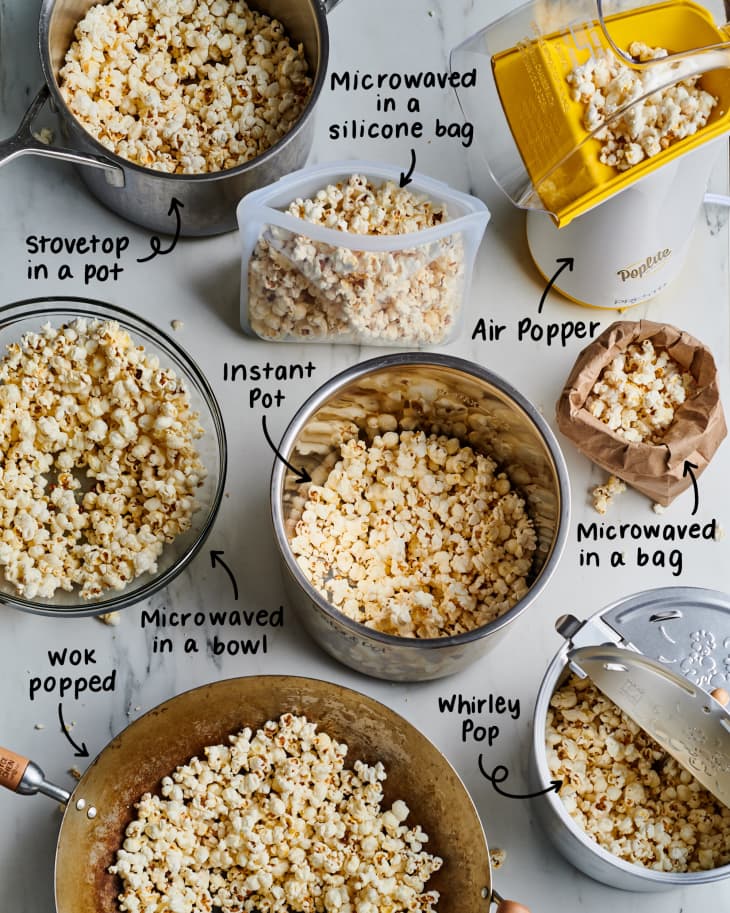
Can you make popcorn in the oven? Yes, but it is rarely the easiest method. Other cooking options usually offer better control.
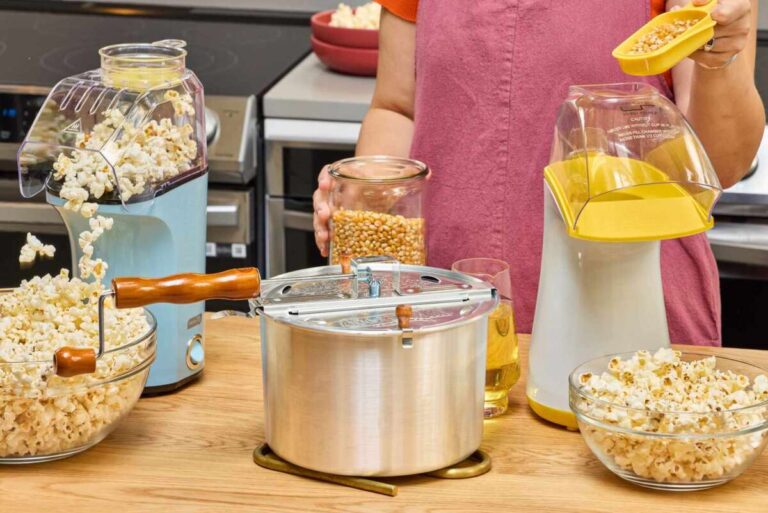
Stovetop popcorn
Stovetop cooking is often the best method for flavor and texture. A covered pot sits directly over steady heat, and you can shake it gently to prevent burning.
This method also lets you adjust the heat quickly. Most batches take only a few minutes.
Microwave popcorn
Microwave popcorn is fast and convenient. The bag is made for microwave use and includes measured kernels, oil, and seasoning.
Do not move a microwave popcorn bag to the oven. The bag and its coating may burn, and the package may not be safe at oven temperatures.
Air-popped popcorn
An air popper uses hot air instead of oil. It makes light popcorn with fewer calories from added fat.
Air-popped popcorn may taste less rich, but you can add melted butter, olive oil, nutritional yeast, or spices after popping.
Campfire or grill popcorn
Popcorn can also be made in a covered foil packet over a campfire or grill. This method requires careful control because direct flames can burn the oil and kernels quickly.
For most home kitchens, stovetop popcorn remains the most dependable choice. Use the oven method when you lack a burner, want to warm a heavy pot, or simply enjoy trying a different cooking technique.

Tips for Better Oven Popcorn
A few small changes can improve the final batch.
Use fresh kernels. Old kernels may lose moisture and fail to pop. Store popcorn in an airtight container at room temperature. Do not store it in the refrigerator, where changing moisture levels can affect texture.
Choose a wide, heavy pot. A wide base gives the kernels more contact with the hot surface. A heavy pot also spreads heat more evenly.
Do not add salt before popping. Salt can settle at the bottom and make the popcorn taste uneven. Add salt after cooking, while the popcorn is still warm.
Try a small test batch first. Use 2 tablespoons of kernels and 1 teaspoon of oil. This helps you learn how quickly your pot and oven heat.
Do not rely on the first batch as a perfect result. Write down the oven temperature, cooking time, oil amount, and pot type. Then adjust the next batch.
Good topping ideas include:
• Melted butter and fine salt
• Parmesan and black pepper
• Smoked paprika and garlic powder
• Cinnamon and a little sugar
• Nutritional yeast and chili powder
• Ranch seasoning or taco seasoning
Avoid pouring cold liquid sauces over the popcorn. They can make it soggy. If you want a coated snack, warm the sauce first and mix it in small amounts.
Can You Make Popcorn in the Oven Without a Pot?
You should not spread loose popcorn kernels across an open baking sheet. Kernels can scatter, burn, or contact the oven’s heating element. Hot oil may also splash when kernels burst.
A covered oven-safe casserole dish may work if its material and lid are rated for the oven. Check the manufacturer’s instructions first. Some glass dishes can break when exposed to rapid temperature changes or direct heat.
You can also use a covered cast-iron Dutch oven. This is one of the more stable options because cast iron holds heat well. Still, it may take longer to warm than a thin metal pot.
Can you make popcorn in the oven with aluminum foil? A foil cover can help contain the kernels, but it must be secured carefully and should not touch the oven’s heating element. A proper oven-safe lid is safer and easier to handle.
Never use a paper bag, plastic container, or ordinary food storage bowl in the oven. These materials may melt, ignite, or release unwanted chemicals when heated.