How To Make Kettle Corn With Bagged Popcorn: Easy Recipe
To make kettle corn with bagged popcorn, pop kernels in oil, then toss them with sugar, salt, and melted butter.
Learning how to make kettle corn with bagged popcorn is simple, but timing matters. The sugar must caramelize without burning, while the kernels need steady heat to pop well. This guide shares a tested stovetop method, clear measurements, safety tips, common fixes, and easy flavor ideas for crisp, sweet-and-salty popcorn at home.
What Is Kettle Corn?
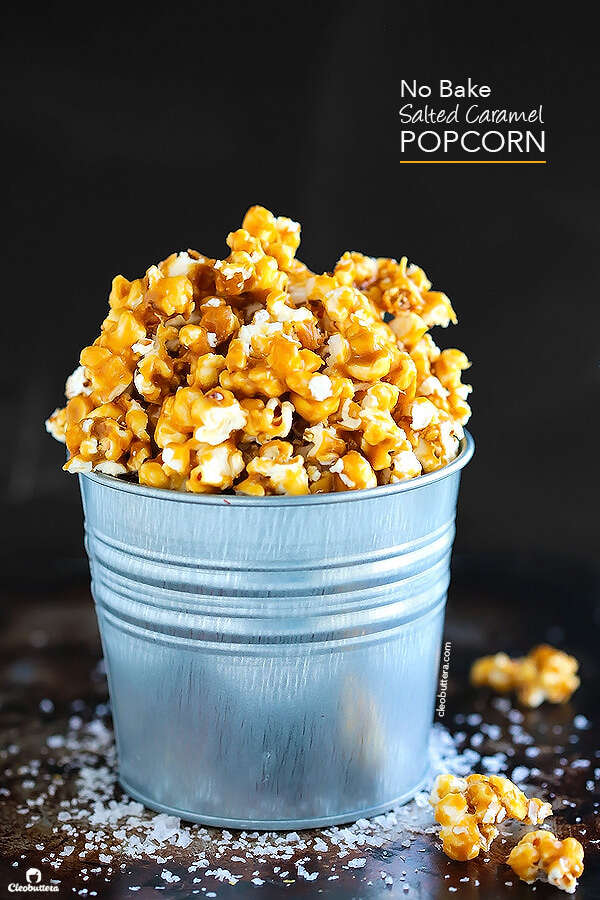
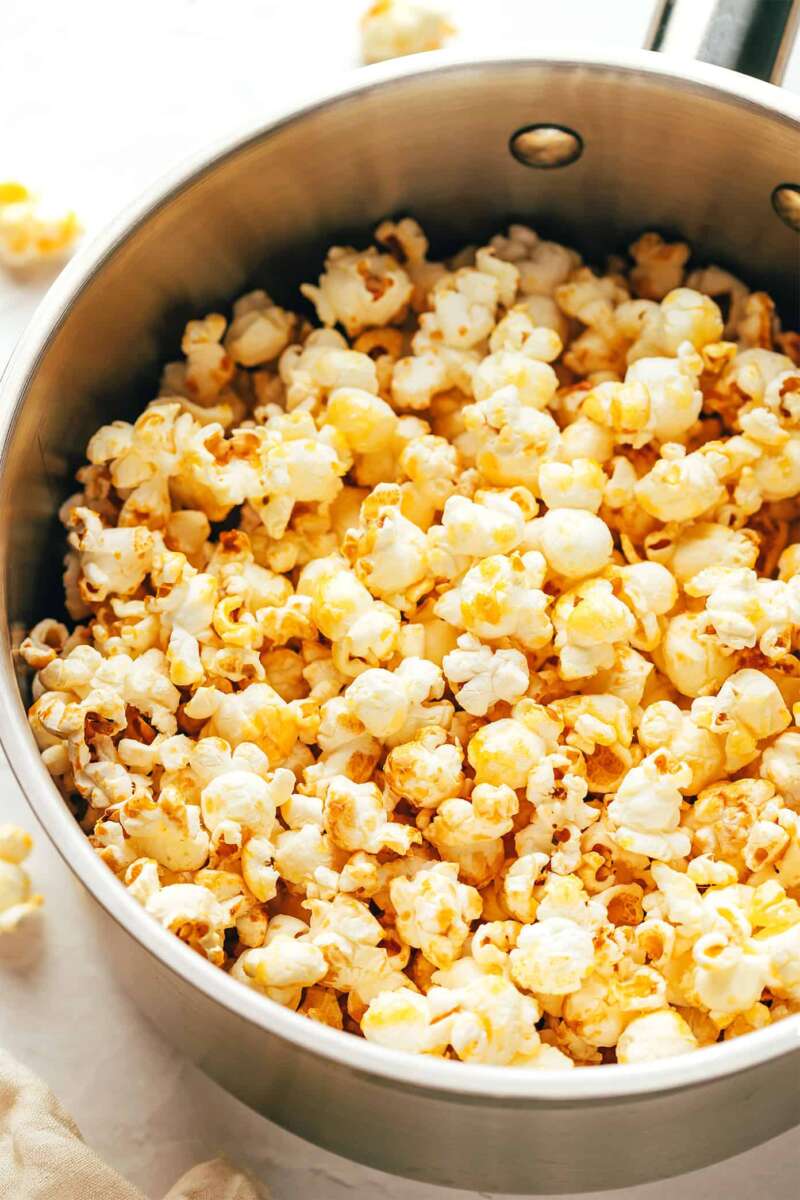
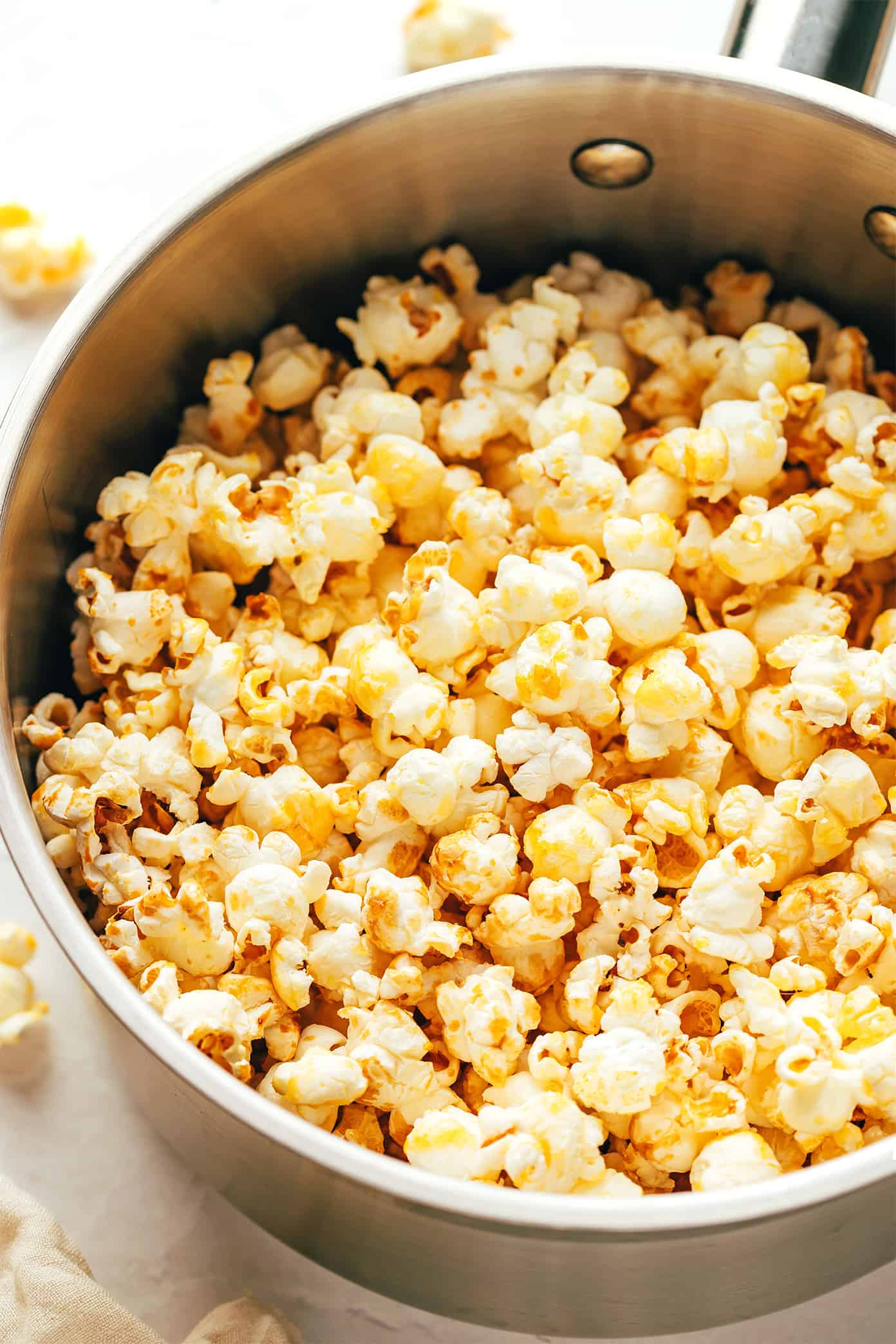
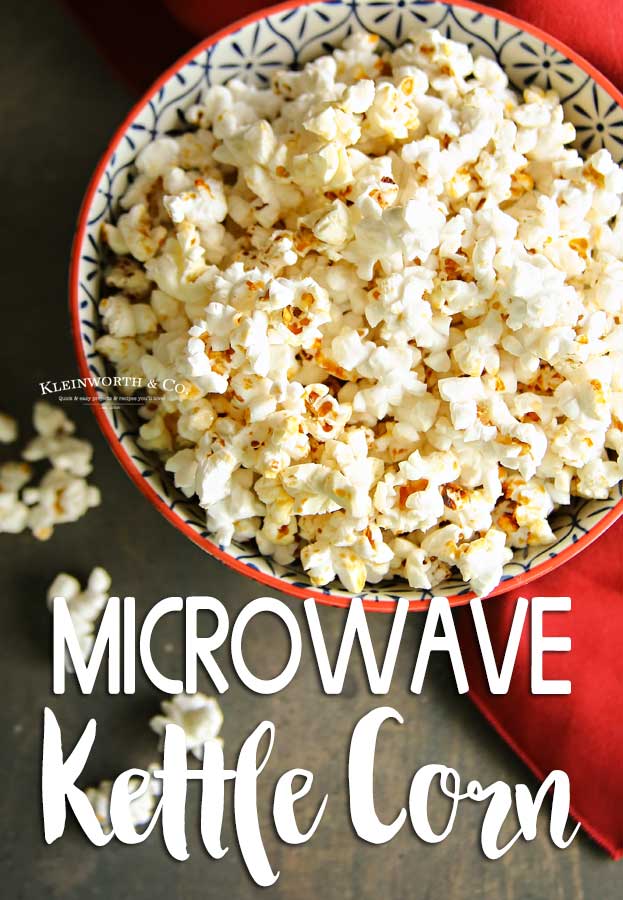
Kettle corn is popcorn cooked with oil, sugar, and salt in the same pan. As the kernels pop, the sugar melts and forms a thin, glossy coating. The result is sweeter than regular salted popcorn but lighter than caramel corn.
Traditional kettle corn often uses a large kettle at fairs and festivals. At home, a heavy pot with a lid works just as well. Bagged popcorn kernels are affordable, easy to store, and ideal for this recipe.
Kettle corn differs from caramel corn in one key way. Caramel corn usually gets a thick coating after popping. Kettle corn cooks the sugar and kernels together, creating a thin, crisp layer during the popping process.

Ingredients for Kettle Corn With Bagged Popcorn
You only need a few basic ingredients. The amounts below make about 8 cups of kettle corn.
• 1/2 cup unpopped popcorn kernels from a bag
• 3 tablespoons neutral cooking oil, such as canola, vegetable, avocado, or coconut oil
• 1/4 cup granulated sugar
• 1/2 teaspoon fine salt, plus more to taste
• 1 tablespoon melted butter, optional
Use plain popcorn kernels from a bag, not a pre-seasoned microwave popcorn bag. Microwave popcorn already contains oil, salt, and flavor additives. It can scorch quickly when you add extra sugar.
A neutral oil allows the sugar and corn flavor to stand out. Coconut oil adds a mild movie-theater taste, while avocado oil works well if you prefer a lighter flavor.
Fine salt spreads more evenly than coarse salt. If you only have kosher salt, crush it slightly between your fingers before adding it.
How to Make Kettle Corn With Bagged Popcorn
Follow these steps for crisp, evenly coated popcorn.
1. Prepare the pan
Choose a large, heavy-bottomed pot with a tight-fitting lid. The pot should have enough room for the popped corn to move and expand.
Add the oil and two or three popcorn kernels. Cover the pot and place it over medium heat.
2. Test the oil
Wait until the test kernels pop. This usually takes about 2 to 3 minutes. The popped kernels show that the oil has reached a useful popping temperature.
Remove the pot from the heat for about 30 seconds. This short pause helps the remaining kernels warm more evenly. It also reduces the chance of burnt sugar later.
3. Add the kernels, sugar, and salt
Add the remaining kernels, sugar, and salt. Stir or shake the pot gently so the oil coats the kernels and sugar.
Place the lid back on the pot. Leave a tiny gap if the lid design allows safe steam release. Do not leave the pot open, since hot kernels and oil can jump out.
4. Keep the pot moving
Return the pot to medium heat. Hold the handle with one hand and use a towel or oven mitt for protection.
Shake the pot gently every few seconds. Lift it slightly from the burner if needed. Constant movement keeps the sugar from sitting on the hot bottom and burning.
The kernels should begin popping within 1 to 2 minutes. Keep shaking while the popping continues.
5. Stop at the right time
When the pops slow to about 2 seconds apart, remove the pot from the heat. Do not wait for every kernel to pop. Those final kernels can burn the sugar and the popcorn around them.
Keep the lid on for 10 to 15 seconds. A few kernels may finish popping during this time.
6. Cool and season
Pour the kettle corn onto a large baking sheet or bowl. Spread it out so steam can escape.
Drizzle with melted butter if desired. Taste the popcorn after it cools for a minute, then add more salt if needed.
This basic method is the best way to learn how to make kettle corn with bagged popcorn because it gives you control over heat, sugar, and seasoning.
The Best Heat and Timing for Kettle Corn
Medium heat is the safest starting point. High heat may pop the kernels faster, but it can burn the sugar before the popcorn is ready.
Your pot and stovetop affect the cooking time. A thin pot heats quickly and may need lower heat. A heavy Dutch oven holds heat well but may take longer to warm.
Watch for these signs:
• The oil shimmers before the test kernels pop.
• The kernels pop in a steady rhythm.
• The sugar smells sweet and toasted, not sharp or smoky.
• The popcorn turns light golden, not dark brown.
If you smell burnt sugar, move the pot off the heat at once. Do not taste the mixture while it is hot. Melted sugar can cause serious burns.
A cooking thermometer is not required, but oil is often ready for popping near 350 to 360°F. Sugar begins to brown at higher temperatures, so controlled heat and frequent shaking matter more than an exact number.
:max_bytes(150000):strip_icc()/20240924-SEA-KettleCorn-MorganHuntGlaze-Hero-58-3703669624054975aa4b3bc60d374420.jpg)
How to Prevent Burnt Sugar
Burnt sugar is the most common problem when making kettle corn. It usually comes from excessive heat, a small pan, or poor movement.
Use these practical tips:
• Start with medium heat, not high heat.
• Use a heavy-bottomed pot for steadier cooking.
• Shake the pot often once the sugar is added.
• Remove the pot when popping slows.
• Spread the finished popcorn out right away.
The 30-second pause before adding the sugar is also helpful. It allows the kernels to heat without keeping the sugar over the burner for too long.
One lesson many home cooks learn is that the last few unpopped kernels are not worth saving. Kettle corn can go from golden to bitter in seconds. Stop early and accept a few unpopped kernels.
Common Problems and Easy Fixes
Even a simple recipe can have a learning curve. Here are the most common issues.
The sugar burns
The heat was likely too high, or the pot did not move enough. Lower the heat and shake more often during the next batch.
The popcorn tastes bland
Add salt after popping while the surface is still warm. A small amount of melted butter can help the seasoning stick.
The popcorn is chewy
Steam may have stayed trapped in the pot. Pour the popcorn onto a baking sheet as soon as it finishes. Let it cool completely before storing it.
The sugar does not coat the popcorn
Too much oil or too little sugar can reduce the coating. Use the stated ratio first, then adjust in small amounts.
Many kernels remain unpopped
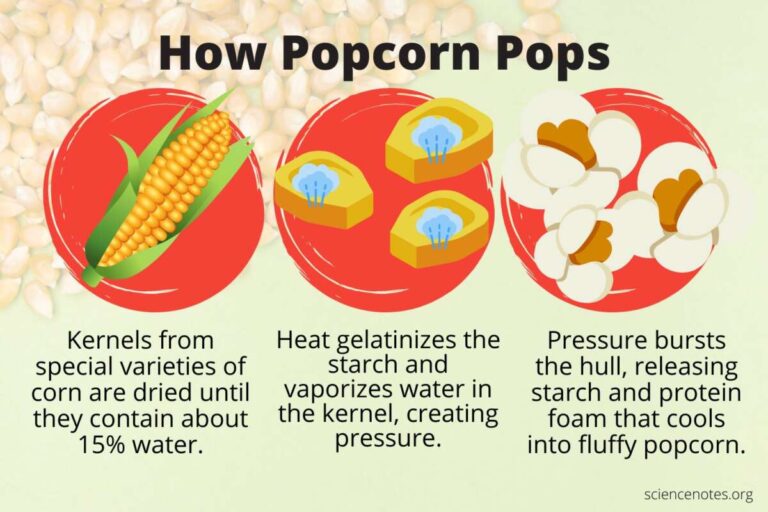
The oil may not have been hot enough, or the kernels may be old. Popcorn kernels lose moisture over time, and that moisture creates the steam needed to pop.
The popcorn clumps together
A few small clumps are normal. Spread the popcorn apart while it is warm, or break the clumps gently after cooling.
:max_bytes(150000):strip_icc()/20240924-SEA-KettleCorn-MorganHuntGlaze-Step2Collage-58-45e015980aa2493e8e93e30f50652883.jpg)
Flavor Variations to Try
Once you know how to make kettle corn with bagged popcorn, you can change the flavor without changing the method.
Cinnamon sugar kettle corn
Add 1/4 teaspoon of ground cinnamon after popping. Mix it with a pinch of salt and toss it through the warm popcorn.
Spicy kettle corn
Add a small pinch of cayenne pepper, chili powder, or smoked paprika. Start with less than you think you need because heat becomes more noticeable as the popcorn cools.
Maple kettle corn
Replace half of the granulated sugar with maple sugar. Avoid adding liquid maple syrup during popping because extra moisture can make the coating sticky.
Chocolate kettle corn
Let the popcorn cool fully. Drizzle it with melted dark or semisweet chocolate, then allow the chocolate to set before serving.
Garlic herb popcorn
Skip the sugar and use olive oil, garlic powder, dried herbs, and salt. This is no longer classic kettle corn, but the same bagged kernels make an excellent savory snack.
How to Store Homemade Kettle Corn
Kettle corn tastes best on the day it is made. To store it, let it cool completely first. Place it in an airtight container or resealable bag.
Keep the container at room temperature in a dry place. Do not refrigerate it, since moisture from the refrigerator can make the popcorn soft.
Homemade kettle corn usually keeps its best texture for 2 to 3 days. If it becomes slightly soft, spread it on a baking sheet and warm it in a 250°F oven for 5 to 8 minutes. Let it cool before sealing it again.
Do not store warm popcorn in a closed container. Trapped steam is one of the fastest ways to create chewy kettle corn.

Nutrition and Safety Notes
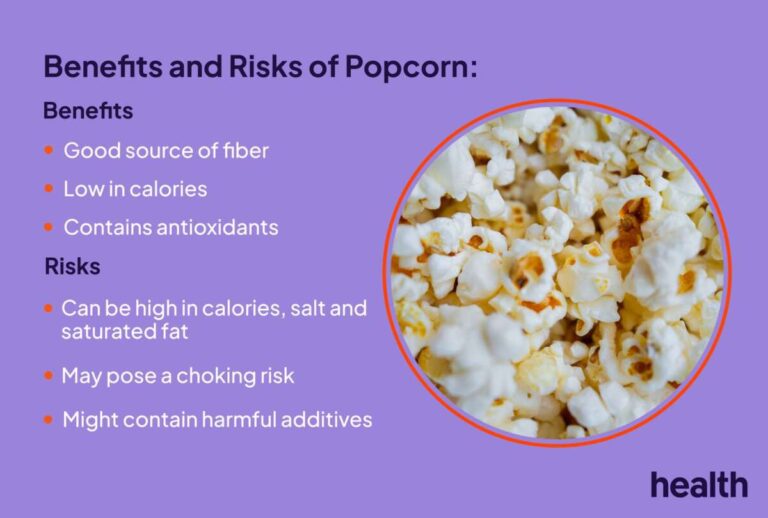
Kettle corn contains popcorn, oil, and sugar, so portion size matters. A serving can provide whole-grain fiber from the popcorn, but added sugar, butter, and oil increase the calories.
People with diabetes or blood sugar concerns may want to use less sugar and serve a smaller portion. Those watching sodium can reduce the salt or use a salt-free seasoning blend.
Use long sleeves, oven mitts, and a secure lid. Hot oil and melted sugar can splatter. Keep children away from the stove while the batch cooks, and never leave the pot unattended.