Can You Make Popcorn On The Stove: Easy Method
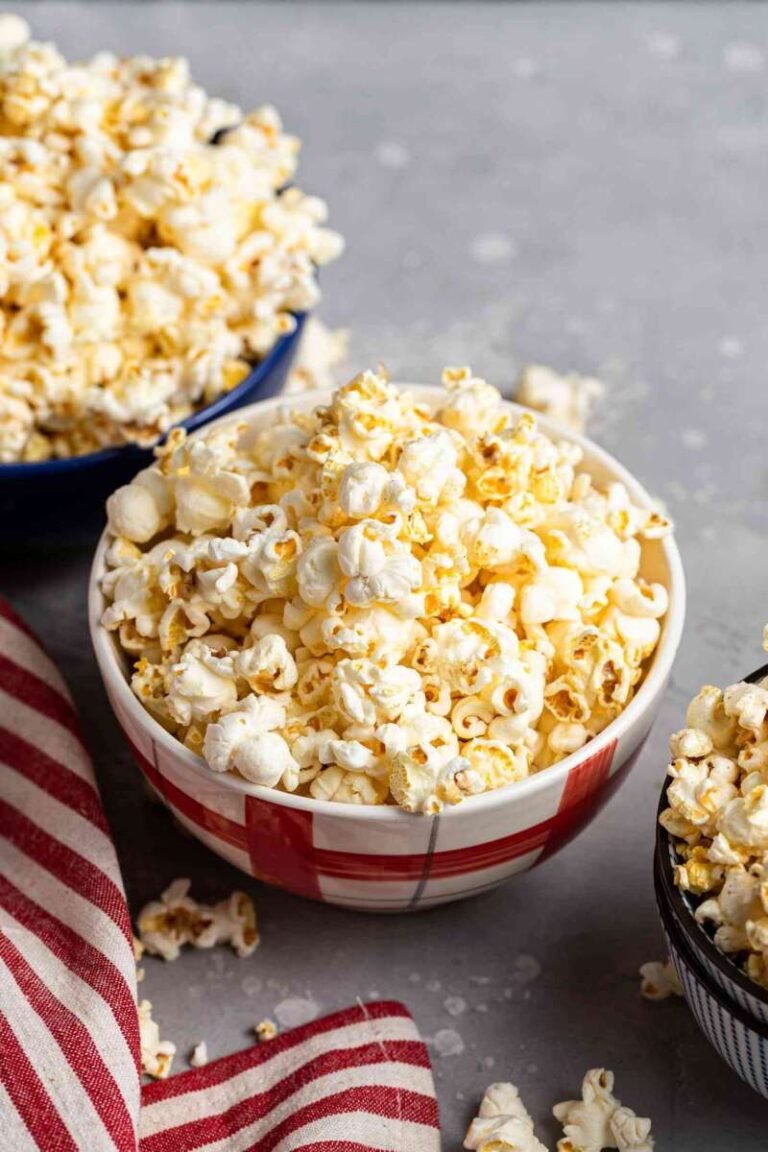
Yes, you can make crisp, fluffy popcorn on the stove with a pot, oil, kernels, and steady heat.
Can you make popcorn on the stove and get results as good as microwave popcorn? Absolutely. With the right pot, enough oil, and a little patience, you can make fresh popcorn in about 10 minutes. This method gives you better control over flavor, avoids single use microwave bags, and lets you adjust salt, butter, and seasonings to your taste.

Can You Make Popcorn on the Stove?
Yes, you can make popcorn on the stove with basic kitchen tools. The process is simple: heat oil in a covered pot, add popcorn kernels, shake the pot as the kernels pop, and remove it from the heat when the popping slows.
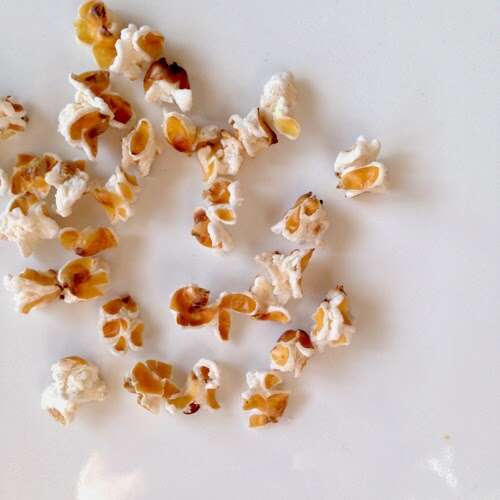
Popcorn kernels contain a small amount of water inside their hard outer shell. When heated, that water turns into steam. Pressure builds until the shell breaks open, turning the kernel inside out into the fluffy snack you know.
Can you make popcorn on the stove without special equipment? You only need:
- A large pot or saucepan with a lid
- Popcorn kernels
- Cooking oil
- Salt or other seasonings
- A stovetop
A pot with a thick bottom works best because it spreads heat more evenly. A clear lid is helpful, but it is not required.
What You Need to Make Stovetop Popcorn
The ingredients are simple, but each one affects the final result. Using the right amounts can help prevent burnt kernels, soggy popcorn, and uneven popping.
For about 8 cups of popped popcorn, use:
- ½ cup popcorn kernels
- 2 to 3 tablespoons neutral cooking oil
- ¼ to ½ teaspoon salt, or salt to taste
- 1 to 2 tablespoons melted butter, added after popping if desired
Good oil choices include canola oil, vegetable oil, avocado oil, grapeseed oil, and refined coconut oil. Choose an oil with a high smoke point. Extra virgin olive oil can work at moderate heat, but it may smoke or add a strong flavor if the pan gets too hot.
Fresh kernels usually pop better than old, dry kernels. Store popcorn in an airtight container at room temperature. Do not keep it in the refrigerator, where moisture and odors can affect the kernels.

How to Make Popcorn on the Stove Step by Step
Can you make popcorn on the stove without burning it? Yes, if you control the heat and keep the kernels moving. Follow these steps for reliable results.
1. Choose a large pot
Use a heavy pot that has enough room for the kernels to expand. Popcorn can fill several times more space than the unpopped kernels.
A three quart pot works for a small batch. For ½ cup of kernels, use a four to six quart pot if possible. A pot that is too small may cause the popcorn to spill over or cook unevenly.
2. Heat the oil
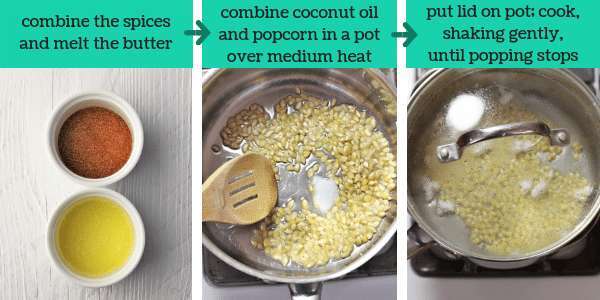
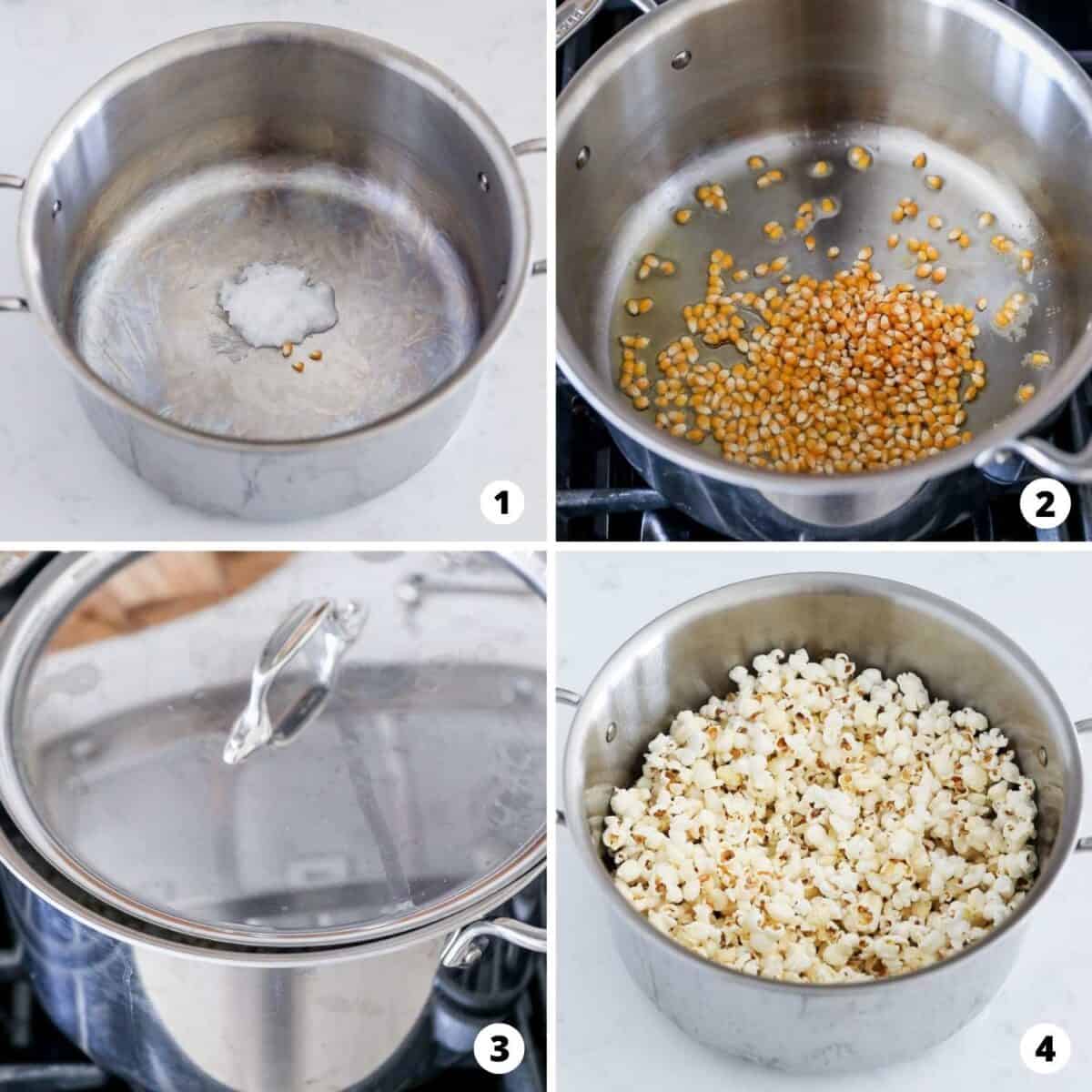
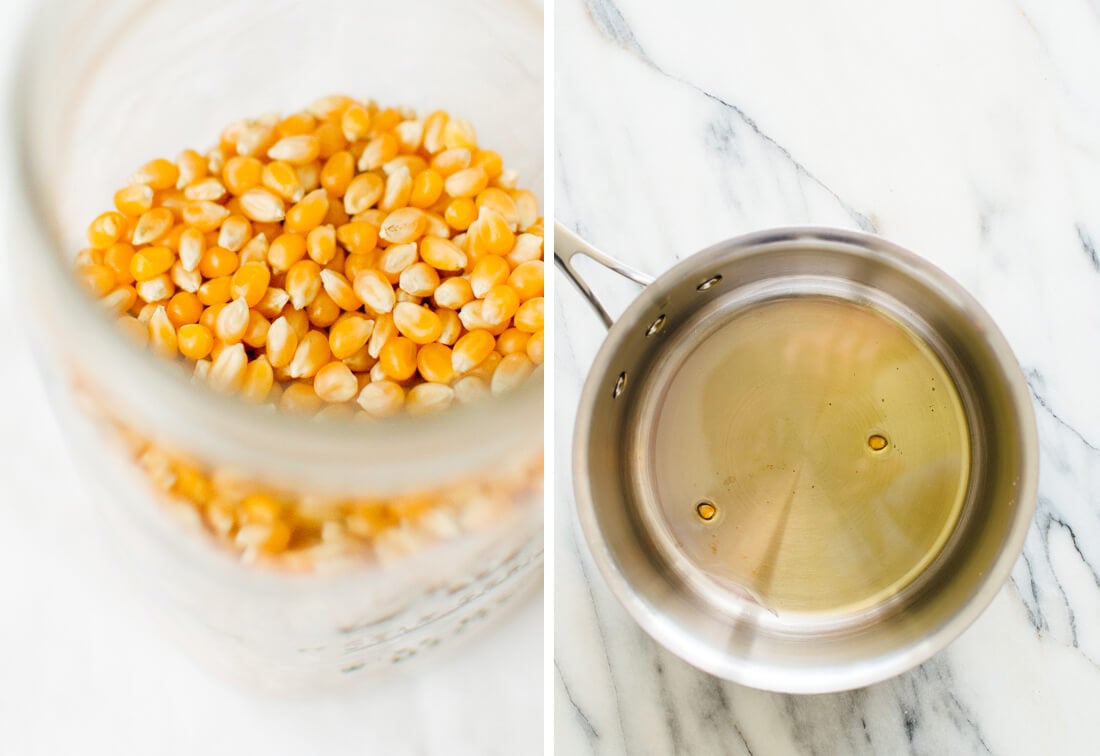
Pour the oil into the pot and place it over medium heat. Add two or three popcorn kernels and cover the pot.
Wait until those test kernels pop. This shows that the oil is hot enough for the rest of the batch. It also helps you avoid adding all the kernels before the oil reaches the right temperature.
3. Add the remaining kernels
Remove the pot from the burner for about 30 seconds. Add the rest of the kernels, then cover the pot again.
This short pause helps the kernels warm more evenly. It reduces the chance that some kernels burn while others are still heating.
4. Return the pot to the stove
Place the covered pot back over medium heat. Gently shake it from side to side every few seconds.
Keep the lid slightly tilted if your lid allows it. This lets steam escape while still keeping the popcorn inside. Too much steam can make popcorn soft instead of crisp.
5. Listen for the popping to slow
When the popping begins, stay near the stove. The sound will become faster, then slow down.
Remove the pot from the heat when there are about two seconds between pops. Do not wait until every kernel pops. A few unpopped kernels are normal, and waiting too long can burn the popcorn at the bottom.
6. Season the popcorn
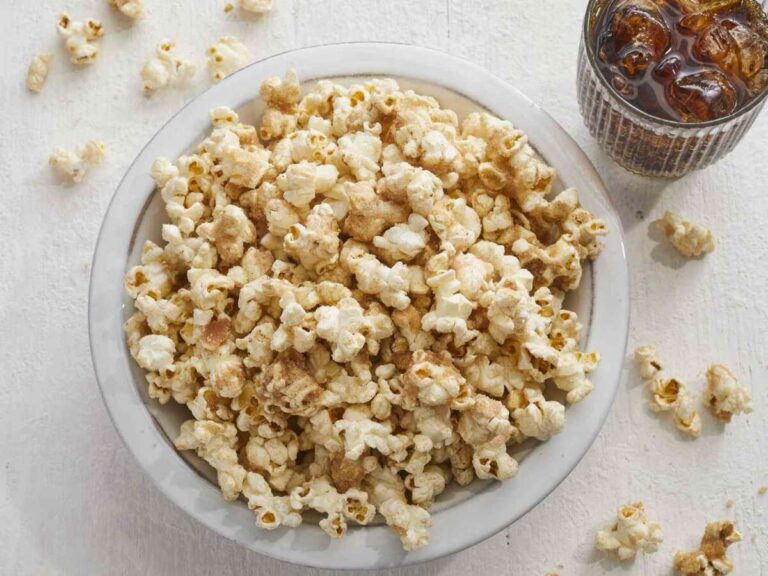
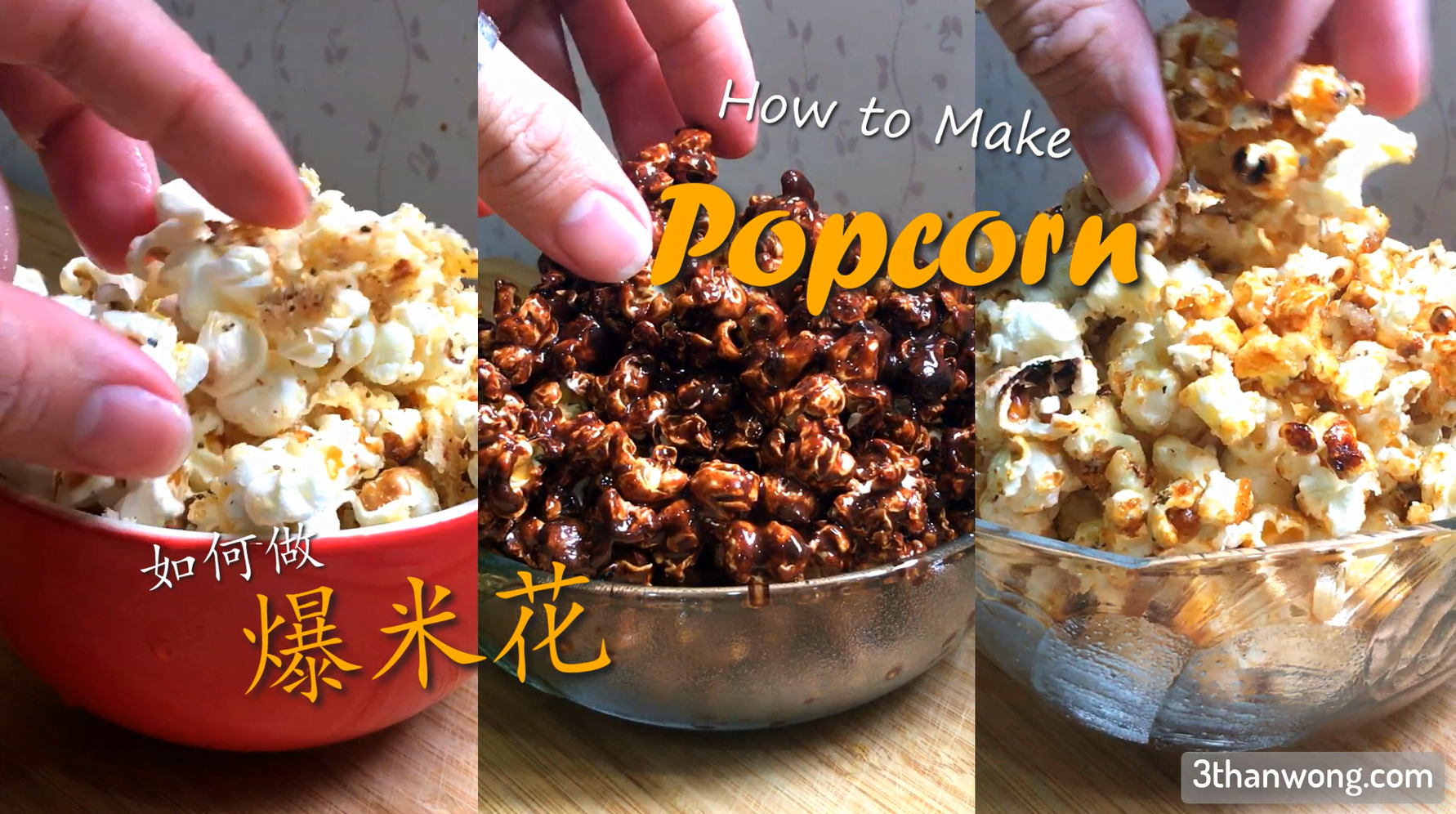
Pour the popcorn into a large bowl. Add melted butter, salt, cheese powder, cinnamon sugar, nutritional yeast, or another seasoning.
Toss the popcorn while adding the seasoning. This spreads the flavor more evenly than pouring everything on top at once.

The Best Heat Level for Stovetop Popcorn
Medium heat is usually the safest starting point. High heat may pop the kernels quickly, but it can also scorch the oil and burn the popcorn before the batch finishes.
Every stove is different. A gas burner may respond quickly, while an electric burner may hold heat longer after you lower it. Watch the popcorn and adjust the heat if you smell burning or see smoke.
A good pattern is:
- Medium heat while the oil warms
- Medium to medium high heat while the kernels pop
- Lower heat if the popcorn is browning too fast
- Immediate removal from heat when popping slows
When I make popcorn on the stove, I focus more on the sound than the clock. Timing can change with the pot, burner, oil, and kernel brand. The popping rhythm gives you better information than a fixed cooking time.
Why Some Popcorn Kernels Do Not Pop
Can you make popcorn on the stove and still have unpopped kernels? Yes. Even with a good method, a few kernels may remain closed.
The most common reason is low moisture inside the kernel. Popcorn needs internal moisture to create steam and pressure. If the kernel is too dry, it may heat without bursting.
Other causes include:
- Oil that is not hot enough
- A pot that spreads heat poorly
- Too many kernels in the pot
- Kernels that are old or damaged
- Heat that is too low during cooking
Do not try to reheat a large batch of unpopped kernels after removing the popcorn. Some may pop suddenly and create a burn risk. It is safer to discard them or save them for another batch.
Common Stovetop Popcorn Mistakes
Small mistakes can change the texture and flavor. These are the problems I see most often when helping people learn how to make popcorn on the stove.
Using too much oil
Extra oil does not guarantee better popcorn. It can make the snack greasy and may cause the kernels to fry instead of pop cleanly.
Use enough oil to lightly coat the bottom of the pot. For most pots, two or three tablespoons are enough for ½ cup of kernels.
Filling the pot too much
Popcorn expands quickly. If the pot is crowded, steam gets trapped and the kernels may cook unevenly.
Leave room for the popped corn to move. If you need a large amount, make two batches instead of forcing everything into one pot.
Forgetting to shake the pot
Kernels resting on the bottom can burn. Gentle shaking keeps them moving through the hot oil.
Hold the lid firmly while shaking. Do not lift the lid while the popcorn is actively popping.
Adding butter too early
Butter contains water and milk solids. If you add it at the start, it may burn before the kernels finish popping.
Use oil for popping. Add melted butter after the popcorn is in the bowl.
Cooking until every kernel pops
This is one of the easiest ways to burn popcorn. Stop when the popping slows to about one pop every two seconds.
The last few kernels are not worth ruining the whole batch.

How to Keep Stovetop Popcorn Crisp
Freshly popped popcorn can become soft when exposed to steam or moisture. The key is to let excess steam escape.
Use these practical tips:
- Keep the lid slightly open during popping if it is safe to do so.
- Pour the popcorn into a wide bowl right away.
- Avoid covering the bowl while the popcorn is hot.
- Add liquid toppings in a thin stream.
- Eat the popcorn soon after making it.
- Store leftovers in an airtight container once they are fully cool.
If butter makes the popcorn soggy, use less butter or clarify it first. You can also drizzle it slowly while tossing the popcorn. This creates a lighter coating.
Do not store warm popcorn in a sealed container. Trapped heat turns into moisture, and that moisture softens the popcorn.

Flavor Ideas for Homemade Stovetop Popcorn
Can you make popcorn on the stove that tastes better than plain salted popcorn? Definitely. Stovetop popcorn is a blank canvas for both sweet and savory flavors.
Try these combinations:
- Garlic and herb: Add garlic powder, dried parsley, and a little grated Parmesan.
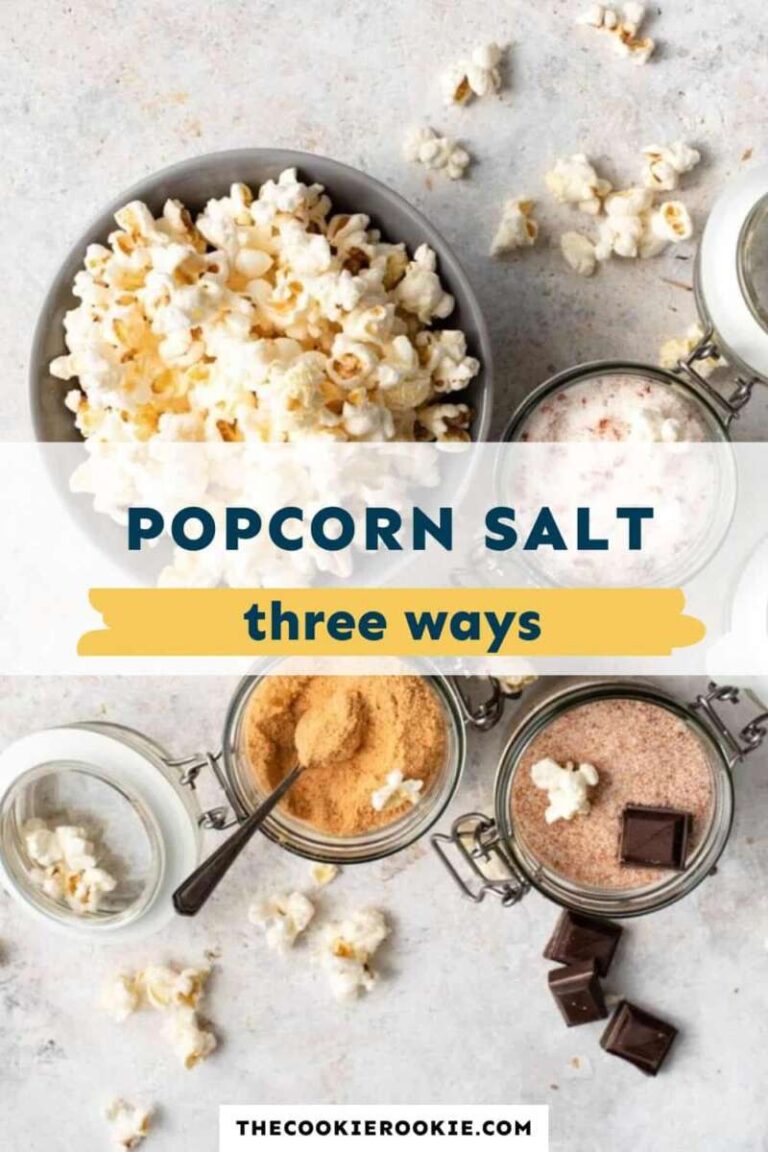
- Movie theater style: Use melted butter and fine popcorn salt.
- Spicy lime: Add chili powder, lime zest, and a small pinch of salt.
- Cinnamon sugar: Toss with cinnamon and powdered sugar after adding a little butter.
- Cheddar style: Use dry cheese powder rather than wet cheese.
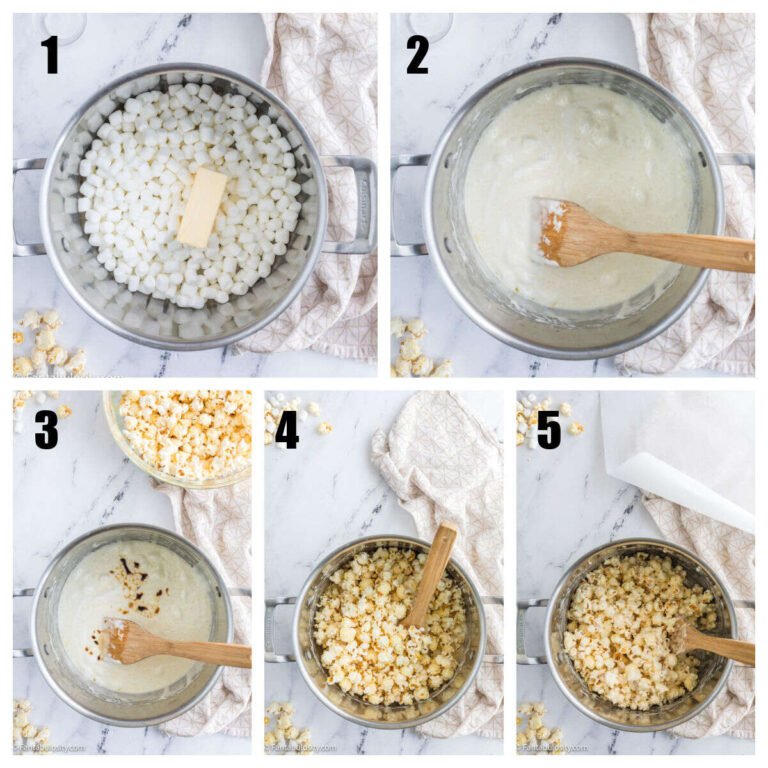
- Caramel: Coat fully popped corn with homemade caramel after cooking.
- Nutritional yeast: Add it for a savory, slightly nutty taste.
- Ranch style: Use a dry ranch seasoning blend in a small amount.
Add delicate seasonings after cooking. Spices can burn when exposed to hot oil for too long. Strong ingredients, such as truffle salt or cayenne pepper, are best added gradually.
Is Stovetop Popcorn Healthier Than Microwave Popcorn?
Stovetop popcorn can be a healthy snack, but the answer depends on the oil, portion size, and toppings. Plain popcorn is a whole grain and provides fiber. The American dietary guidelines recognize popcorn as a whole grain when it is not heavily coated with added fat, sugar, or salt.
Making popcorn on the stove also gives you control over the ingredients. You can choose the oil, limit sodium, and avoid the flavoring used in some packaged products.
However, stovetop popcorn is not automatically healthy. Large amounts of butter, oil, sugar, or salt can raise the calorie and sodium content. A simple serving with modest oil and seasoning is usually a better choice than a heavily coated version.
People with allergies should check seasoning labels. Some flavored powders may contain milk, soy, wheat, or other allergens.
Stovetop Popcorn Safety Tips
Hot oil and steam can cause burns, so use care. Keep the pot handle turned away from the edge of the stove, and use oven mitts if the lid or handle becomes hot.
Never leave popping popcorn unattended. If oil begins to smoke, remove the pot from the burner and let it cool. Do not add water to hot oil.
If a grease fire starts, turn off the heat if you can do so safely and cover the pot with a metal lid. Never pour water onto an oil fire. If the fire does not go out quickly, leave the area and contact emergency services.
Children can help measure kernels or mix seasoning, but an adult should handle the hot pot and oil.
Can You Make Popcorn on the Stove Without Oil?
Can you make popcorn on the stove without oil? Yes, but it is more difficult in a standard pot. Oil helps transfer heat from the pan to the kernels and reduces sticking.
For oil free popcorn, use an air popper or a microwave safe bowl designed for popping. You can also try a dry pot over medium heat, but the kernels may burn or stick before they pop.
If you want less oil rather than no oil, use one teaspoon to lightly coat the pot. A nonstick or heavy bottom pot may improve the result, but always follow the cookware maker’s heat guidance.
Can You Make Popcorn on the Stove With Butter?
Can you make popcorn on the stove with butter? You can, but plain butter is not the best choice for popping because its milk solids can burn.
For a buttery taste, pop the kernels in a neutral oil. Melt butter in a separate pan or microwave safe bowl, then drizzle it over the finished popcorn.
Clarified butter or ghee works better at higher heat because the milk solids have been removed. Even then, watch the temperature closely and avoid letting the fat smoke.