Are Vacuum Cleaner Bags Universal: Bag Compatibility Guide
Most vacuum cleaner bags are not universal; each model usually needs a specific size, shape, seal, and attachment design.
The question “are vacuum cleaner bags universal” sounds simple, but the answer depends on the vacuum type, bag material, collar, and manufacturer. After comparing common bag designs and seeing the problems caused by poor fits, I can say this: choosing the right bag is less about appearance and more about a secure seal and correct airflow. This guide explains how to check compatibility, avoid costly mistakes, and find a safe replacement.
Are vacuum cleaner bags universal?
No, vacuum cleaner bags are not universal. Some bags fit many vacuum models, but most are made for a specific brand, series, or bag design.
A vacuum bag must connect tightly to the intake port. It also needs to sit correctly inside the dust compartment. If the bag is too loose, too short, or shaped differently, dust may escape into the motor and room.
Some manufacturers sell “universal” or “multi-fit” bags. These products often include adjustable cardboard collars, plastic adapters, or cut-to-fit openings. They can work well, but they are not guaranteed to fit every vacuum.
The safest choice is a bag listed for your exact vacuum model. Check the model number on the machine, not only the brand name.

Why vacuum cleaner bags are not one-size-fits-all
Vacuum cleaners use different bag systems. Even two machines from the same company may need different bags.
The main differences include:
• Bag shape: Some bags are flat, while others are tall, tapered, or rectangular.
• Bag size: A small canister may need a compact bag, while a commercial vacuum may need a much larger one.
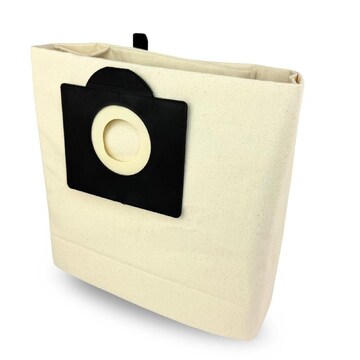
• Collar design: The collar is the opening that slides over the vacuum inlet. Its size and position must match.
• Mounting style: Some bags use a cardboard collar, while others use plastic frames or locking tabs.
• Seal design: Many bags have a self-sealing flap that closes when you remove them.
• Airflow needs: A bag that blocks air can reduce suction and strain the motor.
Think of the bag as a fitted part, much like a furnace filter. A filter that looks close but does not fit can still allow dust to pass around it. The same is true for a vacuum bag.

What does “universal vacuum bag” mean?
A universal vacuum bag is designed to fit several vacuum models rather than one exact machine. It usually has a flexible body and a collar that can be adjusted or trimmed.
Some universal bags have a large opening area marked with several cutting guides. You cut the collar to match the vacuum inlet. Others come with adapters that connect the bag to different port sizes.
These bags can be useful for older vacuums or machines with hard-to-find replacement parts. However, “universal” does not mean “fits every vacuum.” It usually means “fits a range of compatible designs.”
Before buying one, confirm:
• The bag’s stated vacuum brands and models
• The inlet diameter
• The bag length and width
• The collar shape
• The recommended vacuum type
• Whether the bag supports your vacuum’s airflow and power
A universal bag is a practical backup, but an exact-fit bag is usually easier and more reliable.

How to find the correct vacuum cleaner bag
Finding the right bag takes only a few minutes if you follow a clear process.
1. Find the vacuum model number
Look for a label on the back, bottom, side, or inside the bag compartment. The model number may include letters, numbers, or both.
Do not rely on the vacuum’s color or general shape. Several models may look almost identical but use different bags.
2. Check the old bag
Read the code printed on the cardboard collar or fabric. Many replacement bags use a bag number rather than the vacuum model number.
If the old bag has no label, compare its dimensions and collar design with the product photos. Take a picture before removing it.
3. Measure the important parts
Measure the old bag when it is empty or partly full. Note these details:
• Overall length
• Width at the widest point
• Collar width
• Collar opening diameter
• Distance from the collar to the end of the bag
• Location of mounting tabs or slots
A close measurement helps, but it does not replace a model match. The bag’s internal filter area and mounting system also matter.
4. Check the manufacturer’s compatibility list
A reliable product listing should name the exact models that the bag fits. Be careful with listings that only say “fits most” or “universal replacement.”
When I have helped people choose replacement parts, the most common mistake was matching by brand alone. The model number solved the problem almost every time.

Can you use a different brand of vacuum bag?
Yes, a different brand may work if the bag is made for your exact vacuum model. Many aftermarket manufacturers produce compatible bags with similar dimensions and filtration.
A third-party bag should still meet the vacuum’s basic requirements. It needs the correct collar, enough room for dust, and a material that allows proper airflow.
Look for these signs of a good replacement:
• A clear model compatibility list
• Strong seams
• A firm collar
• A snug inlet seal
• Several filtration layers
• A proper closing flap, if your vacuum requires one
Avoid a bag that feels too thin or has a collar that bends easily. A low-cost bag can become expensive if it leaks dust into the motor.
Some vacuums also require certified high-filtration bags. This matters for homes with asthma, allergies, pets, or fine dust. Check the vacuum manual before choosing a generic alternative.

What happens if a vacuum bag does not fit?
Using the wrong bag can cause more than a small loss of convenience. It may affect cleaning performance and the life of the vacuum.
Common problems include:
Reduced suction
A bag that sits in the wrong position can cover an air path. The vacuum then works harder but picks up less dirt.
Dust leakage
A loose collar may allow dust to escape around the inlet. Fine dust can move into the motor or back into the room.
Bag collapse
Some bags fold inward when the vacuum runs. This can happen when the shape is wrong or the material is too weak.
Motor overheating
Blocked airflow makes the motor work harder. Over time, this may lead to overheating or premature wear.
Difficulty closing the compartment
A bag that is too large may prevent the cover from locking. Never force the cover closed, since this can damage the latch or compress the bag.
Poor filtration
Even when the bag physically fits, it may not filter fine particles well. A compatible HEPA-style bag may be a better choice for sensitive households.
If the vacuum sounds different after installing a new bag, turn it off and check the fit. A high-pitched sound, weak airflow, or unusual heat is a warning sign.

How to install a vacuum cleaner bag correctly
Correct installation helps the bag perform as designed. Always unplug the vacuum before opening the bag compartment.
-
Open the bag door or dust compartment.
-
Remove the full bag by holding the collar, not the fabric.
-
Close the old bag’s flap if the design includes one.
-
Inspect the intake port for dirt or a damaged gasket.
-
Slide the new collar fully onto the inlet.
-
Place the bag inside the compartment without folding the intake area.
-
Spread the bag so it can expand as it fills.
-
Close the cover without forcing it.
-
Run the vacuum for a few seconds and listen for normal airflow.
Do not reuse a disposable paper bag. Removing it can stretch the collar or tear the seams. Reusable cloth bags are different, but they must be designed for that vacuum and washed or emptied as directed.

Paper, synthetic, and reusable vacuum bags
Bag material affects filtration, strength, capacity, and cost.
Paper bags
Paper bags are often affordable and easy to find. They work well for ordinary household dust, but lower-quality paper may tear when exposed to sharp debris or moisture.
Paper can also clog faster when used for fine powder. Never use a household vacuum to collect wet material unless the machine is designed for wet pickup.
Synthetic bags
Synthetic bags usually contain several layers of nonwoven material. They often hold more dust, resist tearing, and maintain airflow better than basic paper bags.
They can be a good choice for homes with pets because they handle hair and fine dander well. The exact performance depends on the bag’s construction.
HEPA and high-filtration bags
A HEPA filter captures very small particles under controlled test conditions. A bag labeled “HEPA-style” may not meet the same standard, so read the packaging carefully.
A high-filtration bag is useful for fine dust, pollen, and pet dander. It does not eliminate all airborne particles, and the vacuum must also have a well-sealed body and exhaust filter.
Reusable cloth bags
Reusable bags reduce disposable waste and may save money over time. They also require more maintenance and can release dust when emptied.
Use only a reusable bag made for the vacuum. A homemade cloth bag may not seal correctly or provide enough filtration.
Universal vacuum bags: benefits and limits
Universal bags offer several benefits. They can help when the original bag is discontinued, unavailable locally, or expensive. They may also be useful for people who own several older machines.
Still, universal products have limits:
• They may require cutting or fitting an adapter.
• The collar may not create a perfect seal.
• The bag may not expand properly inside the compartment.
• Filtration may vary by brand.
• The stated compatibility range may be broad but incomplete.
• A poor fit can cancel out the lower purchase price.
A universal bag is most suitable when its instructions clearly show how it fits your vacuum. If the product requires guesswork, choose an exact replacement instead.
Common mistakes to avoid
Small errors can lead to poor cleaning or damage. Keep these points in mind:
• Buying by brand only: One brand can use many different bag types.
• Ignoring the model number: The model number is the best compatibility check.
• Choosing the largest bag: More capacity does not help if the bag blocks airflow.
• Forcing the collar: A forced fit can cause leaks.
• Reusing a disposable bag: The seal and seams may fail after removal.
• Waiting until the bag is completely packed: A full bag reduces airflow and suction.
• Using a wet bag: Moisture can damage paper and encourage odor or mold.
• Throwing away the old bag too soon: Keep it until the new one fits correctly.
A good rule is simple: if the compartment will not close easily, stop and check the bag. The vacuum should never need force.
How often should you replace a vacuum bag?
Replace the bag when it is about two-thirds to three-quarters full, or sooner if suction drops. Fine dust can restrict airflow before the bag looks full.
Homes with pets, children, or renovation dust may need more frequent changes. A vacuum used for light cleaning may go much longer between replacements.
Watch for these signs:
• Weaker suction
• A dusty smell
• A change in motor sound
• A full-bag indicator
• A bag that looks swollen or packed
• Dust around the compartment
Changing the bag before it is completely full helps protect airflow. It also prevents the sudden burst of dust that can occur when an overloaded bag is removed.
Are vacuum cleaner bags universal for shop vacuums?
Shop vacuum bags are not universally compatible either. Shop vacuums vary by tank size, inlet design, bag height, and mounting ring.
Some shop-vac bags fit a group of tank sizes. Others are made for one specific brand or series. A bag designed for dry debris may not be suitable for liquids, and using one during wet pickup can damage it.
Check the tank capacity and the bag’s intended use before installation. For sawdust, drywall dust, or fine powder, use a bag rated for that material and keep the main filter installed when the instructions require it.
Frequently asked questions about whether vacuum cleaner bags are universal
Are vacuum cleaner bags universal across all brands?
No. Vacuum bags differ by model, collar, size, and mounting system. Some aftermarket bags fit multiple brands, but you must confirm the exact compatibility list.
Can I use a larger vacuum bag if it fits the opening?
Not always. A larger bag may fold, block airflow, or prevent the compartment door from closing. The bag should match the vacuum’s recommended dimensions and shape.
How do I know if a universal vacuum bag will fit?
Compare the listed vacuum models, collar size, bag dimensions, and mounting method. If the package includes an adapter or cutting guide, follow those instructions exactly.
Are generic vacuum bags safe to use?
Generic bags can be safe when they are made for the exact vacuum and seal properly. Choose a reputable product with strong seams, suitable filtration, and clear model compatibility.
Can I vacuum without a bag?
Only if the vacuum is designed as a bagless model or specifically allows bag-free use. Running a bagged vacuum without its bag can send dust into the motor and cause serious damage.
Do vacuum bags improve air quality?
A well-made bag captures much of the dust collected by the vacuum. However, overall air quality also depends on the exhaust filter, body seals, and how carefully the bag is removed.
Can I wash and reuse a disposable vacuum bag?
No. Disposable paper and synthetic bags are not designed for washing or repeated use. Washing can destroy the filter layers and weaken the seams.
Conclusion
So, are vacuum cleaner bags universal? In most cases, no. A few multi-fit bags work across several models, but the safest option is a bag made for your exact vacuum.
Check the model number, compare the collar and dimensions, and make sure the bag seals without force. Choose strong filtration if your home has pets, allergies, or fine dust. A few minutes of checking can protect your vacuum, improve suction, and prevent dust from spreading.
Use this guide the next time you shop for replacement bags, and share your vacuum model or fitting experience in the comments.

Liora Pennings is a seasoned chef and kitchen enthusiast with a passion for turning everyday cooking into an effortless experience. With years of hands-on culinary expertise, she specializes in practical techniques, ingredient know-how, and smart kitchen solutions that help home cooks elevate their meals. At KitchFlair.com, Liora shares her best tips, time-saving tricks, and honest product reviews to guide readers toward a more efficient, enjoyable, and inspired cooking routine. Whether you’re a beginner or a seasoned home chef, Liora’s friendly, knowledge-packed insights make every visit to the kitchen a little easier—and a lot more delicious.