What Makes The Popcorn Pop: The Science Explained
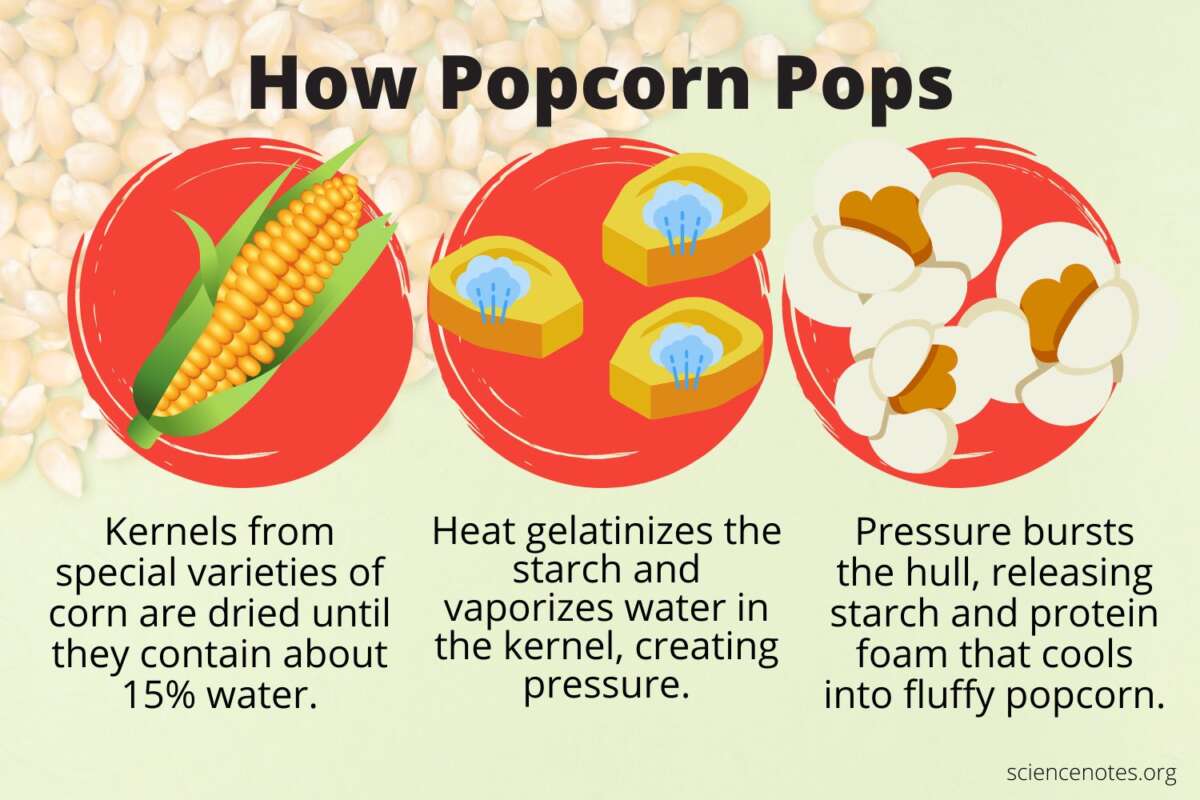
Popcorn pops when water inside its hard shell turns to steam and bursts the kernel under pressure.
What makes the popcorn pop is a simple but remarkable mix of heat, water, pressure, and starch. Each kernel acts like a tiny pressure cooker. Once you understand how its shell traps steam, you can pop better popcorn, avoid burnt batches, and explain the science behind one of America’s favorite snacks.
What Makes the Popcorn Pop?
Popcorn pops because a small amount of water inside the kernel becomes steam when heated. The kernel’s tough outer shell traps that steam until the pressure becomes too strong. Then the shell breaks, and the soft starch inside expands into the white, fluffy popcorn we eat.
A popcorn kernel usually contains about 13% to 15% moisture. This water is essential. Without enough water, the kernel may heat up, scorch, and stay hard. With too much or too little moisture, the kernel may not pop well.
The process has four main parts:
• Heat warms the kernel and its inner water.
• Water changes from liquid to steam.
• The shell holds the steam under pressure.
• The shell bursts, allowing starch to expand quickly.
This is what makes the popcorn pop. The explosion is not caused by air inside the kernel. It comes from steam pressure built by the kernel’s natural moisture.
A useful way to picture it is to imagine a tiny pressure cooker with a hard lid. The kernel stores water, starch, and a protective shell in one small package. When heat reaches the right level, the pressure forces the lid open.

The Science Inside a Popcorn Kernel
A popcorn kernel has three main parts: the pericarp, the endosperm, and the germ. Each part helps explain what makes the popcorn pop.
The pericarp
The pericarp is the hard outer hull. It works like a sealed container. It must be strong enough to keep steam inside while the kernel heats.
If the hull has a crack, steam can escape too early. That kernel may become hot but fail to pop. This is one reason damaged or old popcorn often leaves more unpopped kernels.
The endosperm
The endosperm is the starchy part inside the kernel. It contains two forms of starch that soften when heated. As steam pressure builds, the hot water softens this starch.
When the hull breaks, the starch expands rapidly. The sudden pressure change turns the softened starch into the familiar light, airy shape.
The germ
The germ is the small part that can grow into a new corn plant. It contains nutrients and natural oils. While it does not create the main popping force, it contributes to the kernel’s flavor and food value.
Together, these parts create the conditions that explain what makes the popcorn pop. The hull traps steam, the water creates pressure, and the starch expands.

How Heat Turns a Kernel Into Popcorn
The popping process starts well before the dramatic burst. A kernel passes through several stages as it heats.
-
The kernel warms from the outside inward.
-
Water inside the kernel changes into steam.
-
Steam pressure rises inside the sealed hull.
-
The starch softens and becomes flexible.
-
The hull cracks when pressure exceeds its strength.
-
The hot starch expands through the opening.
-
The starch cools and hardens into popped corn.
Scientists estimate that popcorn kernels can reach an internal temperature near 356°F before popping. At that point, pressure inside the kernel becomes high enough to break the hull.
The exact temperature can vary. Kernel size, moisture level, hull strength, pan temperature, and cooking method all affect the result. Still, the key idea stays the same: what makes the popcorn pop is steam pressure acting on softened starch.
The expansion happens very fast. Steam takes up much more space than liquid water. When the hull opens, the steam expands and pushes the starch outward in many directions. That rapid expansion creates the rough, folded shape of popcorn.

Why Some Kernels Do Not Pop
Even a full bag of popcorn can leave behind a few hard kernels. These are often called old maids. Several factors can explain why they remain unpopped.
Low moisture
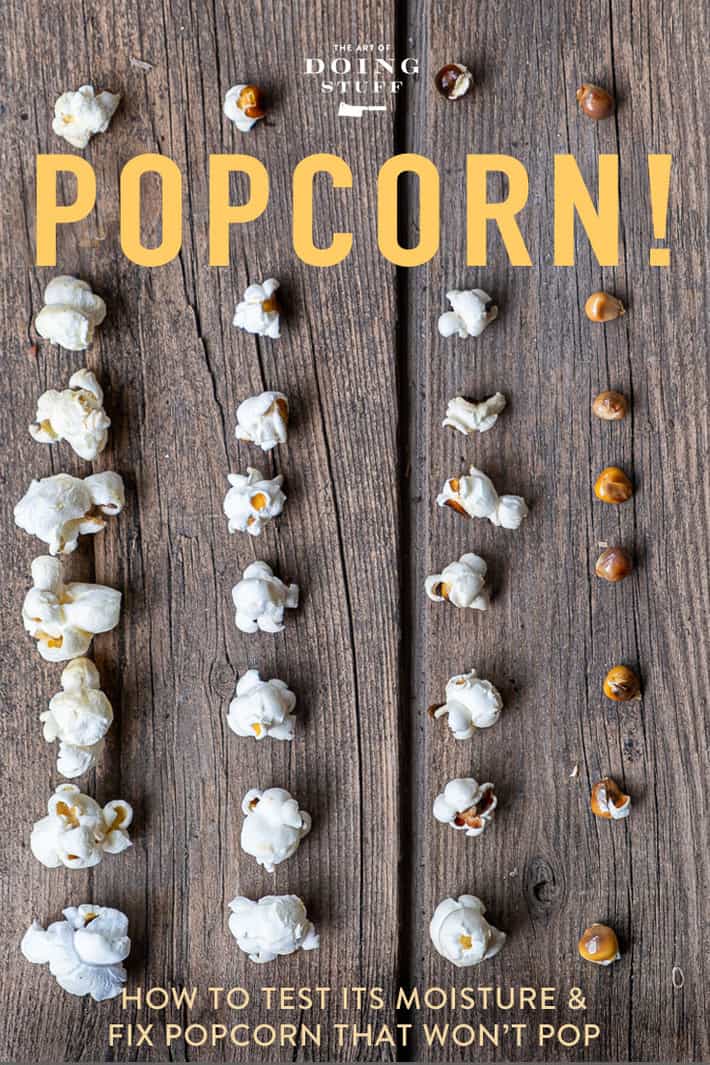
A dry kernel may not contain enough water to create strong steam pressure. It can heat, darken, and burn without bursting.
A cracked hull
A tiny crack can let steam escape. Since the pressure never reaches the needed level, the kernel may stay closed.
Uneven heating
If the pan or microwave heats unevenly, some kernels may not get enough heat. Other kernels may burn before the cooler ones pop.
Poor storage
Popcorn loses moisture when stored in a dry place for too long. An open bag or poorly sealed container can reduce its popping quality.
Excess moisture
Too much water can also cause trouble. The kernel may become soft or produce popcorn with a dense, chewy texture. Good popcorn needs a narrow moisture range.
This explains why what makes the popcorn pop depends on balance. The kernel needs enough water to create steam, but it also needs a strong, intact shell to hold that steam.
Does Oil Make Popcorn Pop?
Oil does not directly make popcorn pop. Steam pressure inside the kernel causes the popping action. However, oil helps transfer heat evenly from the pan to the kernels.
Oil also reduces direct contact between the kernels and the hot pan. This can lower the chance of scorching. It helps the kernels heat more evenly, especially when you shake the pan gently.
Good oils for stovetop popcorn include:
• Canola oil
• Avocado oil
• Peanut oil
• Coconut oil
• Sunflower oil
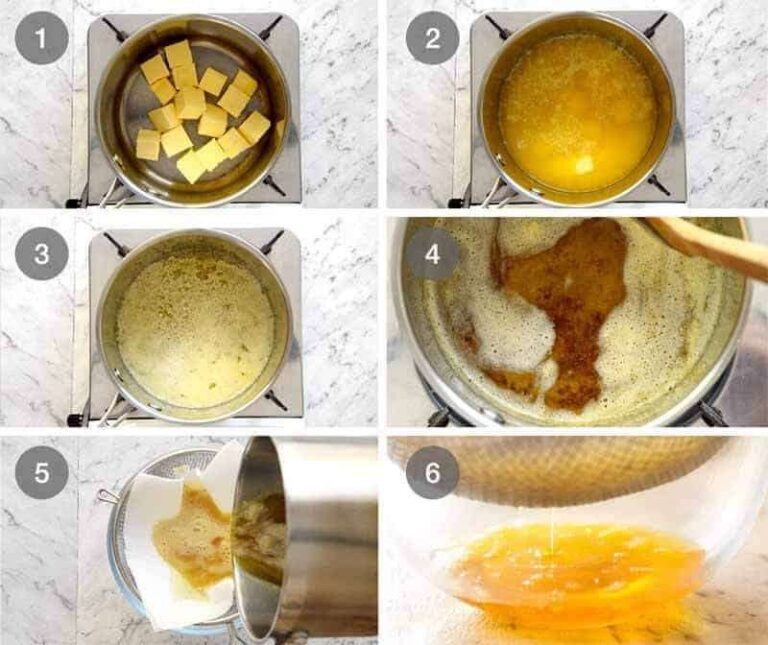
Choose an oil with a smoke point that suits the cooking temperature. Butter is less reliable for popping because its milk solids and water can burn. You can add melted butter after popping for flavor.
If you use too much oil, the popcorn may taste greasy. If you use too little, the kernels may heat unevenly. In most home kitchens, about 2 to 3 tablespoons of oil for ½ cup of kernels works well.
So, when asking what makes the popcorn pop, remember that oil supports the process but does not supply the pressure. The kernel’s internal water does that job.

Microwave Popcorn and Stovetop Popcorn
Microwave and stovetop popcorn use the same basic science. Both methods heat the water inside the kernels until steam pressure breaks the hull.
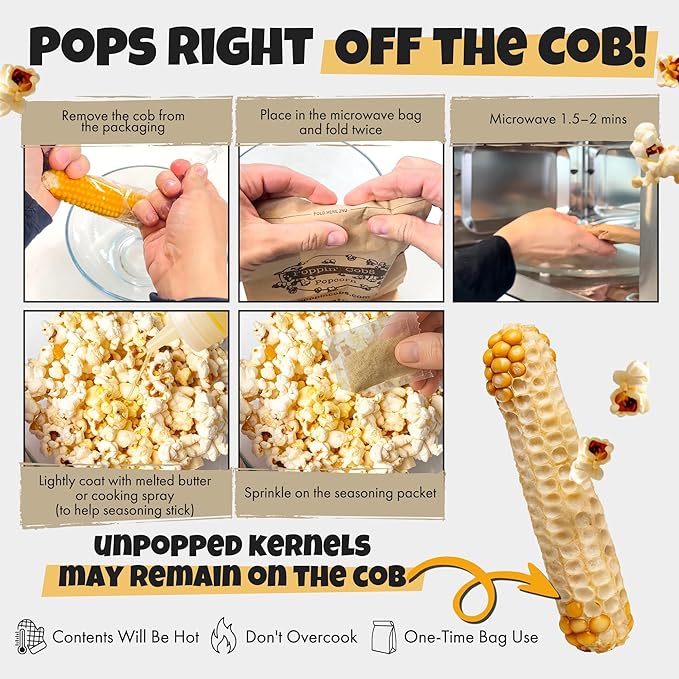
Microwave ovens heat food by exciting water molecules. The water in each kernel absorbs energy and turns into steam. The bag often contains oil and flavoring, but the moisture inside the kernel remains the main popping force.
Stovetop cooking transfers heat from the pan through oil and into the kernels. Moving the pan helps spread the heat. A lid keeps the kernels from flying around while allowing some steam to escape.
For better stovetop results:
-
Add oil and two or three test kernels to a heavy pot.
-
Cover the pot and heat it over medium heat.
-
When the test kernels pop, add the remaining kernels.
-
Shake the pot gently to spread heat.
-
Remove it from the burner when pops slow to about two seconds apart.
-
Pour the popcorn into a bowl right away.
This method prevents many kernels from burning while waiting for the last few to pop. It also shows how what makes the popcorn pop depends on controlled heat, not simply high heat.

Why Popcorn Has Different Shapes
You may notice that some popcorn looks round and compact, while other pieces have large wings or irregular folds. The shape depends on the kernel variety and the way its hull splits.
Two common commercial types are mushroom and butterfly popcorn.
Mushroom popcorn
Mushroom popcorn forms a round shape. It is often used for caramel corn because its broad surface holds coatings well.
Butterfly popcorn
Butterfly popcorn develops wings and irregular shapes. It is common in movie theaters and home microwave bags because it feels light and crisp.
The amount of starch, the shape of the kernel, and the pattern of hull damage all affect the final form. The core science remains unchanged. Steam expands the starch after the hull opens.
Shape does not always determine taste. Freshness, cooking temperature, oil, salt, and added toppings often have a greater effect on flavor.
Common Mistakes That Stop Popcorn From Popping
Small changes in preparation can make a major difference. These are common mistakes worth avoiding.
• Using old kernels: Store kernels in an airtight container at room temperature.
• Cooking over extreme heat: Very high heat may burn the outside before the inside builds enough pressure.
• Leaving the lid sealed too tightly: A small vent helps excess steam leave while keeping kernels contained.
• Adding butter too early: Butter can burn before the kernels finish popping.
• Overfilling the pan: Kernels need room to move and heat evenly.
• Ignoring the popping sound: Slow pops often mean the batch is nearly done.
• Storing popcorn in the refrigerator: Cold storage can change moisture balance and may lead to poor texture.
In kitchen tests, one of the most useful lessons is to listen rather than watch the clock. Popcorn kernels vary, but the sound of popping gives a better signal. When the gaps between pops become longer, remove the pot from heat.
Another practical lesson is to avoid chasing every last kernel. A few unpopped pieces are safer than a burned batch. This simple habit protects both the popcorn and the pan.

How to Store Popcorn Kernels
Proper storage helps preserve the moisture that explains what makes the popcorn pop. Keep kernels in a sealed container away from heat, sunlight, and very dry air.
A pantry shelf is usually best. Do not leave the bag open for weeks. Moisture can slowly escape, and the kernels may lose their ability to build pressure.
For the best results:
• Use an airtight glass or plastic container.
• Keep kernels at room temperature.
• Avoid storing them near the stove.
• Buy a reasonable amount instead of a large supply.
• Check for cracks, mold, or unusual odors before use.
Do not try to restore dry kernels by adding water directly to them. Added water may not spread evenly and can create inconsistent results. Commercial popcorn producers use controlled moisture methods, but home storage is the safer and simpler solution.
Is Popcorn Healthy?
Plain air-popped popcorn can be a nutritious whole-grain snack. It contains fiber and is naturally low in calories when prepared without large amounts of oil, butter, sugar, or salt.
The nutrition changes with the toppings. Movie theater popcorn and packaged varieties may contain much more sodium, saturated fat, or added flavoring than plain popcorn.
A balanced serving might include:
• Air-popped popcorn
• A small amount of olive or avocado oil
• Light seasoning
• Nutritional yeast for a savory flavor
• Cinnamon for a sweet taste without much sugar
Popcorn is not automatically healthy or unhealthy. The kernel is a whole grain, but the final food depends on preparation. Understanding what makes the popcorn pop can help you prepare it with less oil and fewer additives.
People with dental concerns should also be careful. Unpopped kernels and hard hull pieces can be tough on teeth. Eat slowly and remove hard pieces before serving young children.
Frequently Asked Questions About What Makes the Popcorn Pop
What makes the popcorn pop inside the kernel?
Water inside the kernel turns into steam when heated. The hard hull traps the steam until pressure breaks the shell and expands the softened starch.
Does popcorn need oil to pop?
No, popcorn does not need oil to pop. Oil helps conduct heat and prevent scorching, but the kernel’s internal water creates the steam pressure.
Why do some popcorn kernels stay unpopped?
Unpopped kernels may have too little moisture, a cracked hull, poor storage, or uneven heating. Any of these problems can prevent enough pressure from building.
Can you make popcorn pop without a microwave or oil?
Yes, you can air-pop kernels in a hot-air popper or a suitable covered pot without oil. The key requirement is still enough heat to turn the kernel’s internal water into steam.
What temperature makes popcorn pop?
Popcorn commonly pops when its interior reaches roughly 356°F, although the exact temperature varies. Moisture, hull strength, kernel type, and heating speed all affect the timing.
Is popcorn a whole grain?
Yes, popcorn is a whole grain because it contains the bran, germ, and endosperm. Its health value depends on toppings and portion size.
Conclusion
What makes the popcorn pop is the pressure created when water inside the kernel turns into steam. The strong hull traps that steam, while heat softens the starch. When the hull bursts, the starch expands into the fluffy snack we know as popcorn.
For better results, store kernels in an airtight container, use moderate heat, avoid overcrowding the pan, and stop cooking when the pops slow down. Try these steps in your own kitchen, then share your favorite popcorn method or seasoning in the comments.

Liora Pennings is a seasoned chef and kitchen enthusiast with a passion for turning everyday cooking into an effortless experience. With years of hands-on culinary expertise, she specializes in practical techniques, ingredient know-how, and smart kitchen solutions that help home cooks elevate their meals. At KitchFlair.com, Liora shares her best tips, time-saving tricks, and honest product reviews to guide readers toward a more efficient, enjoyable, and inspired cooking routine. Whether you’re a beginner or a seasoned home chef, Liora’s friendly, knowledge-packed insights make every visit to the kitchen a little easier—and a lot more delicious.