How To Make Better Popcorn: Easy Tips
Use fresh kernels, enough oil, steady heat, and smart seasoning for crisp, fluffy popcorn every time.
Learning how to make better popcorn is less about buying fancy equipment and more about controlling heat, moisture, oil, and timing. After testing stovetop, microwave, and air-popped methods, I have found that small changes make the biggest difference. This guide will help you avoid burnt kernels, chewy texture, bland flavor, and wasted batches.
Choose the Right Popcorn Kernels
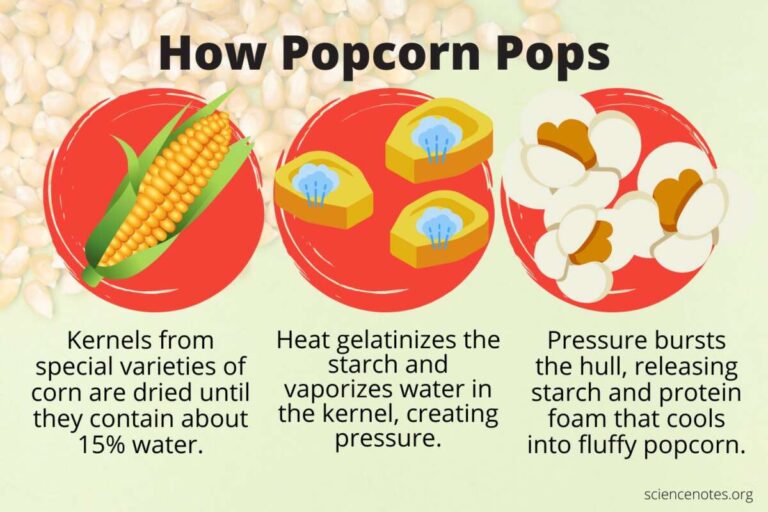
Good popcorn starts with good kernels. Popcorn is a special type of corn with a hard outer shell and a small amount of water trapped inside. When heated, that water turns to steam and expands until the shell bursts.
Fresh kernels usually pop better because they hold the right amount of moisture. Old kernels may still pop, but they often leave more unpopped pieces and produce smaller, tougher flakes.
Look for:
• Fresh kernels in a sealed bag or container
• Yellow kernels for large, classic popcorn
• White kernels for smaller, tender flakes
• Mushroom kernels for caramel corn and coated snacks
• Kernels stored in a cool, dry place
Do not store popcorn in the refrigerator. The cold air can dry the kernels and may affect their ability to pop. An airtight container in a pantry works well.
Use the Best Oil for the Job
Oil helps spread heat across the pot and adds flavor. The best oil depends on the cooking temperature and the taste you want.
Good choices include:
• Canola oil for a mild, neutral taste
• Vegetable oil for an affordable everyday option
• Coconut oil for a movie theater style flavor
• Avocado oil for high heat and a light taste
• Peanut oil for a rich, slightly nutty flavor
Avoid using butter as the only cooking fat. Butter contains water and milk solids, so it can burn before the kernels finish popping. Use clarified butter, also called ghee, for cooking, or add regular melted butter after popping.
A useful rule is to use about 2 tablespoons of oil for every ½ cup of kernels. The kernels should sit in a thin layer across the bottom of the pan, not swim in oil.
When I first learned how to make better popcorn, I used too much oil and blamed the kernels for the greasy result. Reducing the oil made the popcorn lighter while keeping every kernel coated with heat.
Make Stovetop Popcorn Step by Step
The stovetop method gives you the most control over flavor, texture, and batch size. A heavy pot with a lid works best because it holds heat evenly and reduces scorching.
Follow these steps:
-
Add 2 tablespoons of oil and 2 or 3 kernels to a large, heavy pot.
-
Cover the pot and place it over medium heat.
-
Wait until the test kernels pop.
-
Remove the pot from the heat for about 30 seconds.
-
Add the remaining ½ cup of kernels.
-
Cover the pot and return it to medium heat.
-
Gently shake the pot every few seconds.
-
Leave the lid slightly open if steam needs to escape.
-
Remove the pot when pops slow to about 2 seconds apart.
-
Pour the popcorn into a wide bowl right away.
The short pause before adding all the kernels helps them heat more evenly. This simple trick can create more popped kernels and fewer burnt pieces.
Do not keep cooking until every kernel pops. The last few kernels are often surrounded by popcorn that is already burning. Learning how to make better popcorn means knowing when to stop.
Control Heat and Steam
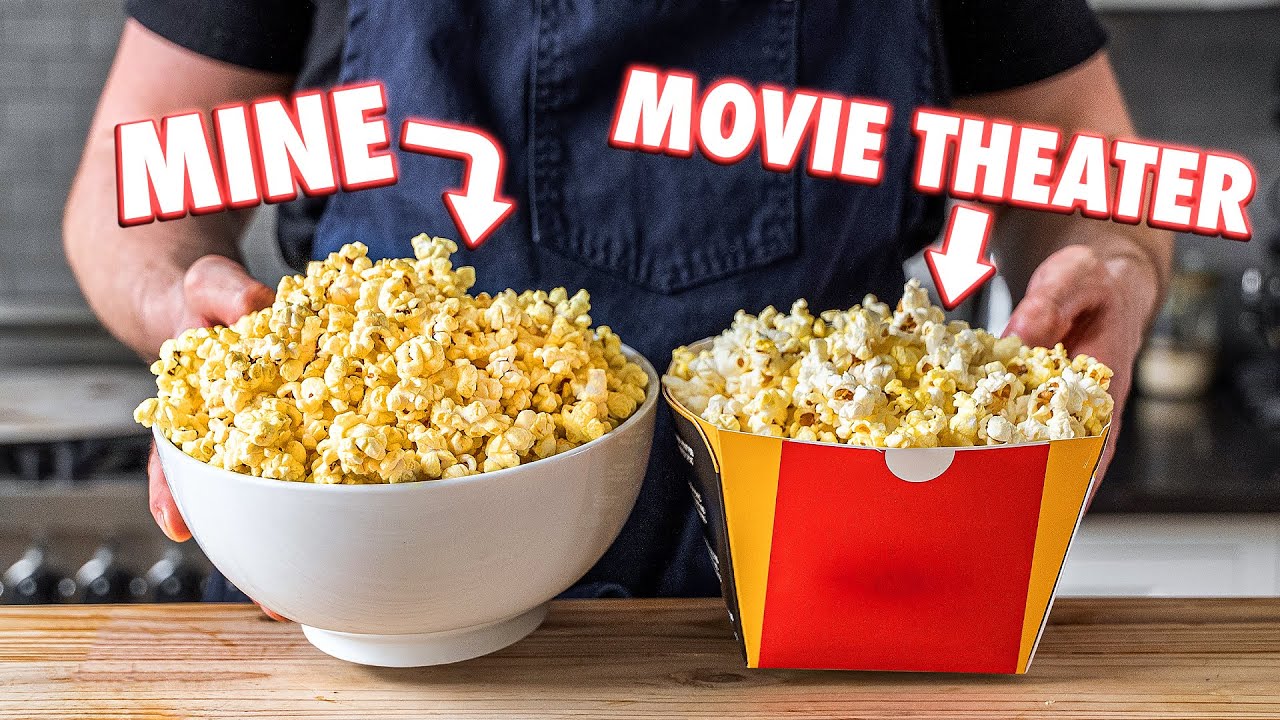
Heat is the main factor that separates fluffy popcorn from burnt popcorn. High heat can pop kernels quickly, but it also creates hot spots and scorched pieces. Medium heat gives the kernels time to heat through.
Steam matters just as much. Freshly popped corn releases moisture. If that steam stays trapped under a tight lid, the popcorn can become soft and chewy.
Use these heat and steam tips:
• Start at medium heat instead of high heat.
• Shake the pot gently to prevent hot spots.
• Keep the lid on while kernels are popping.
• Tilt the lid slightly near the end to release steam.
• Move the popcorn to a bowl as soon as popping slows.
A heavy-bottomed pot spreads heat better than a thin saucepan. If your pot has a narrow base, make smaller batches so the kernels do not pile up.
Improve the Popcorn Texture
Great popcorn should feel light, crisp, and slightly tender. Texture problems usually point to one of three causes: old kernels, trapped steam, or too much liquid seasoning.
For crisp popcorn:
• Use fresh kernels.
• Do not overcrowd the pot.
• Vent steam near the end of cooking.
• Serve the popcorn soon after it is made.
• Add wet toppings in small amounts.
If popcorn turns chewy, spread it on a baking sheet and warm it in a 250°F oven for 5 to 10 minutes. Watch it closely. This can remove some moisture, but it will not fix popcorn that was badly burned.
For extra crispness, let the popcorn cool for a minute before adding sauces or melted butter. A hot coating can soften the flakes quickly.
Season Popcorn So Flavor Sticks
Salt often falls to the bottom because regular table salt has larger grains than the popcorn surface can hold. The solution is not simply adding more salt. Use a finer powder or grind the salt before applying it.
Try these seasoning methods:
• Toss popcorn with fine salt while it is still warm.
• Spray or drizzle a small amount of melted butter over the bowl.
• Toss in layers rather than seasoning only the top.
• Use nutritional yeast for a savory, cheesy taste.
• Add smoked paprika for gentle heat and depth.
• Mix cinnamon and sugar for a sweet snack.
• Add garlic powder, but use a light hand.
A shaker with very fine salt gives more even coverage. You can also pulse regular salt in a clean spice grinder for a few seconds.
When I test a new popcorn seasoning, I add only half the planned amount first. It is easy to add more, but nearly impossible to rescue popcorn that is too salty.
Make Better Microwave Popcorn
Microwave popcorn is fast, but packaged products can vary in salt, fat, and flavor. You can make plain microwave popcorn with kernels and a microwave-safe bowl.
Place ¼ cup of kernels in a large microwave-safe glass bowl. Cover it with a vented microwave lid or a microwave-safe plate that allows steam to escape. Heat on high for about 2 to 4 minutes, stopping when pops are 2 seconds apart.
Timing varies by microwave wattage and bowl shape. Stay nearby and listen rather than relying only on the clock.
For safer and better results:
• Use a bowl large enough for the popcorn to expand.
• Never use a sealed container.
• Do not use metal in the microwave.
• Stop cooking when popping slows.
• Use oven mitts because the bowl and steam can be very hot.
This method is one of the easiest ways to make better popcorn without added oil. The texture may be slightly different from stovetop popcorn, but proper timing keeps it fresh and crisp.