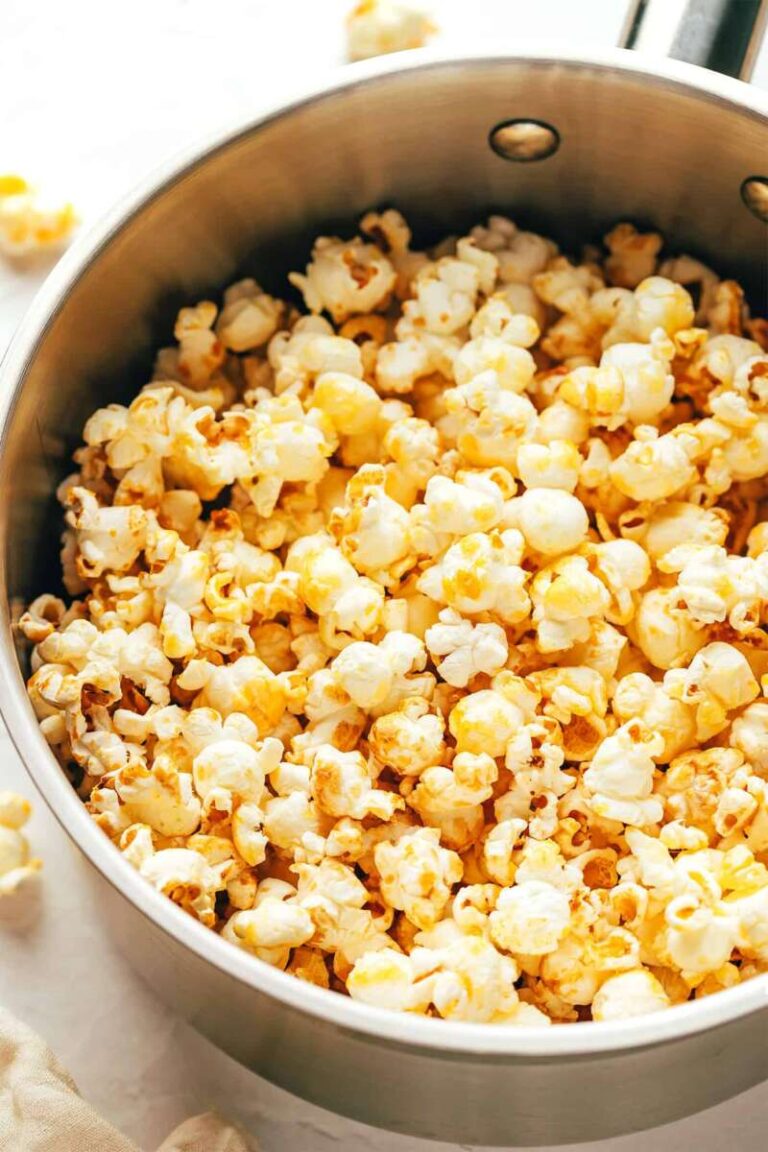
How Many Kernels Make 3 Cups Of Popcorn: Easy Guide
About 150 to 200 popcorn kernels usually make 3 cups of popped popcorn.
Knowing how many kernels make 3 cups of popcorn helps you portion snacks, plan movie nights, and avoid wasting kernels. The best estimate is about 2 tablespoons, or roughly 21 to 24 grams, of unpopped kernels. Still, kernel size, moisture, popping method, and unpopped pieces can change the final amount. This guide explains the math, the best measuring method, and simple ways to get three full cups every time.
How many kernels make 3 cups of popcorn?
The short answer is about 150 to 200 unpopped popcorn kernels. For most standard yellow or white popcorn, 2 tablespoons of kernels will produce close to 3 cups of popped popcorn.
A practical estimate looks like this:
• 2 tablespoons of kernels: about 150 to 200 kernels
• 2 tablespoons of kernels: about 21 to 24 grams
• 2 tablespoons of kernels: about 3 cups of popped popcorn
• 1/4 cup of kernels: about 4 to 6 cups of popped popcorn
The number is not exact because popcorn kernels come in different sizes. A small mushroom kernel may weigh less than a large butterfly kernel. Some kernels may also fail to pop.
If you need exactly 3 cups for a recipe, measure the kernels by weight when possible. Start with about 22 grams. Pop them, then remove any hard, unpopped pieces before measuring the finished popcorn.
The popcorn kernel-to-cup conversion
Popcorn expands because each kernel holds a small amount of water inside its starchy shell. When heated, that water turns into steam. Pressure builds until the shell breaks, and the soft starch expands into the familiar fluffy shape.
Most popcorn expands by about 30 to 40 times its original volume. This explains why a small amount of kernels can fill a large bowl. It also explains why a small change in kernel quantity can make a noticeable difference.
Here is a simple conversion chart:
| Unpopped kernels | Approximate popped popcorn |
|---|---|
| 1 tablespoon | 1 1/2 to 2 cups |
| 2 tablespoons | 2 1/2 to 3 1/2 cups |
| 1/4 cup | 4 to 6 cups |
| 1/2 cup | 8 to 12 cups |
| 1 cup | 16 to 24 cups |
These numbers are estimates, not strict rules. Fresh kernels with good moisture often pop more fully. Old or poorly stored kernels may produce less popcorn, even when you use the same amount.
For this reason, how many kernels make 3 cups of popcorn is best treated as a range rather than one fixed number.

Why the number of kernels can vary
Several factors affect how many kernels make 3 cups of popcorn. The biggest factors are kernel size, moisture, expansion rate, and cooking temperature.
Kernel size and shape
Popcorn kernels are sold in many types. Butterfly popcorn creates wide wings and is common at movie theaters. Mushroom popcorn forms a round ball and is often used for caramel corn.
Two tablespoons of small kernels may contain more individual pieces than two tablespoons of large kernels. However, the total weight may be similar. This is why counting kernels is less reliable than using tablespoons or a kitchen scale.
Moisture content
Good popcorn kernels contain a small amount of moisture. That moisture creates the steam needed for popping.
If kernels dry out, they may crack without fully expanding. If they absorb too much moisture, they may pop poorly or become chewy. Store kernels in a sealed container in a cool, dry place. Do not refrigerate them unless the package specifically recommends it.
Heat and cooking method
Kernels need steady heat to pop well. Heat that is too low may dry the kernels before they burst. Heat that is too high can burn the outside while leaving some kernels unpopped.
Stovetop popcorn often expands well because the pan heats quickly and evenly. Air-popped popcorn can also make a light snack, but the final volume may differ by machine.
Unpopped kernels
Not every kernel will pop. A few hard pieces at the bottom of the bowl are normal.
A good batch may leave only a small number of unpopped kernels. If many remain, the kernels may be old, the heat may be uneven, or the pan may be too full.

The most accurate way to measure 3 cups
Counting kernels can be fun, but it is not the best kitchen method. Kernel sizes vary too much. A tablespoon measure or kitchen scale gives a more useful result.
Use this simple process:
- Measure 2 level tablespoons of unpopped kernels.
- Add the kernels to your popper or covered pan.
- Use the cooking method recommended by the equipment maker.
- Let the popped corn cool for a minute.
- Remove any unpopped kernels.
- Measure the popcorn in a dry measuring cup.
If the batch is smaller than 3 cups, add 1 teaspoon of kernels the next time. If it is much larger, reduce the amount slightly.
For even better control, use weight:
• Start with 21 to 24 grams of kernels.
• Expect about 3 cups of popped popcorn.
• Use 28 grams if you want around 3 1/2 to 4 cups.
A scale is especially helpful when making popcorn balls, snack mixes, or recipes that call for a specific volume.
How to make exactly 3 cups of popped popcorn
The cooking method can affect the final volume, but this basic stovetop process works well for most kitchens.
Stovetop method
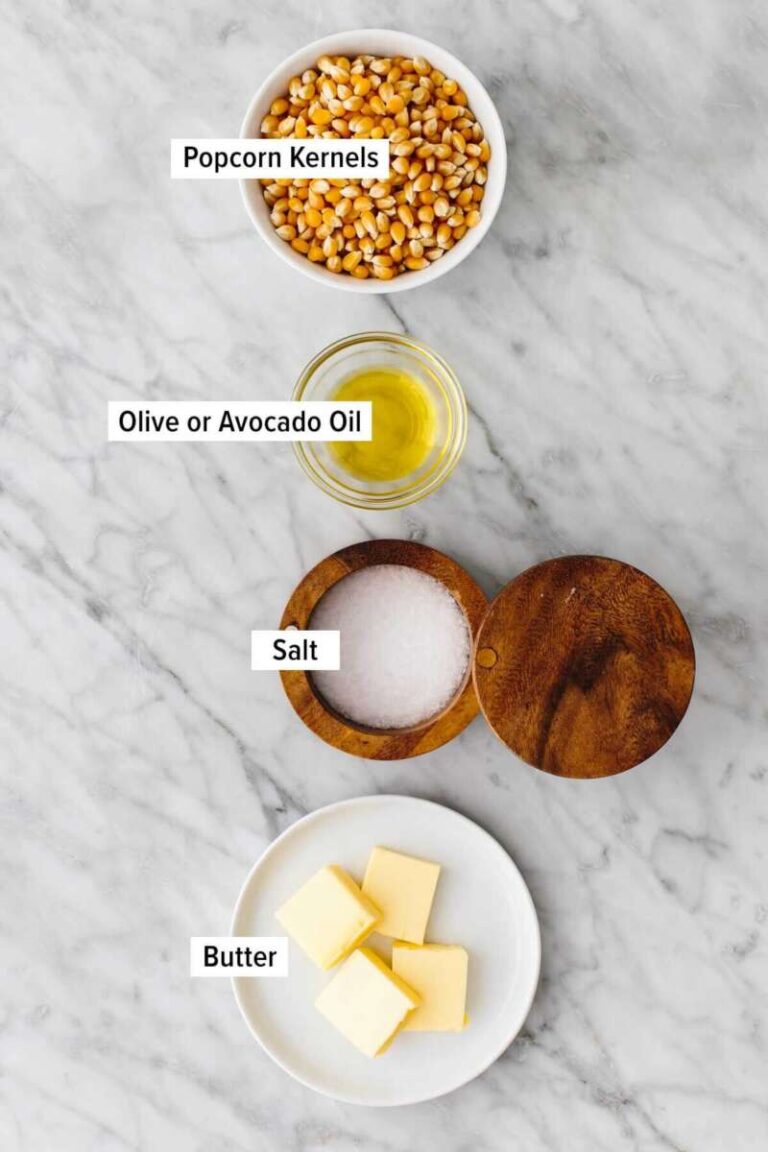
You will need:
• 2 tablespoons of popcorn kernels
• 1 to 2 teaspoons of cooking oil
• A heavy pot with a lid
• Salt or other seasoning, if desired
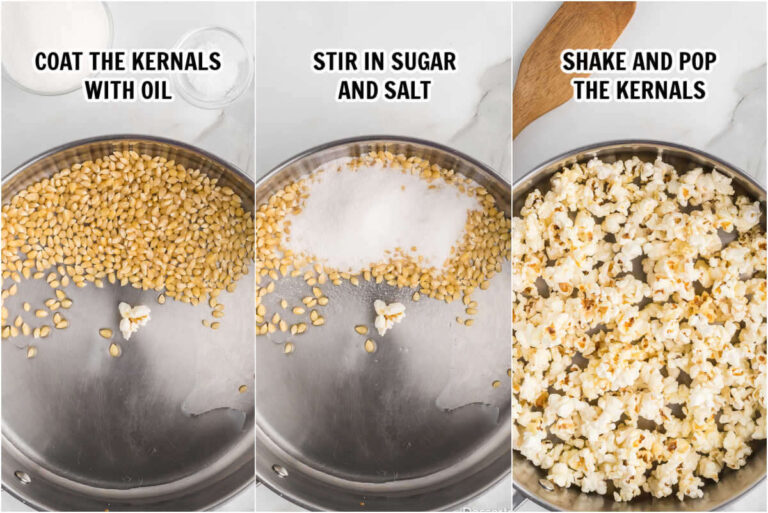
Follow these steps:
- Add the oil and two or three kernels to the pot.
- Cover the pot and heat it over medium heat.
- Wait until the test kernels pop.
- Add the remaining kernels.
- Cover the pot and gently shake it every few seconds.
- Stop heating when the popping slows to about one pop every two seconds.
- Pour the popcorn into a bowl.
- Remove unpopped kernels and measure 3 cups.
Do not fill the pot too deeply with kernels. Overcrowding traps steam and can lead to uneven popping. It may also make the popcorn soft instead of crisp.
In repeated kitchen tests, the most common mistake is adding too many kernels at once. People often expect more kernels to guarantee more popcorn. In practice, an overloaded pan can reduce airflow and leave more kernels unpopped.

How much oil and seasoning should you use?
Oil does not make the popcorn expand by itself. Its main job is to transfer heat and help seasoning stick to the popped corn.
For 2 tablespoons of kernels, use about 1 to 2 teaspoons of neutral oil. Canola, vegetable, sunflower, avocado, and coconut oil can all work well. Avoid butter at the start because its milk solids can burn. Add melted butter after popping.
For a simple seasoning mix, try:
• 1/8 teaspoon of fine salt
• 1 teaspoon of melted butter or oil
• A pinch of garlic powder, paprika, or nutritional yeast
Add seasoning while the popcorn is still warm. Toss it in a large bowl so the coating spreads evenly. Fine salt sticks better than coarse salt because it covers more surface area.
Remember that toppings add weight and may slightly reduce the volume of the popcorn. Three cups of plain popcorn will not occupy exactly the same space after adding butter or sauce.

How 3 cups of popcorn compares with serving sizes
Three cups of popped popcorn is a moderate snack portion. It is enough for one generous serving or two lighter servings.
Plain air-popped popcorn is naturally low in calories compared with many packaged snack foods. The calorie count rises with oil, butter, caramel, cheese powder, and other toppings. Nutrition labels often list a serving as 3 cups popped, but the exact calories depend on the brand and preparation method.
When comparing portions, check whether the label refers to:
• Unpopped kernels
• Popped popcorn
• Popcorn with oil
• Popcorn with butter or flavor coating
This detail matters. A label based on unpopped kernels can appear to show a smaller serving than one based on popped volume.
For a balanced snack, pair 3 cups of popcorn with a protein source, fruit, or another filling food. Plain popcorn offers fiber, but it does not provide much protein on its own.

Common mistakes when measuring popcorn kernels
Getting 3 cups of popcorn is simple once you avoid a few common errors.
Measuring by eye
A small handful can contain much more than 2 tablespoons. Use a measuring spoon or scale instead.
Using a large scoop
A scoop may hold different amounts depending on how tightly the kernels settle. Level measurements are more consistent.
Ignoring kernel age
Old kernels may not pop fully. If your popcorn has many unpopped pieces, test a fresh batch before changing the recipe.
Removing the lid too soon
Opening the pot during popping releases heat and steam. This can slow the process and increase the number of unpopped kernels.
Leaving the heat on too long
Once popping slows, remove the pot. Continuing to cook can burn the popped corn and dry it out.
Measuring before removing unpopped pieces
Hard kernels take up space but are not part of the finished snack. Remove them before measuring the final 3 cups.

Can you count popcorn kernels accurately?
You can count the kernels, but the result will only be an estimate. A sample of 2 tablespoons may contain 150 kernels, while another may contain 200 or more.
The reason is simple: kernels are not identical. Their size, shape, density, and moisture level all vary. Even kernels from the same bag may differ.
If you want to count them for a classroom activity or experiment, count several samples and calculate the average. For example:
- Count the kernels in 1 tablespoon.
- Repeat the count three times.
- Add the totals.
- Divide by three.
- Multiply the average by two.
This gives a better estimate of how many kernels make 3 cups of popcorn for that specific brand. It does not create a universal number for every type of popcorn.
Frequently Asked Questions
How many tablespoons of kernels make 3 cups of popcorn?
About 2 tablespoons of unpopped kernels usually make 3 cups of popped popcorn. Depending on the kernel type and popping method, the result may range from 2 1/2 to 3 1/2 cups.
Is 1/4 cup of popcorn kernels enough for 3 cups?
Yes, but 1/4 cup usually makes more than 3 cups. It often produces about 4 to 6 cups of popped popcorn, so use 2 tablespoons when you want a closer match.
How many grams of popcorn kernels make 3 cups?
Start with about 21 to 24 grams of kernels. A kitchen scale is more accurate than counting because popcorn kernels differ in size and weight.
Why did my kernels make less than 3 cups of popcorn?
Old kernels, low moisture, uneven heat, or an overcrowded pan can reduce expansion. A few unpopped kernels are normal, but a large number may signal a storage or cooking problem.
Does popcorn type change how many kernels make 3 cups?
Yes. Butterfly and mushroom popcorn have different shapes and may expand at different rates. Kernel size also affects how many individual pieces fit into 2 tablespoons.
Can I use oil to make more popcorn?
Oil helps transfer heat, but it does not greatly increase the popcorn volume. The kernel’s moisture and starch create the expansion, while the oil mainly supports even cooking.
How many cups of popped popcorn does 1 ounce make?
One ounce, or about 28 grams, commonly makes around 3 1/2 to 4 cups of popped popcorn. The exact yield depends on the kernel quality and the amount left unpopped.
Conclusion
About 150 to 200 kernels, or 2 tablespoons weighing roughly 21 to 24 grams, usually make 3 cups of popcorn. Treat this as a practical range because kernel size, moisture, heat, and cooking style can change the result.
For the most reliable portion, measure the kernels with a tablespoon or kitchen scale. Use fresh kernels, avoid overcrowding the pan, and remove unpopped pieces before measuring. Try the 2-tablespoon method at your next movie night, then adjust by a teaspoon to match your preferred yield. Share your favorite popcorn method or seasoning in the comments.

Liora Pennings is a seasoned chef and kitchen enthusiast with a passion for turning everyday cooking into an effortless experience. With years of hands-on culinary expertise, she specializes in practical techniques, ingredient know-how, and smart kitchen solutions that help home cooks elevate their meals. At KitchFlair.com, Liora shares her best tips, time-saving tricks, and honest product reviews to guide readers toward a more efficient, enjoyable, and inspired cooking routine. Whether you’re a beginner or a seasoned home chef, Liora’s friendly, knowledge-packed insights make every visit to the kitchen a little easier—and a lot more delicious.