How To Make Popcorn Kernels: Easy Stovetop Guide
You can make popcorn kernels pop by heating dried corn until its inner water turns to steam.
Learning how to make popcorn kernels starts with one key fact: you do not usually make the kernel itself in a kitchen. You grow or buy a special type of corn, dry it to the right moisture level, and then heat it with oil or hot air. This guide explains how popcorn kernels work, how to prepare them, how to pop them safely, and how to avoid common mistakes.
What Are Popcorn Kernels?
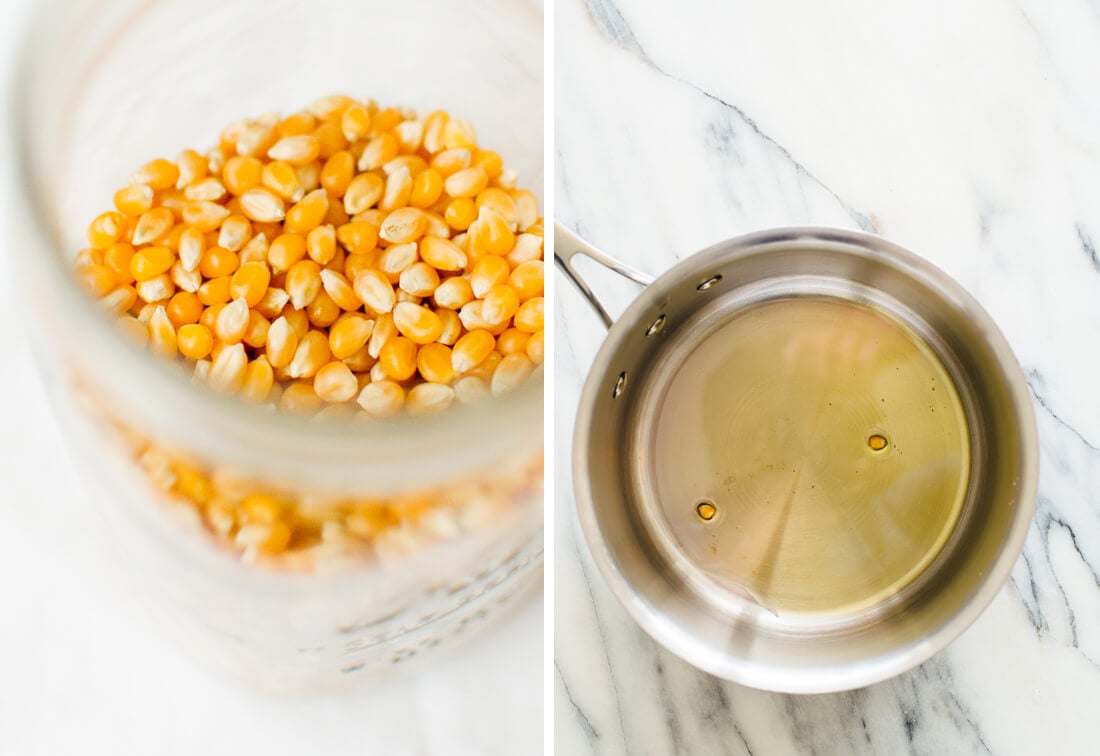
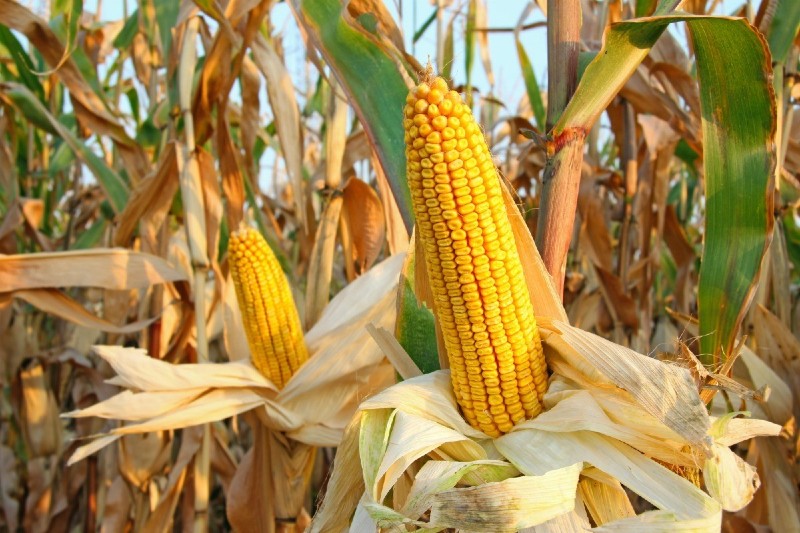
Popcorn kernels are dried seeds from a special corn variety called Zea mays everta. Unlike sweet corn, popcorn has a hard outer shell and a small amount of water sealed inside a starchy center.
When the kernel heats up, its water changes into steam. Pressure builds inside the shell until the kernel bursts open and turns inside out.
This simple process explains how to make popcorn kernels pop:
- Heat the kernel.
- Turn its inner water into steam.
- Build pressure inside the shell.
- Break the shell.
- Expand the starch into fluffy popcorn.
Not every dried corn seed can make good popcorn. Sweet corn, field corn, and decorative corn may become hard, chewy, or scorched instead of fluffy.
Can You Make Popcorn Kernels at Home?
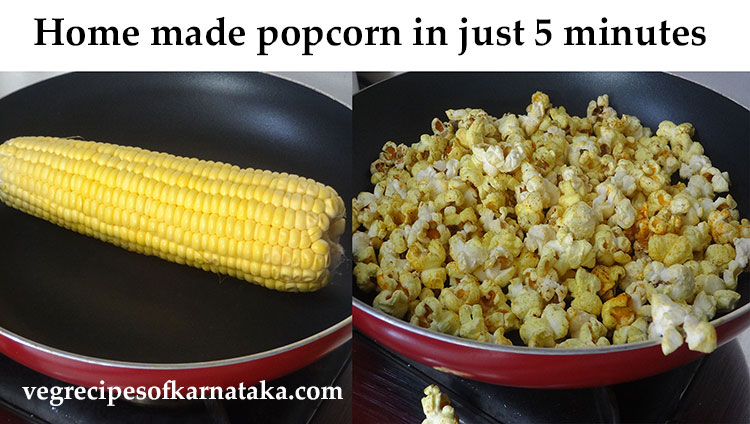
You can grow and prepare popcorn kernels at home, but you cannot make a true popcorn kernel from ordinary corn after harvest. The kernel must come from a popcorn variety that has the right shell, starch, and moisture balance.
If you grow popcorn, the full process looks like this:
- Plant popcorn seeds in warm soil.
- Let the corn mature on the stalk.
- Harvest the ears after the husks turn brown.
- Dry the ears until the kernels are hard.
- Remove the kernels.
- Test and adjust their moisture.
- Store them in an airtight container.
The most important part is drying. Kernels that hold too little water may not pop. Kernels with too much water may pop poorly, steam instead of burst, or create dense popcorn.
A good popcorn kernel usually contains about 13% to 15% moisture. This range helps create enough steam for expansion without making the kernel too wet.
How to dry popcorn kernels
Allow mature ears to dry in a warm, dry, well-ventilated place. Keep them away from rain, damp floors, and areas with heavy humidity.
After the kernels feel hard, remove a small sample and test it. If the popcorn is tough or leaves many unpopped kernels, it may need moisture adjustment.
To add a little moisture, place the kernels in a sealed jar with a small amount of water. Shake the jar, then let the kernels rest for a day or two. Add moisture slowly because excess water can lead to mold.
:max_bytes(150000):strip_icc()/__opt__aboutcom__coeus__resources__content_migration__simply_recipes__uploads__2015__01__perfect-popcorn-method-3-8a1253234a1f4e70880745127ea08fd5.jpg)
How to Make Popcorn Kernels Pop on the Stove
Stovetop popping gives you excellent control over heat, oil, and timing. It also produces crisp popcorn with a toasted flavor.
Ingredients and equipment
You need:
• ½ cup popcorn kernels
• 2 to 3 tablespoons neutral cooking oil
• A large pot with a lid
• A bowl for serving
• Salt or other seasonings
Canola, avocado, grapeseed, and vegetable oil all work well. Choose an oil with a high smoke point so it can handle the heat without burning.
Step-by-step method
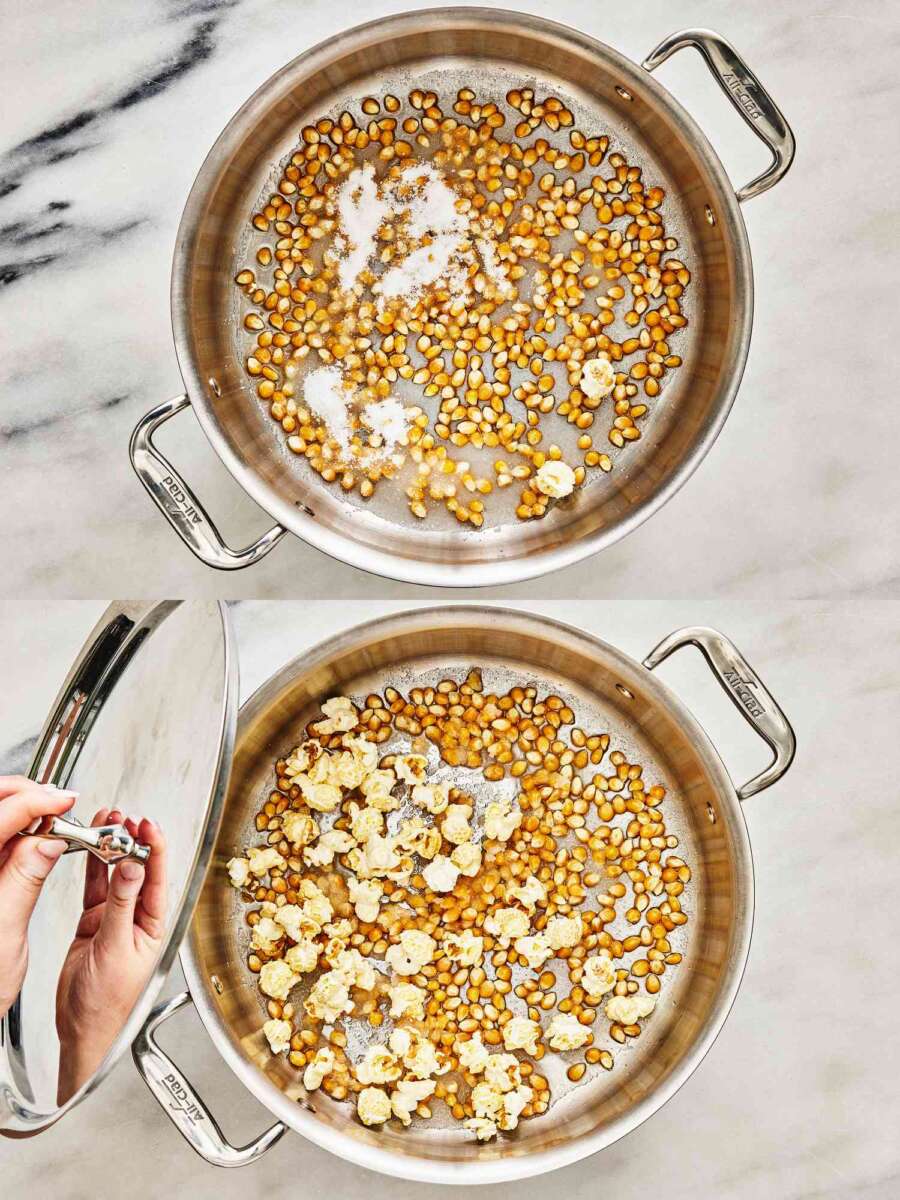
- Add the oil and two or three kernels to the pot.
- Cover the pot and place it over medium heat.
- Wait for the test kernels to pop.
- Remove the pot from the heat for about 30 seconds.
- Add the remaining kernels and shake the pot gently.
- Return the pot to medium heat.
- Keep the lid slightly open if safe to let steam escape.
- Shake the pot every few seconds.
- Remove it from the heat when pops slow to about two seconds apart.
- Pour the popcorn into a bowl at once.
The short pause before adding all the kernels helps them warm evenly. This small step can reduce unpopped kernels and prevent some pieces from burning.
One practical lesson is that timing matters more than force. Many people wait for every kernel to pop, but the last few kernels often burn before they open. When the popping slows, move the pot away from the heat.
How to Make Popcorn Kernels Without Oil
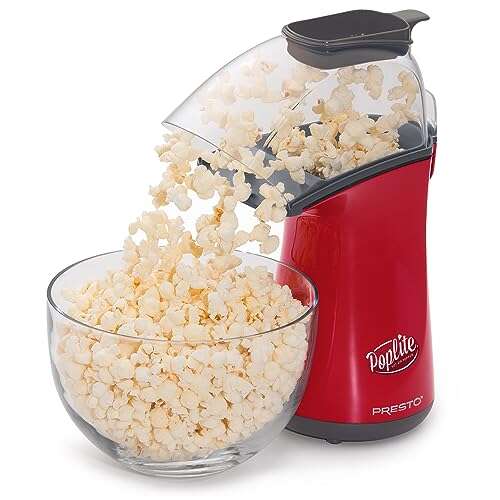
Air-popped popcorn is a useful choice when you want a lighter snack. It uses hot air instead of oil to heat the kernels.
Use an electric air popper according to its instructions. Place a large bowl under the chute, add the kernels, and let the machine heat them until the popping slows.
You can also use a microwave, but the container must be labeled microwave-safe. A paper bag made for microwave popcorn is safer than a sealed glass jar because steam needs a way to escape.
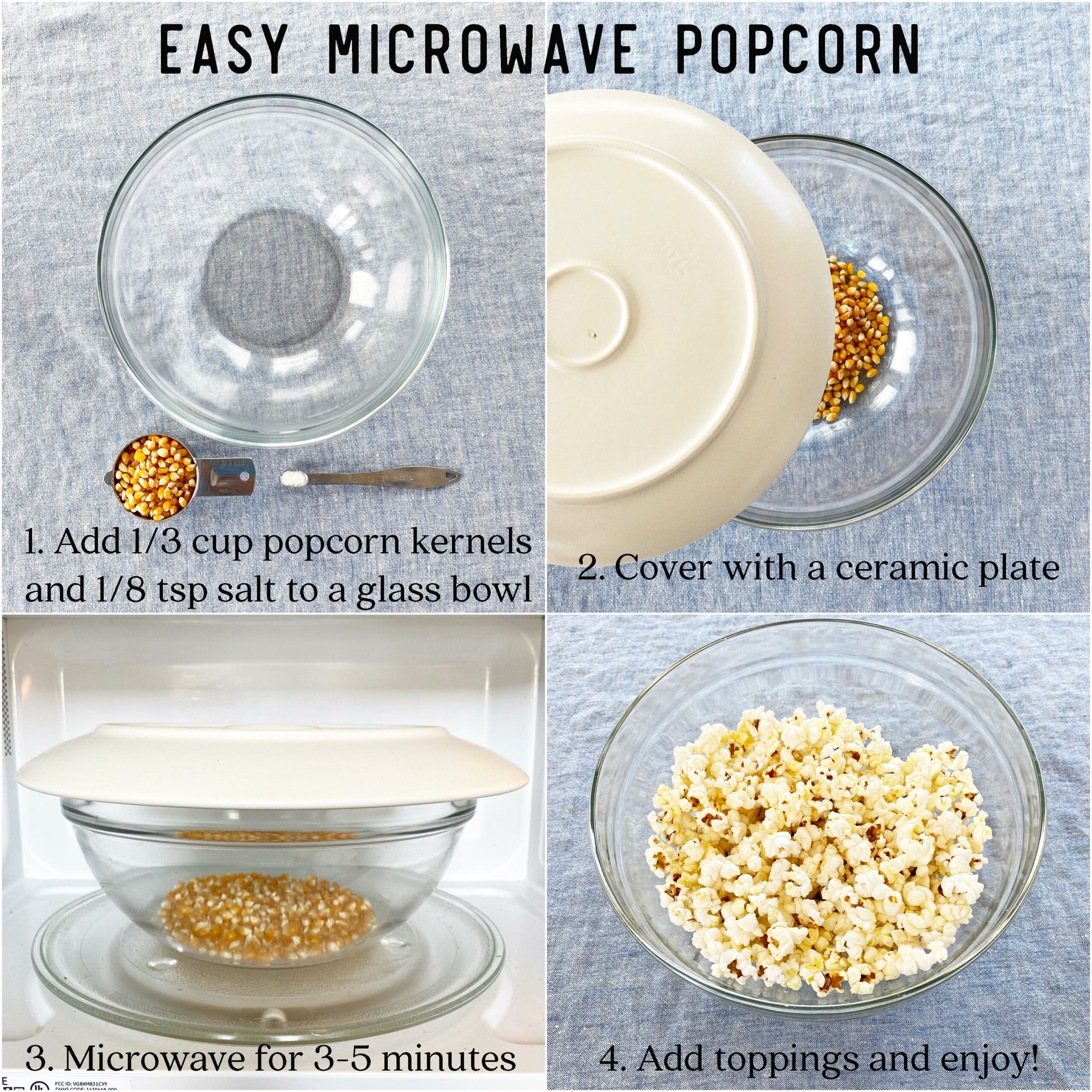
For plain microwave popcorn:
- Add ¼ cup kernels to a large microwave-safe bowl.
- Cover the bowl with a vented lid or microwave-safe plate.
- Heat on high for two to four minutes.
- Stop the microwave when pops are about two seconds apart.
- Remove the bowl carefully because it will be hot.
Do not use a tightly sealed container. Trapped steam can create dangerous pressure.
Air-popped popcorn is naturally low in fat, but toppings change its nutrition. Butter, cheese, caramel, and heavy oil can add significant calories and sodium. For a balanced snack, use a small amount of oil, herbs, or nutritional yeast.

How to Make Popcorn Kernels in a Microwave Bowl
A microwave bowl method is convenient when you do not have an air popper. It also makes it easy to prepare a single serving.
Place about ¼ cup of popcorn kernels in a large bowl. Cover it with a vented microwave lid or a plate that allows steam to escape.
Microwave the kernels on high. Cooking time depends on the microwave’s power, the bowl, and the moisture in the kernels. Listen carefully instead of relying only on a timer.
Stop heating when the pops slow to one every two seconds. Let the bowl rest for a minute before removing the cover, and open it away from your face.
If the popcorn tastes chewy, excess steam may be trapped in the bowl. If it tastes burnt, the heat was too high or the cooking time was too long.
:max_bytes(150000):strip_icc()/20240924-SEA-KettleCorn-MorganHuntGlaze-Step2Collage-58-45e015980aa2493e8e93e30f50652883.jpg)
How to Make Popcorn Kernels Taste Better
Freshly popped popcorn has a mild flavor, so it works well with both sweet and savory toppings. Add seasonings while the popcorn is still warm so they stick to the surface.
Try these combinations:
• Sea salt and melted butter
• Smoked paprika and garlic powder
• Parmesan and black pepper
• Cinnamon and a small amount of sugar
• Nutritional yeast and onion powder
• Chili powder, lime zest, and salt
• Caramel with roasted peanuts
For even coverage, place the popcorn in a large bowl and drizzle the topping slowly while tossing. Do not pour all the butter in one spot because it can make some pieces soggy.
Powdered seasonings often stick better than coarse spices. If dry seasoning will not cling, use a very light mist of oil or melted butter.
Avoid adding water-based sauces directly to popcorn unless you plan to eat it right away. Moisture quickly softens the popcorn.

Why Popcorn Kernels Do Not Pop
When you learn how to make popcorn kernels successfully, it helps to understand why some kernels fail. Unpopped kernels are often called “old maids,” although the term is less common today.
Common causes include:
• The kernels are too dry. They lack enough water to create steam.
• The kernels are too damp. They may steam without expanding well.
• The heat is too low. The kernels warm slowly and may dry out.
• The heat is too high. The outside burns before the inside pops.
• The pot is too crowded. Kernels do not heat evenly.
• The lid traps too much steam. The popcorn becomes soft.
• The kernels are damaged. Cracks can let steam escape.
• The kernels are old. Long storage can reduce their moisture balance.
Store kernels in an airtight container at room temperature. Do not keep them in the refrigerator unless you have a specific reason, because temperature changes can encourage condensation.
If your popcorn is chewy, allow steam to escape during cooking and serve it soon after popping. If many kernels remain unpopped, try a fresh batch or adjust moisture carefully.

The Best Kernel-to-Oil Ratio
A simple starting ratio is ½ cup kernels to 2 or 3 tablespoons of oil. This amount coats the pot and helps transfer heat evenly.
Too little oil can cause uneven heating, especially in a thin pot. Too much oil can make the popcorn greasy and may hide its natural flavor.
For a smaller batch, use:
• ¼ cup kernels
• 1 to 1½ tablespoons oil
For a larger batch, use:
• 1 cup kernels
• ¼ cup oil
Use a pot large enough to let the kernels spread across the bottom in one layer. Popcorn expands many times beyond its original volume, so leave plenty of room.
A heavy-bottomed pot often gives more even heat than a thin pan. However, any large pot can work if you control the temperature and shake it often.
Nutrition and Safety Considerations
Plain popcorn is a whole-grain food. It provides carbohydrates and fiber, but its final nutritional value depends on the toppings and serving size.
The U.S. Department of Agriculture lists air-popped popcorn as a whole-grain food with relatively few calories per cup when served without added fat. Butter, oil, sugar, and cheese can quickly change that profile.
Follow these safety rules:
• Never leave hot oil unattended.
• Keep the pot handle turned away from the edge.
• Use oven mitts when handling the lid.
• Open the lid away from your face.
• Keep children away from hot oil and steam.
• Do not heat kernels in a sealed container.
• Check for hard unpopped kernels before serving young children.
Popcorn can be a choking hazard for children under four years old. Caregivers should follow pediatric feeding guidance and consider the child’s age and chewing skills.
How to Store Popcorn Kernels
Keep unpopped kernels in a sealed glass jar, food-safe plastic container, or resealable bag. Store them in a cool, dry cupboard away from sunlight and heat.
Do not store popcorn kernels beside the sink, dishwasher, or stove. Repeated exposure to moisture and heat can reduce popping quality.
Properly stored kernels can last for a long time, but quality slowly changes. Test a small batch before making a large bowl for guests.
Store popped popcorn in a container that limits air exposure. It is best within one or two days, though homemade popcorn may stay crisp longer if it is fully cool before storage.
Never seal warm popcorn in a container. Warmth creates condensation, and condensation makes the popcorn soft.
Common Mistakes to Avoid
The biggest mistake is using high heat from the start. High heat may burn the oil and scorch the outside of the kernels before enough steam pressure develops.
Another mistake is filling the pot too much. A crowded pot creates uneven cooking and makes it harder to shake the kernels safely.
Avoid lifting the lid again and again. Each opening releases heat and extends the cooking time. Instead, listen to the popping and remove the pot when the gaps become longer.
Do not pour cold butter over the popcorn and expect an even coating. Melt it first, then drizzle it slowly while tossing the popcorn.
Finally, do not assume every corn seed can pop. The shell and starch structure of popcorn are special traits. Decorative corn may look similar, but appearance does not guarantee good popping.
Frequently Asked Questions About How to Make Popcorn Kernels
Can I make popcorn kernels from regular corn?
No, ordinary sweet corn does not usually become good popcorn. You need a popcorn variety with a hard shell and the right moisture inside the kernel.
How much oil should I use for popcorn kernels?
Use about 2 to 3 tablespoons of oil for ½ cup of kernels. The oil should lightly coat the bottom of the pot without deeply covering the kernels.
Why are my popcorn kernels not popping?
The kernels may be too old, too dry, too damp, or heated at the wrong temperature. A fresh batch and medium heat often solve the problem.
Can I pop popcorn kernels without oil?
Yes, you can use an air popper or a vented microwave-safe bowl. Oil is not required, but it helps transfer heat and adds flavor.
How do I make popcorn kernels pop evenly?
Warm the oil with two or three test kernels first, then add the rest after those kernels pop. Shake the pot gently during cooking and stop when the popping slows.
How should I store popcorn kernels?
Store them in an airtight container in a cool, dry cupboard. Protect them from moisture, heat, and repeated temperature changes.
Conclusion
How to make popcorn kernels pop well comes down to three factors: use true popcorn corn, keep the moisture balanced, and apply steady heat. On the stove, warm the oil, shake the pot, allow steam to escape, and stop cooking when the popping slows.
For the best results, start with a small batch and adjust your method based on texture. Try a fresh seasoning blend, share your favorite recipe, or explore more whole-grain snack ideas for your next movie night.
Liora Pennings is a seasoned chef and kitchen enthusiast with a passion for turning everyday cooking into an effortless experience. With years of hands-on culinary expertise, she specializes in practical techniques, ingredient know-how, and smart kitchen solutions that help home cooks elevate their meals. At KitchFlair.com, Liora shares her best tips, time-saving tricks, and honest product reviews to guide readers toward a more efficient, enjoyable, and inspired cooking routine. Whether you’re a beginner or a seasoned home chef, Liora’s friendly, knowledge-packed insights make every visit to the kitchen a little easier—and a lot more delicious.