Are Wet And Dry Vacuum Cleaner Good: Pros, Cons And Tips
Yes, wet and dry vacuum cleaners are good because they clean dust, dirt, spills, and some messes with one machine.
If you are asking, “are wet and dry vacuum cleaner good?” the answer depends on your floors, messes, storage space, and cleaning habits. These machines are powerful and flexible, but they also need careful use and cleaning. This guide explains their benefits, limits, safety needs, and best uses so you can make a smart choice.

What is a wet and dry vacuum cleaner?
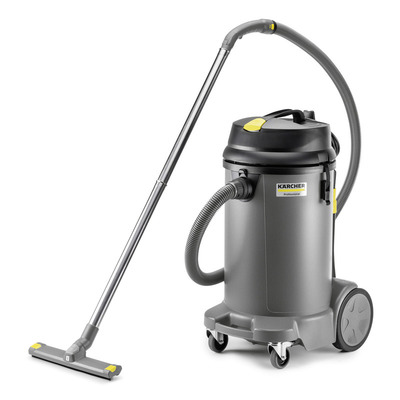
A wet and dry vacuum cleaner is a machine that collects both solid debris and liquid spills. It uses a motor and suction system similar to a standard vacuum, but its tank and filters are designed for more than dry dust.
A normal household vacuum may clog or suffer motor damage when it picks up water. A wet and dry model has better protection for liquid pickup. Many models also use a float valve that stops airflow when the tank reaches its limit.
Common names include:
• Shop vacuum
• Wet dry vacuum
• Utility vacuum
• Garage vacuum
• Multi-purpose vacuum
Most wet and dry vacuums have a large tank, a wide hose, strong suction, and several attachments. Some also include a blower function for clearing leaves, dust, or debris from hard-to-reach areas.
The design is simple. Dry debris enters the tank through the hose, while liquid flows into the same container. The filter setup changes based on the job, so you must follow the manual before switching from dry pickup to wet pickup.
Are wet and dry vacuum cleaner good for most homes?
Yes, are wet and dry vacuum cleaner good for many homes, garages, workshops, and vehicles. They are especially useful when one vacuum must handle several kinds of mess.
A wet and dry vacuum can help with:
• Water from a leaking appliance
• Mud near an entry door
• Sawdust in a workshop
• Dirt in a garage
• Food spills on hard floors
• Pet hair and dry debris
• Ash from a cold fireplace, if the model allows it
• Water in a basement or utility room
• Dust inside a car
Their main strength is versatility. Instead of keeping one vacuum for dry dirt and another machine for spills, you can use one tool for both tasks.
However, a wet and dry vacuum is not perfect for every home. A large shop vacuum may feel heavy in a small apartment. It may also be louder than a regular upright vacuum and less convenient for daily carpet cleaning.
The best answer to “are wet and dry vacuum cleaner good?” is based on your cleaning needs. If you often deal with spills, dirt, renovation waste, or garage messes, the benefits can be substantial.
Main benefits of wet and dry vacuum cleaners
One machine handles many messes
The biggest benefit is flexibility. You can use the same vacuum to clean dry dust in the morning and remove a small water spill later.
This makes a wet and dry vacuum useful for families, pet owners, DIY users, and homeowners who want fewer cleaning tools. It is like having a broom, dustpan, and small pump in one container.
Strong suction for heavy debris
Many wet and dry vacuums have high airflow and strong suction. This helps them collect larger debris that could damage a lightweight household vacuum.
They can often pick up:
• Small stones
• Wood chips
• Drywall dust
• Dirt clumps
• Leaves
• Broken glass, with care
• Water and other approved liquids
Strong suction does not mean every model performs the same way. Hose size, motor design, filter condition, and tank shape all affect real cleaning power.
Useful for garages and workshops
A regular vacuum may struggle with nails, sawdust, soil, and thick dirt. A wet and dry vacuum is made for tougher environments.
Many models include a long hose and large wheels. This lets you clean around workbenches, vehicles, shelves, and floors without carrying the entire machine.
Helpful for car cleaning
A wet and dry vacuum can clean vehicle carpets, seats, floor mats, and cargo areas. Its narrow tools can reach between seats and around center consoles.
Some models use a 1.25-inch or 2.5-inch hose. A smaller hose is easier to use inside a car, while a wider hose usually moves larger debris more easily.
Can remove water quickly
A wet dry vacuum can help with small floods, blocked drains, refrigerator leaks, and washing machine spills. Fast water removal may reduce damage to flooring and wood trim.
It is not a replacement for professional flood restoration. Large floods may hide moisture under floors and walls, where a vacuum alone cannot solve the problem.
Often lasts longer in rough conditions
Many shop-style models have strong tanks and simple parts. Some use stainless steel containers, while others use tough plastic that resists dents.
Durability depends on the brand, build quality, storage, and maintenance. A low-cost model may work well for light use, but a professional user may need a sealed motor and stronger hose.

Limitations to consider before buying
They can be loud
Wet and dry vacuums often produce more noise than standard household vacuums. Some shop models can be uncomfortable to use for long periods without hearing protection.
If noise matters, check the manufacturer’s decibel rating. You can also use ear protection when cleaning a garage or workshop.
They may be bulky
Large tanks provide more capacity, but they also add weight. A 12-gallon model may be excellent for a workshop but inconvenient for a small kitchen.
Think about where you will store it. A machine that stays buried in a closet may not be useful, even if it has excellent suction.
They may not clean carpets as well as an upright vacuum
A wet and dry vacuum can remove dry debris from carpets, but many models do not have a powered brush roll. Without a rotating brush, they may not lift embedded hair or fine dust as well as a carpet vacuum.
For homes with wall-to-wall carpet, a regular upright or canister vacuum may still be the better daily tool. You can keep a wet dry model for spills, cars, garages, and heavy messes.
Filters need correct handling
The filter used for dry debris may not be suitable for liquid pickup. Some models require filter removal before vacuuming water. Other models use a special foam sleeve.
Using the wrong filter can reduce suction, damage the motor, or send fine particles back into the room. The manual is not optional here.
Liquid pickup creates a cleaning task
After wet use, you must empty and dry the tank. If water sits inside for too long, it can create a stale odor and encourage microbial growth.
This is one reason some people decide that are wet and dry vacuum cleaner good for occasional use, but not ideal as their only daily vacuum.

Are wet and dry vacuum cleaner good for allergies?
The answer depends on the filter and the vacuum’s sealing system. A model with a certified HEPA filter can capture very small particles more effectively than a basic foam or paper filter.
For allergy control, look for:
• A true HEPA filter, not only “HEPA-like” wording
• A sealed body and hose connection
• Disposable bags, if available
• A washable pre-filter
• Clear filter replacement instructions
• Low dust leakage around the exhaust
A strong motor alone does not make a vacuum allergy-friendly. If air escapes around the lid, hose, or exhaust, fine dust can return to the room.
For mold, sewage, animal waste, or contaminated water, use professional guidance. A household wet and dry vacuum may spread harmful particles and may not be designed for biological hazards.
Are wet and dry vacuum cleaner good for pet owners?
Yes, are wet and dry vacuum cleaner good for pet owners who deal with fur, tracked dirt, and occasional accidents. Their strong suction can collect loose hair and debris from hard floors, furniture, vehicles, and entryways.
Still, the cleaning head matters. A plain floor nozzle may not remove embedded pet hair from rugs. A motorized brush tool often performs better for upholstery and carpet.
Never use a wet dry vacuum to collect animal waste unless the manual clearly permits it and you follow strict cleaning rules. For most pet accidents, remove solid waste first and use the machine only for approved liquid cleanup.
A useful routine is to vacuum dry fur often, empty the tank outside, and wash or replace filters on schedule. This reduces odor and helps maintain suction.
Are wet and dry vacuum cleaner good for hardwood floors?
They can be good for hardwood floors when used with the correct nozzle and suction setting. The machine can collect grit, sand, and small spills that may scratch or stain the surface.
Use care with liquid. Wood floors can swell or warp when water remains in seams for too long. Vacuum the spill quickly, then dry the area with a clean cloth.
Avoid dragging hard wheels or metal attachments across finished floors. A soft brush nozzle is safer for delicate surfaces.
For large amounts of water, first check whether the floor manufacturer allows wet cleaning equipment. Some engineered wood and laminate products have stricter moisture limits.
How to use a wet and dry vacuum safely
Safety is a major part of deciding are wet and dry vacuum cleaner good for your home. Correct use protects both you and the machine.
Follow these steps:
- Read the owner’s manual before the first use.
- Check the power cord, plug, hose, tank, and lid.
- Use the dry filter for dry debris when required.
- Install the foam or wet filter for liquid pickup when required.
- Do not vacuum flammable liquids unless the model is specifically approved.
- Keep the machine away from gasoline, solvents, paint thinner, and hot ash.
- Unplug the vacuum before changing filters or clearing a blockage.
- Stop when the float valve cuts suction or the tank reaches its limit.
- Empty the tank in an approved drain or disposal area.
- Rinse and dry the tank after wet use.
Do not vacuum live electrical equipment or water near exposed electrical outlets. Water and electricity can create a deadly shock risk.
Also avoid vacuuming hot materials. A vacuum designed for ordinary debris is not automatically safe for fireplace ash, embers, or construction dust.
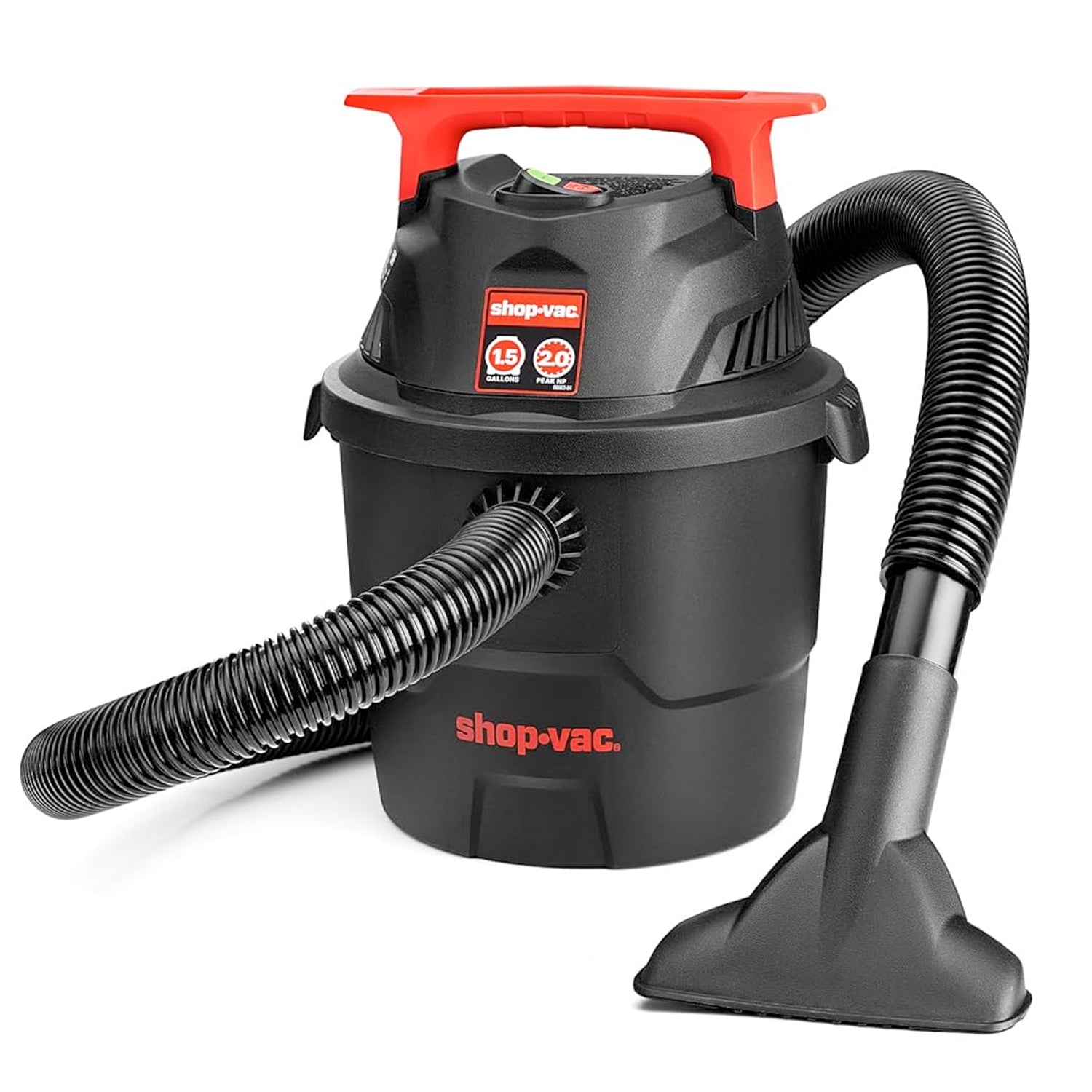
Wet and dry vacuum maintenance tips
Good maintenance keeps suction strong and reduces smells. It also helps the motor last longer.
After dry use
Empty the tank before it becomes packed with debris. Check the filter and clean it according to the manual. Some filters can be tapped clean outdoors, while others need washing or replacement.
Do not wash a filter unless the manufacturer says it is washable. A damp paper filter can restrict airflow and may damage the vacuum.
After wet use
Drain the tank as soon as possible. Rinse away dirt, then leave the lid open until all parts are fully dry.
Inspect the float valve. Dirt can stop it from moving freely, which may allow liquid to travel where it should not.
Each month
Check the hose for cracks. Look at the seals around the lid and inspect the cord for damage. Replace worn filters and bags before they become blocked.
A common mistake is storing the machine while the tank is still damp. That small shortcut can create a strong smell that is hard to remove.
What to look for when buying one
The right wet and dry vacuum depends on more than motor power. Compare the full design.
Tank size
Small models may hold 2 to 6 gallons. They are easier to carry and suit cars, apartments, and quick spills.
Larger models may hold 8 to 16 gallons or more. They suit workshops, garages, and bigger cleanup jobs, but they take more storage space.
Suction and airflow
Manufacturers may list sealed suction, airflow, or peak horsepower. These numbers are not always measured in the same way, so avoid judging performance from one number alone.
A good hose, sealed lid, and clean filter can matter as much as the motor rating.
Filter system
Check whether the model includes:
• A cartridge filter
• A foam sleeve
• A HEPA filter
• Disposable collection bags
• A washable filter
• A filter alert
A useful filter system makes it easier to switch between wet and dry cleaning.
Hose and attachments
Look for a hose length that suits your space. A long hose helps with stairs and cars, while a short hose may be easier to store.
Helpful tools include a crevice tool, floor nozzle, wet pickup head, brush tool, extension wands, and a blower port.
Drain port
A drain port is valuable on large tanks. It lets you release liquid without lifting the full container.
This feature matters most if you expect to clean flooded basements, large spills, or wet construction debris.
Noise and portability
Choose large wheels and a stable handle for garage work. For indoor use, consider a lighter model with better sound control.
Before buying, check the warranty and the price of replacement filters, hoses, and bags. A cheap vacuum can become expensive if parts are hard to find.
Common mistakes to avoid
Many problems come from simple errors rather than poor vacuum design.
• Using a dry paper filter for liquid pickup
• Leaving water in the tank overnight
• Vacuuming hot ash or burning material
• Picking up gasoline or other flammable liquids
• Overfilling the tank
• Blocking the exhaust
• Using a clogged filter
• Expecting a shop vacuum to deep-clean carpet
• Pulling the machine by its power cord
• Storing it with a wet filter
One practical lesson is to prepare the vacuum before the mess happens. Keep the correct filters and attachments together. Label wet and dry accessories if more than one person uses the machine.